10 NEW THINGS TO KNOW BEFORE VISITING KYOTO
Mar 24, 2026
BY Maria Diaz
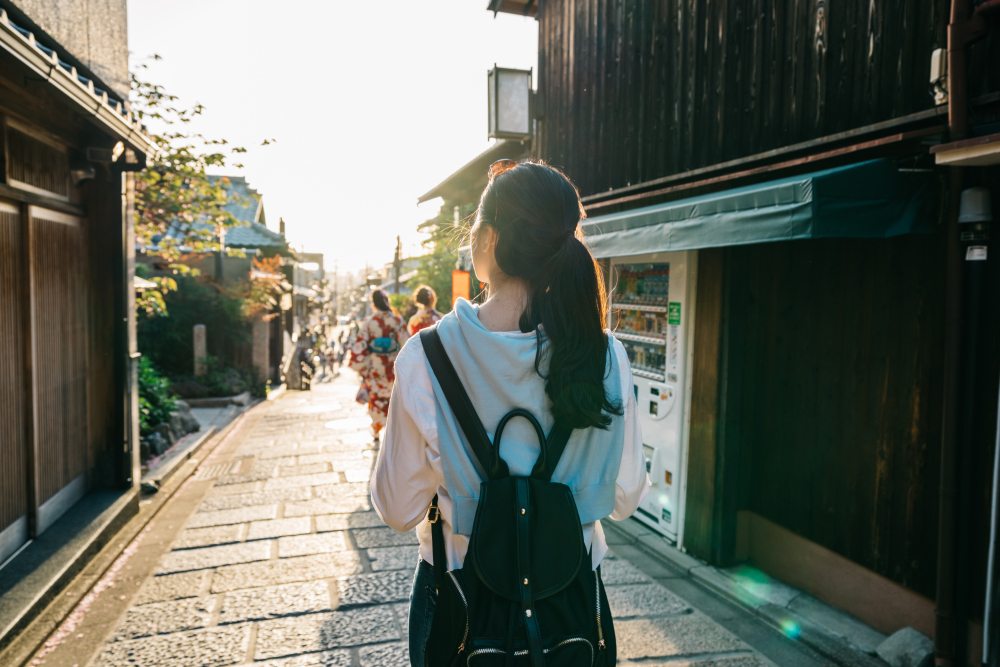
Kyoto is one of Japan’s most iconic destinations, known for its temples, traditional neighborhoods, seasonal beauty, and rich cultural heritage. As tourism continues to grow, the city is evolving, not only by introducing new rules and systems but also by creating fresh experiences for visitors. In 2026, travelers will find a mix of practical changes and exciting additions, from updated tax systems and transportation improvements to immersive cultural attractions and new entertainment options. These developments reflect Kyoto’s effort to balance tourism with daily life while enhancing the overall travel experience. Before planning your trip, here are 10 new things to know and explore in Kyoto in 2026.
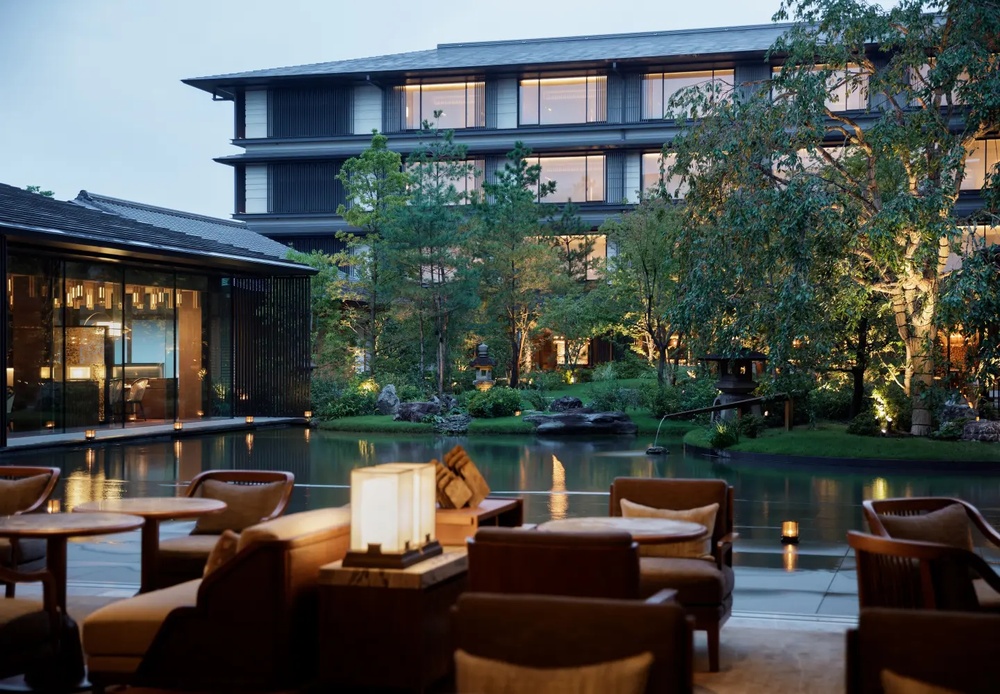
Luxurious hotel in Kyoto – Photo Credit: Hotel The Mitsui
New Rules for Luxury Travelers
Effective March 1, 2026, Kyoto will implement a major revision to its accommodation tax system, introducing a progressive structure that significantly increases the burden on high-end stays. While the tax was previously capped at ¥1,000 per person per night, it can now reach up to ¥10,000 for accommodations costing more than ¥100,000 per person per night, the highest rate in Japan. This change reflects Kyoto’s policy shift towards improving the “quality of tourism”, particularly in response to overtourism and the strain on historic districts. The extra money will be used to preserve traditional townscapes, maintain stone-paved streets and cultural heritage sites, improve congestion management systems, enhance multilingual services, and upgrade transportation infrastructure around major sightseeing areas.
Luxury hotels and long-established ryokan are also responding by elevating service standards and developing exclusive cultural experience programs that align with higher guest expectations. For travelers, especially those booking premium stays during peak cherry blossom or autumn foliage seasons, careful budget planning and checking whether the prices are tax-inclusive have become more important than ever. Ultimately, the revised tax is positioned not merely as a price increase but as a reinvestment in sustaining Kyoto’s cultural beauty and ensuring a more refined and comfortable travel experience for the future.
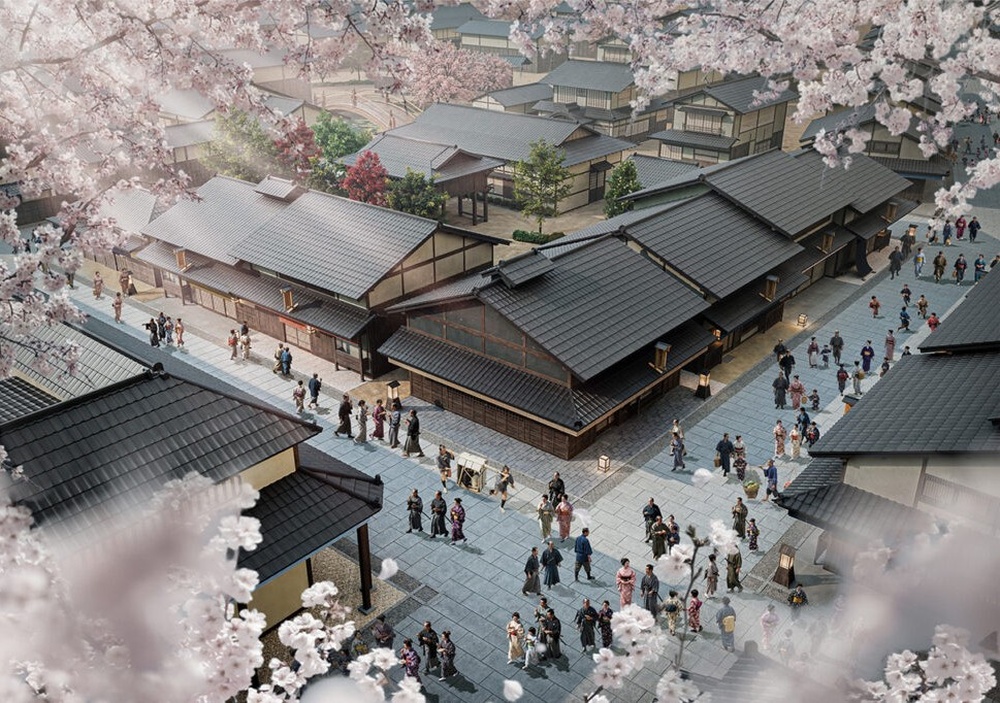
Uzumasu Kyoto Village – Photo Credit: Toei Kyoto Studio Park
Edo-Period Immersive Park Relaunched
On March 28, 2026, Kyoto’s historic film studio park, Toei Uzumasa Eigamura, officially relaunched its first phase under the new name Uzumasa Kyoto Village, marking a bold transformation from a traditional movie-set attraction to a fully immersive Edo-period “living town” designed primarily for adults. Once known mainly as the birthplace of Japanese period dramas, the site now invites visitors to step into interactive historical experiences rather than simply observe them: participants can dress in a kimono, try hands-on cultural activities like a tea ceremony, ikebana flower arranging, and traditional theatre, and explore lantern-lit streets that feel distinctly different by day and by night. The park now features expanded evening hours, creating lively entertainment areas. Guests can enjoy exciting sword-fighting shows performed by professional actors and enhanced with projection mapping technology. A selection of authentic restaurants, serving Kyoto craft beer, dashi-style udon, sushi, and local sweets, as well as specialty shops selling Japanese crafts and souvenirs, add to the experience. A new food-and-sake pairing bar also attracts visitors in their 20s and 30s.
Located about 30 minutes by train from Kyoto Station, the park plans further expansions through 2028. It is becoming a new kind of destination in Kyoto, encouraging visitors to stay longer and spend a full day, or even the whole evening, in a recreated Edo-era world.
Website: https://global.toei-eigamura.com/

Woman storing her luggage in a locker – Photo Credit: Kyoto City
Hands-Free Tourism: The Answer for Comfortable Travels
As overtourism continues to grow and street space is becoming more limited, hands-free tourism has become an expected standard for new visitors. As part of official efforts to ease congestion and protect the residents’ daily routines, visitors are strongly discouraged from bringing large suitcases onto crowded city buses, especially those that go to sightseeing areas. Instead, Kyoto has built a well-organized luggage support network (click here) centered around Kyoto Station. In the underground shopping areas and near JR ticket gates, travelers will find staffed counters offering same-day hotel delivery services, typically costing a few hundred to around ¥1,000 per item depending on size and distance. In addition to delivery, there are expanded oversized-luggage storage counters and coin lockers, addressing the long-standing shortage during peak seasons.
Several private operators also provide direct station-to-hotel transfer services with clear pricing and, in some cases, online reservations. By dropping off bags immediately upon arrival, visitors can navigate Kyoto’s narrow streets, enjoying sightseeing and moving between buses without worrying about carrying large luggage with you, contributing to a smoother and more respectful way of travel for both tourists and locals. If you want to learn more about this kind of service, don’t forget to read our entry.
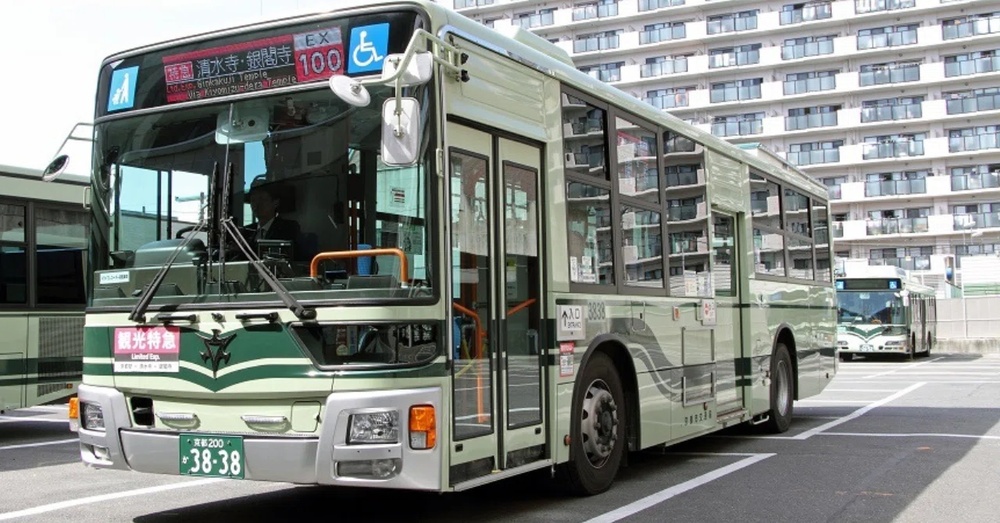
Kyoto’s Tourist Express Bus – Photo Credit: City of Kyoto
The New Tourist Express Bus
Exploring Kyoto is now much more comfortable thanks to the new Tourist Express Bus (S-BUS), created especially for visitors. In the past, one of the biggest challenges when sightseeing in Kyoto was crowded local buses, particularly during the cherry blossom and autumn seasons. Long lines, packed vehicles, and slow routes often made traveling between popular attractions tiring and time-consuming. The S-BUS was introduced to make moving around the city faster and easier.
The main express lines are the EX100 and EX101, both departing from the bus terminal area outside Kyoto Station (usually from stop D1). These routes connect directly to popular sightseeing spots such as Kiyomizu-dera, the historic Gion district, Heian Shrine, and Ginkaku-ji. Because the buses make fewer stops and take more direct routes, travel time is significantly shorter compared to regular city buses, in some cases reducing a 50-minute ride to around 30 minutes.
The adult fare is ¥500 (regular buses cost ¥230, and children pay ¥250). You can pay when boarding at the front of the bus using an IC card such as ICOCA or Suica, cash, or even the Subway & Bus 1-Day Pass, which is also valid on these express services. The buses are clearly marked “Limited Express” 観光特急 and offer multilingual announcements in English, Chinese, and Korean, making them very easy to use.
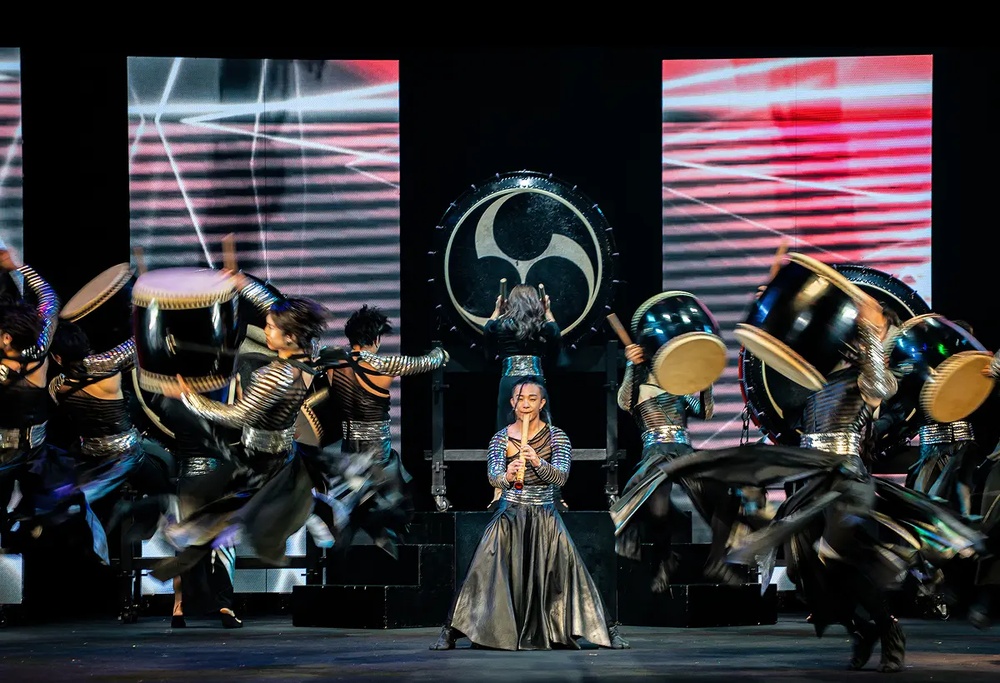
A breathtaking DRUM TAO performance – Photo Credit: Drum Tao Theater Kyoto
DRUM TAO, A Must-See Show
In April, a brand-new cultural attraction will open in Kyoto: the dedicated DRUM TAO THEATER KYOTO, located on the 9th floor of Kyoto Avanti, just steps from Kyoto Station. It’s an easy place to visit after a day of sightseeing, and with two shows every evening, it gives visitors something exciting to do at night in Kyoto.
If you haven’t heard of them before, DRUM TAO is one of Japan’s most exciting live performance groups. They play taiko, which simply means “drum” in Japanese. Taiko is a traditional style of drumming that has been part of Japanese festivals and ceremonies for hundreds of years. The drums are big and loud, and the performers use their whole bodies when they play, so the show feels powerful and full of energy.
DRUM TAO started in 1990 and has performed all over the world, with more than 10 million people watching their shows. Their performances mix traditional drums with modern lighting, cool costumes, and fast but still powerful choreography. There are no spoken words, so anyone can enjoy it, even if you don’t speak Japanese. If you’re visiting Kyoto and want something exciting to do at night, this show is a fun and unforgettable way to experience Japanese culture in a lively, modern way.
Website: https://drum-tao-kyoto.com/en/
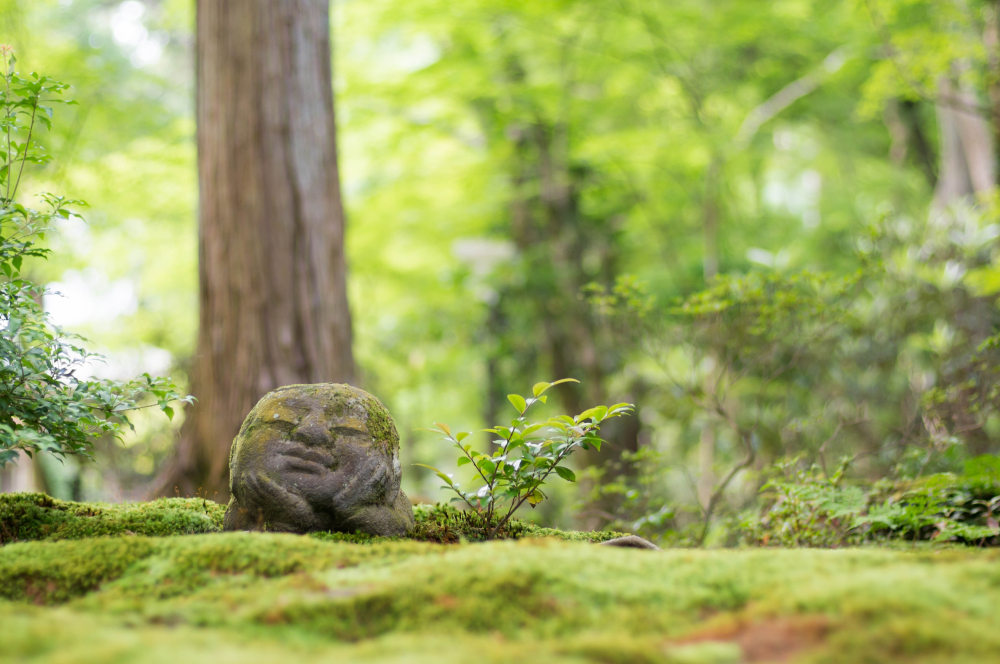
Adorable Jizo statue in the garden of Ohara Sanzenin Temple – Photo Credit: ryo96c
“Tourist Comfort Map”: The AI Tool to Avoid Crowds
One of the smartest tools for visiting Kyoto in 2026 is the AI-powered congestion forecast available on the official Kyoto City Tourism Association website, often called the “Tourist Comfort Map” on Kyoto Tourism Navi. Instead of guessing which places might be busy, you can check real-time crowd levels directly on your phone.
What makes this tool especially useful is that it doesn’t just show how crowded an area is right now; it also predicts how busy it will be about an hour later. The system uses AI and data analysis to estimate congestion levels across popular sightseeing districts. So if you see that Arashiyama is currently very crowded, you can quickly adjust your plan and head somewhere quieter, such as Sanzenin Temple, before wasting time in heavy foot traffic. The map covers major tourist zones rather than just single attractions, helping you plan smarter routes throughout the day. This is especially helpful during peak travel seasons like cherry blossom and autumn foliage periods, when crowd levels can change quickly. By checking the forecast while you move around the city, you can avoid long waits, packed streets, and overcrowded buses, making your trip feel more relaxed and enjoyable!
Website: https://global.kyoto.travel/en/comfort/
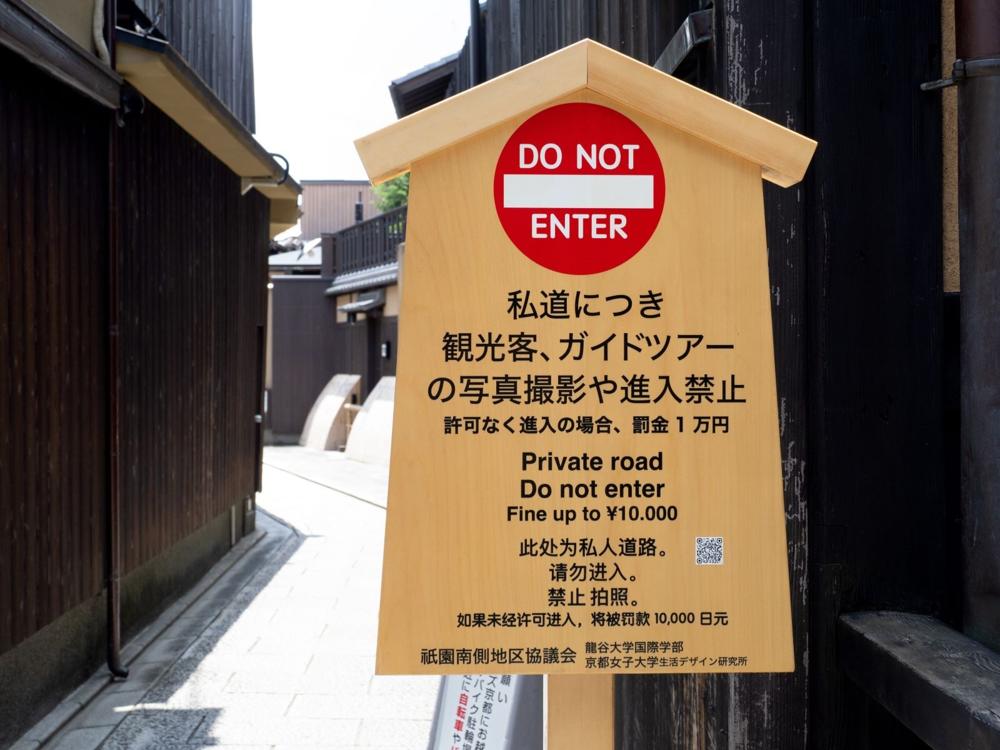
“Do Not Enter” sign in Gion alley – Photo Credit: All About News
Gion Restrictions
Kyoto’s Gion district has introduced access and photography restrictions to address overtourism, protect residents, and preserve traditional culture. The area has experienced overcrowding and inappropriate tourist behavior, including harassing geiko (geisha) and maiko for photos and trespassing on private property. Local residents stress that Gion is a living neighborhood, not just a tourist site.
Main public streets such as Hanamikoji remain open to visitors, but private alleys (shido) are strictly off-limits. Signs in Japanese, English, and Chinese clearly mark restricted areas, and entering private alleys can result in a ¥10,000 fine. Photography is prohibited in private streets, and violators may also face fines. In public areas, photography is generally allowed, but visitors must act respectfully. Tourists should not chase, crowd, or photograph geiko and maiko without permission. Some private alleys are monitored by surveillance cameras to enforce these rules.
Visitors are encouraged to stay on public streets, follow posted signs, respect personal space, and observe local etiquette to help preserve Gion’s traditional atmosphere. If you would like to see geiko or maiko and take photos, you can attend their public performances or cultural events, which also support the local community.

Handing the passport – Photo Credit: Dragon Images
Launch of a New Tax System
From November 1, 2026, Japan will introduce a new tax-free shopping system for international visitors. Under the new system, travelers will pay the full price, including the 10% consumption tax, when they make a purchase. Instead of receiving the tax exemption at the store, they will apply for a refund later at designated counters in airports or other approved departure locations before leaving Japan.
This change aims to improve control and prevent misuse of the tax-free system. Because tax-free shopping is intended for goods that are taken out of Japan, travelers may need to show their passports, receipts, and purchased items during the refund process.
Shops will also update their procedures to follow the new rules, including using digital systems to record purchases. Visitors are advised to keep their receipts, avoid opening consumable items before departure if required, and allow extra time at the airport to complete the refund process. More detailed guidelines are expected to be announced before the new system begins.
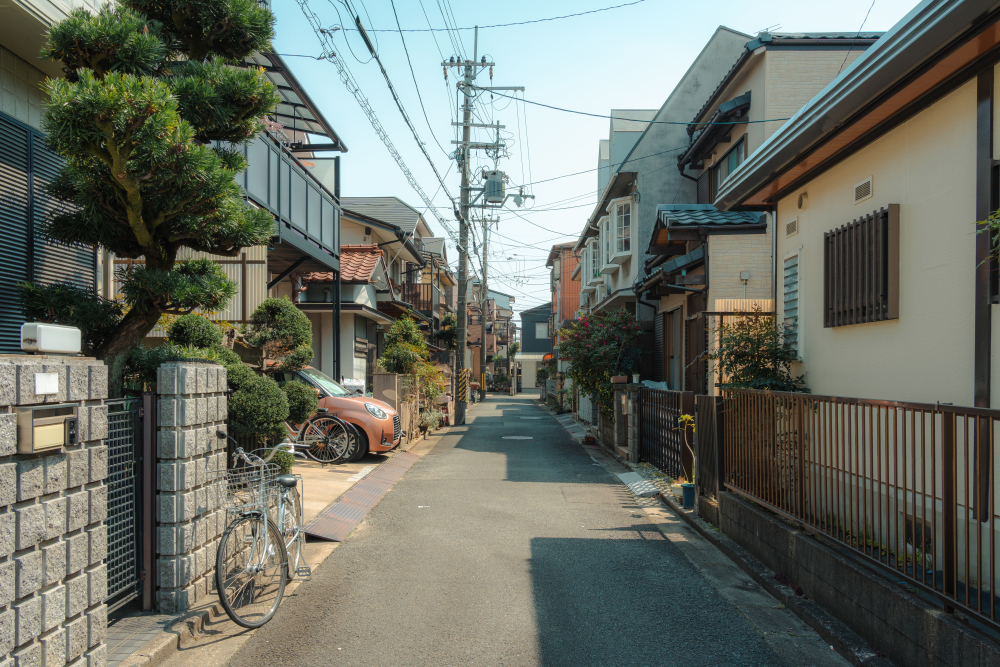
Typical Japanese neighborhood – Photo Credit: Mumemories
Stronger Inspections of Private Lodgings
In 2026, Kyoto will take a more active approach to checking private lodgings (minpaku) to help protect the quiet daily life of local residents. In the past, the city usually acted only after receiving complaints. But starting in 2026, city authorities will carry out surprise inspections late at night and early in the morning. This is especially important in residential areas, where late-night noise and improper garbage disposal have caused problems for neighbors. Instead of waiting for complaints, city authorities will check the situation directly.
These stronger inspections are also connected to the planned 2026 update of the “Minpaku Proper Management Ordinance”. If serious rule violations are found, such as too many guests staying in one property or no manager available in case of an emergency, city authorities may suspend operations or publicly announce the property’s name. For visitors, this means that staying in Kyoto is not just about booking a place to sleep, but about remembering that they are staying in someone’s neighborhood and respecting the people who live there.
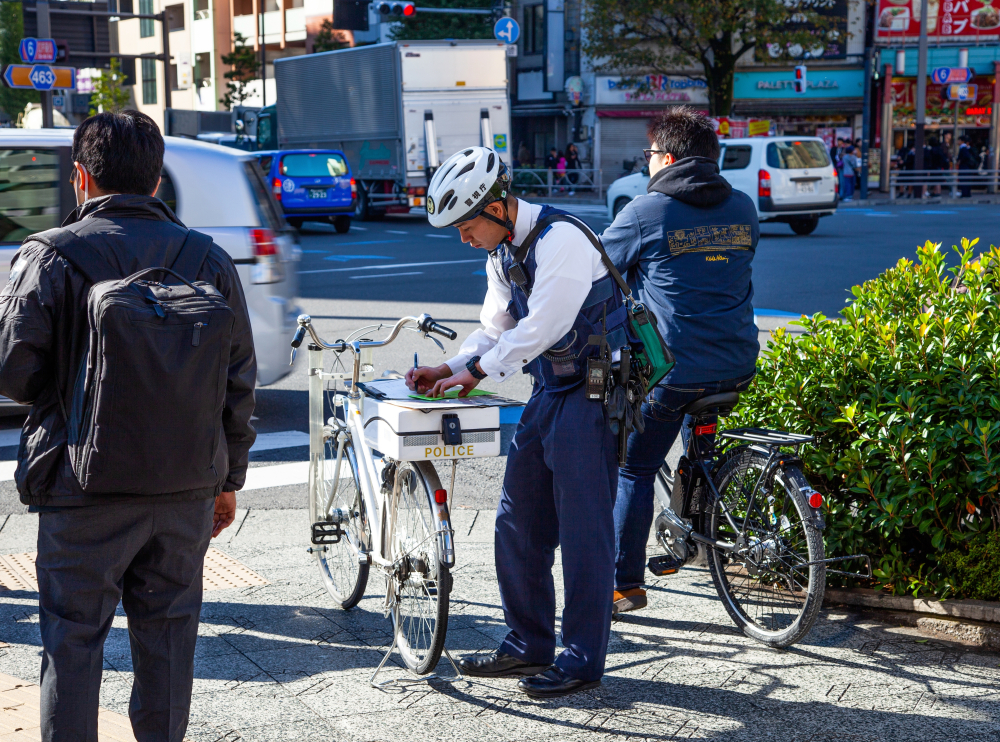
A police officer on a bicycle writes a ticket to another cyclist – Photo Credit: LilyRosePhotos
New Bicycle Rules for Visitors to Kyoto
From April 1, 2026, the introduction of the Bicycle “Blue Ticket” System (Traffic Violation Notification System) will significantly change the way rental bicycles, commonly used for sightseeing in Kyoto, are used. Until now, bicycle violations were handled either with a serious criminal penalty (“red ticket”) or with a non-binding warning. Under the new system, however, cyclists aged 16 and over will be subject to fines ranging from several thousand yen to over ¥10,000 even for minor violations.
In particular, common violations on Kyoto’s narrow streets, such as riding against traffic (keeping to the right side), using a smartphone while riding (for example, checking maps), and riding with an umbrella on rainy days, will be strictly enforced. Tourists will not be exempt, and tickets may be issued on the spot.
With the start of this system, rental bicycle companies are expected to provide more thorough explanations of traffic rules at the time of rental. In Kyoto, stricter compliance with pedestrian priority rules on sidewalks and complete stops at intersections will be required. Violations may result in fines of around ¥12,000 for using a smartphone while riding, and around ¥6,000 for running a red light or riding against traffic. To avoid spending travel funds on fines, make sure to follow all the traffic rules.
Visiting Kyoto in 2026 is not just about sightseeing; it’s about traveling more thoughtfully. The new rules, services, and systems introduced this year aim to create a better balance between visitors and residents while preserving the city’s cultural beauty for the future. By understanding these changes in advance, you can enjoy a more comfortable and responsible visit. With a little preparation and awareness, your trip to Kyoto can be both unforgettable and respectful of the city that welcomes you.
Featured Photo Credit: PR Image Factory
Need help clarifying all the specifics of your next Kyoto adventure? Our Tailored Travel team is well-equipped with everything needed to craft you an amazing trip in Japan, removing all the stress and mess that comes with international travel!
PIN THIS FOR LATER
Book your pocket wifi now to stay connected through your entire Japan Journey!

Be sure to get the JR Pass to make navigating Japan during your trip that much easier!
YOU MIGHT ALSO LIKE