Showa Retro Neighborhoods in Tokyo You Can Still Visit Today
May 20, 2026
BY Jacqueline Soltys
The Showa era was the time period when Japan was ruled by Emperor Showa, from the years 1926 to 1989. During this era, there was a large cultural, political, and economic shift following the end of World War II, leading to demilitarization and emphasis on peace and harmony. Japan experienced a great economic boom between the 50’s and 70’s, creating advancements in technology and improving daily life with upgraded household appliances and public transportation. Today, many people get nostalgia for this era and the carefree, stable lifestyle and innovation that was experienced back then.
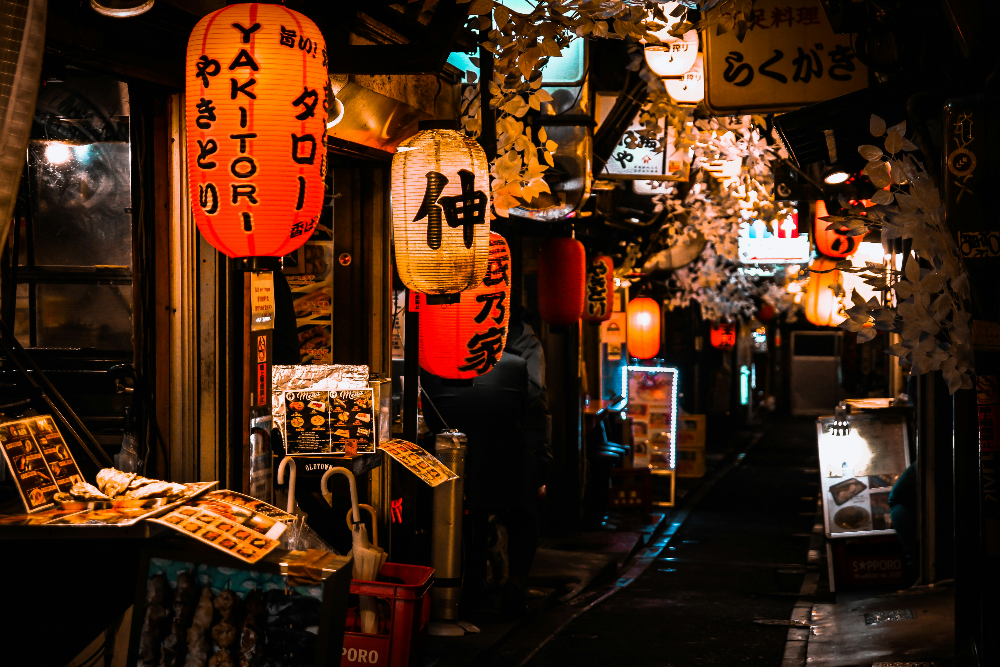
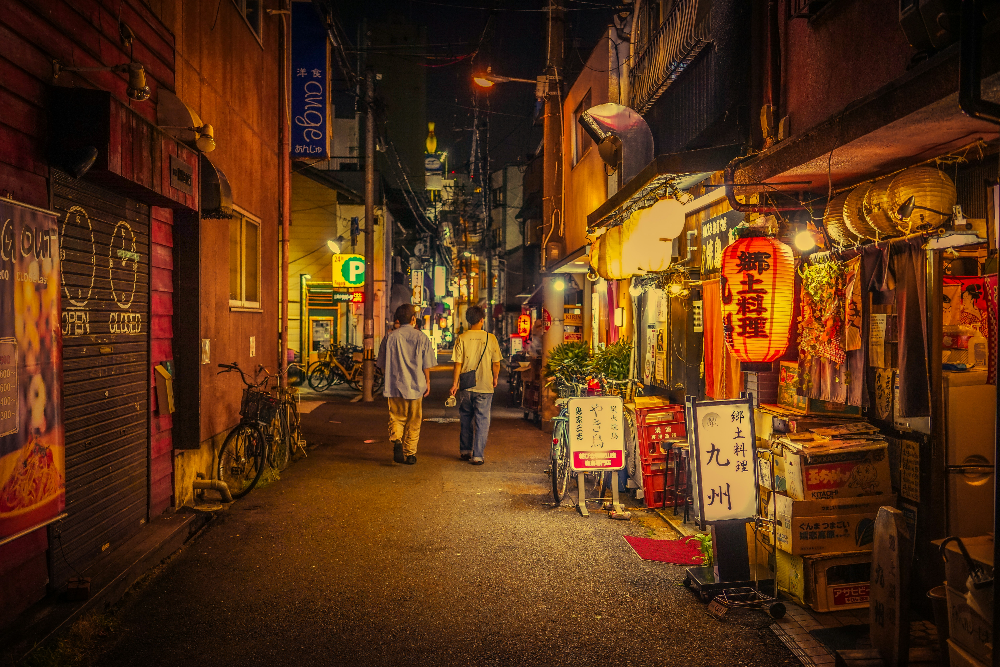
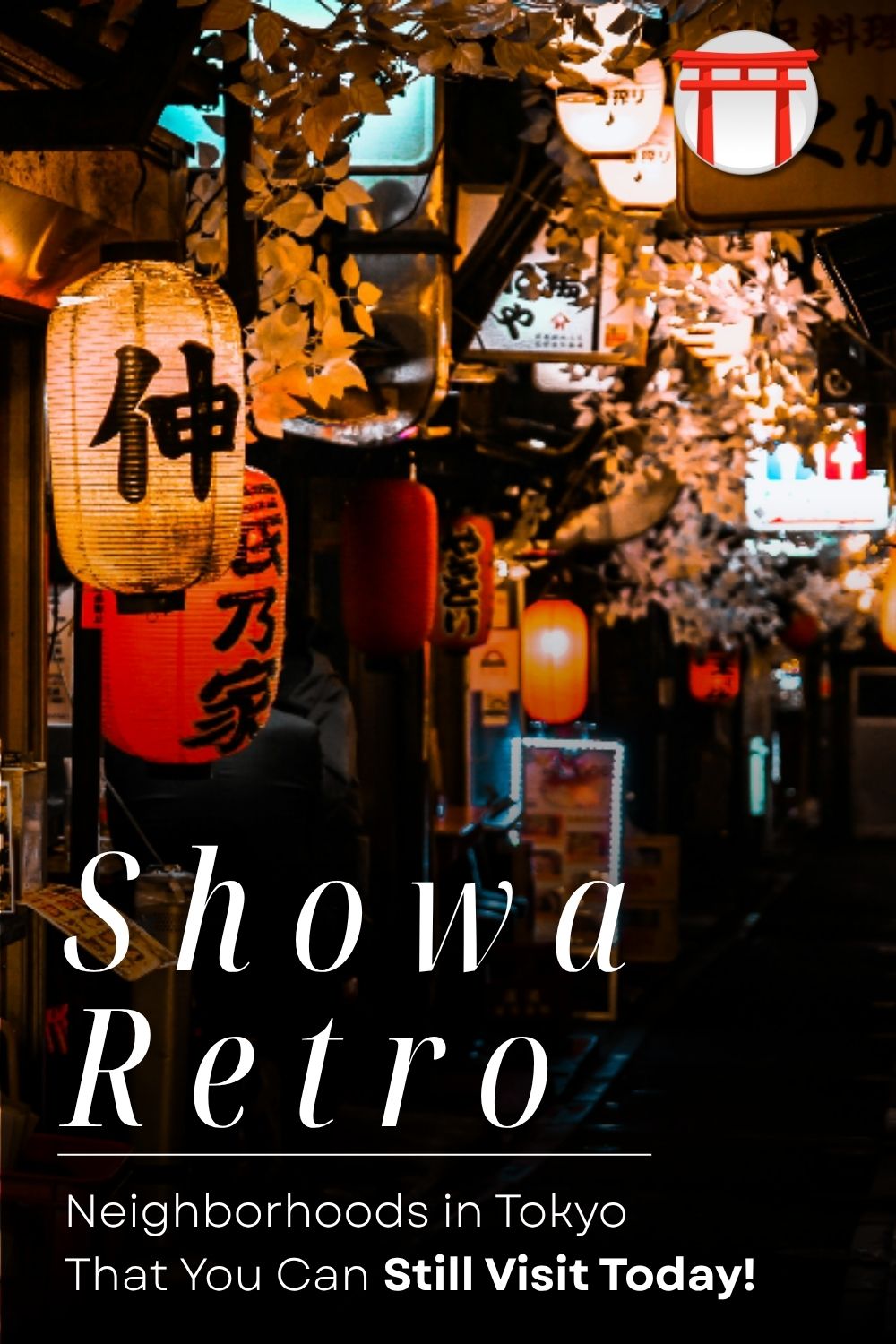
Alleyway in Omoide Yokocho – Photo Credit: Pema G. Lama via unsplash
Omoide Yokocho
Located a quick 3-minute walk from Shinjuku Station, Omoide Yokocho is a Showa-era alleyway lined with around 60 izakaya, offering quick and classic food options such as meat skewers and alcoholic beverages. Many locals come here after work to relax and recharge. The alleyway is adorned with Japanese paper lanterns, illuminating a soft glow and giving warm, nostalgic vibes in the evening. Omoide Yokocho is a great place to enjoy food and drinks while being transported to the past.
Address: 1 Chome-2 Nishishinjuku, Shinjuku City, Tokyo 160-0023
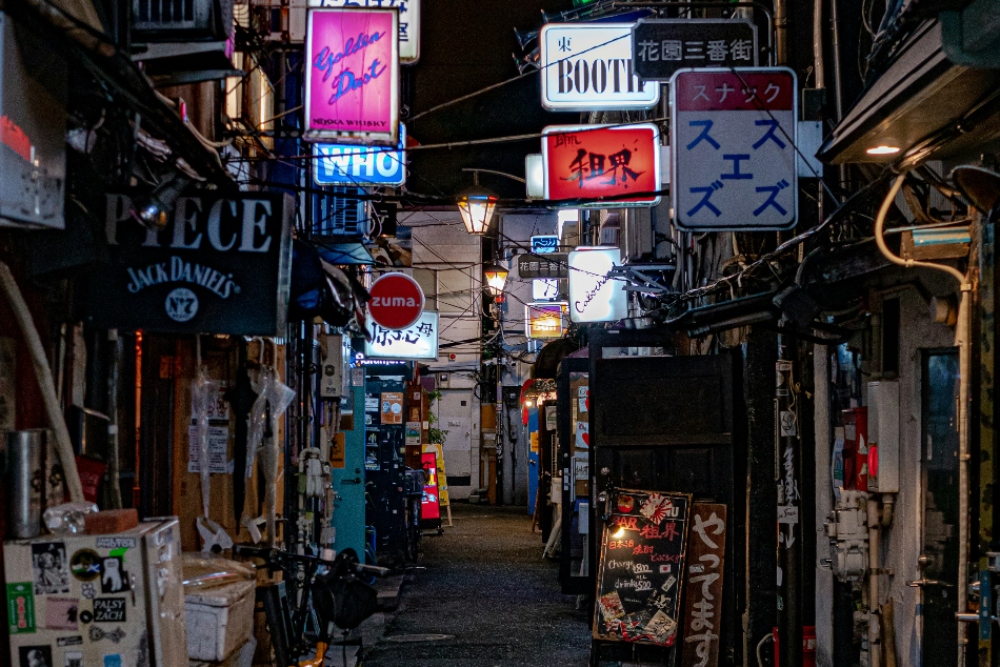
Alleyway in Golden Gai – Photo Credit: Tatsuya000 via unsplash
Golden Gai
Golden Gai, located just 7 minutes walking distance from Shinjuku Station, is a great place to grab a drink and experience the Showa era vibe. Golden Gai is made up of narrow alleyways and steep staircases, packed with around 280 cozy and unique bars. Most shops are a tight squeeze, allowing up to only around five or six customers at a time, creating the perfect space to strike up a conversation with locals and travelers alike. While most of the neighboring buildings have been renovated, Golden Gai has been preserved, maintaining its Showa era appearance and atmosphere. Note that some bars in Golden Gai are members only, require a seating charge, and do not allow photography without permission.
Address: 〒160-0021 Tokyo, Shinjuku City, Kabukicho, 1 Chome−1−6 あかるい花園 五番街
For a firsthand experience, Arigato Travel offers a 3-hour Shinjuku Omoide Yokocho, Kabukicho and Golden Gai evening food tour, including classic Japanese foods such as ramen and yakitori, immersion into the Showa-style districts, and finishing the night off with drinks.
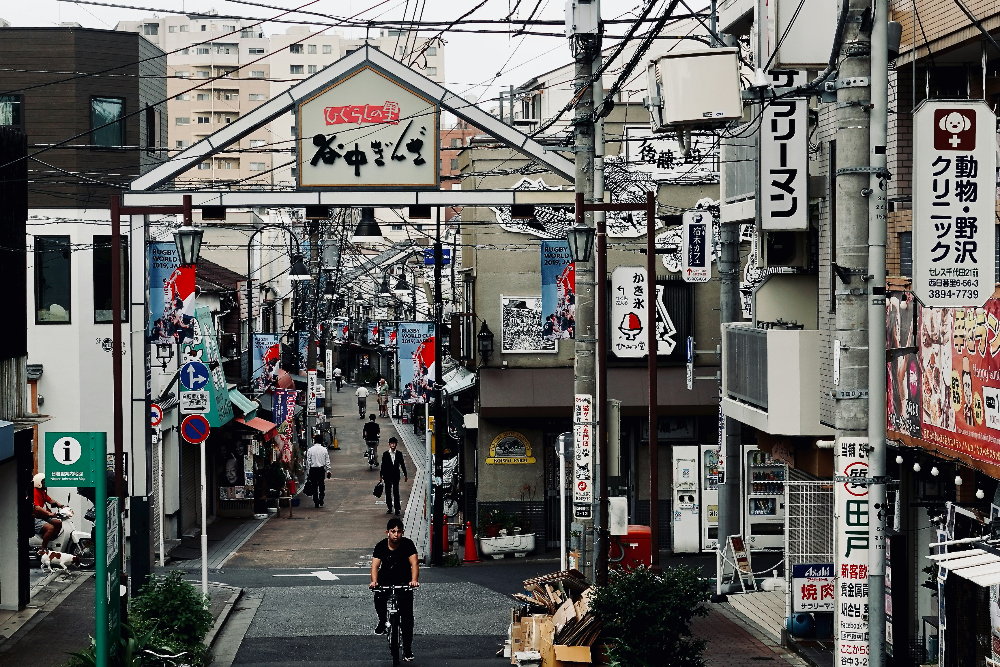
Quiet shopping street in Yanaka – Photo Credit: Nakaharu Line via unsplash
Yanaka
With a retro shopping street made up of 60 shops selling traditional goods, snacks, and sweets, Yanaka is known for its preserved and nostalgic feel of the last century. Showa era houses and shops can be found down any alleyway in this neighborhood. For all the cat lovers, Yanaka is also known for having many cat-themed cafes, art, and goods. Additionally, the art scene is very active, with many art galleries and museums in the area. Taking a stroll through Yanaka is sure to give you a glimpse into the past.
Address: Yanaka, Taito City, Tokyo 110-0001
You can experience an Old Town Tokyo daytime food tour with Arigato Travel, including discovering hidden gems in the area, experiencing a tea ceremony, and tasting local specialties.
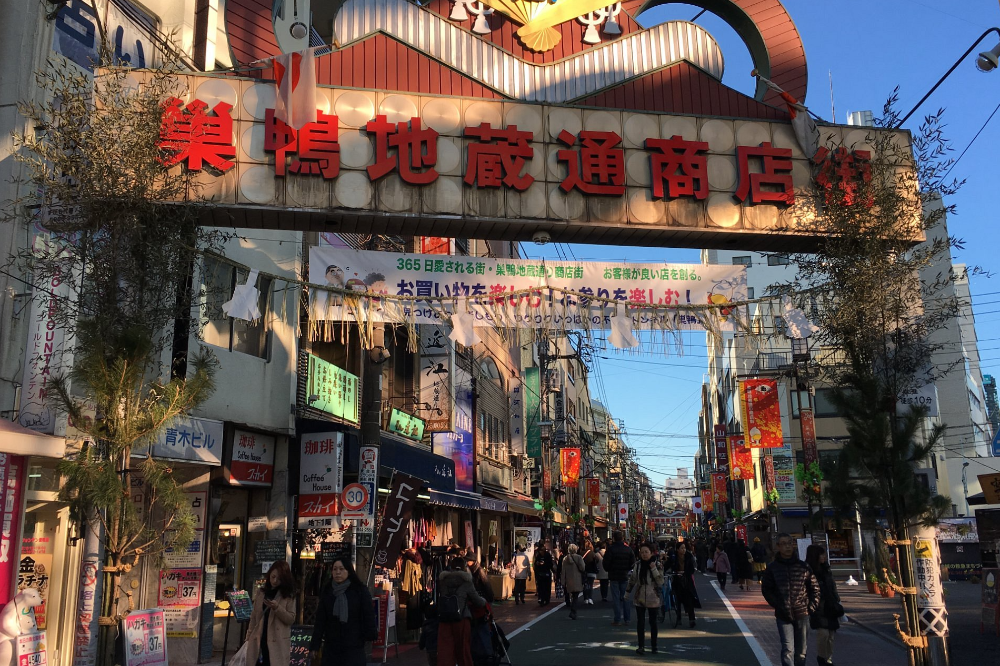
Shopping street in Sugamo – Photo Credit: tripadvisor
Sugamo
Conveniently accessible by the Yamanote Line, Sugamo is best known for Jizo-dori, a long shopping street lined with around 200 shops, selling countless traditional foods, sweets, clothing, and even retro goods. Known for being popular with the elderly, Sugamo is a quiet neighborhood for when you’re looking for an escape from bustling tourist attractions like Takeshita-dori in Harajuku. While walking the streets, you’ll feel the historic roots and feel as though you’re visiting another time period.
Address: Sugamo, Toshima City, Tokyo 170-0002
Arigato Travel provides a ‘Super Sugamo Local Foodie Adventure’ tour, perfect for a unique daytime experience. Learn history, sample traditional and seasonal snacks, have a local lunch, and hear stories from local shop owners.
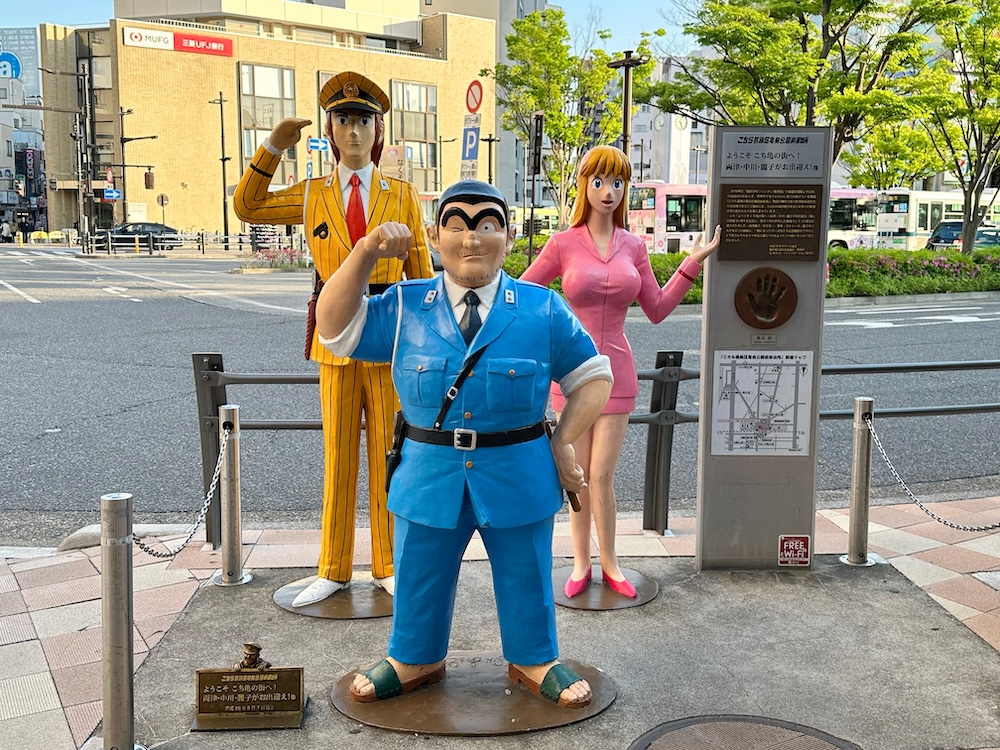
Statues of characters from the manga “KochiKame: Tokyo Beat Cops” including the main character, Kankichi “Ryo-san” Ryotsu, outside Kameari Station – Photo Credit: Hiroshi-Mori-Stock
Kameari
Kameari, a neighborhood located in East Tokyo, is a mix of traditional and modern as it holds many Showa era buildings in addition to a large, modern shopping mall with over 100 specialty shops.
It has a variety of food, sweets, and snacks down its path of traditional shopfronts. This location is best known for being the home of the manga and anime series ‘Kochira Katsushika-ku Kameari Kōen-mae Hashutsujo’ known in English as ‘KochiKame: Tokyo Beat Cops,’ about the adventures of a policeman working next to Kameari Park.
Address: Kameari, Katsushika City, Tokyo 125-0061
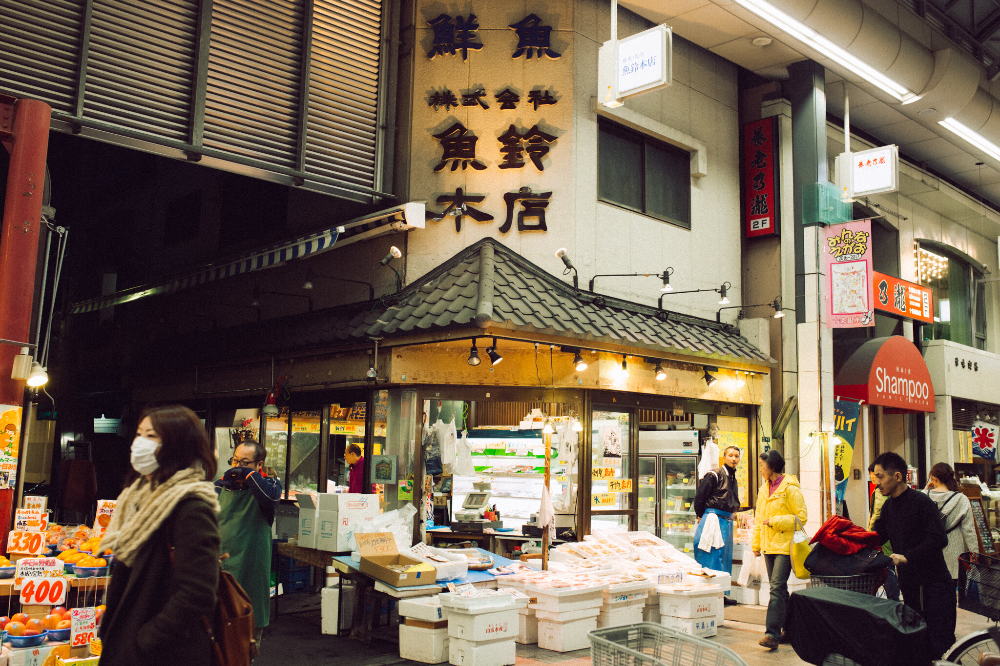
Shotengai shop in Jujo – Photo Credit: tabunka.tokyo-tsunagari.or.jp
Jujo
Jujo is one of the oldest shopping districts in Tokyo, just 10 minutes from Shinjuku Station. Known for over one hundred shops in its eleven shotengai, which are traditional, covered shopping streets, you can find countless local and fresh goods for great prices. Jujo offers a calm escape from the rest of bustling Tokyo and warm, welcoming shop owners as well as a sense of community. Located right next to Jujo station, these shopping streets offer a walk through nostalgic roads and the experience of how a working-class local would go about their daily shopping.
Address: 1 Chome-4-8 Jujonakahara, Kita City, Tokyo 114-0031
Tokyo is known as a modern, almost futuristic metropolis, with countless neon lights, sounds, and people. It is seen as a bustling city that never sleeps. While this may be true, many people fail to discover the many hidden gems throughout the city that offer quieter, more traditional experiences of what Tokyo was like in the past. Taking time to visit and explore some of these Showa-era neighborhoods will give you a more unique travel experience as well as insight into the history of Japan’s last century.
Featured Photo Credit: Masahiro Miyagi
Step back in time and experience the nostalgia of Tokyo’s last century by booking a spot on our Shinjuku Golden Gai, Yanaka, Shibuya Retro or Sugamo food tours.
PIN THIS FOR LATER
Book your pocket wifi now to stay connected through your entire Japan Journey!

Be sure to get the JR Pass to make navigating Japan during your trip that much easier!
YOU MIGHT ALSO LIKE