Ski, Skate & Soak: Sports Adventures in Japan’s Winter Wonderlands
Jan 12, 2026
BY Kainu'u Gavin
Snow, Sports, & Tradition
When venturing to Japan, many typically plan for either the blossoming time of spring’s sakura or the hot yet vibrant summer. The season that many keep to the sidelines, but deserves more love, is wintertime; a time to bundle up, enjoy some festivals, and of course, hit the ski slopes. Travelers who are sports-minded or seeking some adventure will be able to find some of the best powder snow in the world, located in Japan. From world-class ski resorts to breathtaking alpine views, the Japanese winter sports scene is one to behold. While hitting the slopes is important, it’s also about being able to experience a side of Japan where sport and tradition intertwine. Whether it’s unwinding in steaming hot springs tucked away in select mountain towns to lively snow festivals, every activity helps bring anyone closer to the heart of the season.
For sporty travelers, the snowy mountains may suit them best. Hokkaido’s legendary “Japow” (Japan powder) offers deep, fluffy snow perfect for any skier and snowboarder, while Nagano’s Olympic legacy invites the more advanced athletes to test their skills with the best in the world. For those looking for a mix, trying ice skating under the city lights, snowshoeing through cedar forests, or even more adventurous activities such as snow rafting and ice climbing may be on deck.
Once the fun is all done, the relaxation of the outdoor onsens and comfort food will warm up everyone’s spirit. Depending on the region, anyone will find the perfect food or drink to their liking.
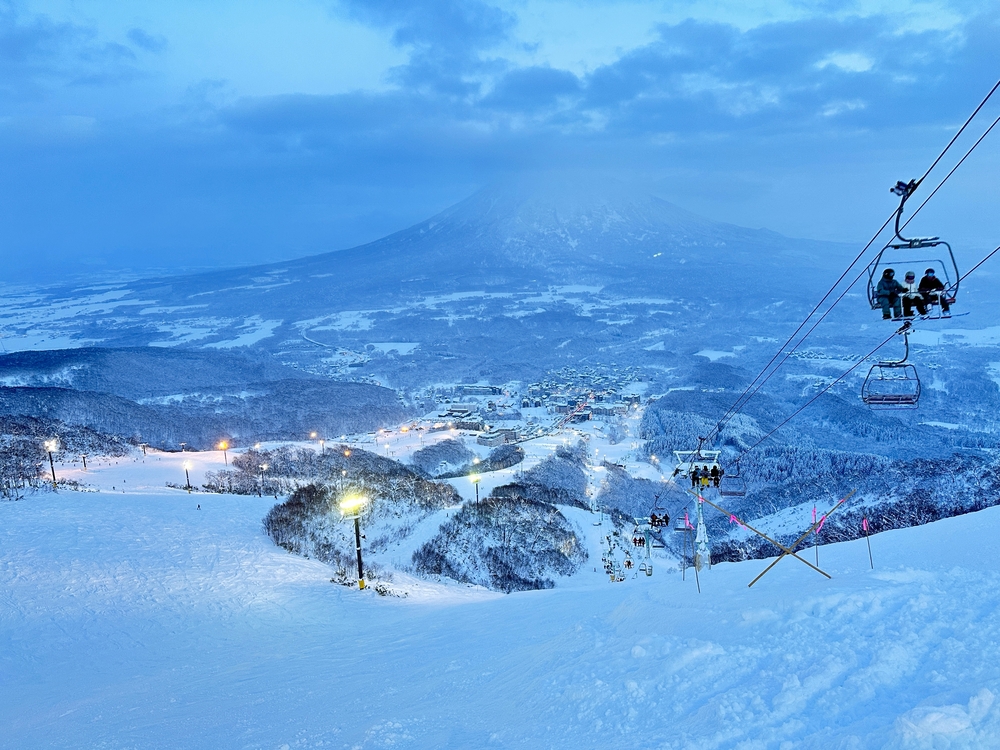
Beautiful dusk view of ski resort in Niseko, Hokkaido, Japan – Photo Credit: Faizal Simatupang – Cox
Skiing & Snowboarding in Hokkaido
The first place that comes to mind, not just for locals, but for many sports tourists when looking for the best snow and slopes, has to be Hokkaido. Known for its “Japow” (famously light, dry powder snow), Hokkaido has long served as the dream winter destination for many in Japan and across the world. Spanning each season, a variety of storms sweep across the Sea of Japan, dropping piles of fluffy snow on Hokkaido’s mountains. This snow helps to create the conditions that attract national and international skiers and snowboarders. On top of these conditions, Hokkaido’s culture of steaming onsens, regional dishes, and exhilarating festivals makes it an ideal spot for any thrill seeker or laid-back adventurer.
One of the most famous places to hit the slopes in Hokkaido is the world-famous Niseko United. Made up of four interconnected ski areas, this resort has served as a staple international hub for winter sports travelers for years. The four interconnected ski areas mentioned before are the Grand Hirafu, Hanazono, Niseko Village, and Annupuri.
The Grand Hirafu serves as the largest and liveliest of the four. Offering a wide range of runs, ski schools, rental shops, and après-ski spots, the Grand Hirafu has a little bit of everything. The overall terrain is great for all skill levels, from beginner slopes at the base to the challenging powder bowls higher up. The village of Hirafu itself is a bustling place with a plethora of international restaurants, cozy cafés, and spectacular nightlife, making it an ideal spot for travelers who want a perfect balance between being on and off the mountain.
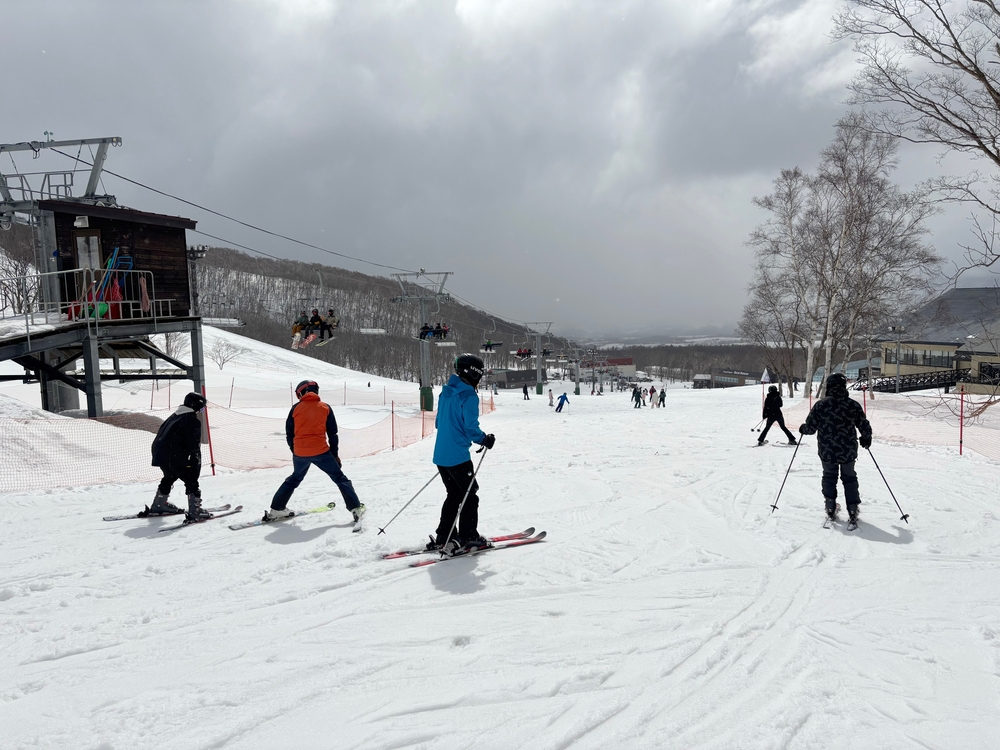
Snowboarders and skiers enjoy activities at Annupuri ski resort, Niseko, Hokkaido, Japan – Photo Credit: ben bryant
For those looking for a more calm and local feel, Annupuri is the ideal spot. Its wide, open pistes and smaller crowds make it a fun spot for families and beginners. For advanced riders, Annupuri offers easy access to backcountry gates that lead to untouched powder fields, presenting challenging new terrain. The onsen scene is considered one of the best out of the four areas with its more traditional approach that brings a calming and soothing atmosphere to any who decides to take a break from their skiing or snowboarding endeavors.
Moving away from Niseko United, a couple of other resorts that are highly recommended for all levels of thrill seekers would be the Furano Ski Resort and Rusutsu Resort. Located in central Hokkaido, the Furano Ski Resort is well known for its quiet atmosphere and stunning mountain views. While the area is especially famous for its lavender fields during the summer time, in winter the land transforms into a winter sports paradise with wide beginner-friendly runs and excellent snow quality. The resort offers ski schools and kid-friendly programs, while advanced riders can seek out the back bowls of the mountain range. The town of Furano appeals to those wanting a traditionally Japanese feel as it’s dotted with affordable ryokans and guesthouses. A few popular stays are the New Furano Prince Hotel and the Ryokan Sansui.
Finally, Rusutsu Resort serves as the perfect place for those to escape the big crowds at the previously mentioned resorts. The mountains offer perfect slopes and hills for those who love to flow down wide pistes or weave through powdery tree runs. Praised for being less commercial than Niseko, Rusutsu still offers world-class snow that is hard to find anywhere else. While this is focused on winter, if you do come back during the summertime or the beginning of winter, Rusutsu has an amusement park where visitors can continue their thrill seeking, from roller coasters to log rides. As for accommodation, the Rusutsu Resort Hotel & Convention is a go-to option due to its easy access to the skiing/snowboarding lifts, as well as numerous facilities nearby.
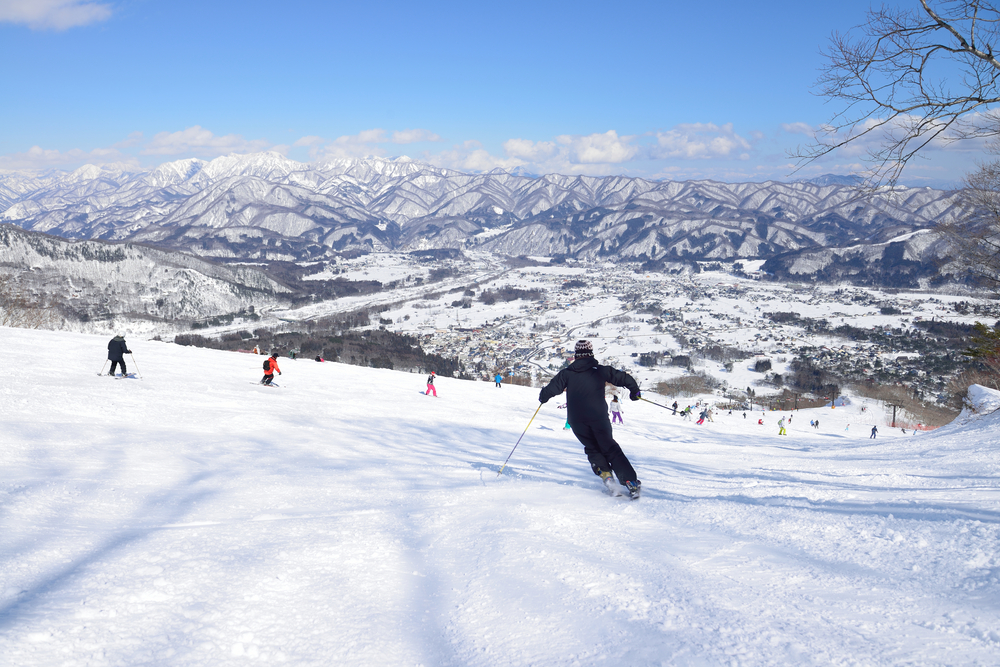
Panoramic ski at Hakuba Happo in Nagano, Japan with a blue sky – Photo Credit: M_blue_surgeon
Nagano: The Legacy of the 1998 Winter Olympics
While Hokkaido is often viewed as the King of Winter Sports in Japan, it holds a candle to the spectacular slopes that can be found in Nagano. Host of the 1998 Winter Olympics, Nagano prefecture has gone on to become one of Japan’s premier winter destinations. With the Winter Olympics leaving behind some of the latest state-of-the-art infrastructure of the time, it has led to the development of new ski resorts and arenas with convenient transportation links, making it an ideal place for winter sports enthusiasts.
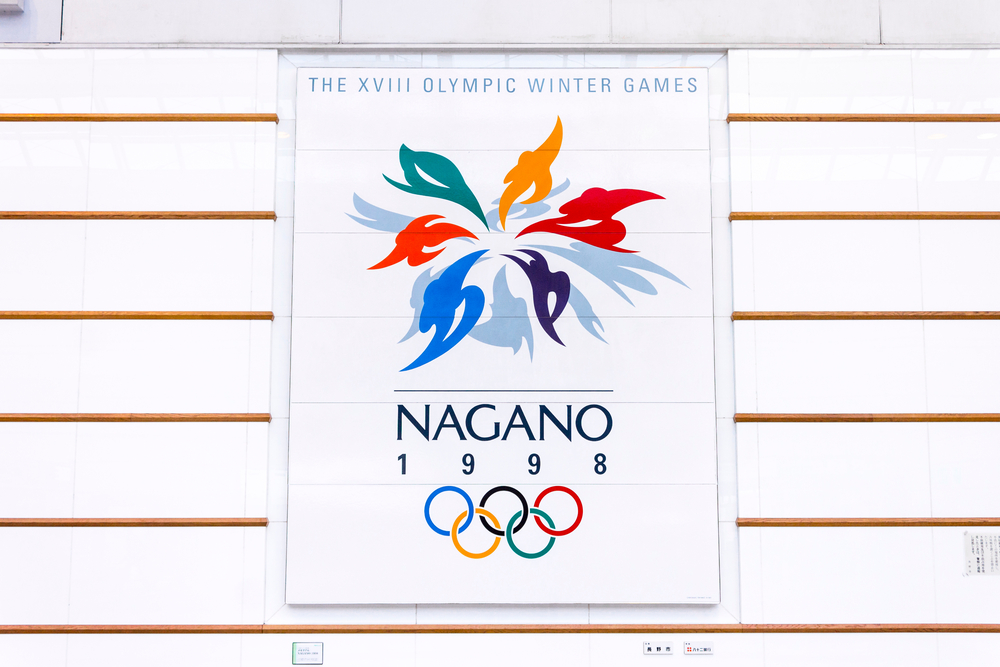
Tile painted with the snowflower emblem of the Nagano XVIII Olympic Winter Games at Nagano train station, Japan – Photo Credit: Joaquin Ossorio Castillo
The crown jewel is Hakuba Valley. Known for its Olympic history and diverse terrain, Hakuba Valley possesses over ten ski resorts that are interconnected in the Northern Japanese Alps. Visitors to these resorts can take on any thrilling winter endeavor they can think of. From steep, adrenaline-pumping slopes to gentler courses for families and beginners, Hakuba Valley has a little bit of everything for anyone who wants to take on Nagano’s prized valley. The valley’s variety of slopes and acclaimed fame during the Winter Olympics have made it one of Japan’s most globally recognized mountain areas.
Another spot that is highly recommended is Shiga Kogen. Located in Joshinetsu Kogen National Park in northeastern Nagano prefecture, Shiga Kogen is one of the top spots in all of Japan for winter sports. While the area originally served as a sacred ground for Buddhists to worship and take spiritual retreats, it still retains some of their sacred onsens. In the early 20th century, the area was influenced by European skiing culture. Eventually, the Winter Olympics hosted downhill skiing, slalom, and snowboarding events on its grounds. Additionally, Shiga Kogen is designated as a UNESCO Eco Park as it serves as a model for the coexistence of nature and society.
When venturing to Shiga Kogen (from personal experience), it requires a bus ride or a car ride up to the top. Sidenote: the bus fare is strictly cash only. At the top, head to the Shiga Kogen skiing and snowboarding rental center. No worries about a language barrier as they have international staff, so English, Spanish, and other languages are spoken. If you reserve a rental ahead of time, you’ll be given instructions on where to go and begin suiting up. From a first timer’s perspective, it is best to be layered with a little discipline, as you’ll be falling over quite a lot, and it gets quite cold. Once you’re ready to conquer the mountains, head over with your skis or snowboard to the descending gondolas and get ready for the fun to begin!
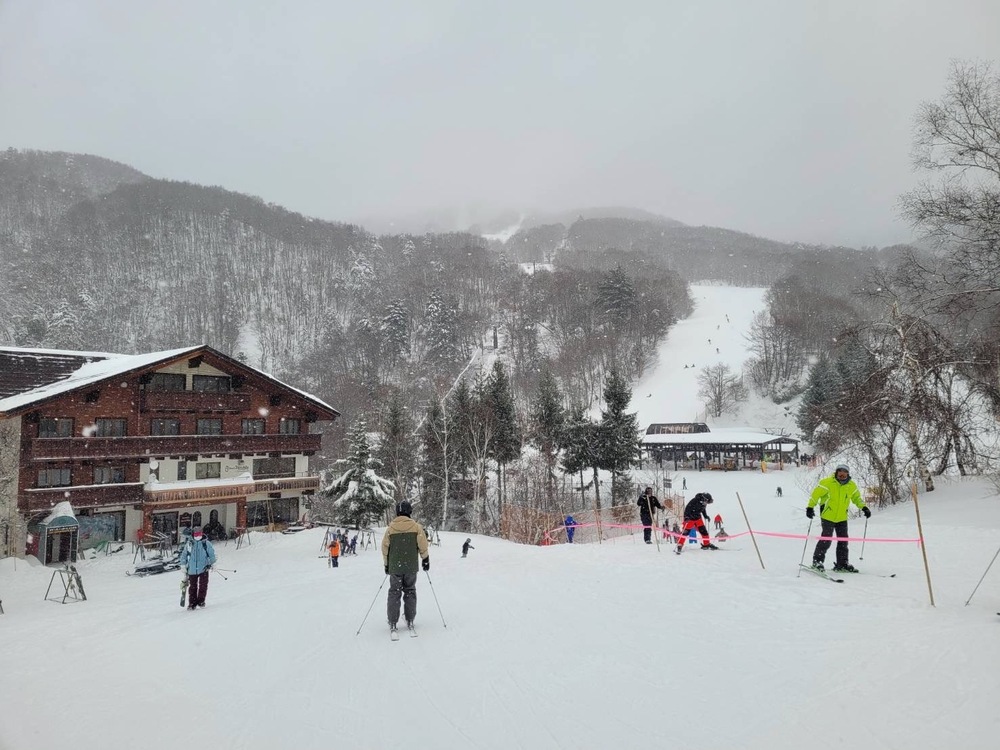
Base of the Shiga Kogen’s slopes – Photo by Kainu’u Gavin & Liam Elwood
Shiga Kogen itself is a place that would take an entire day to enjoy. With its wide variety of routes to explore, the grounds have beginner courses all the way to advanced routes. Mind you, these are similar routes that past Olympians used for practice, and even competitions! The highest peak anyone can ski or snowboard from is about 2305m above sea level. At the top level, you can (potentially) check out Japan’s highest bakery and crumpet cafe. Once the adrenaline rush has subsided, you can get a hot curry rice or other delicacies from the nearby restaurants. You could even get a good ol’ apple pie if they are being freshly baked.
For winding down (or simply wanting to see other parts of Nagano), it’s recommended to check out the Jigokundai Monkey Park and book a stay at Shibu Onsen. The Jigokundai Monkey Park is just a few bus stops away from Shibu Onsen. It allows visitors to observe the local snow monkeys bathing in the famous Nagano natural hot springs. Shibu Onsen serves as a traditional hot spring village where the local culture of onsen and festivals continues to thrive. Many of the places to stay are ryokans that have their own private baths, or you can go on the village onsen trail. During the cold winter nights, wandering around the onsen trail in just your yukata and geta sandals is a great time, and I highly recommend it to everyone!
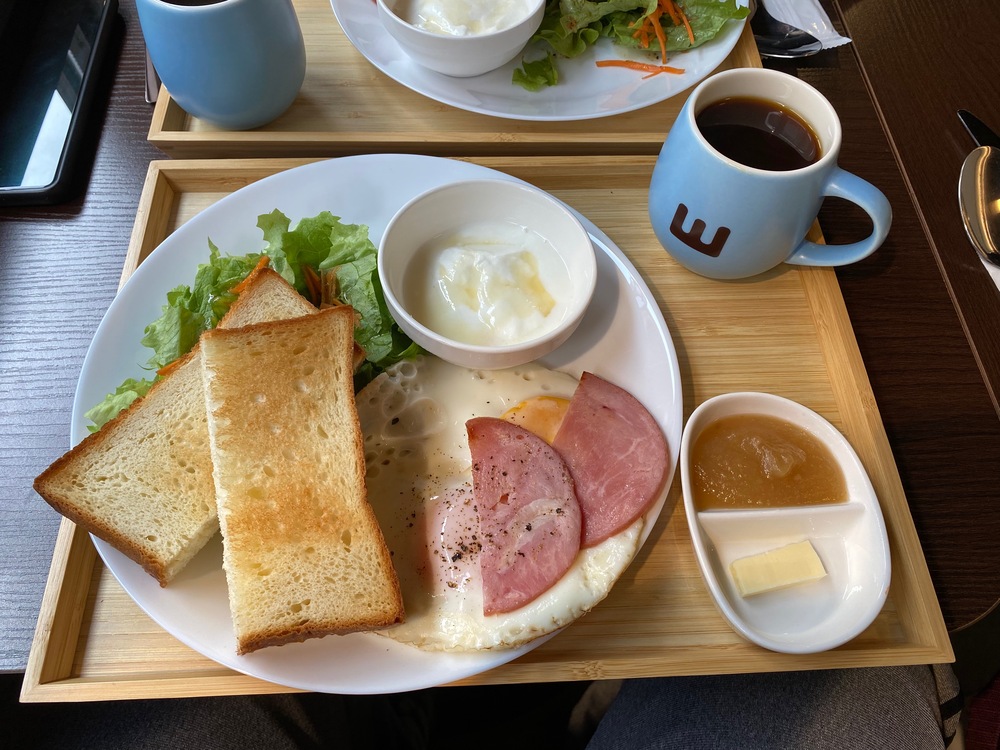
A simple, yet perfect breakfast for any adventurer – Photo by Kainu’u Gavin
A few shoutouts that I also recommend for those looking for breakfast in Shibu Onsen are Yamanouchi Coffee and one other spot that I currently can’t locate online. Yamanouchi Coffee is a small coffee shop that is always open for breakfast. Personally, it was one of the best breakfasts I had during my time in Japan – it was the perfect environment to have a deep chat with my friend further about life.
The other spot is run by an older gentleman who cooks everything himself for his customers. He has a wide variety of pictures from his past showing that he used to be a world-class chef – he especially enjoyed his time in Seattle. My friend, who knows a good amount of Japanese, was able to chat with him about his past and was fascinated by all the pictures that connected back to him. The breakfast was delicious, on top of the coffee and tea provided.
Both places are great, not just for breakfast, but as places to practice one’s Japanese and meet some of the locals. Be sure to head to Shibu Onsen and pay them a visit!
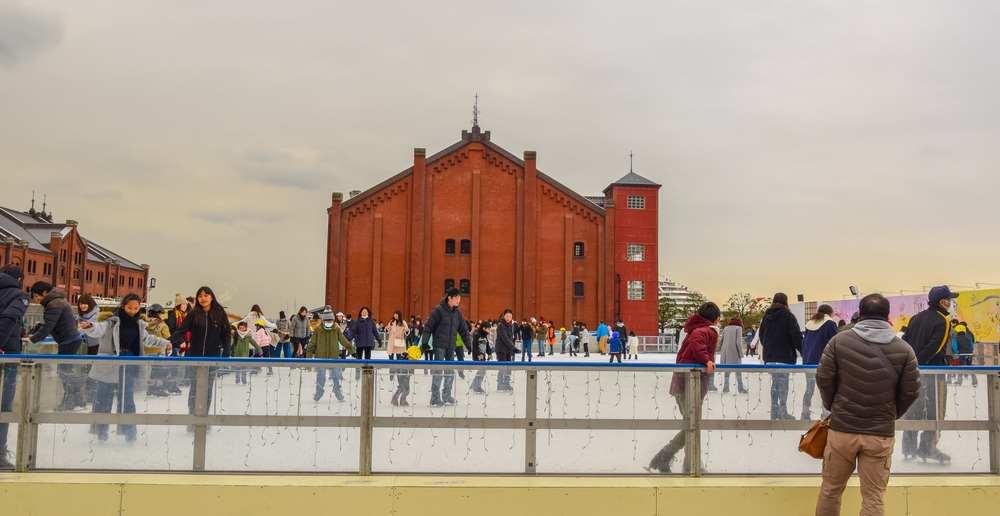
People ice skating at the Yokohama Red Brick Warehouse (Akarenga Soko) – Photo Credit: AdrianoK
Ice Skating & Ice Festivals
Without a doubt, when one thinks of winter sports, the first assumption is always skiing and snowboarding… but what about ice skating? Ice skating itself is not only popular in winter sports hubs like Hokkaido and Nagano, but also in some of Japan’s largest cities. In Tokyo, there are some seasonal pop-up rinks in Tokyo Midtown and Yokohama’s Red Brick Warehouse. A perfect occasion for those wanting a romantic evening or a fun, family outing. For those more sports-oriented, permanent rinks are available. For instance, in Tokyo, there are the DyDo Drinco Ice Arena and the Meiji Jingu Ice Skating Rink. They provide year-round skating opportunities, lessons, and club programs. Personally (and the only one I have been able to skate at), the Mao Rink Tachikawa Tachihi is a great option.
Mao Rink Tachikawa Tachihi is one of the newer ice rinks in Tokyo, which opened on November 11, 2024. The rink was named after former world-champion figure skater Mao Asada in an effort to nurture future skating talent and provide year-round skating opportunities. When venturing in, you can receive gloves and skates to rent for the day. The main rink is built to international size (30 m x 60 m) for high-level figure skating and competitions. There is also a sub-rink sized at 24 m x 40 m, which is geared more toward beginners, families, practice, and less intensive use. They also provide skating school lessons for those interested in learning for the first time. Additionally, ice shows and other public sporting or commercial events are held at this venue. Personally, it was a great time since I had not skated in a long time.
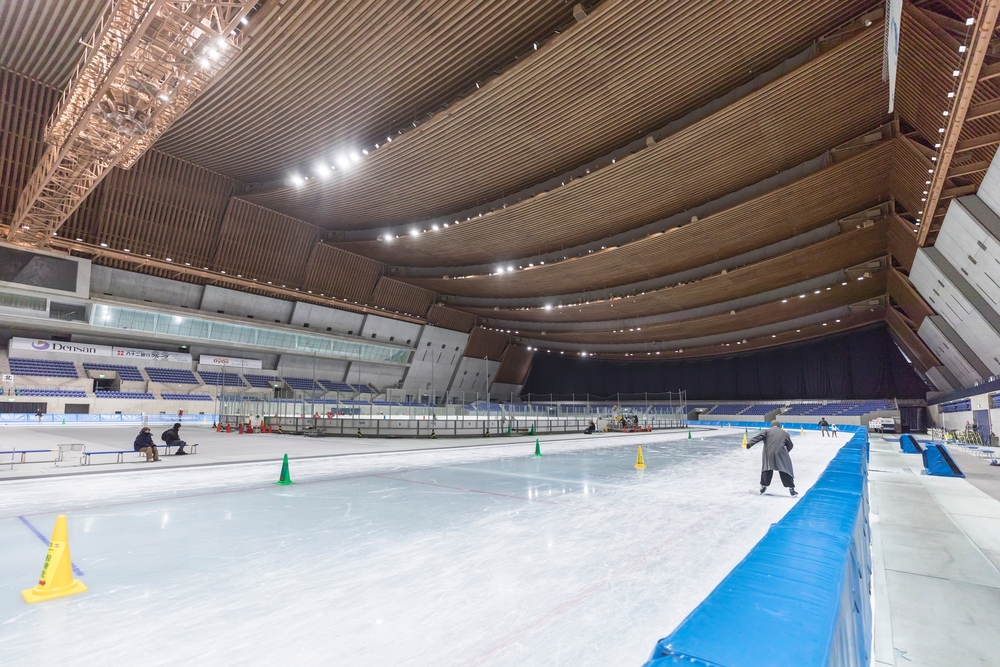
A covered speed skating oval M-Wave ice rink, Nagano Olympic Memorial Arena. Stadium for the ice skating events – Photo Credit: Geofox
Returning to Nagano and Hokkaido, both areas have some high-quality ice skating rinks as well. For Nagano, the M-Wave Arena and Big Hat Arena are the go to’s. Built for the 1998 Winter Olympics, the M-Wave Arena is open to visitors for public skating sessions when no competitions are scheduled. Additionally, the arena is used for Olympic trials to this day, currently for the upcoming 2026 Winter Olympics. It’s a great opportunity for anyone to say they were able to skate on the same ice as some of the best ice skaters in the world, both past and present. The Big Hat Arena, also developed for the Winter Olympics, is limited for public use, but occasionally hosts local or international hockey matches. The arena was built to house the ice hockey matches during the Winter Olympics and is still primarily used for hockey competitions.
In Hokkaido, Sapporo is the main venue for ice skating. Visitors can join any of the small public rinks, but a stand-out is the Tsukisamu Gymnasium. Here, visitors can book sessions for casual skating or potentially participate in training sessions with locals, from basic skating manoeuvres to speed skating. The gymnasium is also used similarly to the Big Hat Arena. It serves as one of the arenas used for hockey matches in the Asia League Ice Hockey.
Once you’re done skating away your worries, hopefully, you have enough energy for some of the festivals! Possibly the biggest one of them all is the Sapporo Snow Festival. Around February each year, millions come to the city to witness the elaborate snow and ice sculptures constructed by artists. Some of them are even three or more stories high! Not far away, you can partake in the Lake Shikotsu Ice Festival, where glowing blue ice caves and frozen tunnels are shaped from the lake’s mineral-rich waters, while the Sounkyo Ice Waterfall Festival turns natural frozen cliffs into a dreamlike ice village with slides, shrines, and evening fireworks.
For Nagano, the Zenko-ji Tomyo Festival is always a treat. The ancient Zenko-ji Temple is lit up with colorful projections while giant snow sculptures are being created, as well as a variety of local food stalls to eat your way through, plus a fireworks show at the end. If you ever find your way to Lake Suwa, you can find the Fire & Ice Festival, where ice carvings are paired with fireworks over the frozen lake.
While Tokyo does not usually have much snow and ice, the previously mentioned Tokyo Midtown Ice Rink in Roppongi and Yokohama Brick Warehouse Rink by the harbor are amazing times for all to enjoy.
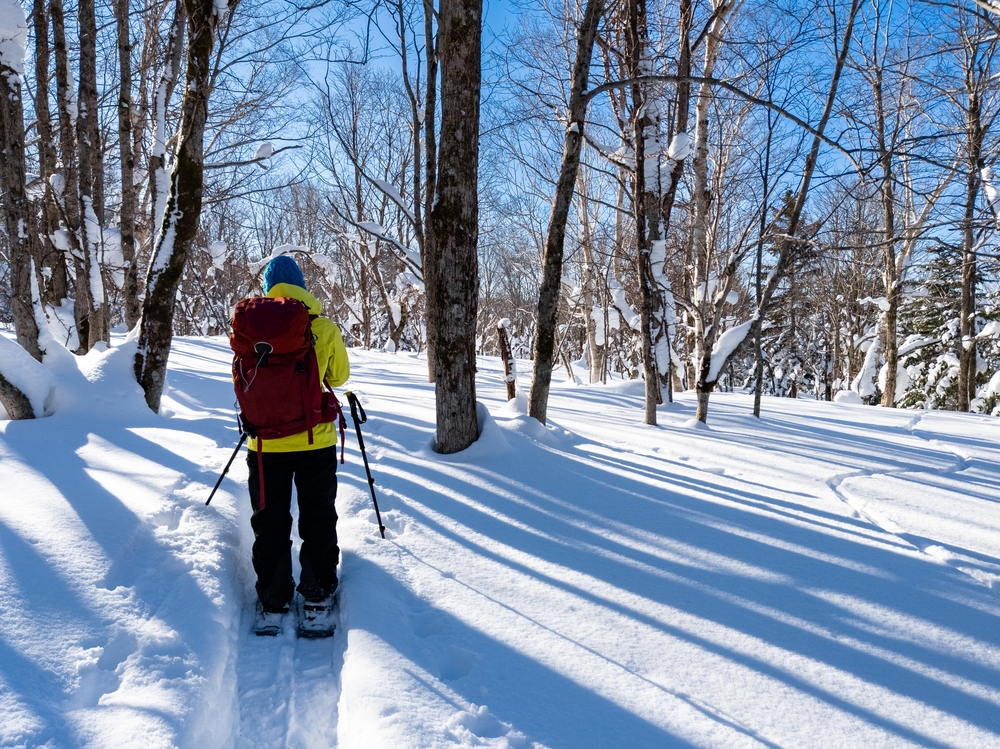
Snowshoeing in a snowy forest in Otaki, Date, Hokkaido, Japan – Photo Credit: Mayumi.K.Photography
Snowshoeing & Cross-Country Adventures
Since many of the sports mentioned have been on the high-octane and adrenaline rush side of things, why not tone down things a bit and chill? For those who want to slow things down and enjoy the beauty of Japan’s snowy landscapes, snowshoeing and cross-country skiing are just the sports for you. Both activities combine the fun of a gentle exercise with the opportunity to discover the quieter side of wintertime in Japan.
Between the two, snowshoeing may be the easiest way to explore Japan’s snowy regions. What anyone would need is a sturdy pair of boots, proper clothing, and you’re good to go! A few suggestions within Nagano for snowshoeing are the Norikura Kōgen to Zengoro Falls and Togakushi Shrine to Mt. Izuna Trails. For Hokkaido, the Lake Shikotsu and Daisetsuzan National Park Trails are the best. The Daisetsuzan National Park Trail is unique as it allows adventurers to trek through volcanic landscapes, although this trek requires a guide due to potential avalanche risks.
For those embarking on cross-country skiing, its popularity lies in northern Japan. Deeply intertwined with the Ainu (the indigenous people of northern Japan) and their traditional and historic usage of skis for survival, the sport had long been a way of life for many. But it would take til the introduction of Western-style skiing in 1911 and the 1972 Sapporo Winter Olympics for the sport to gain popularity. While Hokkaido has the majority of the best trails, Nagano also has some good spots. The Hakuba Snow Harp is a 4.8 km course originally used during the 1998 Winter Olympics. For Hokkaido, the Shikotsu-Tōya National Park has a variety of paths that present scenic loops near the park’s lake at a moderate elevation.
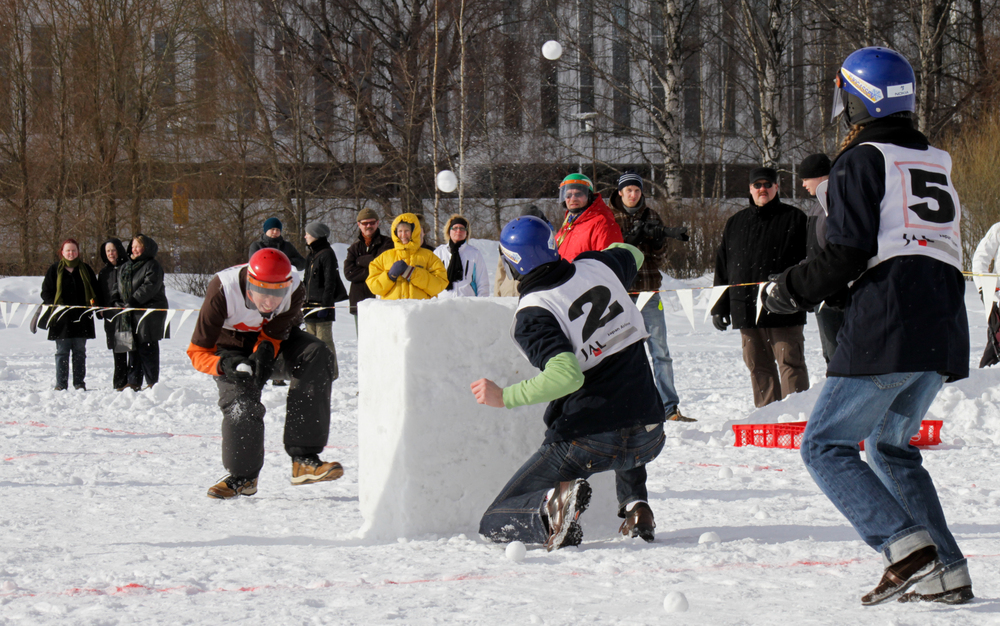
Finnish Championships 2010 of Yukigassen snowball fighting – a game from Japan between two teams in Helsinki, Finland – Photo Credit: Aija Lehtonen
Yukigassen: Japan’s Epic Snowball Battle
With the slopes serving as the main attraction to many, winter in Japan is a great time to have fun beyond skiing and snowboarding. For those looking for a new sport unique to Japan, look no further than yukigassen.
Yukigassen is an organized snowball fight competition that originated in Hokkaido and has grown over time to gain international recognition. Combining the energy of dodgeball with the strategy of capture-the-flag, it is a team-based game that requires not just the strongest of snowball throwers, but the smartest of minds to compete. As a precaution, helmets are required to play in case of injury. For those looking to participate, the best place would be Hokkaido’s Sobetsu. What makes this location unique is that the official world championship for yukigassen is held there every February. If you are in the area during that time, it is sure to be a time to mark down in your journal as a memorable event.
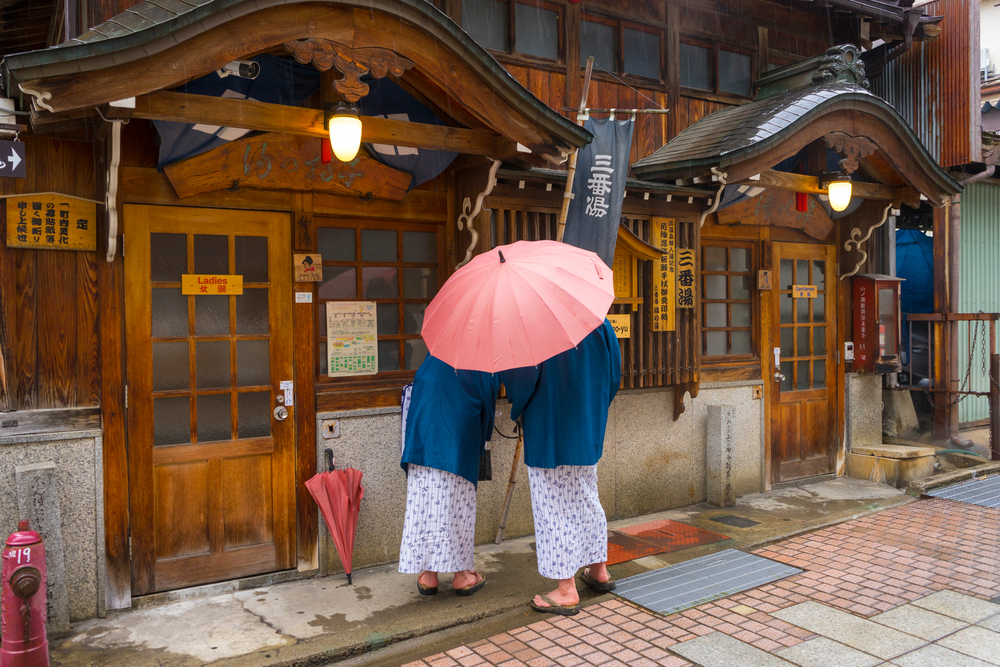
Couple walking on the street of Historic ryokan and hot spring resorts in Shibu Onsen in Nagano City, Japan – Photo Credit: ben bryant
Après-Sport: Onsen & Local Cuisine
After a long day of gliding down the slopes, trekking through Japan’s snow-covered trails, or engaging in a good ol’ snowball fight, there’s nothing more rewarding than hitting the local onsen for some peace and unwinding. Serving as Japan’s ultimate form of relaxation, it is also one of the best ways to soothe tired muscles and rejuvenate skin thanks to the water’s naturally occurring minerals. For many ski resorts (Niseko’s Hirafu) or local villages nearby (Shibu Onsen), they all feature traditional bathhouses where travelers can unwind in outdoor baths surrounded by luscious snow. Each region is also unique, as some baths may emphasize sulfur in their onsens to help with joint pain, while others use alkaline waters to help make your skin silky smooth.
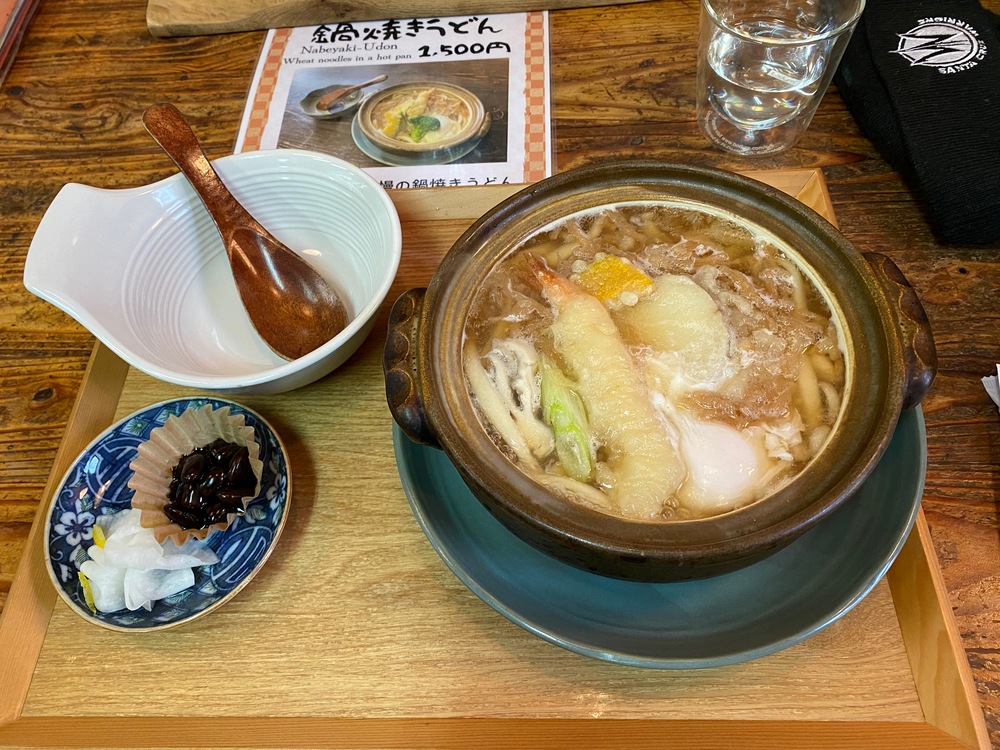
Nabeyaki Udon from Rausuan – Photo by Kainu’u Gavin
Upon exiting the onsen, it’s natural to start craving a delicious meal. When looking for local and seasonal dishes, in Hokkaido, any nabe (hot pot) dishes would work. A suggestion would be Ishikari-nabe, a type of hot pot made with salmon and vegetables, gently simmered in a miso broth. For Nagano prefecture, shinshu soba and hearty oyaki dumplings are typically served as comfort foods. From my time there, I remember trying an amazing nabeyaki udon dish that was right next door to the bus drop-off for the Jigokudani Monkey Park. My friend and I were looking for some much-needed hot noodles at the time, and were able to find them at a small restaurant called Rausuan. Luckily, the udon was special for the day, and we both agreed it was some of the best food we had during our brief New Year’s trip.

A view of a snowboarder on a slope at Kiroro ski resort – Photo Credit: Carolyne Parent
From Slopes to Onsen: The Final Word
Winter time in Japan offers more than just the thrilling descents and the crisp, fresh mountain air; it serves as a moment to immerse oneself in another side of Japan’s culture and develop greater connections with those around them, or themselves. Whether you’re shredding through Hokkaido’s powder snow, zooming down the Olympic Mountains at Shiga Kogen, or sinking into an outdoor onsen surrounded by snow, every moment of your Japanese adventure helps to show the nation’s balance between adventure and relaxation.
So when you are planning your next winter getaway and want to find some of the best winter spots to tear up, be sure to pick Japan first! The picturesque scenery, Olympic-legacy towns, immaculate onsens, and hearty food combined make for an unforgettable winter getaway for everyone to enjoy.
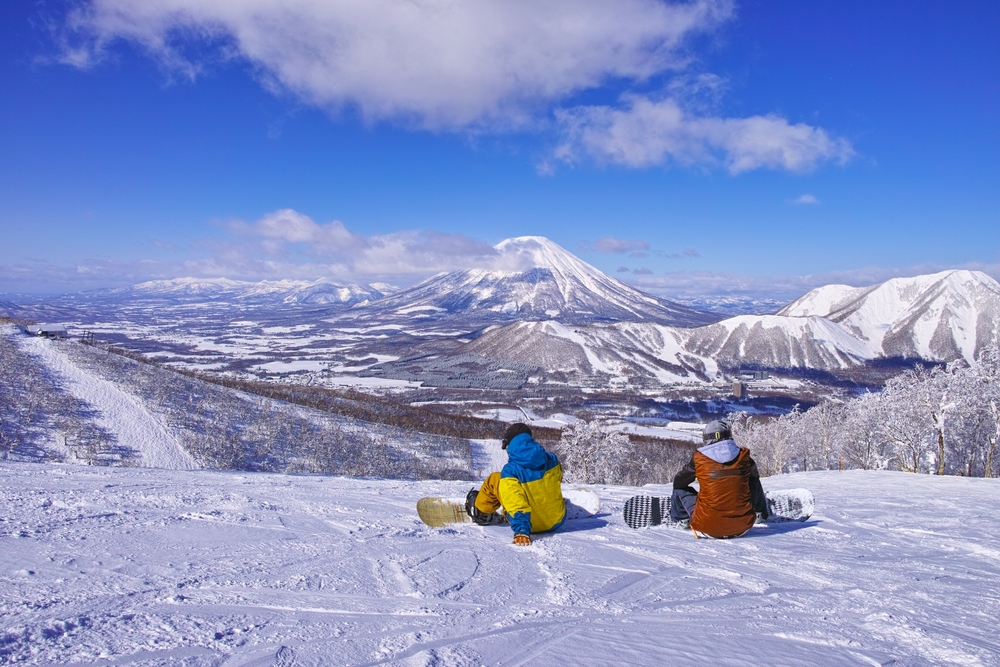
Featured Photo Credit: 7maru
Planning a trip to Japan this Winter? Contact our Tailored Travel team today and get ready to explore and taste all this incredible country has to offer!
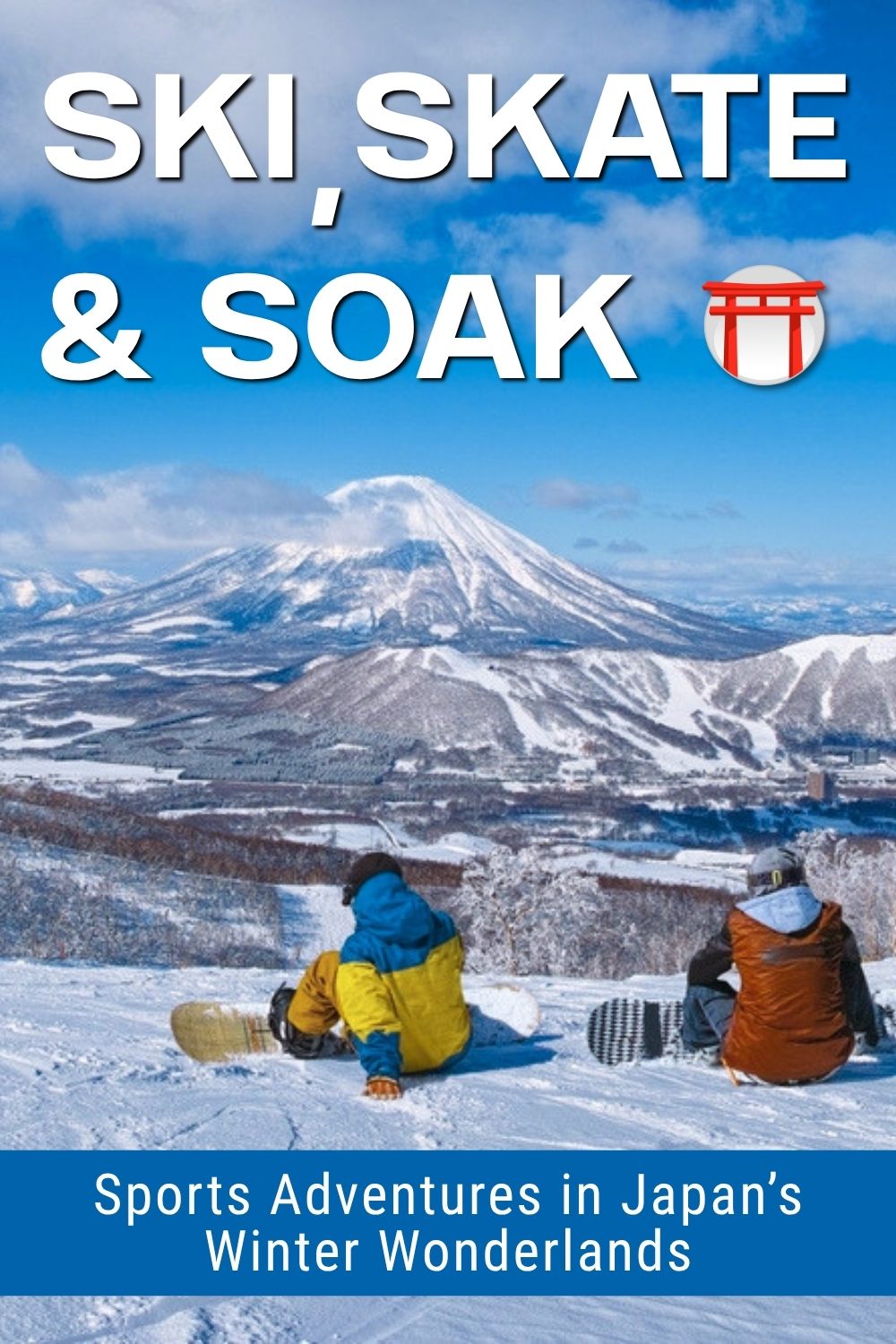
PIN THIS FOR LATER
Book your pocket wifi now to stay connected through your entire Japan Journey!

Be sure to get the JR Pass to make navigating Japan during your trip that much easier!
YOU MIGHT ALSO LIKE