10 NEW THINGS TO KNOW BEFORE VISITING SHIGA
Aug 21, 2026
BY Maria Diaz
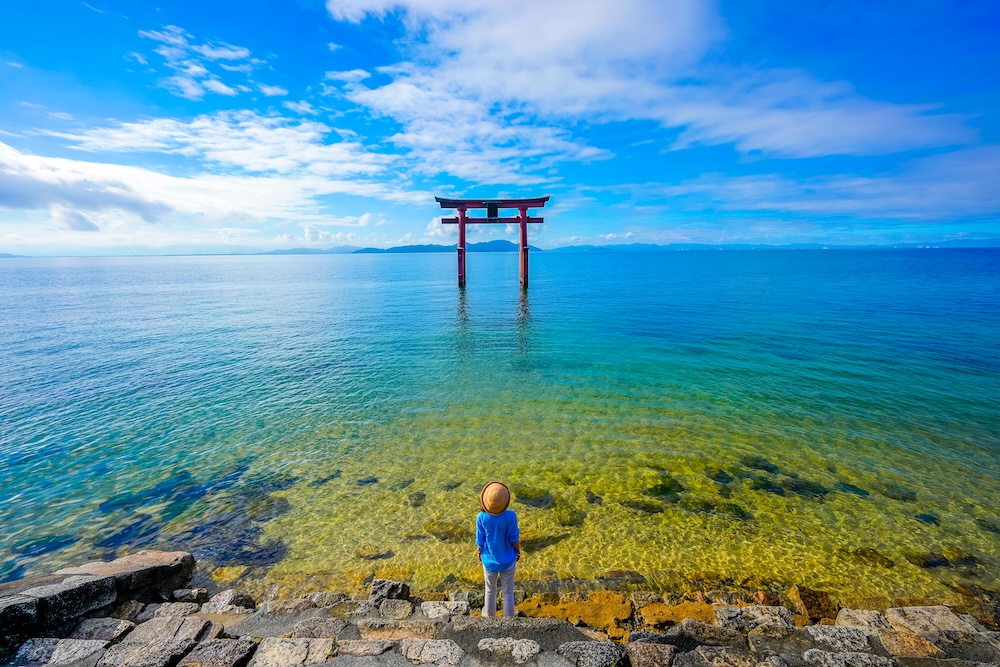
Planning a trip to Shiga? You’re in for something special. Set beside Japan’s largest lake, this underrated destination blends peaceful nature, rich culture, and just the right amount of adventure. But before you start picturing lakeside sunsets and cycling routes, there are a few things that might surprise you. From travel rules to local tips that can save you time (and money), getting a quick heads-up can make your trip smoother and way more enjoyable. So, let’s dive into the must-know details before you go!

Black bass, an invasive specie – Photo Credit: Israel Fotografo
1. Local laws on invasive fish and leisure at Lake Biwa
If you’re into fishing and thinking about visiting Shiga, you’ve probably noticed something online: everyone taking a photo with the same fish, the black bass. But there’s a reason for that. Just like many natural treasures across Japan, Lake Biwa is carefully protected by strict local rules to keep its ecosystem in balance. One of the most important (and surprising) regulations is the no-release policy for invasive species. That means if you catch black bass, you can’t throw them back into the lake. If you want to know which species are considered invasive, you can check here.
And if fishing isn’t your only plan, water sports come with a few rules too. Jet skis and motorboats are limited to certain zones and hours to keep the lake peaceful and reduce environmental impact. Rental shops will provide “no-entry” maps, and it’s worth following them closely because patrols are active, and the rules are taken seriously.
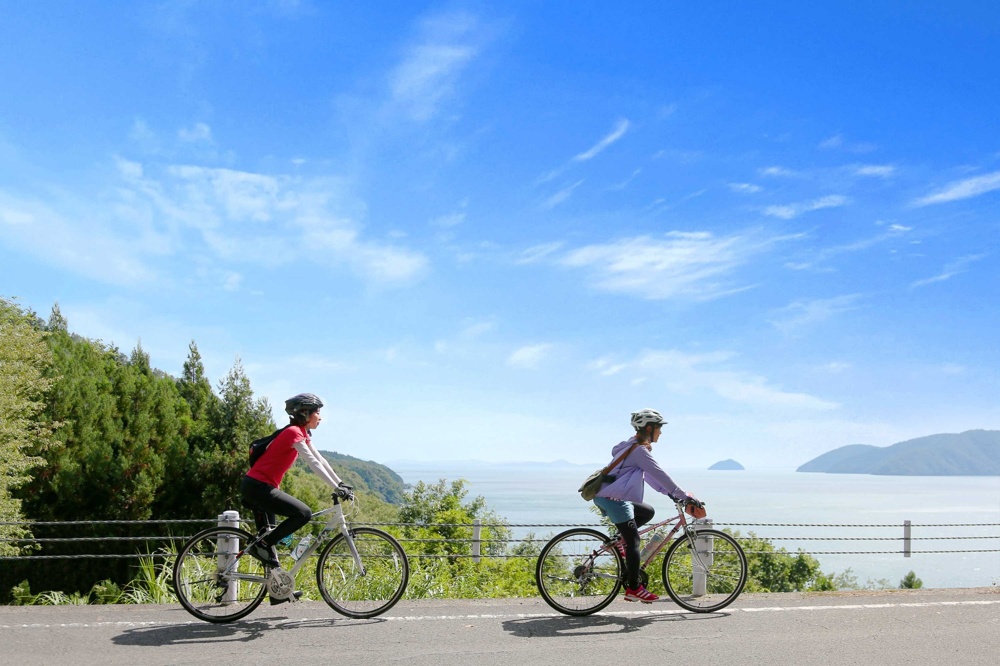
Two girls riding the Biwaichi – Photo Credit: Biwaichi
2. Enhanced penalties for cycling under the influence
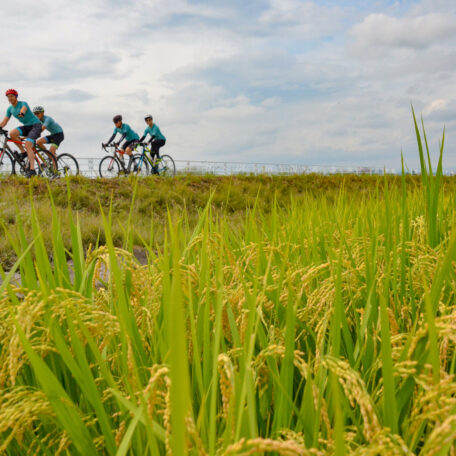
Planning to ride the famous “Biwaichi” 200km loop? Here’s a friendly heads-up to keep things smooth: Japan has recently tightened its bicycle safety laws, and cycling after drinking is now treated just like drunk driving a car, with penalties of up to three years in prison or a ¥500,000 fine. Around Lake Biwa, where it’s tempting to stop at Shiga’s renowned sake breweries or lakeside craft beer spots, even a single drink can put you over the legal limit, and police have increased bicycle checks in popular areas. But don’t worry, keeping this in mind and understanding the basic rules will help you enjoy a safe and memorable ride (click here to learn more about traffic rules and etiquette). To stay stress-free, it’s best to save those tastings for the end of your ride or take a local train back to your hotel after enjoying a drink.
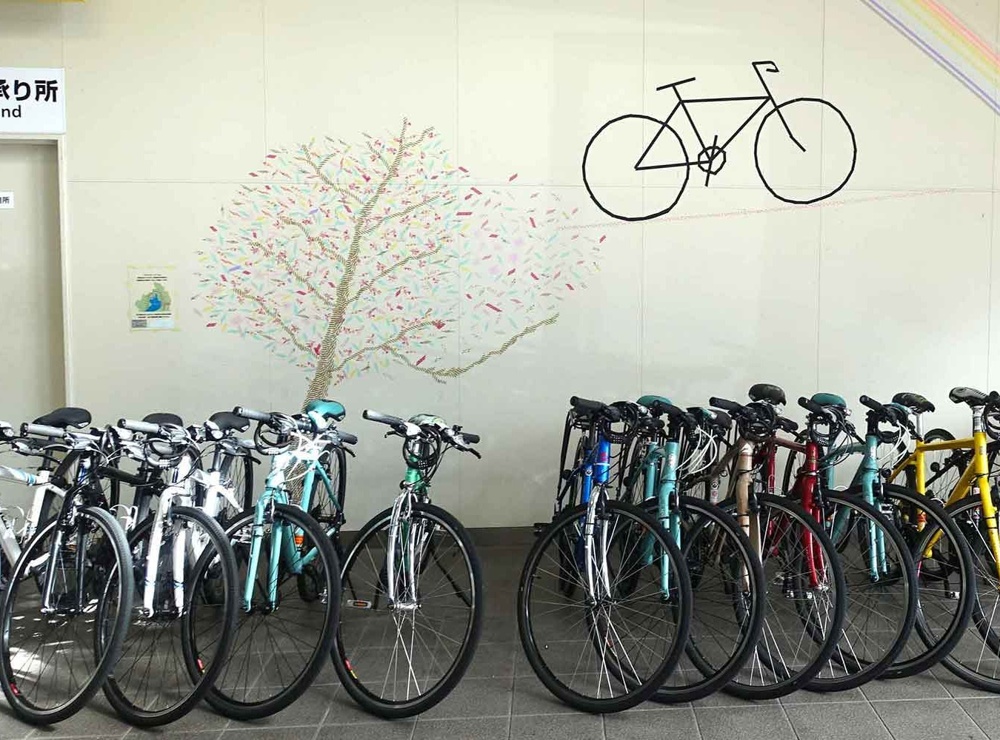
Bike rental shop – Photo Credit: Biwako
3. Seasonal restrictions on “Biwaichi” rental bike returns
Another thing to keep in mind if you’re planning to cycle the famous “Biwaichi” route around Lake Biwa is that, during peak seasons like Golden Week (late April to early May) and the autumn foliage period, some rental shops temporarily suspend their one-way return service. That means you’ll need to return your bike to the exact same shop where you picked it up. This rule helps prevent all the bikes from piling up on one side of the lake while other areas run out.
If you’re planning a multi-day ride during these busy periods, make sure to check your rental agreement carefully for any “no drop-off” conditions. Returning your bike to a different location could lead to extra recovery fees, or even a refused return.
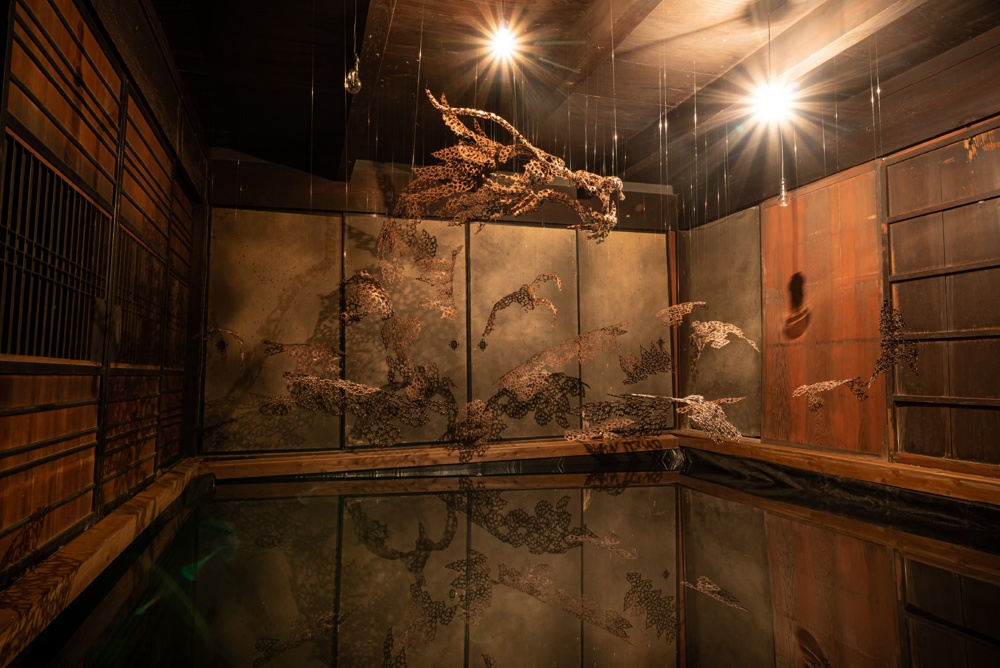
Floating dragon sculpture, mirrored in water – Photo Credit: Biwako Biennale
4. Biwako Biennale
If you’re an art lover and you’re planning a trip to Shiga at the end of the year, this is one event you won’t want to miss: the 11th edition of this international art festival, easily the biggest cultural highlight on the calendar. Running from late September through mid-November, it transforms the charming “Old Town” areas of Omihachiman and Hikone into a decentralized, open-air museum where art appears around every corner. While details for this year haven’t been announced yet, last year included Chomyoji Temple as one of the main venues. Getting there is part of the experience; you’ll need to climb 808 stone steps. It’s a bit of a workout, but the panoramic views of Lake Biwa at the top make it absolutely worth it and feel like an extension of the exhibition itself. The theme, “Cosmic Hell,” blended traditional Japanese settings, such as historic soy sauce warehouses, with cutting-edge contemporary art, creating a striking contrast between old and new. If you’re planning to attend, consider getting a Passport Ticket (around ¥3,500), which gives you one-time access to all venues over the two-month period, perfect for exploring at your own pace without feeling rushed.
Website: https://energyfield.org/biwakobiennale/en/ (2025’s website)
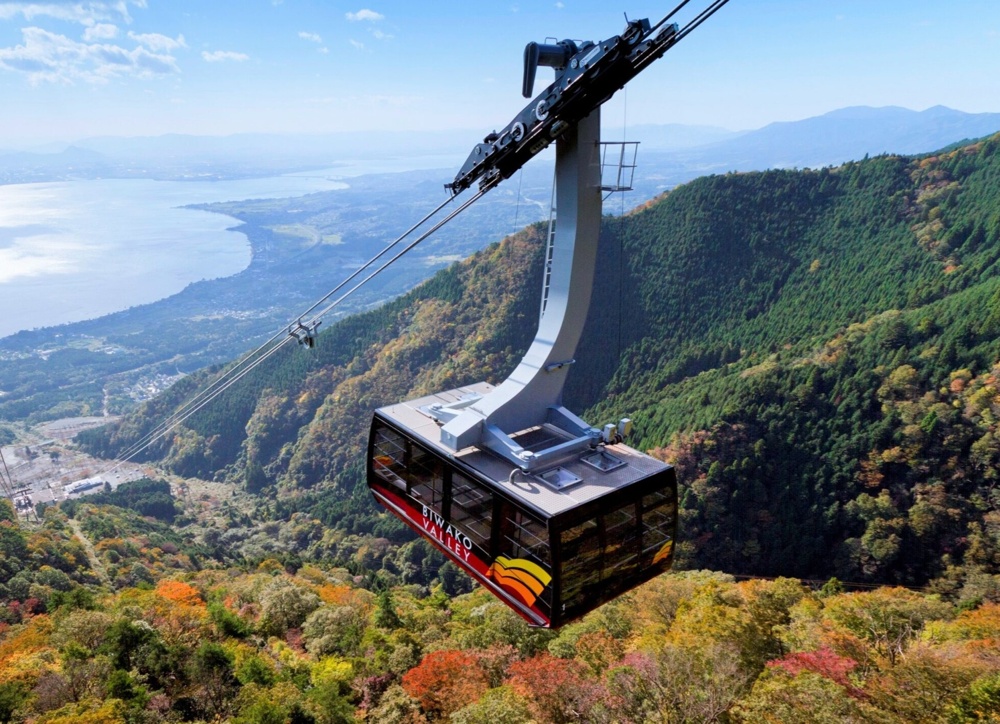
Biwako Valley ropeway – Photo Credit: Biwako Valley
5. Dynamic pricing and capacity rules at Biwa Lake Valley
Lake Biwa Valley, home to the stunning Biwako Terrace at 1,100m, has introduced a new “Specific Day Dynamic Pricing” system for this year to keep visits smooth and enjoyable for everyone. On busy “Red Days” (like weekends, holidays, and peak seasons), ropeway tickets include a small surcharge and require a timed-entry reservation to avoid overcrowding. If you show up without a pre-booked QR ticket, you might face long waits or even miss out if the day is fully booked, so it’s best to plan ahead. Also, keep in mind that the mountaintop is much cooler and windier than the base. For safety, the outdoor terraces may close quickly if winds get too strong (over 15 m/s). Before heading up, it’s a good idea to check the live “Terrace Status” on their official site, especially before paying the mountain road toll. With a little planning, you’ll be all set to enjoy those incredible views stress-free!
Website: https://www.biwako-valley.com/tips/biwako_terrace_en/index.html
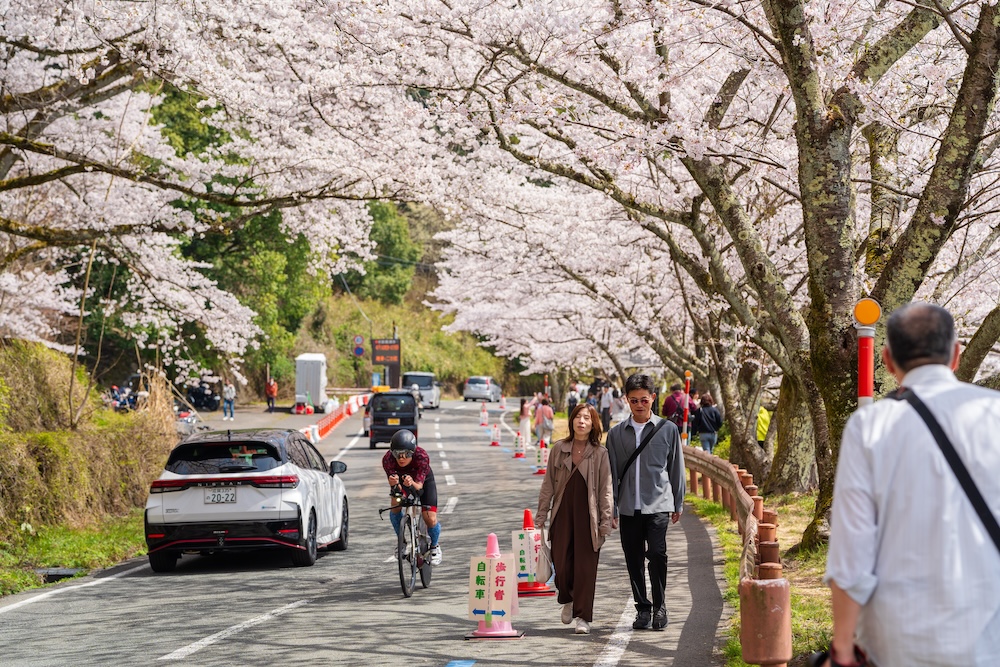
Kaizu-Osaki – Photo Credit: Shawn.ccf
6. Kaizu-Osaki cherry blossom traffic mandates
Kaizu-Osaki, one of Japan’s “Top 100 Cherry Blossom Spots,” is breathtaking in spring, with a 4-kilometer stretch lined by 800 Yoshino cherry trees. It’s no surprise that it gets very busy during peak bloom in early April! To keep things organized, special traffic rules are put in place, especially on the busiest weekends (usually the first two in April). The narrow lakeside road (Route 161) becomes one-way, and during peak afternoon hours, private cars may not be allowed. Getting there is still easy, though. Visitors are encouraged to park in designated areas and hop on the “Flower Shuttle Bus,” or take the JR Kosei Line to Makino Station. For a more relaxed and memorable experience, consider taking a cherry blossom cruise from Nagahama or Imazu Pier. You’ll skip the traffic and enjoy stunning views of the famous pink “flower tunnel” right from the water, truly unforgettable.

People cleaning Lake Biwa – Photo Credit: IVUSA
7. Keeping Lake Biwa clean and safe for everyone
Lake Biwa has always been a relaxing spot for swimming, boating, and enjoying nature, but lately, things are getting a bit tricky. With more visitors coming from other parts of Japan and from overseas, Shiga Prefecture has noticed that many people don’t really know the local rules that help keep the lake safe and clean. It’s not that people are doing anything wrong on purpose; often, they just don’t have the right information. Some of the rules about safety or protecting the environment aren’t easy to find or understand, especially if it’s your first time there or if you don’t speak Japanese. As more people visit, these small misunderstandings can start to cause bigger problems.
To fix this, local officials are planning to update their “Basic Plan for Proper Use.” The goal is to make the rules clearer and easier to follow for everyone. This could include better signs, information in different languages, and clearer guidance in busy areas, so people can enjoy the lake without causing harm.

Kayaking at Lake Biwa – Photo Credit: MAHATHIR MOHD YASIN
8. Explore Lake Biwa the sustainable way
Exploring Lake Biwa is all about slowing down and soaking in nature, and the good news is, it’s easy to do it responsibly. The area is known for its strong commitment to sustainability, so activities like cycling, kayaking, and rowing are not just fun, but encouraged. As you wander around the lake, you’ll come across delicate ecosystems, especially near the reed beds of Omihachiman and along the quieter northern shores of Takashima, where wildlife thrives. By choosing low-impact ways to explore and following local guidelines, you’re not just visiting Lake Biwa, you’re helping preserve it for the next traveler to fall in love with.

Tax refund – Photo Credit: myboys.me
9. Tax-Free shopping procedures
If you were already thinking about how much space you’ll need in your suitcase for everything you’re going to buy during your trip to Japan, you should also consider keeping all your purchase receipts if you’re planning to visit Japan after November 2026. Under the new “Refund-Style” system, tourists will no longer receive an immediate discount at the cash register; instead, you must pay the full price including the 10% consumption tax at the store. To get your money back, you will need to present your receipts and goods at a specialized customs counter, usually located at major international airports like Kansai International (KIX), before departing Japan. This means that when you shop in Shiga, you must keep all your paperwork organized and ensure you arrive at the airport much earlier than usual to complete the refund process before your flight.
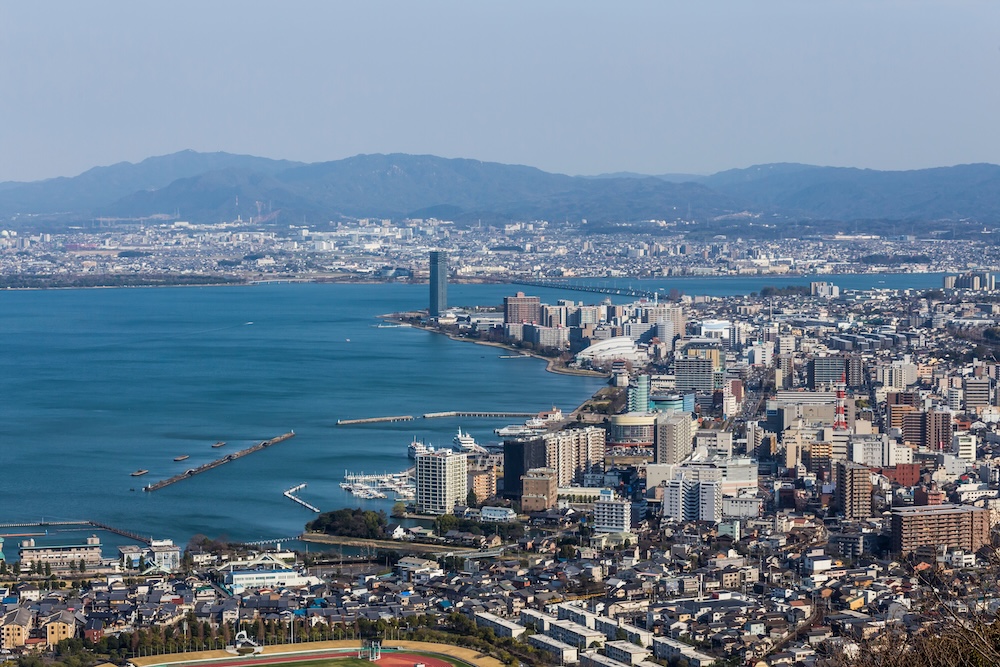
Otsu city, the capital of Shiga Prefecture – Photo Credit: 1059SHU
10. Increased Accommodation Tax
Just like other cities in Japan, Shiga is stepping up to tackle over-tourism while making travel more sustainable. Starting toward the end of 2026, visitors can expect a small accommodation tax (around ¥100 to ¥200 per person), per night added to their hotel or ryokan stay. The good news? That extra bit goes straight into preserving Shiga’s beautiful historical sites and improving transportation for travelers. And here’s the silver lining: while nearby Kyoto is raising its accommodation tax quite sharply (with luxury stays reaching up to ¥10,000 in taxes), places like Otsu in Shiga still offer a much more budget-friendly base.
At the end of the day, Shiga isn’t just a place you visit, it’s a destination that you experience. With a little preparation and an understanding of the local rules and customs, you’ll be free to enjoy everything from the calm beauty of Lake Biwa to the unique cultural moments scattered across the region. Keep these tips in mind, stay curious, and don’t rush it. Shiga is best explored at your own pace. Trust me, once you get there, you’ll wonder why more people aren’t talking about it already!
Featured Photo Credit: beeboys
Ready to explore Shiga’s stunning lakeside scenery and cycling paths at your own pace? Contact our Travel Experts today to seamlessly incorporate this unique nature-rich region into a perfectly tailored Japan itinerary!
PIN THIS FOR LATER

Book your pocket wifi now to stay connected through your entire Japan Journey!

Be sure to get the JR Pass to make navigating Japan during your trip that much easier!
YOU MIGHT ALSO LIKE