9 NEW THINGS TO KNOW BEFORE VISITING SHIZUOKA
Jun 12, 2026
BY Maria Diaz

You’ve probably heard about Shizuoka, but if someone asked you to describe it, you might struggle to say much beyond a vague “somewhere near Mount Fuji”. And if you’re a climber planning to conquer Japan’s most iconic peak, chances are that’s exactly how you know about it, as Shizuoka is the gateway to Mount Fuji. But Shizuoka is far more than just the backdrop to the famous mountain. Even if you don’t plan on climbing Mount Fuji, join us in today’s post to discover the latest laws, updates, and events that might just inspire you to explore this wonderful prefecture and city!

ANA plane with Mount Fuji behind – Photo Credit: Shizuoka Media Channel
Mt. Fuji Shizuoka Airport Updates
If you decide to visit Shizuoka and choose to fly there, please take note! Travelers flying into Mt. Fuji Shizuoka Airport will encounter a more streamlined, “Smart Airport” experience, though it requires some digital preparation regarding payments and flight schedules. Firstly, you may wish to note that the airport’s primary parking facilities have transitioned to a completely cashless system, meaning physical yen coins and bills are no longer accepted at exit gates. Instead, you must use a credit card, a Japanese IC card (like Suica), or a mobile payment app.
Additionally, a major domestic system migration scheduled for Spring 2026 may cause temporary glitches in online seat selections or reservation changes for flights booked before the May 19th transition date, so please do take the necessary precautions! With the 2026 launch of new international routes, such as the direct connection from Hanoi via Vietjet, the airport is now busier than ever, making it essential for passengers to check airline notifications 24h in advance and ensure their digital payment methods are ready for arrival.
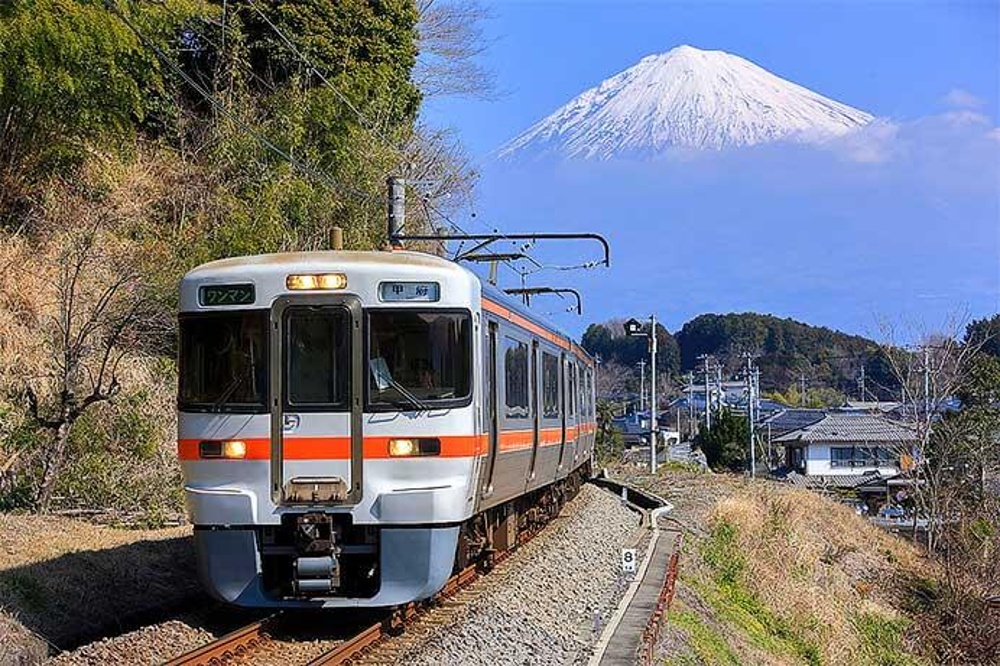
JR East train in Shizuoka – Photo Credit: Railf
JR East Pass Updates
Getting around Japan by train is getting a total makeover! From March 14 2026, JR East is simplifying things by consolidating its regional passes into a single JR EAST PASS, available either as a 5-day (¥35,000) pass or the newly launched 10-day (¥50,000) version. This is a huge deal because it covers the entire JR East network, including the beautiful Izu Peninsula and Atami City, which are part of Shizuoka! While the price has increased to reflect the wider coverage, it completely removes the “which pass do I need?” headache for travelers coming from Tokyo.
Even better, starting in April, if you book your pass through the official JR East website, you can skip the legendary ticket office lines and pick it up at vending machines with passport readers at major hubs like Tokyo Station, Haneda, or Narita. Be sure to keep in mind that the JR EAST PASS officially ends at Atami Station. However, don’t fret! If you want to head further west into the heart of the prefecture, you can use Atami as your “bridge” to activate the Mt. Fuji-Shizuoka Tourist Pass Mini (¥6,500). This local pass is much cheaper for exploring Shizuoka City or Hamamatsu, and it covers the specific local buses, trains, and even the ferries you’ll need to get to those iconic Mt. Fuji views!
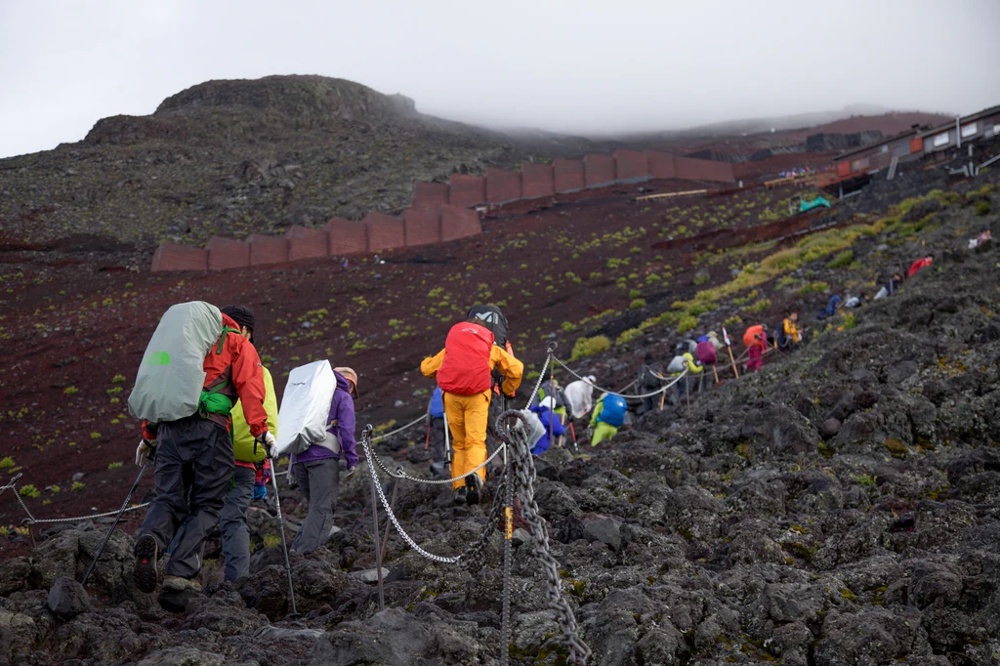
Fujinomiya trail – Photo Credit: Fuji Hyakka
New Rules for Climbing Mt. Fuji
If you’re planning to climb Mount Fuji, there are a few important rules to know before heading to the mountain. While these regulations aren’t entirely new, many climbers remain unaware of them when planning their trip.
On the Shizuoka side, which includes the Fujinomiya, Gotemba, and Subashiri trails, the old “voluntary donation” system is now a thing of the past. To help keep the mountain beautiful and safe, there’s now a mandatory entry fee of ¥4,000 per person. Before you head to the trailhead, you’ll also need to grab an entry permit through Shizuoka’s online pre-registration system. It’s actually pretty straightforward: you’ll go through a quick “e-learning” session to brush up on mountain safety, pass a short quiz, and then receive a QR code to show the staff when you arrive.
One of the most important things to keep in mind when starting your Mt. Fuji hike is the start time! If you plan to start your hike after 2 pm, you’ll need to show proof of your mountain hut reservation to pass the gates. This rule is all about your safety. It ensures you aren’t attempting a risky “bullet climb” (i.e. climbing without stopping to rest and acclimatize to the altitude) through the night by confirming that you’ll have a warm place to rest before reaching the summit. These steps might seem like a bit of extra homework, but they go a long way in protecting both the climbers and the magic of Japan’s most famous peak!
Website: https://www.fujisan-climb.jp/en/
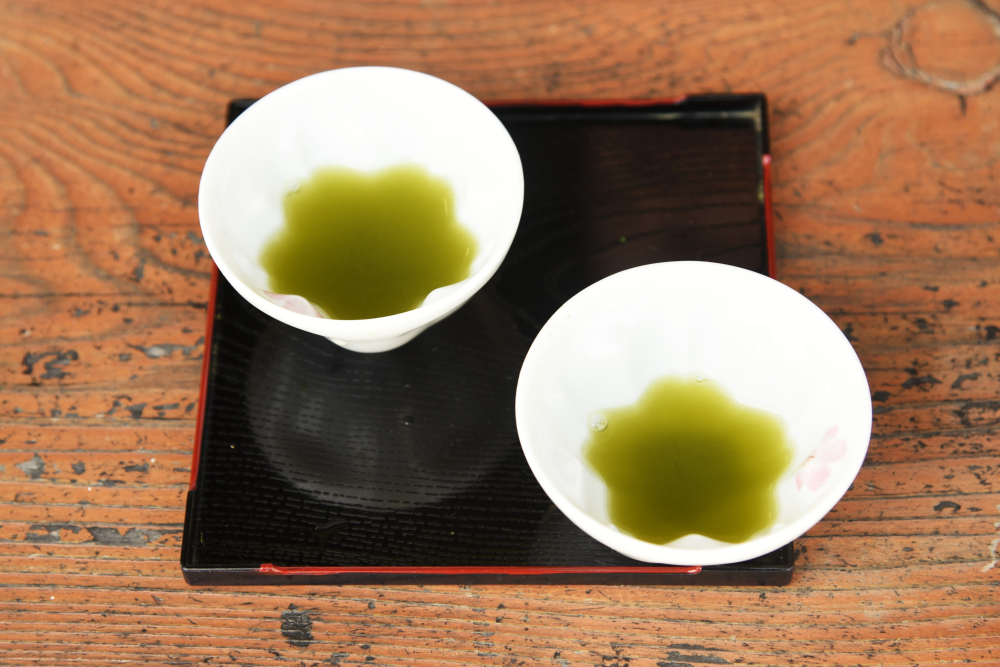
Shizuoka tea – Photo Credit: tamu1500
Shizuoka and Its Amazing Matcha
If you’re a tea lover, 2026 is the year to see Shizuoka reclaim its throne! Historically, the top green tea producer in Japan, Shizuoka, has recently faced stiff competition from Kagoshima, sparking a bold new “Matcha Strategy” from the local government. Throughout this year, you’ll notice a massive shift as traditional Sencha farms are being converted into specialized Tencha fields, the high-quality base used to make Matcha. This change isn’t just about production; it’s also about the experience. New local rules and subsidies are making it easier for tourists to visit organic-certified tea farms and participate in high-tech “Tea Tourism”.
You can now find everything from sparkling green tea and tea-infused sake to “smart” teahouses that use digital storytelling to explain the unique Chagusaba farming method (a sustainable practice recently recognized for its biodiversity). Whether you’re sipping a traditional bowl or trying a trendy matcha gelato, Shizuoka is proving that its thousand-year-old tea culture is more modern and exciting than ever! If you’d like to learn more about Shizuoka’s amazing tea, don’t hesitate to contact us to join our tour!
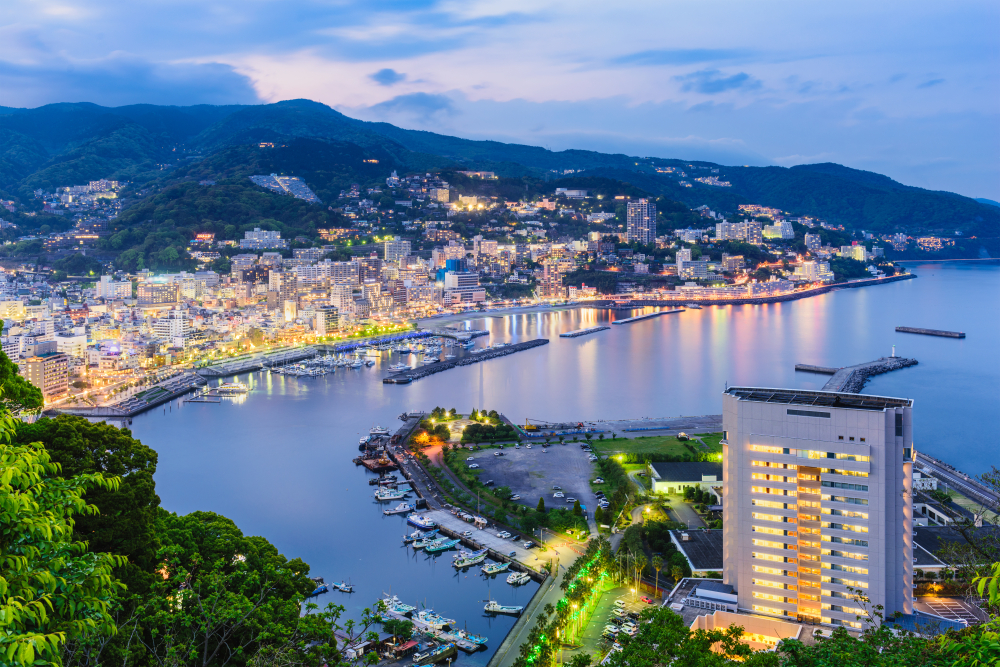
Atami’s Skyline – Photo Credit: Sean Pavone
New Accommodation and Bath Taxes in Atami
If you’re staying in Atami, there’s a small extra cost to keep in mind. Since April 2025, the city has introduced a ¥200 accommodation tax per person, per night. This applies to hotels, traditional ryokan, and vacation rentals, and the money is meant to improve tourism facilities and maintain the beach area. On the other hand, if you’re staying at a hot spring (onsen) hotel, there’s also the usual ¥150 bathing tax. That means many travelers will pay a total of ¥350 per person per night in local taxes.
One important thing to know: many international booking sites don’t include these local taxes in the listed room price. In most cases, you’ll pay them at the hotel during check-in or check-out, so it’s a good idea to keep a little extra in your travel budget.

Taxi driver smiling – Photo Credit: maroke
Transport Options Increasing
You no longer have to struggle with complicated bus schedules or wait a long time for a taxi. Now you can use apps like Uber or Japan’s GO app to quickly book a ride with just a few taps on your phone. Local drivers using their own cars can pick you up right where you are, making it much easier to reach places that public transport doesn’t cover well. This is part of Shizuoka’s “Japanese-Style Ride-Sharing” (Nihongata Raidoshea) Initiative, which aims to specifically address the severe taxi shortages in tourist-heavy regions like Shizuoka.
There are also other rideshare options, such as the Noru-ra shuttle service, which lets several passengers share a ride and split the cost. Since it’s an on-demand service, it doesn’t follow a fixed route; you simply book it via the NearMe app, and the shuttle comes to you at major hubs like Toi Port or your hotel in West Izu. This makes traveling around the region much cheaper than a regular taxi. As of 2026, fares typically range from ¥1,000 to ¥2,000 depending on the distance, and if you book at least three days in advance, you can often snag a 50% discount, making it an absolute steal for solo travelers and couples!
In smaller towns like Izunokuni, you may even ride with a community driver, a local resident who helps visitors get around. These give you prime opportunities to get tips about great local spots, like a hidden ramen restaurant or a quiet hot spring.

Fireworks at Mt. Fuji in Japan – Photo Credit: Yusei
Summer Festivals
If you’ve already got your bags packed to climb Mt. Fuji this July, you’re in for a treat, but did you know you can double the magic of your trip right here in Shizuoka? While the mountain is the star of the show, July is actually the absolute peak of Matsuri (festival) season, and the energy in the air is magical! You can kick off your month wandering through the Shimizu Tanabata Festival, where the streets are draped in massive, colorful paper ornaments, and glowing lanterns drift dreamily down the Tomoe River.
If you’re a fan of a good spectacle, you definitely don’t want to miss the legendary Abekawa Fireworks Festival on July 18th, or the famous Atami Marine Fireworks Festival on July 20th and 26th, where the booming echoes against the mountains are so powerful they’ll literally make your heart race. To top it all off, the Numazu Summer Festival at the end of the month brings high-energy parades and even more stunning riverside fireworks. Trust me, pairing your rugged mountain adventure with these vibrant celebrations will make your Shizuoka trip truly unforgettable!

Abusive behavior by customers will no longer be tolerated – Photo Credit: KID_A
Customer Harassment? Not Anymore in Shizuoka!
In the “10 New Things to Know Before Visiting Tokyo” post, I mentioned a new and wonderful law that would be the start of protecting workers from abusive customers. In Japan, there’s the concept of “Okyakusama wa kamisama” (the customer is god), which parallels many other countries’ mentality that “the customer is always right”.
Well, another city planning to introduce protections for workers against unnecessarily inappropriate customer behavior is Shizuoka. Starting October 2026, the government is officially empowering workers to say “no” to Kasuhara (customer harassment). This includes things like verbal abuse, making impossible demands, or threatening staff. For you as a tourist, it won’t change your experience if you’re polite, but you might notice more “No Harassment” signs in shops or hotels. It’s all a great step towards creating a healthier environment for the lovely people serving your tea or checking you into your ryokan.
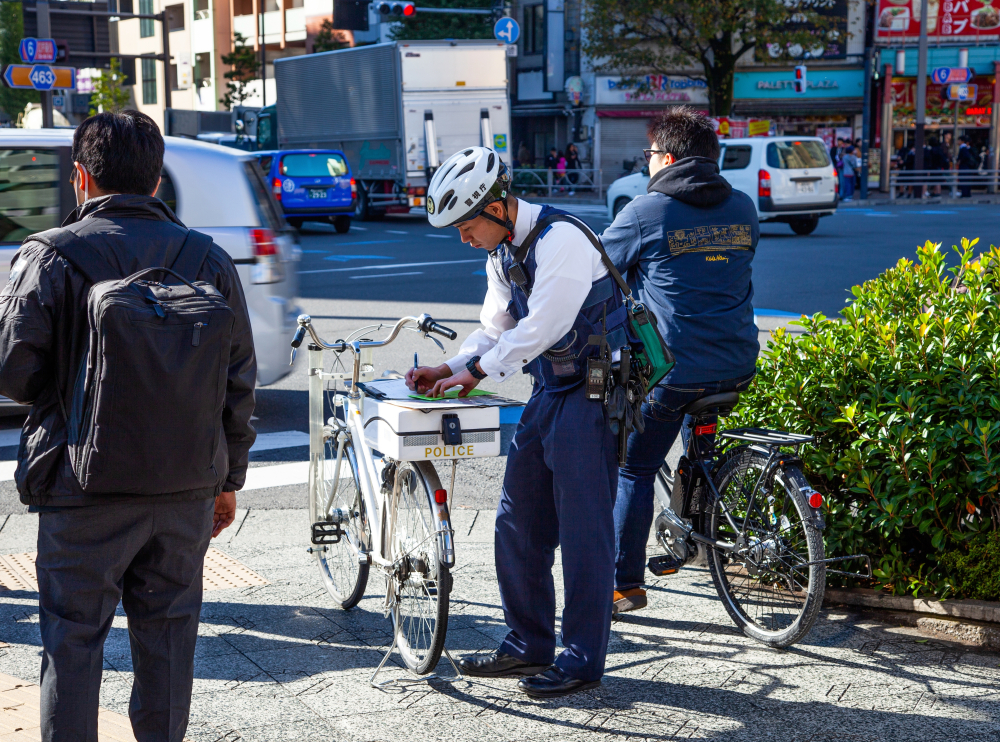
A police officer on a bicycle writes a ticket to another cyclist – Photo Credit: LilyRosePhotos
New Bicycle Rules for Visitors to Shizuoka
Another city joining the “Blue Ticket” bicycle policy is Shizuoka. Authorities will begin strictly enforcing tougher cycling rules as part of a nationwide effort to improve road safety. Under these measures, cyclists aged 16 and older can receive fines for traffic violations such as running red lights, failing to stop when required, using a smartphone while riding, or cycling on the wrong side of the road.
The penalties are far from minor. Using a smartphone while riding can result in a fine of around ¥12,000, while violations like running a red light or riding against traffic may lead to fines of approximately ¥6,000. Tourists who rent bicycles are under the same rules, and police can issue tickets on the spot. To avoid trouble, it’s best to follow Japan’s traffic rules carefully: ride on the left side of the road, stay alert, and always give priority to pedestrians.
Shizuoka may not always be the first destination that comes to mind when planning a trip to Japan, but it quietly offers an incredible mix of natural beauty, cultural experiences, and practical travel conveniences. From climbing Mount Fuji with new safety rules in place to enjoying coastal fireworks, music festivals, and easier ways to get around, the region has plenty to surprise even seasoned travelers. Knowing these updates ahead of time will help you travel smarter, avoid small hiccups, and fully enjoy everything this underrated prefecture has to offer. So whether you’re chasing the sunrise on Fuji’s slopes or relaxing in a seaside onsen, Shizuoka might just become one of the highlights of your journey.
Featured Photo Credit: Guitar photographer
Looking to explore some of the best things Shizuoka has to offer, all at your own pace? Check out our Multi-day Itinerary in Suruga and dive headfirst into the land of tea, nature, and history!
PIN THIS FOR LATER
Book your pocket wifi now to stay connected through your entire Japan Journey!

Be sure to get the JR Pass to make navigating Japan during your trip that much easier!
YOU MIGHT ALSO LIKE