A Day in Mito: Slow Travel in Ibaraki’s Quiet Castle Town
Feb 19, 2026
BY Brad Stephens
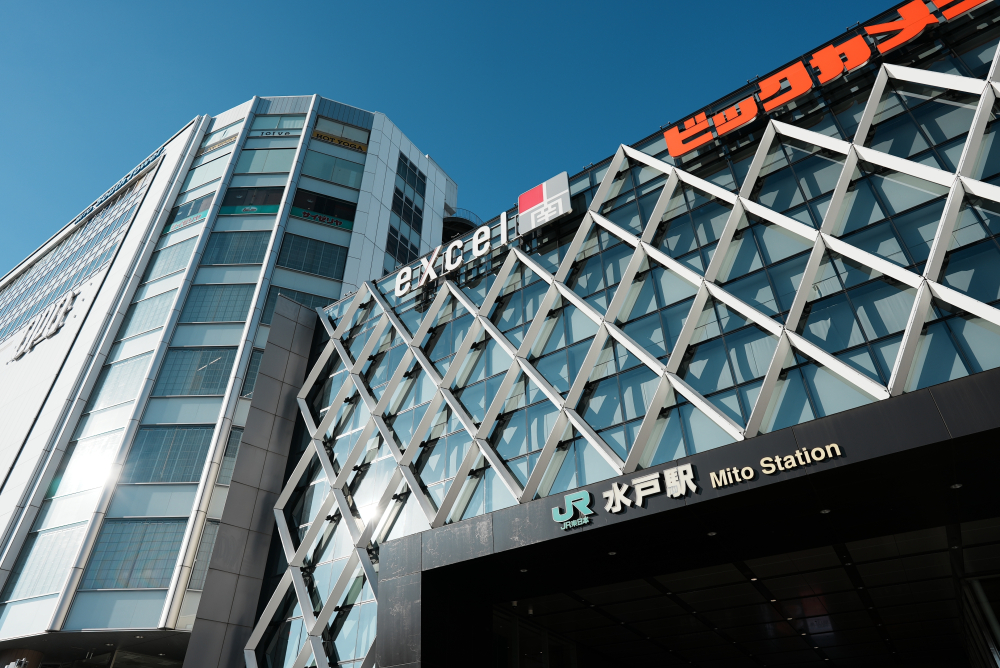
Just over an hour from Tokyo by train, Mito offers a gentler rhythm of travel that rewards curiosity and patience. As the capital of Ibaraki Prefecture, it carries political history, literary legacy, and one of Japan’s most celebrated gardens, yet it remains refreshingly free of crowds. A day in Mito is best enjoyed on foot, with time to linger, snack, and let the past surface naturally between modern streets and riverside paths.
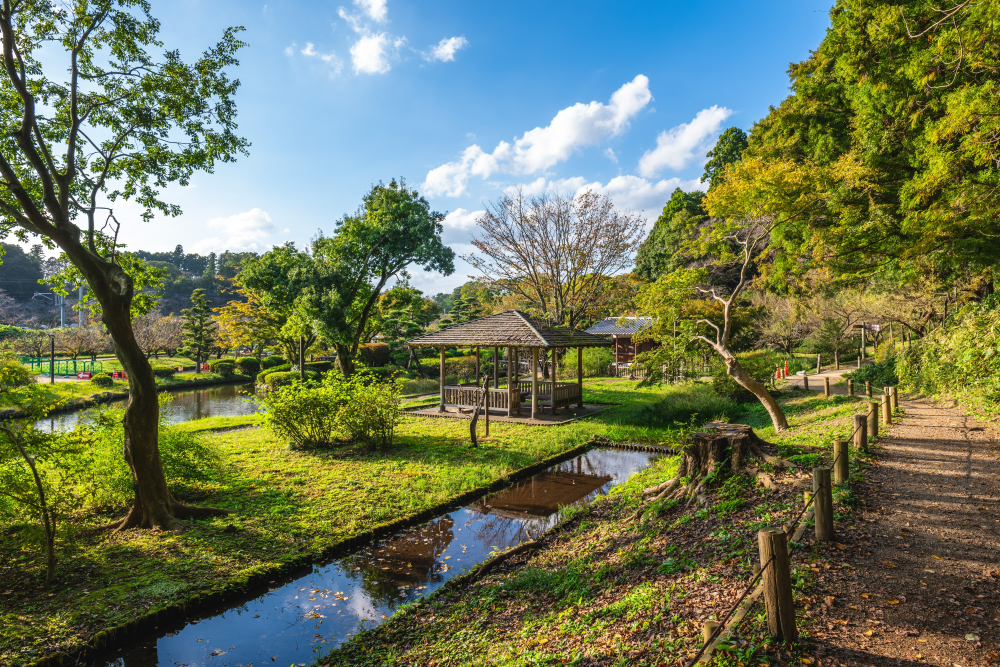
Kairaku Garden – Photo Credit: Richie Chan
Morning: A stroll through one of Japan’s Great Gardens
Begin your day at Kairaku-en (偕楽園, Kairaku Garden), one of Japan’s Three Great Gardens. Created in 1842 by Tokugawa Nariaki, the ninth lord of the Mito Domain, the garden was designed not only for the ruling class but also for townspeople. This philosophy of shared enjoyment feels very much in line with modern slow travel.
Kairaku-en is most famous for its plum trees. Over 3,000 plum trees representing around 100 varieties bloom here from late February to March, filling the air with a subtle fragrance. Unlike cherry blossom viewing, plum blossom season is quieter and more contemplative, making it ideal for unhurried walks. Outside of spring, the garden remains appealing with bamboo groves, cedar forests, and open lawns that frame views of the city below.
At the heart of the garden stands Kobuntei, a traditional villa once used by Tokugawa Nariaki for poetry gatherings and intellectual salons. The structure reflects the scholarly spirit of Mito, which was known during the Edo period as a center of Confucian learning and historical study.
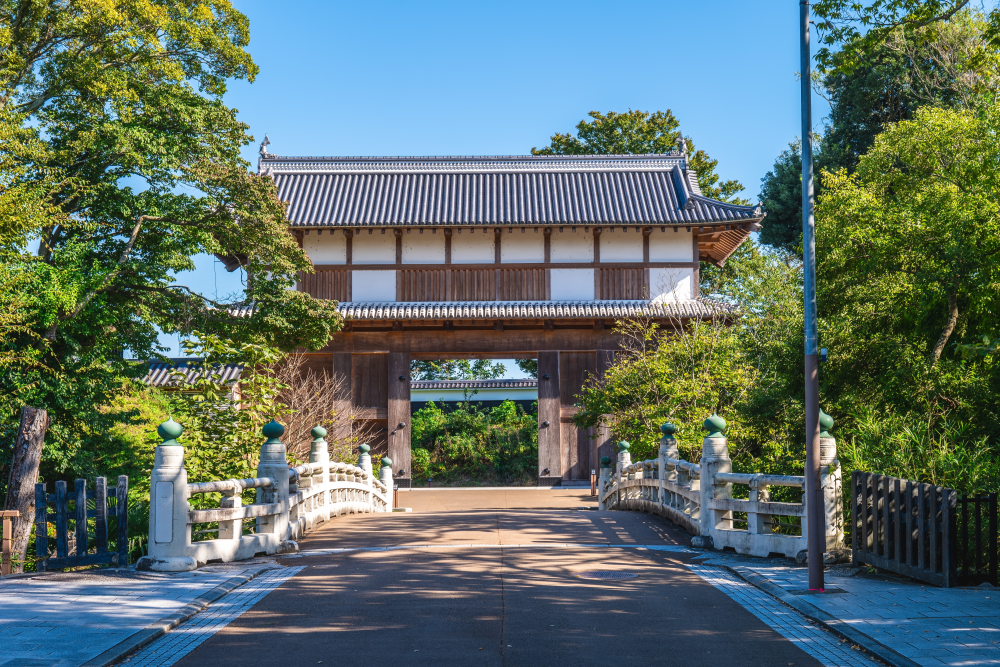
Mito Castle Ruins – Photo Credit: Richie Chan
Late morning: History along the Castle Ruins
From Kairaku-en, head toward Mito Castle Ruins (水戸城跡). Unlike fully reconstructed castles, Mito’s remains are subtle. Stone walls, earthen embankments, and a few restored gates quietly mark where the seat of power once stood. This understated atmosphere allows you to imagine the castle town as it was, rather than presenting a polished historical display.
One lesser-known area is the Former Second Bailey zone, where restored gates and long stone walls give a clearer sense of the castle’s original scale. Walking these quieter sections offers a more immersive understanding of the former castle town than the main approach alone.
Nearby, you will find Kodokan (弘道館), the former domain school established in 1841. It played a central role in educating samurai in Confucianism, medicine, and martial arts. Even today, the surrounding area feels academic and calm, with schools occupying much of the old castle grounds. It is a living example of how history in Mito blends into daily life rather than being isolated behind museum walls.
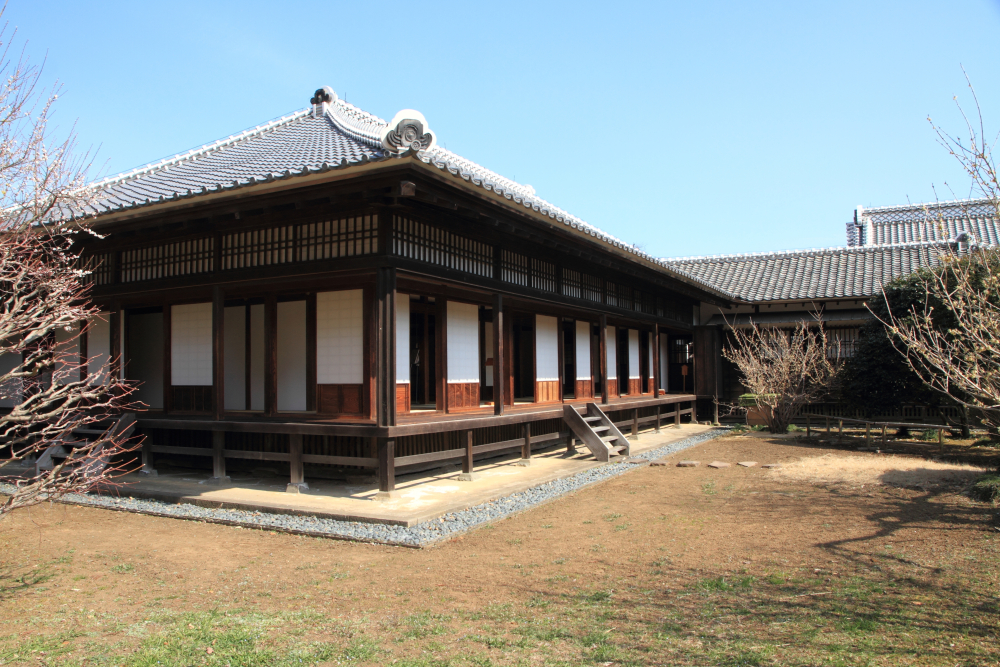
Kodokan – Photo Credit: ziggy_mars
Lunch: Comfort food, Mito style
For lunch, seek out a local restaurant serving natto (納豆, fermented soybeans), Mito’s most famous food. While natto can be divisive, trying it here feels essential. Mito has long been associated with natto production due to its soybean farming and historical role as a transportation hub.
If you are new to natto, look for a set meal that pairs it with rice, miso soup, and grilled fish. The dish is nutritious, affordable, and deeply local. Many restaurants offer milder versions or creative interpretations, making it approachable even for first-timers. If natto is not your preference, Mito also has excellent soba noodles and hearty teishoku meals that reflect the agricultural richness of Ibaraki.
Another under-the-radar option is Ibaraki-produced pork served in set meals at neighborhood diners rather than near the station. These places tend to cater to locals, offering generous portions and seasonal side dishes rarely found in guidebooks.
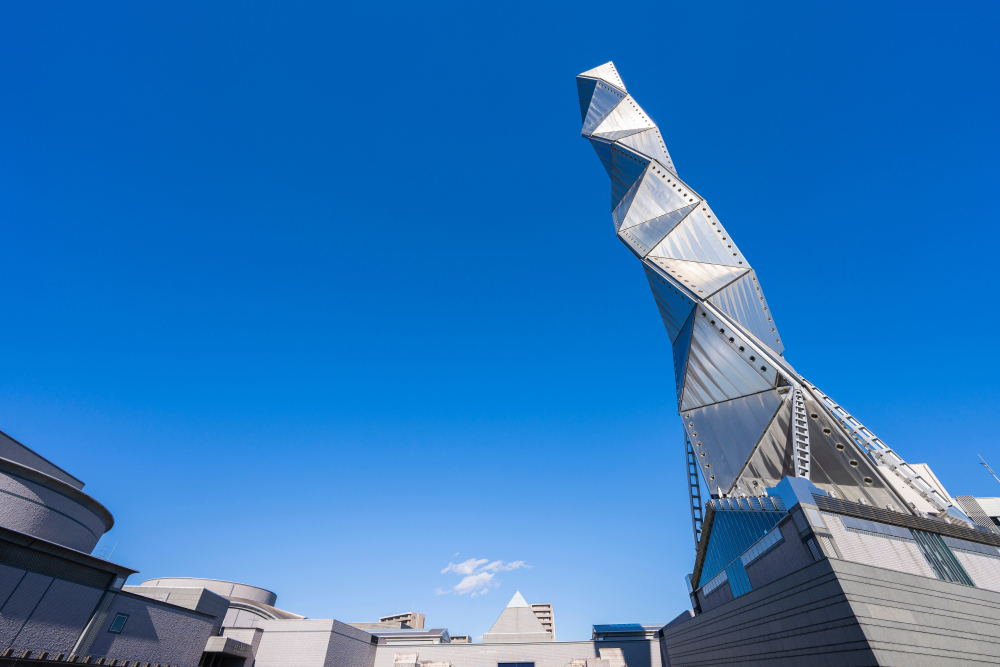
Exterior of Art Tower Mito – Photo Credit: yu_photo
Afternoon: Art, literature, and riverside wandering
Spend your afternoon at the Art Tower Mito (水戸芸術館), a cultural complex dedicated to contemporary art, music, and theater. The striking spiral tower is visible from afar and serves as a symbol of the city’s commitment to creativity. Exhibitions rotate regularly and often feature experimental or emerging artists, offering something unexpected even for repeat visitors.
Afterward, slow things down with a walk along the Senba Lake (千波湖) area adjacent to Kairaku-en. The flat paths and open water views make it a pleasant place to digest both lunch and history. Locals jog, cycle, or simply sit on benches, reinforcing the feeling that Mito is lived in rather than staged.
For a deeper literary connection, seek out Tokugawa Museum (徳川ミュージアム), which is often overlooked in favor of larger museums elsewhere. The collection highlights the intellectual and historical legacy of the Mito branch of the Tokugawa family, including documents, artifacts, and garden views that emphasize refinement over spectacle.
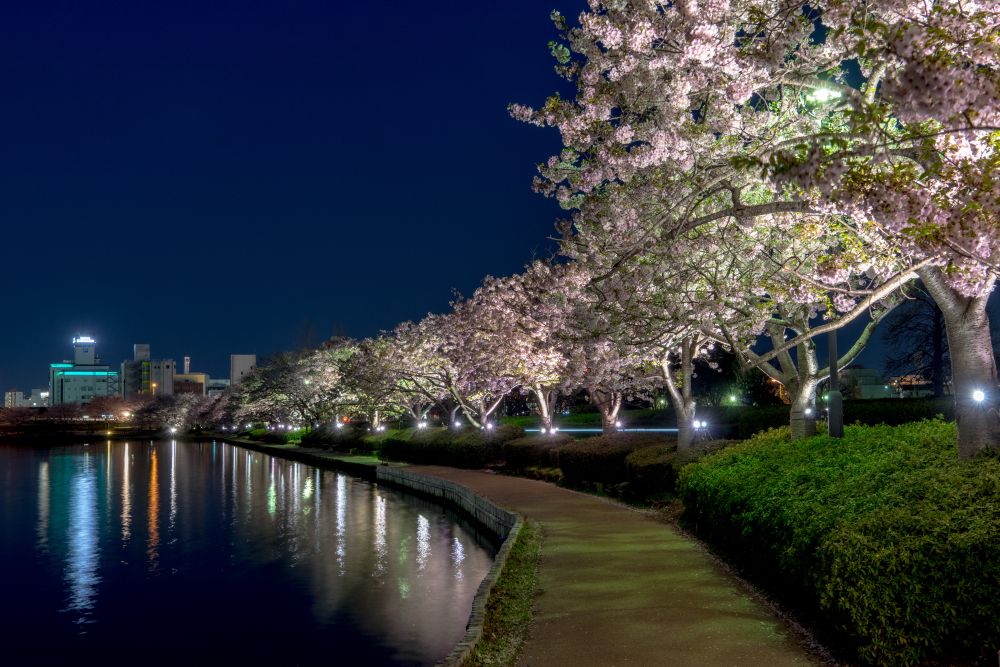
Cherry blossoms at Senba Lake – Photo Credit: Joshua Hawley
Evening: A taste of local nightlife
As evening approaches, return toward the station area for dinner. Mito’s nightlife is modest but welcoming. Small izakayas offer seasonal dishes using local vegetables, freshwater fish, and pork from within the prefecture. This is a good opportunity to try regional sake, often brewed with soft local water that produces a smooth, clean taste.
Conversations here tend to be relaxed, and visitors are often met with curiosity rather than rush. It is the kind of place where a short chat with the staff can lead to unexpected recommendations or stories about the city.
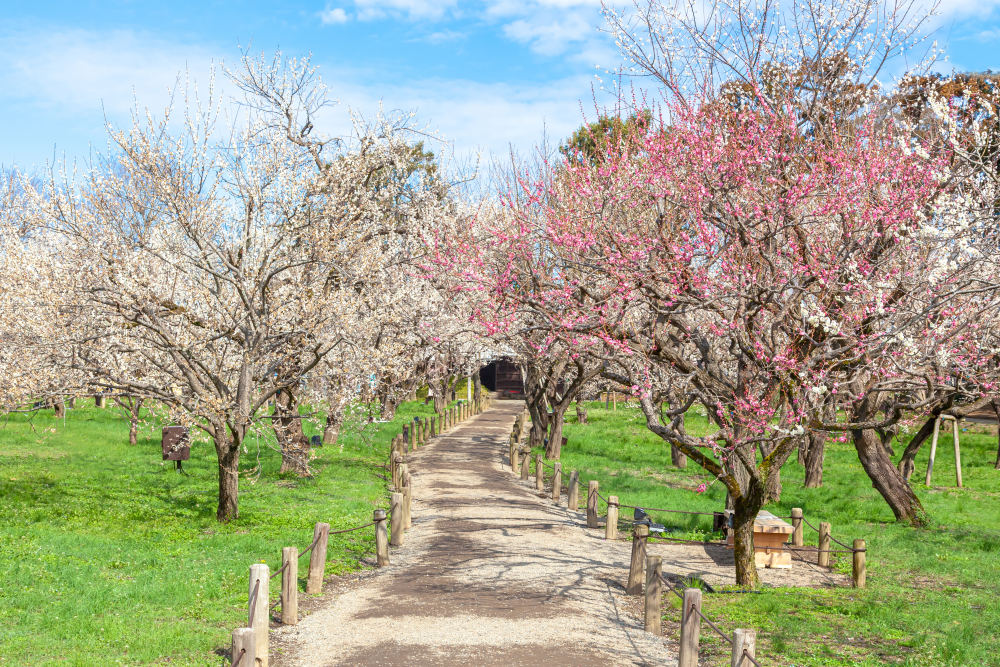
Plum blossoms at Mito – Photo Credit: Faula Photo Works
Why Mito fits the slow travel mindset
Mito does not overwhelm with landmarks. Instead, it invites you to notice details. A plum blossom drifting onto a stone path. A quiet schoolyard where a castle once stood. A meal that reflects centuries of local habit rather than global trends. For travelers looking to step off the usual route and experience a Japan that moves at a human pace, a day in Mito offers depth without density. It is a place where history, culture, and daily life coexist naturally, making even a short visit feel meaningful and unhurried.
Featured Photo Credit: yu_photo
Inspired by this day trip to Mito? Check out our Ibaraki Page to discover more amazing adventures throughout the hidden gem of Ibaraki Prefecture for yourself!
PIN THIS FOR LATER
Book your pocket wifi now to stay connected through your entire Japan Journey!

Be sure to get the JR Pass to make navigating Japan during your trip that much easier!
YOU MIGHT ALSO LIKE