How to Onsen Guide: Rules, Manners, and Relaxation Await!
Jan 24, 2026
BY Shalini Sookoo
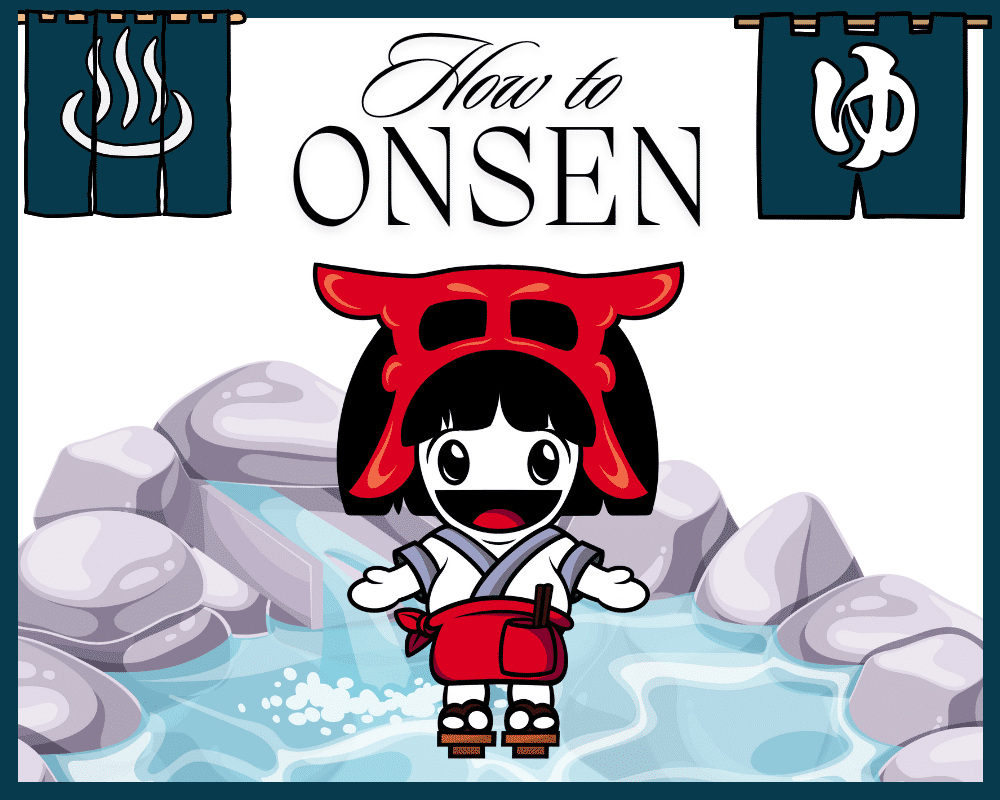
Hello, wonderful travelers! Today, we have a very special guest joining us—our very own Uma-chan! If you haven’t met Uma-chan yet, let me introduce you. Born on January 20th, 2016, in Central Tokyo, Uma-chan is Arigato Travel’s adorable yuru-kyara (mascot). Just like us, Uma is a total foodie who loves green tea, sake, and all things Japanese culture.
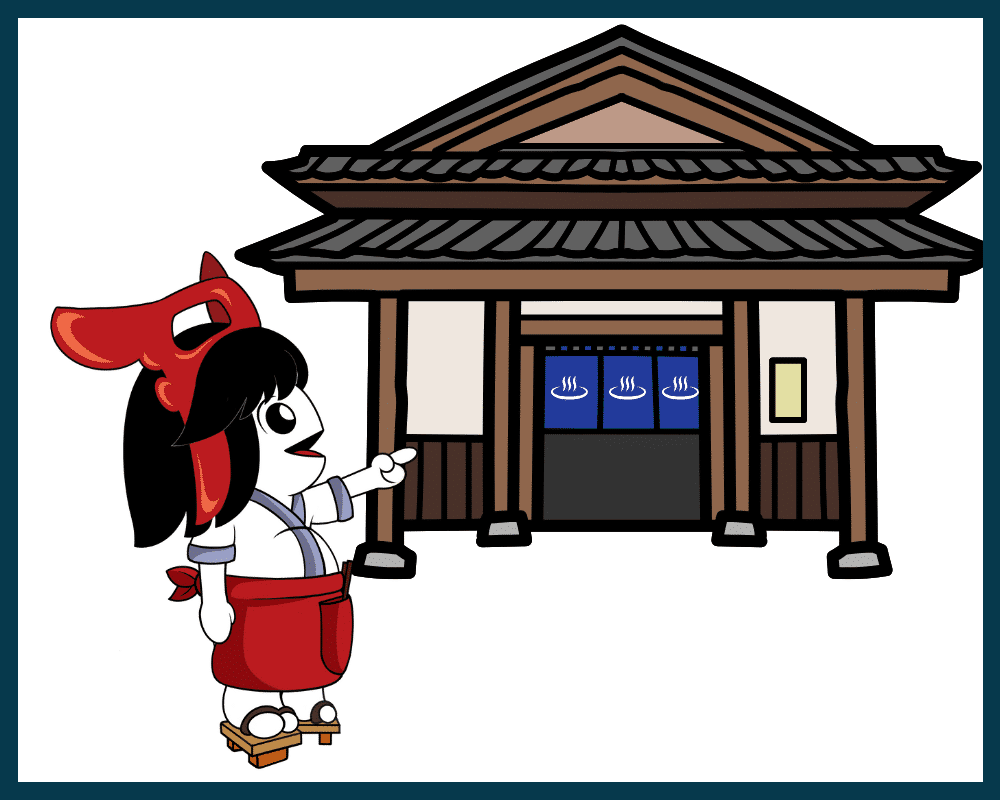
Uma-chan is thrilled to be our guide for today’s deep dive into the world of onsens. Look! There’s one now. Let’s follow Uma-chan on this relaxing adventure!
What is an onsen?
An onsen (温泉) is a natural hot spring enriched with specific minerals. These springs have a long history in Japan, with records dating back over 1,300 years documenting regular visits by the Imperial family. However, it was during the Edo period that onsens became popular with the general public, thanks in part to their depiction in ukiyo-e (traditional woodblock prints).
Many believe the minerals in the water possess healing properties, maintaining the ancient practice of bathing for health and rejuvenation. While “rules” and “etiquette” might sound intimidating, don’t stress! With Uma-chan by your side, you can relax and soak in the full experience.
Step 1: Let’s go!
We’ve made it to the onsen! First things first: at the entrance, please remove your shoes. Depending on the location, you’ll either place them in a locker or leave them in a designated area. After paying the entry fee at the front desk, head to the changing rooms.
Here, you’ll find shelves with baskets or lockers for your clothes. Be sure to have a few 100 yen coins ready just in case the lockers require them. Regarding attire, at a traditional onsen, swimsuits are not allowed, so everything must stay in your locker!
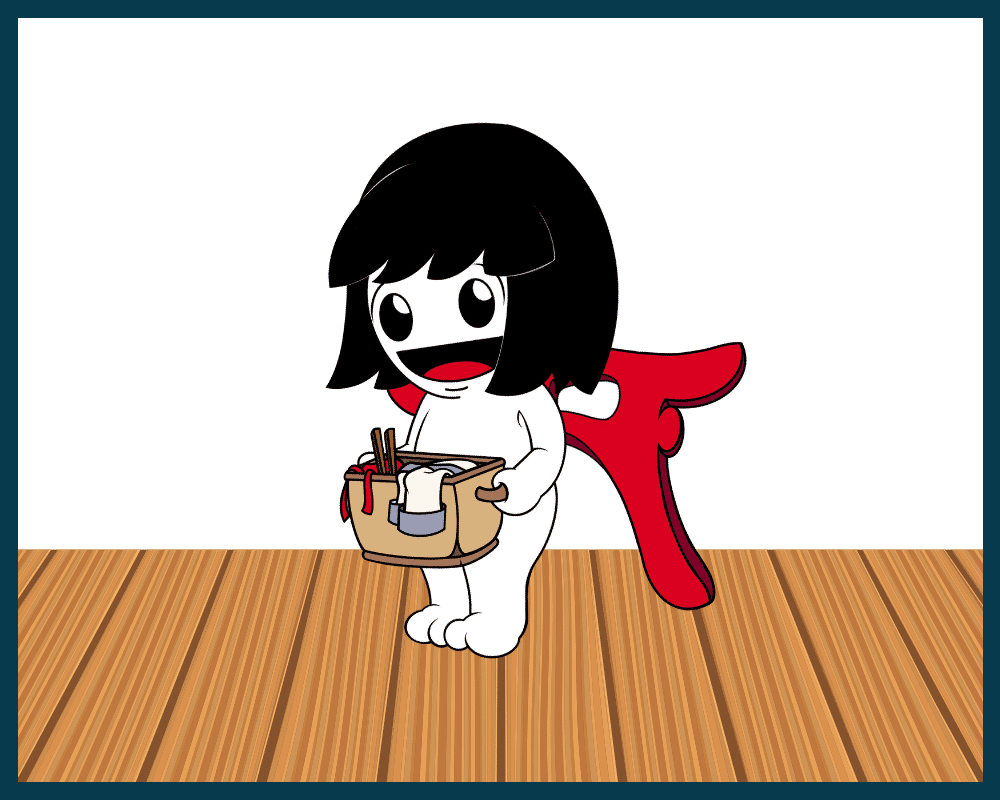
Step 2: Showering before entering the bath
Before you enter the bath, you must wash! You will see cleaning stations equipped with small stools and handheld showers. Uma-chan has grabbed the necessary supplies, so make sure to grab yours too!
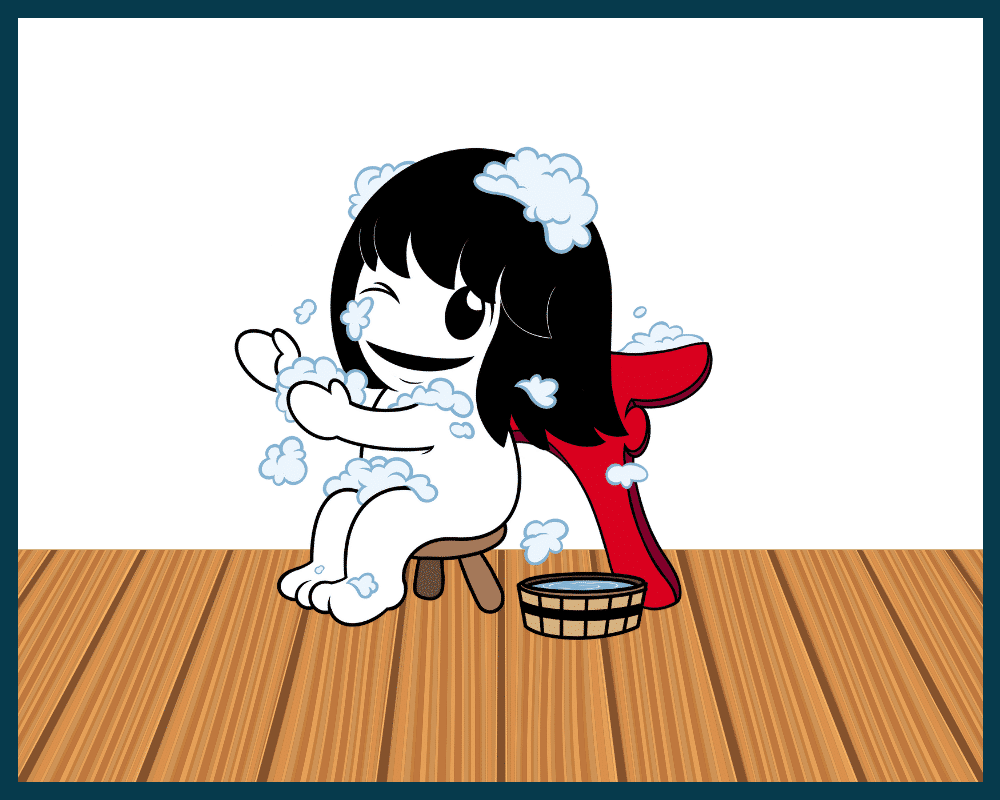
A quick tip: Not all onsens provide toiletries, so it’s a good idea to bring your own shampoo and soap. Since the onsen is a shared space, getting “squeaky clean” is essential. Once you’ve finished scrubbing, rinse off thoroughly. No soap should remain on your body before you step into the bath. Finally, rinse your stool and tidy your station for the next guest. Now, grab your small towel, it’s time for the water!
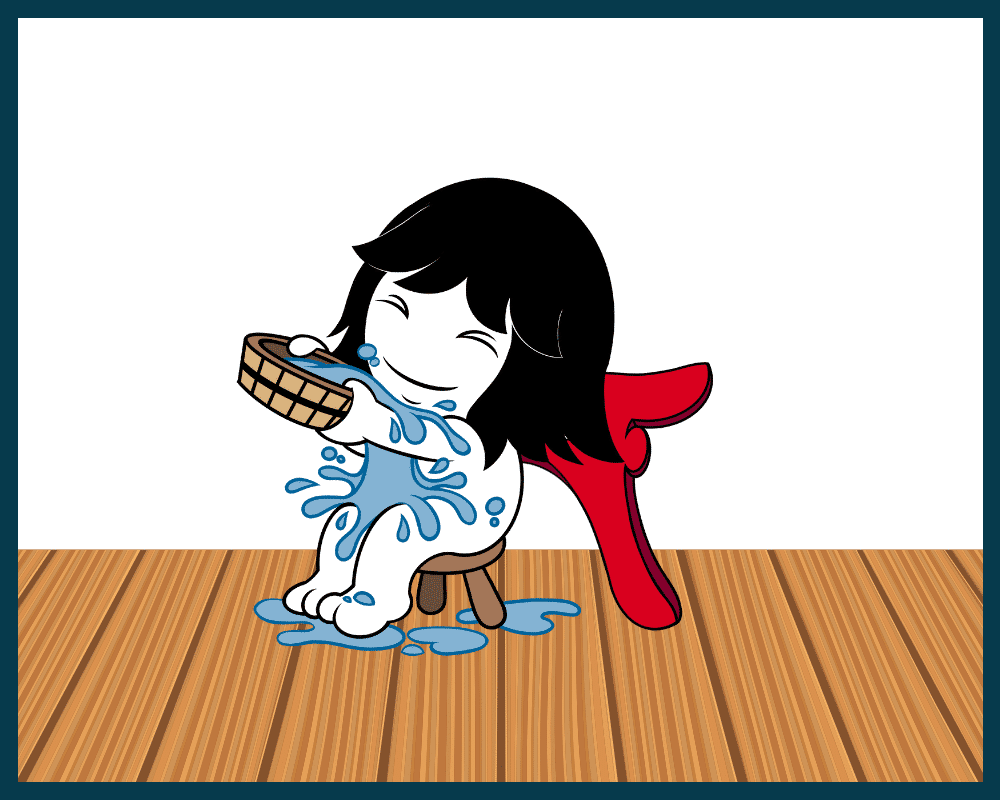
Step 3: Onsen time!
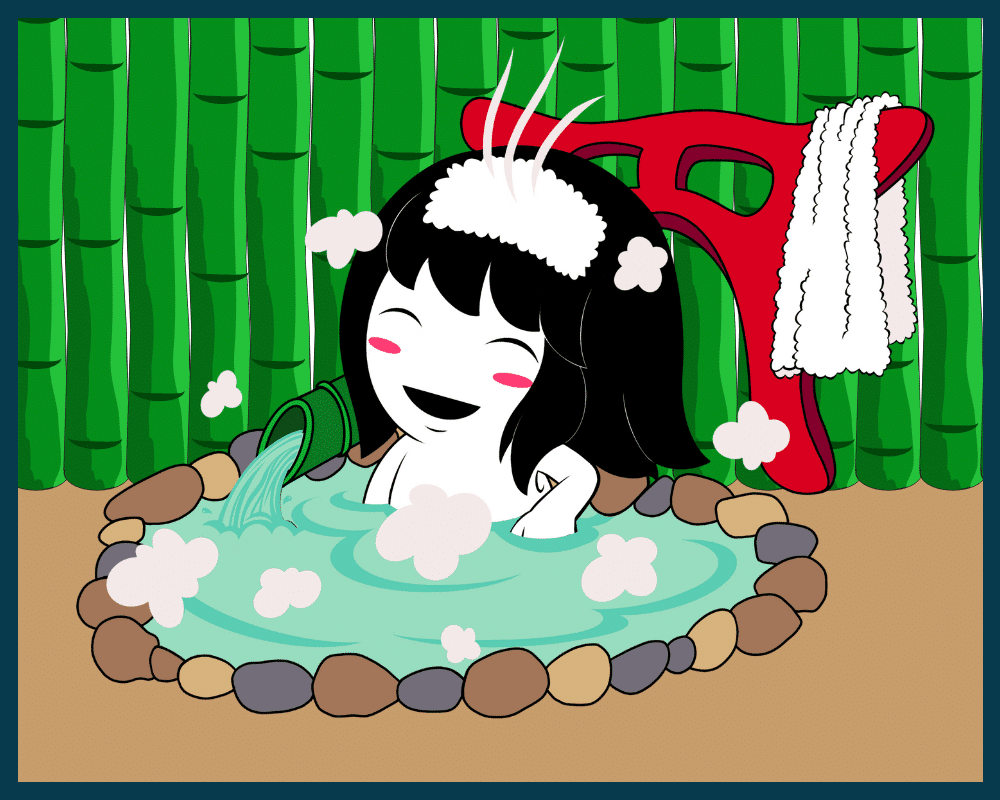
Slowly dip your toes in and submerge yourself gradually to let your body adjust to the heat. But wait! Your towel should never touch the water. Instead, you can fold it and rest it on your head like an onsen expert—or Uma-chan—or simply set it neatly on the side of the bath. Ahhh… feel those muscles loosen up?
Step 4: All done!
Once you feel completely relaxed, step out and take a quick rinse if you like. Pat yourself dry with your towel before heading back to the changing area. It’s important not to drip water onto the changing room floor, so make sure you’re mostly dry before leaving the wet area. Now, you can change back into your clothes or a cozy yukata.
Dressing in a yukata:
Most onsens and ryokans (traditional inns) provide a yukata for you to wear after your bath, which is usually provided in your room or at the hotel lobby when you arrive. To avoid any awkward stares, let’s learn the proper way to wear one with Uma-chan:
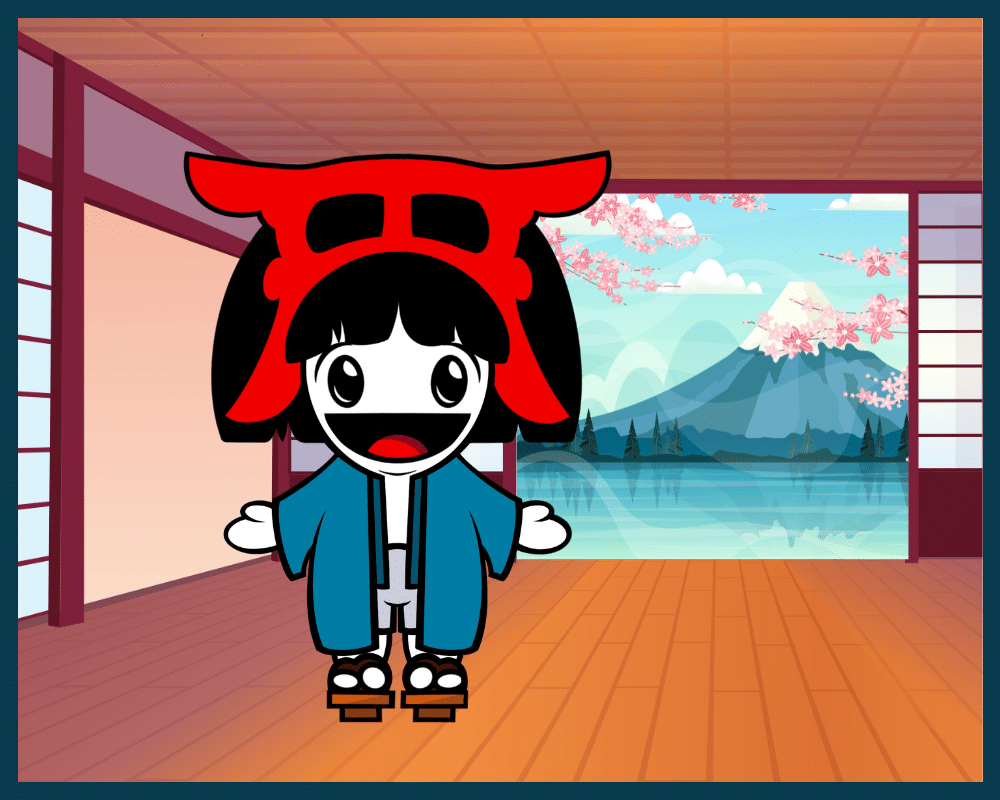
Step 1:
Slip your arms into the sleeves (wearing only undergarments beneath).
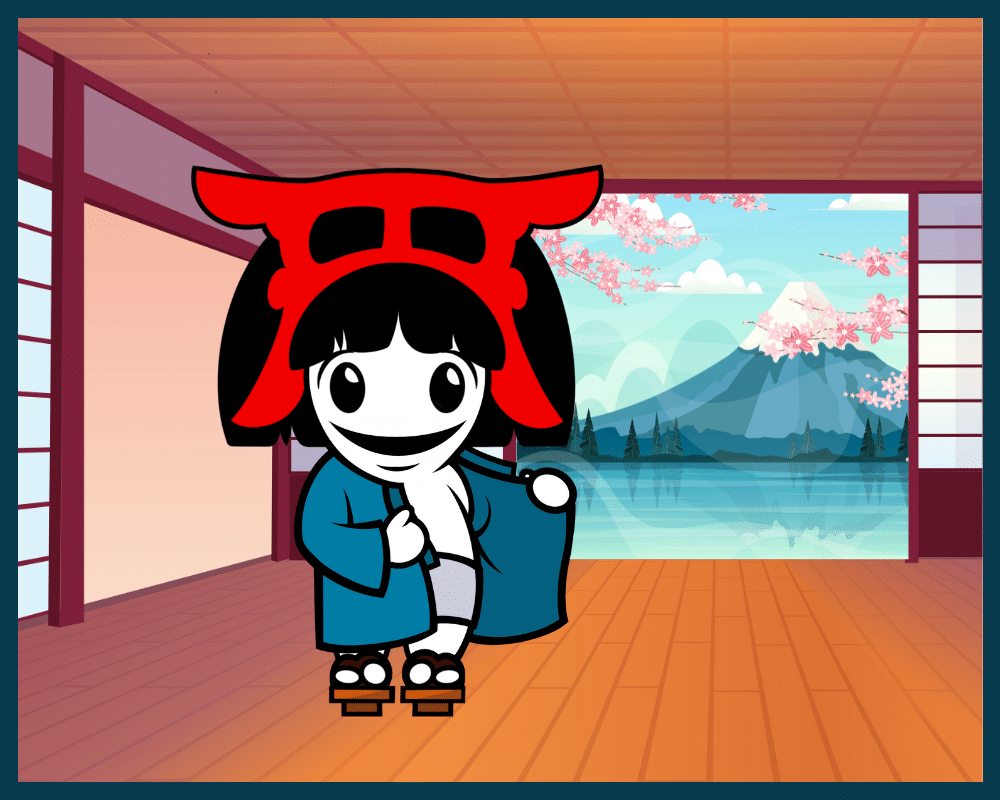
Step 2:
This is the most important rule! Fold the left side OVER the right side. In Japan, folding right over left is reserved for the deceased, so always remember: “Left stays on top!”
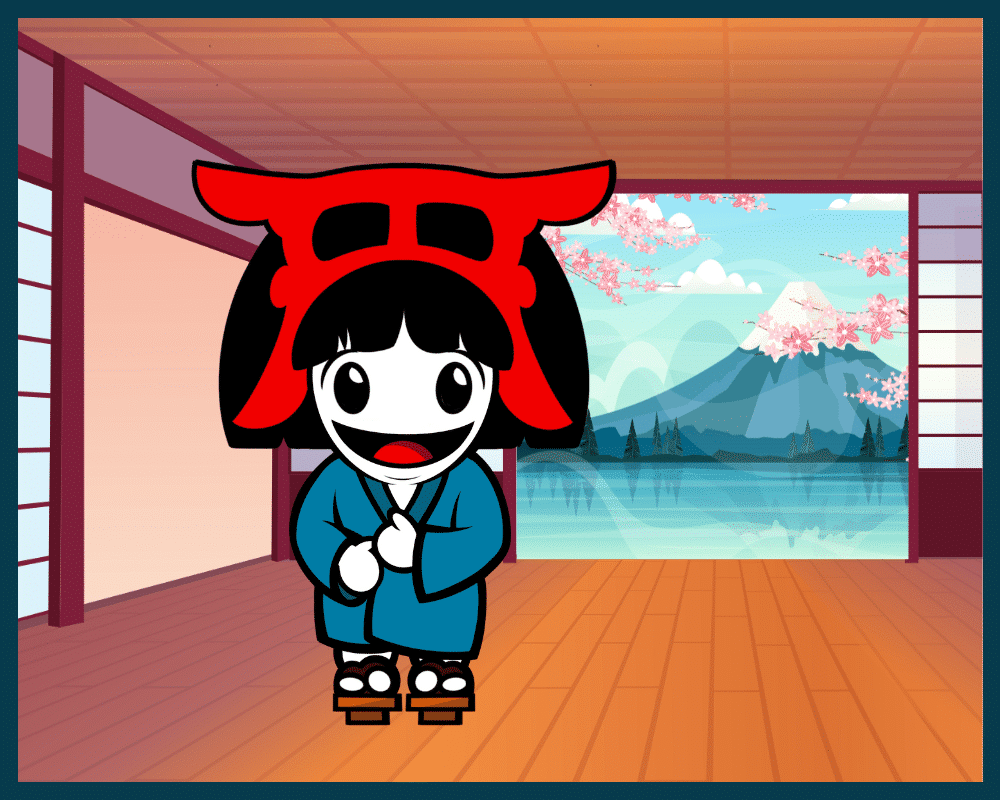
Step 3:
Neatly secure both sides of the Yukata, once again making sure the left is OVER the right.
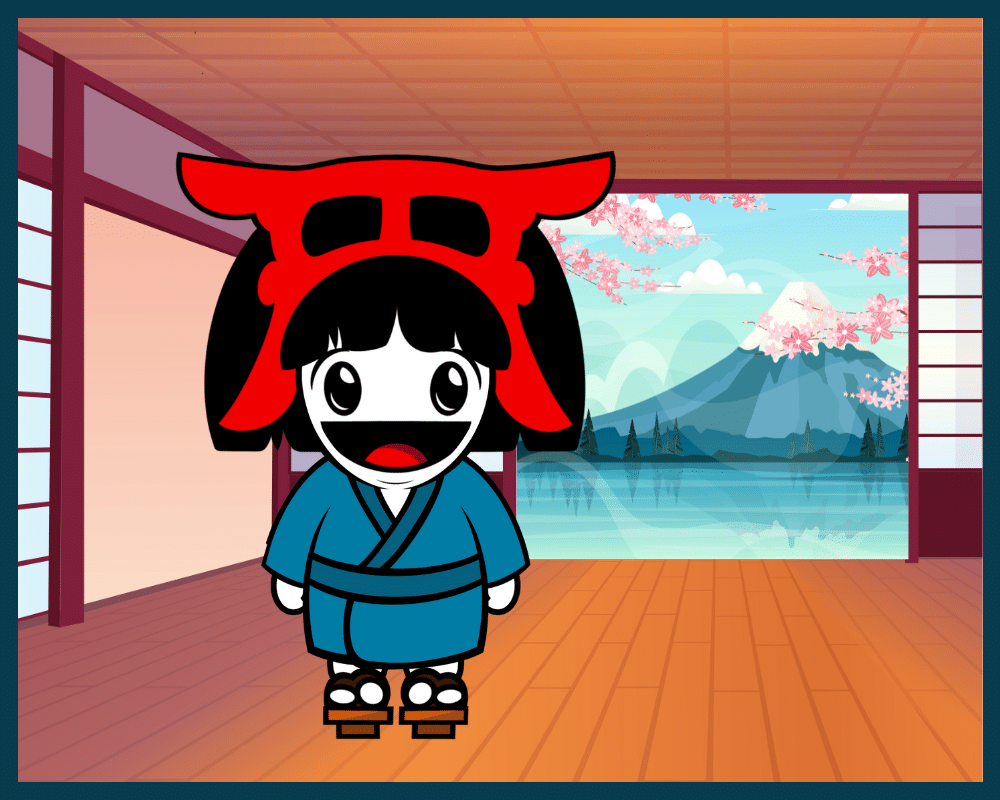
Step 4:
Finally, wrap the belt (obi) around your waist, starting from the front, crossing around your back, and tying in the front.
Note: the obi lies on the hips for men, whilst for women it is tied at the waist.
And that’s it! You have now properly worn your yukata! Now, you can grab a bite to eat or play some games! It is popular to have a yogurt drink or coffee milk after the bath, so we highly recommend you try it.
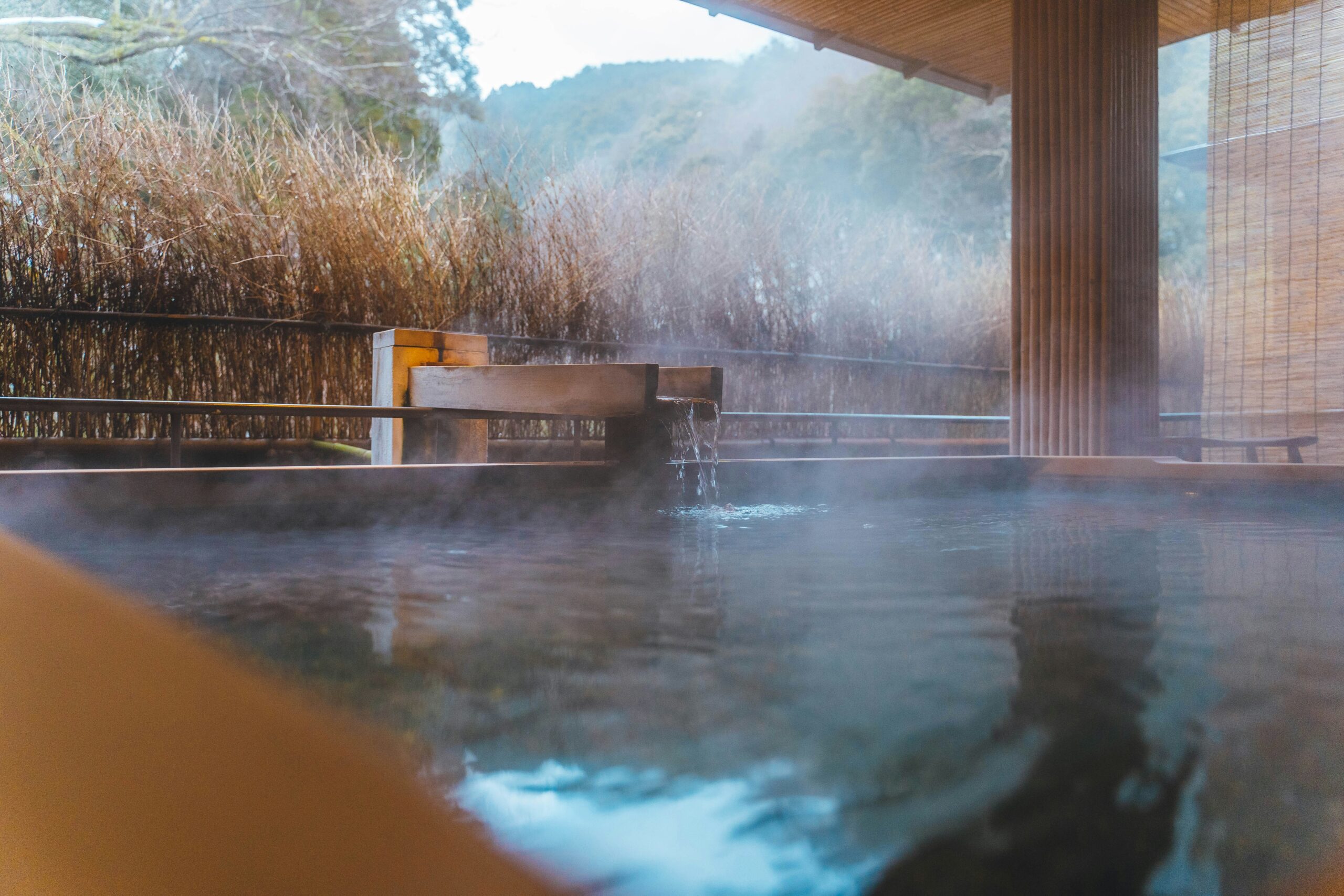
A private onsen in Kinosaki at Nishimuraya Hotel Shogetsutei – Photo Credits: Roméo A.
Quick Onsen Fun Facts & Tips
Traditional wear: Ryokans or traditional Japanese inns usually provide a yukata and geta for their guests – the typical dress when traveling to and from the onsen. You can also wear your everyday clothes, as well, so don’t worry!
Entrance cues: Entrances are separated by gender. Look for 男 (Men) and 女 (Women). Often, a blue curtain (noren) marks the men’s side, while a red one marks the women’s.
Hair etiquette: If you have long hair, please tie it up in a bun. Hair should not touch the bath water.
Temperature check: Onsen water usually ranges between 40°C and 60°C. Take breaks often, it’s encouraged!
Tattoos: While traditionally prohibited, many modern onsens allow small tattoos if covered by a waterproof bandage. For tattoo-friendly recommendations, feel free to reach out to our team at concierge@arigatojapan.co.jp.
We hope you enjoyed Uma-chan’s quick guide to the art of the onsen! Until next time, happy adventures and happy soaking!
If you’re looking for more opportunities to experience Japanese culture as a local, reach out to our Travel Specialists Team and book your next adventure while you can!
PIN THIS FOR LATER
Book your pocket wifi now to stay connected through your entire Japan Journey!

Be sure to get the JR Pass to make navigating Japan during your trip that much easier!
YOU MIGHT ALSO LIKE