Botany Painting, Bringing Nature and Art Together: An Interview
Dec 11, 2025
BY Nadia Moawwad
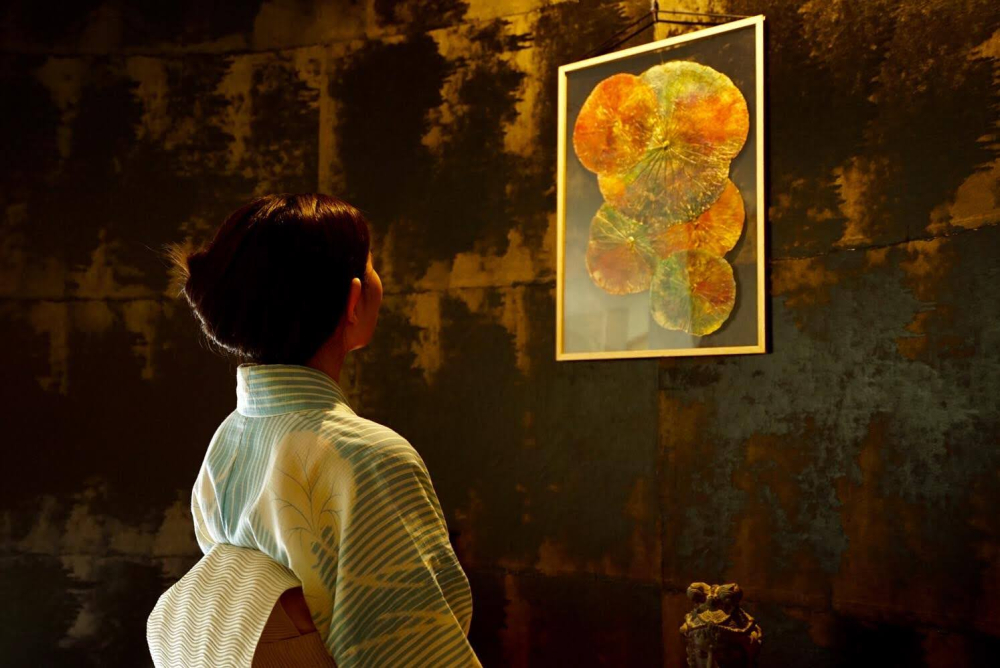
When we think of Japanese art inspired by nature, we might first picture the elegant, minimalist art of ikebana (flower arrangement) or the bold strokes of sumi-e (ink painting). These forms capture the spirit and impermanence of nature. However, there is another art form, one that blends meticulous scientific observation with delicate beauty: Botanical Painting.
One Tokyo-based school is dedicated to spreading this precise and wonderful craft. Botany Painting encourages people to reconnect with nature through the act of painting and arranging pressed leaves. Each piece captures the natural beauty and individuality of the materials, resulting in artworks that are both personal and deeply calming. Today, the project has spread beyond Japan, inspiring artists and nature enthusiasts worldwide.
We had the pleasure of speaking with the team at Botany Painting to learn more about their philosophy, creative process, and how this distinctive form of art continues to gain international recognition. Here’s what they shared about their journey and vision for the future:
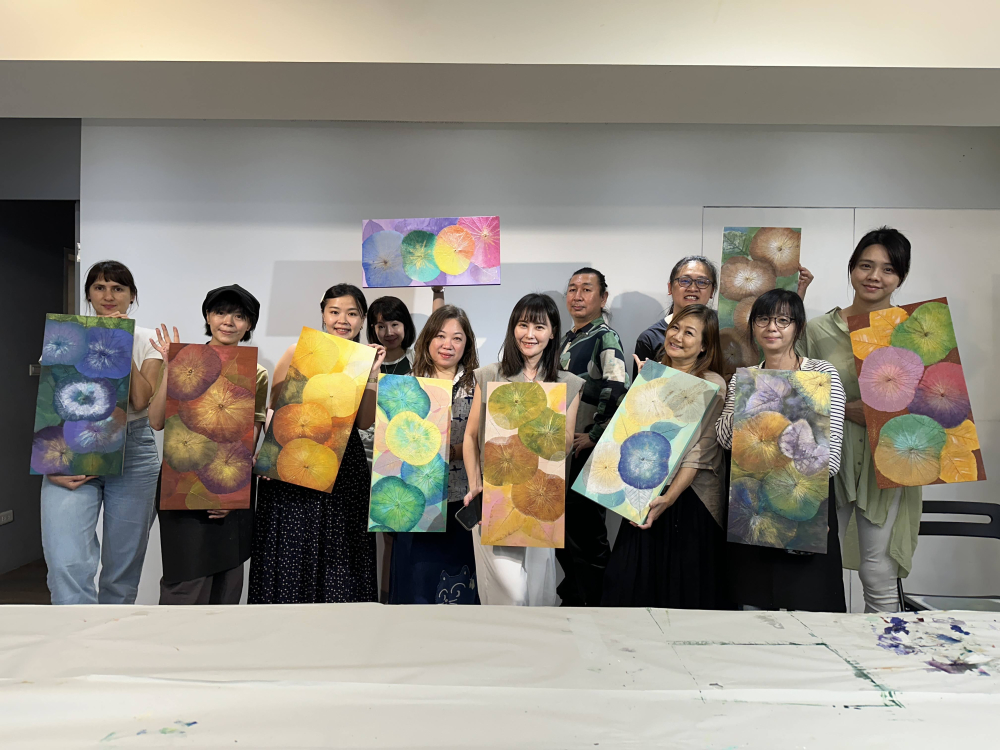
Mitsutoshi with a class displaying all their finished pieces – Credit: Botany Painting
Could you please introduce yourself and your role at Botany Painting?
My name is Mitsutoshi Sugimoto, founder of Botany Painting and director of the administrative office. After working in graphic design, photography, and ceramics, I began exploring ways to create artwork that places natural materials at the center. This led to the development of my current style, which uses leaves such as lotus and the Indian bodhi tree.
The idea originated from lotus-leaf crafts I came across in Southeast Asia. I reimagined them as hands-on art pieces that participants could complete themselves, transforming simple plant-adhesion techniques into a participatory art program. This became the foundation for the Botany Painting course.
Today, I oversee material procurement and quality control, curriculum design, instructor training, and the planning and management of workshops in Japan and overseas. More than 1,500 certified instructors have now been trained in Japan, each creating workshops with their own unique approach. We are also expanding our training programs internationally, building a growing network of activities that are closely connected to local plant resources.
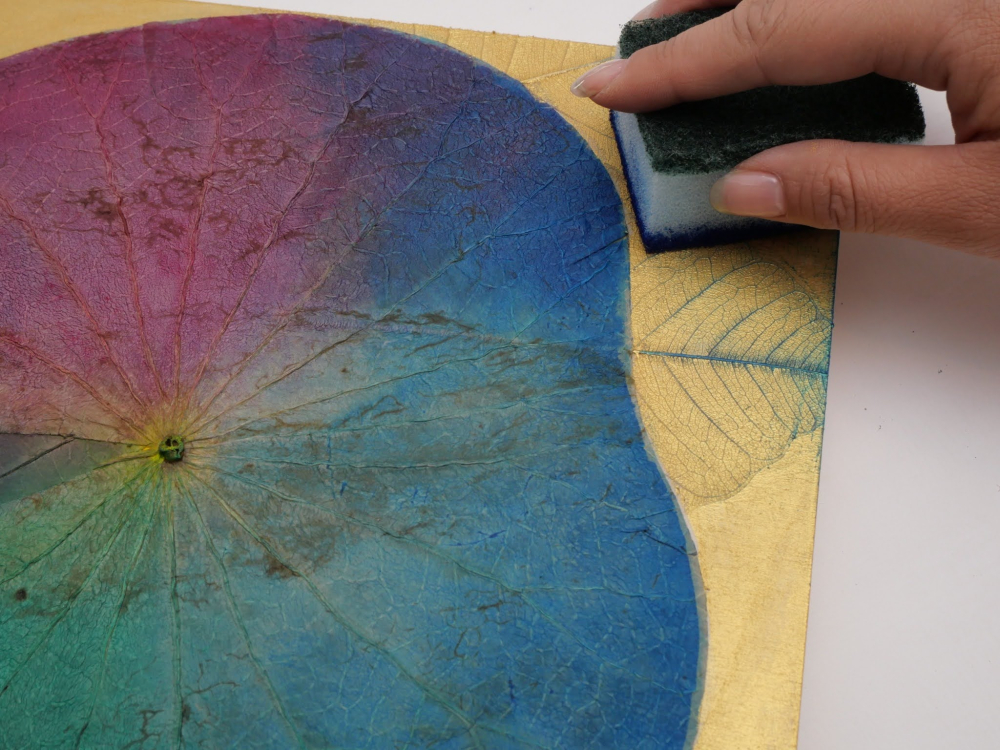
Colorful botany painting in process – Credit: Botany Painting
For readers who are new to the concept, what exactly is Botany Painting, and what inspired its creation?
This art form involves attaching real leaves, such as lotus and Indian bodhi leaves, onto a panel and finishing them with acrylic paint. A defining feature is that the veins, texture, and even the chips and imperfections of the leaves are preserved as “natural information.” The idea behind the approach is that the shape of the plant itself is already beautiful, and that the artwork should draw out the story contained within the material.
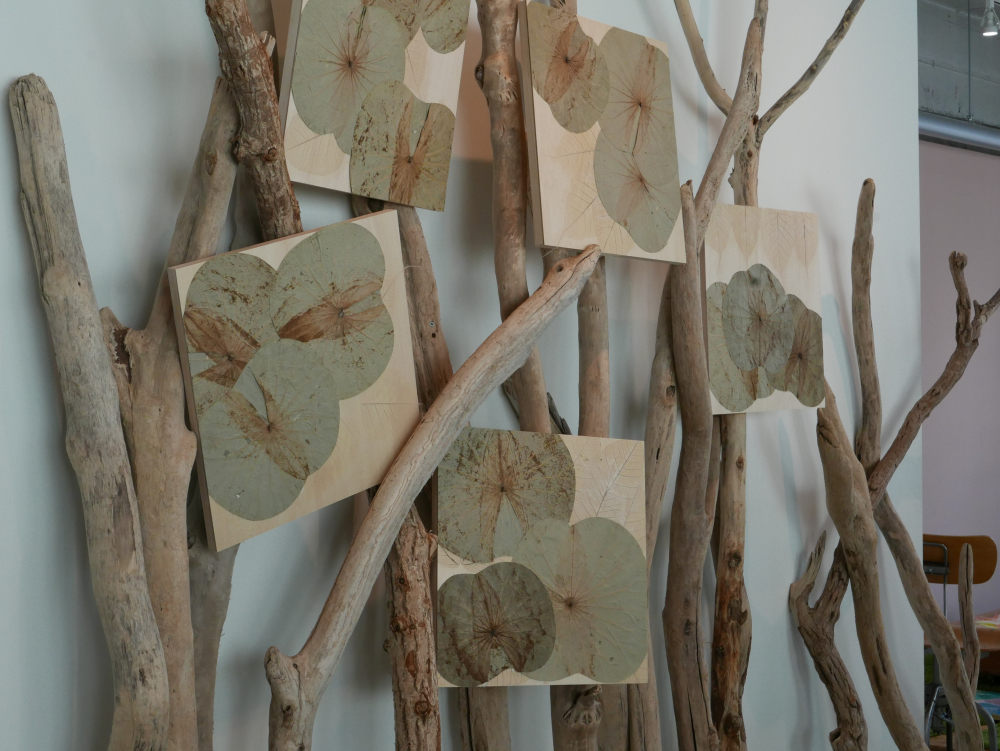
Display of pieces celebrating natural colors and materials – Credit: Botany Painting
Botany Painting beautifully combines art and nature. What message or feeling do you hope participants take away from the experience?
I want people to enjoy the process rather than focus on perfection. Placing a leaf, lifting it, placing it again, and then adding color. The repetition of these simple actions relaxes the mind and creates a feeling that your own rhythm begins to align with the rhythm of nature. A quiet sense of acceptance, a willingness to embrace things as they are, remains in the finished artwork.
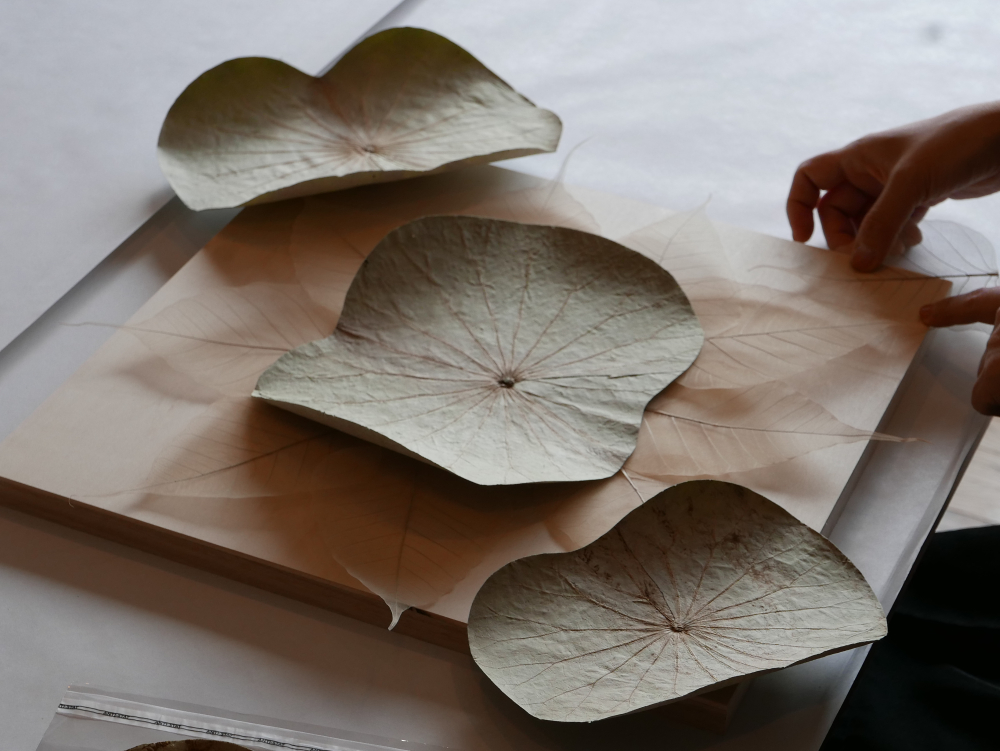
Preparing the leaves and planning the layout for the piece – Credit: Botany Painting
Your art pieces use real leaves and natural materials. Could you tell us more about the process of preparing and selecting these materials?
We source the leaves from trusted partners overseas, and all processing is carried out in Japan. Each leaf is carefully selected based on factors such as cracks, warping, thickness, the way the veins appear, and the consistency of its color. Materials prepared for workshops and hands-on experiences prioritize ease of use, while those intended for artwork and instructor training also emphasize richness of expression. Every step is handled by dedicated staff in Japan.
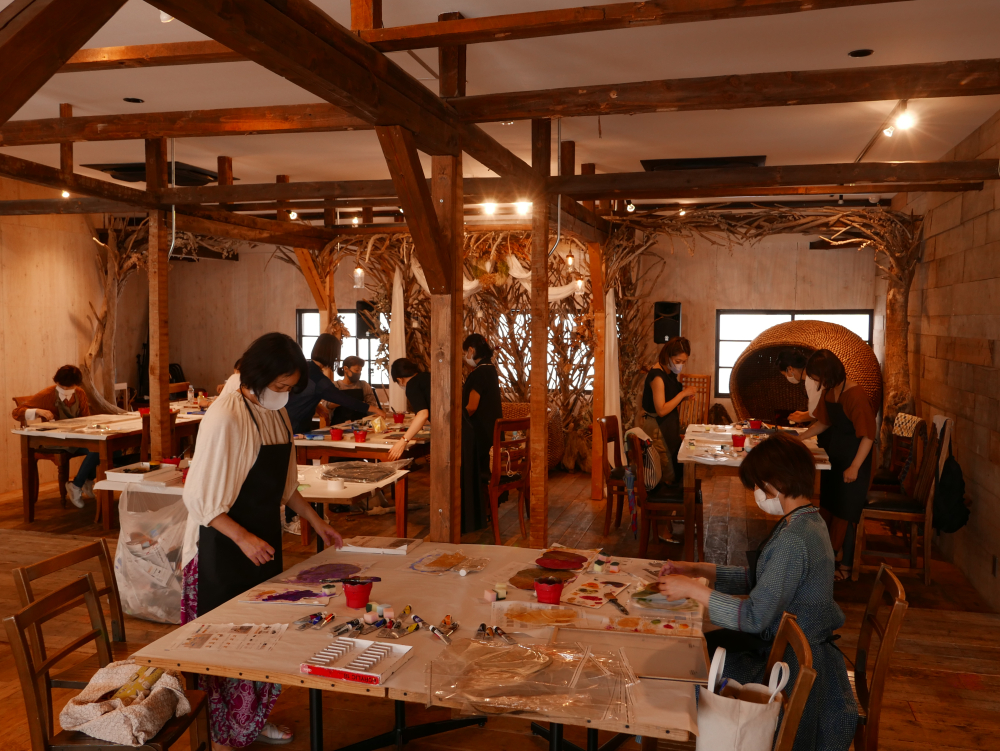
Working hard on their beautiful works of art – Credit: Botany Painting
Botany Painting has reached people outside Japan as well. What do you think makes it so appealing to audiences around the world?
The workshop welcomes participants regardless of language or artistic background, and it allows people from different cultures to share the tangible presence of natural materials. Its appeal comes from several elements: the finished piece can be taken home as interior art, the experience is immersive and conducted in small groups, and each participant leaves with a unique artwork that carries the story of having been created with their own hands.
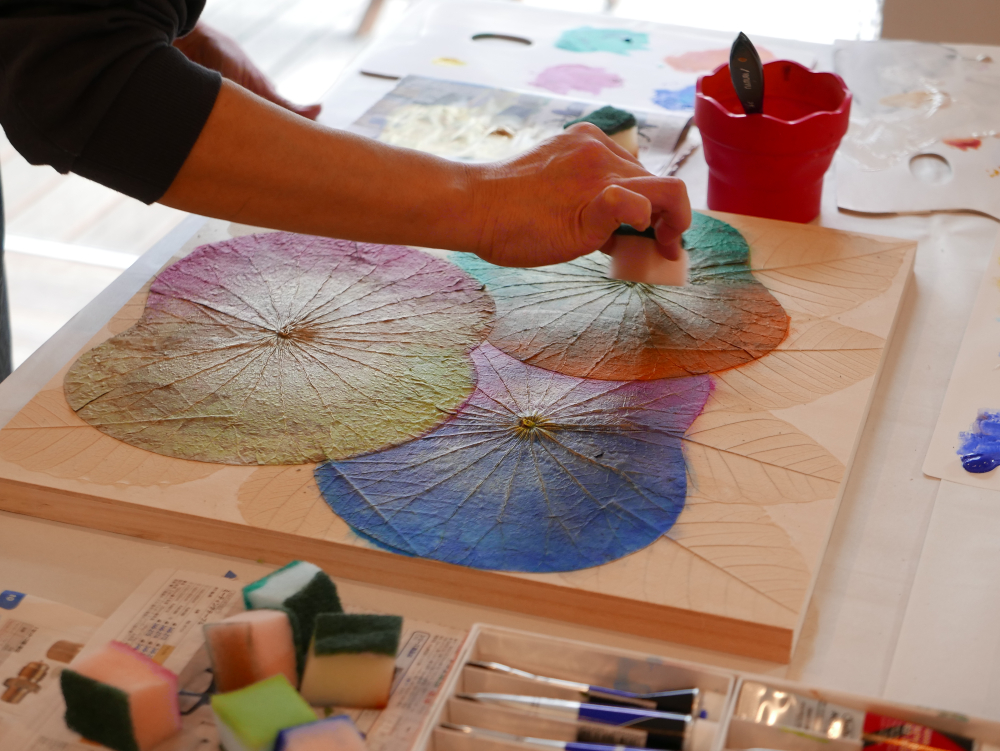
Using sponges to paint the leaves different colors – Credit: Botany Painting
As a creative brand, how do you balance maintaining artistic quality while making the experience accessible to everyone?
We ensure consistent quality through standardized kits and instruction manuals, step-by-step lessons, and a certified instructor system. At the same time, the program is designed so beginners can participate with confidence by providing explanations that do not force a single “correct” answer and by limiting the number of colors to reduce uncertainty. We also maintain strict safety guidelines covering adhesion, drying, and taking the art piece home.
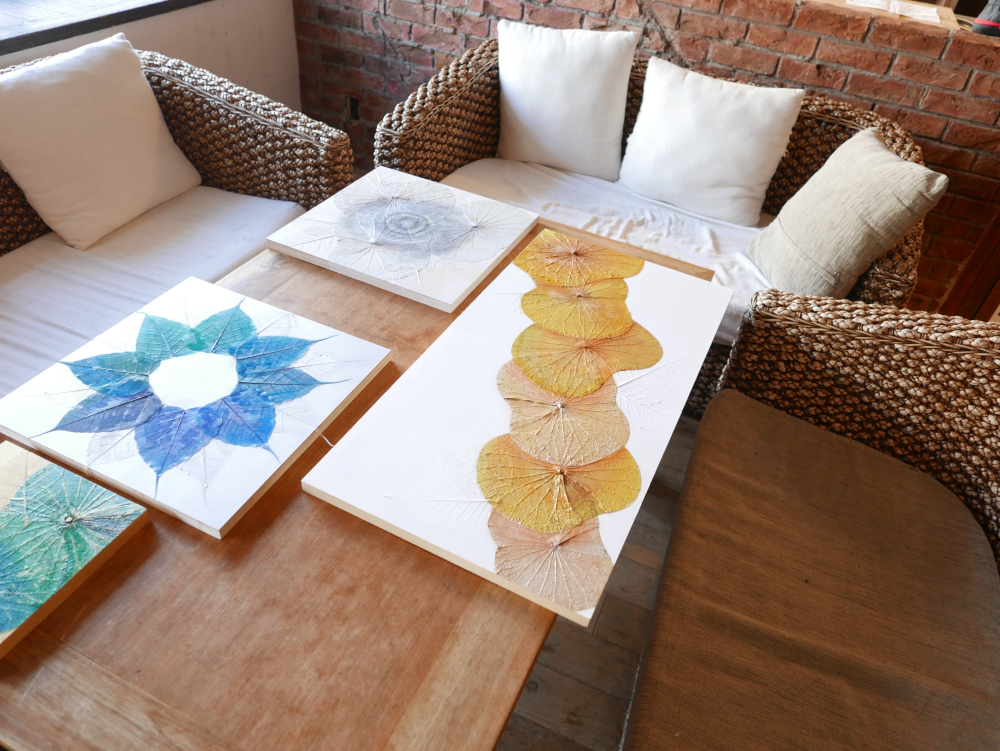
Finished pieces on a coffee table for guests to view and relax around – Credit: Botany Painting
Are there any particularly memorable stories or reactions from participants that have stayed with you?
During an overseas workshop, a simple conversation about leaves sparked participants to share family memories across different generations and countries, and the room naturally filled with applause. Each person’s piece was completely different, yet the atmosphere became united as one. This sense of shared quietness is something I will never forget.
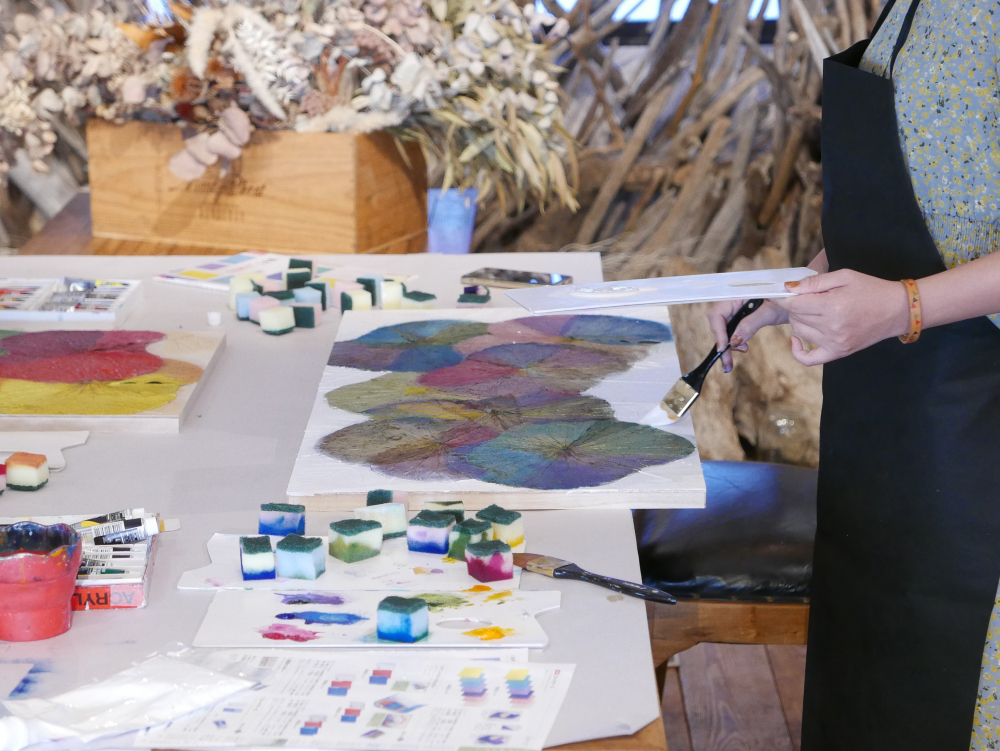
The art station with everything you need to create a beautiful work of art – Credit: Botany Painting
Your visual presentation and materials are very elegant. How important is design and aesthetics to your brand identity?
For us, design is about making the entire experience easy to understand. We focus on creating space that highlights natural materials, choosing calm and balanced colors, structuring information by priority, and maintaining consistency in our photography. These elements help ease the uncertainty of first-time participants, strengthen the credibility of the finished art piece, and build trust in the brand.
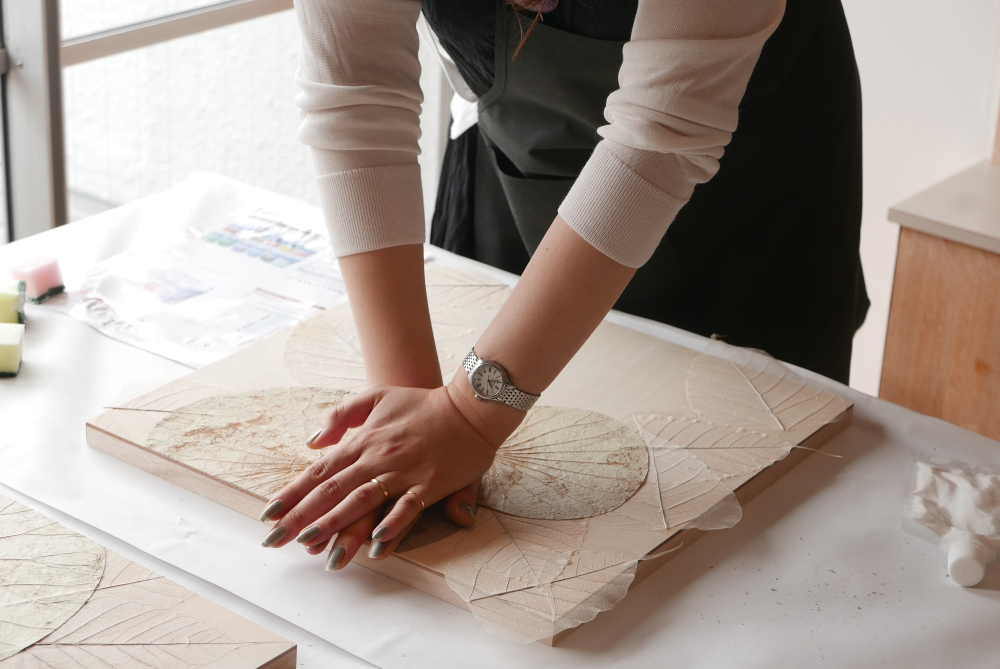
Placing and pressing the leaves onto the canvas, ready for painting – Credit: Botany Painting
For people who are interested in trying Botany Painting for the first time, do you have any advice or simple tips? Is the experience accessible to everyone?
Tips: For your first leaf, try placing it, stepping back, and then placing it again. When adding color, let the leaf guide you. Starting with one or two colors makes it easier to create harmony.
Who can participate: Anyone is welcome, regardless of age or experience. Children are encouraged to join with a guardian. On the day of the workshop, we will explain how to handle the tools and provide guidance regarding allergies and other safety considerations.
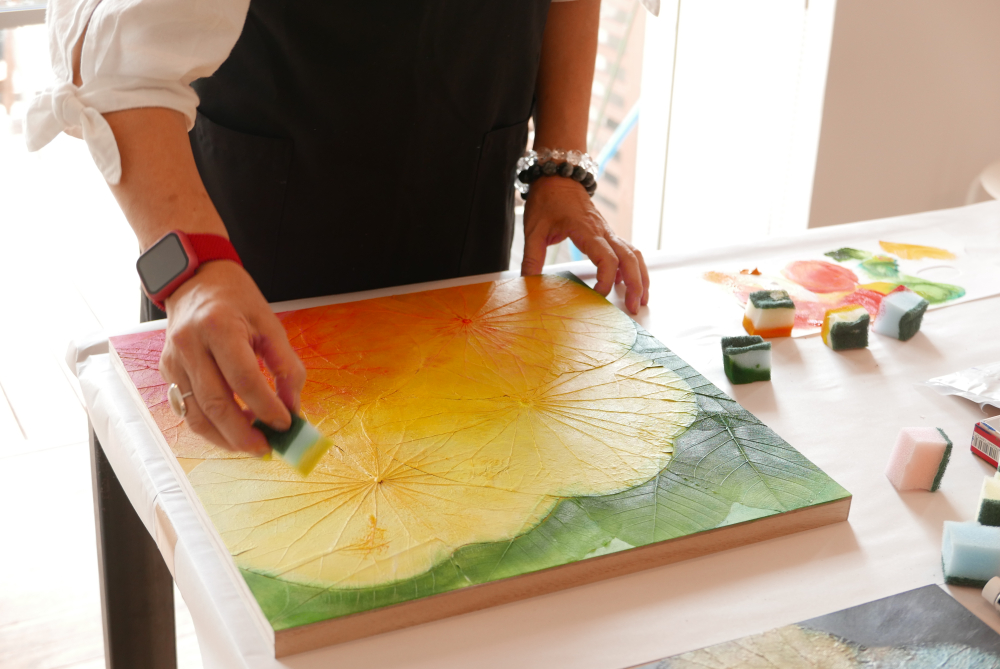
Creating a natural, sunset colored piece – Credit: Botany Painting
Finally, what is your vision for the future of Botany Painting, and how do you hope it will continue to grow globally?
We aim to expand our instructor network in each region and create more programs that connect directly with local plant resources. For our international initiatives, we are developing instructor training programs in local languages along with online learning options. We are also moving forward with archiving art pieces and materials and building partnerships with companies and educational institutions. Through these efforts, we hope to create more places around the world where nature and creativity can meet.
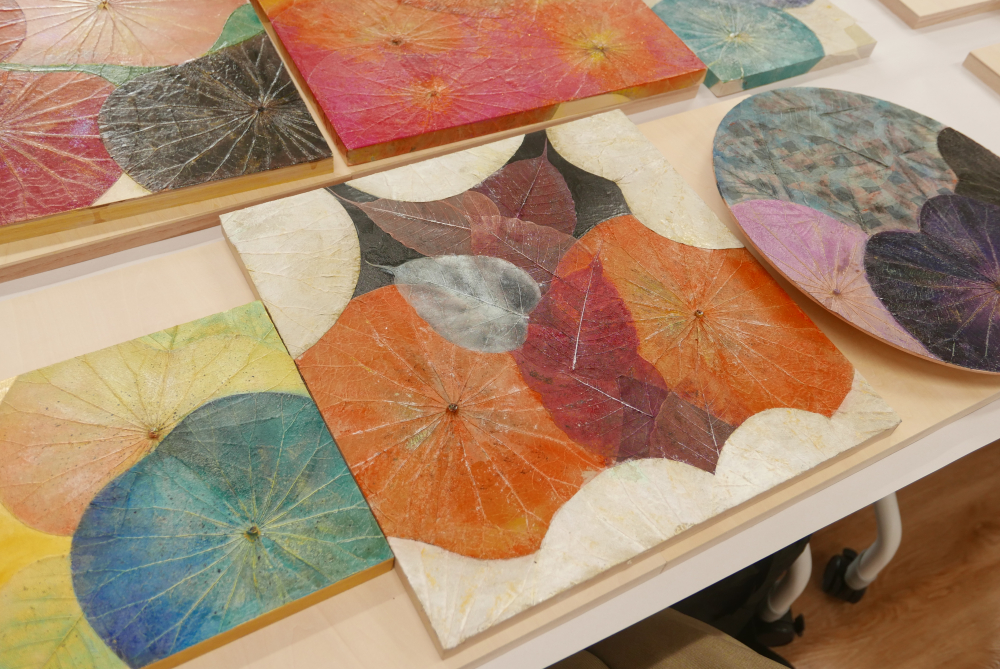
Many beautiful finished botanical painting pieces on display – Credit: Blossom Painting
Thank you so much to the Botany Painting team for sharing your insights and passion. It’s inspiring to see how you’re helping people reconnect with nature through creativity, mindfulness, and art. If you find yourself curious about the world of botanical painting, or just want to learn how to see nature in a new light, we highly recommend exploring what Botany Painting School has to offer. Whether you are a seasoned artist or have never held a brush, their welcoming approach and expert guidance are sure to provide a wonderful experience.
Find out more about Botany Painting:
Website: https://botanypainting.com/
Instagram: https://www.instagram.com/botanypainting/
Facebook: https://www.facebook.com/botanypainting/
Featured Photo Credit: Botany Painting
Looking to try experiences like this and so much more? Let our Tailored Travel team craft you an itinerary across Japan that’s perfectly tailored to you and your interests!
PIN THIS FOR LATER
Book your pocket wifi now to stay connected through your entire Japan Journey!

Be sure to get the JR Pass to make navigating Japan during your trip that much easier!
YOU MIGHT ALSO LIKE