JAPAN NEW YEAR’S GUIDE: WHAT YOU CAN DO
Dec 30, 2025
BY Maria Diaz
New Year’s is one of the most exciting days of the year. Each country has its own unique way of celebrating, shaped by its religion, culture, and traditions. Some even continue celebrating in the days following New Year’s Eve, as is the case in Japan. New Year’s in Japan isn’t about loud parties or spectacle, so don’t expect a big fireworks display (those are usually seen during the summer season). Instead, it’s about peace, family, and welcoming a bright new beginning together.
Before and After New Year’s Day
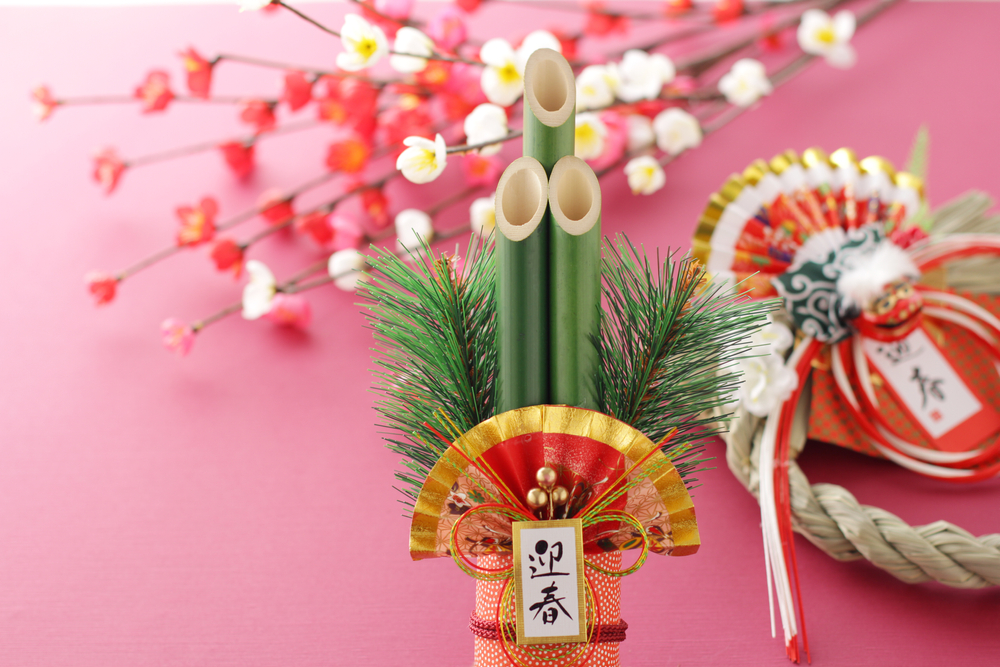
In Japan, New Year’s, called Oshōgatsu (お正月), is the biggest and happiest celebration of the year. It’s a time for families to relax, spend time together, and start fresh. Before January 1st, people take part in Ōsōji, a thorough house cleaning meant to welcome the New Year’s god and sweep away any bad luck from the past year. They also decorate with kadomatsu, which are pine and bamboo arrangements placed at the entrance, and hang shimenawa, special straw ropes that bring good fortune and keep away evil spirits. On New Year’s Eve, families eat toshikoshi soba, long buckwheat noodles that symbolize a long and healthy life, and many people visit temples at midnight to hear the Joya no Kane, the ringing of bells 108 times to clear away the worries of the old year. During the first days of January, everyone visits shrines to pray for a good year; this custom is called Hatsumōde. Families also eat osechi ryōri, a variety of colorful traditional New Year’s dishes, and children receive otoshidama, small envelopes with money. Many people also enjoy watching the first sunrise of the year, called hatsuhinode, which is believed to bring happiness and good luck.
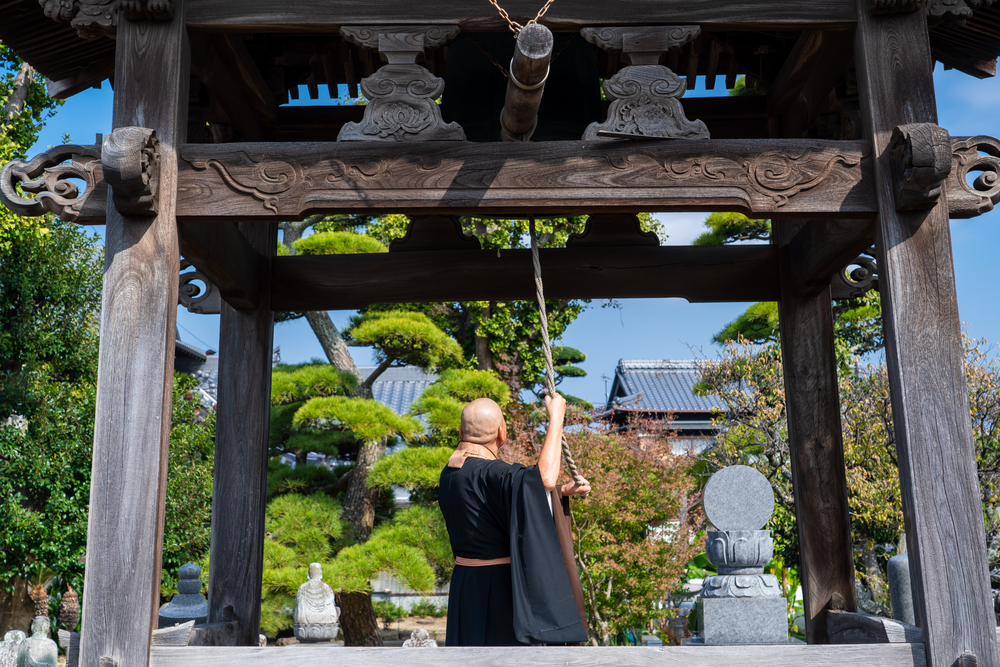
Photo Credit: SAND555UG
New Year in Shrines and Temples: What’s The Difference?
As you might know, Japan has two main religions: Buddhism and Shintoism. But you might be surprised to hear that both actually coexist, and most Japanese people follow traditions from both religions, depending on the occasion. During the New Year period, for example, people often visit Buddhist temples and Shinto shrines, each with its own special meaning and customs.
On New Year’s Eve, many people go to Buddhist temples to take part in the Joya no Kane ceremony, where the temple bell is rung 108 times just before midnight. Each ring represents one of the 108 human desires in Buddhism, and the sound is believed to cleanse people’s hearts and minds from the worries of the past year. It’s a calm and spiritual moment that helps everyone start the new year feeling fresh and pure.
After midnight, or during the first few days of January, people usually visit Shinto shrines (or also Temples) for Hatsumōde. At shrines, visitors pray for good luck, health, and happiness, throw coins into offering boxes, and sometimes buy omamori (good-luck charms) or omikuji (paper fortunes). While temples focus more on reflection and purification, shrines are about wishing for good fortune and new beginnings.
Before we look at what you can do during the New Year in Japan, let’s go over some basic manners and things you should keep in mind to fully enjoy the Japanese experience while showing respect for local traditions:
- Be quiet and respectful at shrines and temples: When visiting for Hatsumōde, avoid speaking too loudly, don’t cut in line or push others, and follow what locals do.
- Purify before praying: At shrines, use the water basin to rinse your hands and mouth before approaching the main area. This shows respect and cleanliness.
- Avoid taking photos in certain places: In some areas, taking pictures or recording videos is not allowed. Pay attention to any “No Photography” signs around you. Also, avoid taking pictures or filming Japanese people without their permission.
- Try to dress modestly and warmly: Modest clothing shows respect when visiting religious places.
- Don’t do crazy things: If you’re waiting for the New Year’s countdown, you might see some people (including locals) doing crazy things. It’s important to know that even if some Japanese people do this, it doesn’t mean it’s okay. A good example is the countdown in Dotonbori, Osaka, where people used to jump off the bridge into the canal to celebrate the New Year (even though the water is really dirty!) These days, the police and city staff block off the area to stop people from jumping, but some still try to “celebrate” by climbing the streetlights instead. Please don’t do this, it’s dangerous, and you could hurt yourself or others if you fall. Plus, the police keep a close watch on the area, and you could get into trouble if you try it.
- Some businesses may close: In Japan, New Year’s is mainly a family celebration, so many shops and restaurants close for a few days. It’s a good idea to plan ahead and not expect everything to be open. If you want to try osechi ryōri (traditional New Year’s food), make sure to order or buy it early; it sells out quickly!
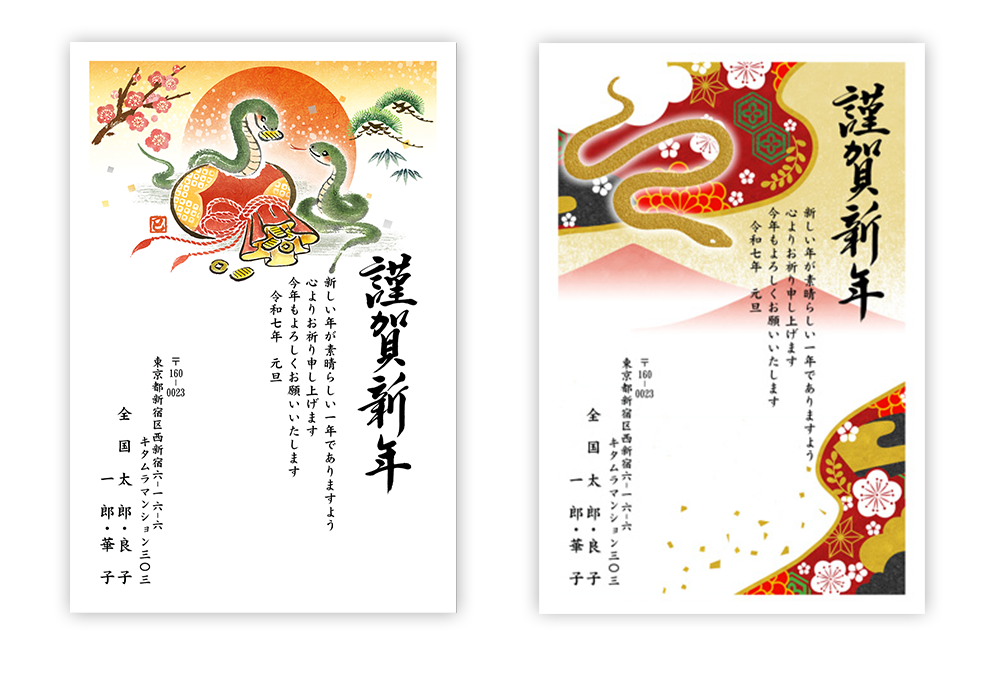
Nengajō for the Year of the Snake (2026) – Photo Credit: Kitamura
What to Do
Write a Nengajō: These traditional Japanese New Year’s greeting cards are sent to express gratitude and good wishes for the year ahead. They often feature the zodiac animal of the year, lucky motifs, or family photos, along with messages like “Akemashite omedetō gozaimasu” (Happy New Year). Within Japan, the postal service guarantees delivery exactly on January 1st if the cards are mailed before the deadline, making it a beloved seasonal tradition. If you’re sending nengajō overseas, it’s best to post them early, usually by early December (if you’re in Japan), to ensure they arrive around New Year’s Day. While the timing might not be as precise as in Japan, sending nengajō abroad is a warm way to share Japanese culture and New Year’s cheer with friends and family around the world.
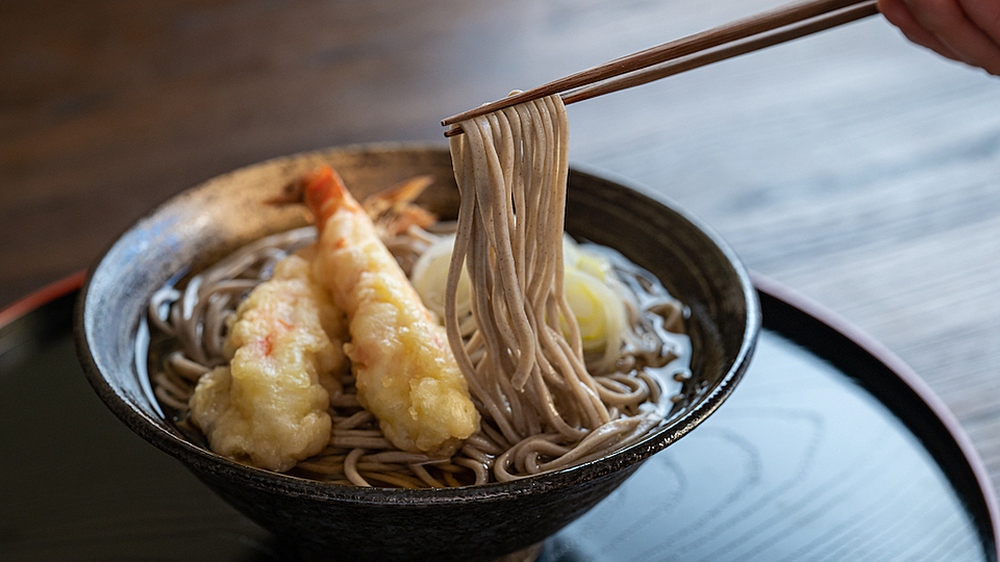
Toshikoshi Soba – Photo Credit: Kurashiru
Eat Toshikoshi Soba: This soba is the most special one you can eat due to its meaning. Toshikoshi soba, which means “year-crossing noodles,” are long buckwheat noodles eaten to symbolize a long and healthy life and to let go of the hardships from the past year. Families usually eat them together in the evening before midnight. The noodles are served in a warm broth with simple toppings like green onions, tempura, or seaweed. Some regions also enjoy tempura, sushi, or hot pot dishes (nabe) as part of the celebration. Some restaurants and noodle shops will offer it on December 31st, sometimes with special “New Year’s Eve” menus. Supermarkets and convenience stores will often have ready-made to-go versions you can pick up and eat in your hotel or somewhere quieter.
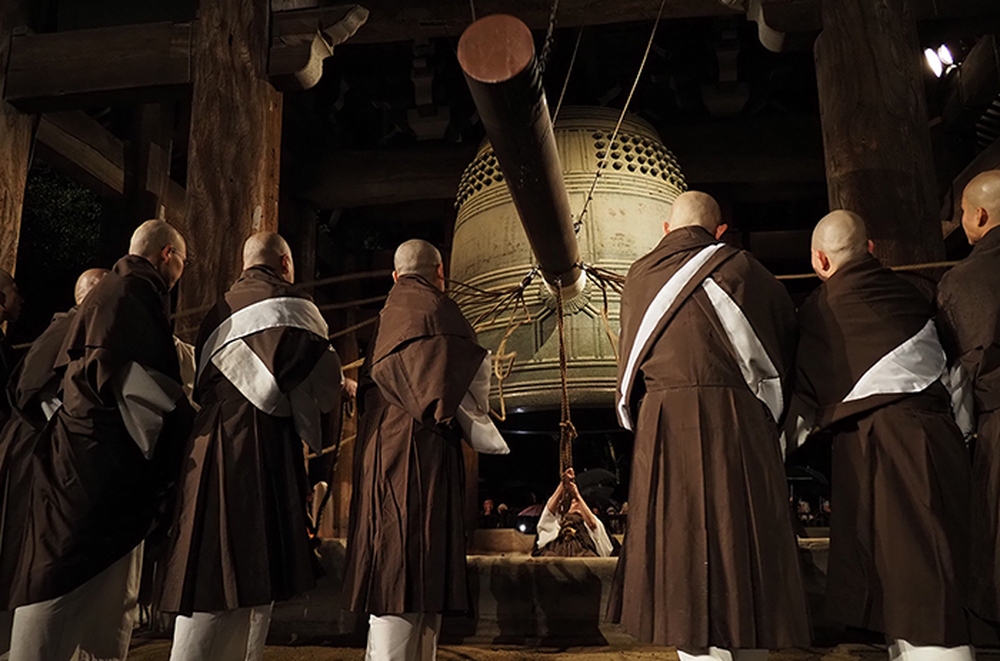
Joya no Kane ceremony at Chion-in – Photo Credit: Chion-in
Join the Joya no Kane ceremony: On Ōmisoka (New Year’s Eve), you should try to join the Joya no Kane ceremony, where temple bells are rung 108 times just before midnight. Each ring represents one of the 108 human desires in Buddhism, and the sound is believed to cleanse people of their worries and sins from the past year. The first 107 rings happen before midnight (it usually starts around 23:45h), and the last one right after, welcoming the New Year with peace and reflection. The bell is usually rung by monks, but in smaller temples, visitors (including tourists) may be allowed to join by ringing the bell once and making a silent wish. It’s a calm and meaningful way to say goodbye to the old year and welcome the new one with a pure heart. Some of the best places to experience this are Chion-in and Kiyomizu-dera in Kyoto, Zojo-ji in Tokyo, and Todaiji in Nara. Arrive early, dress warmly, and follow the staff’s directions, as each temple has its own rules. It’s a calm, spiritual way to welcome the New Year and feel part of Japan’s traditions.
It’s after midnight, and you’re already in a temple. You have three options: staying there and enjoying hatsumōde, you can look for the closest shrine to enjoy it over there, or you can come back to the hotel and enjoy the yearly New Year’s TV programme called Kōhaku Uta Gassen.
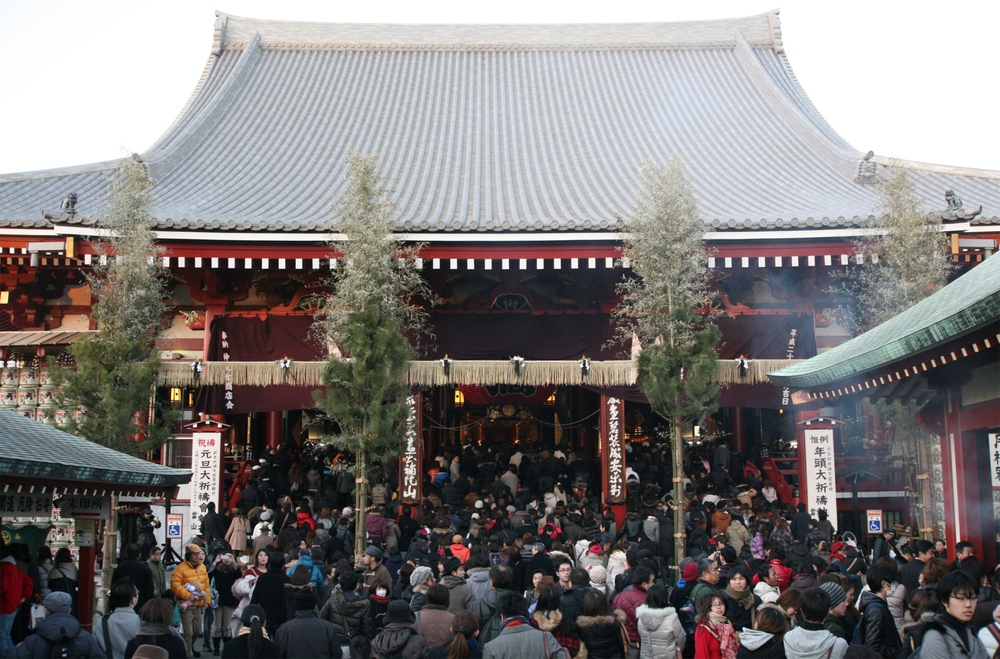
Hatsumōde at Senso-ji Temple – Photo Credit: TIMEOUT
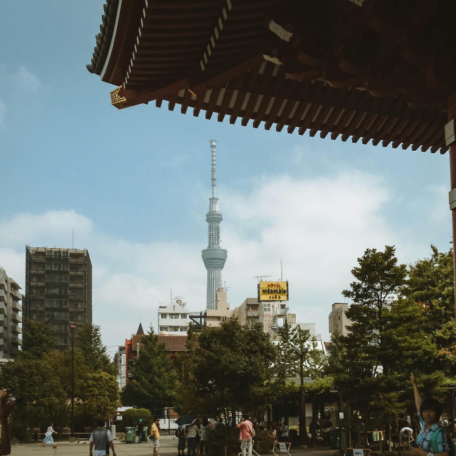
Time for Hatsumōde: If you decide to stay or go to a shrine, this is what you need to know! Hatsumōde is the first shrine or temple visit of the New Year, usually between January 1st and 3rd. During this time, people visit shrines or temples to pray for health, happiness, and good fortune in the coming year. You’ll see stalls selling lucky charms (omamori), sacred arrows (hamaya), and written fortunes (omikuji). As a tourist, it’s a wonderful opportunity to experience Japanese spirituality and tradition firsthand. Be respectful by bowing slightly before entering the shrine grounds, washing your hands and mouth at the temizuya (purification fountain), and following the locals’ lead when offering prayers (usually by tossing a coin, bowing twice, clapping twice, and bowing once more). Visiting popular spots like Meiji Shrine in Tokyo or Fushimi Inari in Kyoto offers a vibrant, communal atmosphere that beautifully captures Japan’s New Year spirit.
If you’re staying at the temple or visiting another one for Hatsumōde, you should know that the rituals are slightly different from those at a shrine. At temples, people pray quietly without clapping, often light incense for purification, and may ring a large bell before offering a silent prayer. You can also draw a fortune (omikuji) or buy protective charms (omamori).
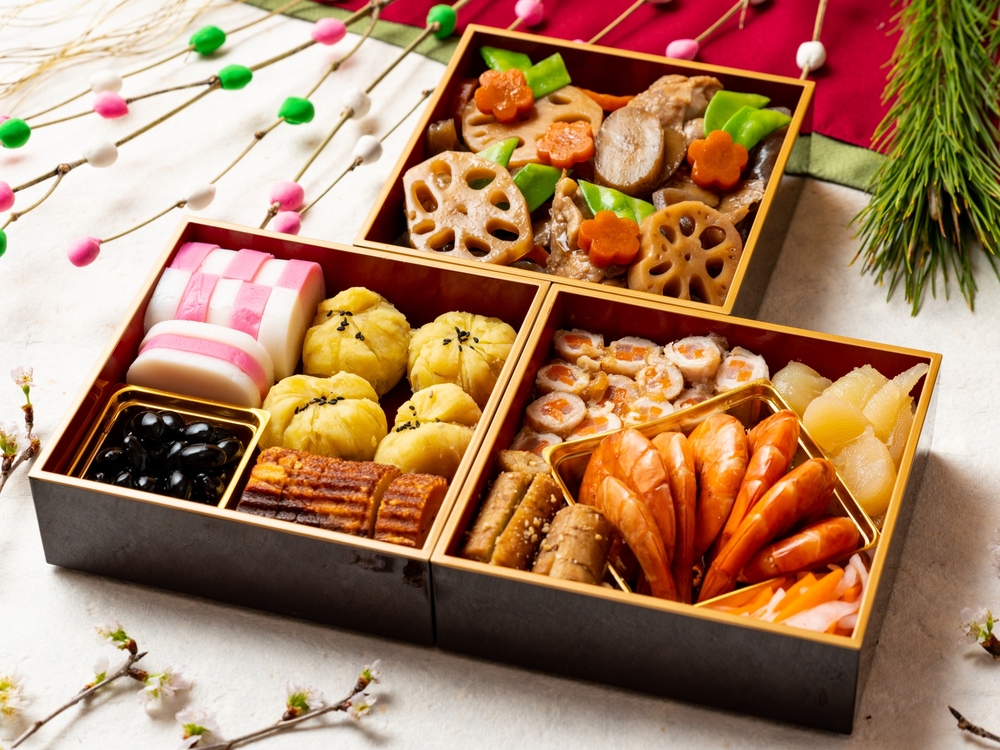
Osechi ryori – Photo Credit: JP POST
Eat Osechi ryōri: Osechi ryōri is the traditional Japanese New Year’s meal, usually eaten at home with family to celebrate good fortune and a fresh start. Each dish in osechi has a special meaning. For example, sweet black beans symbolize hard work and good health, herring roe represents fertility and family prosperity, sweet rolled omelet stands for learning and knowledge, and shrimp symbolize long life. All these colorful dishes are beautifully arranged in special boxes called jūbako, similar to bento boxes.
But don’t worry, even as a foreign visitor, you can still try osechi! In the days leading up to January 1st, you’ll find gorgeous osechi boxes for sale in department stores like Takashimaya or Isetan Mitsukoshi. You can also find smaller and more affordable versions in supermarkets and convenience stores such as 7-Eleven or FamilyMart. If you’re staying at a hotel or ryokan (a traditional Japanese inn), they might serve osechi as part of their New Year breakfast, a really special experience! If not, you can ask the reception staff if they can help you order an osechi box from JP Post (online reservations until November 18th), which also offers this service in addition to regular mail delivery. Some restaurants also serve osechi meals, but it’s best to book early, since many places close for the holidays!
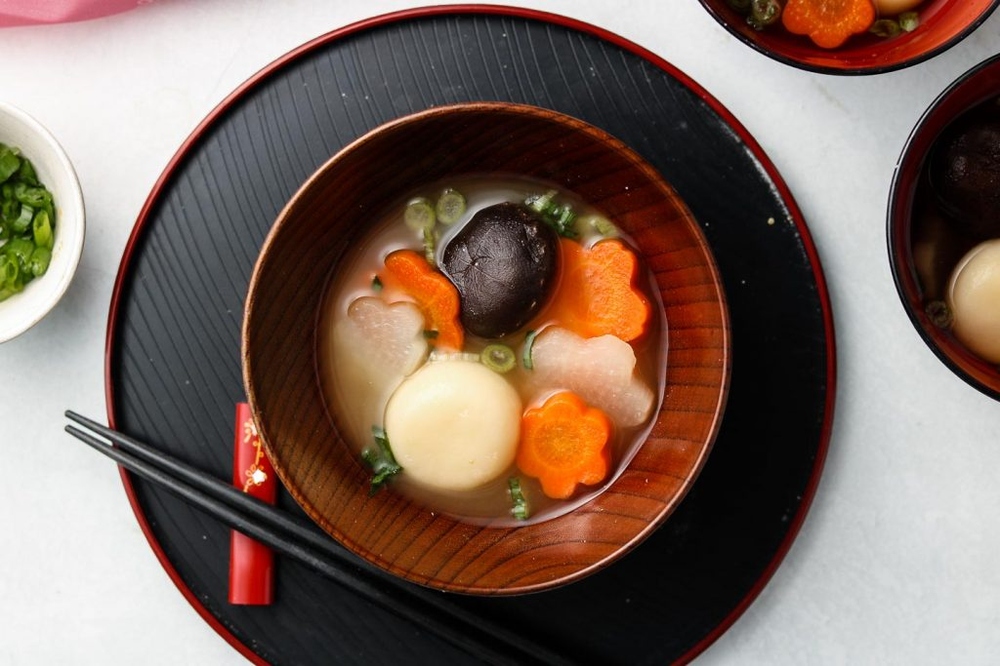
Ozōni – Photo Credit – Okonomi Kitchen
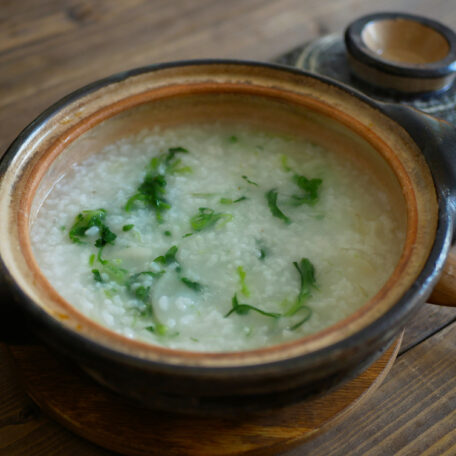
Eat Ozōni: If you couldn’t eat Osechi, don’t worry, you can try to eat ozōni instead. This is usually eaten on January 1st along with osechi ryōri. The dish always includes mochi (rice cakes), but the ingredients and flavor vary by region and family tradition. In eastern Japan, the soup is often clear and soy-based, while in western Japan, it’s usually made with white miso for a sweeter taste. Common ingredients include vegetables like carrots, daikon radish, spinach, and sometimes chicken, fish, or seafood. Eating ozōni is believed to bring good luck and strength for the year ahead, since mochi symbolizes long life and prosperity. It’s a warm, comforting meal that represents family unity and the hope for a healthy and happy New Year.
New Year’s in Japan is more than just a celebration; it’s a moment to slow down, reflect, and appreciate the simple joys of life. If you’re in Japan during this special time, experiencing the New Year traditions will make your trip truly unforgettable!
Featured Photo Credit: zepp1969
Ready to celebrate New Year’s in Japan? Check out our Winter Tour Recommendations and connect with our experts!
PIN THIS FOR LATER
Book your pocket wifi now to stay connected through your entire Japan Journey!

Be sure to get the JR Pass to make navigating Japan during your trip that much easier!
YOU MIGHT ALSO LIKE