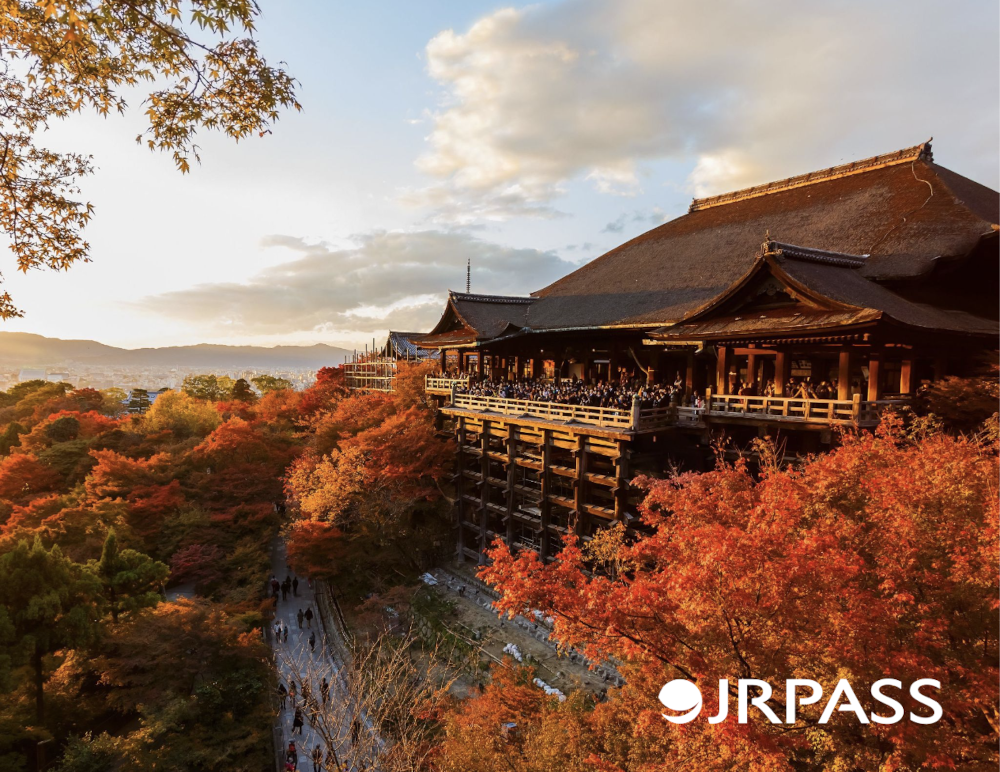
Mountain Ninjas: The Koka Clan of Shiga
Oct 26, 2026
BY Jessica Waybright
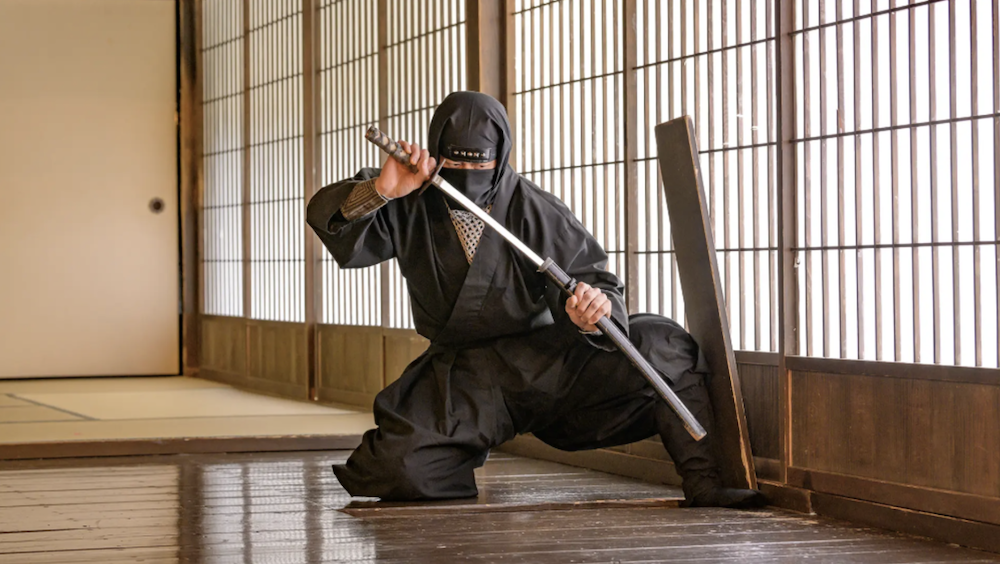
Ninjas do not just dress in all-black outfits, throw stars, and swing katanas on TV. They actually existed!
The Koka Ninja Clan is proof of that. Originating in the mountainous Koka region of Shiga Prefecture, this group was one of two major shinobi factions that rose to power during Japan’s Muromachi and Sengoku periods. Dating back to the 1400s, these covert operatives were originally known as shinobi, a term describing their strategic warfare abilities and intelligence gathering. They were not just a random group in the region, but a tight-knit network of families raised in the secretive teachings of the shadow arts. However, these traditions began to fade during the peaceful Edo period. Why do we not see ninjas in modern-day Japan?
Let’s explore the legacy of the Koka and learn how they shaped the legend of the “ninja.”
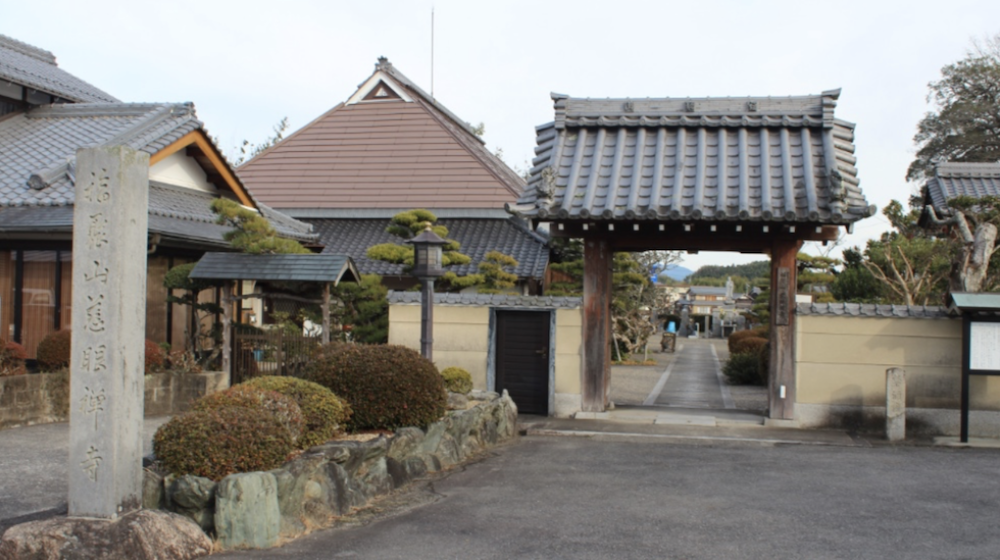
Jigenji Temple Dedicated to Koka Clan – Photo Credit: Shinobi no Sato
First Battle
The Koka Ninja Clan was made up of 53 mercenary families spread throughout the region. Although their origins are tied to a few different local legends, their first officially recorded battle in Japanese history happened in 1487 at the Battle of Magari. The Shogun at the time, Ashikaga Yoshihisa, launched an attack on Koka Castle to suppress a rebellion by the local ruler, Rokkaku Takayori. Who were the Rokkaku aligned with? The Koka!
The Koka took to their native mountainous terrain to defend their allies against the Shogunate. Using guerrilla warfare and nighttime raids, they fought for two years until the Shogun’s forces were pushed back in 1489 (with Ashikaga Yoshihisa falling ill and dying during the campaign). This act of defiance brought major recognition to the clan from regional lords across Japan. Over the next century, their reputation grew until they were eventually integrated into the defense network for Tokugawa Ieyasu, a partnership that would bring them prominence, but also seed their eventual decline.
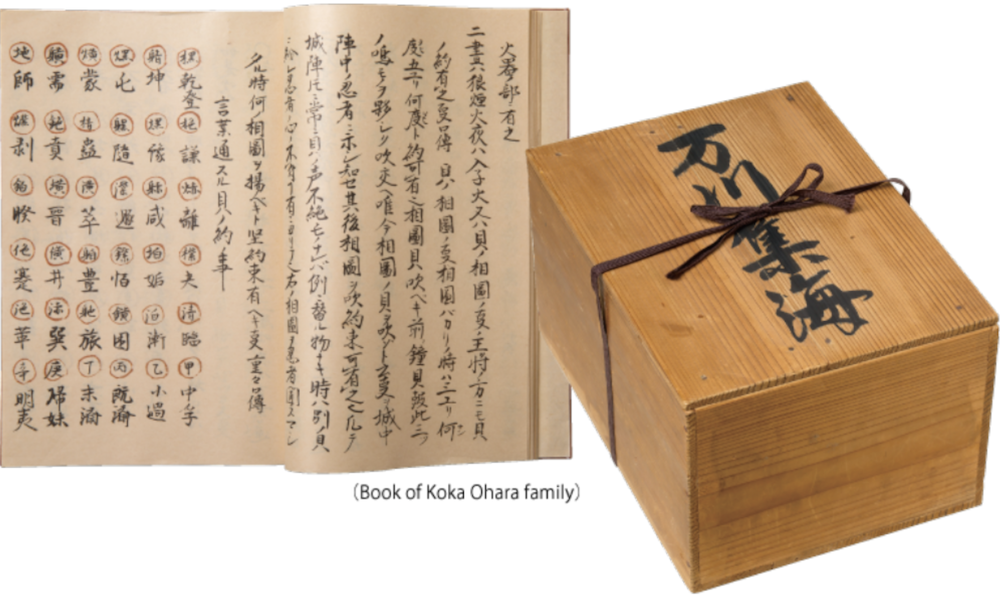
The Book of Koka – Photo Credit: Shinobi no Sato
The Establishment of the Koka
The Koka families established their own self-governing council known as the Gunchu So. Most of Japan was ruled top-down by feudal lords, but this group was governed collectively and stayed independent from outside rulers, making democratic decisions regarding their territory and defense.
The other major ninja group at the time was the neighboring Iga Clan, who used a similar setup. While they were fierce rivals, they also formed alliances for mutual defense and to refine the shinobi art. After that initial victory in 1487, Koka warriors were in high demand, hired by various domains for their espionage and tactical skills.
Sengoku Period (Warring States Period)
The Sengoku Period, before the unification of Japan, was full of constant warfare, and Koka operatives were dispatched to almost all of the major conflicts. In 1560, while supporting Tokugawa Ieyasu, they attacked Kamigo Castle and eliminated its reigning lord, Udono Nageteru. Tokugawa’s reliance on the clan was super important, as he would later become the Shogun who unified Japan. This initial partnership showed the real value he saw in the Koka, even if peace would eventually render their combat skills obsolete.
Remember the Rokkaku Clan that first put the Koka on the map? They were attacked again in 1568 by Oda Nobunaga, a powerful daimyo aligned with Tokugawa. Because the Koka were now tied to Tokugawa, their allegiance had shifted. The group was ordered to stay out of the conflict, leaving their former allies to be defeated.
The bond between the Koka and Tokugawa grew even stronger in 1582. After Nobunaga was assassinated at Honno-ji Temple, Koka warriors provided crucial protection and safe passage for Tokugawa as he made a dangerous escape through hostile territory back to his home province.
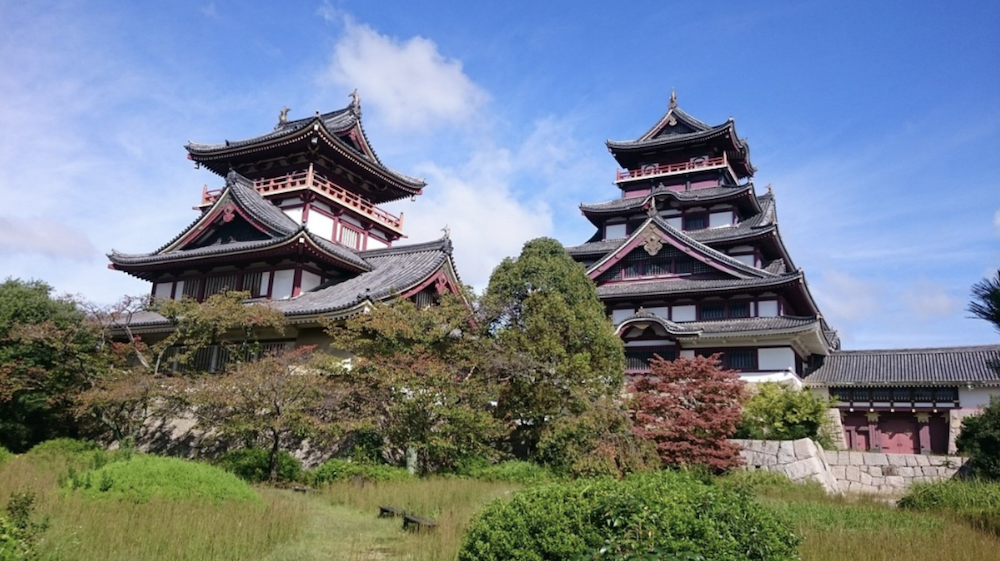
Fushimi Castle Present Day – Photo Credit: Trip Advisor
Siege of Fushimi Castle
The Siege of Fushimi Castle in 1600 established the legendary “Koka 100.” Torii Mototada, a loyal general aligned with Tokugawa, was tasked with holding Fushimi Castle against an overwhelming enemy army. To assist him, a specialized unit of 100 Koka ninjas came to help defend the fortress. Although the castle eventually fell after 11 brutal days, the desperate defense bought Tokugawa crucial time to assemble his main army and ultimately win the decisive Battle of Sekigahara. As a reward for their sacrifice and expertise, the surviving Koka warriors were granted official positions to serve as guards in Edo (modern-day Tokyo) after Tokugawa became Shogun.
Where is the Koka Clan Now?
The decision to closely align with Tokugawa, along with the long era of peace during the Edo Period, led to the decline of the clan. Under a unified Japan, covert warriors were no longer in demand for military campaigns. Tokugawa kept some families as bodyguards and intelligence officers, but being dispatched to battle was no longer an option. Deprived of their primary livelihood, some families fell into poverty, and gradually, the secret arts of the shinobi began to vanish.
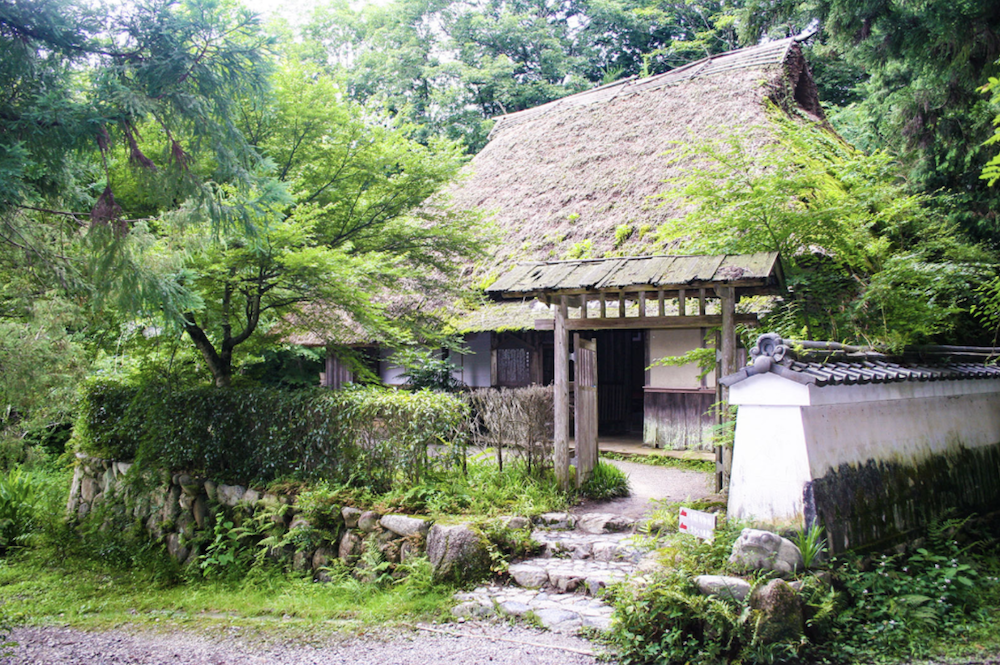
Present Day Koka Ninja Village – Photo Credit: Hotel ABShiga
However, the Koka are definitely not forgotten! Within Koka City in Shiga Prefecture, you can find historic residences and museums preserving their amazing history.
Spots like the Koka Ninja Village and Koka Ninja House transport you back in time to see how these people actually lived. The Ninja House was the actual 300-year-old residence of a Koka leader and features trapdoors, concealed walls, and secret escape routes, showing how covert design was woven right into their daily life. It was not just about fighting, but a complete lifestyle! At the village, you can experience hands-on training like practicing target throwing with shuriken, walking across water on floating wooden shoes, and scaling stone walls. And of course, there is the Koka Ninja Museum, preserving authentic historical scrolls, manuals, and artifacts from their legendary presence in Japan.
So even though the traditional art of the shinobi has diminished, the history will always live on in Koka, Japan.
Featured Photo Credit: Japan National Tourism Organization
Want to explore the same historic grounds where Koka operatives and legendary warlords made history? Head over to our Samurai Spirit of Shiga Page to get inspired by the rich martial spirit, historic sites, and authentic culture of Japan’s warrior era!
0
shares
Book your pocket wifi now to stay connected through your entire Japan Journey!

Be sure to get the JR Pass to make navigating Japan during your trip that much easier!