Things to Do in Kita-Ibaraki: Walking with The Book of Tea
Feb 26, 2026
BY Brad Stephens
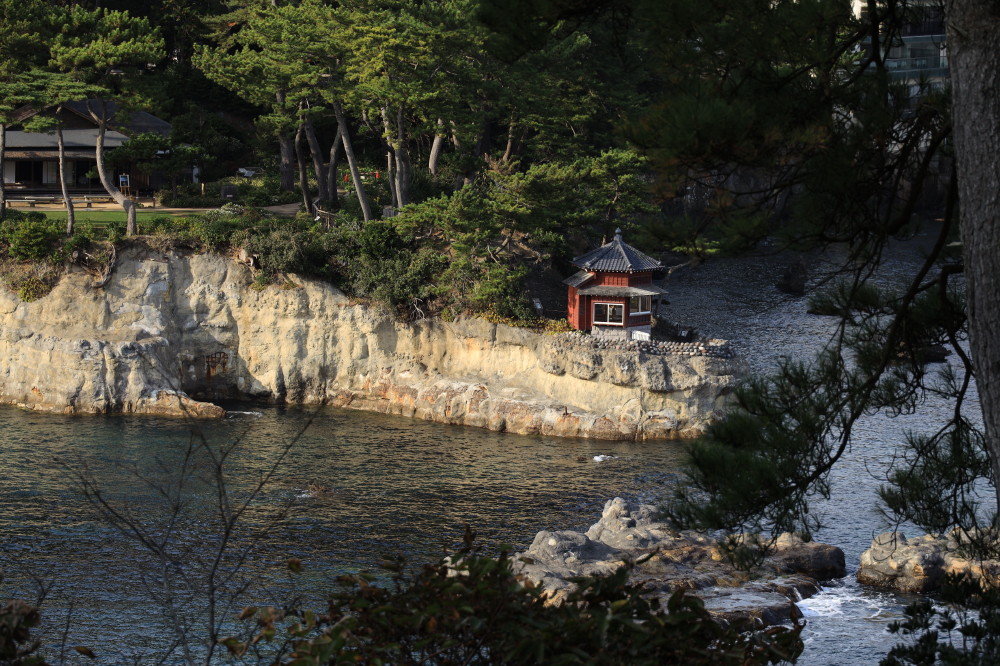
Tucked between the Pacific Ocean and forested mountains, Kita-Ibaraki offers a quieter, deeper encounter with Japan. This coastal corner of Ibaraki Prefecture is not about ticking off landmarks. It is about slowing down, walking, listening, and noticing how beauty quietly emerges from daily life. More than a century ago, this landscape captivated Okakura Tenshin, the influential thinker and author of The Book of Tea. Today, the same harmony between nature, art, food, and spirituality still shapes the region.
Here are the most meaningful things to do in Kita-Ibaraki, woven together by history, culture, and the philosophy of living well.
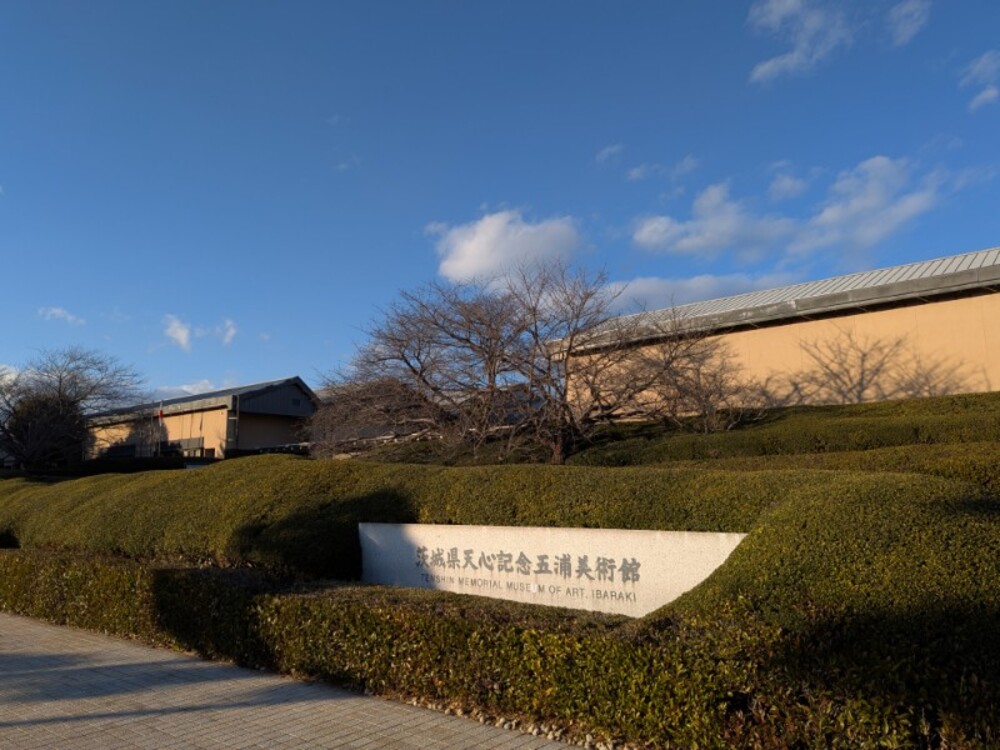
Tenshin Memorial Museum of Art – Photo Credit: mugei_taisyoku
Begin at the Tenshin Memorial Museum of Art
Your journey starts at the Ibaraki Prefectural Tenshin Memorial Museum of Art (茨城県天心記念五浦美術館), perched above the sea in Izura. This museum is not only an introduction to Okakura Tenshin’s life and ideas, but also a way to understand why Kita-Ibaraki matters at all.
Through artworks, historical materials, and the surrounding scenery, you begin to grasp Tenshin’s belief that art, nature, and everyday life should never be separated. The sound of waves, the sea breeze, and the changing light are not background elements. They are part of the experience, just as they were for Tenshin and the artists who gathered here.
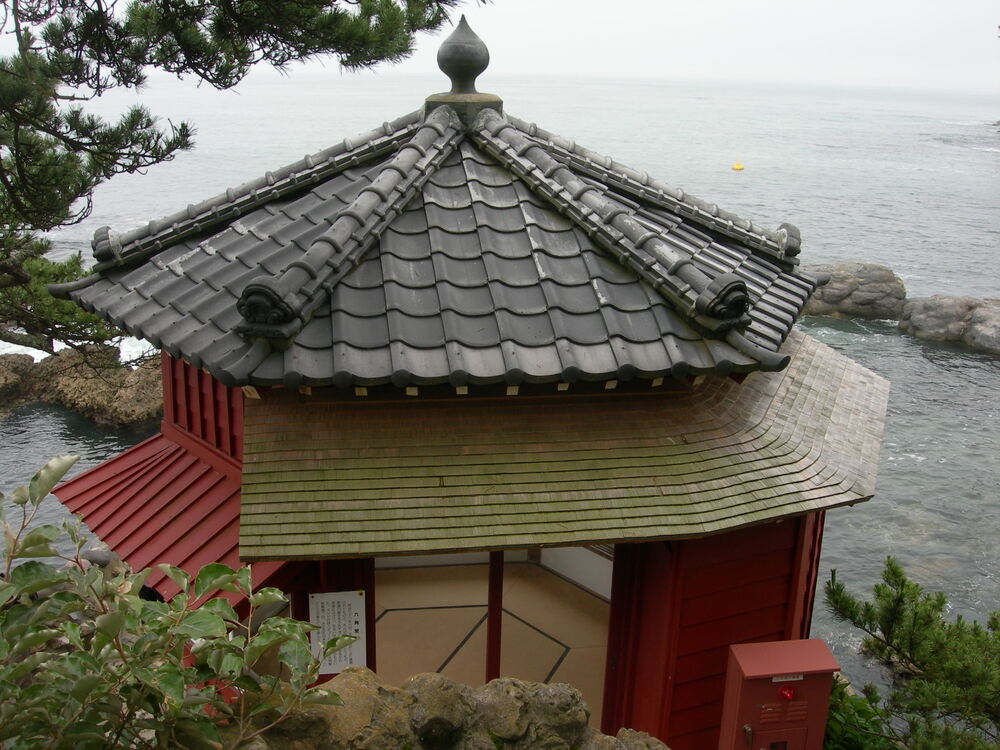
Rokkakudo – Photo Credit: vida_japonica
Walk the coastal path to Rokkakudo
From the museum, follow the seaside path toward Rokkakudo (六角堂), the small hexagonal pavilion designed by Okakura Tenshin himself. Walking is essential here. Each step allows you to feel the terrain, the wind, and the rhythm of the sea that shaped his thinking.
Standing at Rokkakudo, the boundary between sky and ocean feels almost suspended. The hexagonal form reflects Eastern ideas of balance and harmony, and the surrounding landscape becomes inseparable from the structure itself. Although the current building was reconstructed after earthquake damage, the view Tenshin gazed upon remains largely unchanged. This is contemplation made physical, where scenery itself becomes a teacher.
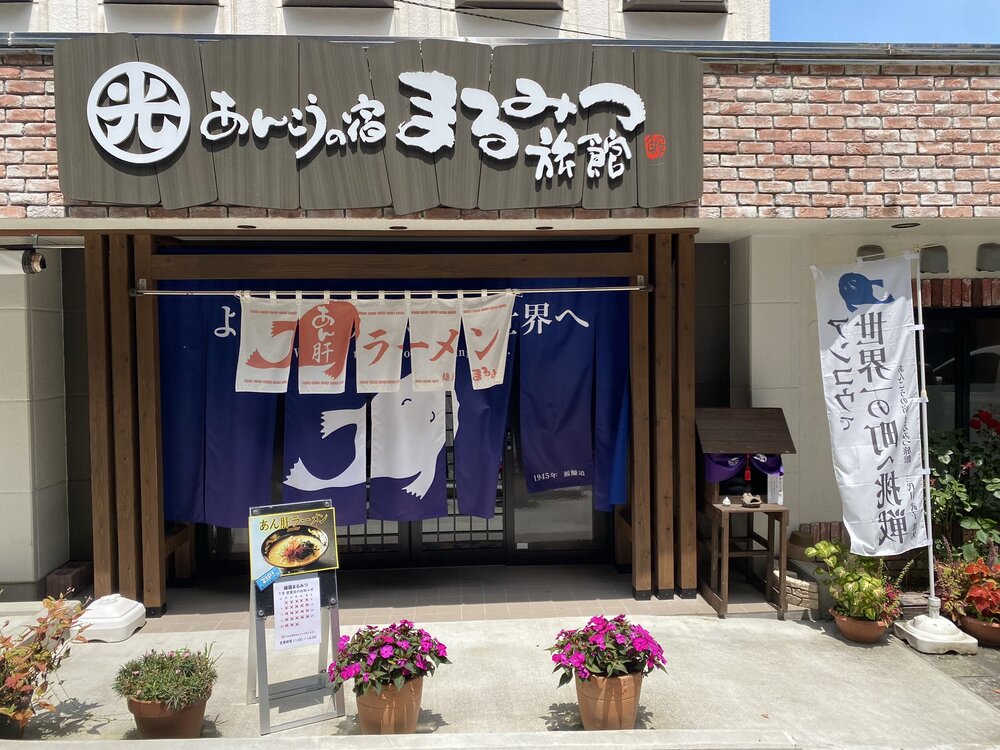
Marumitsu Ryokan – Photo Credit: tomostrong777
Taste Kita-Ibaraki at Marumitsu Ryokan
Food in Kita-Ibaraki is deeply tied to place, and nowhere is this clearer than at Marumitsu Ryokan (まるみつ旅館) near Hiragata Port. The region is famous for monkfish, a winter delicacy shaped by the cold waters of the Pacific.
Here, the experience goes beyond eating. Conversations with the host reveal how fishing, seasonality, and local pride shape the cuisine. Monkfish is not just a dish but a reflection of the sea’s character and the people who depend on it. In Kita-Ibaraki, to eat is to understand the land.
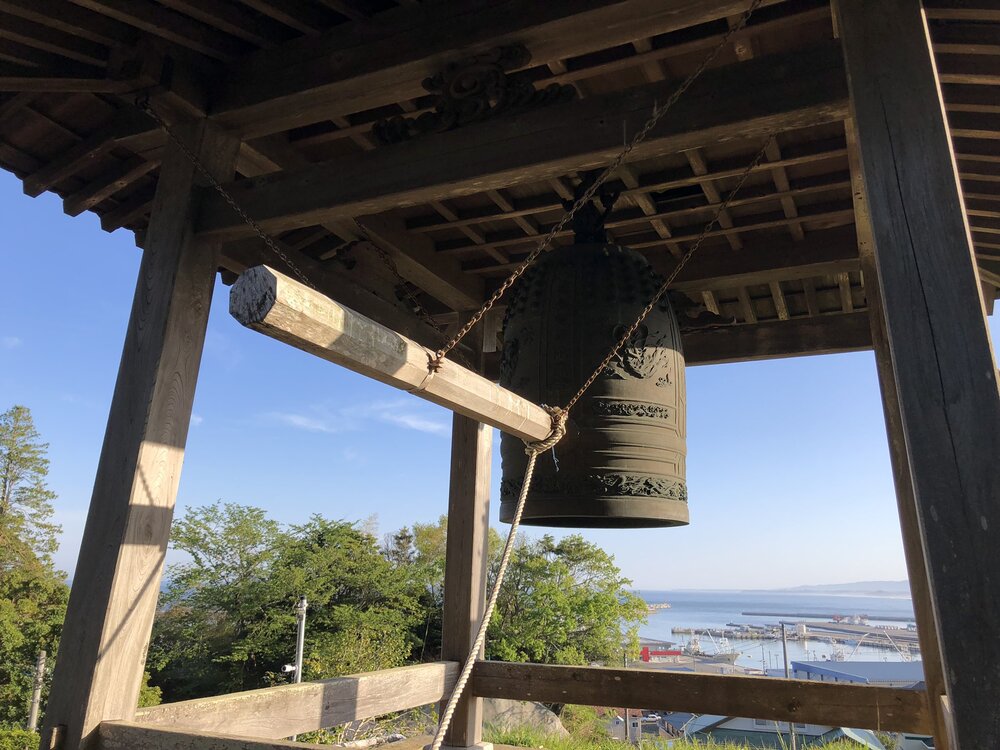
Scenery at Chosho-ji Temple – Photo Credit: brand_kas
Walk from Otsu Port to Choshoji Temple
From Otsu Port, walk uphill toward Chosho-ji Temple (長松寺). This route tells its own story, passing through everyday scenery marked by memories of the 2011 earthquake and tsunami, as well as ongoing recovery.
Perched above the harbor, the temple offers a place of quiet reflection. Inside, you encounter Buddhist statues connected to Okakura Tenshin, including one he helped preserve. A tea gathering in the main hall brings his philosophy from The Book of Tea into lived experience. Harmony, simplicity, and tranquility are no longer abstract ideas. They are felt in sound, gesture, and shared silence.
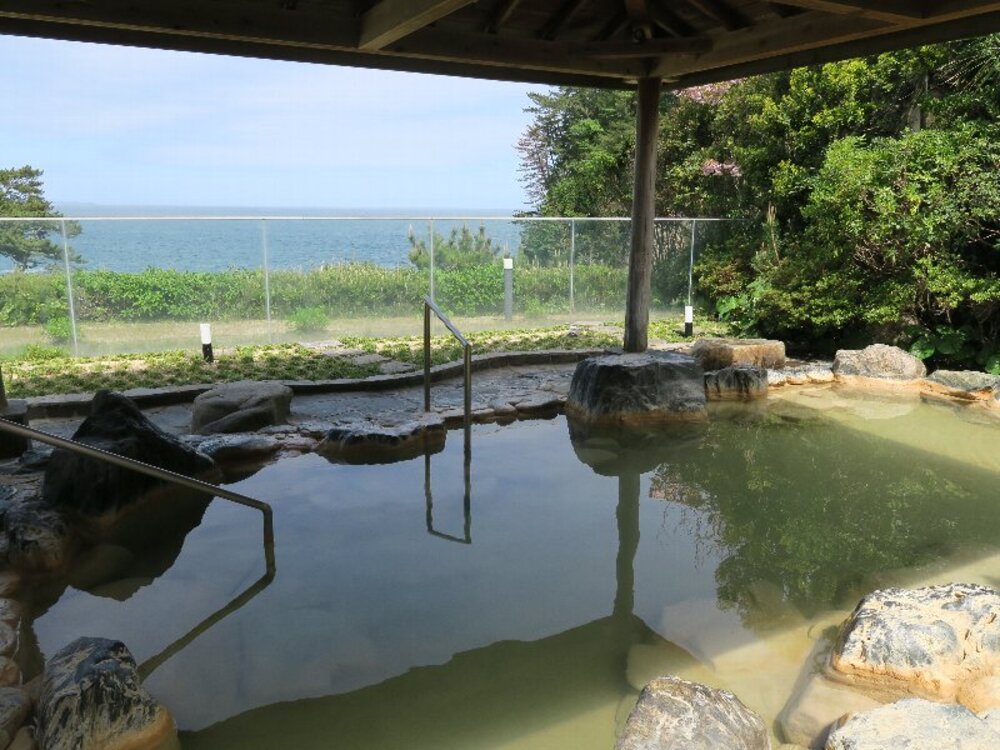
Onsen at Itsuura Kanko Hotel – Photo Credit: turibakanotabi
Stay by the sea at Itsuura Kanko Hotel
Spending the night at Itsuura Kanko Hotel (五浦観光ホテル) deepens the connection to place. The hotel has long ties to artists such as Yokoyama Taikan, a disciple of Tenshin, and offers uninterrupted views of the ocean.
As daylight fades and returns, you experience the same seascape that inspired generations of painters. Meals highlight local seafood and mountain produce, reinforcing how daily life and environment remain inseparable in Kita-Ibaraki.
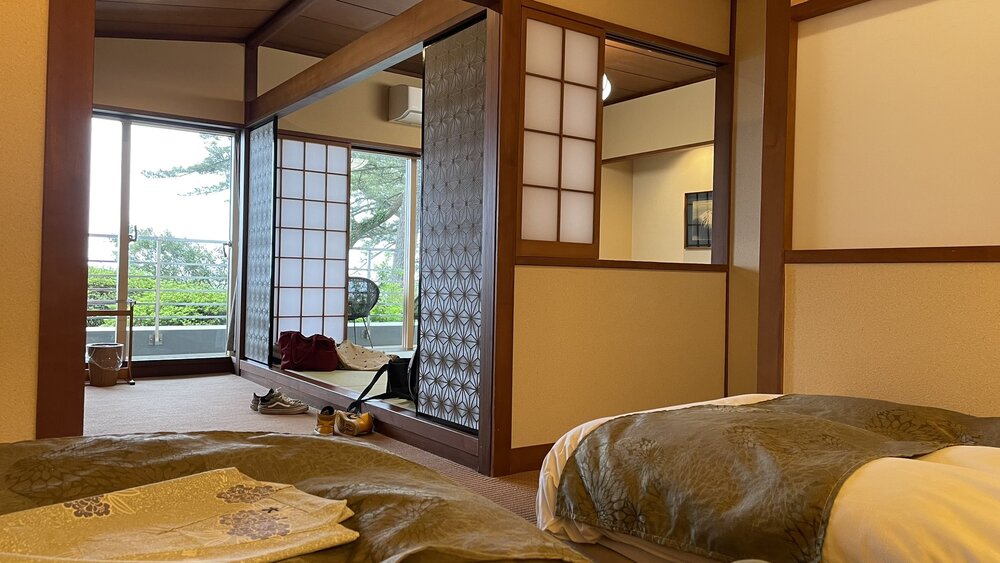
Interior of Itsuura Kanko Hotel – Photo Credit: kakaka1216
Meet local artists at ARIGATEE
On the second day, head inland to ARIGATEE, a gallery and atelier created by renovating a traditional farmhouse in the satoyama countryside. Here, you meet the artist unit ORINOTAWASHI, whose work grows directly from daily life and local materials.
Walking through the village, observing fields, houses, and the flow of air through the valley, you feel how creativity here is not separate from living. This is Tenshin’s idea of beauty continuing quietly into the present, expressed through hands, habits, and time.
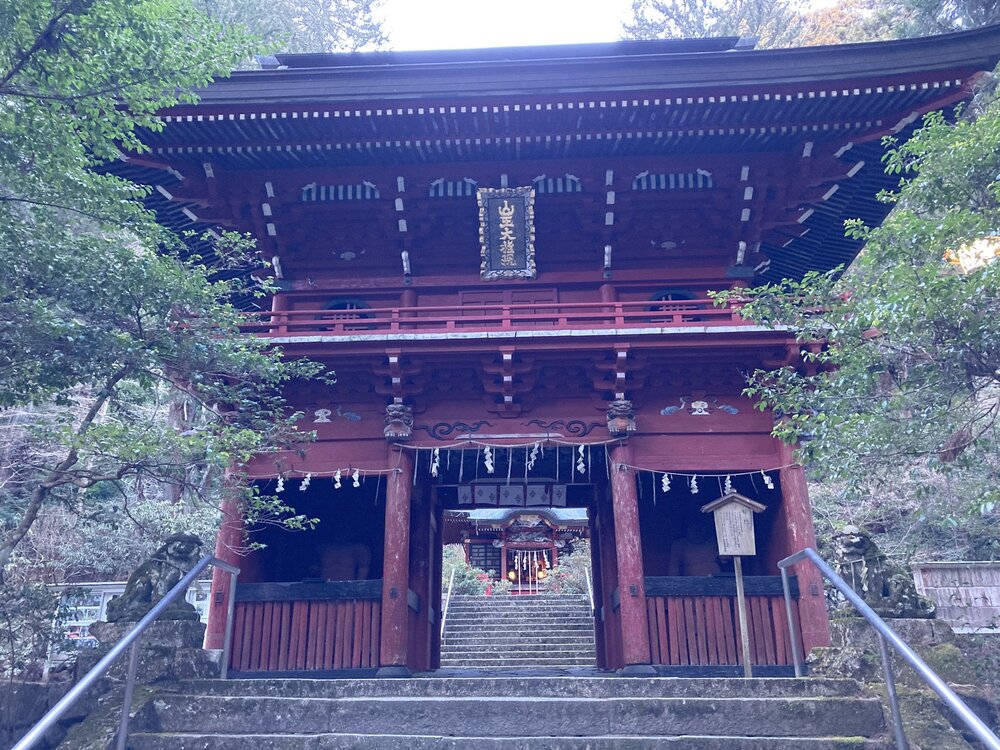
Heading towards Hanazono Shrine – Photo Credit: Iwakigurume
Enter sacred mountain space at Hanazono Shrine
Deep in the mountains lies Hanazono Shrine (花園神社), an ancient site believed to have been founded in 795. Surrounded by towering trees and minimal sound, the shrine embodies the region’s long tradition of nature and mountain worship.
Highlights include the approximately 800-year-old Three Cedars and the divine monkey statues, symbols associated with protection and safe journeys. Guided by the chief priest, you learn how prayer, landscape, and daily life have long been intertwined here. Formal worship becomes a moment to pause, reflect, and acknowledge the land you are passing through.
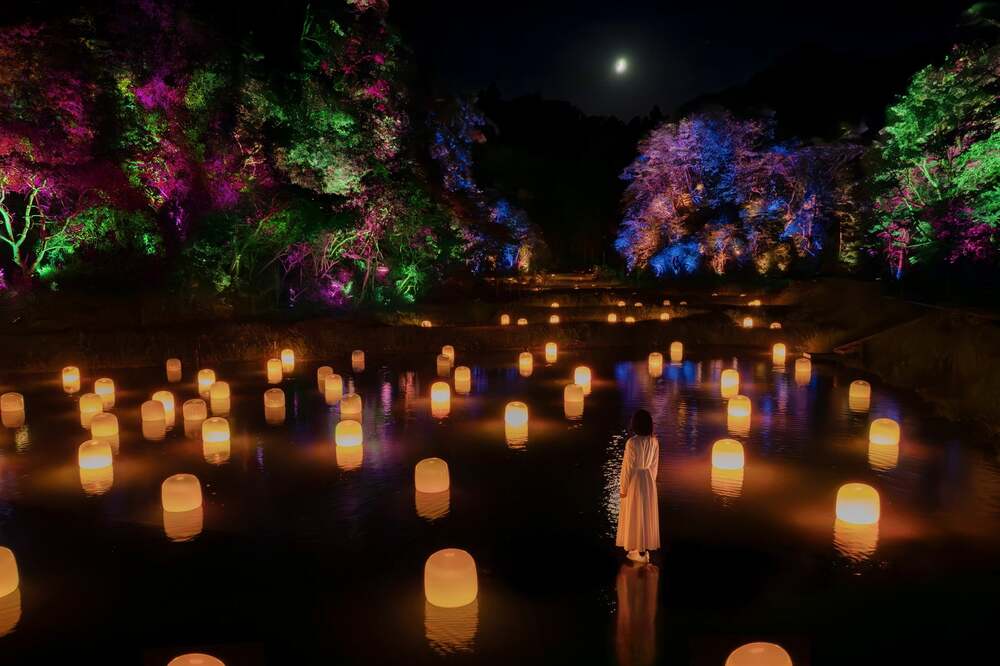
Lighting fixtures at teamLab: Hidden Traces of Rice Terraces – Photo Credit: modelpress
Experience art and time at teamLab: Hidden Traces of Rice Terraces
The journey concludes at teamLab: Hidden Traces of Rice Terraces (teamLab 五浦幽谷隠田跡). This immersive installation occupies former rice terraces that were gradually reclaimed by the forest.
Through light, vegetation, and topography, the artwork expresses the continuity between human activity and natural time. Staying here after dark allows you to feel, rather than explain, the deep flow of history that shapes Kita-Ibaraki. It is a fitting ending, where art, land, and memory quietly merge.
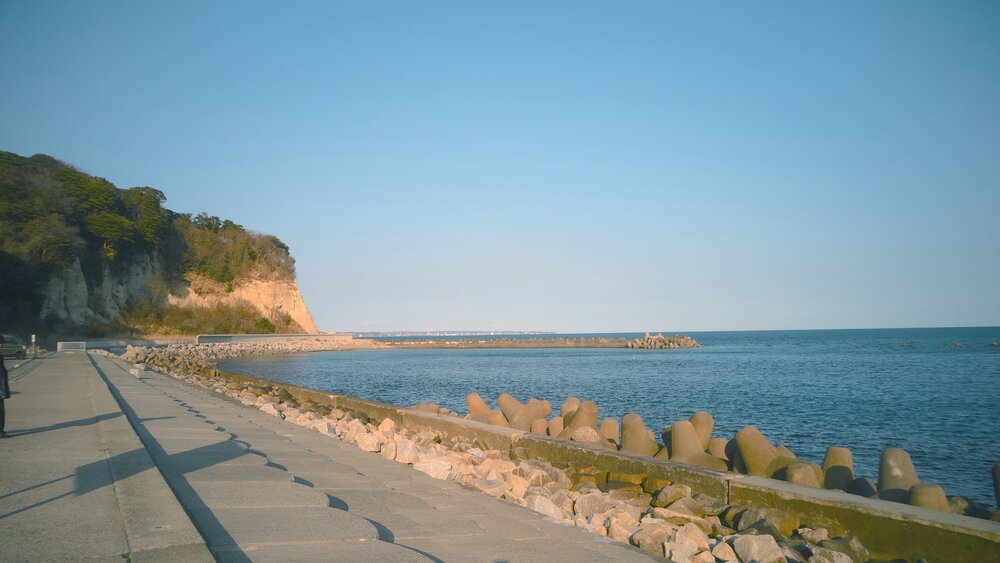
Coastal view at Kita-Ibaraki – Photo Credit: baked_pizz_a
Why Kita-Ibaraki stays with you
Kita-Ibaraki does not announce itself loudly. Its beauty lies in walking, listening, eating, and staying. Following the path shaped by Okakura Tenshin and The Book of Tea, you discover that here, beauty is not something to display. It lives in attitudes, relationships, and attention to the natural world. For travelers seeking a slower, more meaningful encounter with Japan, Kita-Ibaraki offers something rare. It invites you not just to visit, but to experience how life itself can be art.
Featured Photo Credit: k2kbsyk
Does this trip through Kita-Ibaraki sound like something you want to do when visiting Japan? Make sure to check out our Ibaraki Page to start creating your own itinerary in the region, including this and so much more!
PIN THIS FOR LATER
Book your pocket wifi now to stay connected through your entire Japan Journey!

Be sure to get the JR Pass to make navigating Japan during your trip that much easier!