Things To Do in Tokyo: Explore The Famous and Imposing Capital of Japan
Apr 6, 2026
BY Kareem Moumina
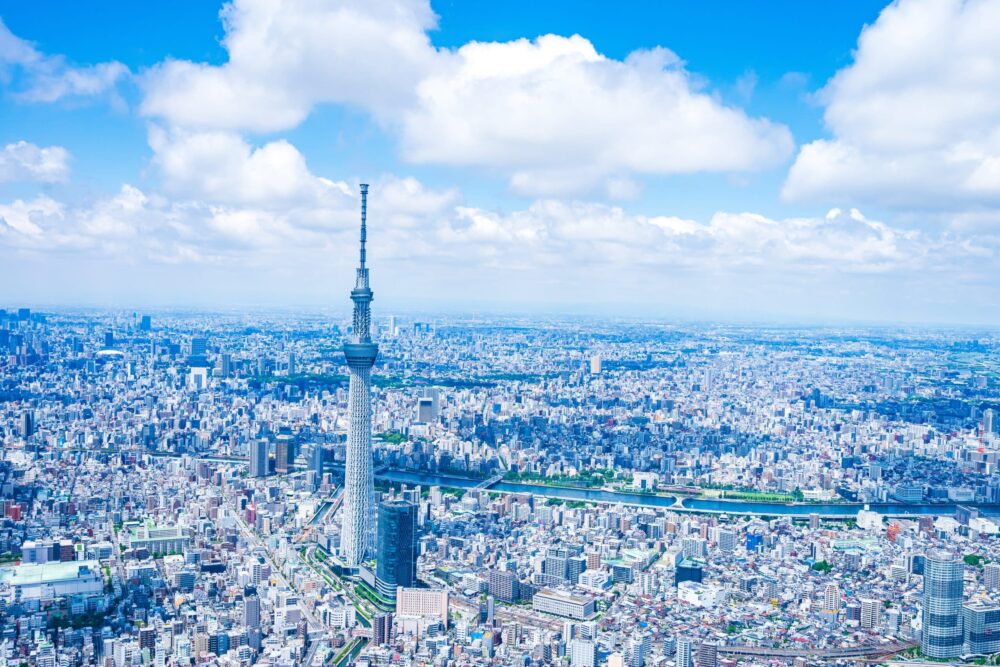
Tokyo is the capital city of Japan, with a massive population of around 14 million people. Within Tokyo Prefecture, there are numerous widely recognized downtown areas worth exploring to enjoy the culture, tradition, and values of the nation. The capital is celebrated for its reliable and convenient transportation system, connecting all major districts through its metropolitan JR lines. It is also just a few hours by bullet train to other famous cities such as Kyoto, Osaka, and Nagoya. Explore Japan’s magnificent metropolis, which offers a diverse, rich, and vast selection of things to see and do. Now let’s begin!
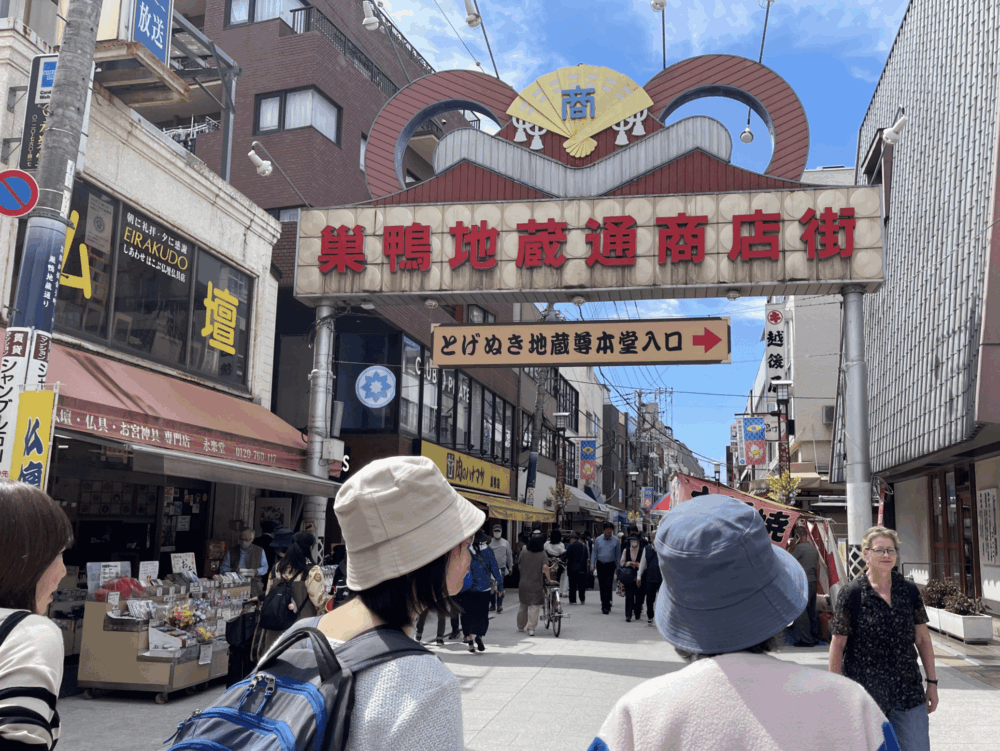
Stepping on to Jizo-dori Shopping Street on a tour with Arigato Travel – Photo Credit: Jessica Iragne
Sugamo (巣鴨)
Sugamo is often referred to as ‘Granny’s Harajuku.’ It is a popular shopping destination among the older generation and is located in the Toshima ward of Tokyo. Jizo-dori Shopping Street has roots as a traveler’s rest stop dating back to the Edo era, and today it preserves rich traditions that evoke a nostalgic and lively atmosphere. Sugamo contains a wide array of boutiques, restaurants, and street vendors, with many resembling those of past generations.
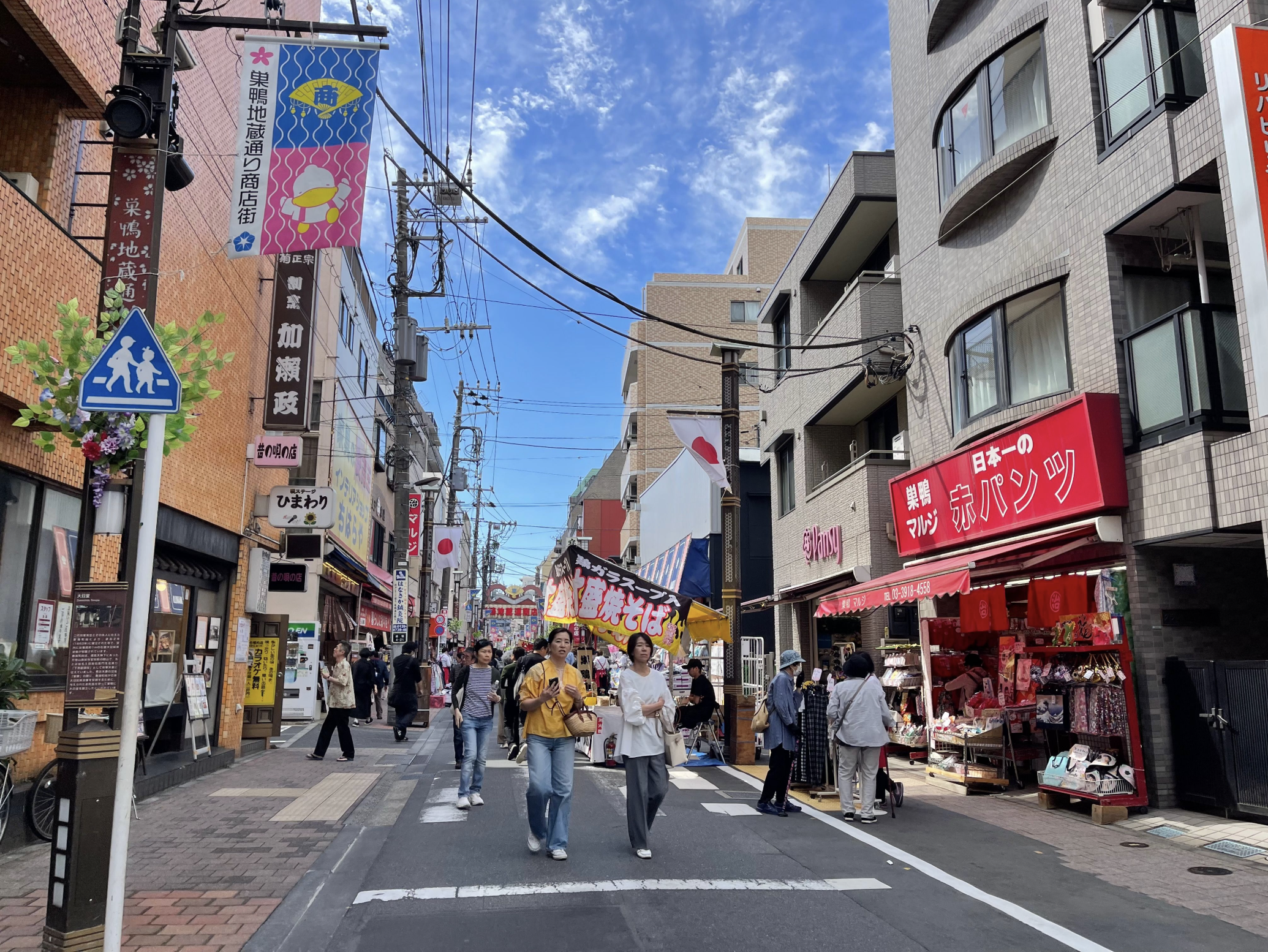
Bustling Jizo-dori lined with charming small shops and vendors – Photo Credit: Jessica Iragne
Popular food items include osenbei (rice crackers), shio daifuku (salted mochi), daigaku imo (candied sweet potato), and satsuma age (fried seafood cake). Most of these establishments were founded many decades ago and carry on delicious traditions that are cherished throughout Japan.
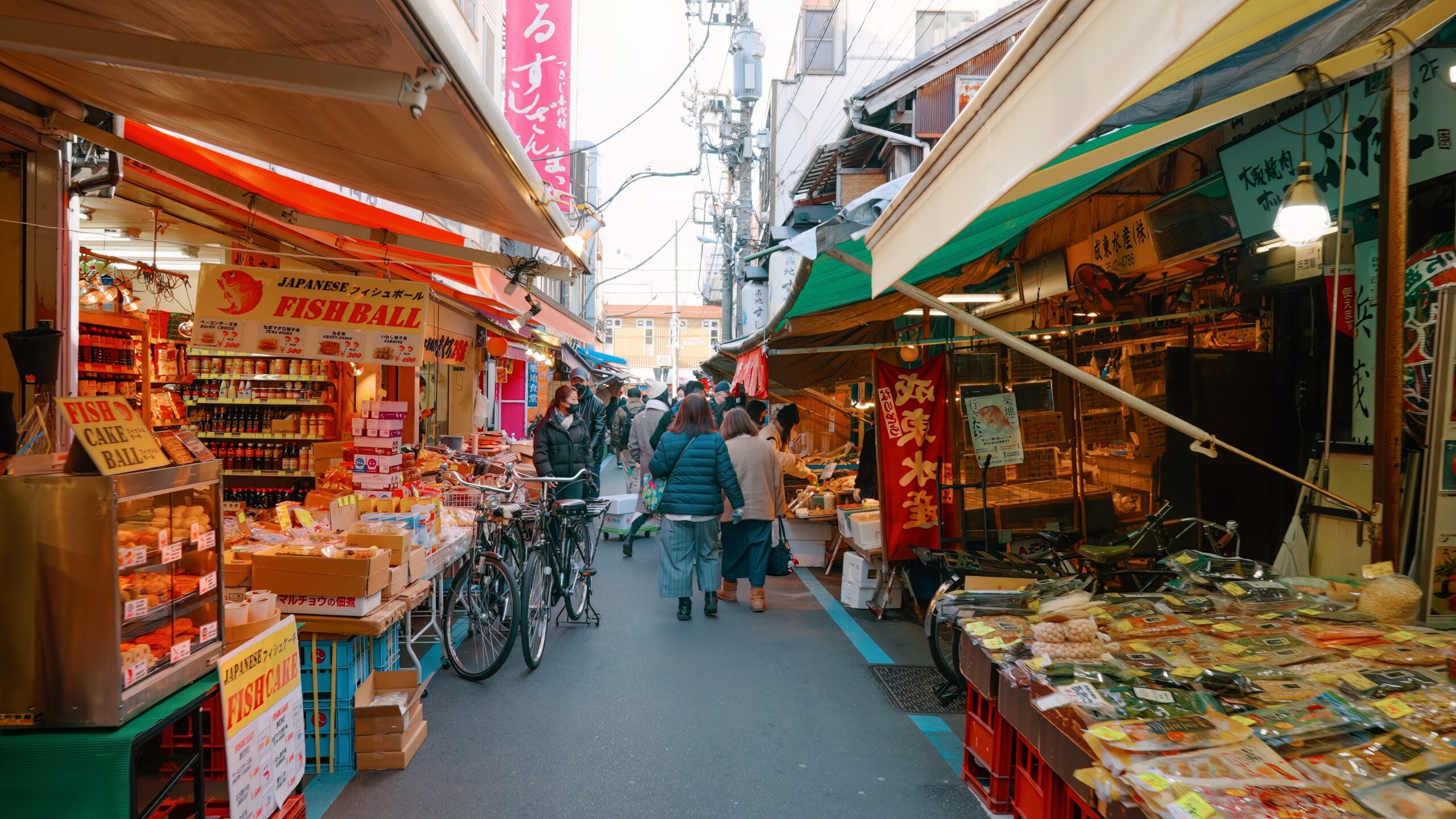
People visit Tsukiji Fish Market in Tokyo, Japan – Photo Credit: Alp Galip
Tsukiji Fish Market (築地市場)
Tsukiji Market is a popular and fantastic seafood center that pays respect to the intricate traditions of Japanese cuisine as well as the immense dedication required for handling and distributing the daily catch. For this reason, people from all over the world come to enjoy this massive marketplace and indulge in fresh local food. The production, preparation, and distribution of seafood occur in an ever-rotating cycle of hard work by the staff. While the world-famous tuna auction and wholesale operations moved to the modern Toyosu Market in 2018, the Tsukiji Outer Market remains a popular destination for fresh local food and high-quality kitchenware.
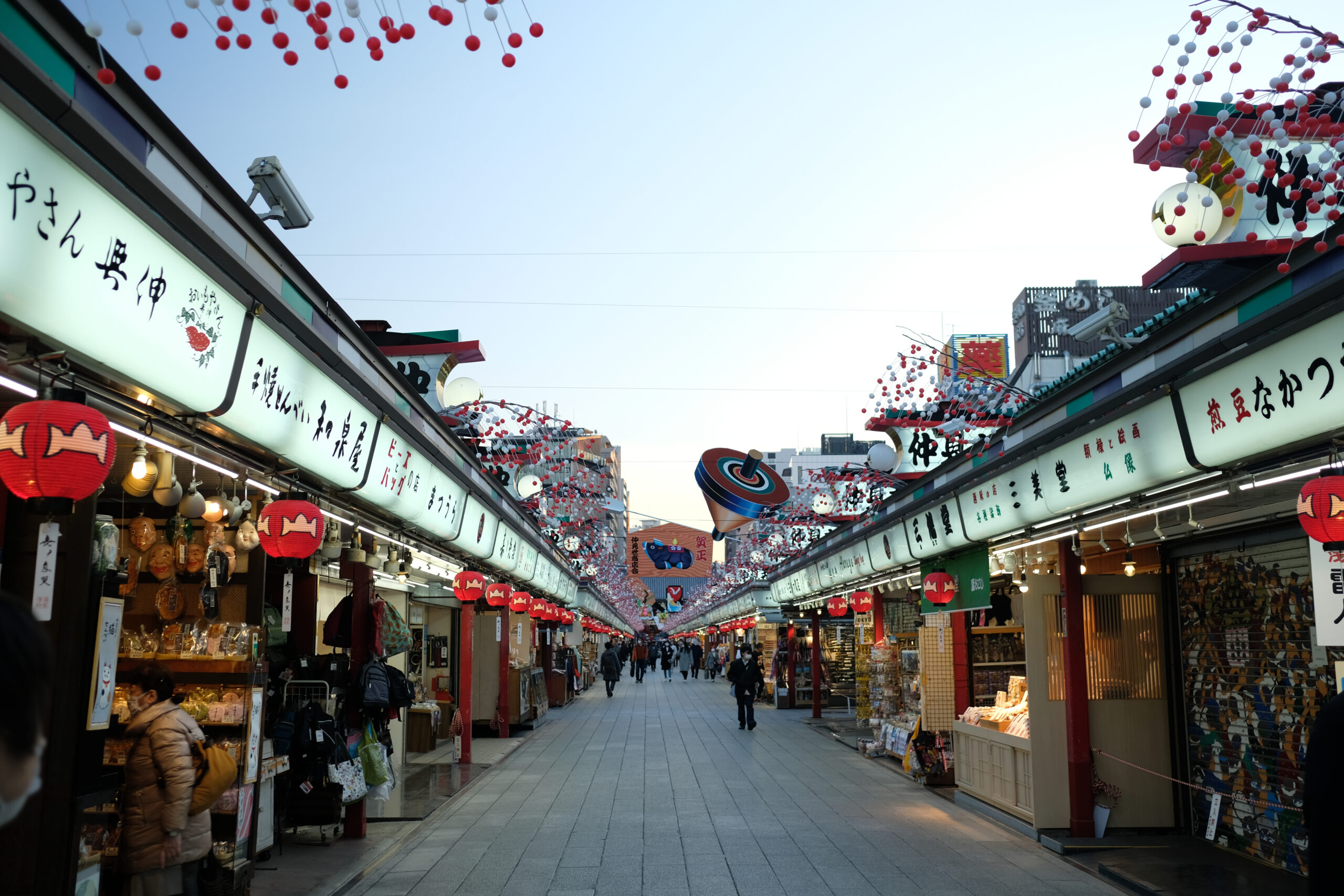
An uncrowded Nakamise-Dori at Sensoji, Asakusa, with traditional Japanese New Year’s decoration – Photo Credit: Hiroshi-Mori-Stock
Asakusa (浅草)
Asakusa is one of Tokyo’s most spirited and traditional downtown areas, with great temples, festivals, and shops to explore. During the Edo period (1603–1867), Asakusa became a central hub for Western influences that brought new entertainment and progress to Japan. Located in Taito City, northeast of central Tokyo, it is situated among other well-known areas called ‘Shitamachi’ (lower city). This term is used to describe old towns that remain largely unspoiled by modernization. One of the most famous attractions in Asakusa is Sensō-ji, an ancient Buddhist temple that stands as the grandest and most important in the country. You can visit high-quality souvenir shops and craft stores located in traditional-style streets, which resemble the atmosphere of the Edo period. While there, experience classic Japanese cuisine known for soba noodles, ramen, and monjayaki (savory pancake).
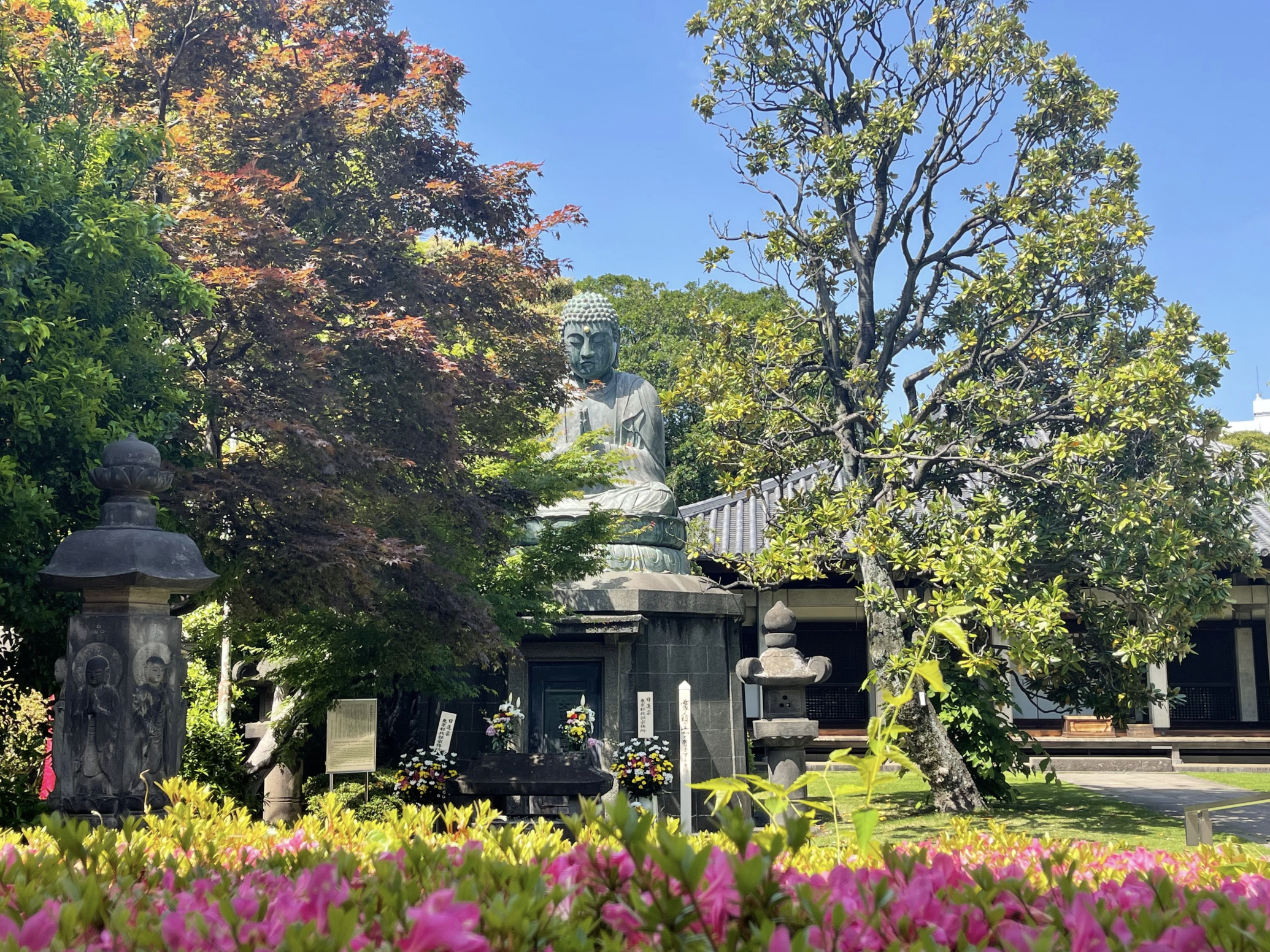
Ancient Buddha hidden in the temple garden in Yanaka – Photo Credit: Jessica Iragne
Yanaka (谷中)
Also located within Taito City, Yanaka is part of the Yanasen area in the historic district of Tokyo. Yanaka brings the traditional ambiance of ‘Shitamachi’ to life with its long-standing temples, independent shops, and local cats roaming freely. It is home to a variety of sacred sites, including the famous Tennōji Temple, one of the oldest and most important establishments in the area. One of the oldest Buddha statues in Japan is located at the entrance of Tennōji, and you must make sure to experience the beautiful and peaceful gardens nearby.
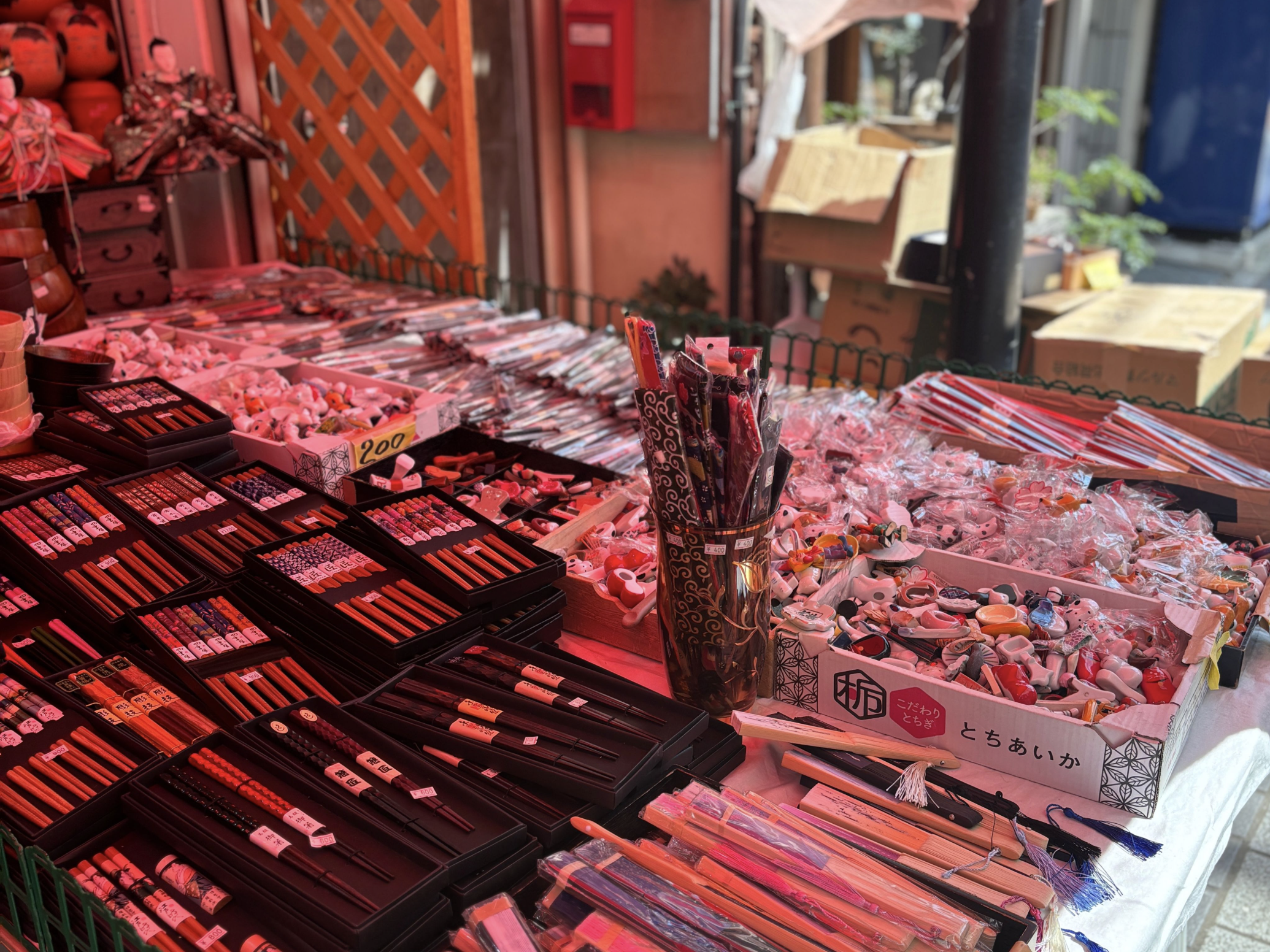
Japanese souvenirs (omiyage) in a small shop on the Arigato Travel Yanaka tour – Photo Credit: Carlotta and Karina
Enjoy a walk through Yanaka Ginza to explore delicious street food, cafes, and restaurants. The shops around Yanaka are generally open from 10:00 AM to 6:00 PM throughout the week, which is convenient for visitors planning a full day in the area. Interestingly, there is a great sense of diversity in the cuisine here, with options ranging from Persian to Turkish dishes, providing a unique and friendly atmosphere for everyone to enjoy.
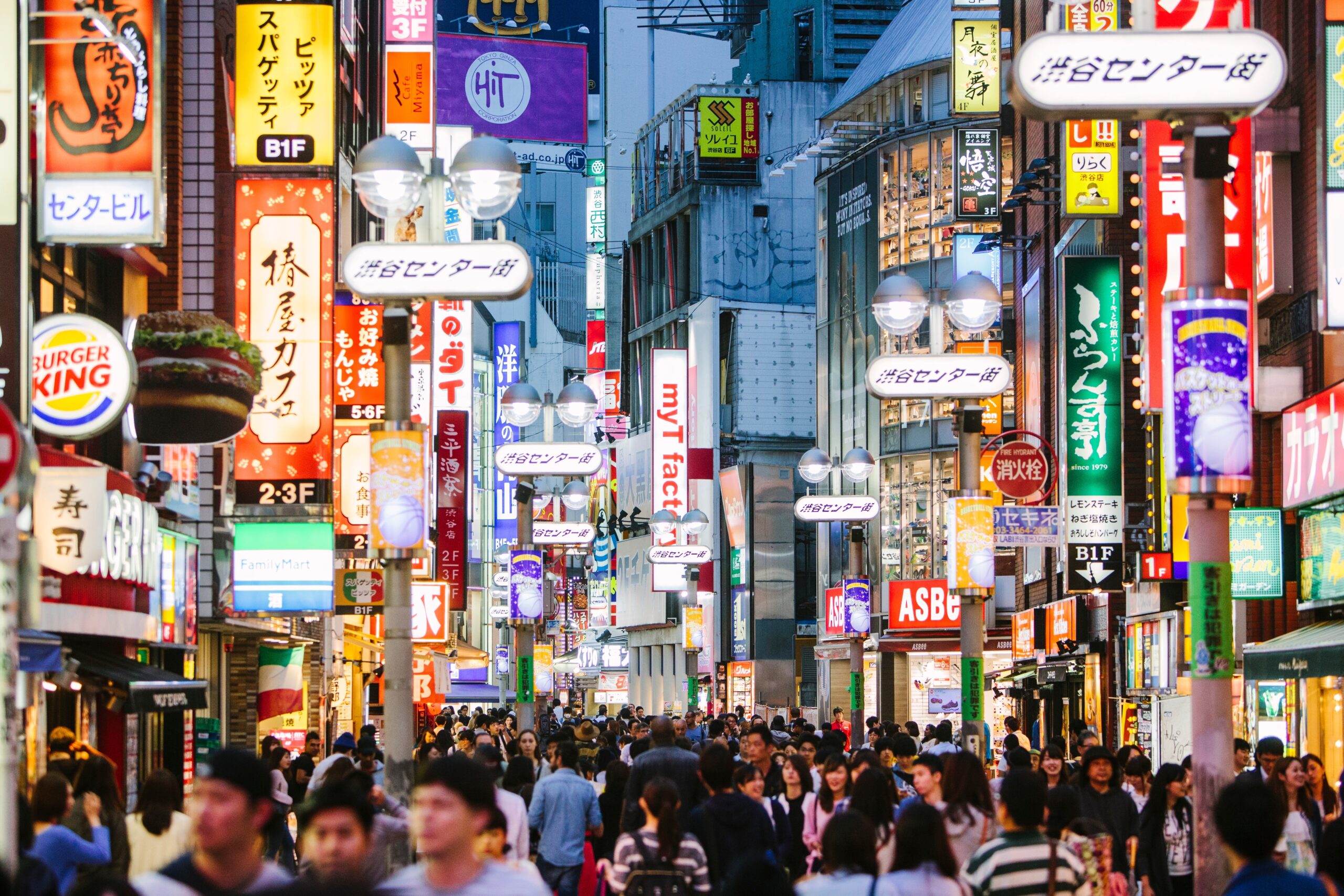
People walking in Shibuya shopping district – Photo Credit: KarlosWest
Shibuya (渋谷)
Shibuya is a lively, fashion-oriented, and vibrant district located in the Tokyo metropolis and remains one of the most popular areas of the city. Historically, Shibuya was once the site of a castle that housed the Shibuya family starting in the 11th century. Today, it has evolved into a major commercial and financial center with an estimated population of over 200,000 people.
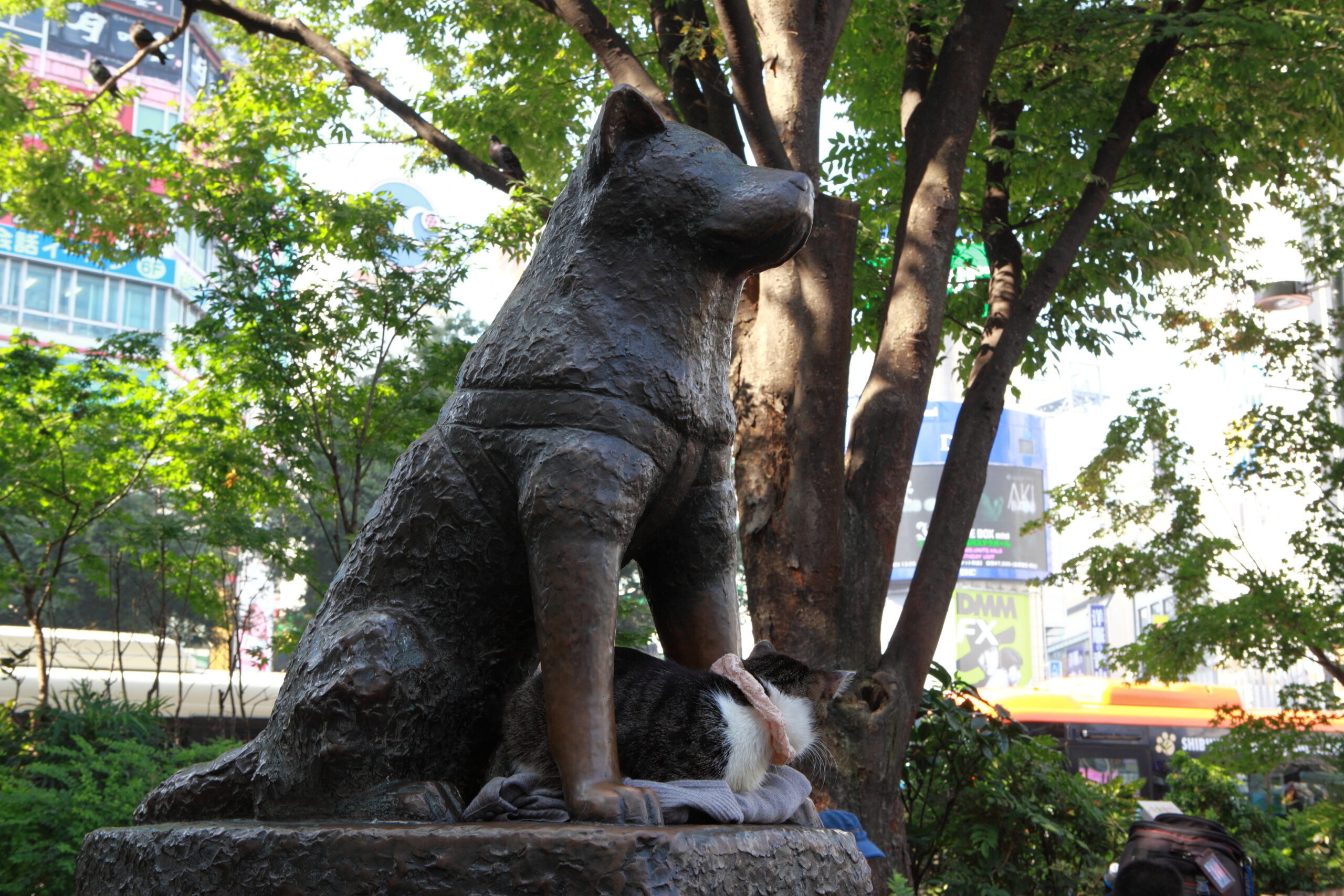
Hachiko Statue with a cat at Shibuya Station – Photo Credit: Jojobearz
Most visitors like to start their journey at the famous Hachiko statue, the loyal Akita dog, which is situated next to the world’s busiest pedestrian crossing: the Shibuya Scramble. The district is continuously progressing, and new development projects emerge constantly, bringing modern malls, skyscrapers, and trendy boutiques to the skyline. Explore the area throughout the day to indulge in a shopping paradise, then experience the youth and energy of the electrifying Shibuya district as it lights up at night.
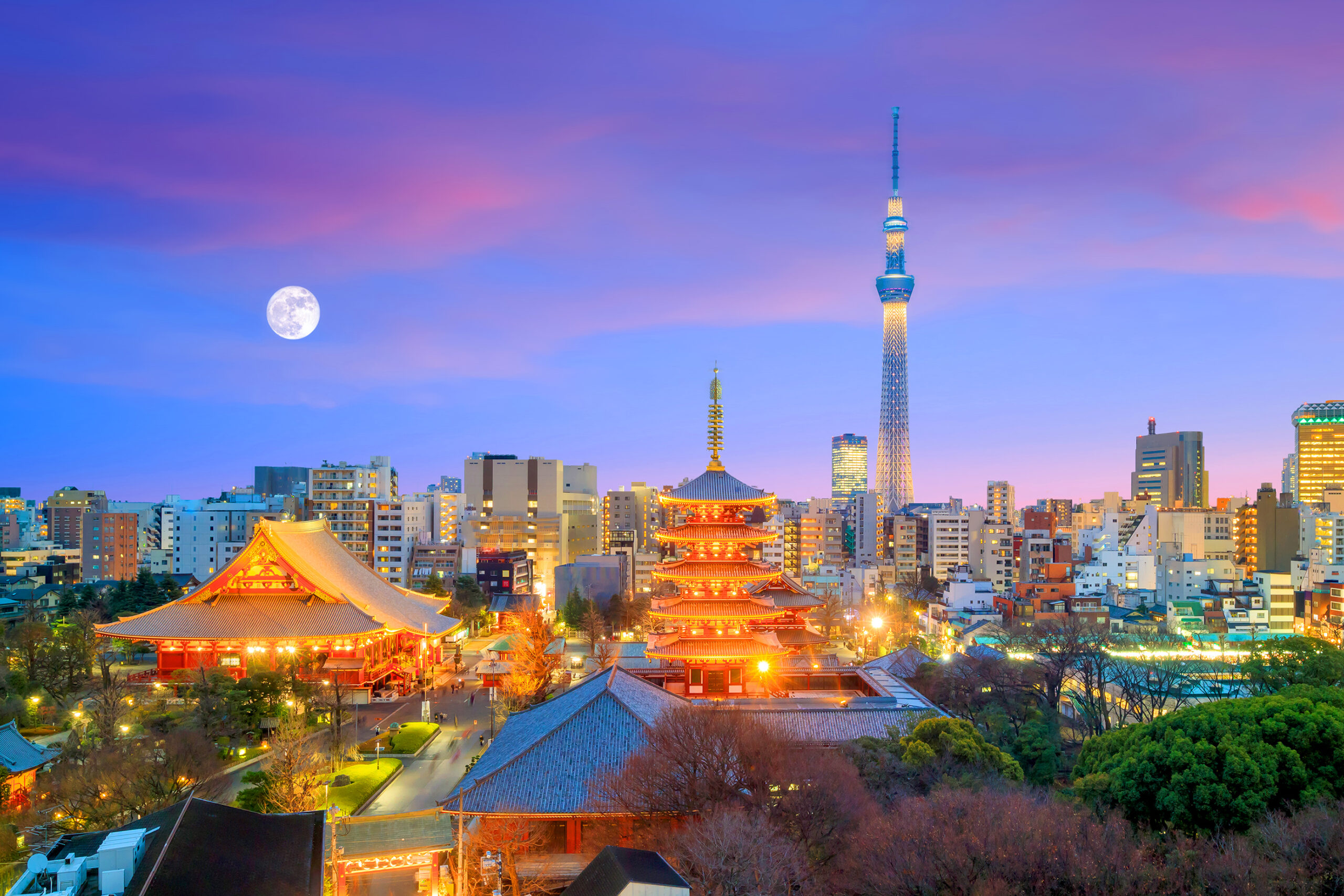
View of Tokyo skyline with Senso-ji Temple and Tokyo Skytree at twilight – Photo Credit: f11photo
From world-class markets to modern shopping centers, Tokyo has established itself as a premier destination for its unique traditions, cultures, and values. These qualities live on through a combination of famous landmarks, historical shrines, quiet gardens, and bustling restaurants. As the most populated city on the planet, it is made up of many neighborhoods and contains 23 central wards. Each ward possesses a unique and fascinating personality through the many establishments and historical references that make Tokyo’s cultural scene so impressive. Take the time to explore the wonderful cafes, stores, and historical sights that are found in great abundance all around Japan’s capital city.
Featured Photo Credit: maroke
Ready for a trip to the country’s capital? Check out our full list of Tokyo Tours and book your once-in-a-lifetime experience you will never forget today!
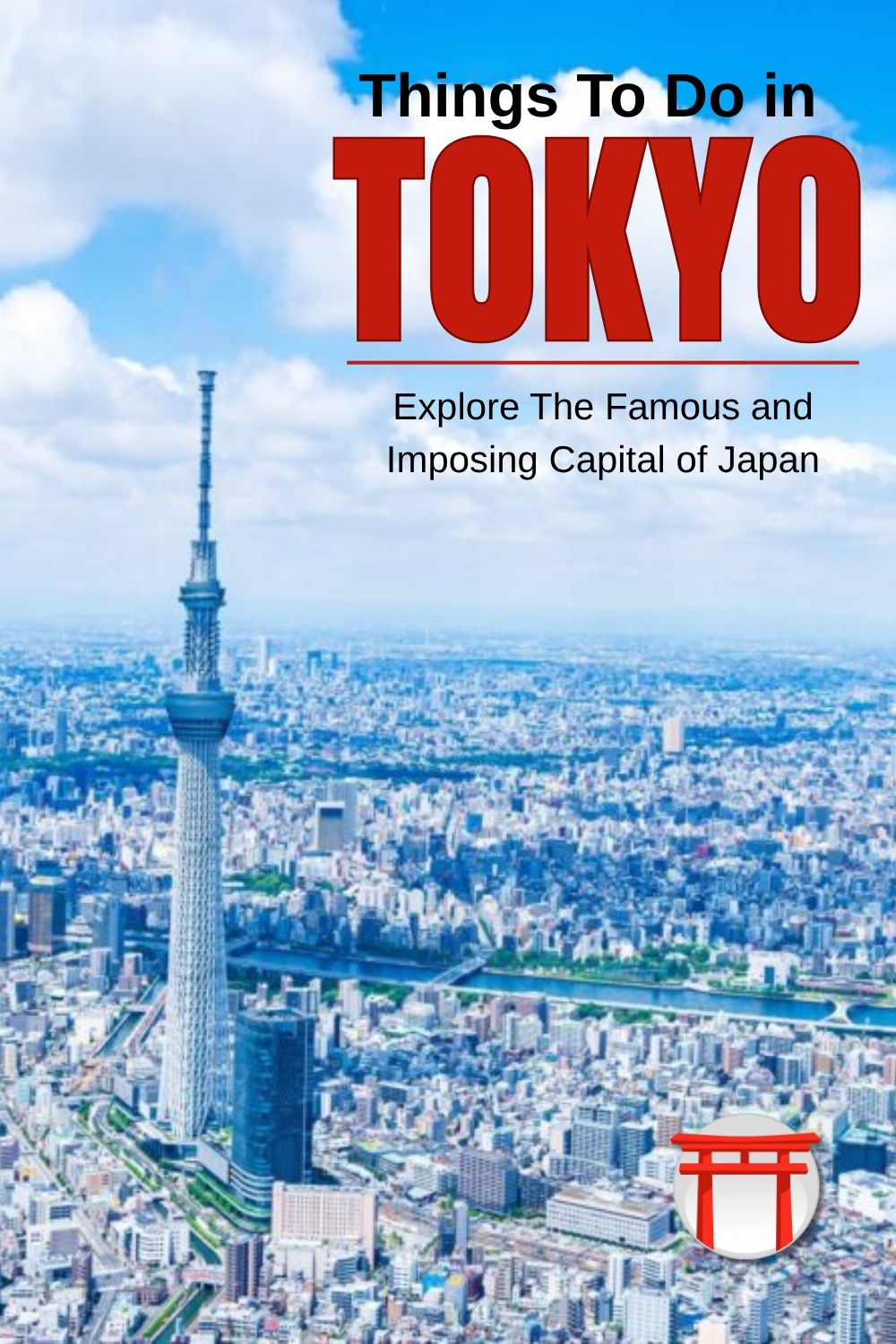
PIN THIS FOR LATER
Book your pocket wifi now to stay connected through your entire Japan Journey!

Be sure to get the JR Pass to make navigating Japan during your trip that much easier!
YOU MIGHT ALSO LIKE