Things to Do in Tokyo in July 2026
Jun 29, 2026
BY Brad Stephens
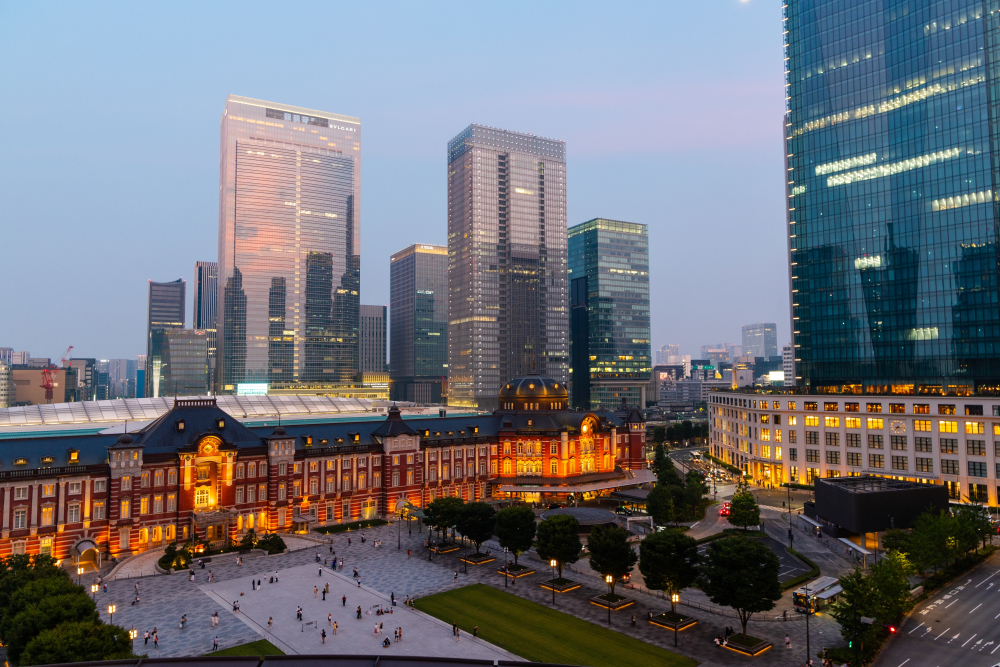
July in Tokyo is a full sensory experience. The city moves from lingering early summer rain into peak heat, layered with glowing festivals, nighttime celebrations, and indoor retreats that feel like a reward for surviving the humidity. It is a month where tradition and modern entertainment sit side by side, and where you will find something happening almost every evening if you know where to look. This guide walks you through some of the best things to do in Tokyo in July 2026, from major festivals to cultural experiences and heat-friendly activities.
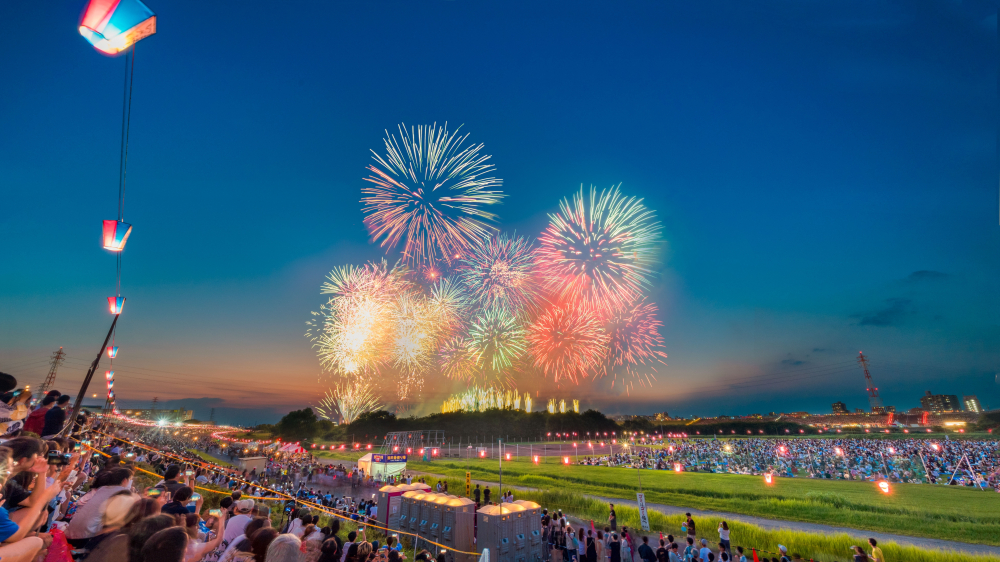
Fireworks in Tokyo – Photo Credit: Raphin Kemthong
Summer Weather and Seasonal Context
July marks the end of Japan’s rainy season, known as tsuyu (梅雨, rainy season). Early July can still feel damp and cloudy, but once the rains ease, Tokyo quickly shifts into intense summer heat and humidity.
By mid to late July, it’s not uncommon to find temperatures exceeding 30°C (86°F), with the humidity feeling incredibly heavy, particularly in the afternoons. Evenings, on the other hand, are far more comfortable and are perfect for any outdoor events or evening plans! Because of this, locals naturally adjust their schedules, favoring night festivals, early morning sightseeing, and air-conditioned indoor attractions during peak hours.

Illustration representing the story behind Tanabata – Photo Credit: KUU-U
Tanabata Celebrations Across the City
One of the most visually charming summer traditions is Tanabata (七夕, Star Festival), inspired by the legend The Tale of the Cowherd and the Weaver Girl. In Tokyo, neighborhoods decorate shopping streets with colorful streamers, handwritten wishes, and bamboo displays.
This year, you can find events in places like:
- Asagaya
- Shitamachi areas, such as the Shitamachi Tanabata Festival in Ueno, which we will talk about more later in this blog
But, even with these in mind, it’s important to remember that Tanabata is less about large-scale spectacle and more about walking through decorated streets, writing wishes on tanzaku (短冊, short paper strips), and enjoying local festival food.
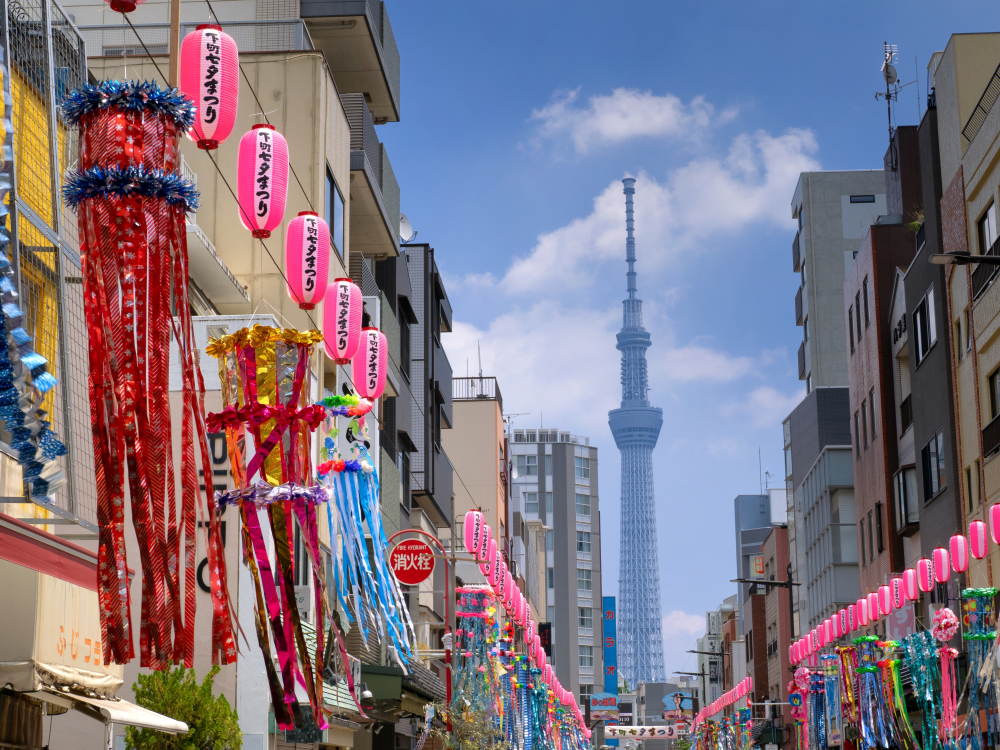
Shitamachi Tanabata Festival – Photo Credit: yoshi0511
Shitamachi Tanabata Festival (下町七夕まつり)
The Shitamachi Tanabata Festival (下町七夕まつり) is one of Tokyo’s most beloved summer celebrations, bringing the spirit of Tanabata (七夕, Star Festival) to the historic neighborhoods between Asakusa and Ueno. During the festival, Kappabashi Hon-dori Street is transformed into a vibrant corridor lined with colorful streamers, elaborate handmade decorations, and bamboo displays adorned with handwritten wishes. Local businesses, community groups, and residents contribute to the festive atmosphere, creating a distinctly neighborhood-centered event that reflects the character of Tokyo’s traditional downtown districts.
Dates: July 3rd – 7th, 2026 (Tanabata decorations), July 4th – 5th, 2026 (main event)
Admission: Free
Location: Kappabashi Hon-dori Shopping Street
Website: https://www.city.taito.lg.jp/event/kanko/shitamathitanabata.html
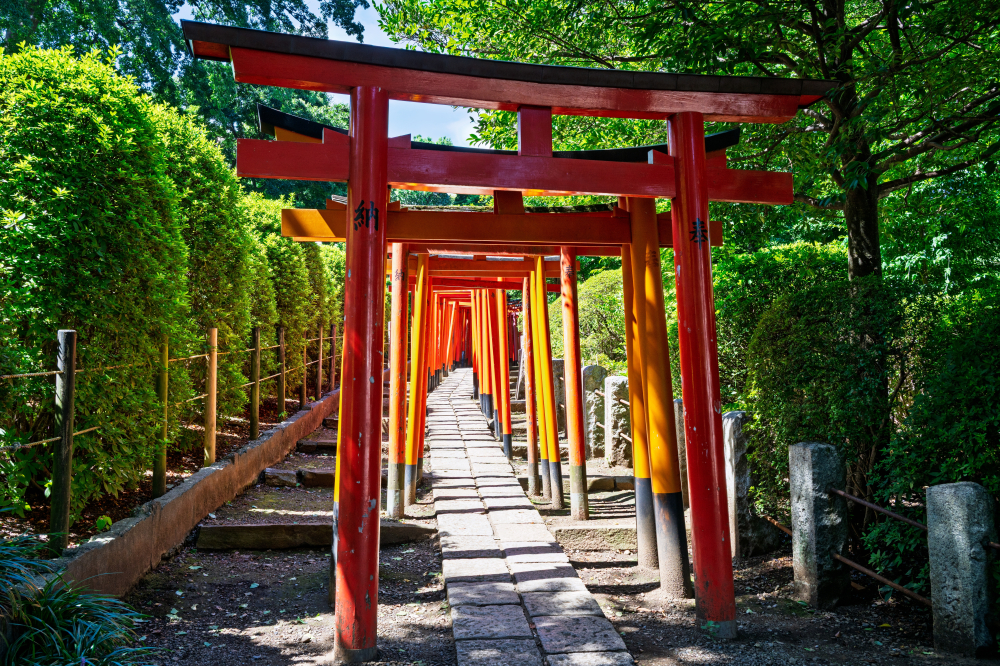
Torii gates at Nezu Shrine – Photo Credit: Alex Fonda
Markets at Nezu Shrine (根津神社)
For travelers seeking a quieter, local side of Tokyo, the Markets at Nezu Shrine (根津神社) blend shopping, history, and community culture within the grounds of one of the city’s oldest shrines. The setting is a major highlight; the shrine, with origins stretching back centuries and buildings dating to the early Edo period, offers visitors the chance to wander beneath vermilion torii gates and admire traditional architecture while browsing stalls. Surrounded by the nostalgic Yanesen area, encompassing Yanaka, Nezu, and Sendagi, the market offers a relaxed, neighborhood-oriented atmosphere that stands in contrast to large commercial shopping districts.
Because vendors and themes vary monthly, each visit offers a fresh experience, with items ranging from antique ceramics and vintage kimonos to handcrafted accessories and unique books. Whether you are a collector looking for specific treasures or a casual visitor hoping to experience everyday life beyond the major tourist hubs, these markets provide an authentic glimpse into old Tokyo. The unique combination of local vendors and a historic shrine setting makes this event a must-visit for anyone looking to explore the character and charm of the city at a leisurely pace.
Dates: July 4, 2026 (first Saturday of every month)
Hours: Typically 10:00 AM – 4:00 PM
Admission: Free
Location: Nezu Shrine
Social Media: https://www.instagram.com/nezu_gm_market/
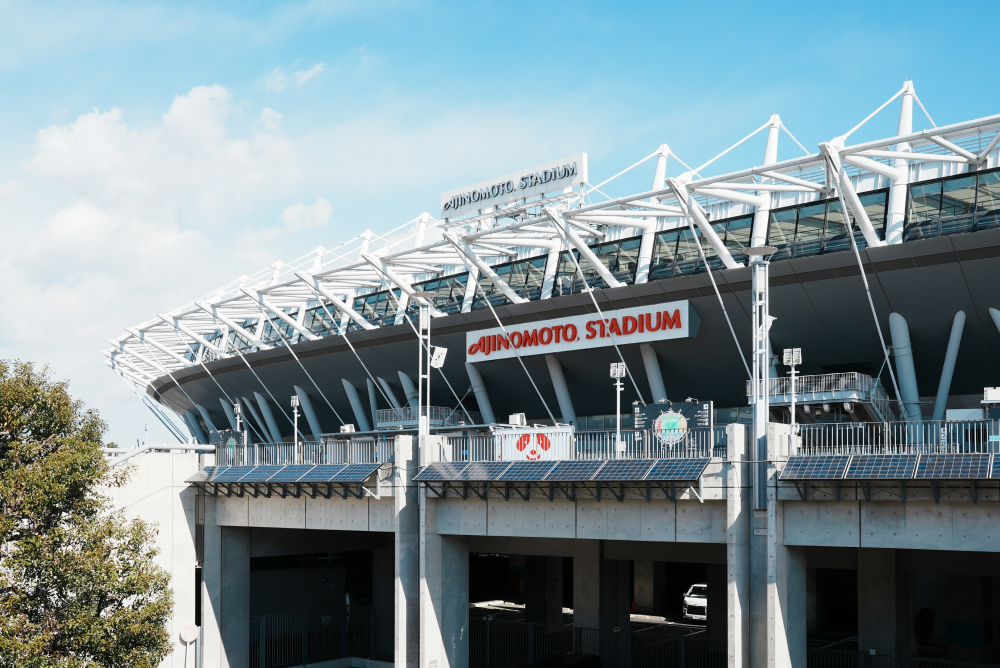
Ajinomoto Stadium – Photo Credit: yu_photo
Ajinomoto Stadium BIG Flea Market
If you’re interested in vintage shopping, local culture, and treasure hunting, the Ajinomoto Stadium BIG Flea Market is for you, being one of the largest flea markets held in the Tokyo area. Hosted at Ajinomoto Stadium in Chofu, the event brings together hundreds of vendors selling everything from second-hand clothing and vintage fashion to antiques, toys, household goods, traditional kimono, handmade crafts, and locally grown produce. The market attracts both professional sellers and local residents alike, creating a lively atmosphere that feels more like a community gathering than a typical shopping event.
Beyond the shopping, visitors can enjoy food trucks, live performances, and family-friendly activities throughout the venue. Because of its size, the market offers a different experience from Tokyo’s smaller neighborhood flea markets, making it an excellent place to browse for unique souvenirs or glimpse everyday life outside the city’s major tourist districts. Located about 25 minutes from Shinjuku by train and a short walk from the nearest station, it is an easy half-day excursion for travelers looking to experience a different side of Tokyo during the summer.
Dates: July 5, 2026
Hours: 10:00 AM – 3:00 PM
Admission: ¥300 (general admission); early entry from 8:00 AM is typically ¥1,000.
Location: Ajinomoto Stadium
Website: https://www2.recycler.jp/hall_detail.php?eventautonum=004260705
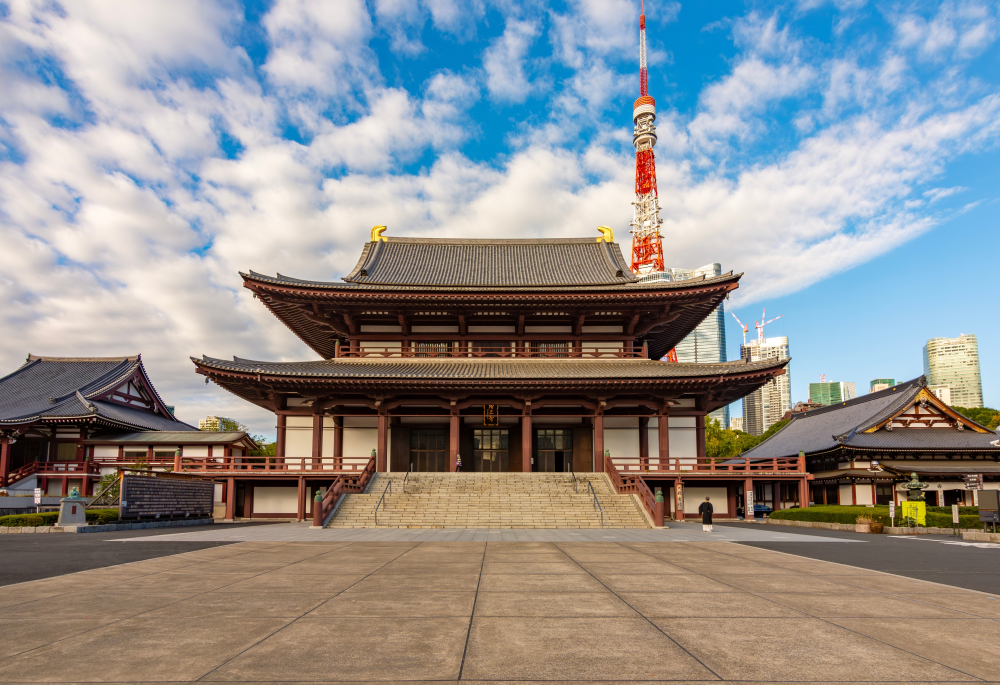
Zojo-ji Temple – Photo Credit: Mistervlad
Zojo-ji Tanabata Seasonal Events
Held during the Tanabata (七夕, Star Festival) season, this special event at Zojoji Temple (増上寺) offers a unique blend of history, spirituality, and modern Tokyo scenery. Founded in the 14th century and closely associated with the Tokugawa shogunate, Zojoji is one of Tokyo’s most important Buddhist temples. During the Tanabata season, the temple grounds are decorated with bamboo branches and colorful wish papers, allowing visitors to participate in a tradition that has been celebrated in Japan for centuries.
What makes this event particularly memorable is its setting. The temple’s historic architecture stands in striking contrast to the nearby silhouette of Tokyo Tower, creating one of the city’s most recognizable and photogenic landscapes. Visitors can stroll through the peaceful grounds, admire seasonal decorations, and experience a quieter side of Tokyo’s summer festivities away from the larger crowds found at major street festivals. The combination of cultural traditions, historical significance, and modern city views makes this a rewarding stop for travelers interested in both Tokyo’s past and present.
Dates: July 6th – 7th, 2026 (for other Tanabata-based celebrations, make sure to check their website)
Admission: Free (some special services may have fees)
Location: Zojo-ji Temple
Website: https://www.zojoji.or.jp/event/ev_tanabata.html
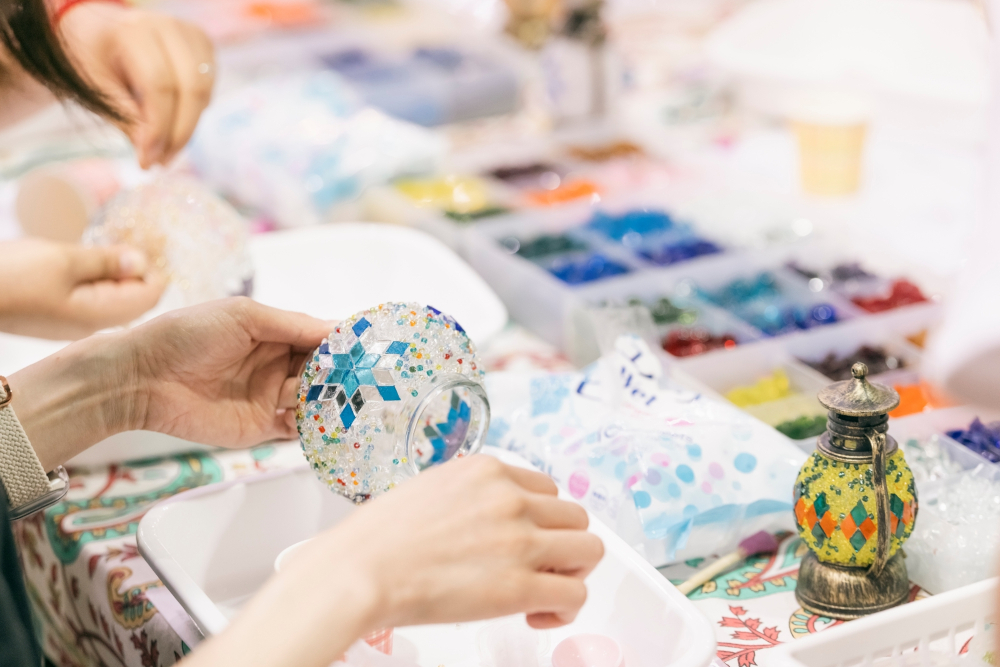
Photo Credit: HandMade in Japan Fes
HandMade in Japan Fes
HandMade in Japan Fes is a massive, creator-focused festival held in Japan twice every year. If you’re looking for a way to directly see creators of all different kinds work and to support them directly, this is the best place to do so. Across two days, there will be markets, workshops, exhibition booths, musical performances, tons of food, and even a professional wrestling show. One of the highlights for the 19th edition of this festival will be the Creema HASHTAG GALLERY, which features a giant capsule toy and workshops for miniature creations. Over 3,000 creators will appear throughout this two-day event, so you’re sure to find something you’ll love here. Support artists and creators directly, and have a blast doing so!
Dates: July 11 – July 12, 2026
Admission: Free
Location: Tokyo Big Sight, West Halls 1 & 2
Website: https://hmj-fes.jp/
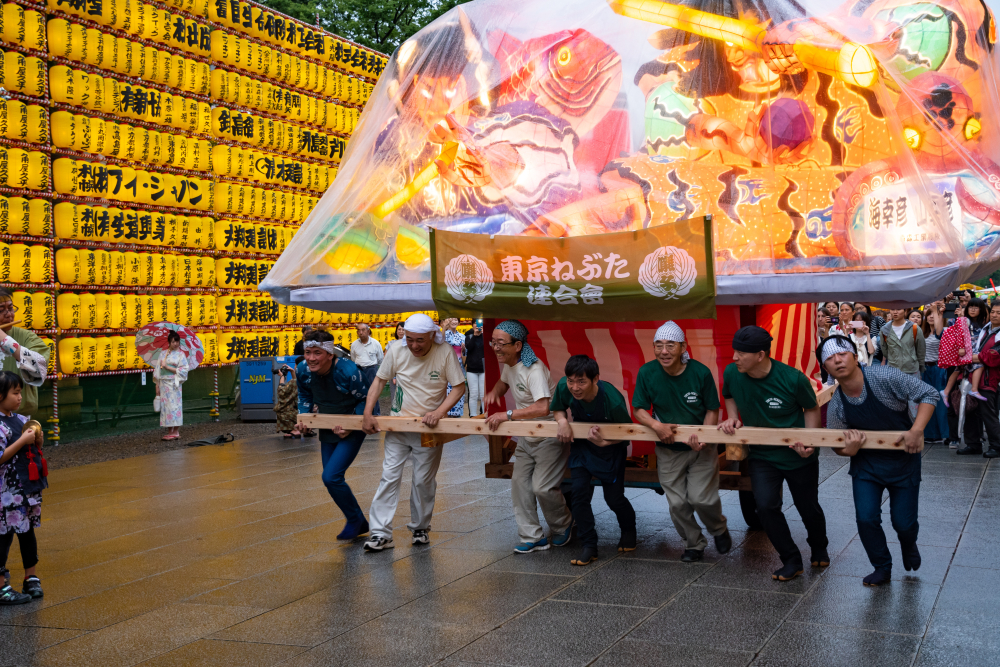
Mitama Matsuri – Photo Credit: Uino
Mitama Matsuri
Mitama Matsuri (みたままつり) is one of Tokyo’s most iconic summer festivals and one of the largest lantern festivals in Japan. Held annually at Yasukuni Shrine (靖国神社), the event transforms the shrine grounds into a breathtaking sea of light as thousands of lanterns illuminate the approach, gates, and surrounding pathways after sunset. The warm glow creates a distinctive atmosphere that blends reverence, tradition, and celebration, drawing visitors from across Japan and around the world.
Originally established to honor the spirits enshrined at Yasukuni Shrine, the festival remains rooted in remembrance while also serving as a major cultural event on Tokyo’s summer calendar. Visitors can enjoy traditional performances, festival food stalls, and evening strolls beneath the lantern-lit displays. Many attendees arrive dressed in yukata (浴衣, light summer kimono), adding to the seasonal ambiance. Whether you are interested in Japanese traditions, photography, or simply experiencing one of Tokyo’s most memorable summer evenings, Mitama Matsuri offers a unique opportunity to see a historic shrine transformed by light and community celebration.
Dates: July 13 – July 16, 2026
Admission: Free
Location: Yasukuni Shrine
Website: https://www.yasukuni.or.jp/
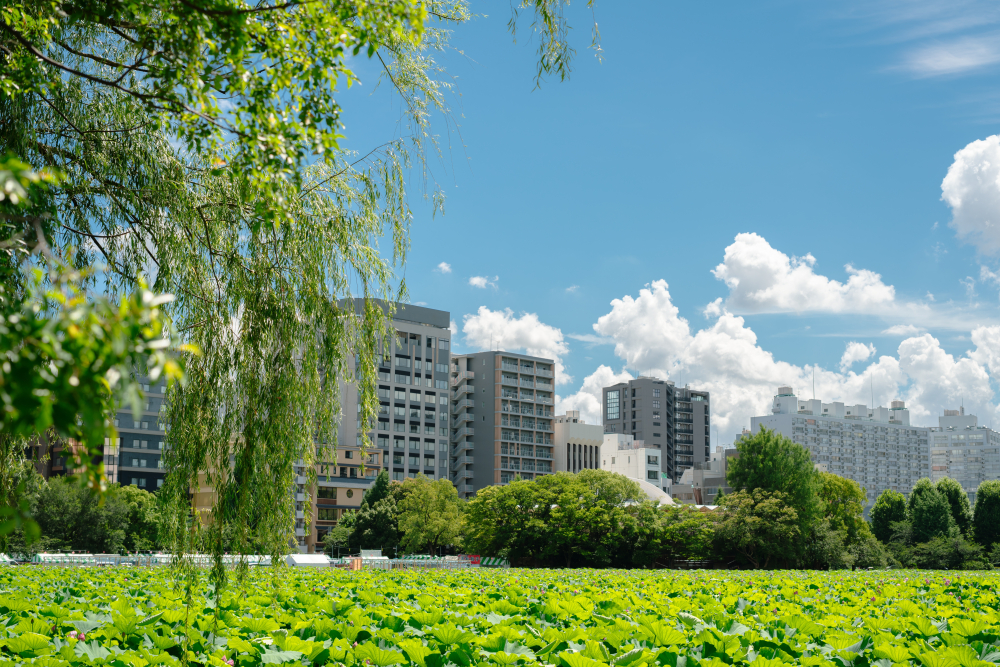
Ueno Park – Photo Credit: Sanga Park
Ueno Summer Festival
The Ueno Summer Festival is a seasonal celebration that brings a variety of cultural events and entertainment to Ueno Park (上野恩賜公園), one of Tokyo’s most popular public spaces. Spanning several weeks during the summer, the festival typically features traditional Bon Odori (盆踊り) performances, live music, food vendors, and community activities that create a lively atmosphere throughout the park. The event attracts both locals and visitors, making it an excellent opportunity to experience Japanese summer traditions in a welcoming and accessible setting.
Dates: Mid-July – early August 2026 (official dates TBC, program varies by year)
Admission: Free
Location: Ueno Park
Website: https://www.ueno.or.jp/
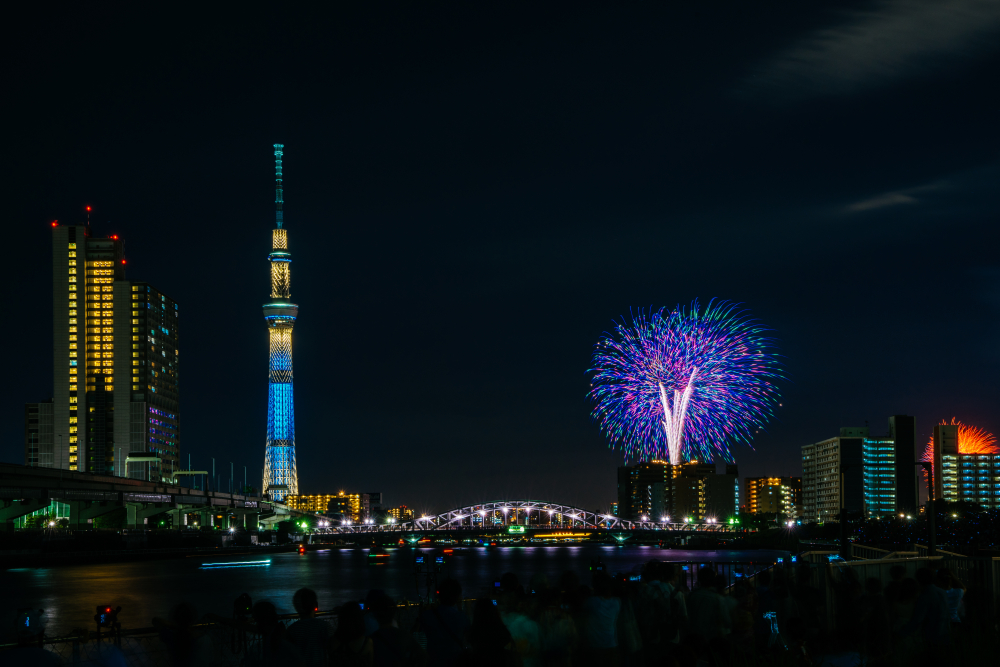
Sumida River Fireworks Festival – Photo Credit: Hsiun
Sumida River Fireworks Festival (隅田川花火大会)
The Sumida River Fireworks Festival (隅田川花火大会) is Tokyo’s most famous fireworks event and one of the largest and oldest fireworks festivals in Japan. Held along the banks of the Sumida River, the festival traces its origins to the Edo period, when fireworks displays were organized as both entertainment and memorial events. Today, it remains one of the defining traditions of summer in the capital, attracting hundreds of thousands of spectators to the Asakusa and Tokyo Skytree areas each year.
During the festival, approximately 20,000 fireworks are launched from multiple sites along the river, illuminating the night sky with an impressive variety of colors, patterns, and choreographed displays. The surrounding neighborhoods come alive with festival food stalls, visitors dressed in yukata (浴衣, light summer kimono), and a festive atmosphere that extends well beyond the riverbanks. Popular viewing locations include Sumida Park, the Asakusa waterfront, and areas near Tokyo Skytree, all of which offer memorable perspectives of the show. For many locals and visitors alike, the Sumida River Fireworks Festival represents the height of Tokyo’s summer season and provides an unforgettable glimpse into one of Japan’s most cherished seasonal traditions.
Dates: July 25th, 2026
Admission: Free public viewing areas (some reserved seating available)
Location: Sumida River
Website: https://www.sumidagawa-hanabi.com/
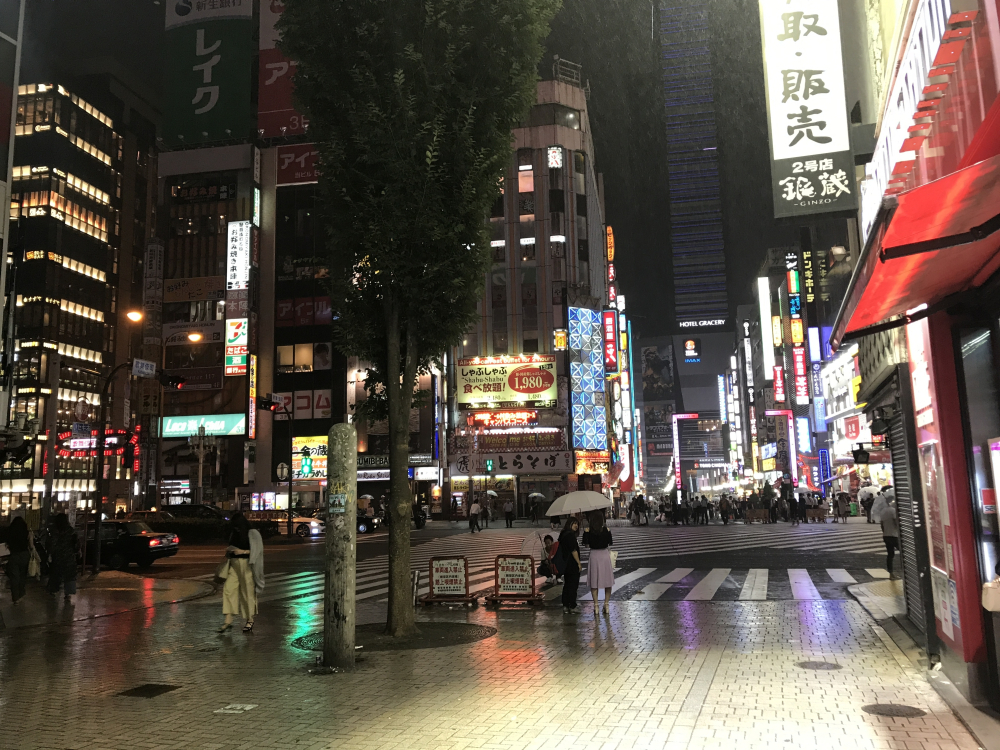
Rainy night in Tokyo during July – Photo Credit: anhtokyo
Day Trips from Tokyo
If you want a break from the heat, consider some short escapes out of the capital:
- Nikko for cooler mountain air and shrines
- Kamakura for beaches and historical temples
- Mount Takao for hiking and forest shade
Tokyo in July 2026 is a city in motion, shaped by heat, light, and celebration. From lantern-lit shrine festivals to riverside fireworks and quiet museum escapes, the month offers a balance of intensity and calm. If you plan well, avoid midday heat, and embrace the rhythm of summer nights, July becomes one of the most rewarding times to experience Tokyo’s culture at its most alive. Whether you are a first-time visitor or a returning traveler, the unique energy of the season promises unforgettable memories. Soak in the vibrancy of the streets and let the city’s seasonal charm guide your adventures.
Please note: Event dates, times, and details are subject to change, sometimes with little or no notice. We recommend checking the official websites or social media channels of each venue or event organizer for the most up-to-date information before you visit.
Featured Photo Credit: aiyoshi597
Summertime in Japan can be one of the most underrated times of year to experience this great country. If you want to jump in on the trend and discover what July and August have to offer, make sure to check out our recommended Summer Tours and start your next adventure today!
0
shares
Book your pocket wifi now to stay connected through your entire Japan Journey!

Be sure to get the JR Pass to make navigating Japan during your trip that much easier!
YOU MIGHT ALSO LIKE