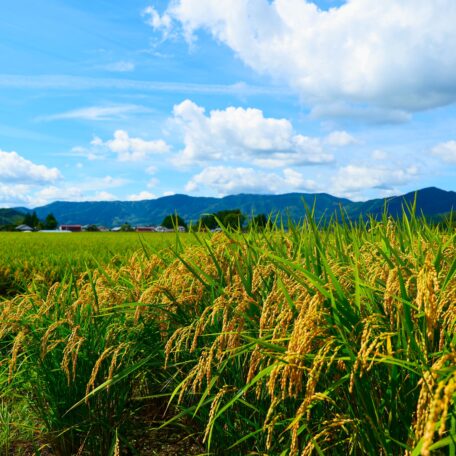
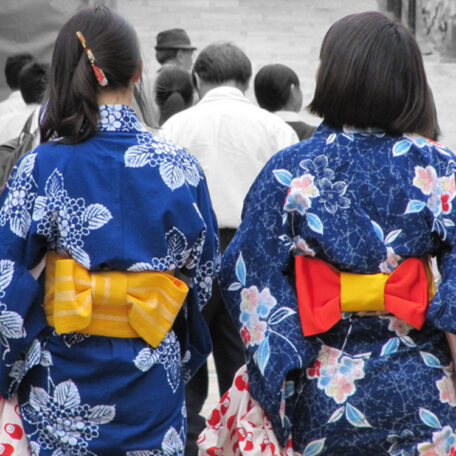
Women in Tea: Tradition, Innovation, and Fortitude in Japan
Mar 21, 2026
BY Brad Stephens
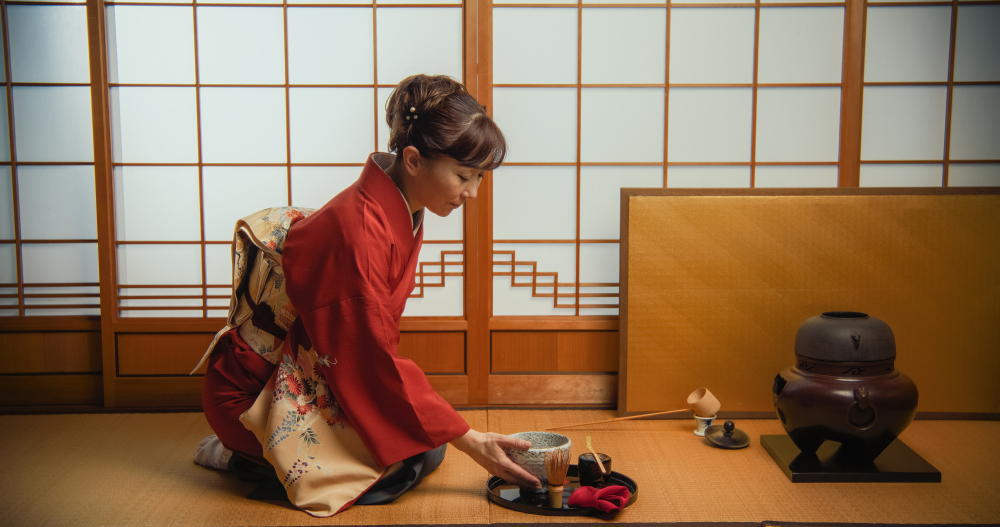
Tea has long been woven into Japan’s daily life, spiritual practice, and seasons. From carefully tended fields to intimate tearooms, tea culture reflects patience, skill, and attention to detail. While historical records often focus on male tea masters and scholars, women have always played an essential role in sustaining, shaping, and reimagining the world of Japanese tea. Today, women across Japan continue to protect tradition while introducing new forms of expression that connect tea to contemporary life.
This is a story of those women. Farmers, artists, practitioners, and innovators who work quietly and passionately in a field rooted in centuries of history.
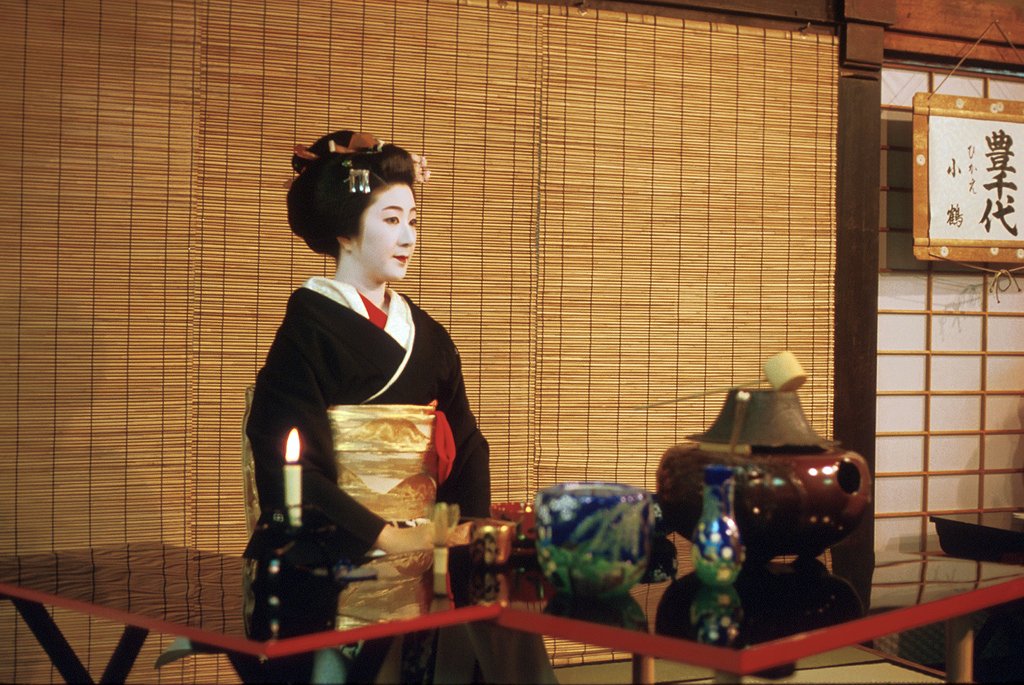
Geisha tea ceremony – Photo Credit: Ad Blankestijn
Women and tea in historical context
Tea arrived in Japan in the early ninth century, but its cultural foundation was shaped centuries later through Zen Buddhism and formalized practice. The codified tea ceremony, known as chanoyu (茶の湯, Japanese tea ceremony), developed within a male-dominated social structure. Despite this, women were deeply involved behind the scenes. They cultivated tea, managed households where tea gatherings were held, and preserved etiquette and seasonal customs across generations.
By the Edo period, women increasingly studied tea as part of cultural education, particularly in samurai and merchant households. Tea practice became both an artistic pursuit and a social skill. While women were often excluded from public recognition, they ensured continuity, teaching children and maintaining traditions within the home.
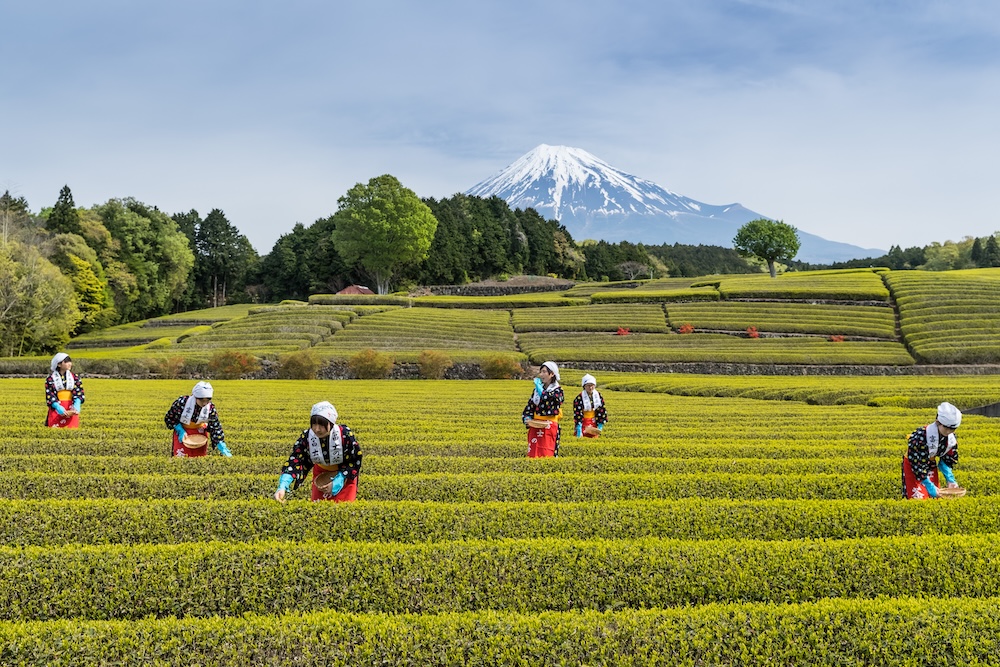
Women in traditional tea picking costumes picking tea leaves – Photo Credit: Sakarin Sawasdinaka
Women in the tea fields
In modern Japan, women are increasingly visible as tea farmers and producers. In regions such as Shizuoka, Kagoshima, and Uji, women manage family-run farms, oversee production, and lead branding and export efforts.
Tea cultivation demands careful observation of weather, soil, and seasonal timing. Many women bring a holistic approach that blends agricultural knowledge with environmental awareness. They are often responsible for processing decisions that affect aroma, flavor, and texture, especially for green teas such as sencha and matcha.
In rural areas, women also play a crucial role in sustaining local communities by balancing farm work with education, tourism initiatives, and direct-to-consumer sales. Their work ensures that tea culture remains viable in an era of aging populations and changing consumption habits.
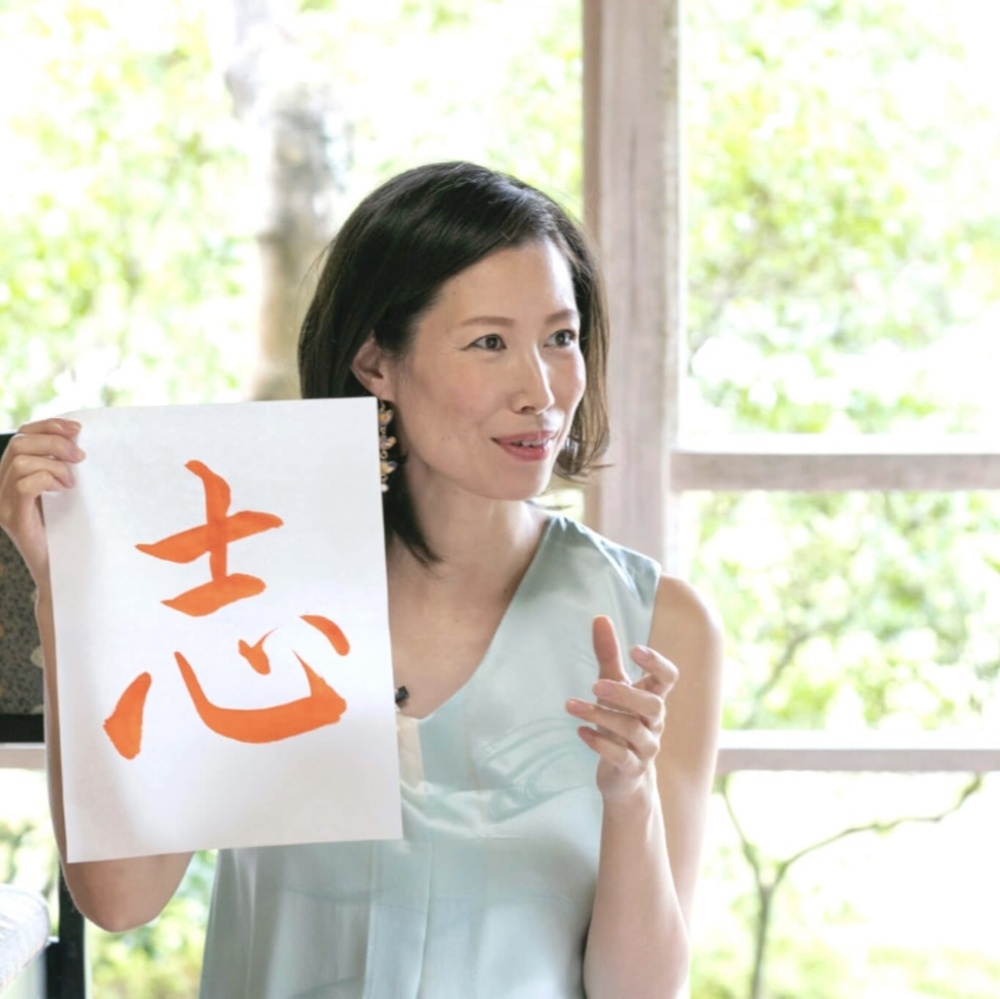
Shoran – Photo Credit: Shoran
Shoran and matcha as living art
One powerful example of contemporary innovation is Shoran, a matcha calligraphy artist based in the Suruga region of Shizuoka Prefecture. Rather than using ink, Shoran creates calligraphy with matcha, transforming tea into both medium and message.
Her work connects multiple traditions. Calligraphy, tea, and mindfulness come together in a single act. Each piece emphasizes impermanence, texture, and movement, qualities shared by both tea preparation and brushwork. The use of matcha highlights tea not only as something to be consumed, but as a cultural material with visual and spiritual presence.
Through demonstrations and performances, including features on video platforms, Shoran introduces tea culture to new audiences while remaining deeply respectful of its roots. Her work shows how women are expanding tea culture beyond established forms without losing its essence.
You can learn more about Shoran down below:
YouTube: Heroes of Suruga: Shoran – a Japanese calligrapher who uses matcha tea in her art
Instagram: https://www.instagram.com/shoran720/
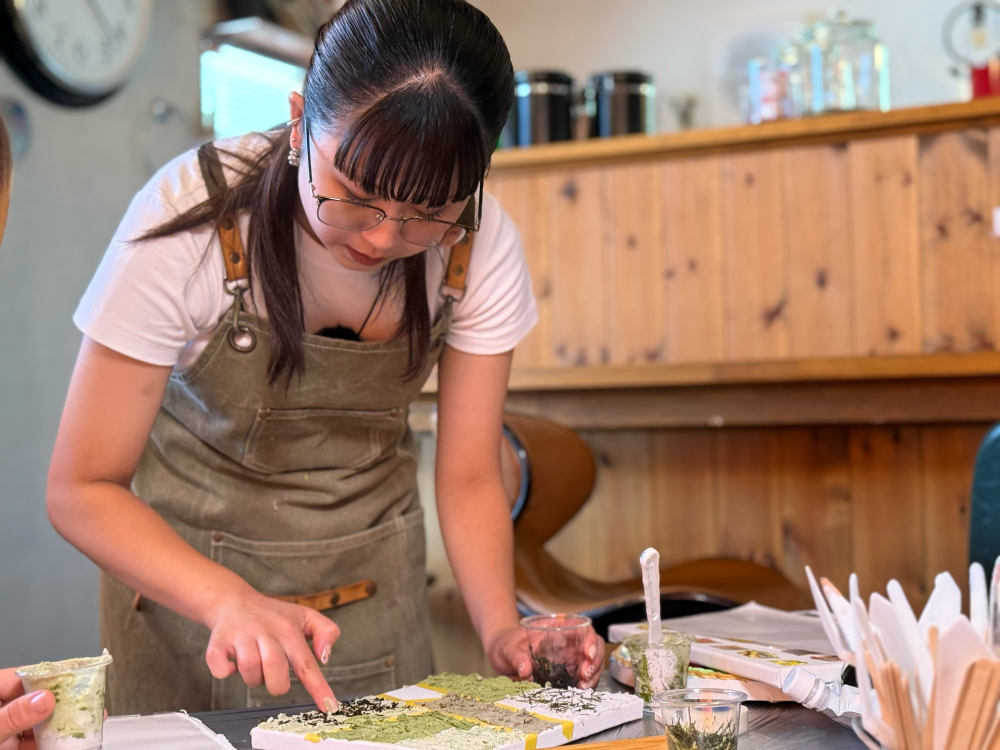
Tazawa san – Photo Credit: Arigato Travel
Tazawa san and tea as everyday creativity
Another example of innovation within Suruga’s vast tea world can be found with Anri Tazawa san, an artist and cafe owner based in Shizuoka City. Inspired by her grandmother and her connection to tea, Tazawa san combines art, hospitality, and tea to create experiences that bring creativity and tradition into the modern, everyday life.
Her processes at Cafe en connect multiple elements in perfect harmony. Guests can enjoy tea not only as part of the cafe menu, but also by using it as part of hands-on art activities. By repurposing tea that is otherwise destined to be discarded, she transforms it into a creative material she uses in her texturized art pieces, highlighting the plant’s subtle variations through color and transition.
Through these experiences, she introduces tea culture in a more interactive, accessible, and visually appealing way. Her work shows how women are expanding the world of tea far beyond the traditional settings while still maintaining the strong connection to its roots.
Learn more about Tazawa here:
YouTube: Heroes of Suruga: Anri Tazawa – a Japanese artist who incorporates tea into her art
Instagram: https://www.instagram.com/en_workshop50/
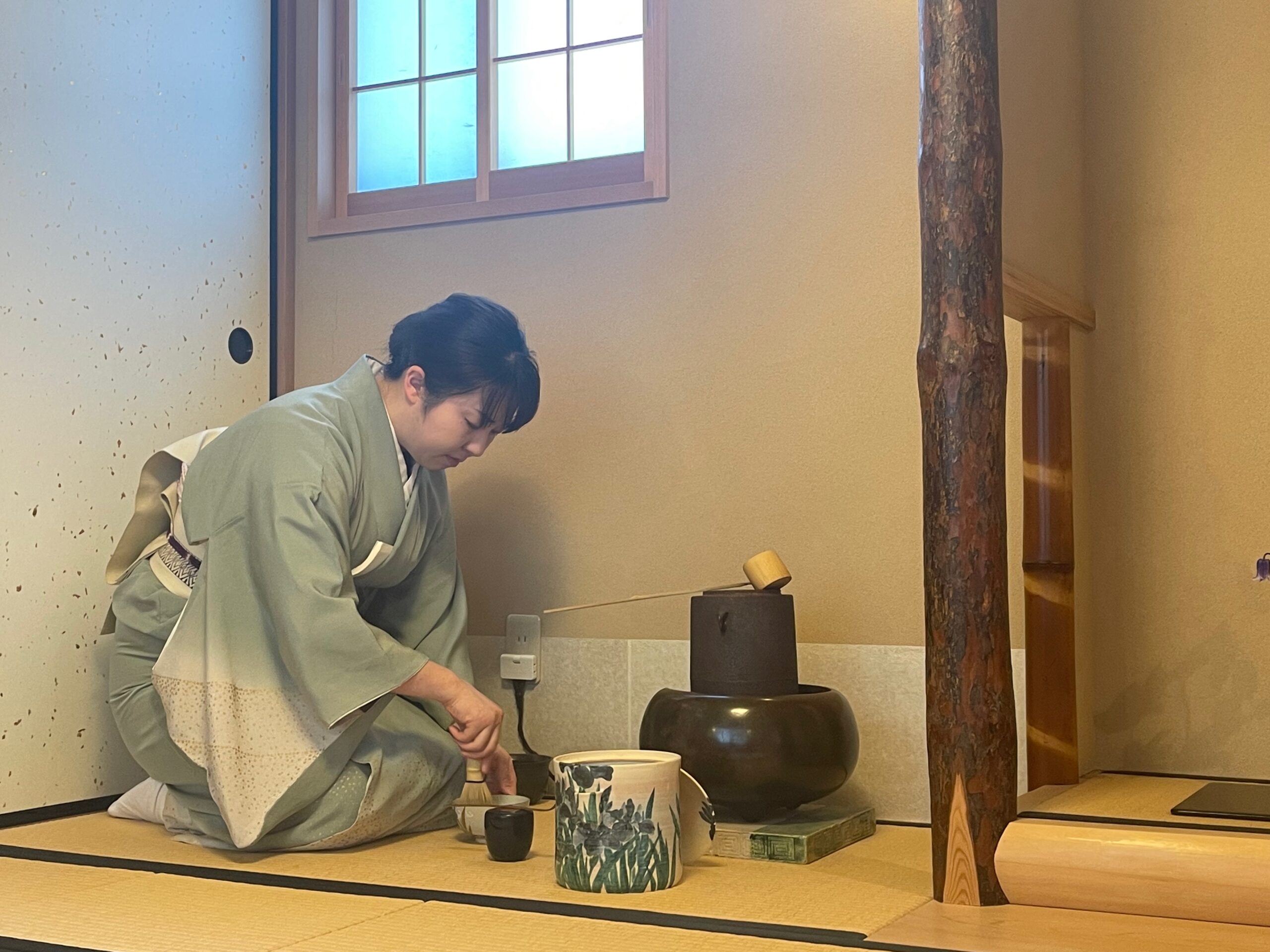
Tea Ceremony at Gallery Okubo – Photo Credit: Arigato Travel
Atsuko and tea in cultural experiences
A different, more personal, and welcoming approach to tea culture can be found in Atsuko at Gallery Okubo in Tokyo’s Yanaka district. Building on a family legacy that dates back to 1913, she creates a space where Japan’s beloved traditional tea practices can be enjoyed in a relaxed and accessible way.
Gallery Okubo’s beautiful design seamlessly brings together history and modern comfort. Here, guests can experience matcha in a traditional tea room setting, with more accessible and comfortable seating options, as opposed to the formal seating position, which can often be uncomfortable for visitors. The whole experience is made even more personal and unique by allowing guests to choose their own tea bowl, each of which is a carefully preserved antique.
Through this balance of tradition and accessibility, Atsuko opens the world of tea for all to enjoy, no matter where they come from. Her work shows us how tea culture can be shared across cultures, inviting everyone to connect with its beauty, history, and seasonal depth in a way that feels both comfortable and respectful to its roots.
Join our Old Town Yanaka Food Tour to experience Gallery Okubo for yourself!
Learn more about Atsuko and Gallery Okubo here:
Website: https://gallery-okubo.tokyo/english_information/
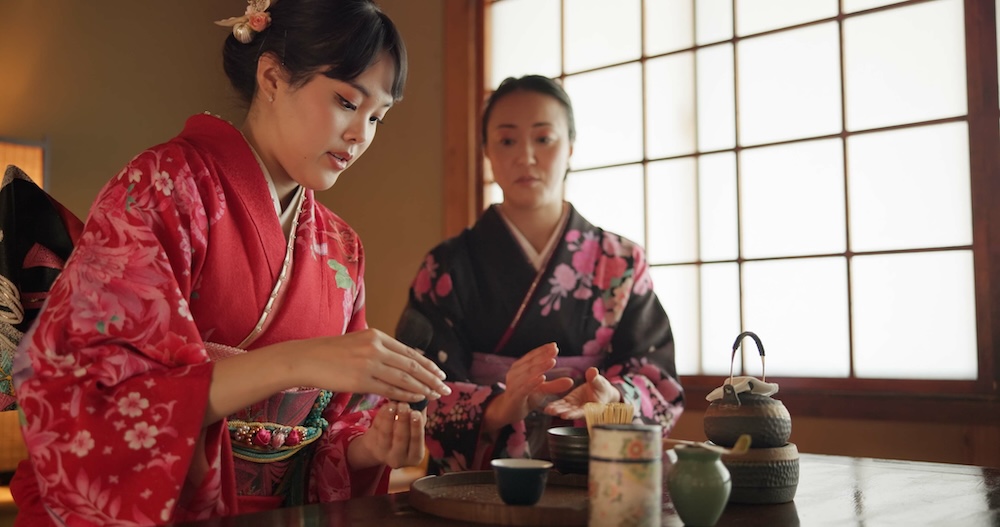
Women in kimono at a traditional tea ceremony – Photo Credit: PeopleImages
Women in tea practice and education
Today, many tea instructors and practitioners are women. They teach tea ceremonies in community centers, cultural institutions, and private homes, often adapting lessons for international audiences. Their approach tends to emphasize accessibility and emotional connection rather than rigid formality.
Some women-led tea schools focus on seasonal awareness, hospitality, and daily mindfulness rather than mastery alone. This reflects a broader shift in how tea is practiced and shared, especially among younger generations and visitors from abroad.
Women are also active as translators, writers, and curators who explain tea culture in clear and engaging ways. Their work bridges cultural gaps and allows tea to be appreciated beyond technical knowledge.
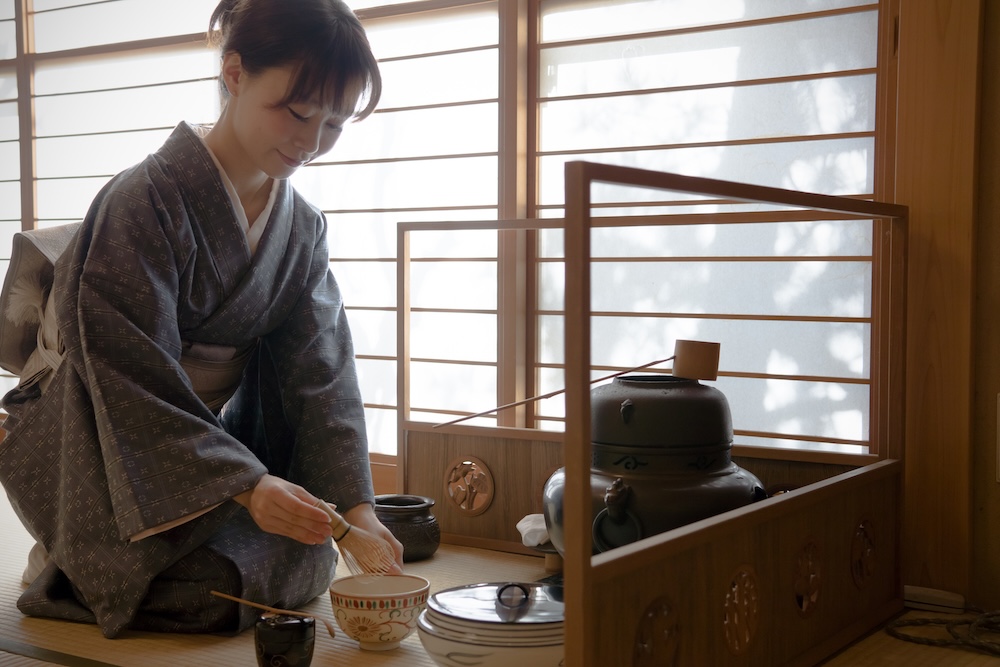
Preparing tea – Photo Credit: dach_chan
New voices in tea and storytelling
Beyond fields and tearooms, women are reshaping how tea is communicated. They run tea-focused cafes, create educational content, and collaborate with artists, chefs, and designers. These efforts place tea within broader conversations about wellness, sustainability, and creativity.
Many women emphasize the sensory and emotional aspects of tea. Aroma, color, sound, and quiet moments become central themes. This perspective resonates strongly with contemporary audiences seeking slower, more intentional experiences.
Seasonality also plays an important role. Spring harvests, summer cooling teas, autumn reflection, and winter warmth all provide a narrative rhythm that aligns naturally with storytelling led by women in the tea world.
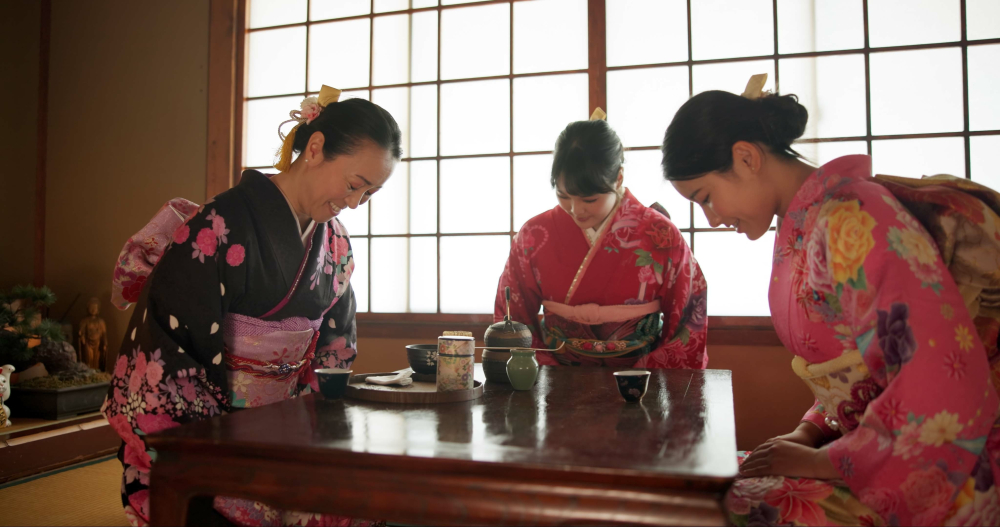
Bowing before tea ceremony – Photo Credit: PeopleImages
Why women’s voices matter in tea today
Tea culture survives because it adapts. Women have always been part of that adaptation, even when their names were not recorded. Today, they are increasingly visible as leaders, creators, and educators.
From tea fields to artistic expression, women continue to expand what tea can mean while honoring what it has always represented. Care, balance, and respect for time and nature.
As March is celebrated as Women’s History Month in the United States and includes International Women’s Day, observed worldwide, tea offers a quiet yet powerful lens through which to honor women’s contributions. Each bowl, each leaf, and each gesture carries stories shaped by women across generations, continuing to unfold with every season.
Featured Photo Credit: Kitreel
To honor the women shaping Japan’s tea heritage, join one of our Green Tea Experiences on your next trip. Enjoy authentic tea and local cuisine alongside the practitioners preserving this tradition.
PIN THIS FOR LATER
Book your pocket wifi now to stay connected through your entire Japan Journey!

Be sure to get the JR Pass to make navigating Japan during your trip that much easier!

YOU MIGHT ALSO LIKE