Yukata 101: The Ultimate Guide to Japan’s Iconic Summer Outfit
Aug 11, 2026
BY Isis McDowell
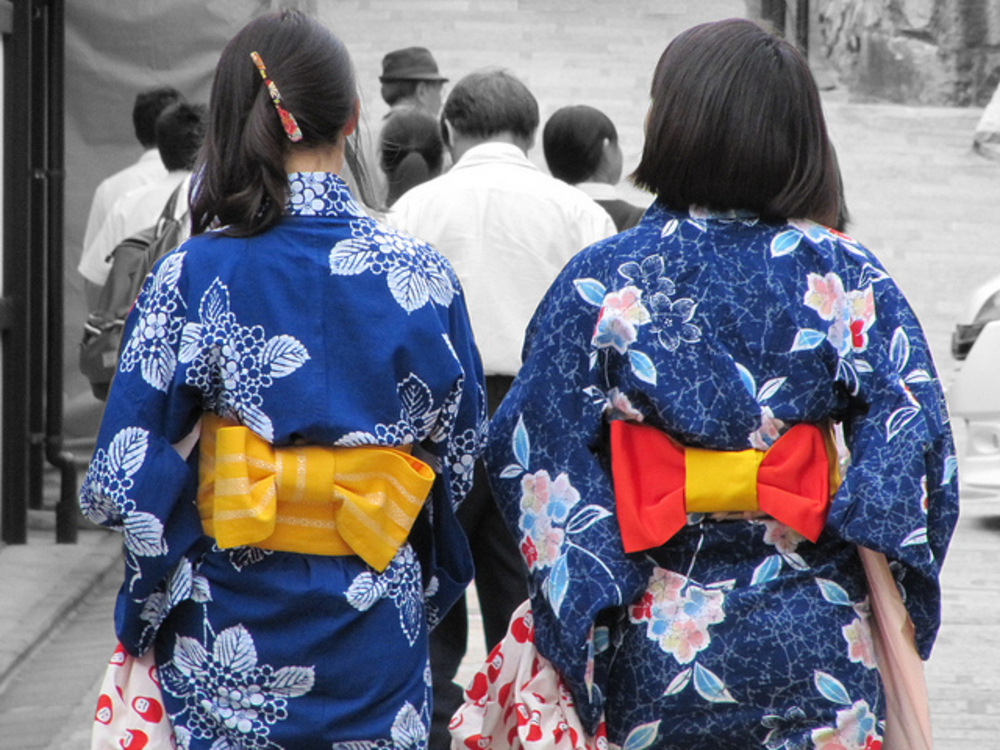
You know summer has begun in Japan once people start to wear yukata.
As festival season approaches, evenings start to feel extra special. Streets glow with lanterns, the scent of grilled food from nearby stalls, and of course the colorful yukata and the signature clack clack of geta sandals against pavement.
Yukata are now one of the fashion symbols of Japanese summers, but it wasn’t always like that.
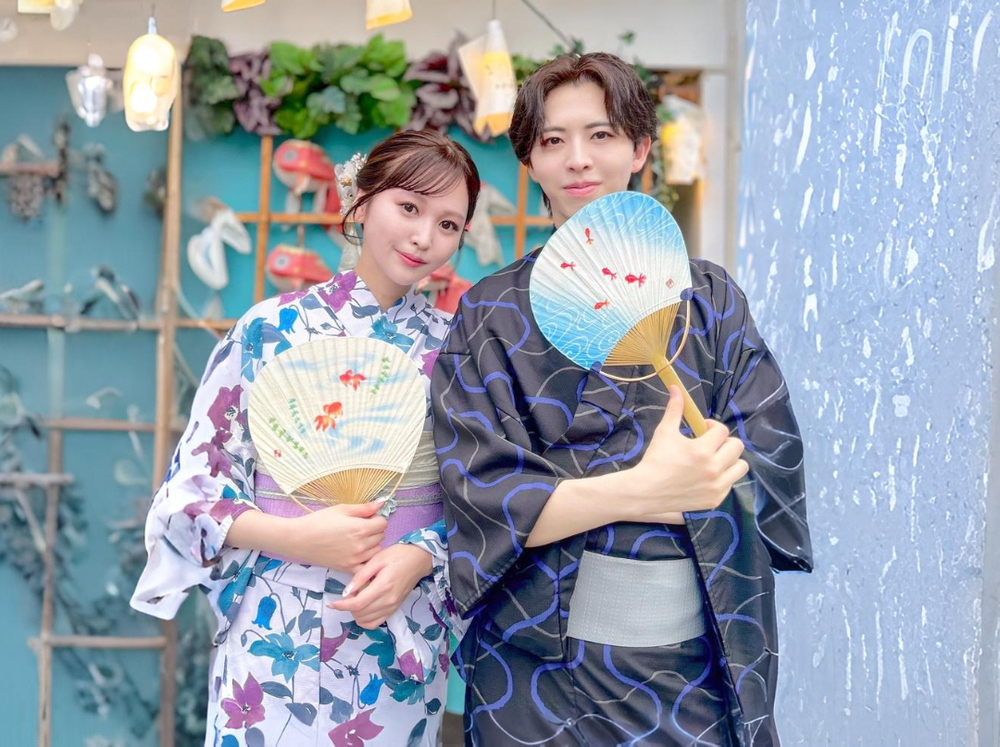
Men’s and women’s yukata – Photo Credit: WAmazing
In the past, they were mainly worn by the nobility as bath robes; however, over the years materials and fabrics became more accessible. What began as a practical clothing item became a fashionable attire for summer celebrations as well as casual bath wear.
At first glance, yukata and kimono share many similarities. Both feature elegant wrapped silhouettes, wide sleeves, and traditional Japanese craftsmanship. However, several details distinguish the two.
Yukata are made from lightweight fabrics and are intentionally designed for warm weather. They are usually unlined, making them more breathable and easier to wear. The collar lies flatter against the body, and the overall styling is simpler and less formal.
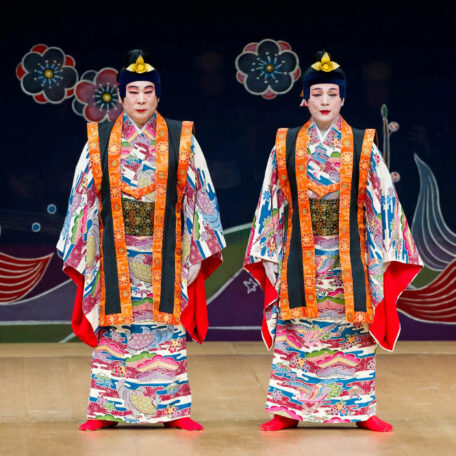
Kimono, by contrast, are often made from heavier materials and may include multiple layers. Their structured collars stand more prominently, and they are typically worn during important ceremonies and celebrations.
For many people, a yukata offers an accessible introduction to traditional Japanese dress without the complexity of formal kimono styling.
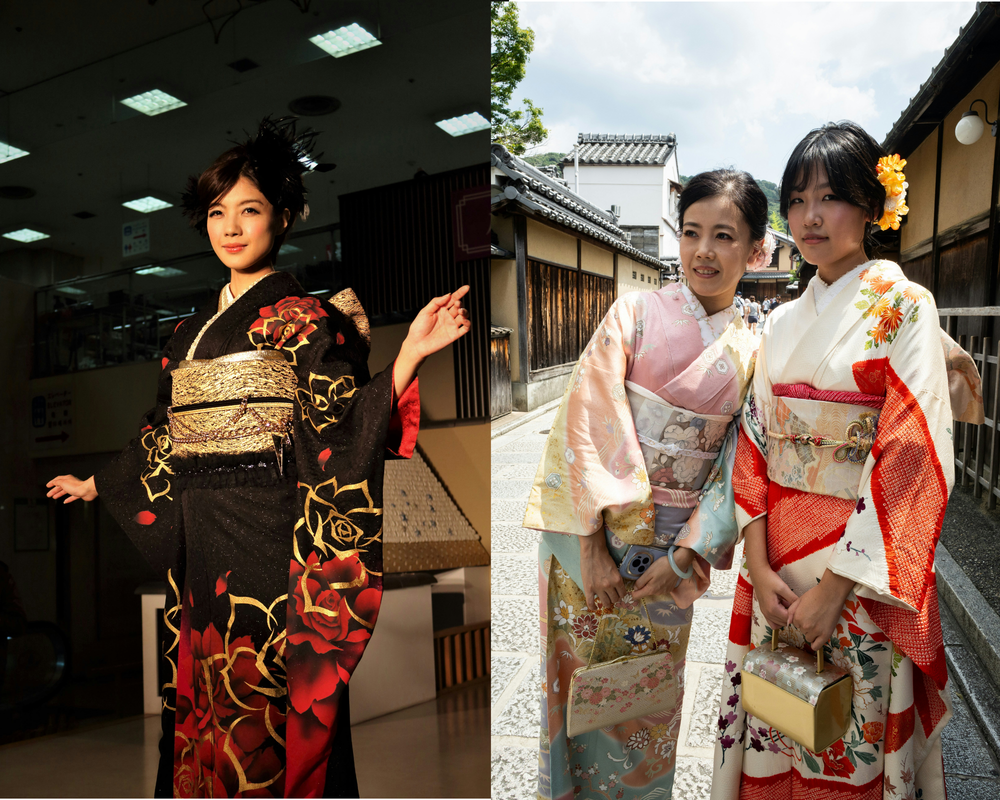
Left kimono – Photo Credit: Stefan K, Right yukata – Photo Credit: Emanuele Ricciardi
The main garment is wrapped around the body and secured with an obi, a decorative sash tied around the waist. The way the garment is wrapped is particularly important: the left side should always be folded over the right. Reversing this order is traditionally reserved for funeral attire.
Yukata are often paired with geta, traditional wooden sandals that create the distinctive clicking sound associated with summer festivals. Some people also wear tabi socks, although many choose to wear geta barefoot during warmer months.
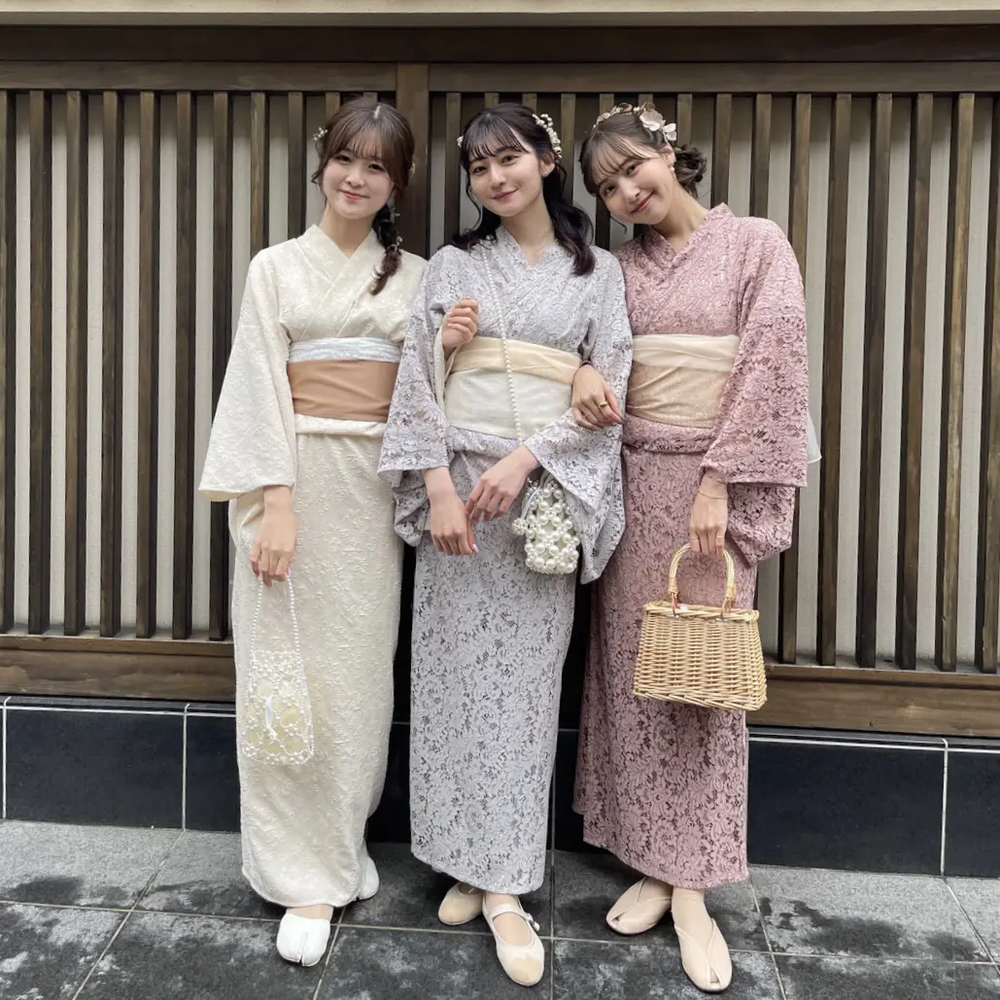
Lace yukata – Photo Credit: 京都着物レンタル梨花和服
Accessories add another layer of personality. Kinchaku drawstring bags, folding fans, decorative hairpins, and seasonal jewelry are all popular additions. Modern fashion trends have also introduced lace accessories, contemporary handbags, and creative hairstyles that blend tradition with personal style.
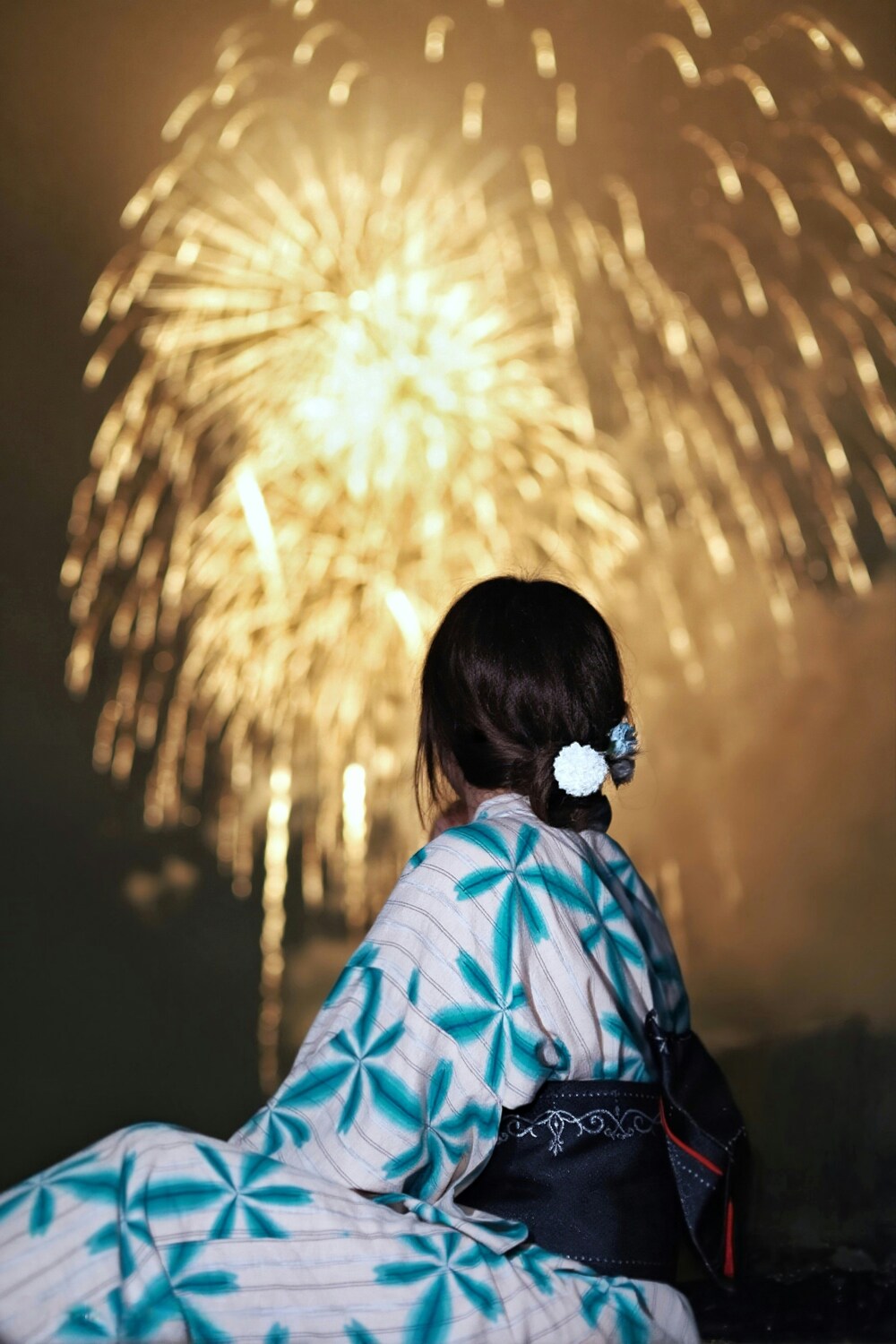
Wearing yukata watching fireworks – Photo Credit: di ep zader
For travelers visiting Japan during summer, wearing one can offer an immersive way to connect with the season. Rental shops across the country make the experience accessible and personable, with many shops offering a wide variety of fabrics and accessories to choose from.
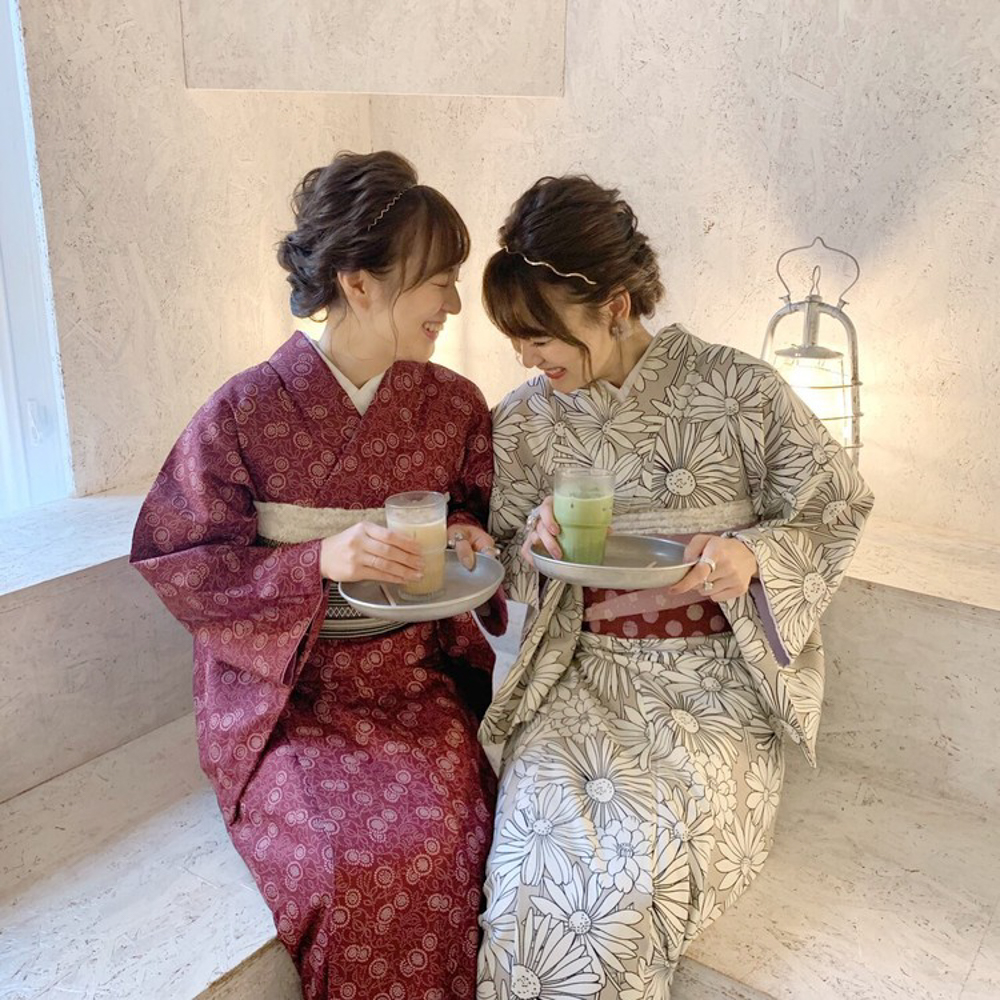
Rikawafuku Kimono rental – Photo Credit: e-asakusa.jp
Where to rent or buy a yukata
If you’re inspired to experience summer in Japan while wearing a yukata, these popular rental shops are excellent places to begin.
Tokyo
VASARA Kimono Rental
With multiple locations throughout Tokyo, including Asakusa, VASARA offers a wide variety of yukata styles, English-language support, and convenient rental packages for visitors.
Website: https://en.vasara-h.co.jp/
Address: 1 Chome-1-11 Asakusa, Taito City, Tokyo 111-0032 (Sensō-ji Store)
Rikawafuku Kimono Rental Asakusa
Known for its extensive selection and friendly service, Ookini is a popular choice for travelers exploring Tokyo’s historic districts.
Website: https://ewha-yifu.com/en/
Address: 〒111-0034 Tokyo, Taito City, Kaminarimon, 2 Chome−16−9 HULIC&New雷門 6F
Sakaeya Kimono (Harajuku)
A long-running, family-owned kimono shop near Harajuku, Sakaeya is well known among international visitors for its approachable selection of yukata and English-friendly service. They carry both traditional and modern designs and are particularly welcoming to first-time buyers.
Website: https://sakaeya.co.jp/en/
Address: 〒150-0001 Tokyo, Shibuya, Jingumae, 1 Chome−20−4 (Open by appointment)
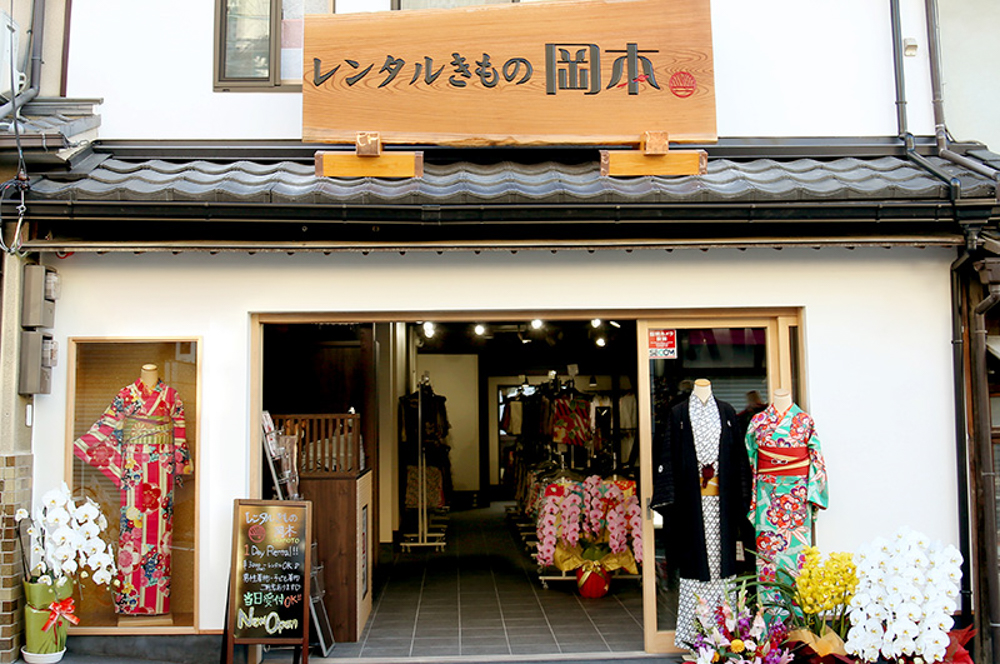
Rental shop Okamoto – Photo Credit: Rental Kimono Okamoto
Kyoto
Rental Kimono Okamoto
One of Kyoto’s most well-known rental providers, Okamoto offers hundreds of styles and multiple locations near famous attractions such as Gion and Kiyomizu-dera.
Website: https://www.okamoto-kimono-en.com/
Address: 6 Chome-531 Gojobashihigashi, Higashiyama Ward, Kyoto, 605-0846 (Main Shop)
Yumeyakata
A long-standing favorite among international visitors, Yumeyakata provides a large selection of yukata and optional hairstyling services.
Website: https://www.kyoto.yumeyakata.com/?utm_source=google&utm_medium=maps&utm_id=formal_map
Address: 〒600-8103 Kyoto, Shimogyo Ward, Shiogamacho, 353 豊彩ビル 2階
Musubi Kyoto Sanjo-Shinkyogoku Store
Located in central Kyoto near the bustling shopping arcades, Musubi Kyoto specializes in kimono and yukata for both locals and visitors. Travelers often praise the shop for its wide selection of styles and reasonable prices, making it an excellent place to purchase a wearable souvenir from Japan.
Website: https://www.kimono-musubi.jp/
Address: 〒604-8091 Kyoto, Nakagyo Ward, Shimohonnojimaecho, 515
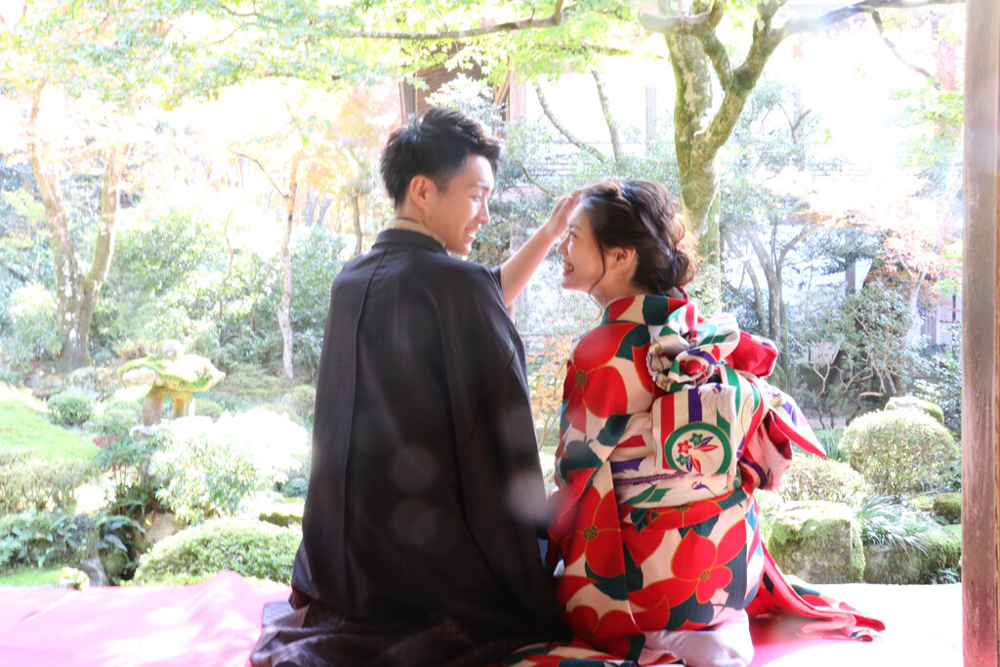
Wargo Osaka couples kimono set – Photo Credit: OSAKA-INFO
Osaka
Ouka Kimono
Offering multilingual support and a wide range of traditional and contemporary styles, Ouka makes it easy for visitors to enjoy a complete yukata experience.
Website: https://oukakimono.com/en/
Address: 〒542-0073 Osaka, Chuo Ward, Nipponbashi, 1 Chome−18−14 18 7階
Wargo Osaka
Popular for its fashionable designs and modern styling options, Wargo appeals to travelers looking for a contemporary take on traditional dress.
Website: https://kyotokimonorental.com/en/
Address: 〒542-0085 Osaka, Chuo Ward, Shinsaibashisuji, 2 Chome−3−27 心央ビル 3階
Hankyu Umeda Main Store Kimono Section
For travelers seeking quality and convenience, the kimono floor at Osaka’s famous department store is an excellent option. Department stores in Japan often carry seasonal yukata collections from established makers, and staff can assist with selecting accessories such as obi and geta. Travelers and locals alike frequently recommend Osaka’s major department stores for purchasing high-quality yukata.
Website: https://www.hankyu-dept.co.jp/honten/
Address: 8-7 Kakudacho, Kita Ward, Osaka, 530-8350
More than just a piece of clothing, the yukata represents the joy, nostalgia, and community spirit of summer in Japan. It connects centuries of history with modern self-expression, bringing people together through festivals, fireworks, and seasonal celebrations.
Featured Photo Credit: H&R Consultants
Start planning your personalized seasonal getaway by visiting our Tailored Travel Page, where our local experts will arrange your complete custom itinerary, including professional yukata fittings and local summer festival guides.
To explore even more unique ways to connect with local Japanese culture and wellness during your trip, make sure to check out our Fashion, Beauty, and Wellness Tours as well!
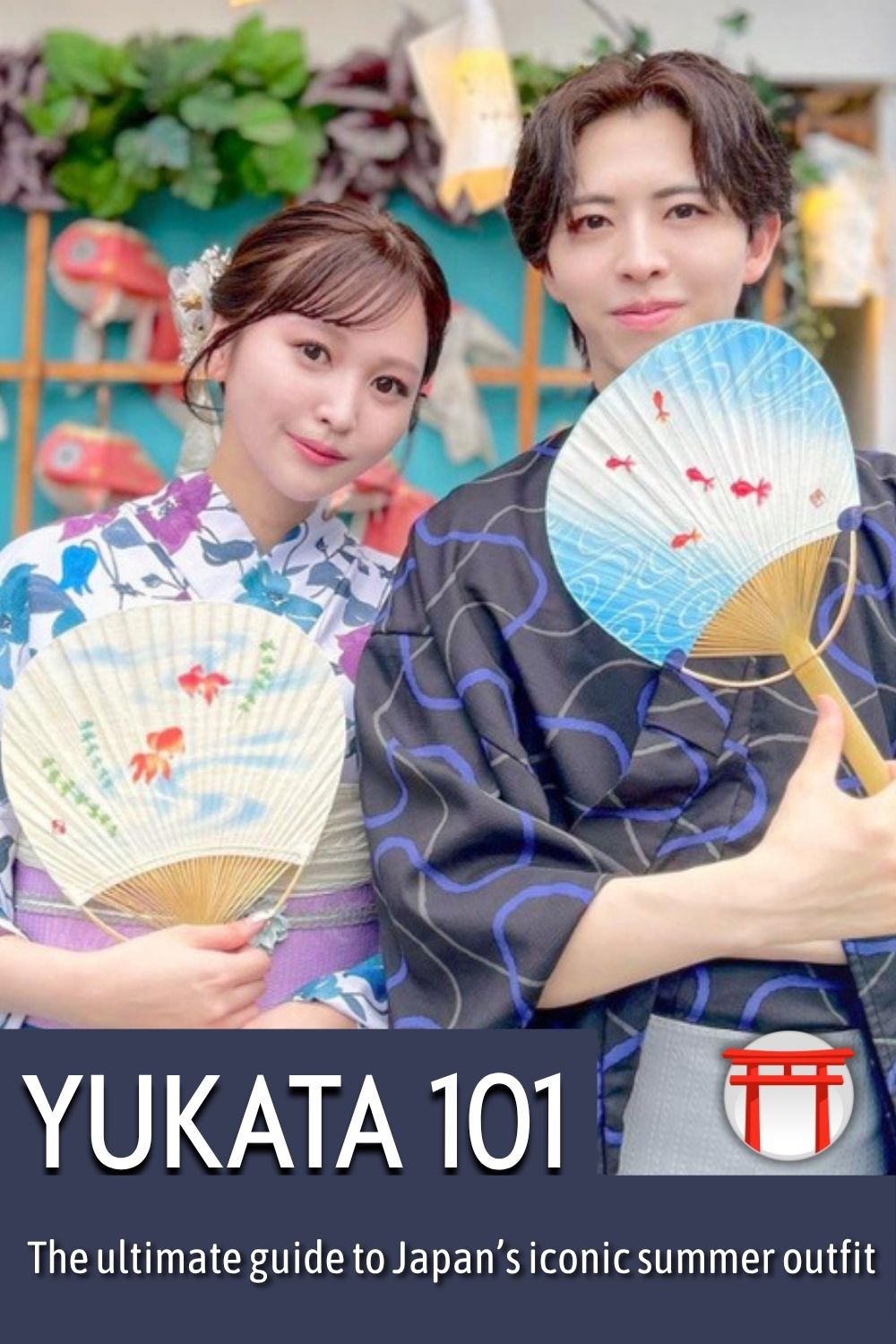
PIN THIS FOR LATER
Book your pocket wifi now to stay connected through your entire Japan Journey!

Be sure to get the JR Pass to make navigating Japan during your trip that much easier!
YOU MIGHT ALSO LIKE