Some of the Best Second-Hand Clothing Shops in Japan
Mar 2, 2026
BY Isabelle Hyde
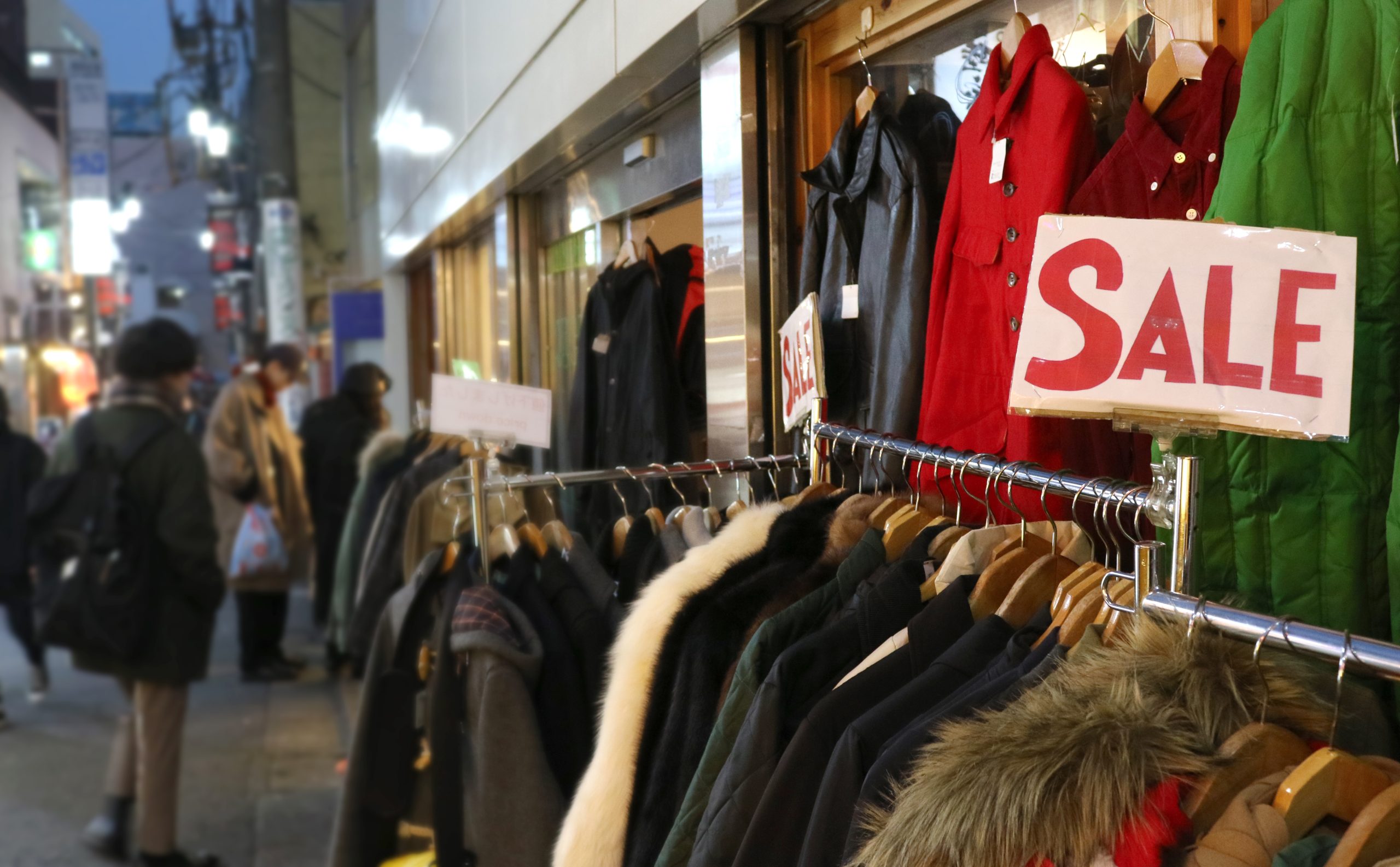
In the last couple of decades, thrifting has become a trendy and environmentally viable method of clothes shopping, and an efficient one at that. Whether you’re on the lookout for affordable designer items or generally curious about how weird and wonderful it can get, there’s no shortage of hidden gems you could find when it comes to second-hand clothing, or furugi (古着). This chocolate box of possibilities, combined with the vast variety of Japan’s fashion styles, can make thrifting in Japan even more of an unpredictable experience. However, like with most things in the country, finding the true gems sometimes involves looking past the mainstream spots and exploring the smaller chains or independent businesses. In this article, come and take a tour through some of these highlights of Japan’s thrifting scene, covering some of the most beloved second-hand shops in the cities.
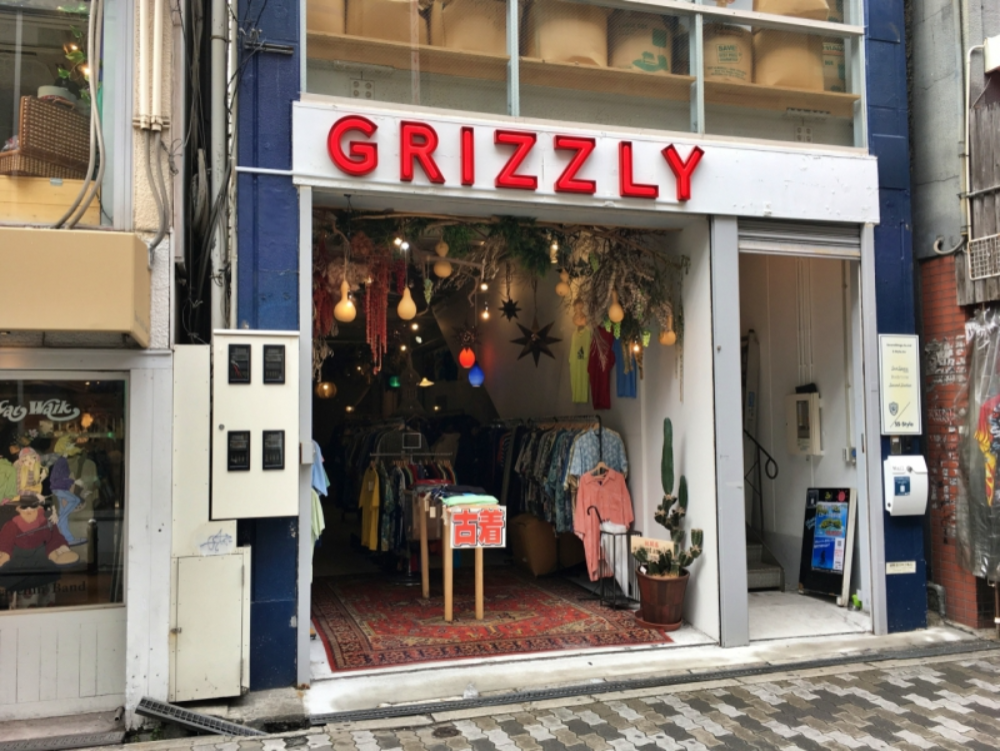
Front of Amerikamura’s 2nd Grizzly store – Photo Credit: Sakata Koumuten
Grizzly, Amerikamura (Osaka)
Osaka is considered one of the hotspots of vintage and second-hand shopping, with one of its most recognisable names being Grizzly. Dealing in pre-loved clothing, both vintage and modern, this shop chain has nine stores, of which four are based in Amerikamura (or Amemura). Grizzly employs buyers who carefully select the best items from all over the world, with an appraisal system that ranks items to further advise buyers on quality – S denoting mint condition items, D indicating more visible wear and markings. The reasonable pricing for their clothes has made Grizzly the store chain that many consider the go-to for people just getting started in thrifting.
With four different branches in the same area, including a superstore version, it’s worth taking a look at each one to see their unique displays – for example, the 1st Amemura store (next to Triangle Park) has a noteworthy display of high-end brand items, while the 2nd store (near Shinsaibashi Station) has more casual streetwear. Whatever your fashion sense, at least one of the stores is bound to suit it.
Amerikamura has a history of thrifting going back to the late 20th century, when casual clothing imported from the USA was sold in warehouses. Nowadays, there are more than 2,000 total shops, with no shortage of second-hand. Another key shop is Vintage Mecca, specialising mostly in American 30s and 80s vintage, including denim, military wear, and a lot of deadstock.
Website: https://grizzly-online.jp/
Address (2nd store): 1 Chome-6-4 Nishishinsaibashi, Chuo Ward, Osaka, 542-0086
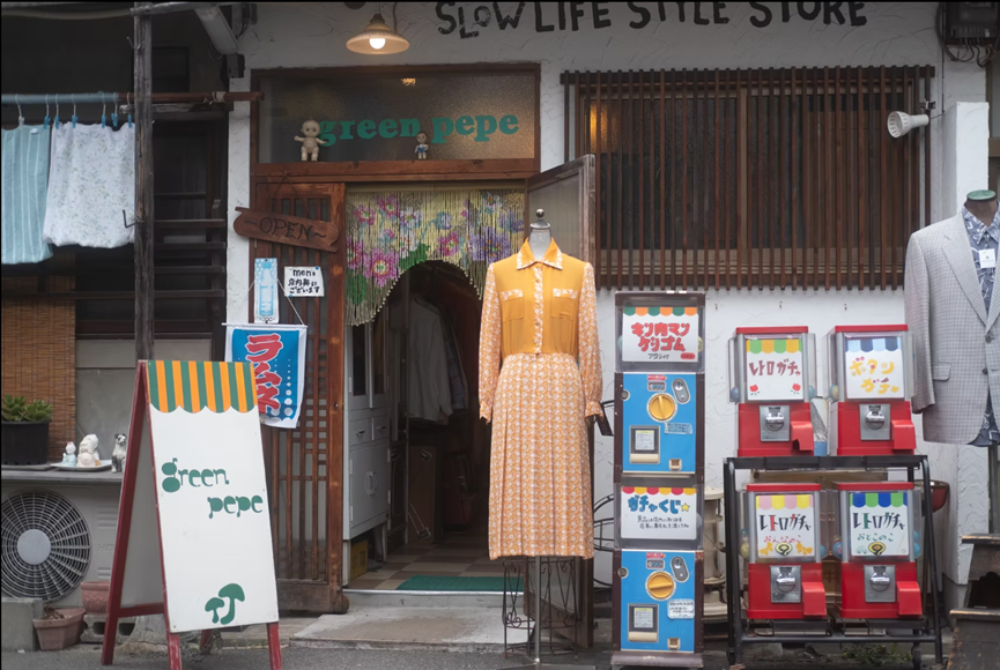
Front of Green Pepe – Photo Credit: Green Pepe
Green Pepe, Nakazakicho (Osaka)
If you aren’t as keen on navigating through swarms of people on the streets, the less tourist-oriented Nakazakicho might be more up your alley. Located about 10 minutes away from Umeda, the streets have more of a Showa era-esque appearance, and the distance from the rest of the city makes for a calmer and perhaps less explored experience. One of the highlights of Nakazakicho’s second-hand scene is Green Pepe.
A tiny shop denoted by its row of gachapon machines and bead curtain, Green Pepe specialises in Showa era fare from the 70s and 80s, with an interest in Japan-produced items emulating Western pop influences. The shop offers a sizable amount of clothing, with an extra perk – some people who thrift in Japan have noticed a distinct lack of feminine apparel in their second-hand stores, an issue that you will not find in Green Pepe, which has a larger focus on women’s clothing. The shop’s stock isn’t limited to clothing, and you’re met with all manner of random trinkets the moment you enter, from porcelain to old memorabilia.
The rest of Nakazakicho is relatively quiet and easy to maneuver, with plenty more vintage shops to search through. Another popular one is LOWECO by JAM, a part of the wider JAM chain, which focuses more on American and European items at cheap prices. The streets are also home to a number of small independent craft shops, occasionally stocking second-hand items of their own – some standouts include Rose Mary’s (half-and-half with a small, yet decent selection of clothes), and Lindgren & Majo-Cafe (handcrafted items, mostly accessories).
And when you want to take a break from thrifting, there are rows and rows of cafes tucked away to rest at and enjoy some refreshments.
Website: https://www.greenpepe3104.com/
Address: 3 Chome-1-12 Nakazaki, Kita Ward, Osaka, 530-0016
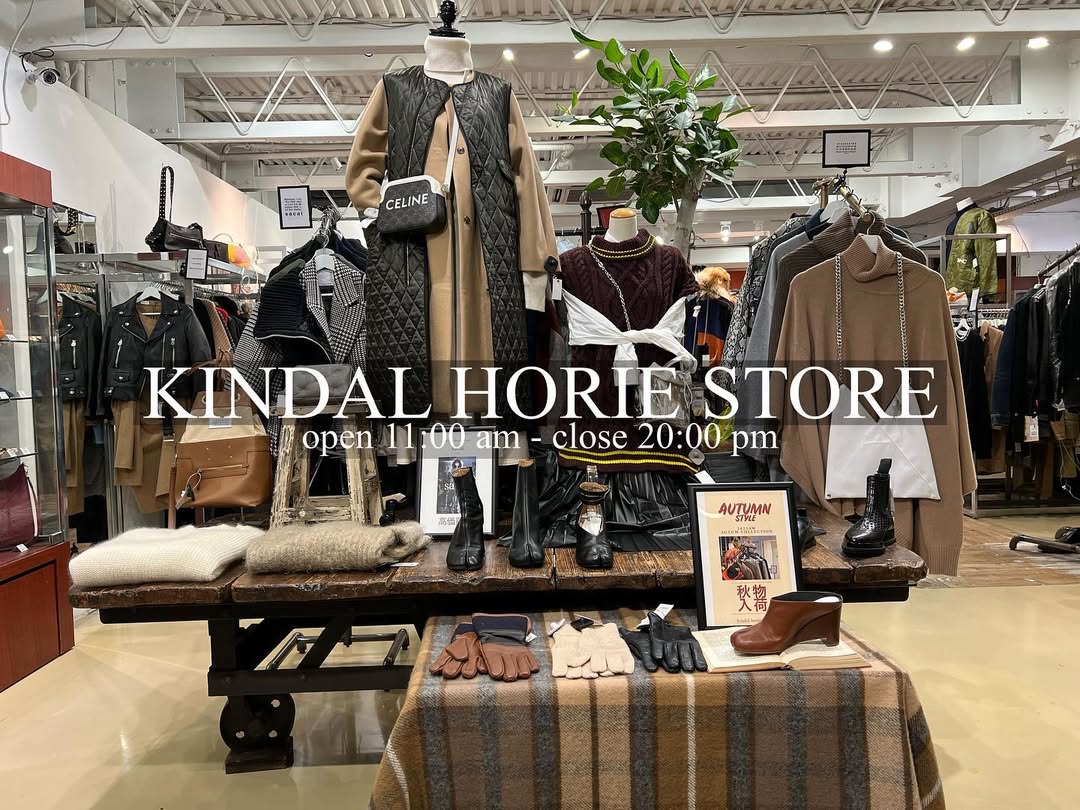
Front display window of Kindal’s Horie store – Photo Credit: kindal_horie on Instagram
Kindal, Orange Street (Osaka)
Osaka’s third shopping street, just west of Amemura, likewise has its own share of second-hand shops. Minami-Horie’s Orange Street, also known as Tachibana-dori, has historically been known as a go-to for buying antiques and furniture. Such shops may be on the decline nowadays, but they have paved the way for cafes and fashion boutiques. Befitting the district said to be the premier of Osaka’s fashion scene, the Horie branch of Kindal puts designer clothing at the forefront, boasting the largest selection of Japanese & international brands. Every item is carefully assessed to ensure buyers leave with the best quality; add to that prices that, despite being higher than other shops in this list, are much lower than their initial selling prices. Kindal Horie is the place to be in Osaka for affordable high-end apparel & accessories.
A further unique selling point spanning many of Kindal’s stores is its measures that give foreign shoppers an easier experience. Every item is arranged by brand, with brands listed in English with a flag to denote its country of origin, helpful for those who have a specific culture in mind. Furthermore, Kindal is one of the shops that offers tax exemption for foreigners who bring their passports, and accepts plenty of payment methods, making for an even more affordable experience.
If designers aren’t your style, every one of Osaka Prefecture’s 12 Kindal branches has its own distinctively curated aesthetic on the inside, making every shop feel like its own unique brand. The Amemura stores’ main style is street & casual, Yotsubashi’s branch gears more towards active, work-style apparel. Whichever branch you end up in, you are bound to have a unique experience.
Website: https://www.kind.co.jp/
Address: 1-24-10 Minamihorie, Nishi Ward, Osaka, 550-0015
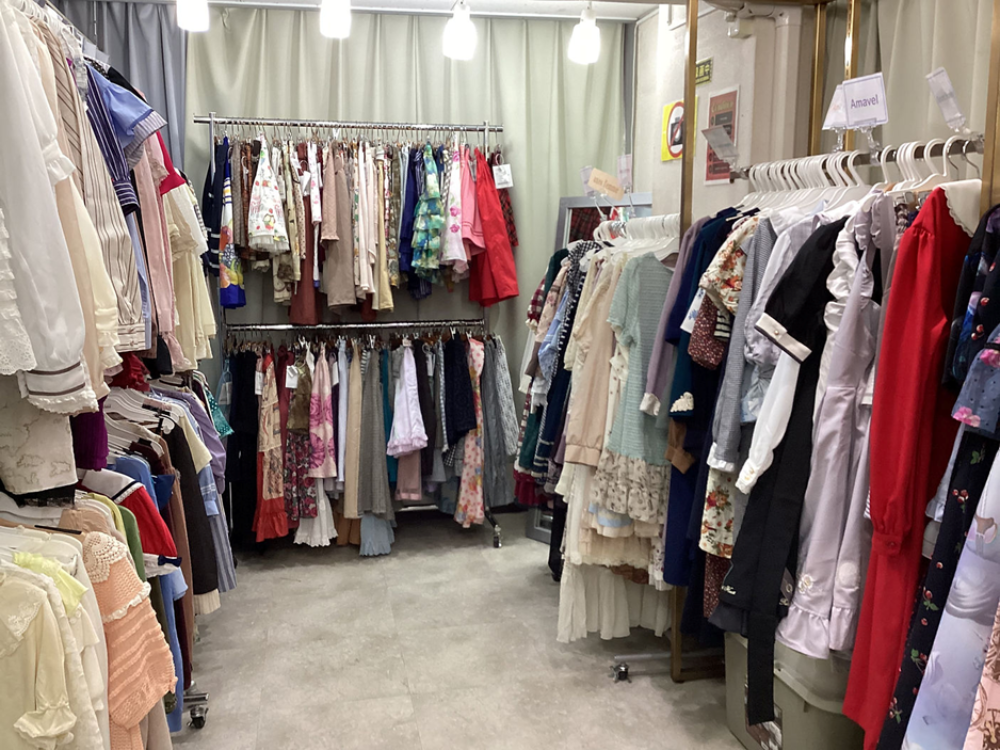
Inside Closet Child’s Shinjuku store – Photo Credit: Closet Child
Closet Child, Tokyo
Moving on to Tokyo, while the styles of the previous stores have been more varied, this store is dedicated to one of Tokyo’s most visible subcultures. At 40 years old, Closet Child is among the oldest second-hand stores in the city, specialising primarily in gothic and lolita fashion. The brand has three stores around Tokyo – in Nishi-Shinjuku, Harajuku, and Ikebukuro – with two others in Osaka and Yokohama, and an online store. Like with 2nd Street, Closet Child maintains its stock by purchasing used items from customers, ranging across a variety of brands, including a fair amount of designers. The prices might not be the most affordable, but thanks to quick and reliable quality checks on all items, the staff ensure sellers get the best value for their loved items, while buyers are guaranteed quality additions to their wardrobes, with a price range that reflects this.
Of the three Tokyo stores, Ikebukuro is the largest and Nishi-Shinjuku is much smaller. However, regarding the displays, Harajuku’s branch has reportedly begun locking certain items away and requiring QR codes in order to view them. Fortunately, thanks to the online store, every item is listed and viewable at the touch of a button; what’s more, the online store offers international shipping, making it possible to send items back home and save on your luggage space!
NOTE: Closet Child’s online store does still offer shipping to the United States, via UPS or DHL.
Website: https://cc.closet-child.info/voice
Online shop: https://www.closetchildonlineshop.com/
Address (Nishi-Shinjuku): Waseda ST Building 4th Floor, 7-Chome-10-20, Nishi-Shinjuku, Shinjuku, Tokyo, 160-0023
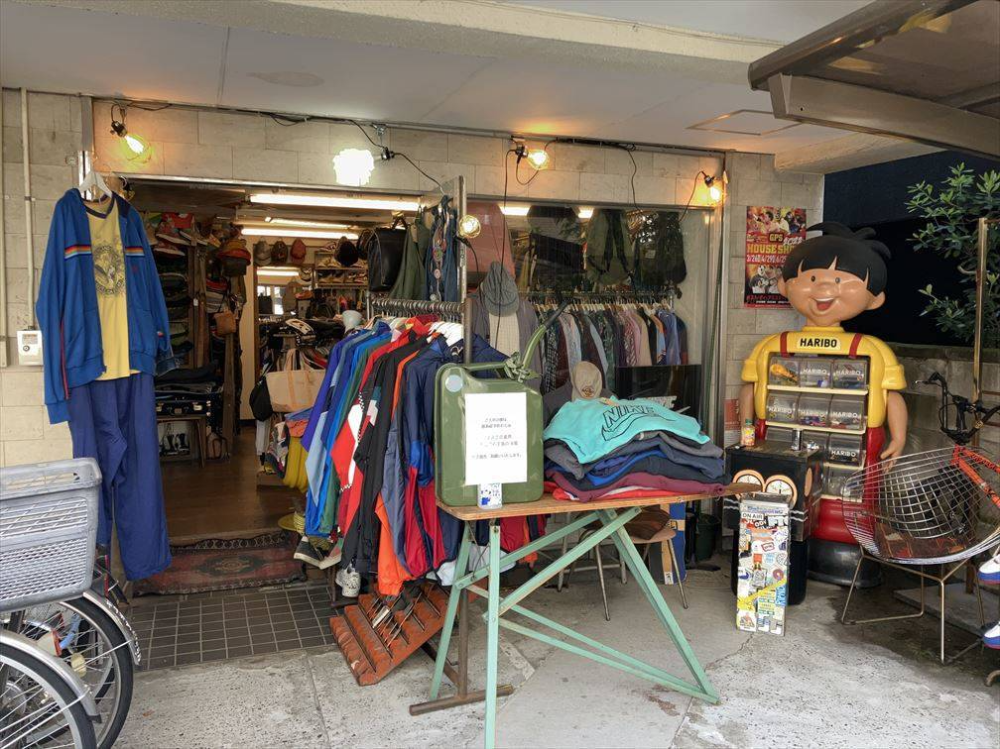
Storefront of Tekitou Clothing, Tokyo – Photo Credit: Kurakurakurarin
Tekitou Clothing, Tokyo
If the more unconventional fashion styles aren’t your thing, that isn’t the only type of second-hand fare on offer in Tokyo, with many more traditionally vintage shops around the metropolis. One such store is Tekitou Clothing in Ikebukuro, which stands out thanks to its distinct atmosphere. Located next to Rikkyo University, Tekitou Clothing has a strong American casual vibe, specialising in 90s apparel and college-style fashion, with a noteworthy collection of sweatshirts and music t-shirts.
The mood inside the shop is set thanks to the small interior – racks and piles of clothes cover most of the shop floor, with hats and shoes seemingly in every corner, and stacks of folded items often touching the ceiling. The cramped nature of the shop, combined with the somewhat disorganised display, helps to create a truly college-friendly atmosphere, making it blend in well with the neighbouring university…and is helped along further by the students who frequent the shop.
Every item offered is chosen by the store’s owner, who has a lot of knowledge about the displays, so don’t be afraid to approach them for advice.
Website: https://tek96671.owndshop.com/
Address: 1F, 3-Chome-33-28, Nishi-Ikebukuro, Toshima City, Tokyo, 171-0221
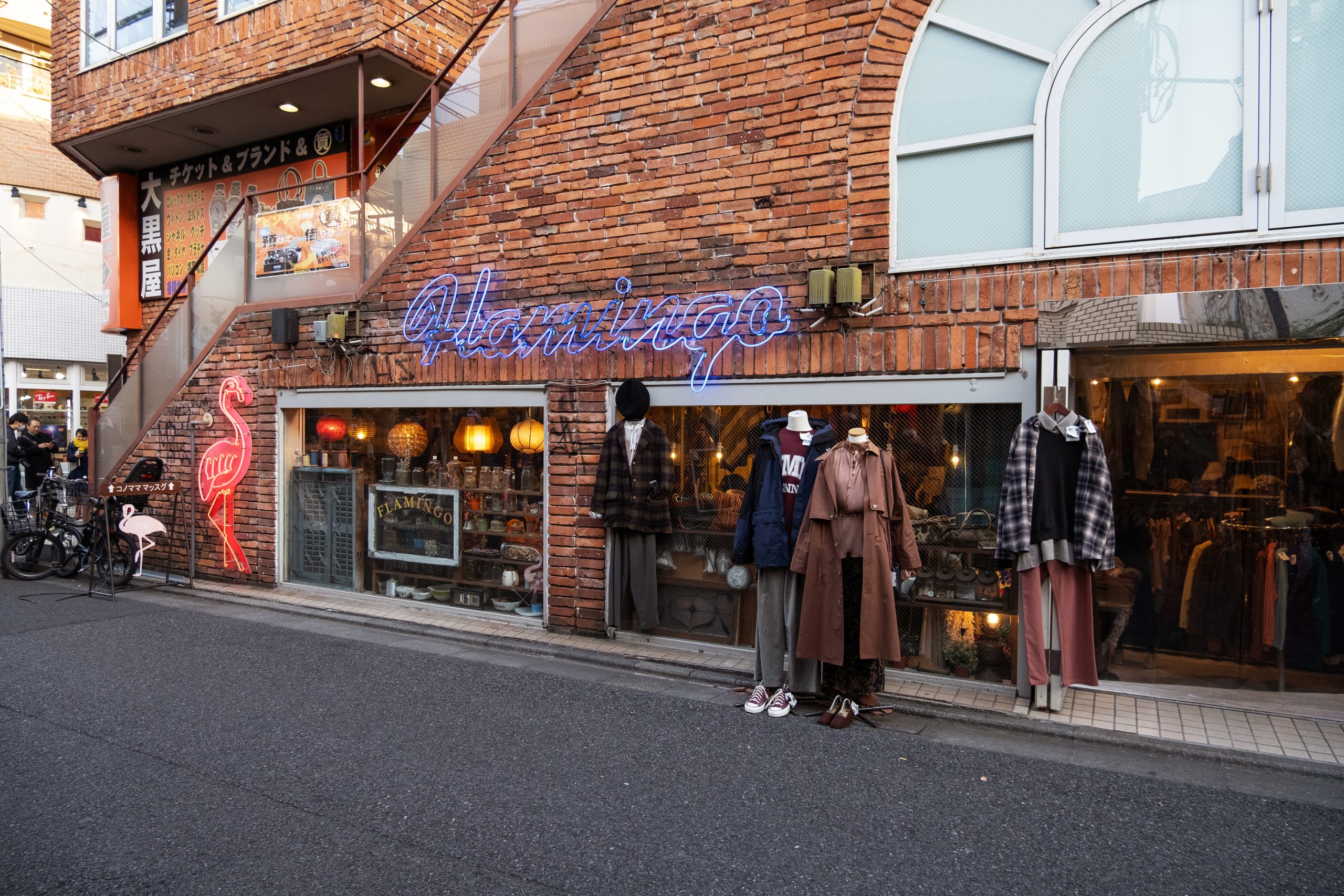
Storefront of Flamingo in Shimokitazawa – Photo Credit: Morumotto
Shimokitazawa, Tokyo
A veritable bohemian paradise, Shimokitazawa, often shortened to Shimokita, is a laidback neighbourhood synonymous with staples of 60s subculture. From record shops and cafes to music venues and indie stores, the area is also a haven for second-hand shopping. While all manner of second-hand goods are available, Shimokitazawa doesn’t skimp out on its thrift clothing either, with a number of beloved shops. The style in most of them tends to be more conventionally vintage, with each store having its own draws.
As pictured above, Flamingo makes an impression before even going inside thanks to its neon namesake in front of the entrance. Its main speciality is American vintage apparel, with sections also dedicated to accessories and retro tableware.
New York Joe Exchange, similar to the big chains like 2nd Street and Hard-Off, lets people bring in their used items…but unlike them, it’s possible to trade in said items for things in store, with the resulting constant stock rotation making for an ever-changing display. With quality at reasonable prices, keep the first Sunday of every month in mind if you’re after a bargain, as the shop marks most items down by 50%!
And in addition to the range of clothing, the overall appeal isn’t just the stock, but rather the price. Every item on sale, whether it’s a t-shirt or jeans, carries the same price tag of 800 yen, making for another ideal starting point for beginners in thrifting.
With around 200 stores to choose from as of 2025, keep your eyes peeled for something good!
Website (Shimokitazawa): https://love-shimokitazawa.jp/
Website (Flamingo): https://www.flamingo-online.jp/
Address (Flamingo 2nd shop): Palazina Building 1F/2F, 2-Chome-37-2, Kitazawa, Setagaya City, Tokyo, 155-0031
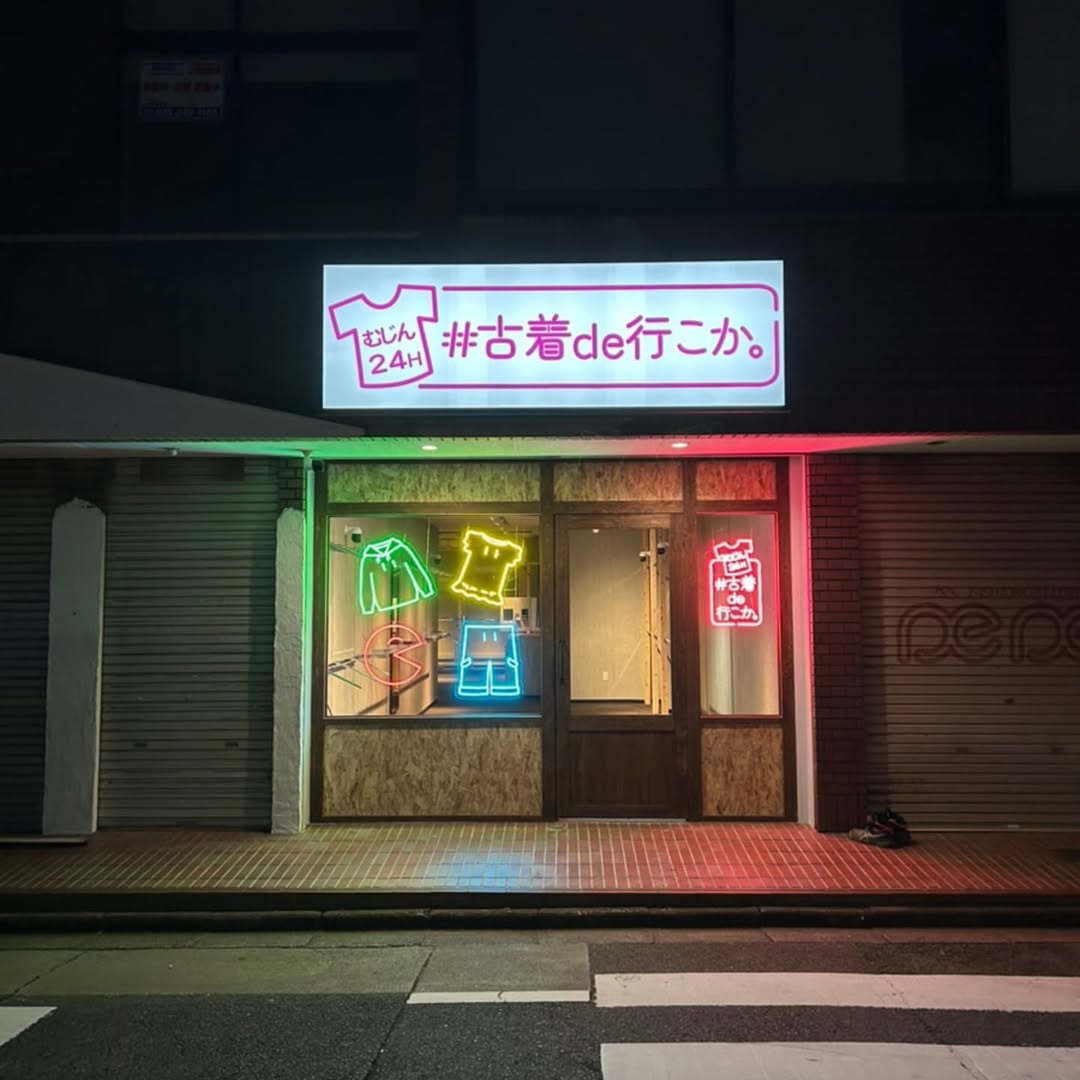
Front window of Ichijoji’s Furugi de Ikoka branch – Photo Credit: furugideikoka_ichijoji on Instagram
Furugi de Ikoka / 古着de行こか, Ichijoji (Kyoto)
Another shop that favours conventional casuals, but managed in a way that stands out among the rest of Kyoto’s second-hand scene. Before even entering, the impression from the outside is one of modernity and youth, with its neon lighting in the window, and plenty of elements in-store to match.
The store display is simple with rows of hangers stretching to the back of the shop, focusing primarily on tees, hoodies, and jeans. Imported directly from abroad, Furugi de Ikoka creates a good selection of up to 5,000 items that change weekly, with designs and styles that are not often seen in other Japanese clothing stores. The main appeal of Furugi de Ikoka is that it is unmanned, with no staff in sight save the occasional cleaner. The chain’s website describes this unconventional approach as catering to those who may feel intimidated or uncomfortable being watched while clothes-shopping, allowing for an easy-going experience “without annoying customer service chatter.” With plenty of security cameras, constant monitoring, and a live CCTV feed shown to customers, the shop remains secure.
Simply choose your items, enter the price into the register, then return the hanger once the sale is completed. With each item holding a flat rate between 1,000 and 10,000 yen, every item is affordable. Better still, most stores are open 24 hours, including weekends and holidays, meaning those with minimal free time can dip in whenever they like, and experienced thrifters can continue long into the night. As such, the shop supports contactless payments.
Whether you want a slow experience with minimal human interaction, or those with less free time to shop, Furugi de Ikoka is an unusual yet highly efficient shop for customers!
Website: https://furugideikoka.com/
Address (Ichijoji branch): 20-1, Ichijoji Takatsukicho, Sakyo Ward, Kyoto, 606-8185
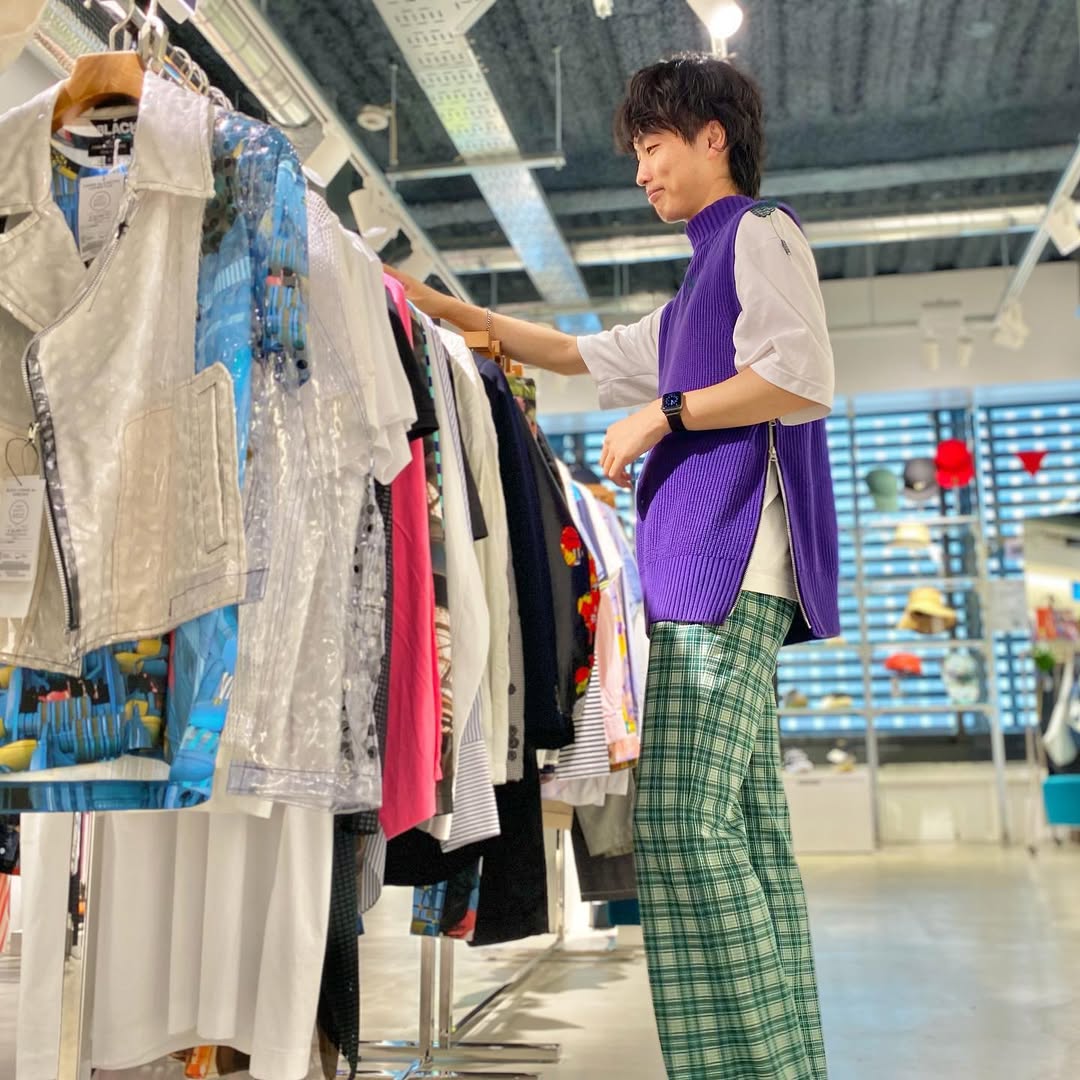
Inside RAGTAG’s Kyoto branch – Photo Credit: ragtag_kansai on Instagram
RAGTAG, Kyoto
RAGTAG is yet another well-known second-hand chain that spans several cities across the country, though Kyoto only has a single store. This shop prioritises designer brands and high-end fashion items, including both local Japanese designers like Yohji Yamamoto, and the most iconic international names such as Prada & Gucci. However, compared to other luxury retailers, it is less ‘conservative’ in its approach.
The first sign of this is in the variety of styles being showcased, displaying a bold variety of colours, patterns, and styles. Everything is well-organised with all items divided by gender and category (luxury vs casual) on separate floors, so shoppers who are only searching for a specific type of clothing will have an easier time exploring.
RAGTAG handles every item with the utmost care, applying a thorough quality control to everything upon arrival, before cleaning & treating signs of wear to such an extent that it becomes hard to tell you are buying second-hand! Any markings that can’t be cleaned or ironed away are clearly pointed out both on the labels and (where applicable) on the online shop.
With both a wide selection of casualwear and an impressively priced & treated luxury range, you’re in good hands shopping for designer brands with RAGTAG.
Website: https://www.ragtag.jp/real-store/0000000030
Address: 379-2 Naramonocho, Shimogyo Ward, Kyoto City, 600-8004
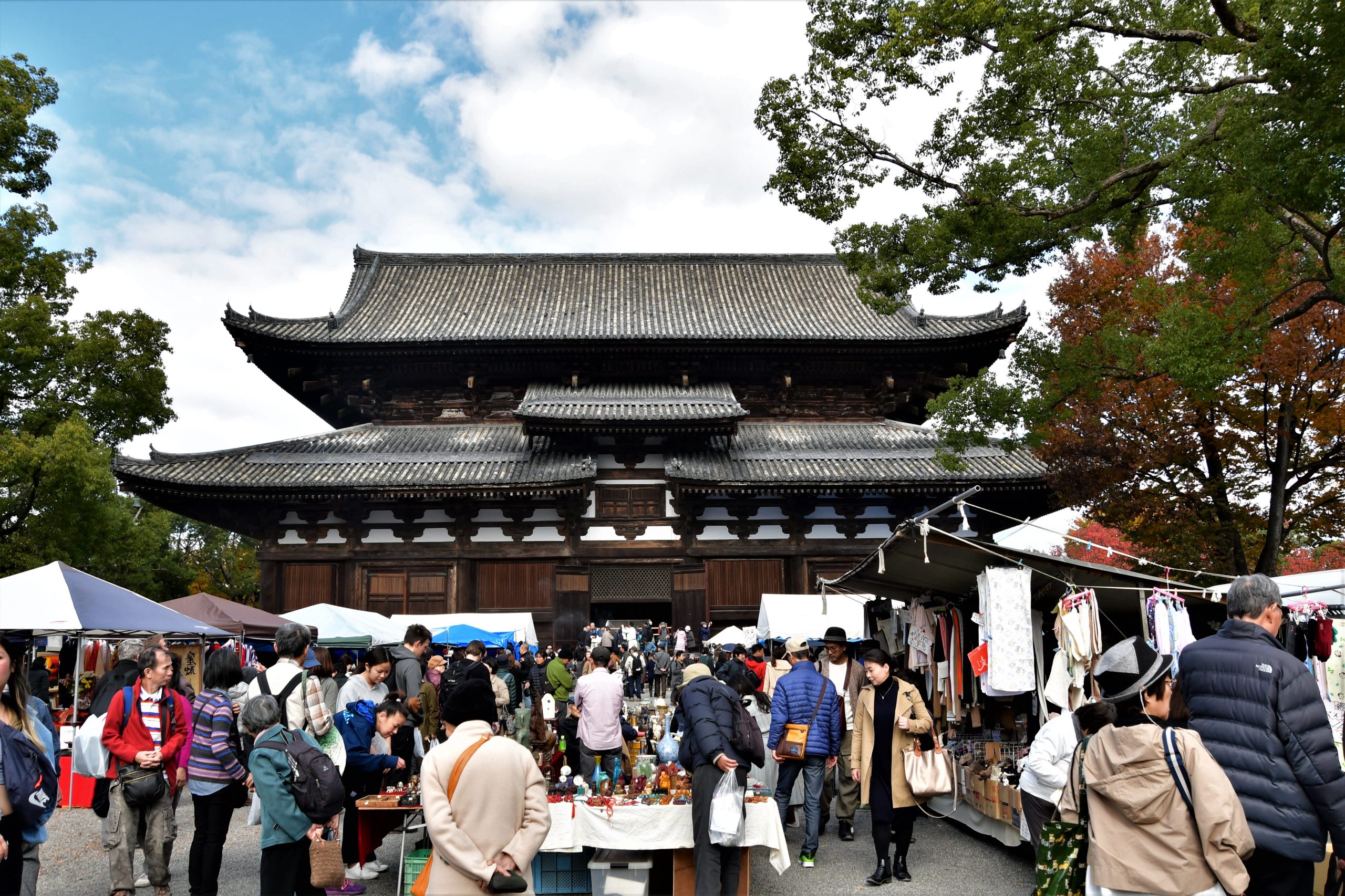
Toji Temple during the Kobo-ichi Market – Photo Credit: haseg77
Kobo-ichi Market, Kyoto
The shops have their own unique atmospheres, but if you’re the type of thrifter who prefers a flea market style of shopping, while also wanting to experience Japanese culture at the same time, then you might be interested in the temple markets. Certain temples convert their open spaces into a flea market once or twice a month, among the most famous being the Kobo-ichi Market at Toji Temple.
Built two years after Kyoto’s establishment as the capital of Japan, Toji Temple is recognised today as a UNESCO World Heritage Site. Its most renowned figure is Kukai, also known as Kobo Daishi, founder of the Shingon sect of Buddhism, who led the temple from the year 823. The market is held on the 21st day of every month, in commemoration of Kukai, who died on the 21st day of the third month.
The market operates from 6 am to 4:30 pm and doesn’t disrupt daily worship. The vendors offer all sorts, from antiques to jewellery, but one of the highlights – not just of Kobo-ichi but of any temple market – is the cheap second-hand kimono and yukatas. A culturally relevant souvenir that could potentially cost up to 10,000 yen, if not more, can be bought for only a few thousand yen each! The quality of each item isn’t necessarily going to be mint condition, with a likelihood of marking and other visible wear, but the variety of patterns on display for both the robes and obi belts makes for thousands of possible combinations to experiment with.
Kobo-ichi Market is famous, but it is far from the only temple market, so keep your eyes peeled for one in your area!
Website: https://toji.or.jp/about/
Address: 1 Kujocho, Minami Ward, Kyoto, 601-8473
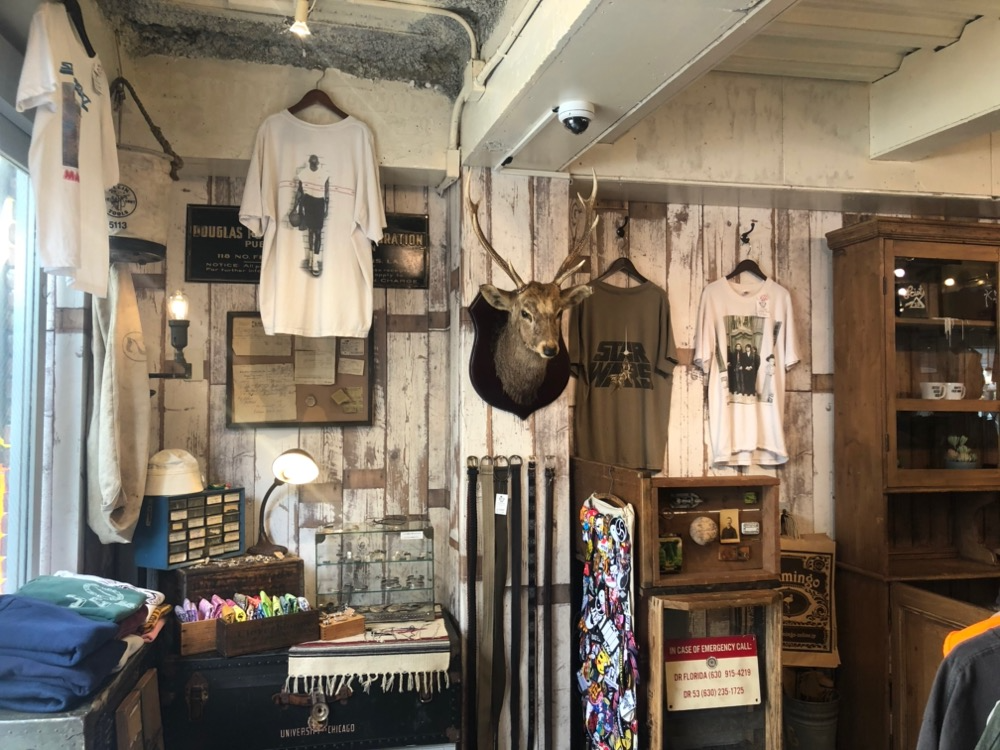
Flamingo Shimokitazawa store interior – Photo Credit: I Love Shimokitazawa
Befitting the unexpected and varied nature of second-hand clothes shopping, it should be apparent how many different options thrifters have when it comes to exploring. Whether you’re on the hunt for the iconic lolita fashions or something more casual and collegiate, something emblematic of 90s America or 70s Japan, whether you’re looking in the more mainstream chain stores, the hidden independent shops, or even somewhere far less conventional, the possibilities are infinite and ever-changing.
Wherever and whatever you prefer, there is bound to be that one item that you’ve been missing all your life, so don’t let it slip away when you find it – chances are it’ll be the only time you do…
Featured Photo Credit: TokyoVideoStock
Want to learn more about Japanese fashion and wellness? Make sure to read more about our Beauty and Fashion Tours and come join one yourself!
PIN THIS FOR LATER
Book your pocket wifi now to stay connected through your entire Japan Journey!

Be sure to get the JR Pass to make navigating Japan during your trip that much easier!
YOU MIGHT ALSO LIKE