COMPLETE GUIDE TO ODEN: WHAT’S IN IT AND HOW TO EAT IT
Feb 17, 2026
BY Maria Diaz
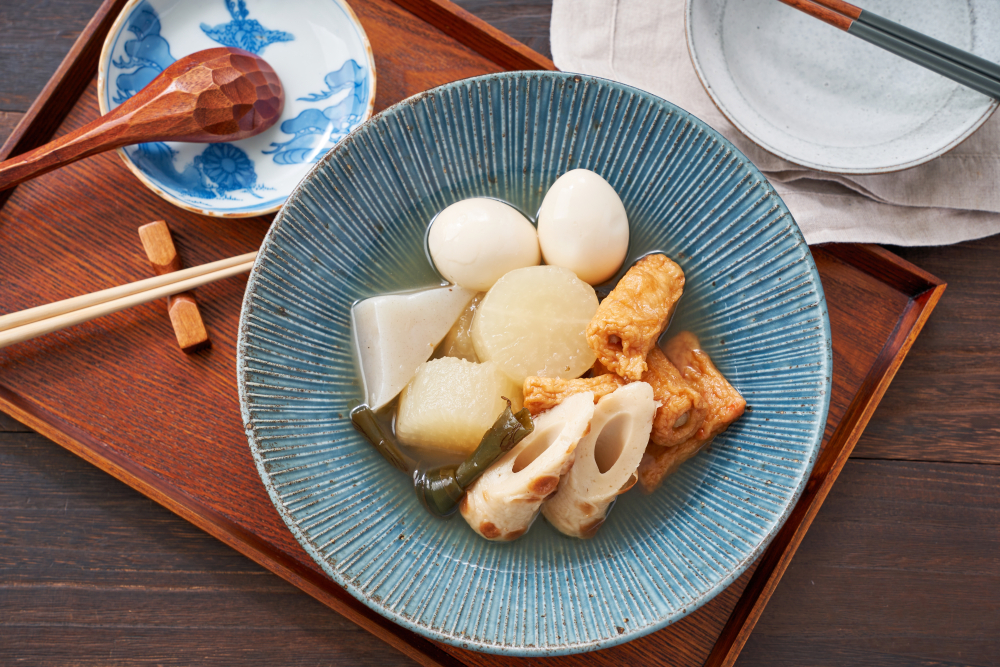
When the cold months arrive in Japan, there’s nothing more comforting than a steaming bowl of oden, a gentle, savory stew where a variety of ingredients simmer slowly in a fragrant dashi broth. You’ll find oden everywhere during winter: in cozy street stalls, lively izakayas (Japanese pubs), and even at konbini (Japan’s convenience stores). But oden is more than just food, it’s a warm ritual, a celebration of comfort and simplicity that captures the essence of Japanese home cooking.
Oden belongs to Japan’s family of nabemono, or one-pot dishes. It’s made by simmering a variety of ingredients in a delicate broth of dashi (made from kombu kelp and bonito flakes), soy sauce, mirin, and sake. The result is a subtle, savory harmony, a dish that tastes like warmth itself. The key to oden’s magic lies in patience: the longer the ingredients rest in the broth, the deeper and richer the flavor becomes.
A quick look back
Oden traces its origins to Japan’s Muromachi period (1336–1573). It began as a simple dish called dengaku, in which tofu was skewered and grilled with miso paste. Over time, as dashi became a cornerstone of Japanese cuisine, the dish evolved. Instead of grilling, ingredients were simmered in the flavorful broth, giving rise to what is now known as oden.
By the Edo period (1603-1868), oden had become a popular street food sold from food stalls, especially during the colder months. Today, it’s a beloved comfort dish found everywhere from izakayas to convenience stores, symbolizing warmth, togetherness, and the essence of Japanese home cooking.
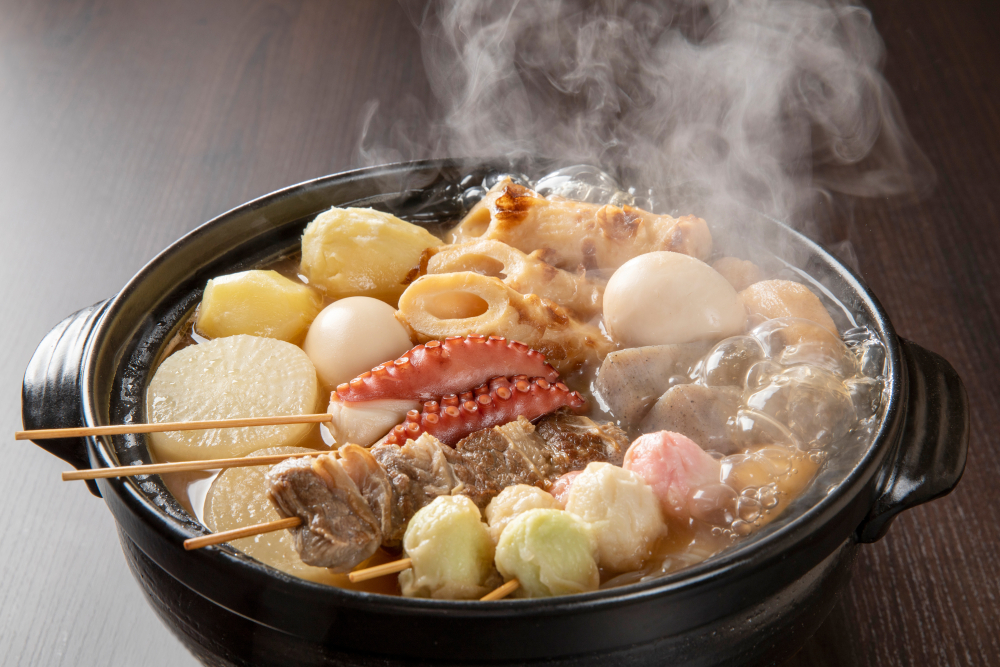
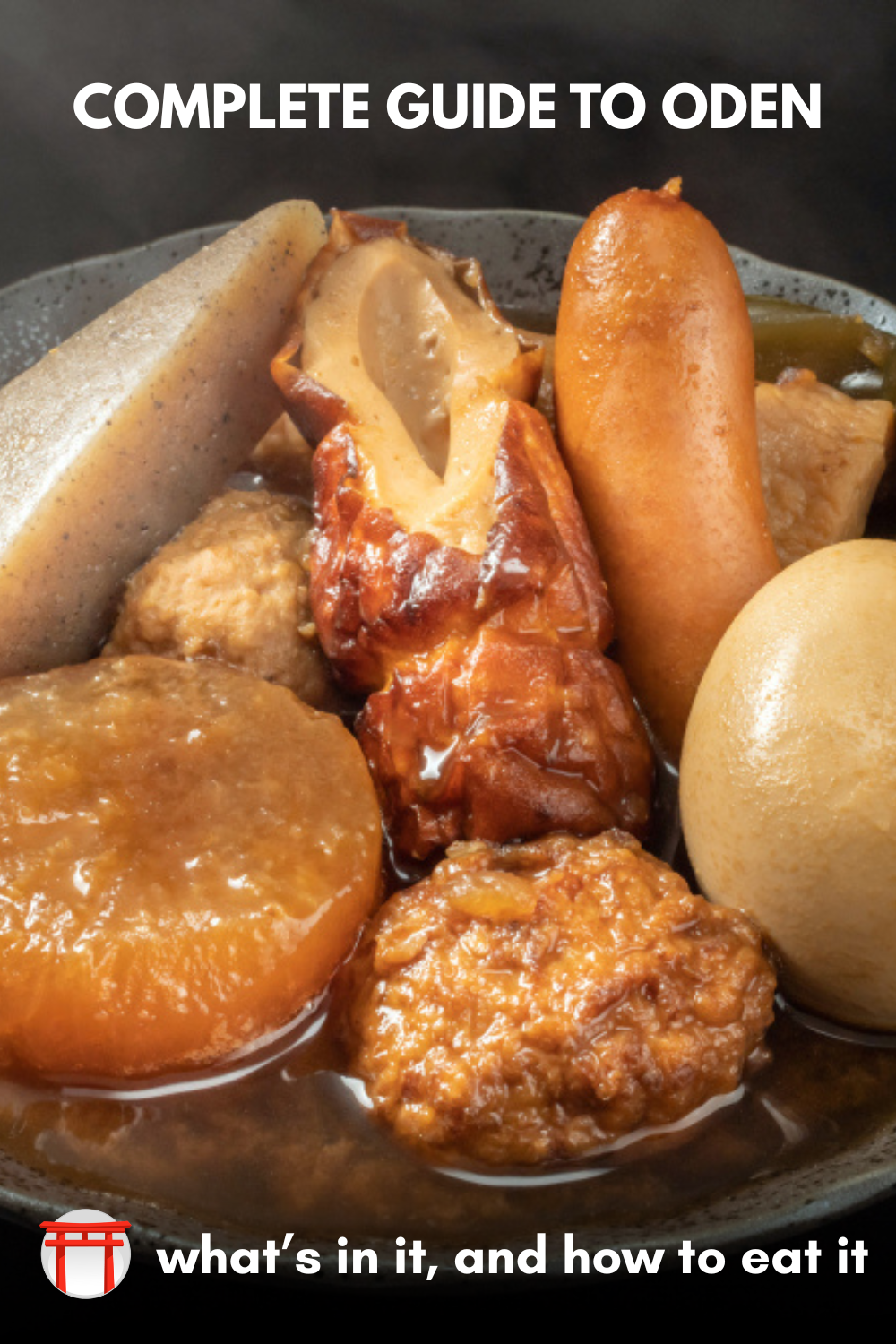
Steaming bowl of Japanese oden stew – Photo Credit: HikoPhotography
Ingredients of oden
To begin with, the broth of oden is a delicate blend of dashi seasoned with soy sauce and mirin. Light but full of umami, it slowly absorbs the flavors of the ingredients as they simmer, becoming richer and more comforting over time. Clear, savory, and perfectly balanced, this gentle soup is what gives oden its distinctive warmth and depth.
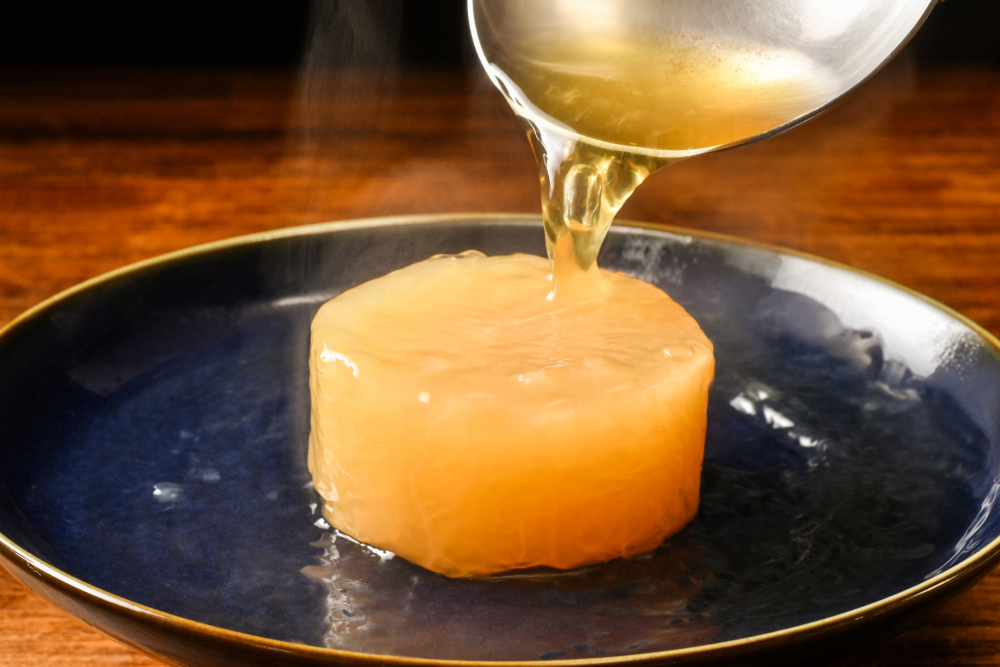
Simmered daikon radish with dashi broth – Photo Credit: Basico
Daikon (Japanese white radish)
Soft, juicy, and slightly sweet, daikon is the soul of oden. As it simmers, it absorbs the dashi and turns tender and translucent, bringing gentle balance to the savory broth. Low in calories and rich in fiber and vitamin C, it’s both light and nourishing, a comforting ingredient that warms and refreshes with every bite.
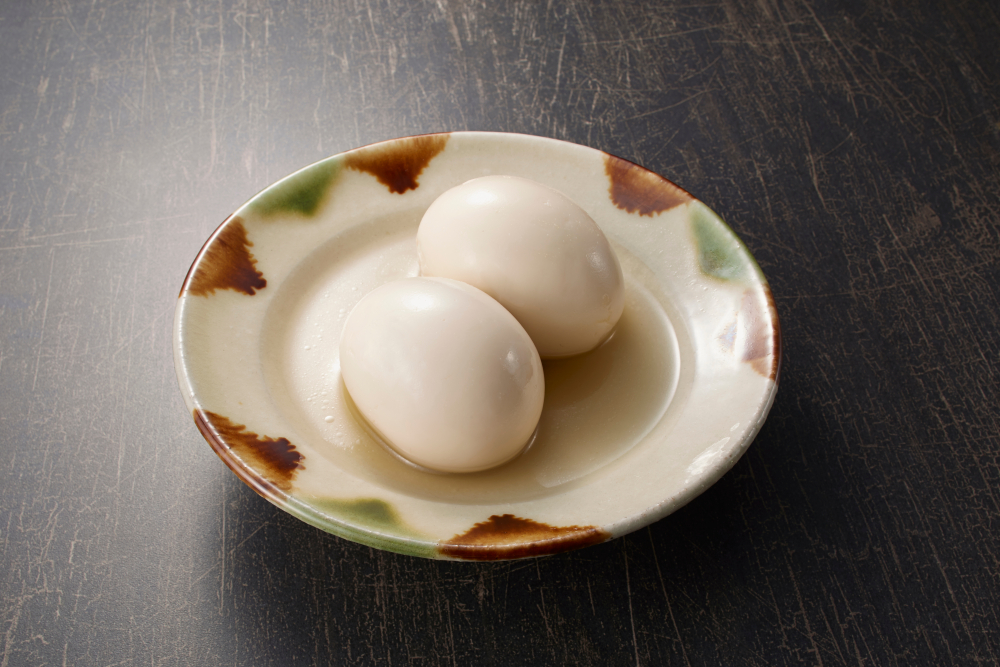
Japanese oden, simmered egg – Photo Credit: funny face
Boiled egg
In oden, a simple boiled egg becomes something extraordinary after bathing in dashi. The egg absorbs the delicate, savory essence of the broth, transforming its plain white surface into a golden hue and its flavor into something deep and comforting.
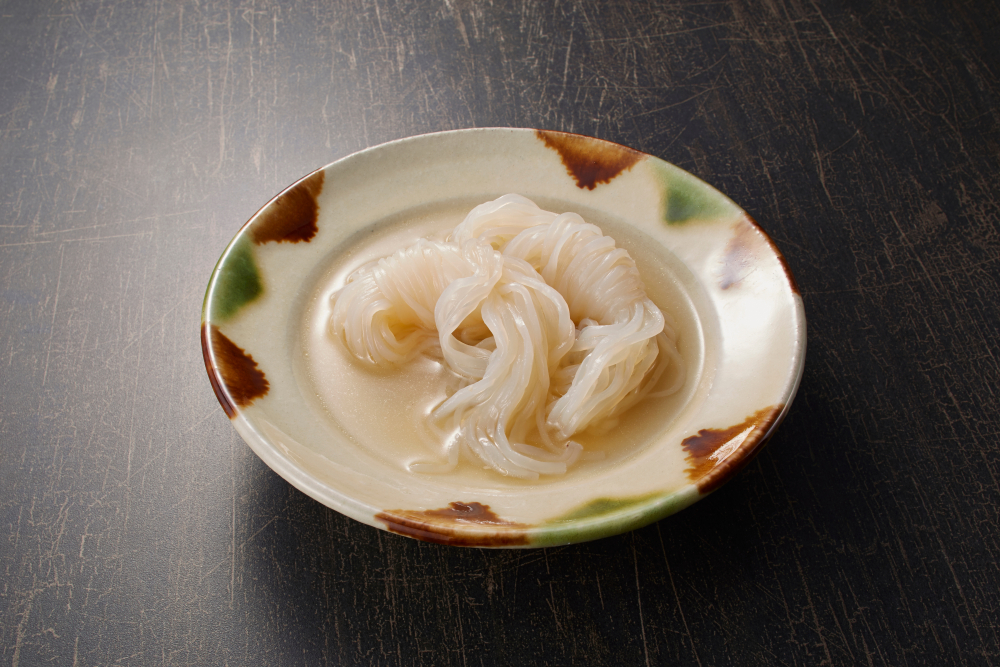
Konnyaku – Photo Credit: funny face
Konnyaku (konjac jelly)
Made from the konjac root, this firm, chewy jelly adds a pleasant texture contrast to oden. Almost tasteless on its own, it soaks up the savory dashi as it simmers, becoming subtly earthy and deeply flavorful. Naturally low in calories and rich in fiber, konnyaku is prized in Japanese cooking as a light, healthy ingredient that balances the richness of the stew.
Konnyaku comes in several shapes and varieties. In oden, it’s most often cut into triangular pieces, which hold their form beautifully while absorbing the broth. The classic gray variety, speckled with tiny black dots from seaweed powder, has a slightly earthy aroma, while white konnyaku (made without seaweed) is milder and smoother. You’ll also find ito konnyaku or shirataki, thin noodle-like strands often tied into little knots, that soak up flavor even faster. Each type adds its own texture and charm to the pot, making konnyaku a humble yet essential part of oden.
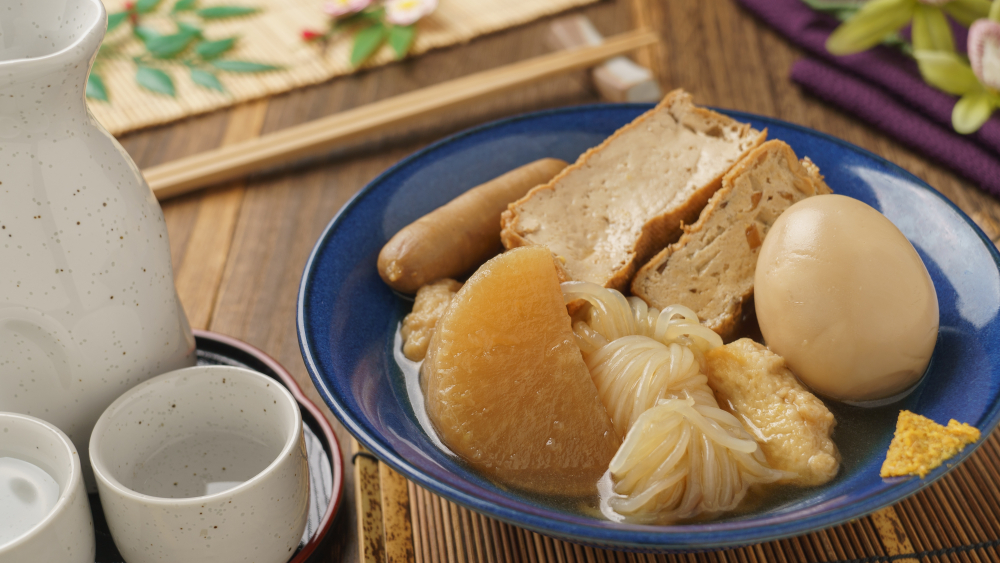
Two slices of aburaage, top center – Photo Credit: aomas
Aburaage and atsuage (fried tofu varieties)
Tofu soaks up the broth’s umami like a sponge. Aburaage, thin and lightly fried, is airy and crisp, perfect for absorbing flavor or wrapping fillings. Atsuage is thicker, with a rich, savory surface and soft interior that holds up delightfully in the broth. Both are high in plant-based protein, calcium, and iron, adding warmth and nourishment to every bowl of oden.
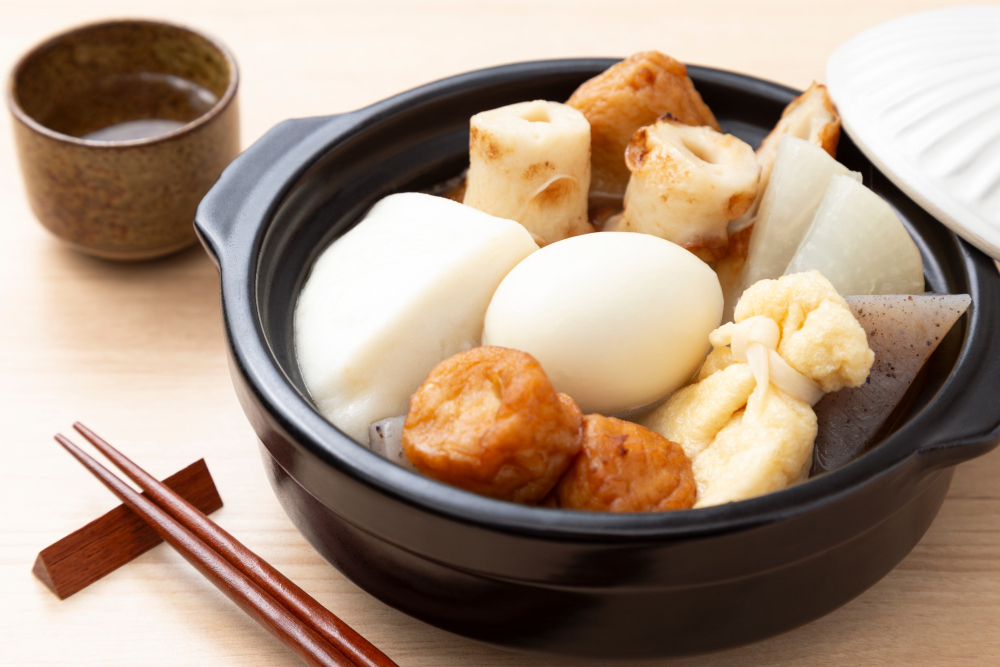
Oden with hanpen (left, next to the egg), chikuwa (top middle), and satsuma-age (top and bottom center), along with other ingredients – Photo Credit: years44
Chikuwa, hanpen, satsuma-age (fish cakes)
All three are made from surimi, a smooth paste of white fish that’s seasoned and shaped in different ways, giving each one its own texture and charm. They are also known as nerimono.
Hanpen is soft, airy, and pale white, made by blending fish paste with yams or egg whites. Its spongy texture and mild flavor soak up the broth to add a light, delicate bite to oden.
Chikuwa has a firmer, chewier texture and a lightly smoky taste. It’s shaped by wrapping fish paste around a bamboo stick and grilling it, creating its signature hollow tube and a golden, slightly charred surface.
Satsuma-age is deep-fried until golden brown, giving it a tender, bouncy texture and subtle sweetness. Originating from southern Japan, it brings warmth and richness to the pot.
All three are high in protein, low in fat, and offer minerals like calcium and phosphorus from the fish. Together, they infuse the broth with gentle sweetness and savory umami from the sea, making oden deeply satisfying yet balanced.
Although these are the three most common ingredients in oden, you can sometimes also find oden dango, recognizable by their pastel colors of pink, yellow, and green.
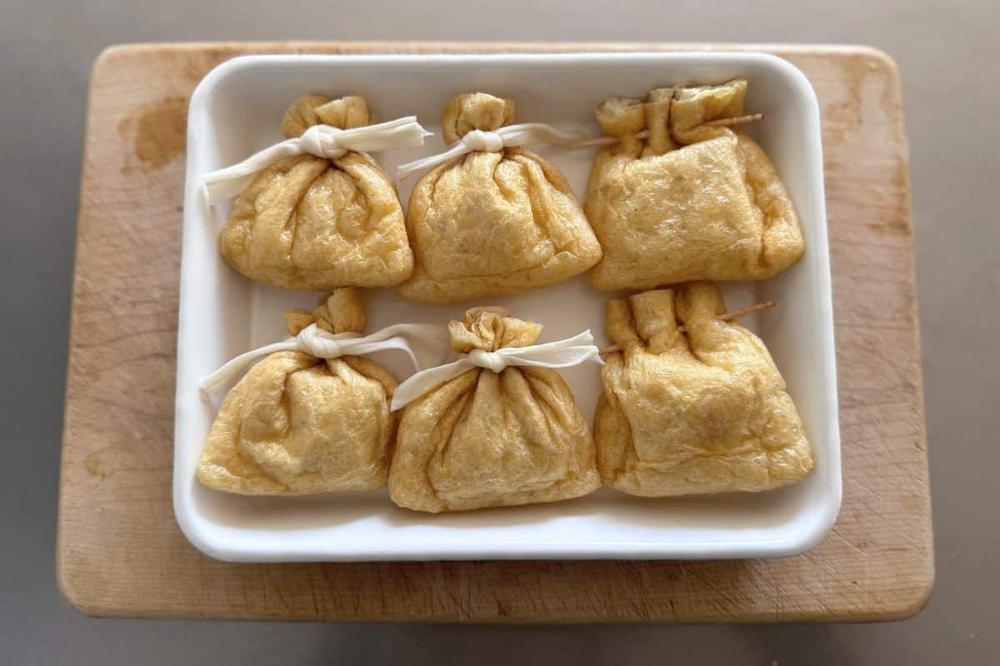
Mochi Kinchaku – Photo Credit: ChefJACooks
Mochi kinchaku
A small pouch of fried tofu (aburaage) filled with sticky mochi rice cake and tied with a thin strip of kanpyo (dried gourd). As it simmers in the broth, the tofu pouch absorbs the savory dashi while the mochi inside softens, turning irresistibly chewy and silky.
It’s a favorite for the contrast between the delicate tofu exterior and the stretchy, melting mochi center, symbolizing warmth and comfort in every bite. Though modest in size, mochi kinchaku is rich in energy from the rice cake and a good source of plant-based protein from the tofu.
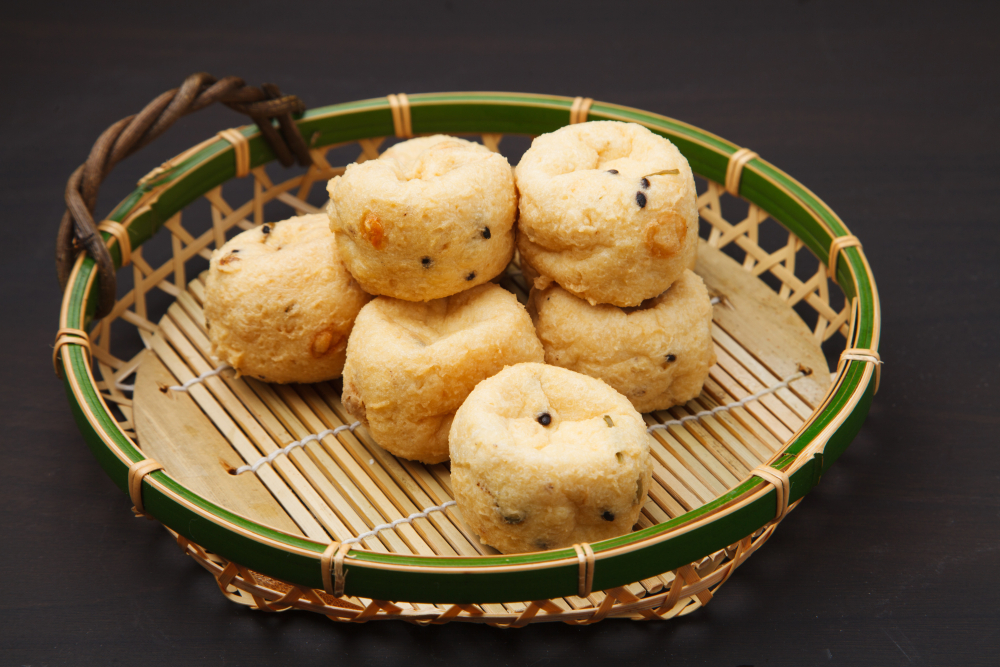
Ganmodoki – Photo Credit: sasazawa
Ganmodoki
Made from mashed tofu mixed with finely chopped vegetables such as carrot, burdock root, and lotus root, ganmodoki is then lightly fried until golden. Soft inside and slightly crisp on the outside, it achieves a gentle sweetness and a nutty aroma from the soy as it absorbs the broth. Unlike fish cakes, ganmodoki is tofu-based rather than surimi-based, making it a comforting, protein-rich option that brings warmth and balance to the oden pot.
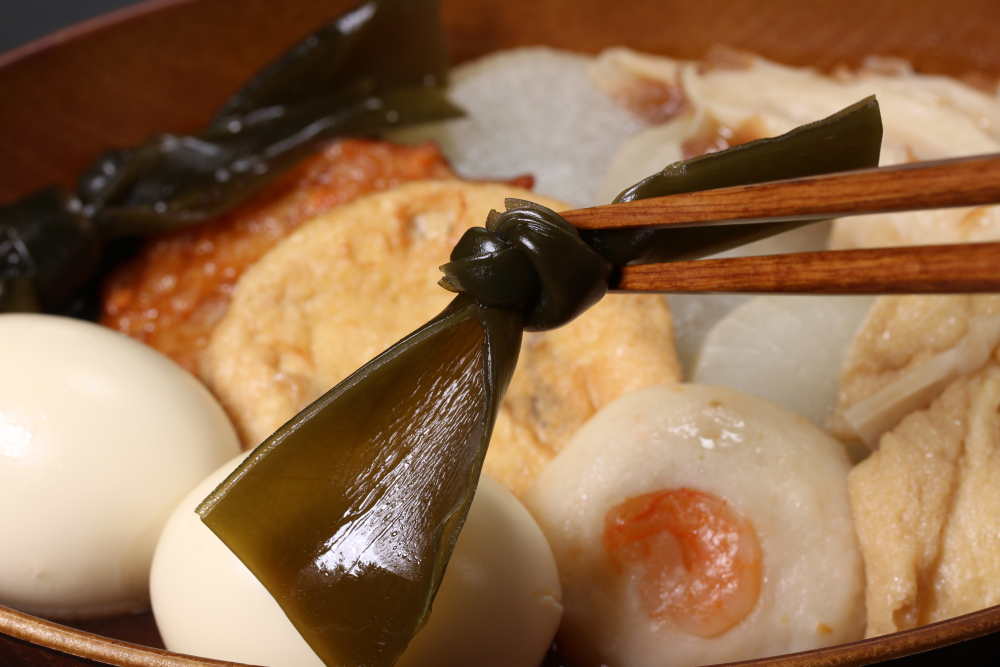
Konbu – Photo Credit: riphoto3
Konbu (kelp rolls)
Konbu rolls (strips of kelp tied with kanpyo) release deep umami flavor as they simmer, enriching the broth and adding a pleasantly chewy texture. This humble sea vegetable is naturally rich in iodine, calcium, magnesium, and dietary fiber, supporting healthy digestion and metabolism while enhancing the savory depth of oden.
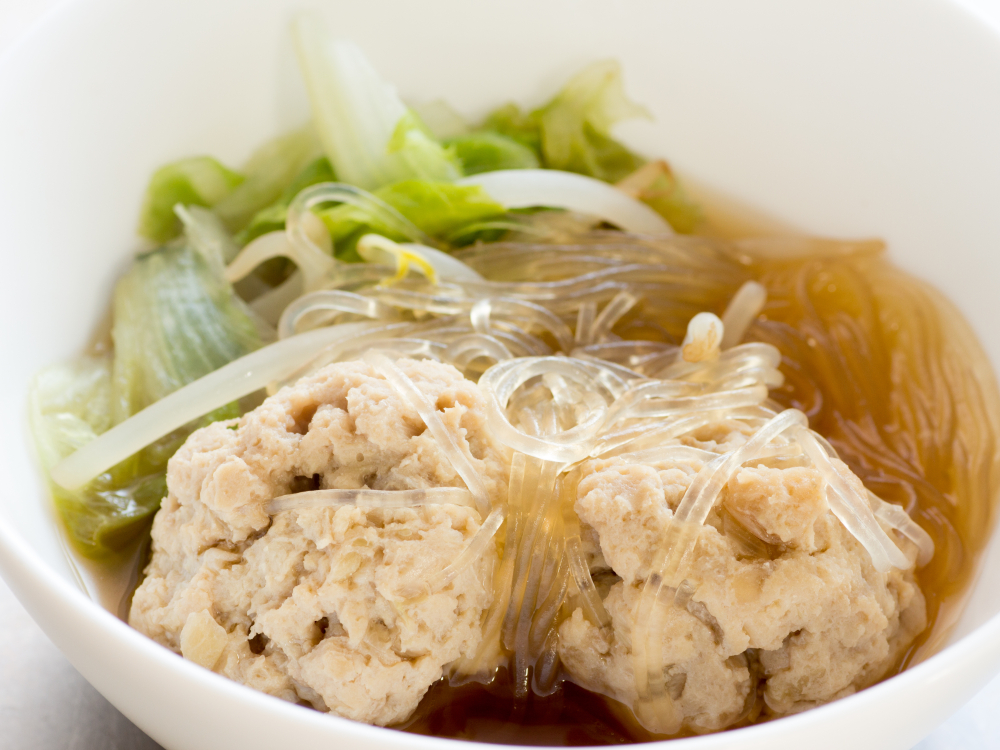
Tsumire – Photo Credit: Miyuki Satake
Tsumire (fish balls)
Tsumire are made from minced white fish paste blended with ginger or miso for aroma. Light yet flavorful, they gently flavor the broth and add soft, satisfying bites. High in protein, omega-3 fatty acids, and vitamin D, tsumire promotes heart and brain health while keeping the dish light and wholesome.
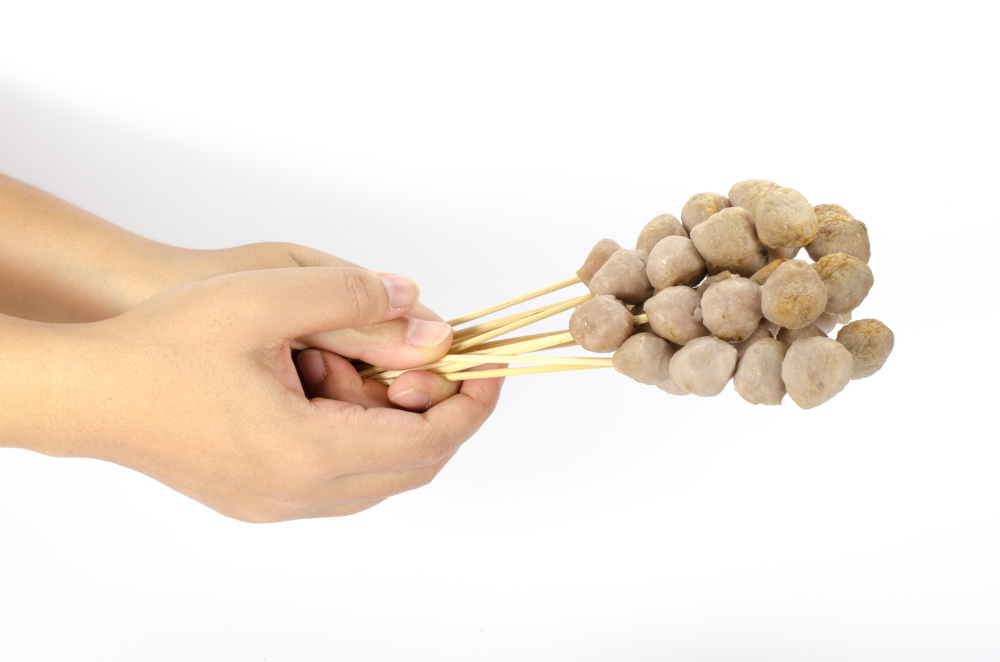
Chicken meatballs – Photo Credit: CJansuebsri
Tsukune
Tender and juicy, tsukune are chicken meatballs often mixed with green onion, ginger, or shiso for extra aroma. They add a savory depth and light protein to oden, soaking up the broth while keeping their delicate texture. Naturally high in lean protein and vitamin B12, tsukune provide energy and warmth without feeling heavy, making them a hearty yet balanced addition.
Don’t mistake tsukune and tsumire! They may look alike, but they’re not the same. Tsukune are light brown and springy, seasoned with ginger and soy for gentle warmth, while tsumire are softer and paler, with a delicate sweetness and ocean aroma.
Other ingredients
Some versions include beef tendon, octopus, sausages, or skewered meats for extra depth and richness, turning a humble stew into a hearty meal. You can also sometimes find mushrooms, which add an earthy flavor and extra umami to the broth.
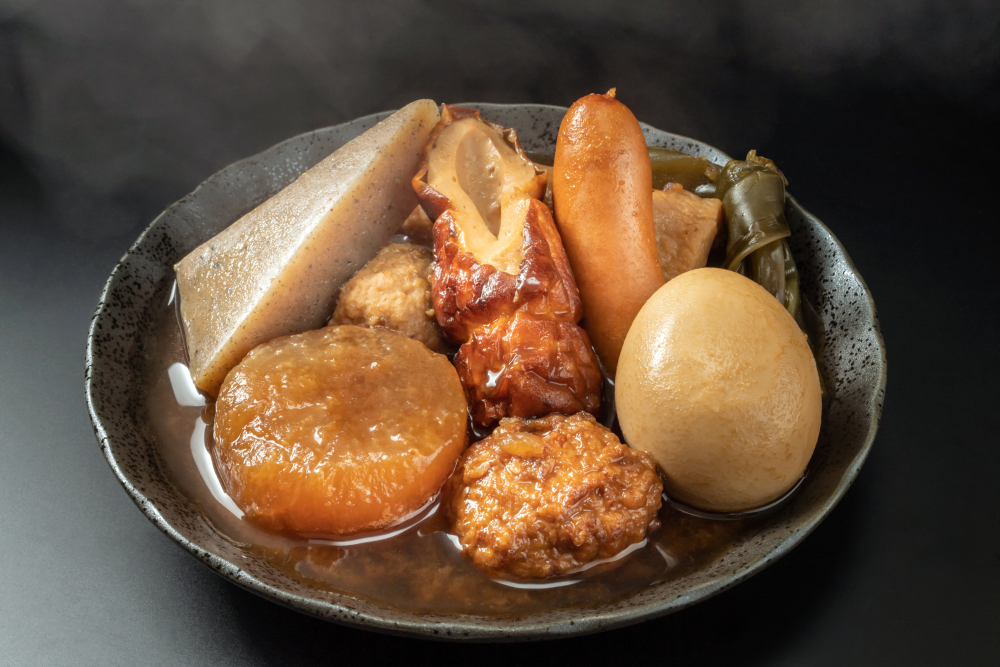
Kuro oden – Photo Credit: Basico
How to eat oden
Each region of Japan puts its own twist on oden. In Shizuoka, oden takes on a darker hue, literally. Kuro Oden is simmered in a thick, soy-based broth that’s reused and enriched over time, creating a deep, bold flavor. It’s often served on skewers and sprinkled with dried fish powder. This distinctive version is beloved for its nostalgic, smoky aroma and comforting warmth.
In Kansai (Osaka), the broth is lighter and clearer, allowing each ingredient’s natural flavor to shine. Meanwhile, Kanazawa Oden, from Ishikawa Prefecture, is known for its elegant and delicate broth, often featuring local seafood like crab. These regional styles showcase how adaptable and personal oden can be; there’s no single “correct” recipe, only the one that warms you best.
Eating oden isn’t complicated, but there’s a rhythm to it that makes the experience special. Traditionally, oden is served piping hot in a deep bowl or directly from the simmering pot. You start by choosing your favorite ingredients, perhaps a slice of daikon, a soft egg, or a fish cake, and then dip them lightly into condiments like karashi (spicy Japanese mustard) or yuzu kosho (a zesty citrus chili paste). The key is to take your time: enjoy each bite slowly, alternate with sips of the flavorful broth, and appreciate how each ingredient has absorbed the dashi differently. Don’t discard the broth; it’s the heart of the dish, and many people drink it at the end or save it for another meal the next day.
At home, oden is often cooked in large batches and reheated over several days. It actually tastes even better the next day as the ingredients continue to absorb the broth. Some families even reuse the leftover broth to make noodles, rice soup, or curry. In Japan, oden is also a popular convenience food. During winter, you’ll find steaming trays of oden near the counter at many convenience stores. Customers pick the ingredients they want, and the clerk serves them with ladles of hot broth. It’s an everyday winter ritual that feels both nostalgic and deeply comforting.
Oden is more than a dish; it’s an experience of warmth and sharing. Around a bubbling pot, friends and family savor simple, tender ingredients that capture the quiet beauty of Japanese cooking. Every bowl tells a story of winter nights, shared laughter, and the comforting heart of Japan.
Featured Photo Credit: karins
Want to come to Japan and try some oden to stay warm during the winter? Make sure to check out our Winter Recommended Tours to find your perfect foodie adventure!
PIN THIS FOR LATER
Book your pocket wifi now to stay connected through your entire Japan Journey!

Be sure to get the JR Pass to make navigating Japan during your trip that much easier!

YOU MIGHT ALSO LIKE