The Essential Guide to Nabe: The Heartwarming Components of Japan’s Winter Hot Pot
Jan 15, 2026
BY Brad Stephens
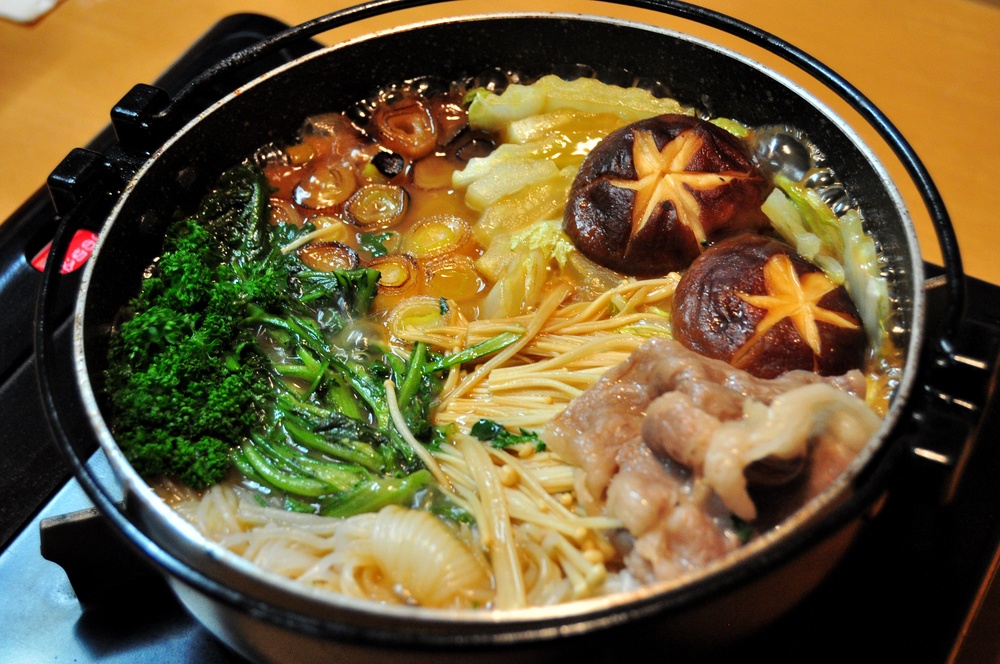
When the chill of winter sweeps across Japan, few dishes capture the warmth of the season quite like nabe (鍋, hot pot). Families and friends gather around a steaming pot, cooking together at the table and savoring the blend of comforting broth, fresh ingredients, and shared laughter. While there are countless regional and seasonal varieties such as sukiyaki (すき焼き, beef hot pot) and yosenabe (寄せ鍋, mixed hot pot), the real magic of nabe lies in how customizable it is.
If you have ever wanted to make nabe at home, this guide breaks down every essential component, from the broth to the finishing touches, so you can create your own warm, cozy bowl of Japanese winter comfort.
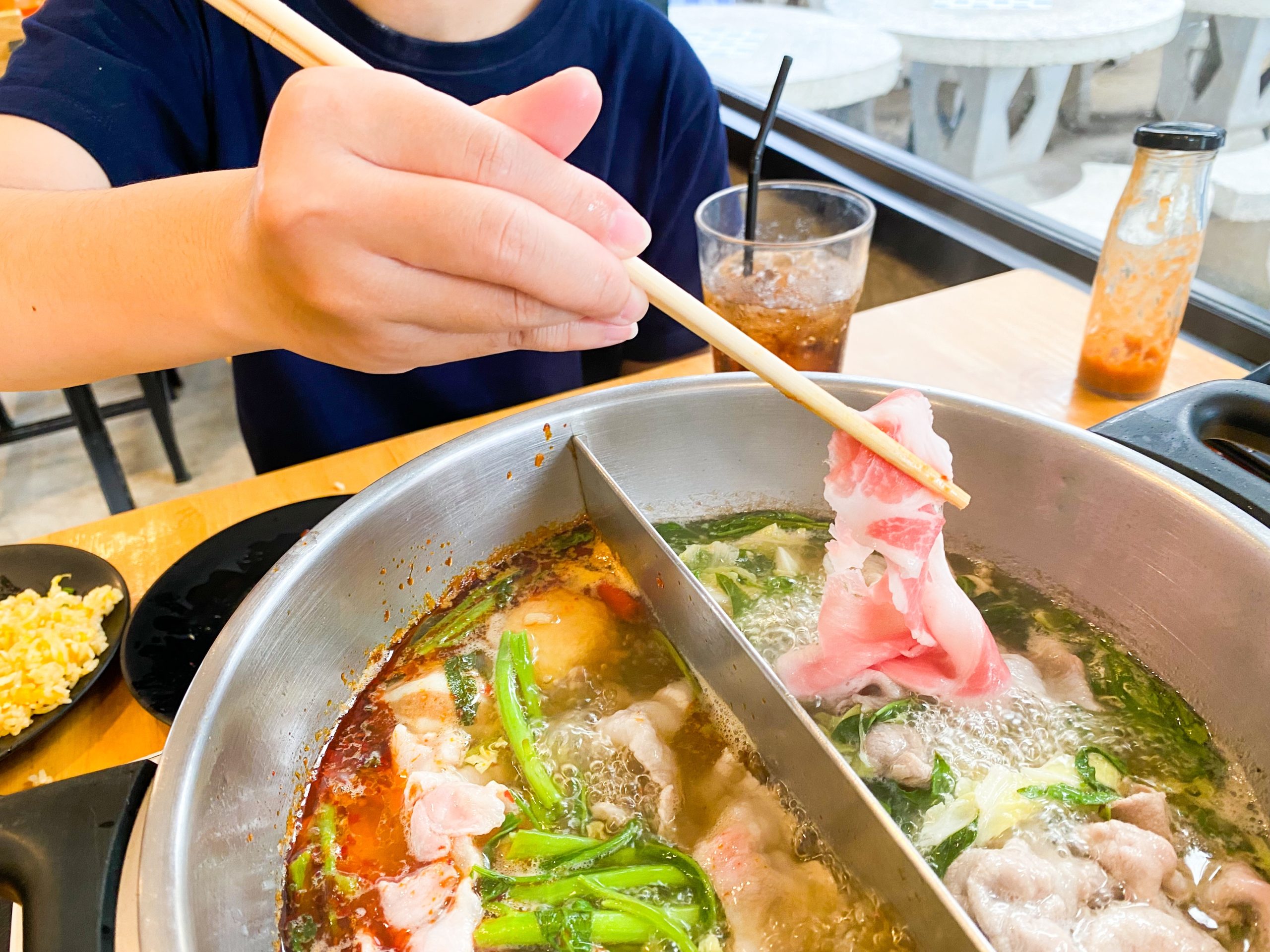
Two types of broth in one pot – Photo Credit: Tanakorn Soncharoen
The Foundation: Soup Base and Stock
At the heart of every nabe is the soup base. It determines the overall flavor, depth, and character of your hot pot. If you’re indecisive and can’t choose, don’t fret. Many restaurants offer two types of broth in a single pot if you’re feeling adventurous. It’s up to you to mix and match to find the combination that works best for you and your loved ones.
Common Soup Bases:
Kombu dashi (昆布だし, kelp stock): The simplest and most traditional base, made by soaking kombu in water. It creates a clean, umami-rich flavor that pairs well with almost anything.
Katsuo dashi (かつおだし, bonito stock): Made from dried katsuobushi (鰹節, bonito flakes), this base adds a slightly smoky, savory note.
Chicken broth: A hearty, warming stock that brings body and richness to the dish, perfect for cold nights.
Soy-milk base: A creamy, slightly nutty option popular in modern Japanese homes.
Miso base: Blended with miso paste for a rich, comforting umami flavor. Red miso gives a bold taste, while white miso creates a gentler sweetness.
Kimchi base: Inspired by Korean hot pot flavors, this spicy broth uses kimchi, garlic, and chili paste for a fiery warmth.
Substitutions: If you can’t find Japanese dashi ingredients, you can use a mixture of chicken or vegetable stock with a splash of soy sauce and a piece of dried seaweed for an easy substitute.
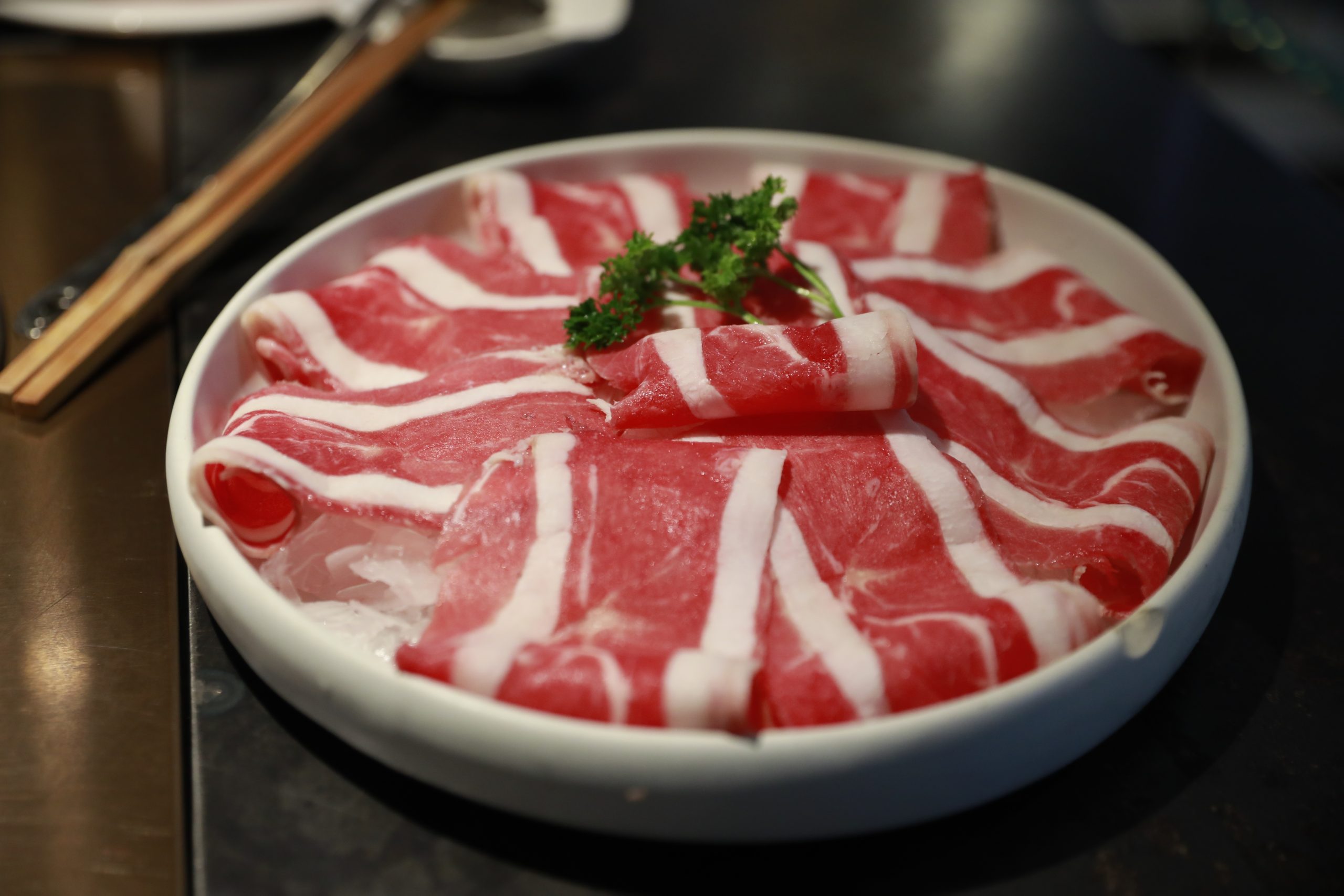
Beef ready to be cooked – Photo Credit: canghai76
The Heart: Proteins
Protein gives nabe its substance and variety. The beauty of this dish is that almost any protein works if it complements the broth.
Popular Choices:
Thinly sliced beef: Ideal for sukiyaki or soy-based broths.
Pork belly: Adds richness and sweetness to the broth.
Chicken thigh: Tender and juicy, perfect for tori nabe.
Tori dango (鶏団子, chicken meatballs): Soft, flavorful chicken meatballs that add heartiness to any broth.
They are especially popular in winter hot pots and pair beautifully with vegetables and noodles.
Seafood: Shrimp, salmon, crab, scallops, and white fish all lend delicate sweetness to the pot. Yosenabe often combines several kinds of seafood for extra flavor.
Tofu: A classic nabe ingredient that absorbs the broth beautifully. Silken tofu melts in your mouth, while firm tofu holds its shape in longer cooking sessions.
Substitutions: For a vegetarian or vegan version, replace meat with tofu or other plant-based protein. Add a few slices of aburaage (油揚げ, deep-fried tofu skin) for extra texture. This method is uncommon in Japan, but it is not unheard of.
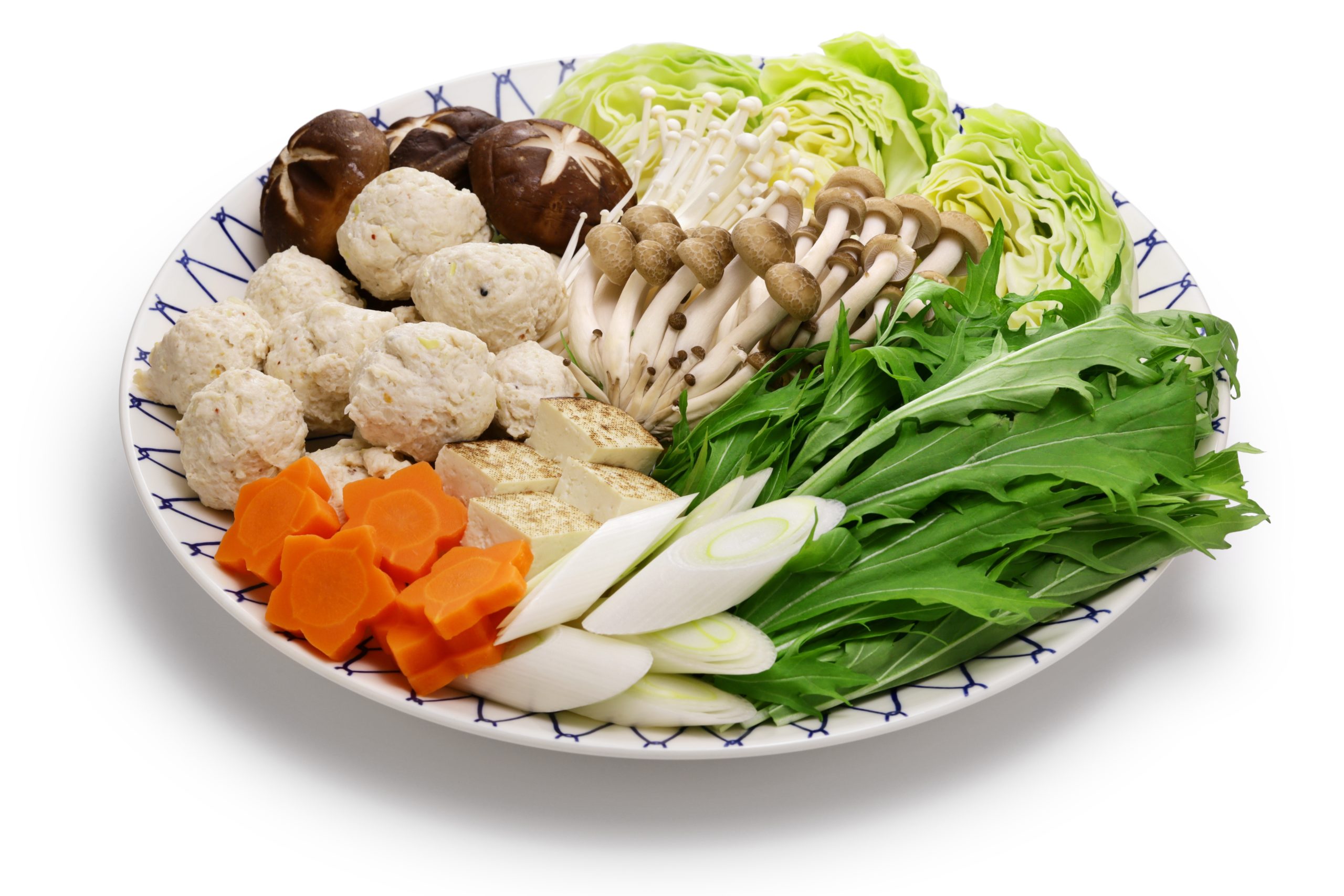
Ingredients for a tasty nabe – Photo Credit: bonchan
The Soul: Vegetables
The vegetables are what truly make nabe colorful and nourishing. They absorb the broth, soften beautifully, and create a balanced mix of textures.
Essential Vegetables and Popular Ingredients:
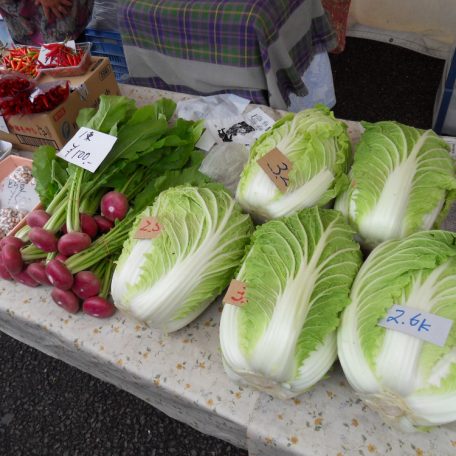
Hakusai (白菜, napa cabbage): The most iconic nabe vegetable. Sweet, tender, and perfect for soaking up broth.
Japanese leek: Similar to a large green onion, it adds a mild sweetness.
Mizuna (水菜, Japanese mustard greens): Light and slightly peppery, added at the end for freshness.
Shiitake (椎茸) and enoki (えのき茸) mushrooms: Add earthy, umami flavor and visual appeal.
Carrots: Add sweetness and color. Cut them into flower shapes for a traditional touch.
Daikon (大根, Japanese radish): Absorbs flavors deeply and becomes beautifully tender.
Shirataki noodles (白滝, konjac noodles): While not technically a vegetable, shirataki noodles are a very common and popular ingredient in nabe. They are translucent, rich in fiber, low-calorie noodles made from konjac yam that soak up the broth and add a chewy texture to the hot pot.
Substitutions: If you cannot find Japanese produce, you can use alternatives like bok choy, spinach, kale, or white onions. Even Western mushrooms, such as cremini or oyster mushrooms, work well.
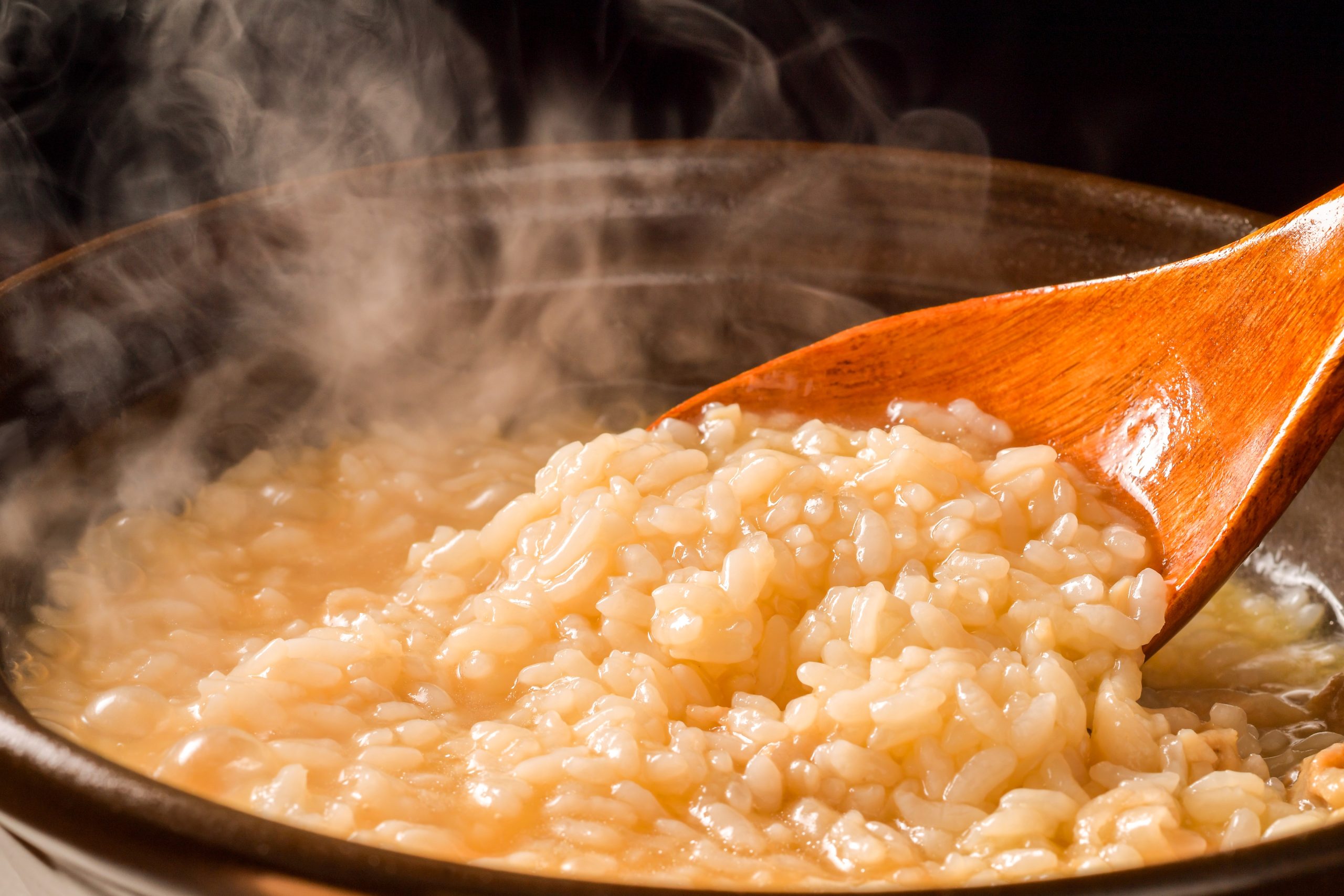
Tasty zosui to end the delicious nabe experience – Photo Credit: Basico
The Warm Embrace: Noodles and Rice
At the end of the meal, when most of the ingredients are gone, there is still one delicious step left: finishing the remaining broth.
Two Classic Ways to End Nabe:
Udon (うどん, thick wheat noodles): Soft and chewy, these soak up every last drop of the broth.
Zosui (雑炊, rice porridge): Add cooked rice and a beaten egg to the broth to create a creamy, comforting porridge that warms you to the core.
Other options: Ramen noodles for a richer finish or mochi (餅, rice cakes) for a chewy, nostalgic texture.
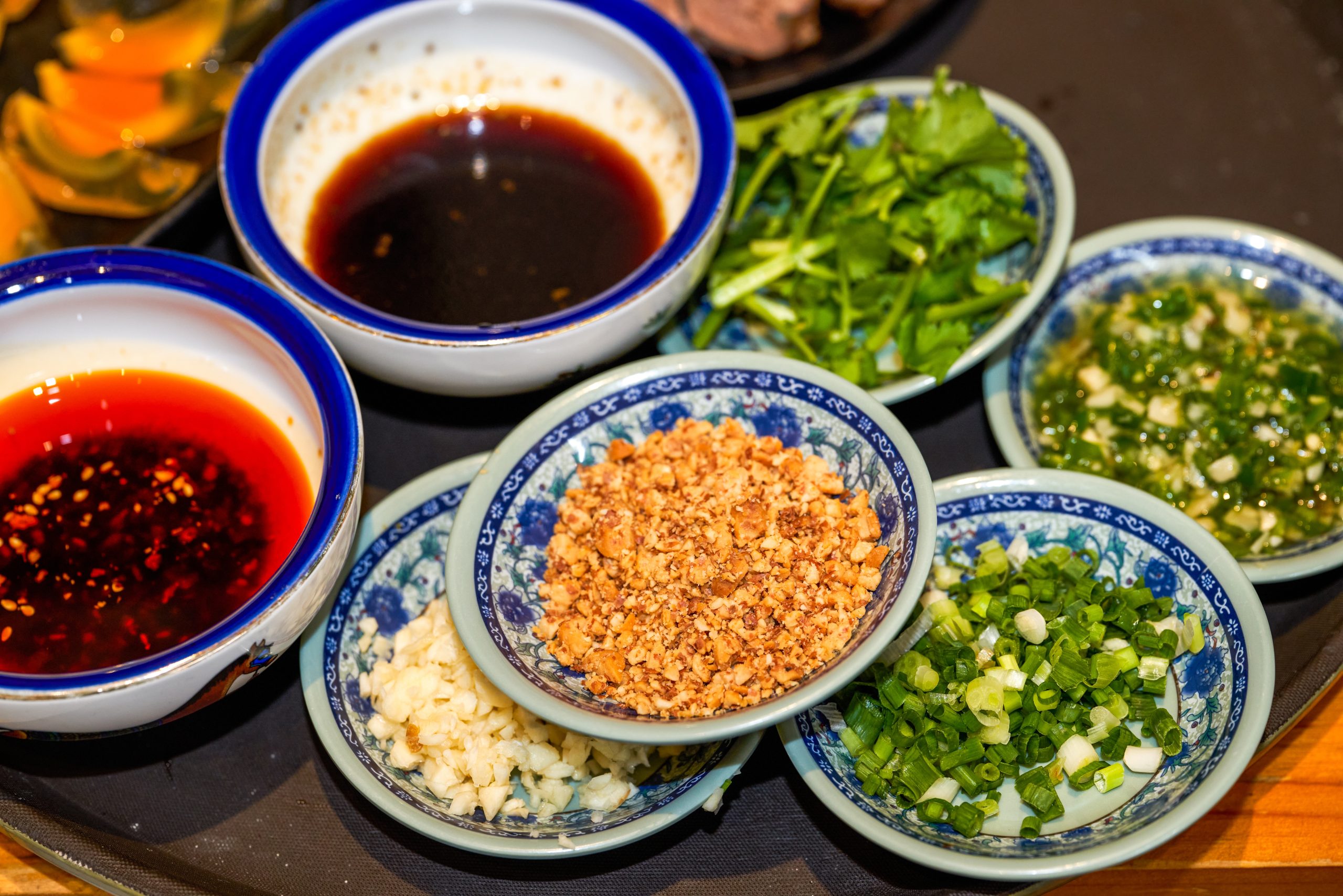
Various seasonings for your nabe – Photo Credit: HiTecherZ
The Finishing Touches: Condiments and Dipping Sauces
Sauces transform your nabe from good to unforgettable. Each person can customize their bowl with a sauce that complements their preferred ingredients.
Popular Condiments:
Ponzu (ポン酢): A citrusy soy-based sauce that adds brightness and tang.
Goma dare (ごまだれ): A creamy sesame sauce that pairs well with meat and vegetables.
Shichimi togarashi (七味唐辛子): A Japanese seven-spice blend for a hint of heat.
Grated daikon (大根おろし): Refreshing and light, balancing the richness of the broth.
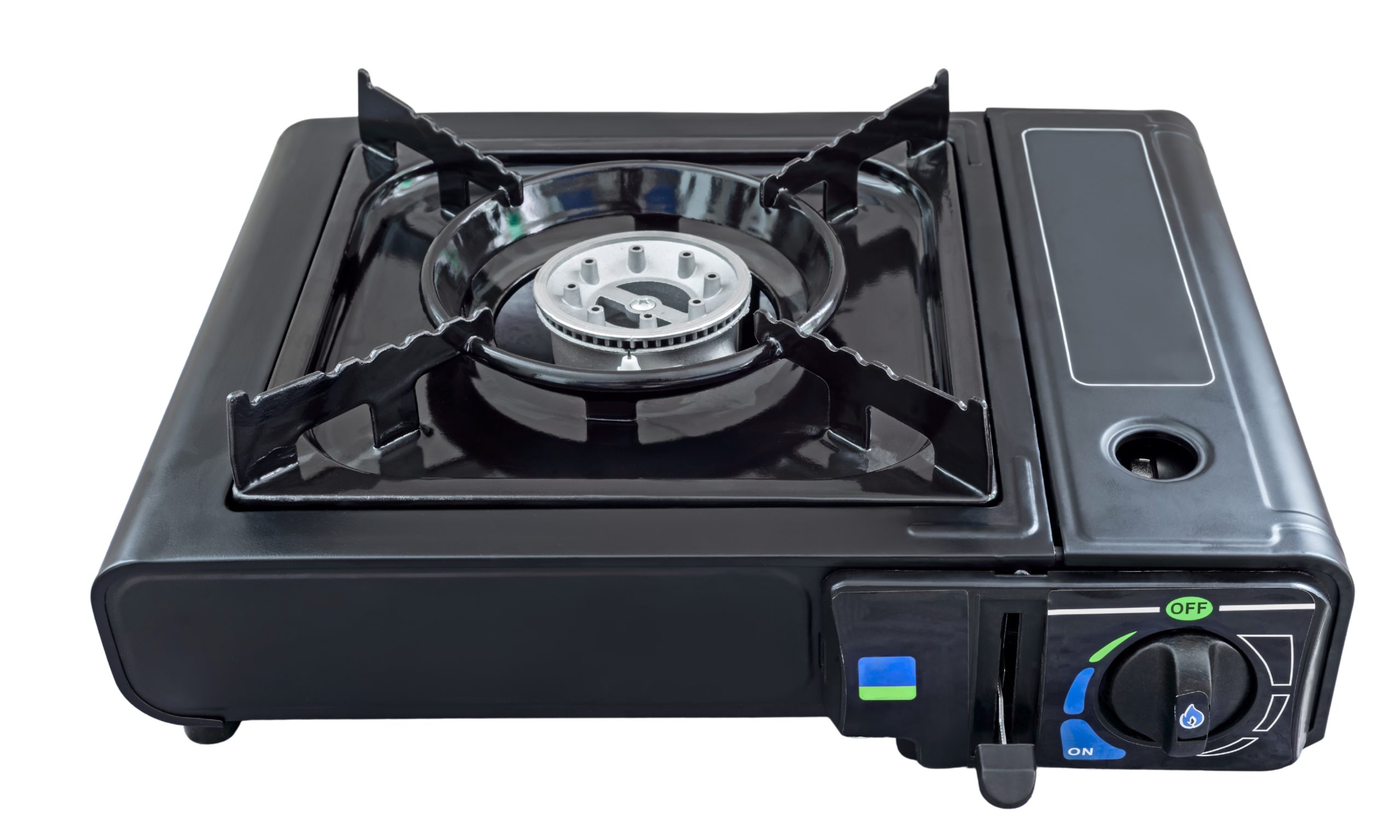
Portable gas stove – Photo Credit: SLM buzz
Equipment: Setting the Scene
You do not need special tools to enjoy nabe, but the right setup enhances the experience.
Donabe (土鍋): A traditional clay pot that retains heat beautifully.
Portable gas stove: Allows everyone at the table to cook together.
Ladle and tongs: For sharing and serving ingredients safely.
If you don’t have a donabe, a heavy cast-iron or ceramic pot works just as well.
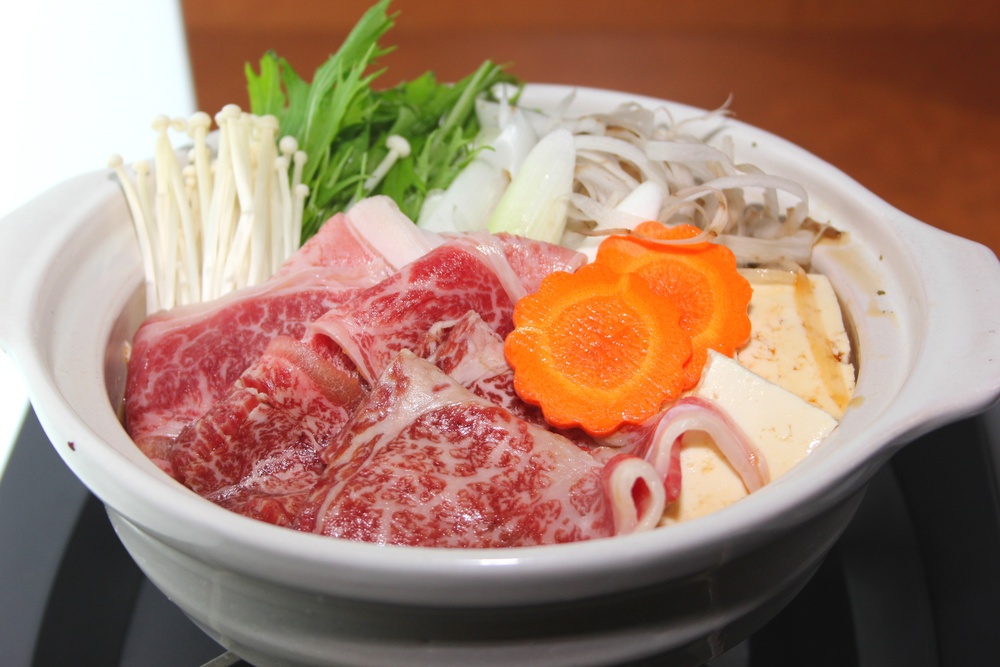
Sukiyaki ready to be cooked – Photo Credit: PublicDomainQ
The Spirit of Nabe: Togetherness and Season
Nabe is more than a meal. It is an experience rooted in Japanese culture. During winter, nabe gatherings known as nabe-kai (鍋会, hot pot parties) are common among families, friends, and coworkers. It is a time to unwind, chat, and enjoy the slow rhythm of cooking together at the table.
As steam fills the air and the broth bubbles gently, nabe brings everyone closer. It symbolizes warmth, community, and the simple joy of sharing food.
Making nabe at home is easy, comforting, and endlessly adaptable. Whether you crave the simplicity of kombu dashi or the spice of kimchi nabe, the key is to choose ingredients you love and cook them slowly in a delicious broth.
When winter arrives, gather your friends, prepare a steaming pot, and experience one of Japan’s warmest culinary traditions, one bowl at a time.
Featured Photo Credit: PublicDomainQ
Planning a trip to Japan this Winter? Contact our Tailored Travel team today and get ready to explore and taste all this incredible country has to offer!
PIN THIS FOR LATER
Book your pocket wifi now to stay connected through your entire Japan Journey!

Be sure to get the JR Pass to make navigating Japan during your trip that much easier!

YOU MIGHT ALSO LIKE