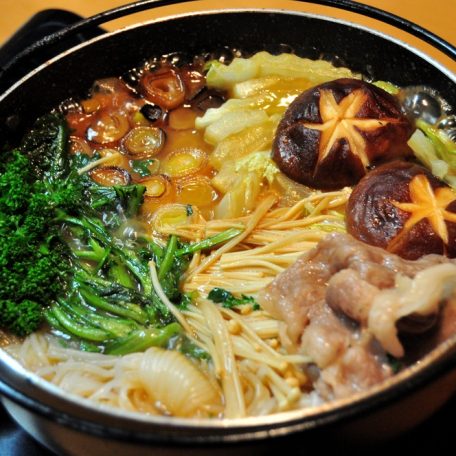
Top 5 Japanese Winter Vegetables
Dec 3, 2025
BY Natalie Hung
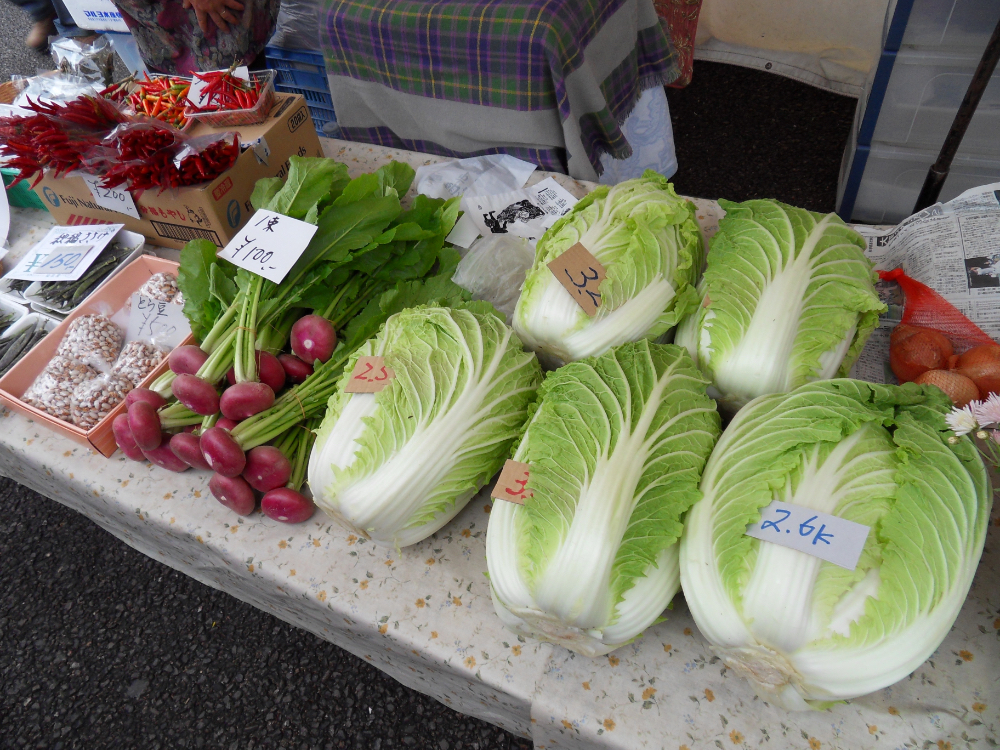
As the weather cools down, some of Japan’s best produce becomes sweeter. Japanese winter cuisine ranges from hearty nabe to crispy fried tempura and steaming bowls of soba noodles. Many Japanese dishes rely heavily on fresh vegetables as their primary ingredients. Here is your guide to some of the most popular winter vegetables in Japan.
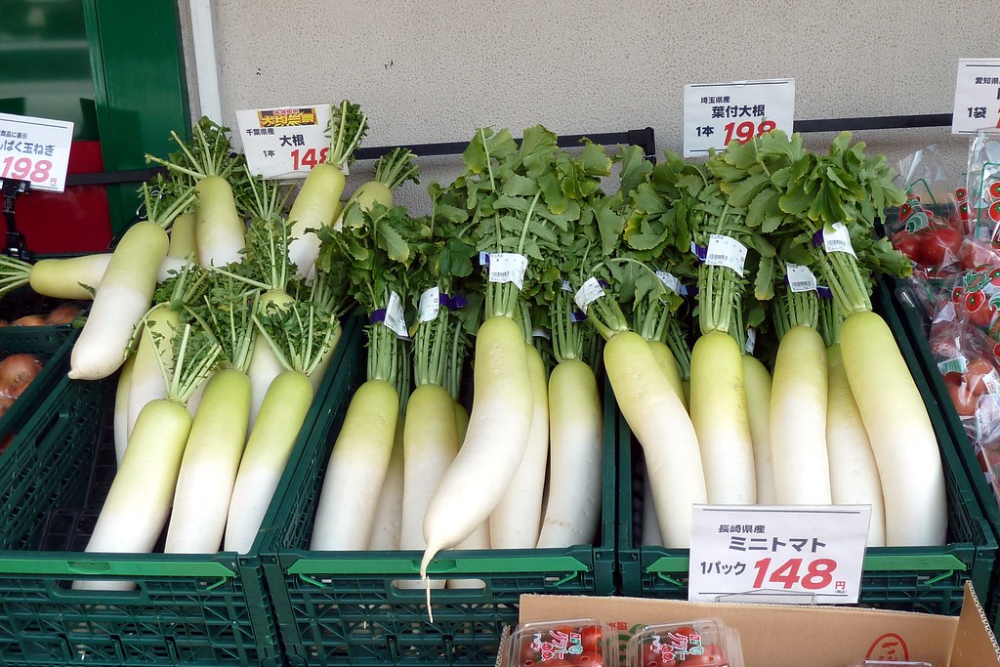
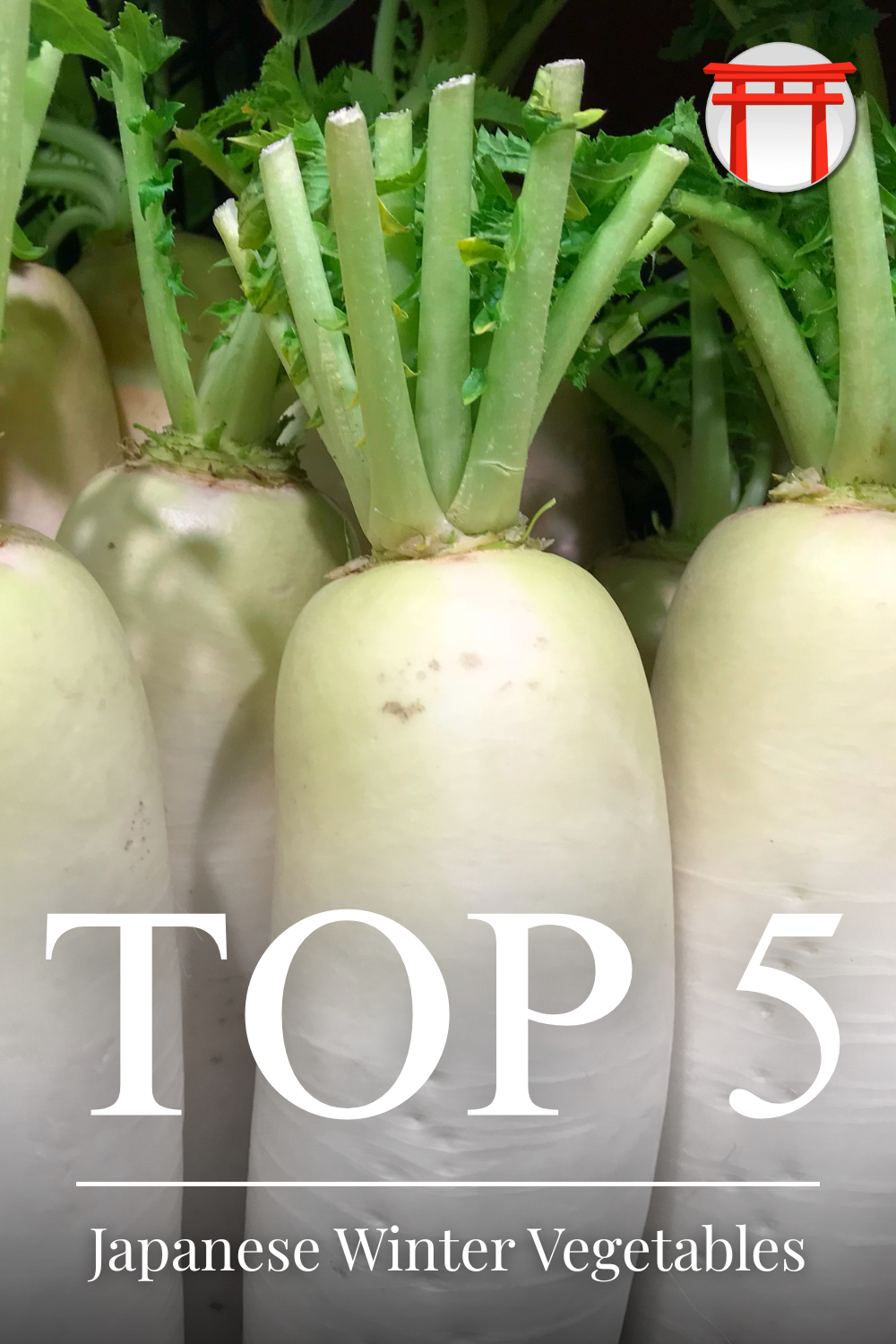
Daikon for sale at a market – Photo Credit: Trixie
Daikon
Daikon, or Japanese Radish, directly translates as “big root.” It is a staple for Japanese cuisine due to its mild flavor, which makes it an incredibly versatile ingredient. It can be pickled and enjoyed as a refreshing side dish, slowly simmered until tender and flavorful in nabe or oden, or even grated and enjoyed as a garnish or in sauces.
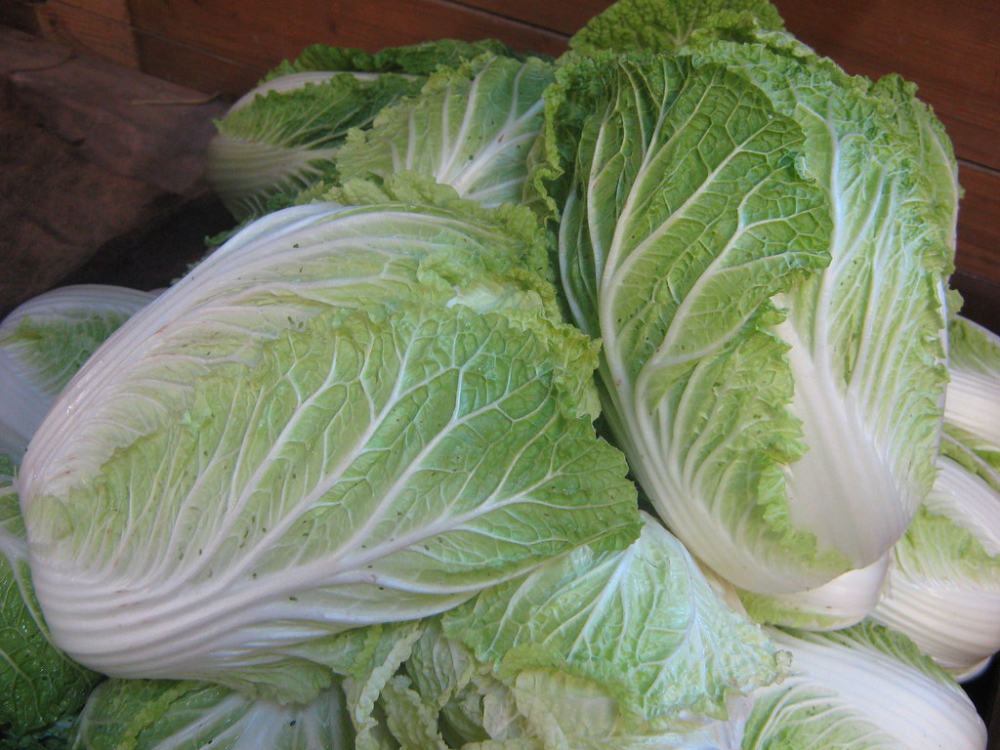
A pile of hakusai – Photo Credit: eyesofblue2008
Hakusai
Hakusai, also known as napa cabbage, literally means “white cabbage.” It is one of the most commonly used leafy vegetables in Japan. Due to its low calorie count and high nutritional value, hakusai is essential for winter stews. The vegetable becomes especially flavorful and tender when boiled in a rich broth, making it both a healthy and delicious addition to any meal!
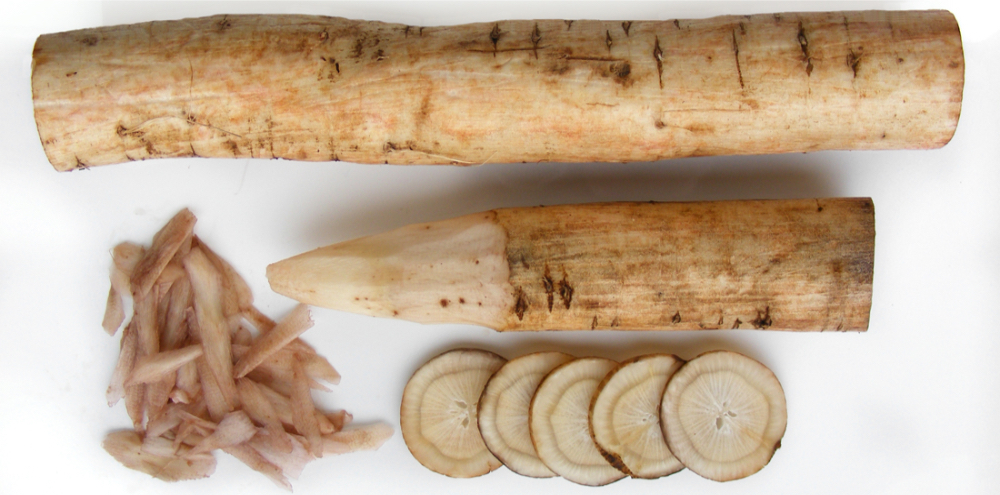
Sliced gobo – Photo Credit: Robin
Gobo
Gobo, or burdock root, is a type of root vegetable. Its earthy flavor and subtle sweetness are cornerstones of traditional Japanese cooking. Gobo adds a deep, earthy dimension to soups and even teas. It is best known for its crunchy texture, especially in classic dishes like kinpira, where it is braised with carrots.
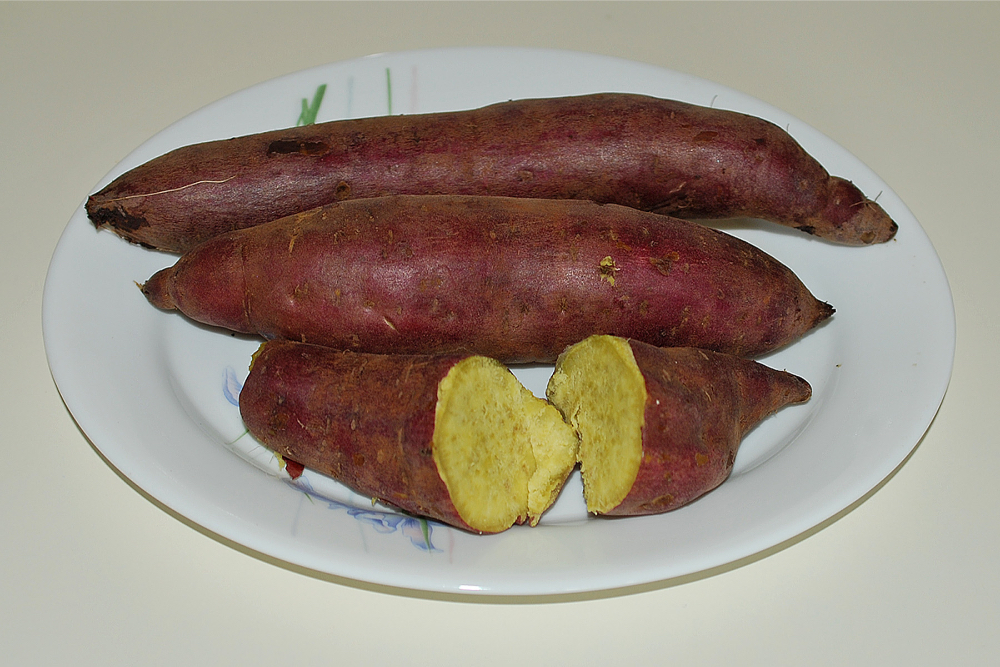
Satsuma Imo on a plate – Photo Credit: Choo Yut Shing
Satsuma Imo
Also very popular during the fall season, satsuma imo is a type of sweet potato from Japan. Compared to regular sweet potatoes, satsuma imo has a paler and sweeter orange or purple flesh. One of the most common ways to enjoy Japanese sweet potatoes is roasted. Yaki-imo is often sold at street stalls, making it a perfect pick-me-up on cold winter days.
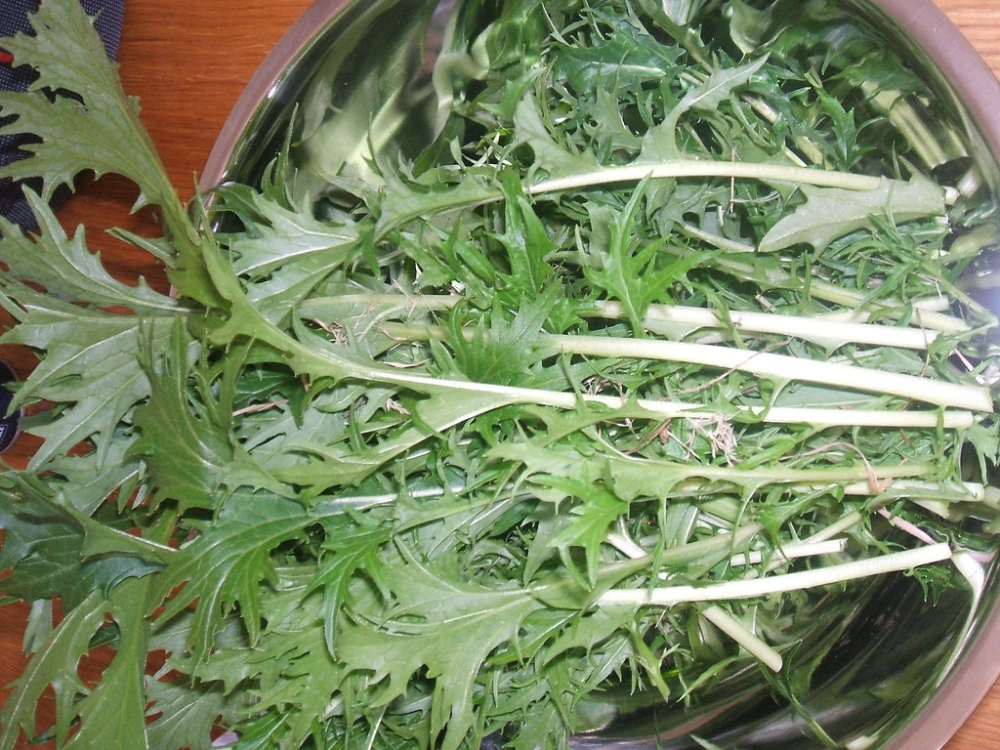
Mizuna being prepared for cooking – Photo Credit: Nic Bertrand
Mizuna
Mizuna is a type of Japanese mustard green, best known for its peppery and mildly bitter flavor. Its delicate, feathery leaves and crisp, juicy stems add a wonderful texture to any dish. Mizuna is a staple in salad mixes and is also delicious when quickly wilted in soups or stir-fries. This versatility makes it a favorite among locals.
In essence, the Japanese winter pantry, featuring the versatility of daikon, the soft texture of hakusai, the earthiness of gobo, the sweetness of satsuma imo, and the crispiness of mizuna, is a masterclass of seasonal eating. These vegetables provide the perfect balance of nourishment and comfort during the coldest months of Japan. What are some of your favorite winter vegetables?
Featured Photo Credit: CS Travels
If you are planning a trip to Japan this winter and want to try some delicious Japanese cuisine, check out our Winter Tour Recommendations and connect with our experts!
PIN THIS FOR LATER
Book your pocket wifi now to stay connected through your entire Japan Journey!

Be sure to get the JR Pass to make navigating Japan during your trip that much easier!

YOU MIGHT ALSO LIKE