Exploring Shikoku: Trains, Culture, and Timeless Traditions
Jan 8, 2026
BY Brad Stephens
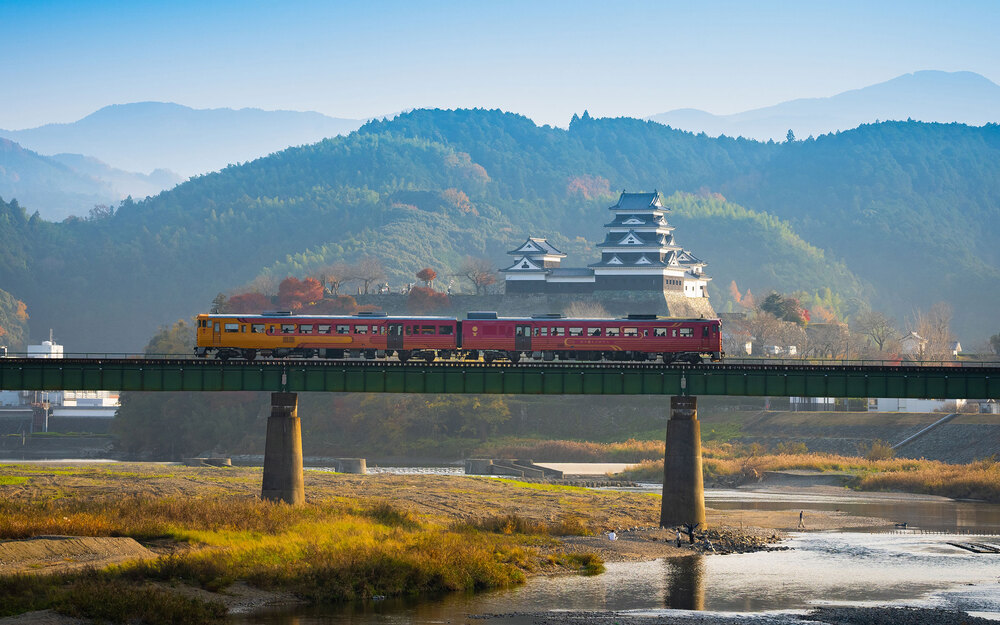
Shikoku (四国), an island comprising four prefectures, is a treasure trove of natural beauty, rich traditions, and unique culinary experiences. Often overlooked by travelers rushing between Tokyo and Kyoto, Shikoku offers an authentic Japanese journey where history, culture, and nature seamlessly intertwine. From scenic train rides to vibrant festivals and hands-on craft workshops, Shikoku invites you to slow down, savor each moment, and explore at your own pace.
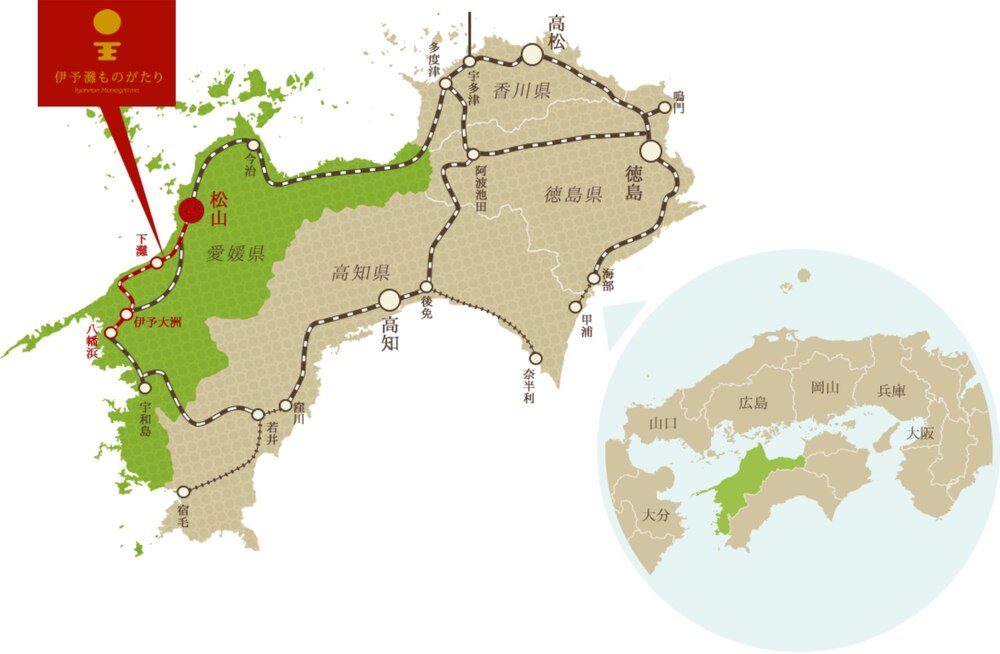
Train map of Shikoku – Photo Credit: JR Shikoku
Traveling around Shikoku by train
One of the most rewarding ways to experience Shikoku is by train. JR Shikoku offers a variety of special services designed to showcase the island’s diverse regions. Tetsuya Matsuoka from JR Shikoku recommends first-time visitors take three different trains to complete a full loop of the island. Each route highlights distinct cultural and regional differences, allowing travelers to experience Shikoku’s variety from the comfort of a carriage.
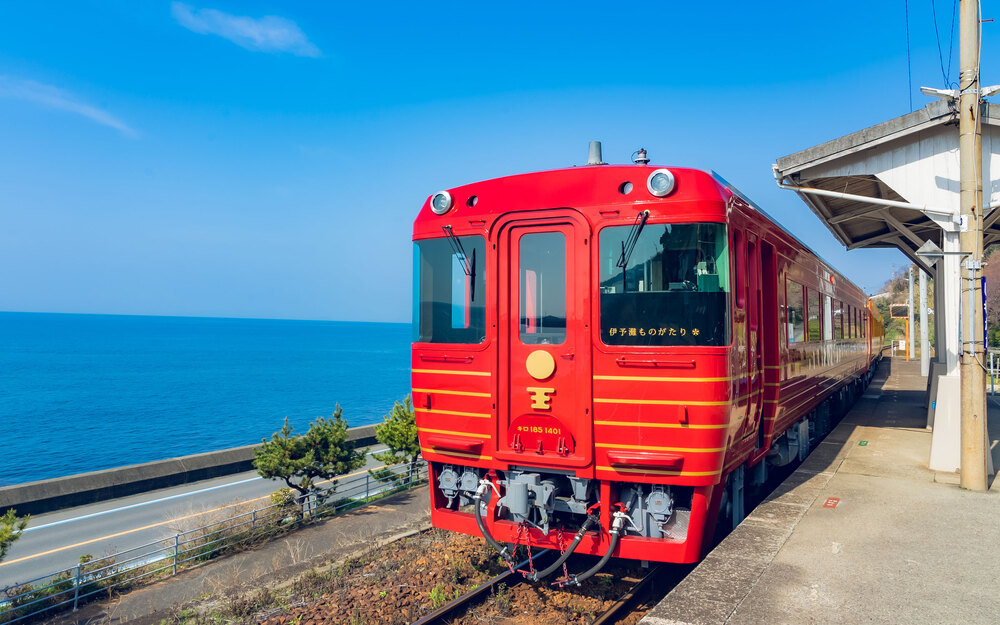
One of the Monogatari Trains – Photo Credit: JR Shikoku
These trains, known as Monogatari Trains (物語列車), are special themed trains that celebrate Shikoku’s local stories and traditions. Recently, these trains marked their tenth anniversary with festive messages and imagery that reflect the island’s culture. Riding, you may find yourself surrounded by scenic coastlines, lush mountains, and historic towns, all while enjoying local delicacies served onboard. These excursions are particularly popular, offering a unique combination of sightseeing, culinary delights, and cultural immersion.
Culinary highlights of Shikoku
Shikoku’s cuisine is deeply tied to its local ingredients and traditions. Lance Kita from the Tokushima Tourist Office emphasizes that the island’s food culture is a key attraction for global travelers. One must-try dish is Tai-meshi (鯛めし, sea bream rice), a delicate, flavorful specialty in Ehime Prefecture. Tokushima Prefecture is known for its Awa Odori Chicken (阿波尾鶏), often paired with locally grown vegetables such as lotus root, broccoli, and cauliflower. In Kagawa Prefecture, many restaurants also offer juwari soba (十割そば, 100% buckwheat noodles), which are naturally gluten-free and suitable for visitors with dietary preferences.
Shikoku’s drink scene is equally impressive. Dry local sake pairs wonderfully with regional dishes, and craft beer lovers can explore seven unique breweries, including some in Kamikatsu town, which is famous for its zero-waste philosophy. Here, breweries creatively use recycled materials and even citrus peels from local farms to produce distinctive beers. Additionally, Shikoku is home to small-scale umeshu (梅酒, plum wine) producers who are licensed to brew in limited quantities, allowing them to preserve traditional methods.
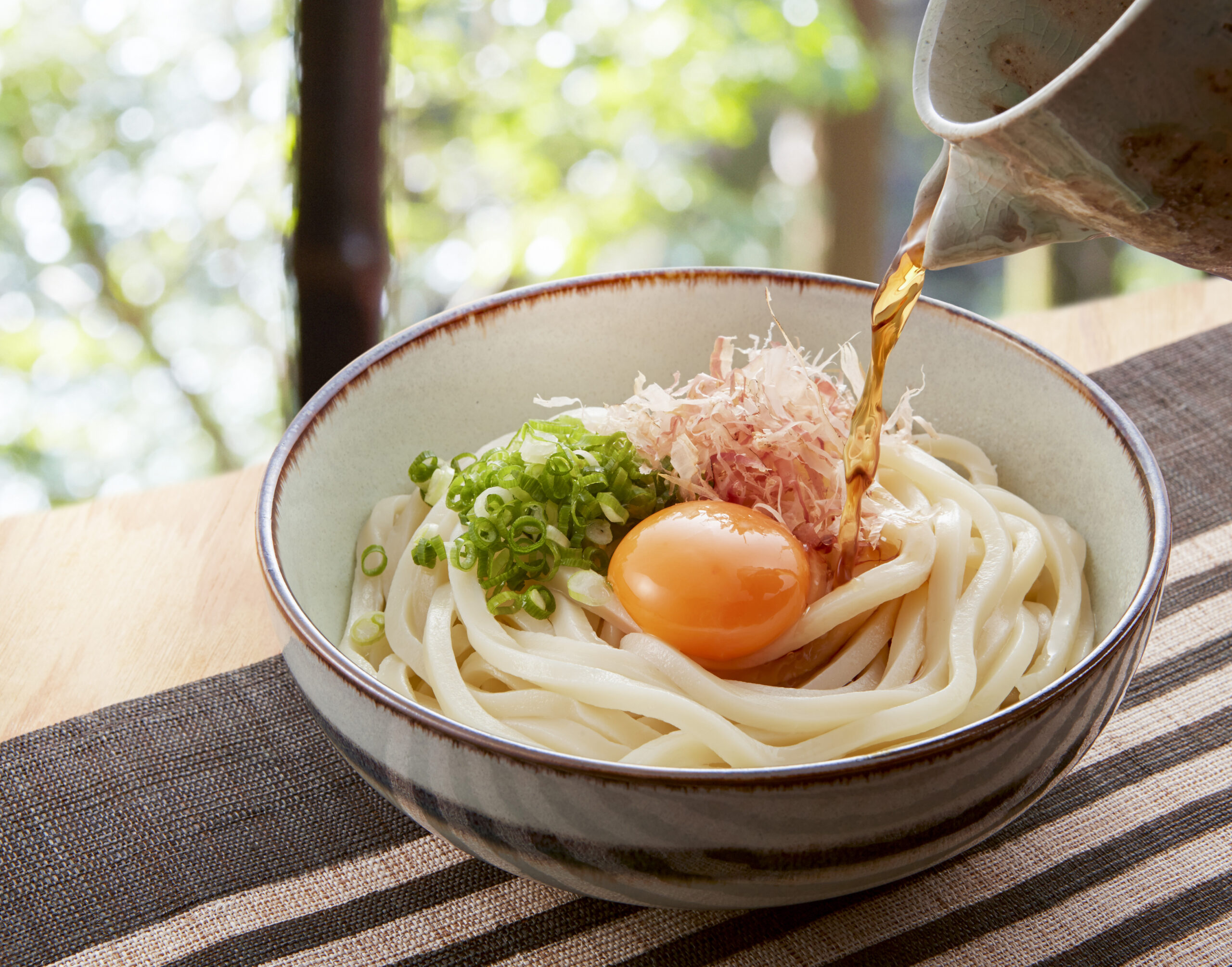
Tasty sanuki udon – Photo Credit: funny face
No visit to Shikoku is complete without learning to make Sanuki udon (讃岐うどん), a style of udon noodles famed for its chewy texture and robust flavor. Many local restaurants and workshops invite travelers to create their own noodles from scratch, providing a memorable culinary experience.

Indigo tie-dye fabric – Photo Credit: Usman AbdulrasheedGambo
Hands-on cultural experiences
Shikoku is a hub of traditional craftsmanship. Tokushima Prefecture, in particular, produces around 80% of Japan’s indigo dye, and visitors can join workshops to create their own dyed fabrics. Another fun activity is making goshiki-bashi (五角箸, five-sided chopsticks), which allows you to sand and shape your own pair.
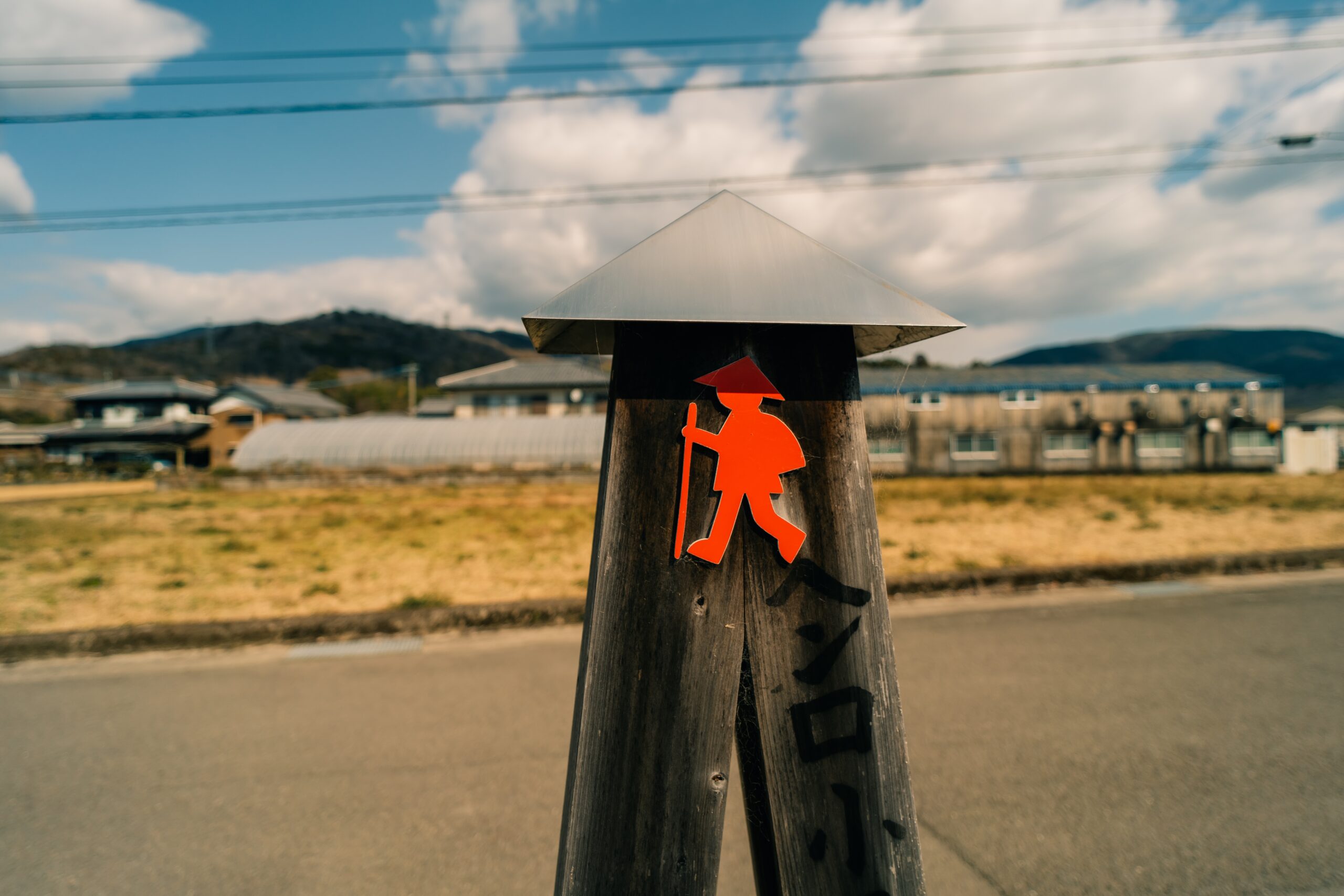
Sign displaying the Shikoku 88-temple pilgrimage path – Photo Credit: Brester Irina
The Shikoku 88 Temple Pilgrimage
One of the most iconic and spiritual experiences in Japan is the Shikoku Henro (四国遍路, Shikoku pilgrimage), a sacred journey connecting 88 Buddhist temples across the island. The route stretches over 1,200 kilometers and is closely associated with Kūkai (空海), also revered as Kōbō Daishi (弘法大師), the monk who founded the Shingon school of Buddhism in the 9th century.
The pilgrimage can be undertaken in many ways, such as walking, cycling, traveling by car, or taking the train. Each temple represents a stage of spiritual reflection, offering travelers the chance to contemplate themes such as awakening, discipline, and gratitude. While traditional pilgrims wear white robes and conical hats, many modern visitors participate in casual clothing, blending ancient practice with contemporary exploration.
For some, completing all 88 temples is a lifelong goal. For others, even visiting a few provides a meaningful connection to Shikoku’s deep spiritual heritage. Along the way, locals often welcome pilgrims with small offerings known as osettai (お接待, acts of generosity), including drinks, snacks, or words of encouragement. This exchange captures the warmth and kindness of Shikoku’s people and reinforces the idea that the journey itself is as important as the destination.
Seasonally, the pilgrimage offers ever-changing scenery. In spring, cherry blossoms frame temple gates. In summer, lush greenery surrounds the paths. Autumn brings brilliant foliage, and winter offers quiet reflection under crisp skies. Many pilgrims say that each season reveals a different truth about life and nature.
Even if you cannot visit all 88 temples, following a portion of the route provides a deep sense of peace and perspective. It is a journey that invites mindfulness and a slower, more thoughtful way of travel, reflecting the calm and enduring spirit of Shikoku itself.
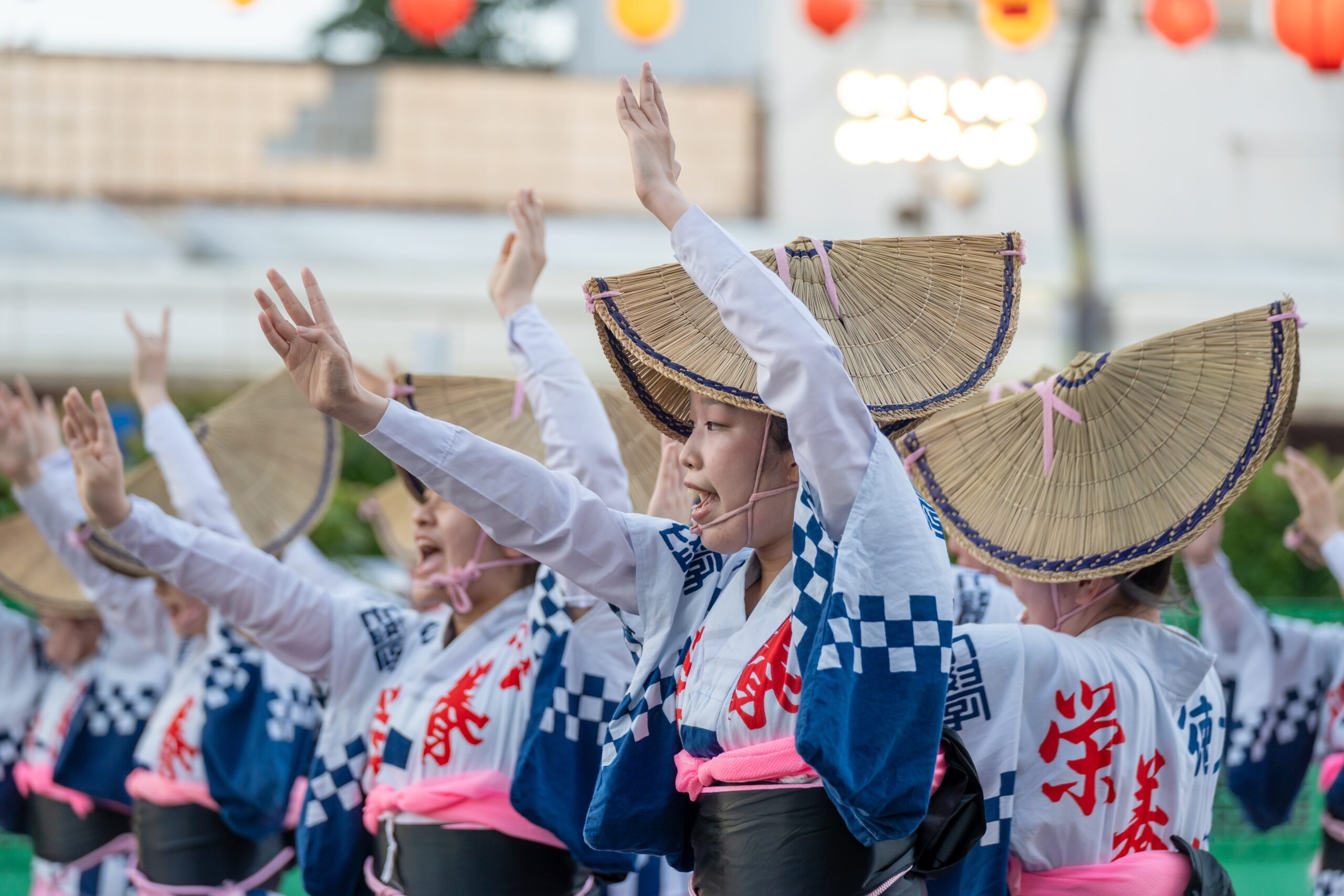
Tokushima Awa Odori Festival – Photo Credit: Shawn.ccf
Festivals and local traditions
Shikoku’s festivals are lively celebrations of community and tradition. During local events, you might witness mikoshi (神輿, portable shrines) being carried and sometimes colliding in dramatic, joyous runs. These festivals are deeply rooted in local culture, offering a glimpse into the rhythms of life that have endured for centuries.
Awa Odori (阿波踊り) is Tokushima Prefecture’s most famous dance festival, held every August. Participants, dressed in colorful traditional costumes, dance through the streets to lively music played on shamisen, taiko drums, and flutes. The festival is a joyful expression of community spirit and has become one of Japan’s most iconic celebrations, attracting visitors from across the country and abroad. The island’s historical openness is notable. During World War I, German prisoners of war in Tokushima Prefecture experienced relative freedom compared with typical POW camps.
They were allowed to move about like regular citizens and even performed Beethoven’s 9th Symphony, creating a unique cultural exchange that still resonates locally. Interestingly, many Japanese people cannot quite explain why this tradition continues to resonate so deeply. It simply does. Today, the symphony has become a cherished part of Japanese musical culture, performed widely at the end of the year as a symbol of unity and hope.
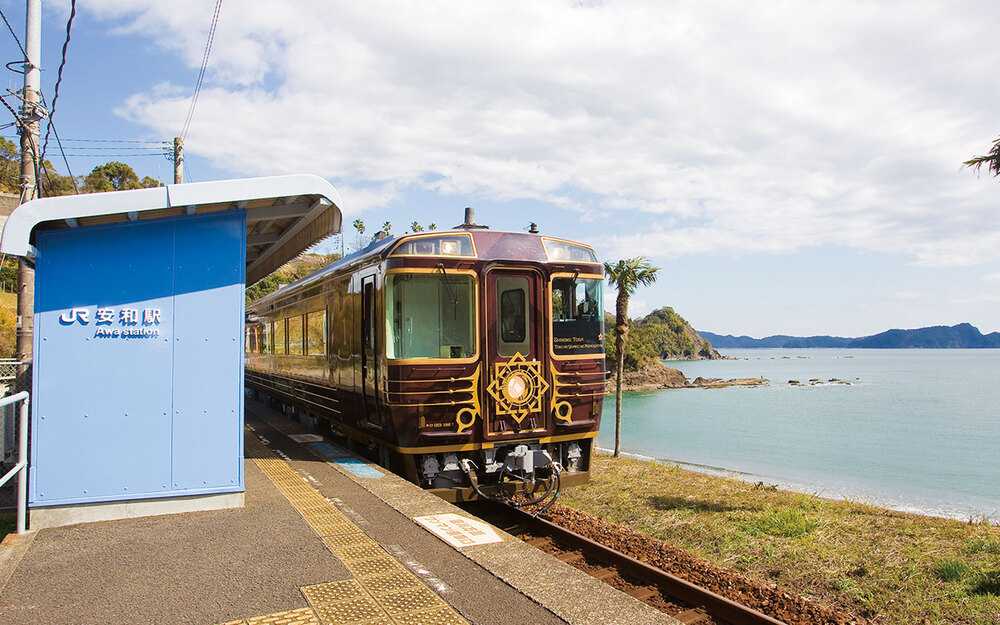
A Monogatari Train pulling into Awa Station – Photo Credit: JR Shikoku
Savor Shikoku at your own pace
The beauty of Shikoku is in its invitation to slow down. Whether you are riding a scenic train, tasting fresh seafood, crafting your own chopsticks, or participating in a local festival, the island encourages you to savor every moment. Take time to walk through its towns, enjoy the seasonal landscapes, and immerse yourself in the rhythms of life that have been cherished here for generations.
Shikoku is a place where tradition meets hospitality, where food tells stories, and where every journey, whether by train or on foot, becomes an unforgettable experience. By exploring this island with curiosity and care, you will discover a side of Japan that is both timeless and endlessly rewarding.
Featured Photo Credit: JR Shikoku
Planning a Japanese adventure in Shikoku or elsewhere? Our Tailored Travel team is ready to create the perfect, stress-free itinerary just for you!
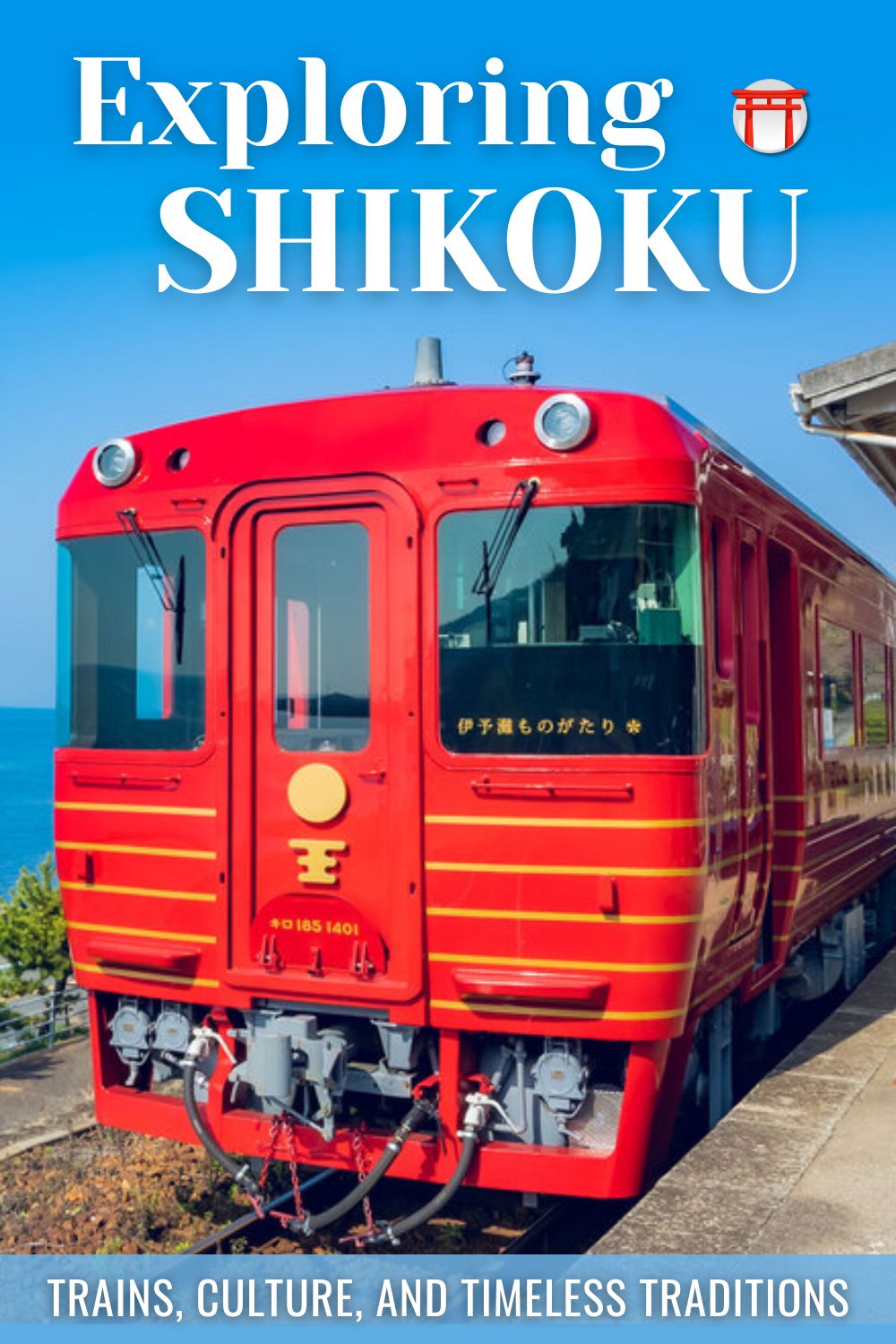
PIN THIS FOR LATER
Book your pocket wifi now to stay connected through your entire Japan Journey!

Be sure to get the JR Pass to make navigating Japan during your trip that much easier!
YOU MIGHT ALSO LIKE