Things to Do in Kyoto in February 2026
Jan 28, 2026
BY Brad Stephens
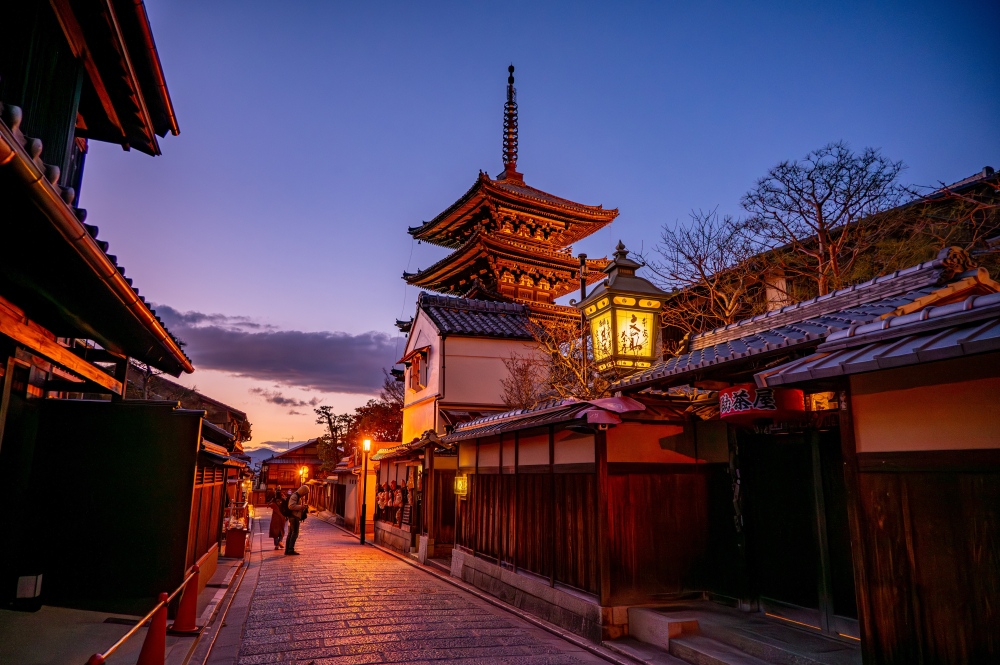
February in Kyoto is a season of quiet beauty. The city slows after the New Year rush, temples feel more contemplative, and winter adds a poetic stillness to the historic streets and gardens. Crisp air, occasional snowfall, and seasonal traditions make this one of the most rewarding months for travelers who enjoy culture, history, and a calmer pace. Below is a thorough guide to what you can experience in Kyoto in February 2026, from iconic landmarks to winter-only events and foods that shine during the colder months.
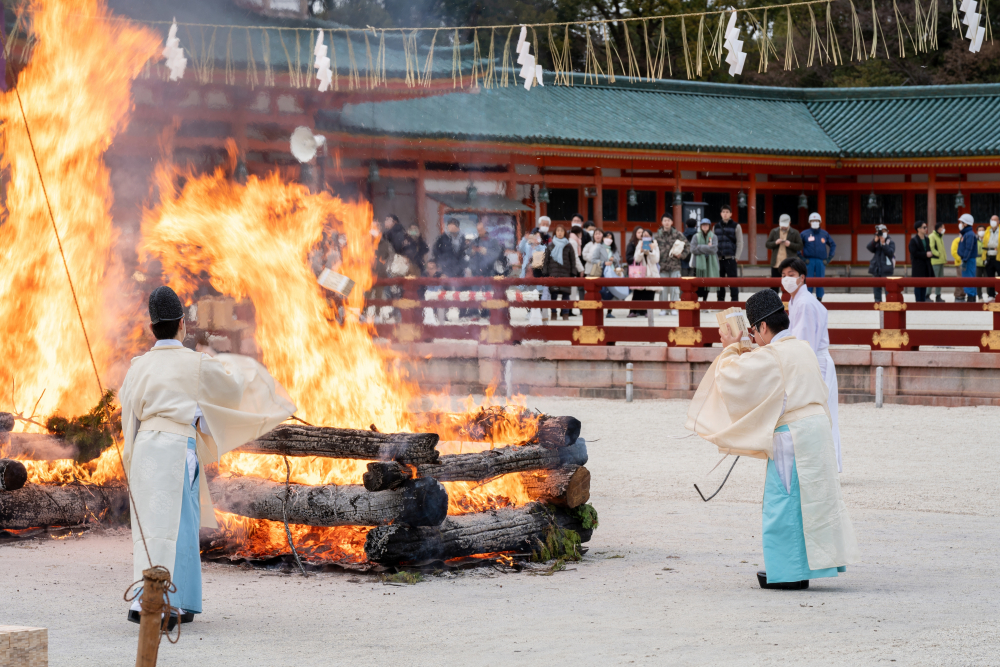
Setsubun at Heian-jingu Shrine – Photo Credit: Shawn.ccf
Setsubun (節分)
Early February marks Setsubun, a lively tradition welcoming the coming of spring according to the lunar calendar. Temples and shrines across Kyoto host bean-throwing ceremonies meant to drive away bad fortune and invite good luck. You may also hear chants calling for fortune to come in while misfortune leaves. Major celebrations take place at temples such as Yasaka-jinja (八坂神社, Yasaka Shrine), where locals and visitors alike gather for rituals, performances, and festive street food.
Date: February 2 – 3, 2026
Recommended Locations: Yasaka-jinja (八坂神社, Yasaka Shrine)
Heian-jingu (平安神宮, Heian-jingu Shrine)
Website: Yasaka Shrine – https://www.yasaka-jinja.or.jp
Heian-jingu Shrine – https://www.heianjingu.or.jp/

Handicrafts – Photo Credit: kyoto_tedukuri_ichi_photo
Umekoji Handicrafts Market (梅小路公園手づくり市)
Held monthly, the Umekoji Handicrafts Market is a lively gathering of artisans showcasing handmade goods, including ceramics, textiles, woodwork, jewelry, baked treats, and accessories. With roughly 300 stalls, it’s perfect for finding unique gifts and local souvenirs while enjoying a relaxed open-air atmosphere.
Date: February 7, 2026
Location: Umekōji Koen (梅小路公園, Umekōji Park)
Website: http://www.tedukuri-ichi.com/
Relevant Info: Free to attend. Easy access from Kyoto Station by the JR Sagano Line to Umekoji-Kyotonishi Station. Arrive early for the best browsing experience.
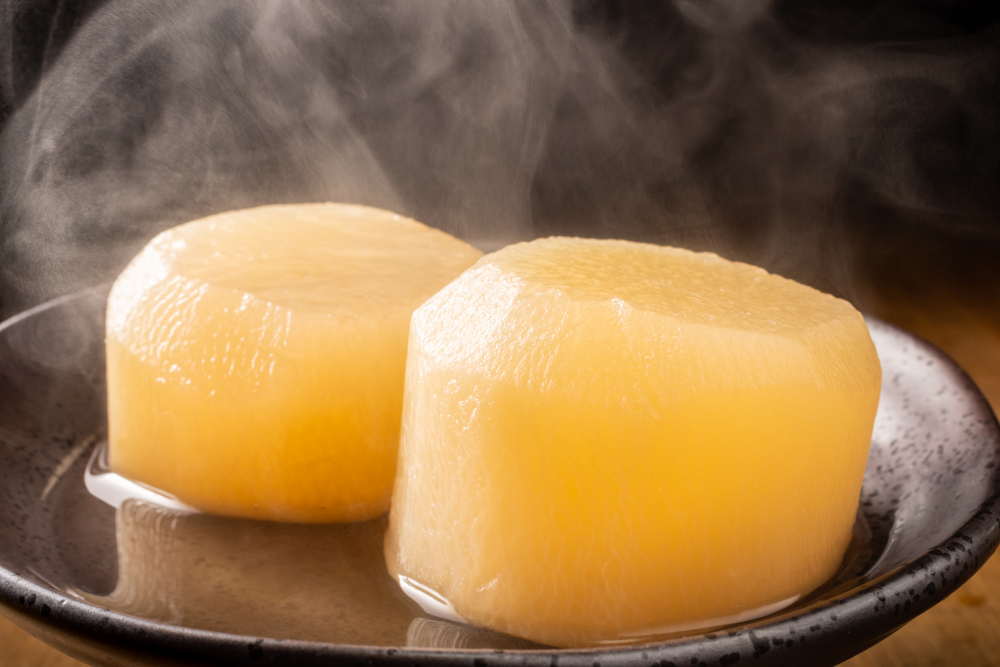
Piping hot Japanese radishes – Photo Credit: Basico
Hatsu-uma Daikondaki (初午大根炊き, Radish Festival)
This welcoming winter festival celebrates the first “horse day” of February on the old lunar calendar with steaming vats of daikon (Japanese radish) soup. Locals and visitors gather to enjoy nourishing bowls of soup made from thousands of fresh, organic radishes harvested around Ōhara. The festival reflects Kyoto’s love for seasonal food culture and communal warmth in the cold months.
Date: February 7 – 11, 2026
Location: Sanzen-in (三千院, Sanzen-in Temple)
Website: http://www.sanzenin.or.jp
Relevant Info: Temple admission applies (typically ¥700 for adults). Soup may be free while supplies last; arrive by late afternoon.
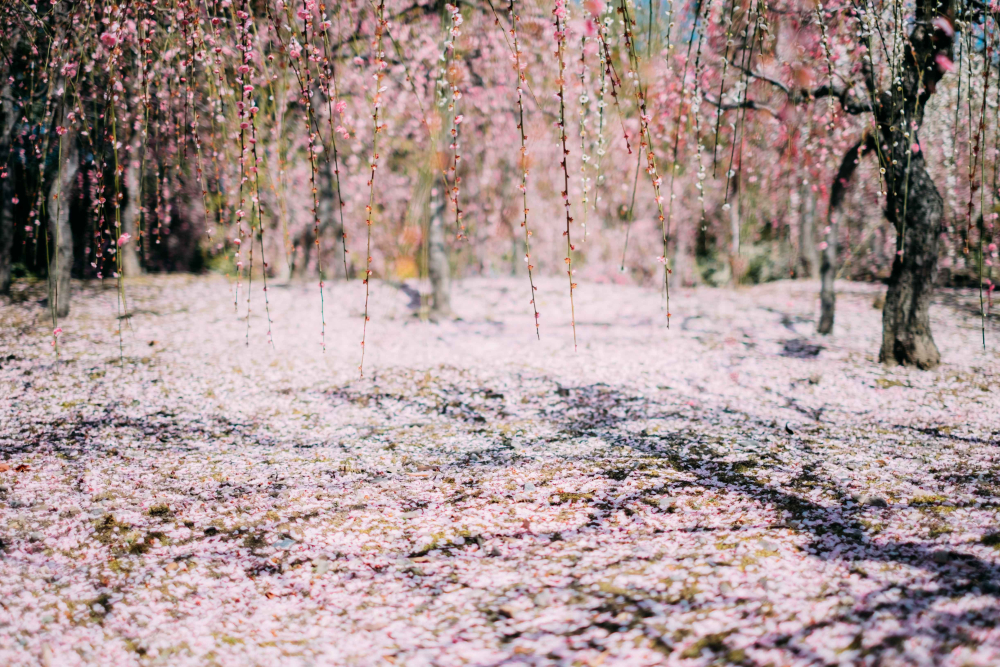
Weeping plum blossoms at Jōnangū Shrine – Photo Credit: yuwy
Jōnangū Weeping Plum and Camellia Festival (しだれ梅と椿まつり)
This seasonal, awe-inspiring flower festival celebrates cascading weeping plum blossoms and camellias in the tranquil garden of Jōnangū Shrine. As plum trees and camellias bloom, visitors stroll the mossy paths and enjoy colorful floral displays that herald early spring.
Date: February 18 – March 22, 2026
Location: Jōnangū (城南宮, Jōnangū Shrine)
Website: https://www.jonangu.com/shidareume.html
Relevant Info: Admission fee applies (approx. ¥1,000 for adults). The event may include plant sale stalls and limited-edition sweets.
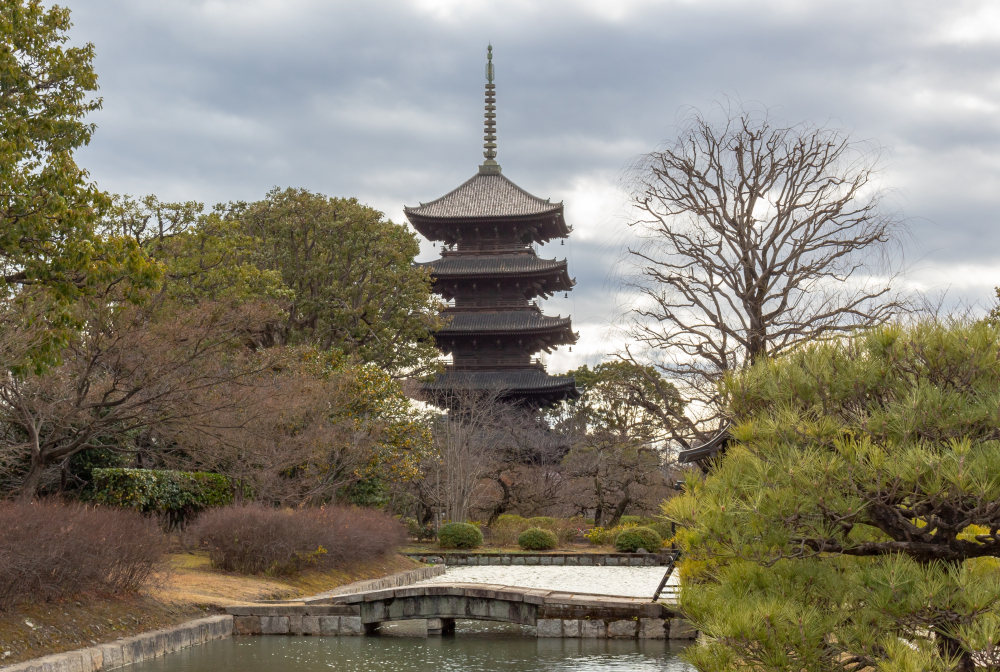
Beautiful gardens and traditional wooden Buddhist pagoda buildings in the gardens of the Tōji Temple – Photo Credit: Jaclyne Ortiz
Tōji Temple Flea Market
Held on the 21st of every month, the Tōji Temple Flea Market is one of Kyoto’s most cherished monthly gatherings. Locals and tourists explore hundreds of stalls selling antiques, vintage clothing, pottery, handmade crafts, plants, and food, all against the UNESCO World Heritage backdrop of Tōji Temple’s iconic five-story pagoda.
Date: February 21, 2026
Location: To-ji (東寺, To-ji Temple)
Website: http://www.touji-ennichi.com/index.htm
Relevant Info: Many vendors accept cash only. Arrive early for the best selection and a more peaceful browsing experience.
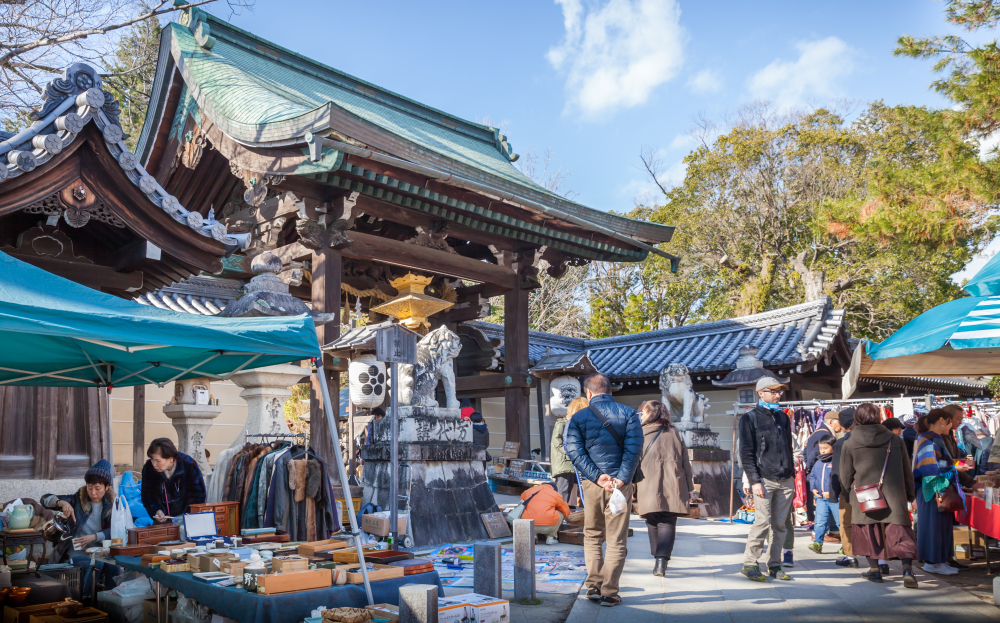
People shopping at Kitano Tenmangu Shrine – Photo Credit: EvergreenPlanet
Tenjin-san Flea Market
The Tenjin-san Flea Market is held on the 25th of every month at Kitano Tenmangu Shrine. It’s one of Kyoto’s biggest monthly outdoor markets, offering antiques, second-hand kimonos, traditional ceramics, fabrics, and street food. The lively market atmosphere makes it a favorite for bargain hunters and culture lovers alike.
Date: February 25, 2026
Location: Kitano Tenmangu (北野天満宮, Kitano Tenmangu Shrine)
Website: http://www.kitanotenmangu.or.jp
Relevant Info: Free to attend; pair your visit with the shrine’s Baikasai plum-blossom festivities for extra fun.
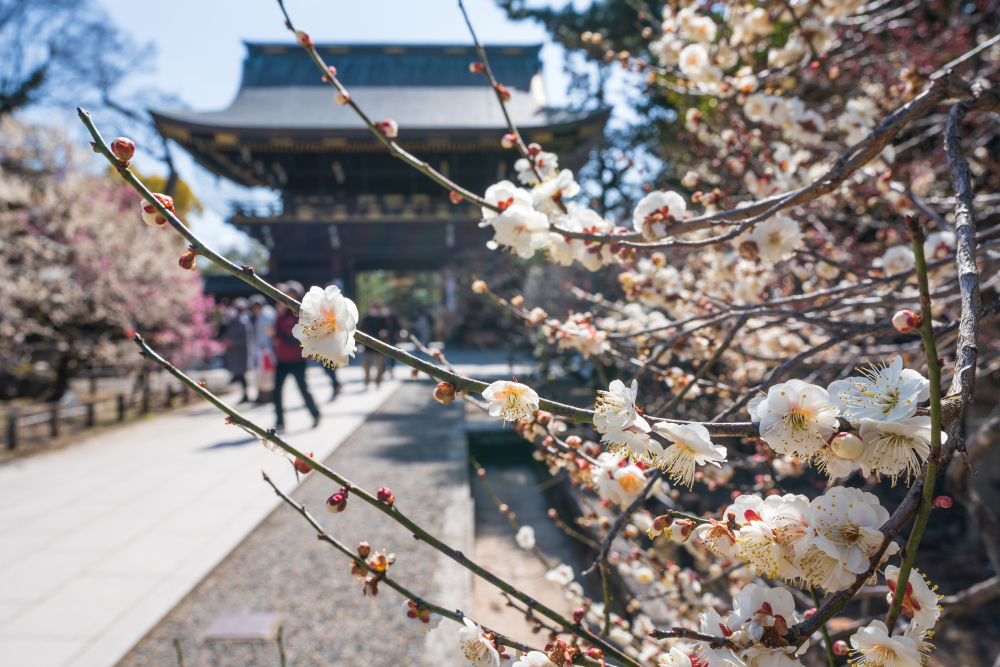
Plum blossoms at Kitano Tenmangu Shrine – Photo Credit: Shawn.ccf
Baikasai (梅花祭, Plum Blossom Festival)
Plum blossoms signal the earliest arrival of spring in Kyoto. Kitano Tenmangu Shrine is famous for its extensive plum grove, where hundreds of trees bloom in shades of white, pink, and red. The atmosphere is calm and fragrant, offering a seasonal contrast to the city’s winter stillness.
Date: February 25, 2026
Location: Kitano Tenmangu (北野天満宮, Kitano Tenmangu Shrine)
Website: https://kitanotenmangu.or.jp/event/
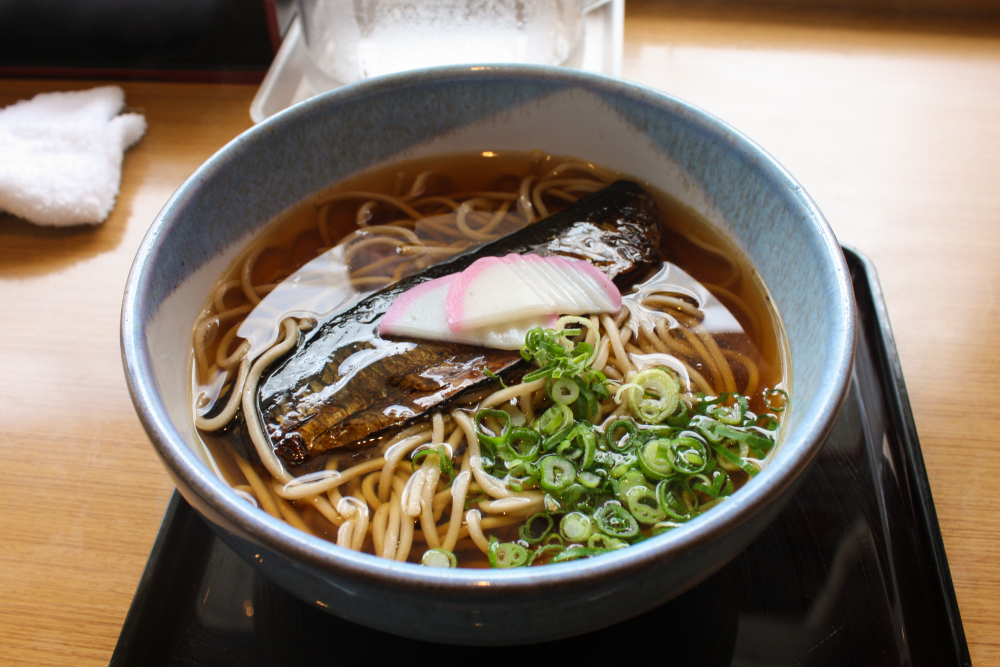
A bowl of Japanese soba with herring – Photo Credit: G-noh
Warm Up with Kyoto’s Winter Cuisine
Enjoy Seasonal Kyoto Dishes
Cold weather brings out Kyoto’s comforting side. Look for yudofu (湯豆腐, hot tofu dish), a local specialty that highlights the city’s high-quality water and minimalist cuisine. Served gently heated with dipping sauces, it is both nourishing and deeply satisfying. Another winter favorite is nishin soba (にしんそば, soba noodles with herring), a Kyoto classic that pairs sweet-simmered fish with hot broth. February is an excellent time to enjoy this dish at long-established noodle shops.
Visit Traditional Cafés
Kyoto’s cafés provide perfect winter escapes. Many offer matcha (抹茶) with seasonal sweets that reflect the time of year, such as bean-based confections shaped like plum blossoms. Sitting by a window with a warm drink as the city passes by is a simple pleasure not to be missed.
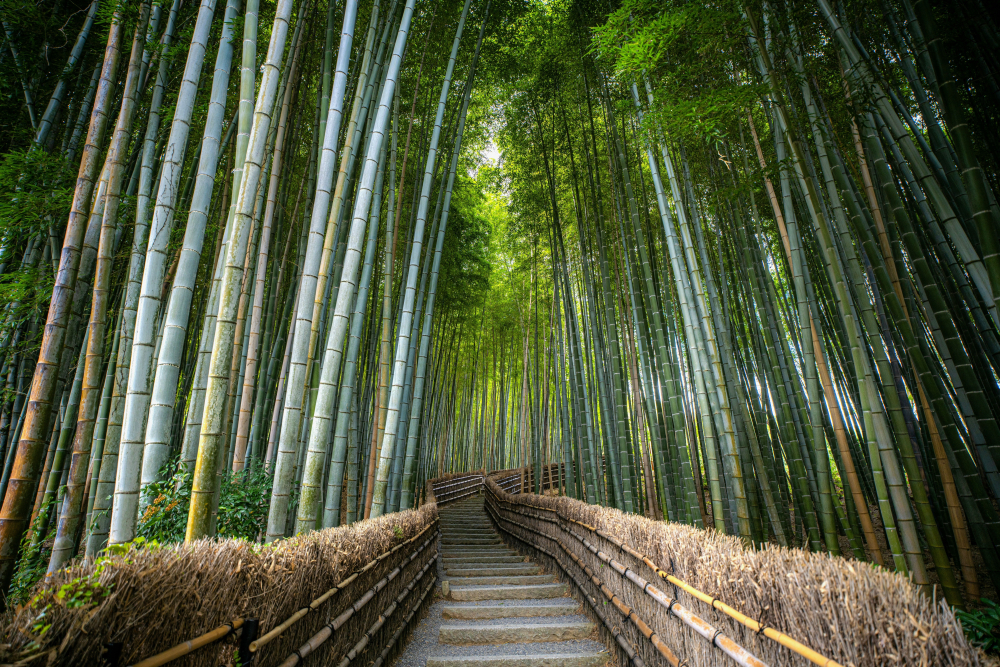
Scenic view of the bamboo grove in Arashiyama – Photo Credit: Wirestock Creators
Stroll Through Winter Gardens and Nature
Kyoto Gyoen (京都御苑)
The grounds of Kyoto Gyoen remain open year-round and are especially calm in winter. February may bring early plum blossoms, offering subtle color and fragrance against bare branches. The spacious paths are ideal for relaxed walks.
Location: 京都御苑, Kyoto Gyoen National Garden
Website: https://kyotogyoen.go.jp/
Arashiyama (嵐山)
The bamboo grove in Arashiyama feels even more otherworldly in winter. Without dense foliage, light filters softly through the stalks, creating a tranquil atmosphere. Nearby temples and riverside paths are quieter, making this area perfect for a half-day winter excursion.
Location: Arashiyama Bamboo Forest
Website: https://ja.kyoto.travel/tourism/single01.php?category_id=8&tourism_id=2683
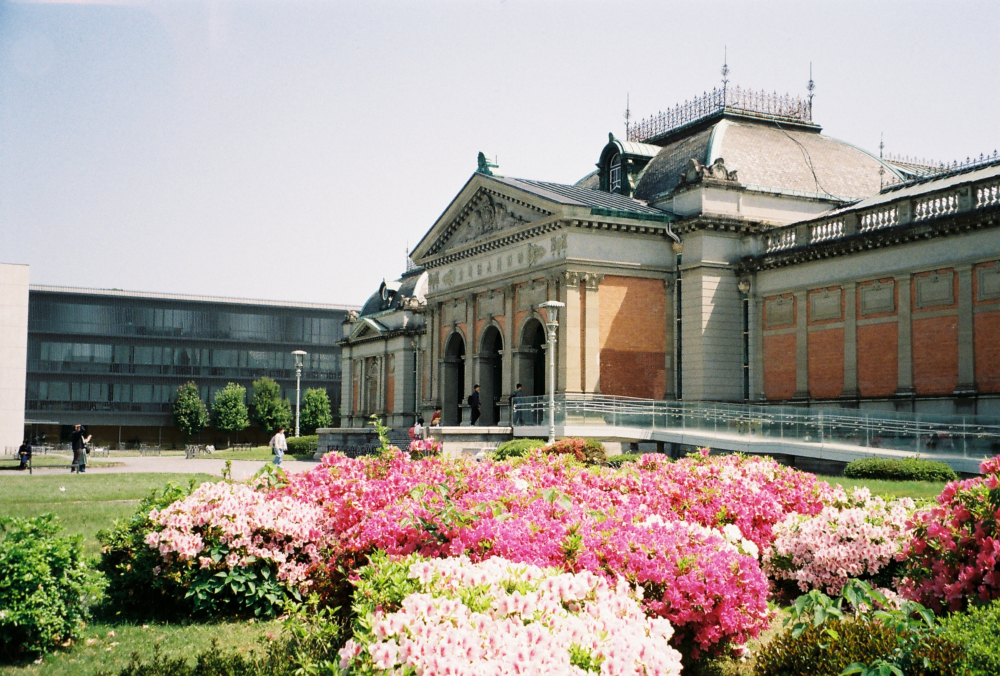
Kyoto National Museum – Photo Credit: MikeDiamond
Explore Museums and Indoor Culture
Kyoto National Museum
February is an excellent time to explore Kyoto’s museums, especially on colder days. The Kyoto National Museum (京都国立博物館) offers rotating exhibitions that showcase Japanese art, Buddhist sculptures, and historical artifacts. Winter visits allow you to explore at a comfortable pace and dive deeper into the cultural context.
Location: Kyoto National Museum
Open Hours: Tuesday – Sunday, 9:30 am – 5 pm
Website: https://www.kyohaku.go.jp/
Traditional Craft Workshops
Kyoto is renowned for its exceptional craftsmanship, spanning textiles to ceramics. Many studios offer hands-on workshops where you can learn about local techniques while staying warm indoors. These experiences provide insight into the artistry that has defined the city for centuries.
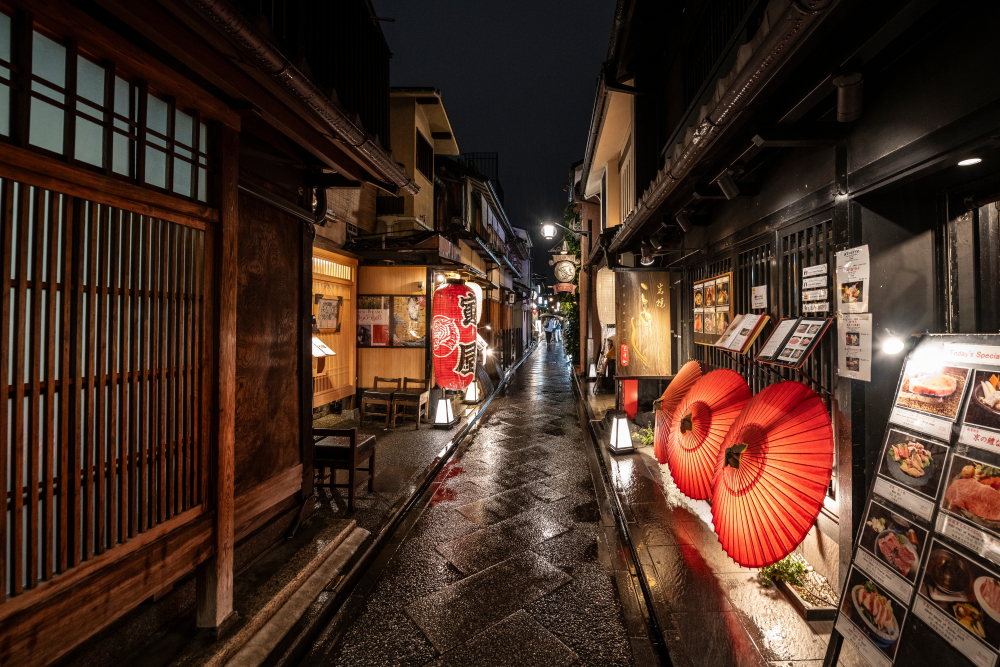
Pontocho – Photo Credit: Nuki Nugroho
Evening Walks and Quiet Streets
Shorter days make evenings feel intimate and atmospheric. Areas like Pontocho (先斗町) glow softly with lantern light, and February’s chill enhances the appeal of cozy restaurants and traditional inns. Winter evenings invite slower dinners and unhurried conversations.
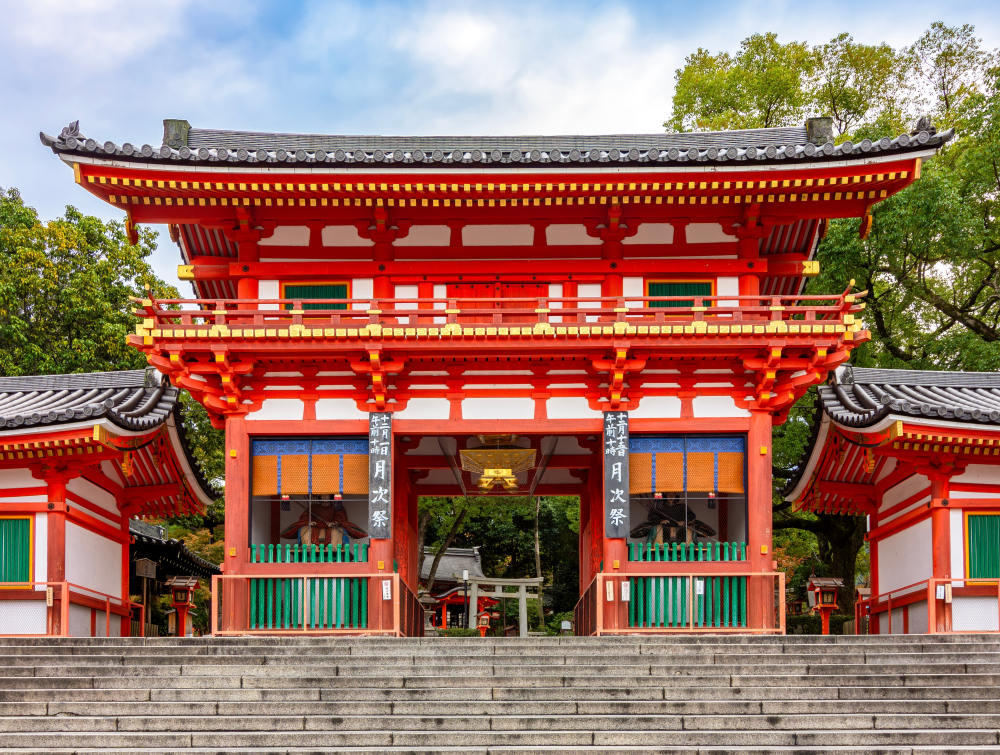
Main gate of Yasaka-jinja in Gion district – Photo Credit: Mistervlad
Why February Is a Hidden Gem for Kyoto Travel
February 2026 offers a side of Kyoto that many travelers miss. Fewer crowds allow deeper engagement with temples, traditions, and daily life. Seasonal festivals, winter cuisine, and the city’s subdued beauty combine to create a thoughtful and immersive experience. If you enjoy cultural depth, quiet exploration, and a touch of winter magic, February is an ideal time to discover Kyoto at its most contemplative and rewarding.
Please note: Event dates, times, and details are subject to change, sometimes with little or no notice. We recommend checking the official websites or social media channels of each venue or event organizer for the most up-to-date information before you visit.
Feature photo credit: DiegoMariottini
Ready to start your own February adventure in Kyoto and beyond? Our team of travel experts is here to help create that perfect itinerary tailored just to you and your interests!
PIN THIS FOR LATER

Book your pocket wifi now to stay connected through your entire Japan Journey!

Be sure to get the JR Pass to make navigating Japan during your trip that much easier!
YOU MIGHT ALSO LIKE