IBARAKI: JAPAN’S BEST-KEPT SECRET JUST ONE HOUR FROM TOKYO
Feb 15, 2026
BY Maria Diaz
If you’ve already explored Tokyo, Kyoto, and Osaka to their fullest, or you’re simply craving something a little different, Ibaraki Prefecture deserves a spot at the top of your list. Just northeast of Tokyo, this underrated gem offers a perfect mix of beautiful nature, rich history, seaside scenery, and local culture, all without the crowds. It’s an easy escape that feels refreshingly off the beaten path and full of pleasant surprises.
A quick look at Ibaraki
Ibaraki is a prefecture located northeast of Tokyo that has played an important role in Japan’s history and development. During the Edo period, the city of Mito was one of the country’s key political centers, home to the Tokugawa clan and an influential hub of thought that helped shape modern Japan. This historical legacy can still be felt today in its gardens, temples, and cultural traditions.
Today, Ibaraki stands out not only for its heritage but also for its rich natural environment and agricultural importance. It is one of Japan’s leading food-producing regions and is especially famous for natto, melons, lotus root, and other local specialties. With its Pacific coastline, mountains, and scenic parks, Ibaraki is an ideal destination for nature lovers. Despite being so close to Tokyo, it has managed to preserve a calm, authentic atmosphere, making it a wonderful alternative to the more crowded stops along the Golden Route.
What to eat
If there’s one thing that will make you fall in love with Ibaraki, it’s the food. This prefecture is a quiet heavyweight when it comes to local flavors, and every meal feels like a little discovery, so let’s take a quick look at the foods you should remember to try when dining out or exploring a local food market.
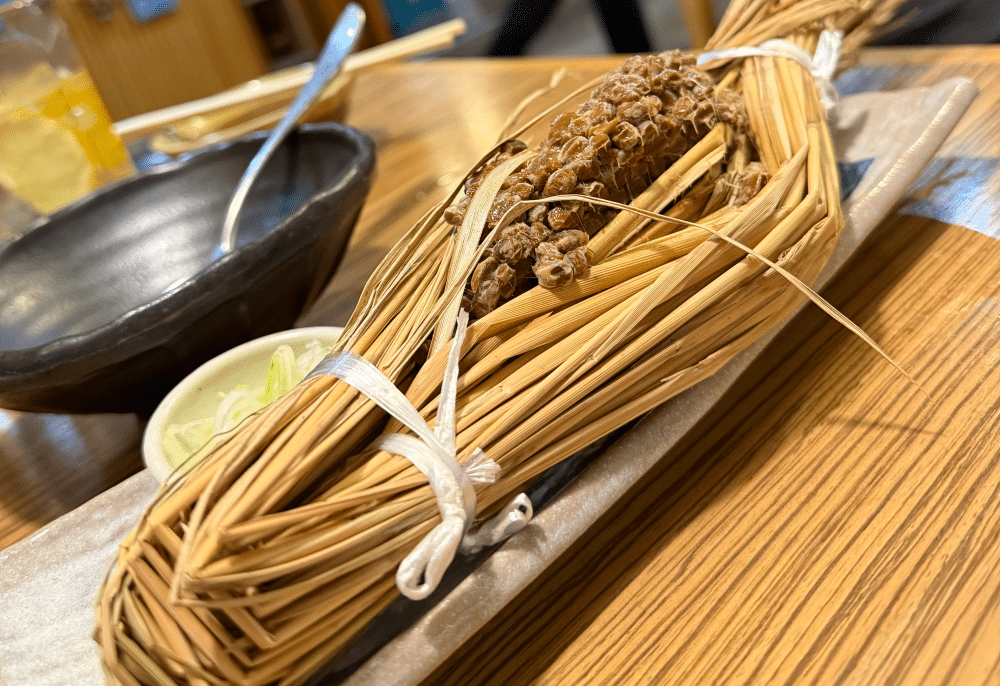
Wara natto, traditional natto fermentation using rice straw – Photo Credit: Jessica Iragne
Natto
Even though you can eat natto all over Japan, Ibaraki is especially famous for it because of its long history of production and its strong connection to traditional methods like wara natto. This is a traditional type of natto made by fermenting soybeans in bundles of rice straw, which gives it a stronger flavor and aroma, and it is particularly associated with Mito city.
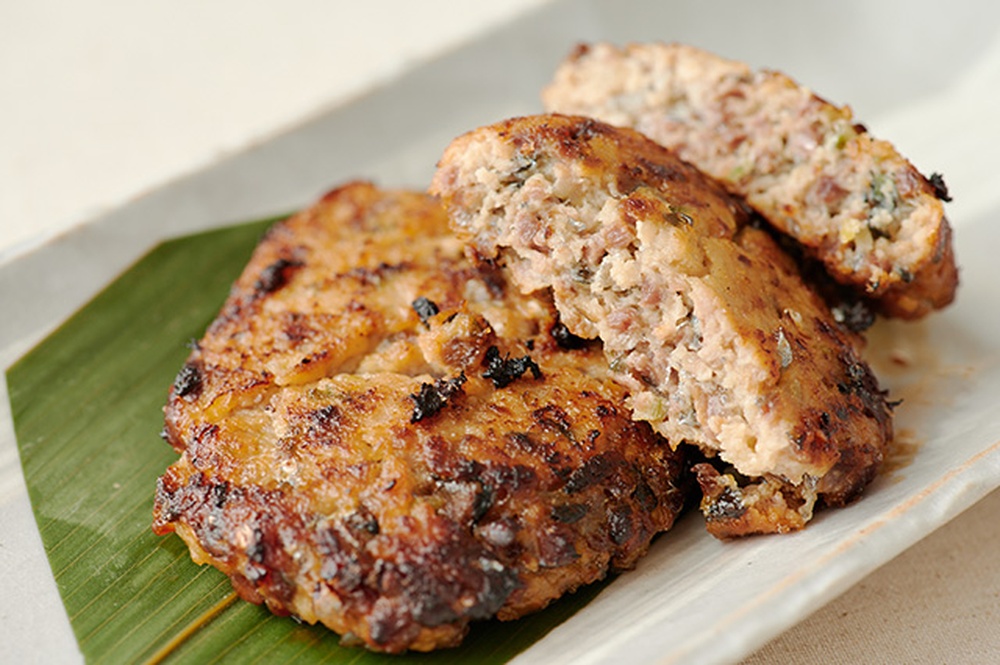
Paita Yaki – Photo Credit: MAFF
Paita Yaki
Paita yaki is a beloved coastal comfort food born from Ibaraki’s fishing heritage. Minced Pacific saury or sardine is mixed with miso and grilled until smoky and savory, perfect with a cold beer after a day by the sea.
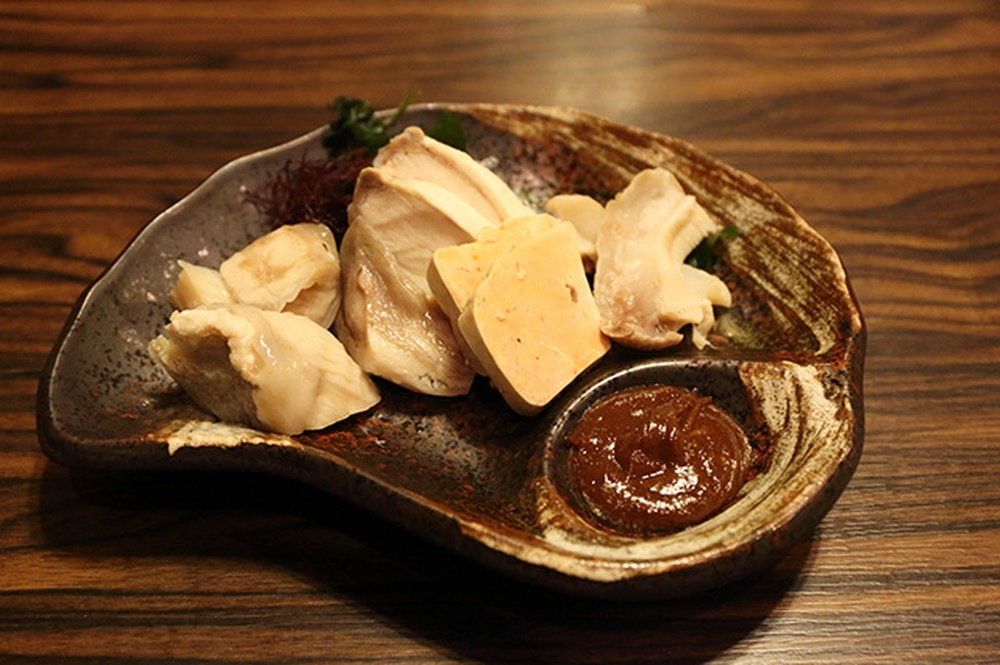
Ankou no Tomo – Photo Credit: MAFF
Ankou no Tomo
This traditional dish features tender monkfish boiled and dipped in a tangy vinegar-miso sauce with liver, a delightful balance of rich and refreshing flavors that highlights the prefecture’s ocean bounty.
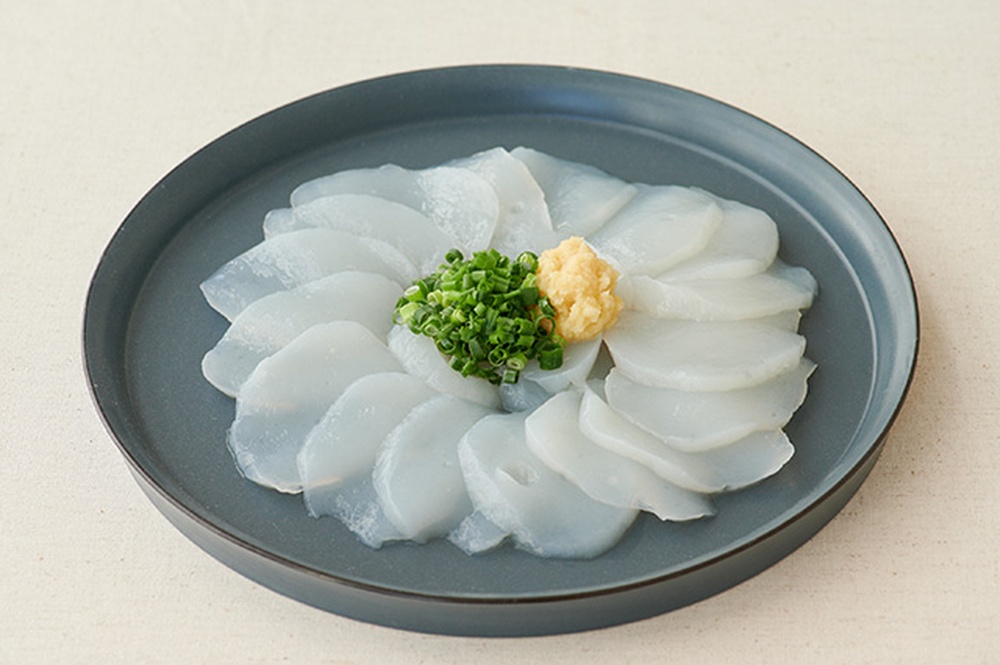
Tezukuri Sashimi Konnyaku – Photo Credit: MAFF
Konnyaku Sashimi
In the Okukuji region, hand-made sashimi konnyaku is a unique take on konjac (konnyaku), with earthy, springy textures that pair beautifully with sauces or are served sashimi-style, showcasing local craftsmanship.
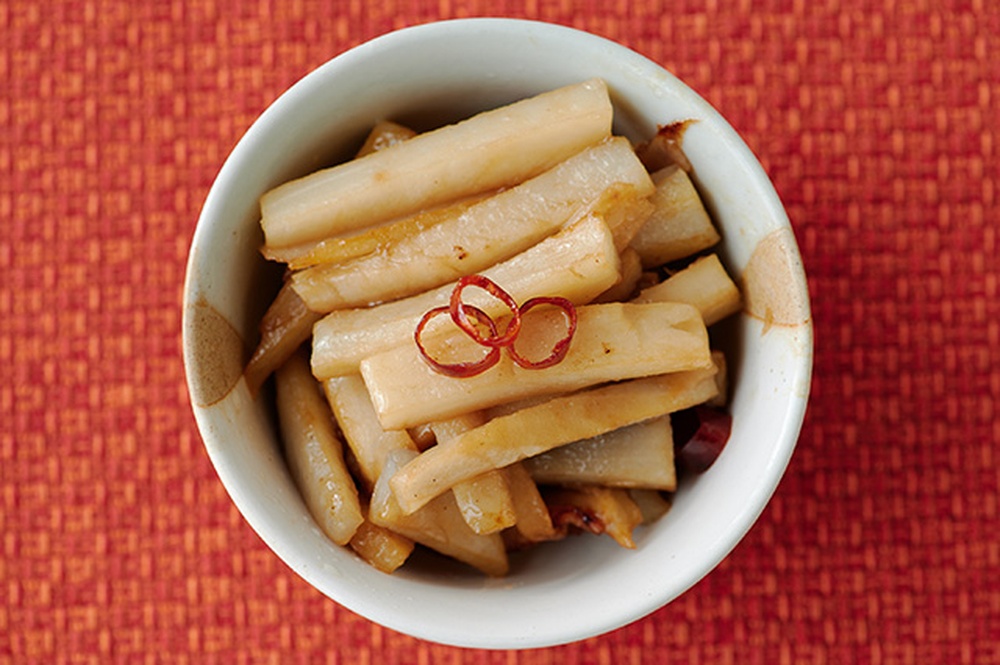
Renkon no Kinpira – Photo Credit: MAFF
Kinpira
Kinpira made from lotus root is crunchy, slightly sweet, and earthy, a perfect side dish or snack that celebrates Ibaraki’s world-leading lotus root production.
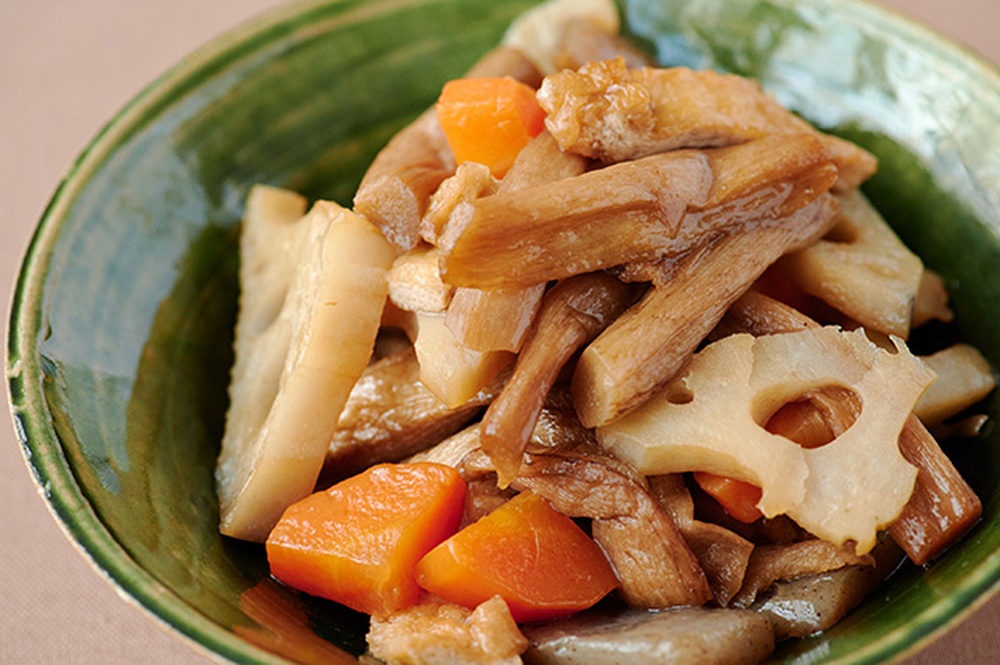
Imogara no Itameni – Photo Credit: MAFF
Imogara no Itameni
These hearty vegetable dishes use taro stalks and other root vegetables, either stir-fried or simmered, creating a true comfort food that is rustic, filling, and deeply tied to the prefecture’s farming traditions.
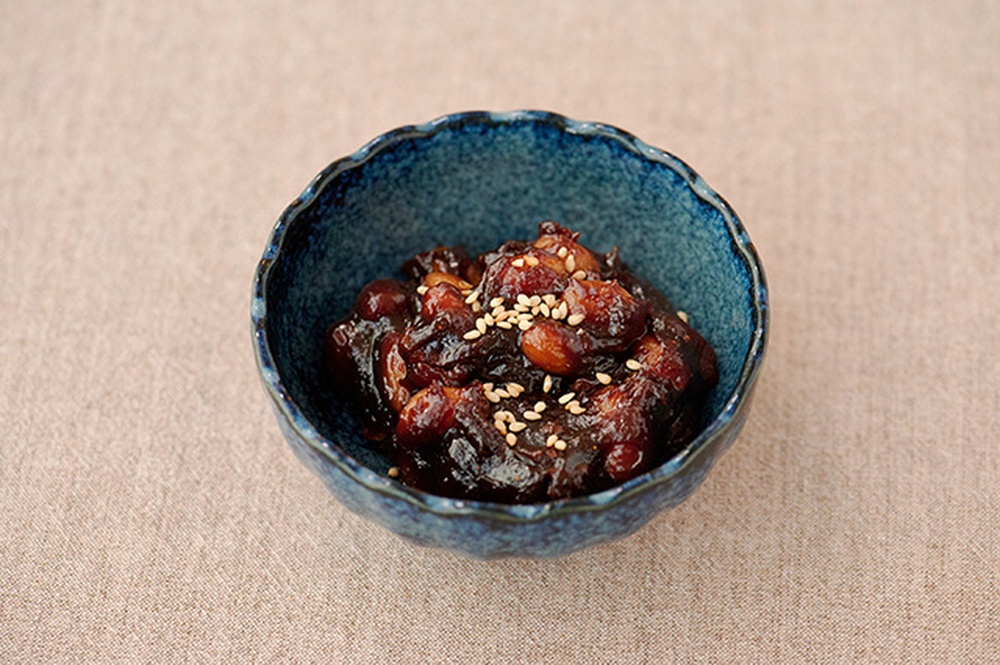
Peanut Miso – Photo Credit: MAFF
Peanut Miso
Peanut miso (sweet, savory, and rich) reflects Ibaraki’s strong peanut harvest (often called Nankin-mame). Dollop it on rice or veggies for a delightful umami kick.
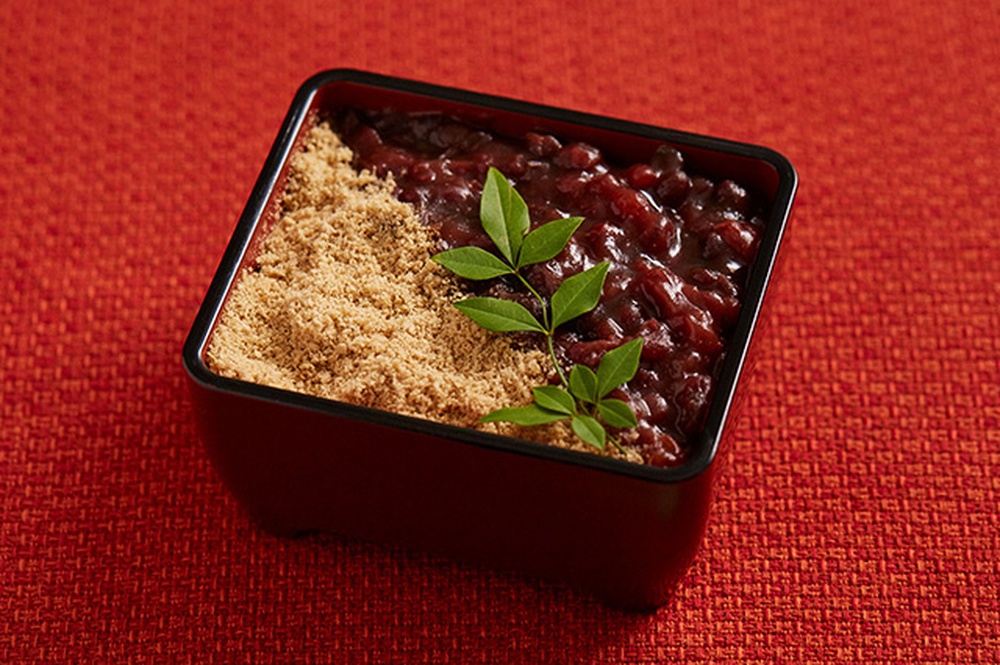
Mitsume no Botamochi – Photo Credit: MAFF
Mitsume no Botamochi
Mitsume no botamochi adds a lovely, sweet note to your tour. Soft glutinous rice with sweet bean filling or colorful red corn flour makes it a great seasonal treat.
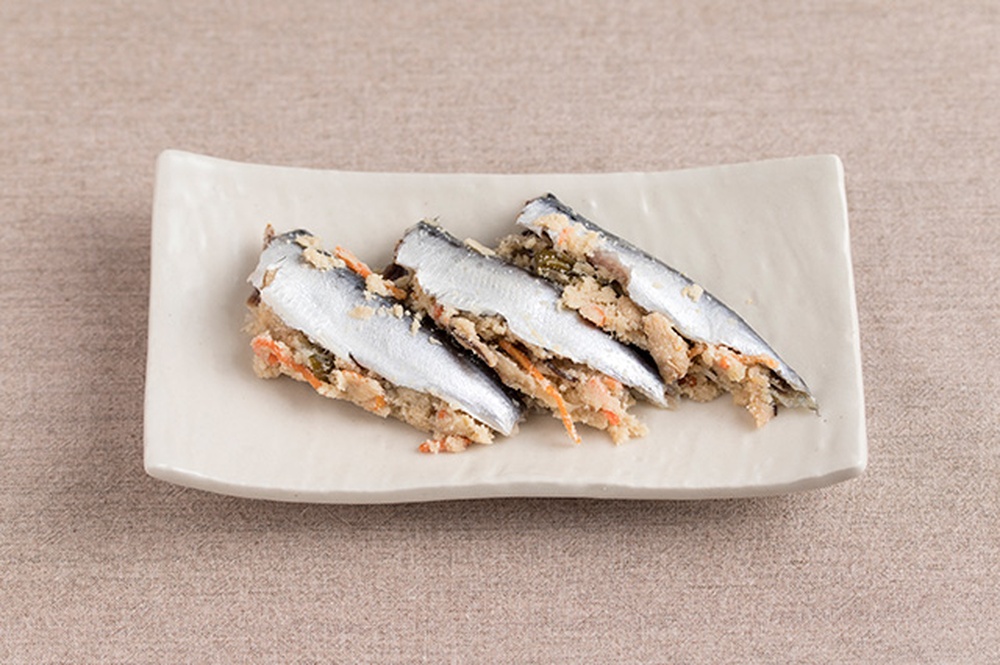
Iwashi no Unohana Zuke -Photo Credit: MAFF
Iwashi no Unohana Zuke
A comforting local dish made with sardines simmered in soft soy pulp. Light, savory, and deeply traditional, it reflects Ibaraki’s no-waste, home-style cooking culture.
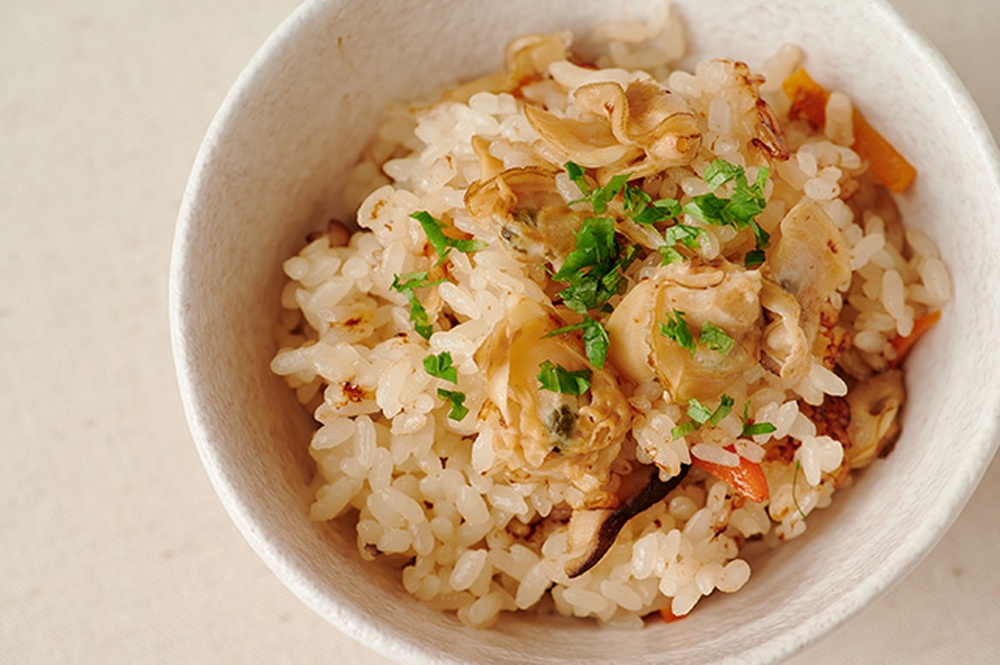
Clam Rice – Photo Credit: MAFF
Clam Rice
Rice cooked with fresh clams, soaking up their natural sweetness in every grain. A simple but flavorful coastal specialty that highlights Ibaraki’s seafood.
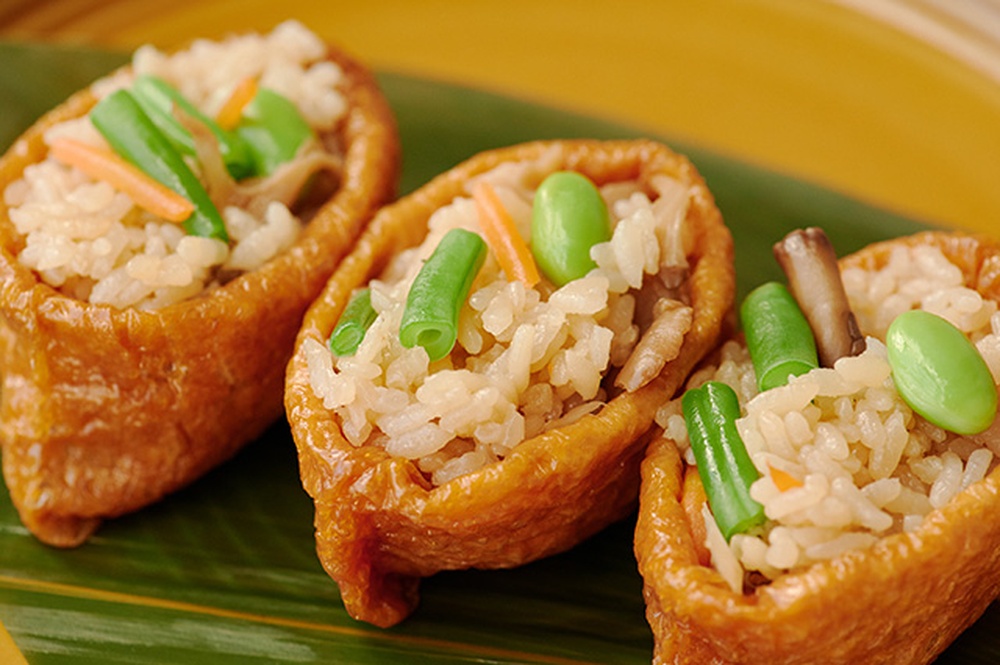
Gomoku Inarizushi – Photo Credit: MAFF
Gomoku Inarizushi
Seasoned rice mixed with vegetables and wrapped in sweet tofu skin. Colorful, satisfying, and commonly enjoyed at festivals and family gatherings.
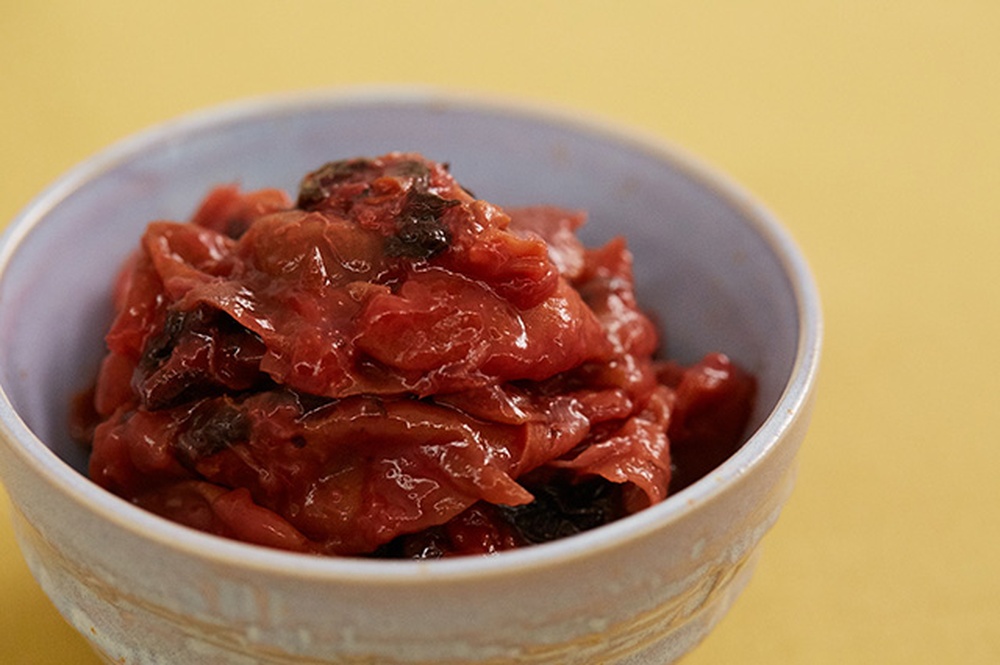
Shikinbai – Photo Credit: MAFF
Shikinbai
A tangy, refreshing plum-based dish that adds brightness to any meal. Light and seasonal, it’s a lovely example of Ibaraki’s traditional flavors.
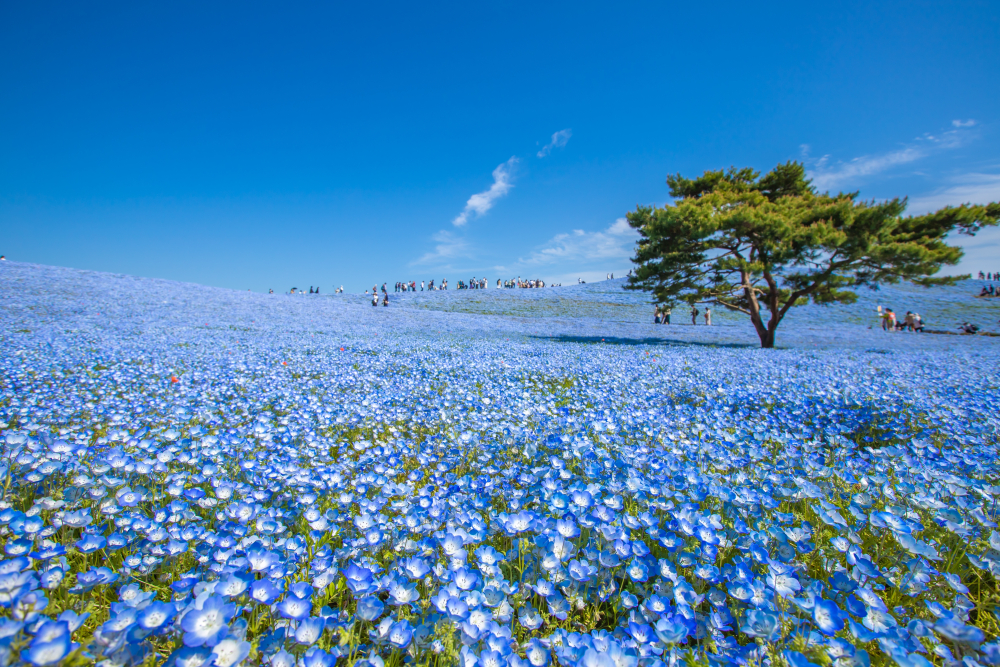 Nemophila in full bloom at Hitachi Seaside Park – Photo Credit: Spyan
Where to go
Hitachi Seaside Park
If you want to see something that looks like it was created by AI, Hitachi Seaside Park might just blow your mind. The place looks almost too perfectly designed, with huge rolling hills covered in flowers that change colour like a living screensaver. In spring, the park turns into a sea of soft blue nemophila; in summer, it shifts to fresh greens and bright blooms; autumn sets everything on fire with fluffy red kochia; and winter calms things down with a clean, minimalist vibe. The scenery keeps updating itself depending on the season, so every visit feels brand new, like nature running the most beautiful algorithm imaginable.
Website: https://www.hitachikaihin.jp/
Hours: 9:30 – 16:30 (Closed on Tuesday)
Admission: From age 15 – ¥450, from age 65 – ¥210
Address: 〒312-0012 Ibaraki, Hitachinaka, Mawatari, 字大沼605-4
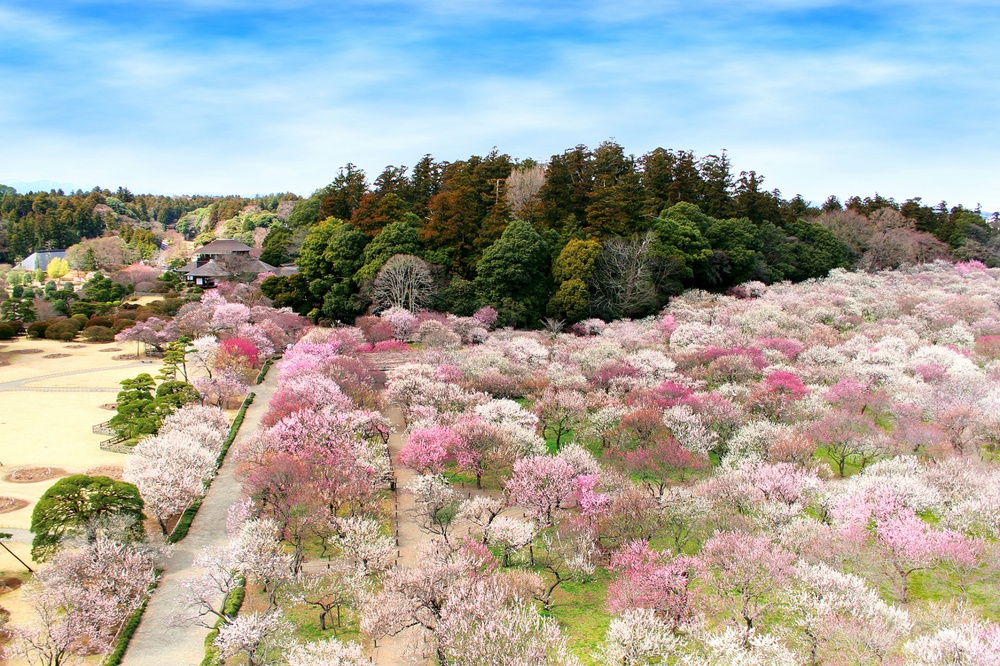
Mito Plum Festival at Kairakuen Garden – Photo Credit: Kairakuen
Kairakuen Garden
This is one of those places that gently announces the arrival of spring, starting not with cherry blossoms, but with plum trees. As early spring softens the air, delicate ume flowers begin to bloom one by one, filling the garden with subtle colour and fragrance. This seasonal shift is celebrated during the Mito Plum Festival, which in 2026 marks its 130th anniversary, running from February 11 to March 22 at both Kairakuen and the historic Kodokan. With its long-standing history, the festival invites visitors to stroll through one of Japan’s Three Great Gardens and the country’s largest former domain school, enjoying the calm beauty and early signs of spring.
Website: https://ibaraki-kairakuen.jp/
Hours: 7:00 – 18:00
Admission: Adults ¥320, Children ¥160 (Purchase here)
Address: 1 Chome-3-3 Tokiwacho, Mito, Ibaraki 310-0033
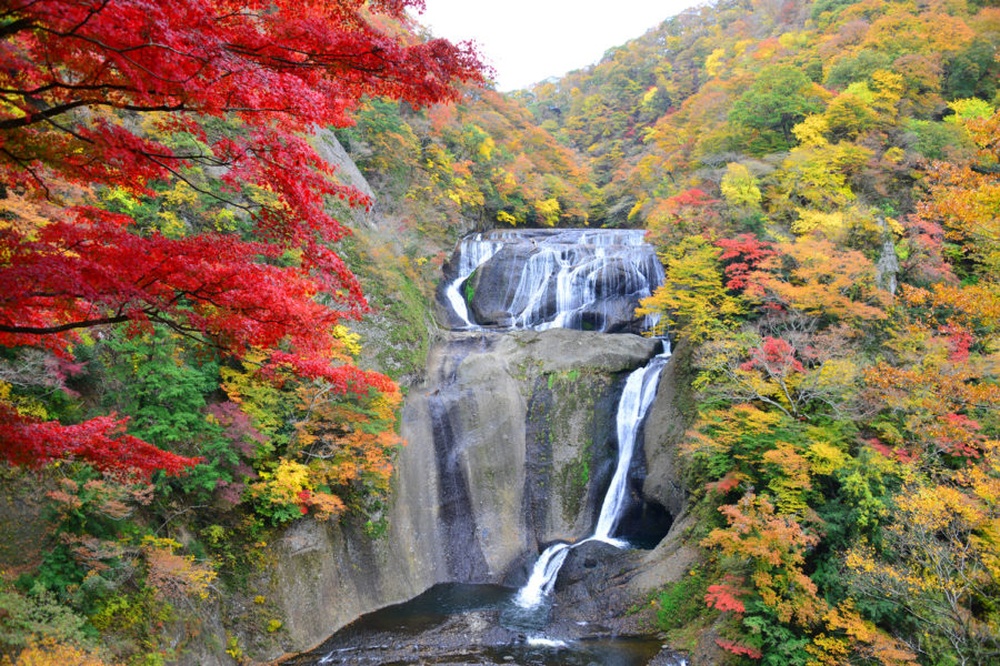
Fukuroda Falls – Photo Credit: Daigo Kanko
Fukuroda Falls
This is one of those places that feels amazing in every season, but truly unforgettable in autumn. As the surrounding forest turns fiery red and gold, the wide, four-tiered waterfall becomes even more dramatic, hands down the most impressive time to visit. During this period and into winter, Fukuroda Falls is also part of the seasonal light-up event Daigo Light, when the falls and access tunnel are illuminated after dark, creating a striking, almost magical atmosphere. Winter follows closely behind, as icy air transforms the waterfall into a partially frozen masterpiece, quiet, powerful, and otherworldly. That said, Fukuroda is still a must-go spot in spring and summer, when fresh greenery, increased water flow, and cool mist make it a perfect refreshing escape. No matter when you go, the falls reveal a different kind of beauty, proving this iconic Ibaraki landmark truly has no off-season.
Website: https://www.daigo-kanko.jp/fukuroda-falls.html
Hours: 8:00 – 17:00 (from May to October, closing is 18:00)
Admission: Adults ¥500, Children (up to 15) ¥300
Address: 3-19 Fukuroda, Daigo, Kuji District, Ibaraki 319-3523
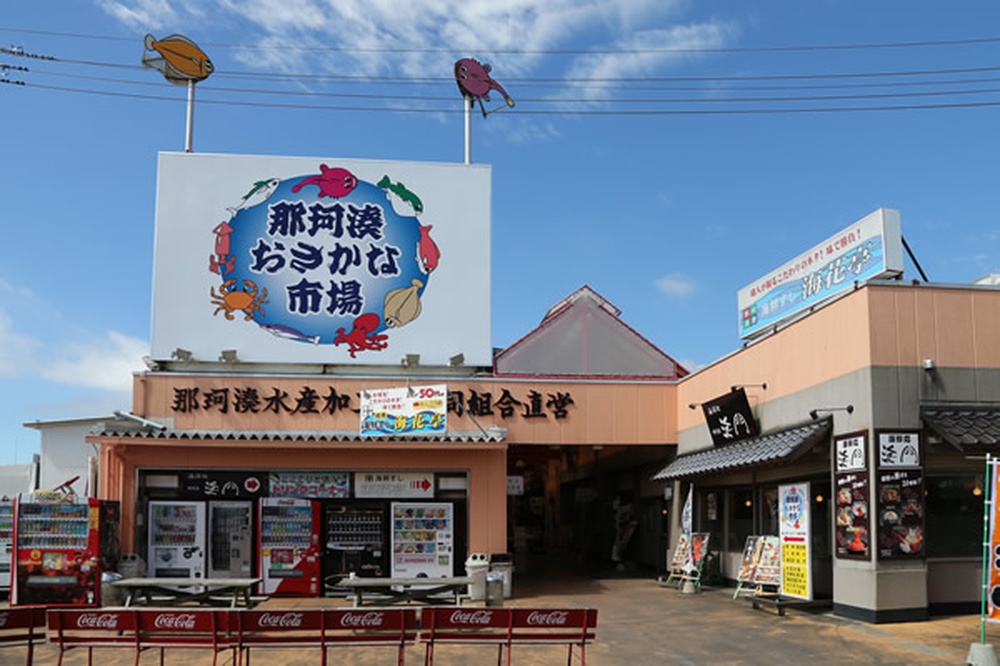
Nakaminato Fish Market – Photo Credit: Nakaminato Fish Market
Nakaminato Fish Market
Nakaminato Fish Market is lively, loud in the best way, and full of irresistible seafood energy. From early morning, the place buzzes with vendors calling out specials and visitors lining up for ultra-fresh tuna, scallops, and grilled treats straight off the flame. It’s not fancy or polished, and that’s exactly what makes it great. You can snack as you walk, grab a massive seafood bowl piled high with sashimi (kaisendon), or just wander around soaking in the salty air and local charm.
Website: https://www.nakaminato-osakanaichiba.jp/ (Japanese)
Hours: 7:00 – 17:00
*Each restaurant and shop has its own opening hours; the following schedule is for reference only
Address: 19-8 Minatohoncho, Hitachinaka, Ibaraki 311-1221
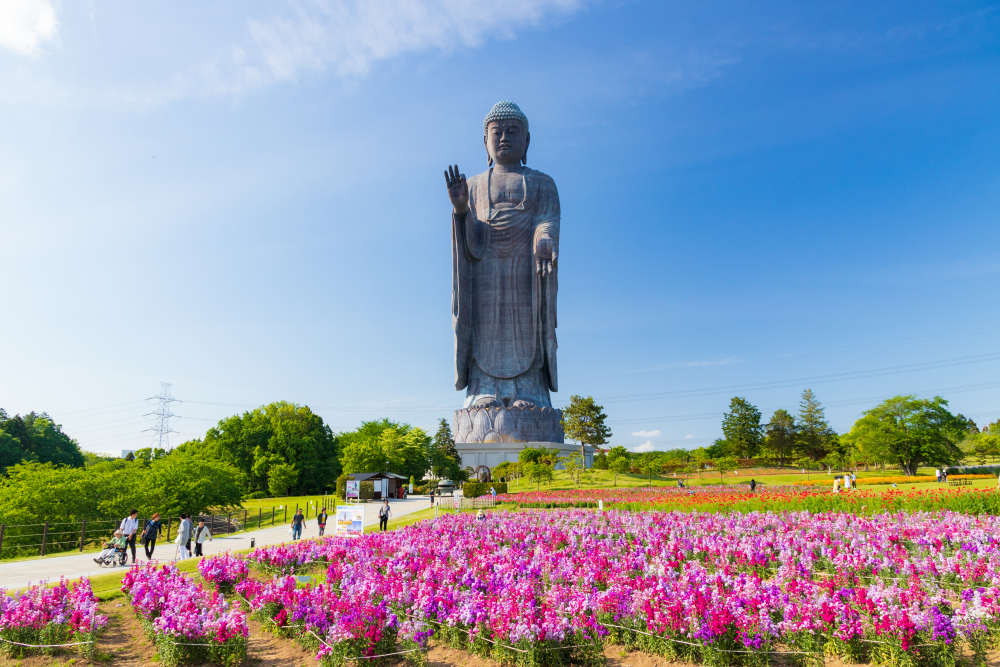
Ushiku Daibutsu – Photo Credit: Nisseikikaku
Ushiku Daibutsu
Ushiku Daibutsu is one of those places that instantly leaves an impression. Towering at 120 meters tall, this massive Buddha statue is among the tallest in the world, and yes, you can go inside! The interior features peaceful exhibits and an observation deck with sweeping views of the surrounding countryside. Outside, the spacious gardens are filled with seasonal flowers and a calm, almost magical atmosphere that makes it perfect for a relaxed stroll or photo stop.
Website: https://daibutu.net/
Hours: 9:30 – 16:30
Admission: Adults ¥800, Children (from 12) ¥400
*There’s a discount for people with disabilities (Adults ¥600, Children ¥300). Please present a disability certificate
Address: 2083 Kunocho, Ushiku, Ibaraki 300-1288
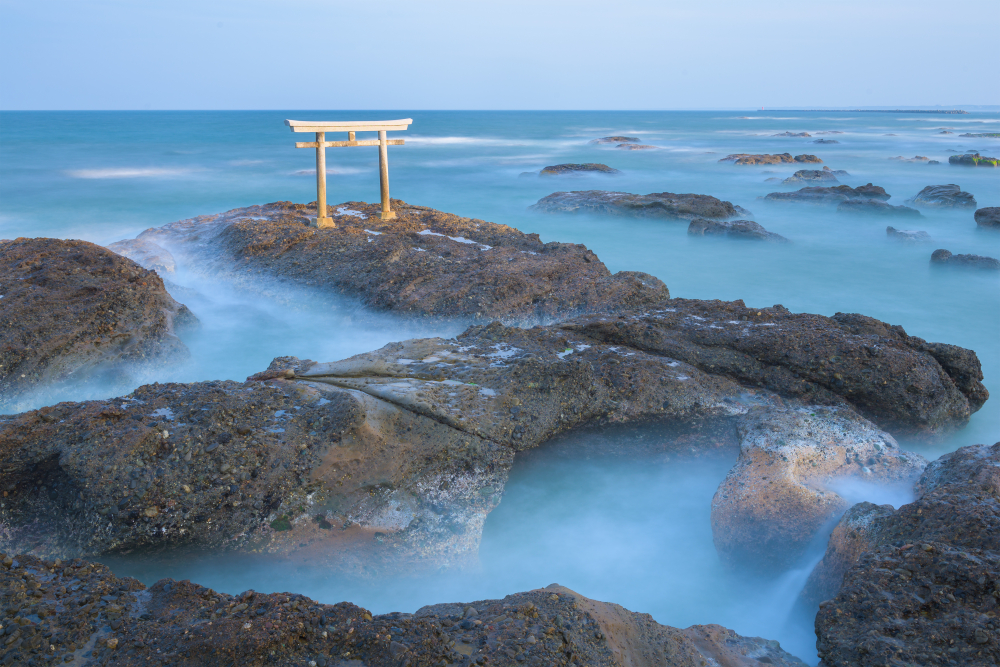
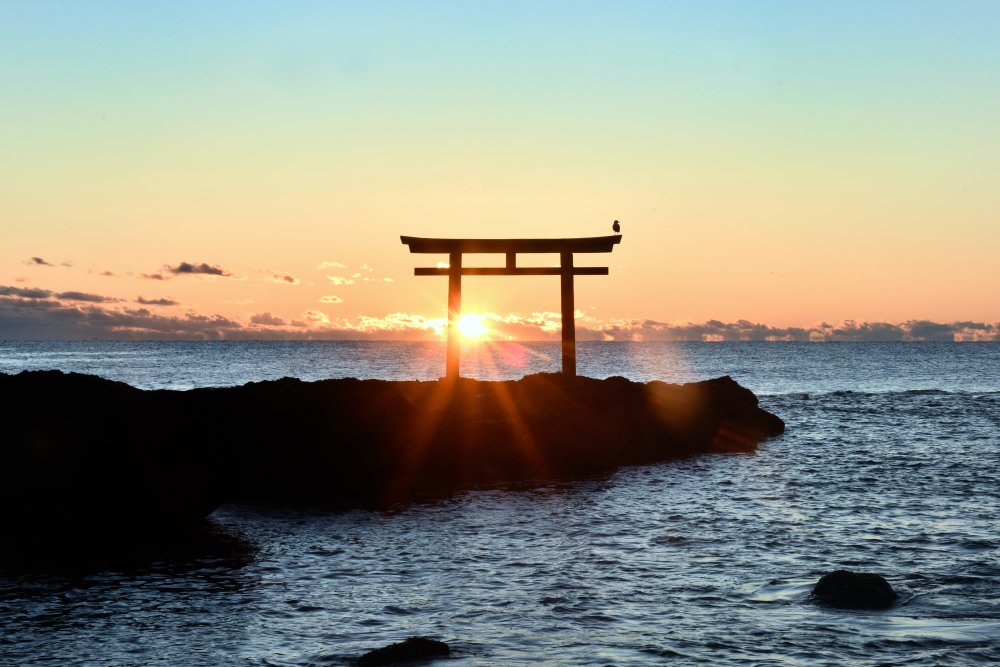
Torii at Oarai – Photo Credit: jiratto
Oarai Isosaki Shrine
Oarai Isosaki Shrine has a raw, windswept kind of beauty that feels deeply connected to the sea. Sitting right at the edge of the Pacific, it’s a place where crashing waves, salty air, and ancient stone steps come together in a powerful way. The shrine is especially known for its torii gate standing boldly on the rocks offshore, looking almost defiant against the ocean. It’s not flashy or crowded with attractions, but that’s the charm; being there feels grounding, almost meditative, like you’re standing at the meeting point of nature and tradition. It’s the kind of spot that sticks with you long after you leave.
Website: https://www.oarai-isosakijinja.net/ (Japanese)
Address: 6890 Isohamacho, Oarai, Higashiibaraki District, Ibaraki 311-1301
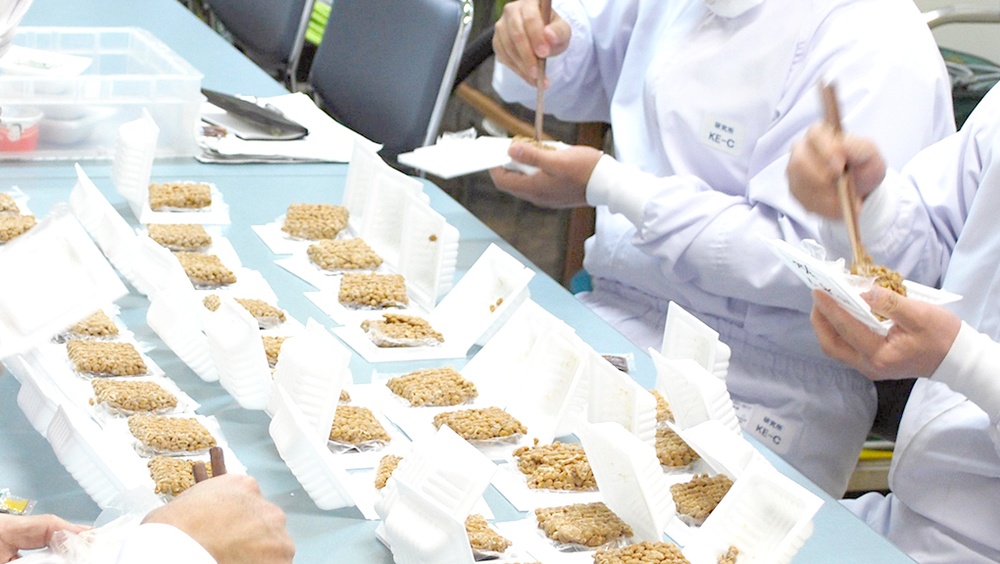
Natto packaging process – Photo Credit: Takano Foods
Takano Foods Natto Museum
Ibaraki is famously known as Japan’s natto capital, and there’s no better place to dive into this local specialty than the Takano Foods Natto Museum. Run by one of the country’s most well-known natto producers, the museum offers a fun and easy-to-understand look at how natto is made, why it’s so nutritious, and how it became such an essential part of Ibaraki’s food culture. Interactive displays explain the fermentation process, while the highlight for many visitors is the tasting corner, where you can sample freshly made natto and discover a milder, creamier flavor than the supermarket version. Whether you’re a natto lover or a curious first-timer, it’s a surprisingly enjoyable stop that perfectly reflects Ibaraki’s culinary identity.
Website:https://www.takanofoods.co.jp/fun/factory/ (Japanese)
Hours: 9:30 – 16:00 (Closed on Wednesday)
Address: 1542 Noda, Omitama, Ibaraki 311-3411
*The museum is free to enter, but a reservation is required for the tour. Click here (Japanese)
While the Golden Route shows Japan at its most famous, Ibaraki reveals it at its most authentic. Here, you’ll find the same stunning landscapes, rich traditions, and unforgettable food, but without the crowds, long lines, or rushed itineraries. It’s easy to reach from Tokyo yet feels worlds away, making it an ideal choice for travelers who want to go deeper, travel smarter, and discover a side of Japan that still feels refreshingly untouched.
Featured Photo Credit: dreamnikon
Ready to explore Ibaraki for yourself? Make sure to check out our Ibaraki Page today and start your adventure through nature, culture, and foods you won’t find anywhere else!
PIN THIS FOR LATER

Book your pocket wifi now to stay connected through your entire Japan Journey!

Be sure to get the JR Pass to make navigating Japan during your trip that much easier!