Japan Travel Trends & Insights: How Japan Is Evolving as a Global Destination
Aug 6, 2026
BY Brad Stephens
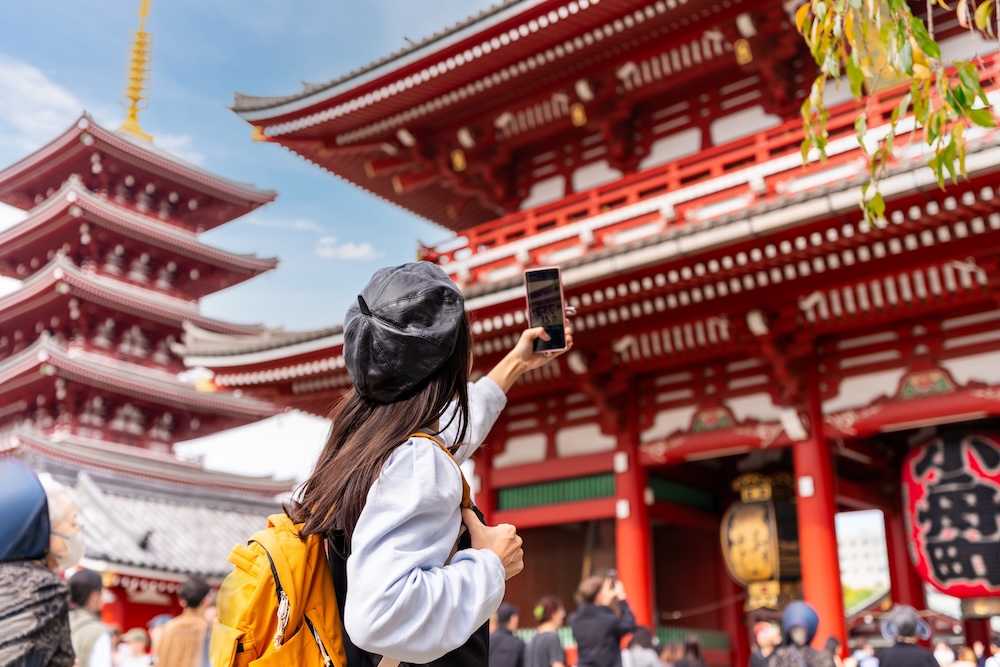
Japan continues to captivate travelers with its remarkable blend of tradition, innovation, natural beauty, and cultural depth. From historic temple towns to neon-lit cities, the country offers experiences that feel both timeless and forward-looking.
In recent years, however, the way people travel in Japan has evolved significantly. Travelers are exploring new regions, seeking deeper cultural experiences, and prioritizing meaningful connections over fast-paced itineraries. At the same time, the scale of international tourism is reaching record levels.
This article explores the major trends shaping travel to Japan today, supported by recent tourism data and insights from industry leaders.

10,000 yen bills – Photo Credit: Bowonpat Sakaew
Record-breaking growth in international tourism
Japan’s popularity as a travel destination has reached new heights.
According to an analysis conducted by the Japan National Tourism Organization, the number of foreign visitors to Japan reached an all-time high of 42.7 million travelers in 2025.
Visitor spending also surged. Travel consumption by foreign visitors reached 9.5 trillion yen in 2025, representing a 16.4 percent increase compared with 2024.
Spending per visitor also rose slightly. On-site travel expenditure per foreign visitor averaged 228,809 yen, which is 0.9 percent higher than the previous year.
These numbers highlight both the scale of Japan’s tourism recovery and the growing enthusiasm among international travelers.
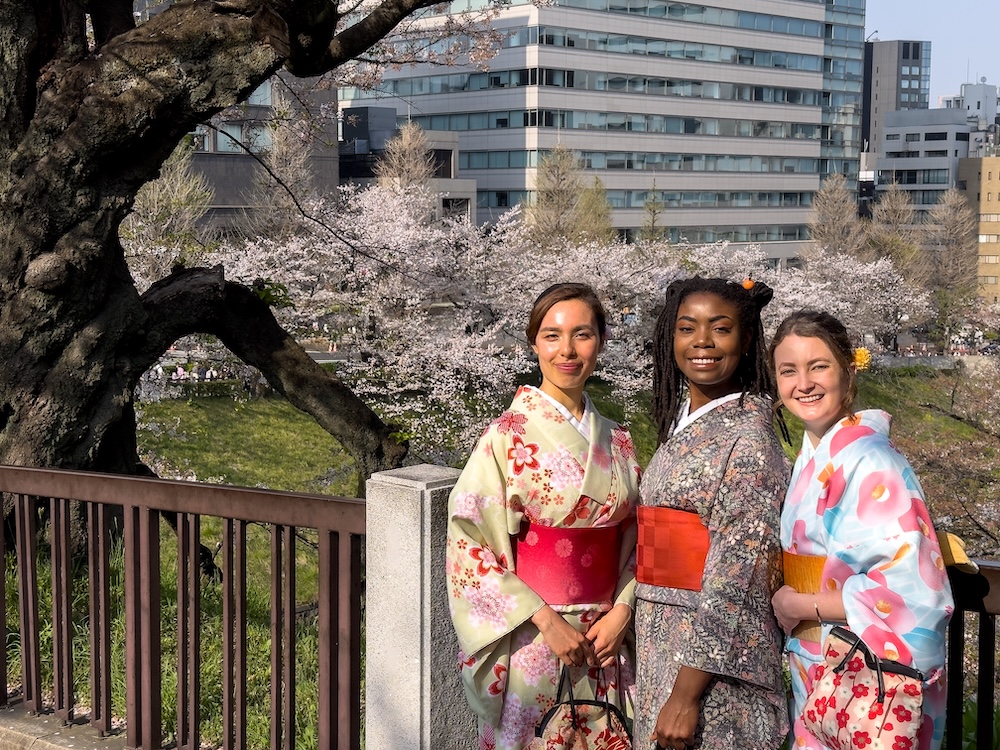
Taking a photo while dressed in kimono – Photo Credit: RuslanKphoto
A more diverse global audience
Japan’s tourism market is also becoming more diverse.
Before the pandemic, visitors from China and other East Asian markets dominated inbound tourism. In 2019, China and the three major East Asian markets accounted for roughly 70 percent of total visitors.
By 2025, that share had decreased to 65 percent, reflecting an important shift.
During the same period, the share of travelers from Europe, the United States, Australia, and the Middle East increased from 14 percent to 18 percent.
This trend indicates a gradual diversification of Japan’s tourism base. Much of the growth in 2025 compared with 2019 came from travelers in Europe, North America, Australia, and the Middle East, suggesting that Japan is attracting new audiences with different travel expectations.
Rising global interest in Japanese culture, cuisine, and nature continues to fuel this growth.
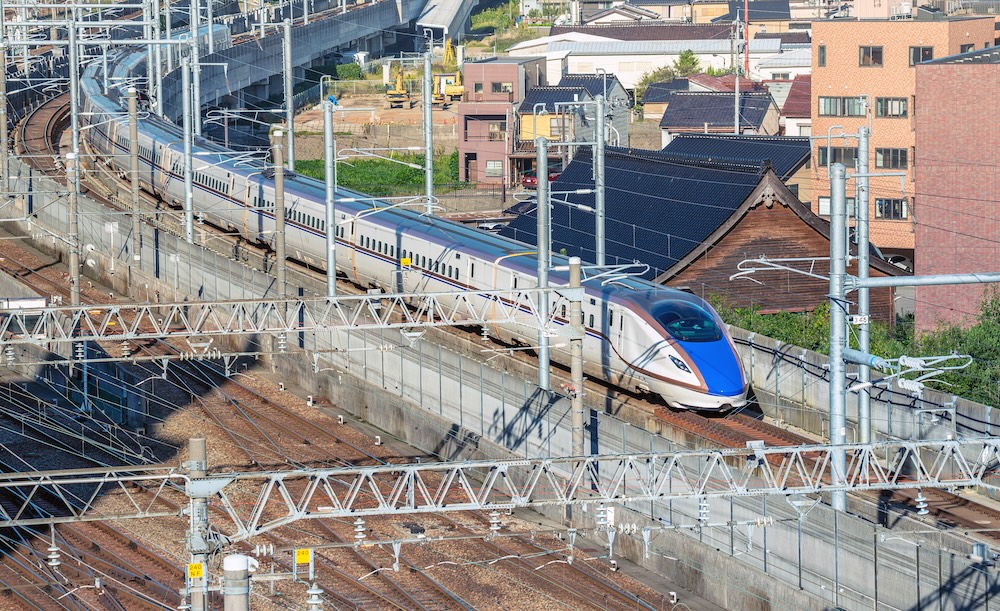
Hokuriku Shinkansen – Photo Credit: mTaira
Beyond the golden route
For decades, many travelers followed the classic route connecting Tokyo, Kyoto, and Osaka. While these destinations remain essential highlights, visitors are increasingly seeking alternatives that offer deeper cultural experiences and fewer crowds.
One major factor influencing this trend is infrastructure development.
The expansion of the Hokuriku Shinkansen line in March 2024 significantly improved access to the Hokuriku region along the Sea of Japan coast. Cities such as Kanazawa and Fukui are now easier to reach from Tokyo, transforming the region into a premium alternative to the traditional Golden Route.
Visitors are drawn to Hokuriku’s historic districts, coastal scenery, and culinary traditions. The improved rail connection allows travelers to explore these destinations comfortably while avoiding some of the busiest tourism corridors.
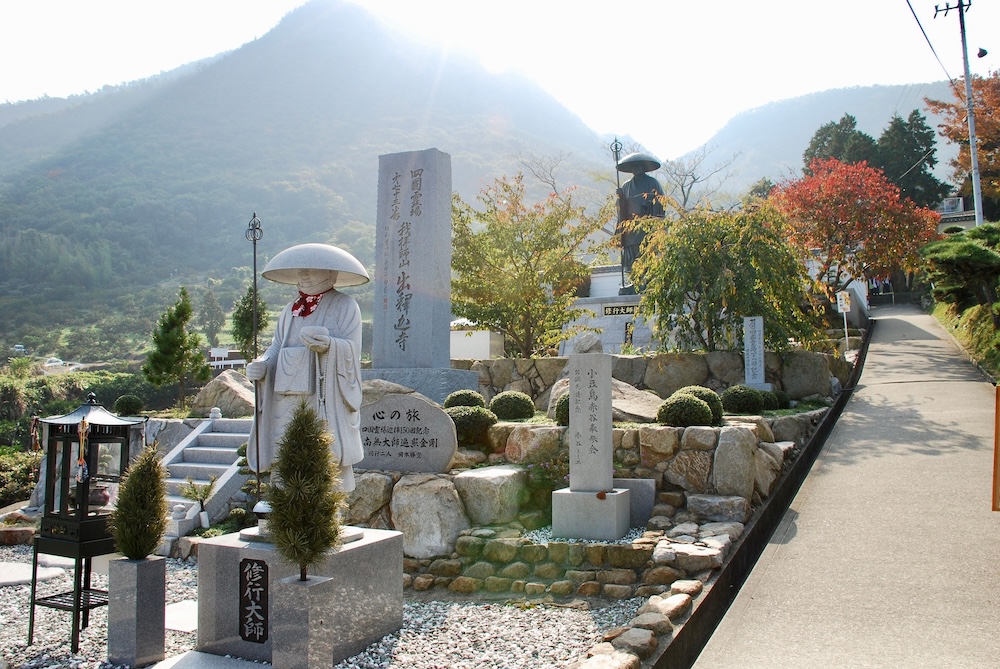
This place can be found while taking the Shikoku pilgrimage route – Photo Credit: Wirestock Creators
Shikoku and the rise of spiritual tourism
Another region gaining attention is Shikoku, Japan’s smallest main island.
Travelers are discovering Shikoku for its distinctive regional culture, slower pace of life, and scenic landscapes. The island has become especially appealing for those searching for less crowded and visually striking destinations.
One key attraction is the famous Shikoku pilgrimage route associated with Kobo Daishi, known as henro (遍路, Shikoku pilgrimage). This spiritual journey connects 88 temples across the island and has been practiced for centuries.
The pilgrimage offers more than religious significance. For many travelers, it represents a meaningful journey of reflection, personal discovery, and connection with local communities.
Shikoku also appeals to travelers seeking photogenic landscapes and undiscovered locations that feel unique.
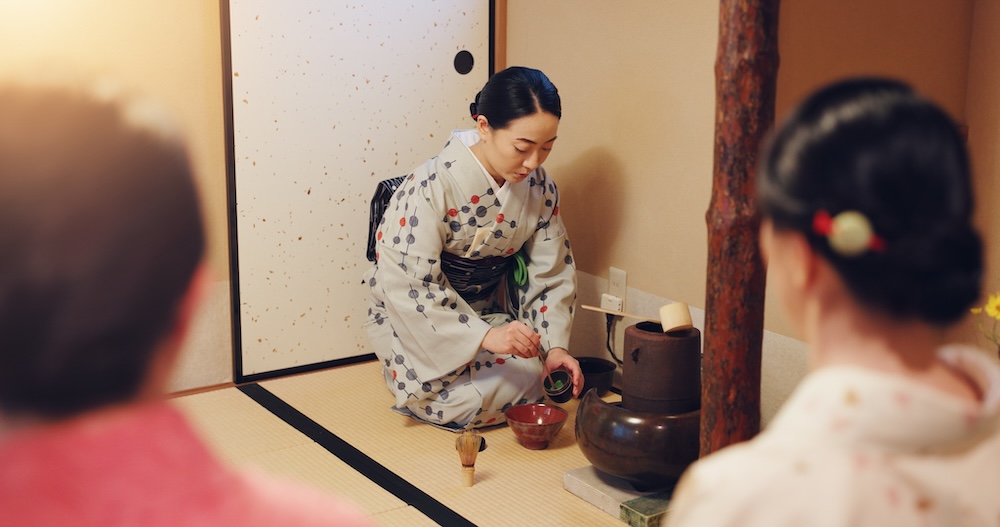
Traditional tea ceremony – Photo Credit: PeopleImages
Cultural depth and immersive experiences
Modern travelers are no longer satisfied with simply visiting famous landmarks. Increasingly, they want to engage with Japan’s culture in deeper and more personal ways.
Hands-on experiences are becoming central to travel itineraries.
Visitors are participating in:
- Traditional craft workshops
- Local cooking experiences
- Tea ceremonies
- Cultural performances
- Regional festivals
These experiences often reflect the concept of omotenashi (おもてなし, Japanese hospitality), which emphasizes thoughtful service and attention to detail.
Japan’s extraordinary cultural depth, combined with secluded destinations and strong regional traditions, positions the country perfectly for immersive travel experiences.

Digging into some tasty crab – Photo Credit: Nishihama
The rise of curated and luxury travel
Another significant trend shaping tourism in Japan is the growth of curated and high-end travel experiences.
Luxury travelers increasingly seek journeys that are:
- Bespoke and carefully curated
- Exclusive and private
- Mindful and wellness focused
- Deeply cultural and immersive
Japan’s combination of heritage, craftsmanship, and natural beauty makes it particularly attractive for this type of travel.
Government initiatives are also supporting this direction.
In 2023, the Tourism Nation Promotion Basic Plan was approved to strengthen inbound tourism. The plan emphasizes sustainable tourism development and highlights the importance of promoting regional attractions beyond major cities.

The pinnacle of Japanese transportation: the bullet train – Photo Credit: LilyRosePhotos
Infrastructure that supports premium travel
Japan’s transportation system is one of the country’s greatest advantages for travelers.
The extensive Shinkansen network allows passengers to travel between major cities in under three hours, making it possible to explore multiple regions efficiently.
At the same time, premium transportation options are expanding to meet the needs of luxury travelers.
A growing seamless luxury mobility network includes:
- High-speed rail connections
- Private helicopter and jet services to remote destinations
- Integrated transportation systems connecting trains, buses, ferries, and roads
- Airport amenities such as premium lounges and fast-track immigration
Japan’s reputation for punctuality and efficiency makes travel across the country both smooth and reliable.
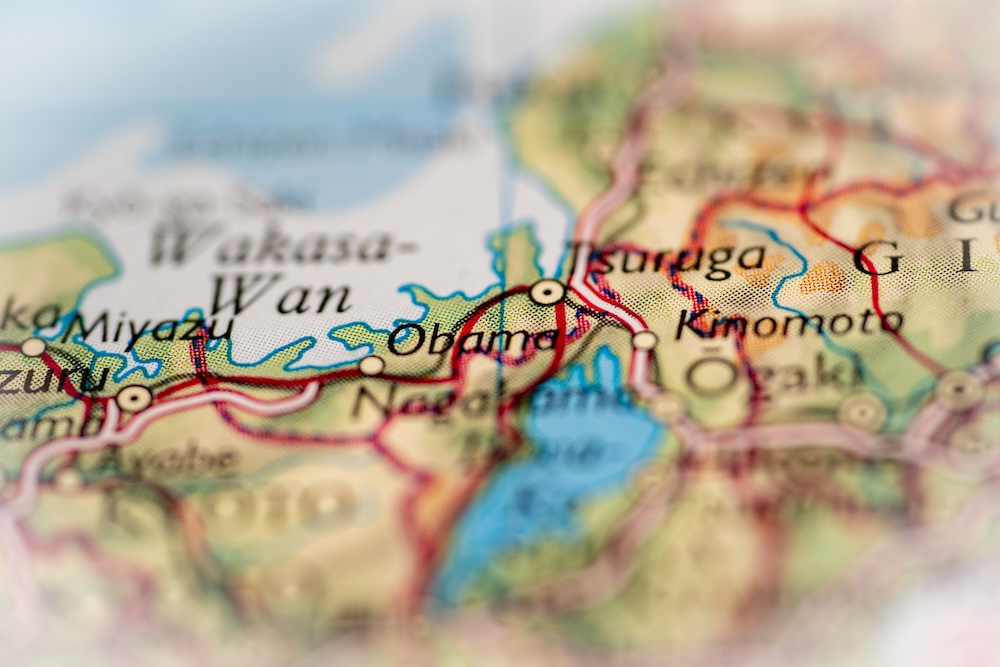
Obama on the map – Photo Credit: Erman Gunes
Hidden destinations with authentic charm
One of the most compelling aspects of Japan today is the discovery of places that feel untouched by mass tourism.
Architect and photographer Sean Brecht is a strong advocate for the town of Obama. Located along the Sea of Japan coast, Obama is historically significant as one of Japan’s traditional maritime gateways.
Despite its cultural importance, the town remains surprisingly quiet.
Visitors can explore historic temples and view impressive Buddhist statues while enjoying a level of tranquility that is increasingly rare in popular destinations.
Sean Brecht describes Obama as a place where the community fabric remains intact. Young artisans and craftspeople continue to preserve traditional skills, creating an atmosphere that feels authentic and welcoming.
He also praises a local bakery called Cocoro, which he considers one of the best bakeries in Japan.
In places like Obama, visitors can experience Japan’s landscapes in their purest form. Verdant mountain valleys meet crystal blue seas, and daily life unfolds at a peaceful pace.
As Sean Brecht explains, “Luxury is never about price. It is about the value of the experience.”
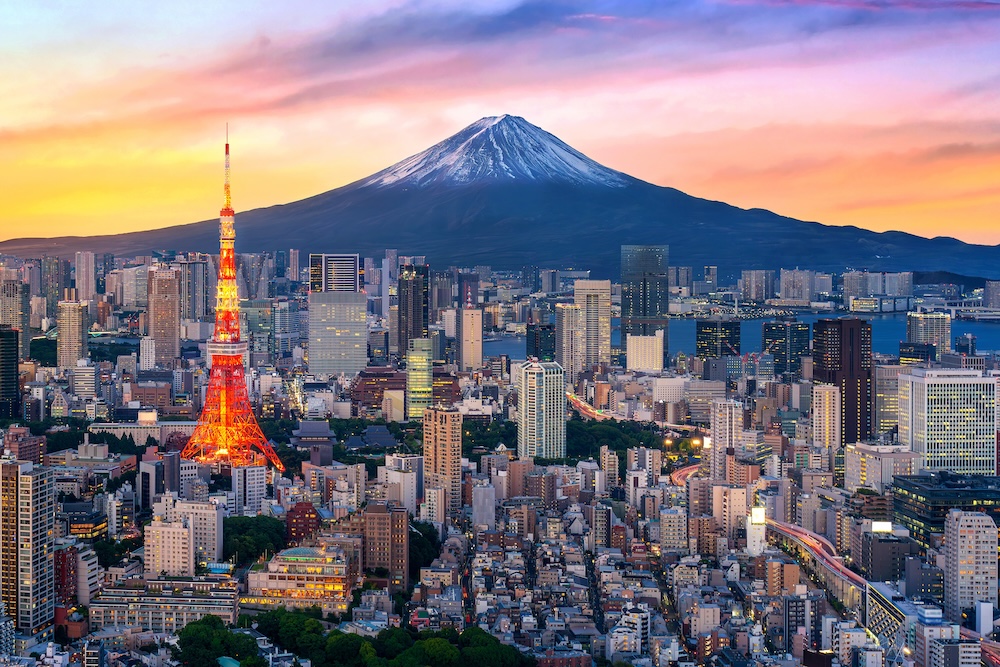
Aerial view of Tokyo, Japan – Photo Credit: Guitar photographer
Tailored experiences for discerning travelers
Luxury travel specialists are also redefining how visitors experience Japan.
Naomi Mano, a Japan travel professional, emphasizes the importance of personalization when creating travel experiences.
The goal is to understand each client’s interests and craft experiences that exceed expectations. These may include private cultural encounters, exclusive access to historic locations, or customized itineraries that reflect the traveler’s personal passions.
Every journey is designed to be unique.
This approach reflects a broader shift within the travel industry toward highly personalized and carefully curated experiences.
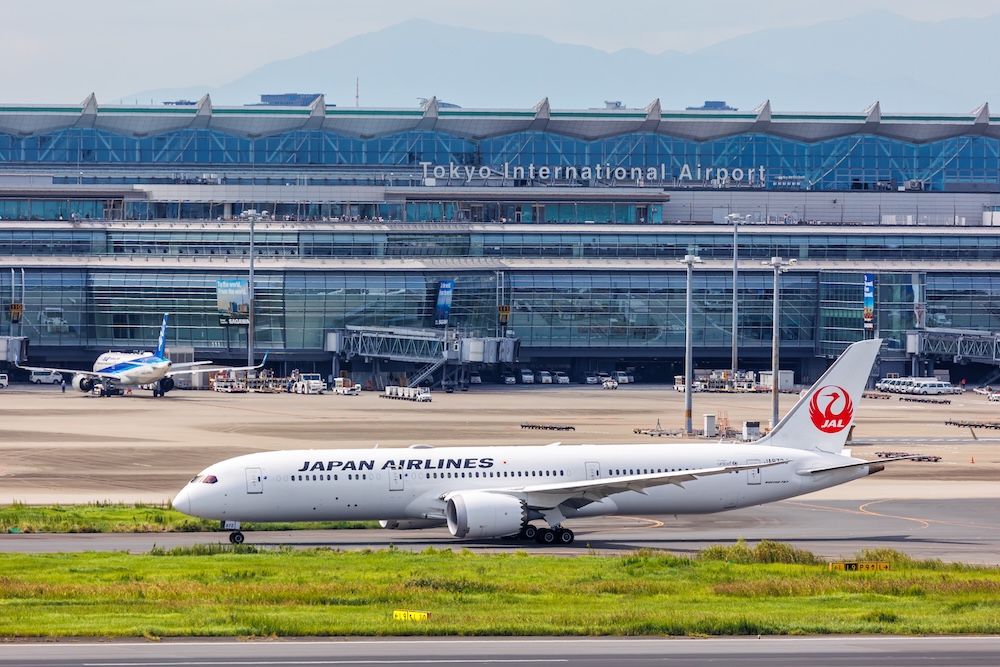
Snapshot of Japan Airlines – Photo Credit: Markus Mainka
Why Japan has enormous potential as a global retreat destination
Looking ahead, Japan is increasingly positioned to become a leading destination for high-value travel.
Several factors support this trend:
- Rich cultural heritage
- Exceptional food culture
- Safe and efficient infrastructure
- Extraordinary natural landscapes
- Growing focus on sustainability
- Expanding luxury travel services
For many travelers, Japan offers something rare in the modern world. It combines modern convenience with deep cultural traditions that have been preserved for centuries.
Different visitors will value different aspects of Japan. Some will be drawn to its spiritual heritage, others to its cuisine, craftsmanship, or nature.
There is no single correct way to experience Japan.
The country’s greatest strength lies in the diversity of experiences it offers.
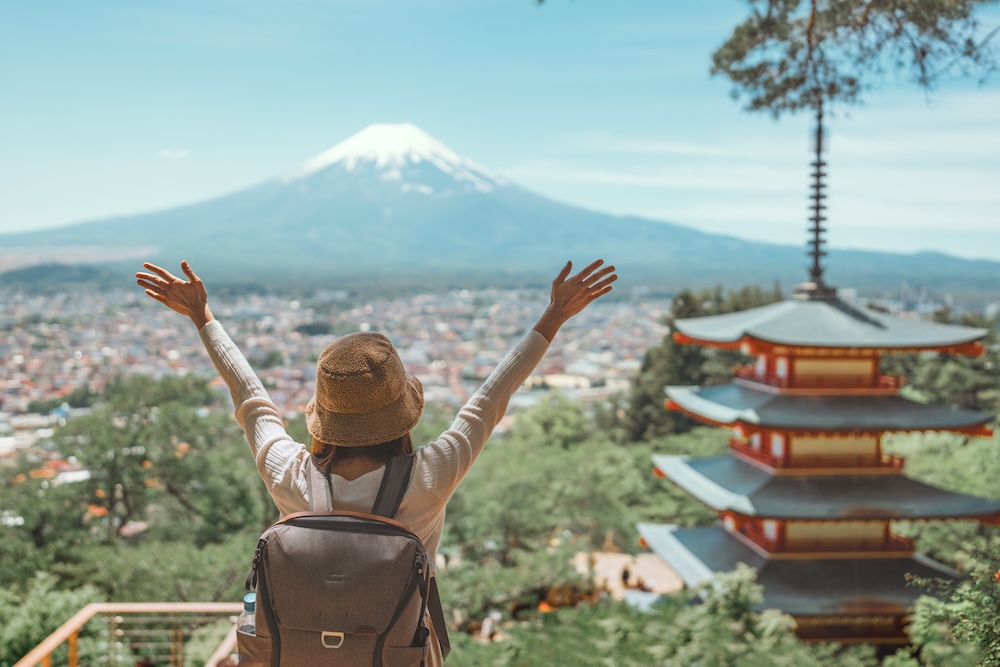
Traveling in Japan – Photo Credit: oatawa
A destination that rewards curiosity
Japan’s tourism landscape continues to evolve, but one theme remains constant. Travelers who venture beyond the obvious often discover the most memorable experiences.
Whether exploring regional towns, walking ancient pilgrimage routes, or enjoying the quiet beauty of the countryside, Japan rewards curiosity and openness.
As global interest in the country continues to grow, the future of travel in Japan looks brighter than ever.
And for those willing to explore beyond the surface, the journey can be truly extraordinary.
Featured Photo Credit: kitzcorner
Ready to experience Japan equipped with new knowledge about the travel industry here? Reach out to our experts to craft a tailored travel adventure perfect for your own unique journey.
PIN THIS FOR LATER
Book your pocket wifi now to stay connected through your entire Japan Journey!

Be sure to get the JR Pass to make navigating Japan during your trip that much easier!
YOU MIGHT ALSO LIKE