JAPAN’S ULTIMATE TRANSPORTATION GUIDE
Mar 17, 2026
BY Maria Diaz
Japan’s transportation system is famous for being fast, clean, safe, and unbelievably punctual. And not only that, you don’t need to understand everything to use it well. This guide breaks down everything to do with public transportation in Japan, the subways, trains, Shinkansen, buses, taxis, and apps, and provides you with some must-know tips. No matter how long you’re staying in Japan, here are some helpful tips and things to know before your trip:
Things You Should Know
Public transportation is the backbone of daily life in Japan. Trains and subways reach almost every city and neighborhood, buses fill in the gaps, and taxis are consistently clean, safe, and reliable. Everything runs on precise schedules, queues are respected, and signs in tourist areas are almost always bilingual. While cash is still accepted in some situations, most transportation works seamlessly with rechargeable IC cards and mobile payments. Once you get used to the system, it quickly feels intuitive and surprisingly stress-free.
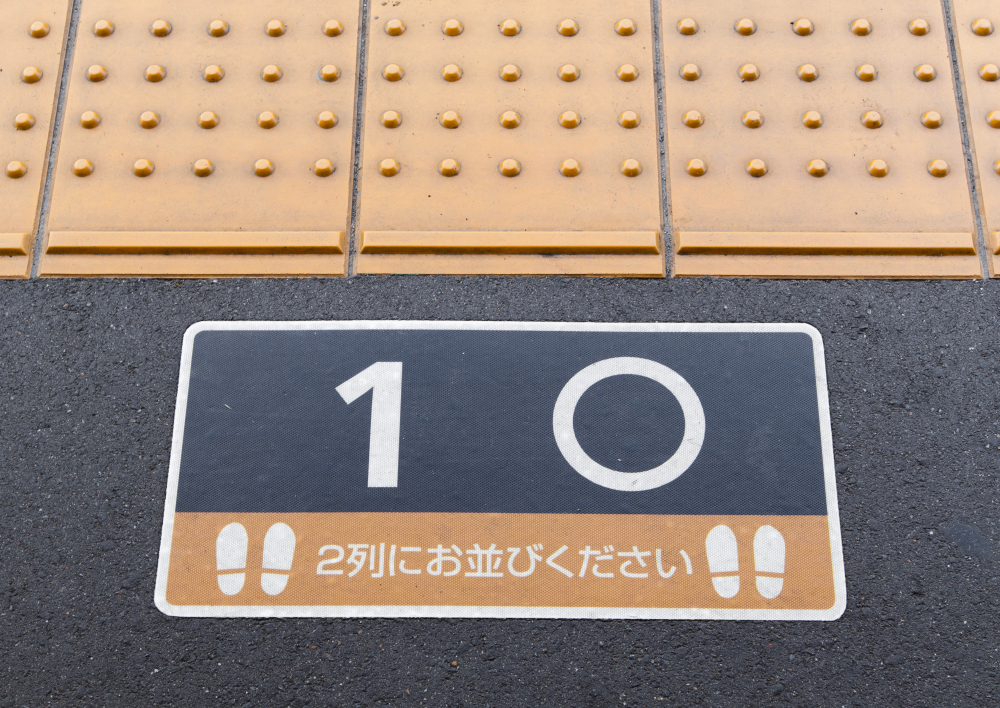
Japanese train platform queue marking – Photo Credit: Ormalternative
When riding a train, including high-speed services like the Shinkansen, it’s important to follow basic manners to ensure a comfortable experience for everyone. Line up properly on the platform and let passengers exit before boarding. Keep noise to a minimum by speaking quietly, using headphones at a low volume, and avoiding phone calls in shared spaces. Give priority seats to the elderly, pregnant passengers, and people with disabilities, and keep bags, backpacks, and luggage out of aisles and off seats. Eat and drink only where it is permitted (not on public transport), dispose of trash properly, and keep your area clean.
For route planning, NAVITIME is especially useful, as it offers detailed, Japan-specific directions with real-time train schedules, platform details, and clear transfer guidance, helping travelers move around confidently and efficiently.
Large suitcases can be challenging during peak hours, so try to avoid rush times (6:00 AM – 9:00 AM and 5:00 PM – 8:00 PM) when possible. Most major stations have coin lockers, and many travelers choose luggage forwarding services to send bags directly between hotels. This allows you to explore cities hands-free and makes train travel much more comfortable. If you wanna travel without worrying about your luggage, check out this blog to learn more about luggage forwarding services in Japan.
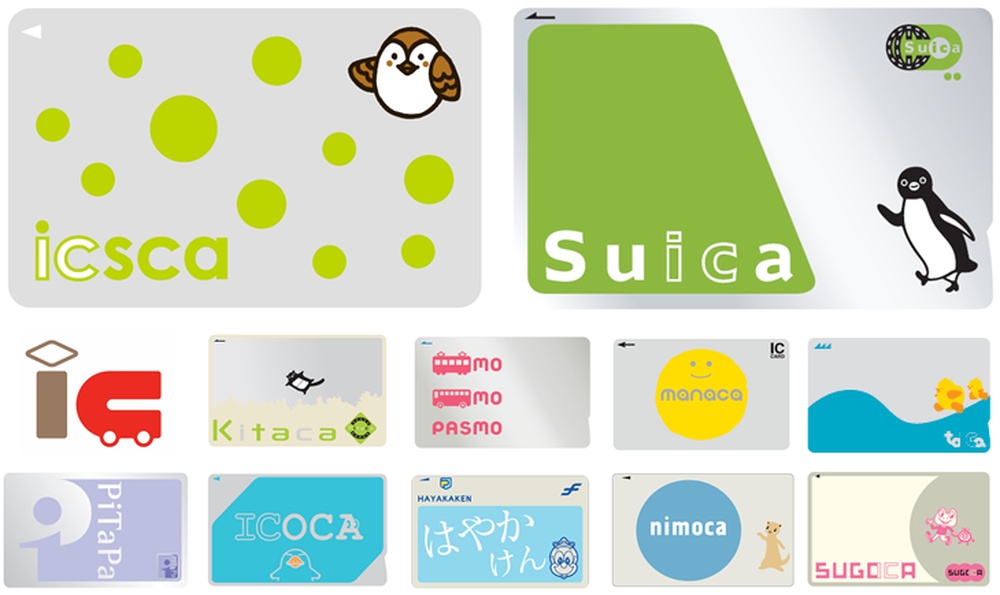
All the IC cards available in Japan – Photo Credit: Transportation Bureau City of Sendai
IC Cards: Easiest Way to Travel
One of the easiest ways to simplify your travels in Japan is to get an IC card as soon as you arrive. These rechargeable smart cards let you tap in and out of trains, subways, buses, and even some taxis. You can also use them at vending machines and convenience stores, which makes everyday purchases quick and hassle-free. The most common cards are Suica, PASMO, and ICOCA, and the best part is that they all work interchangeably throughout the country.
With an IC card, there’s no need to calculate fares or stop at ticket machines for every ride. You simply tap, ride, and go. When the balance runs low, the card can be recharged at ticket machines inside train and subway stations by selecting a top-up amount and paying in cash. iPhone users can make things even easier by adding Suica or PASMO directly to Apple Wallet in just a few steps: add a transit card (select the one you want), load funds, and you’re ready to tap through turnstiles using Express Mode, no unlocking needed. If you have an Android phone and want to keep track of your Suica card balance, this is the app you need. Just hold your phone close to the card, and it will read all the updated data via NFC.
Although Japan has several regional IC cards, travelers don’t need to worry about compatibility. All major IC cards work nationwide, so the only real difference is where you purchase them, not where you can use them.
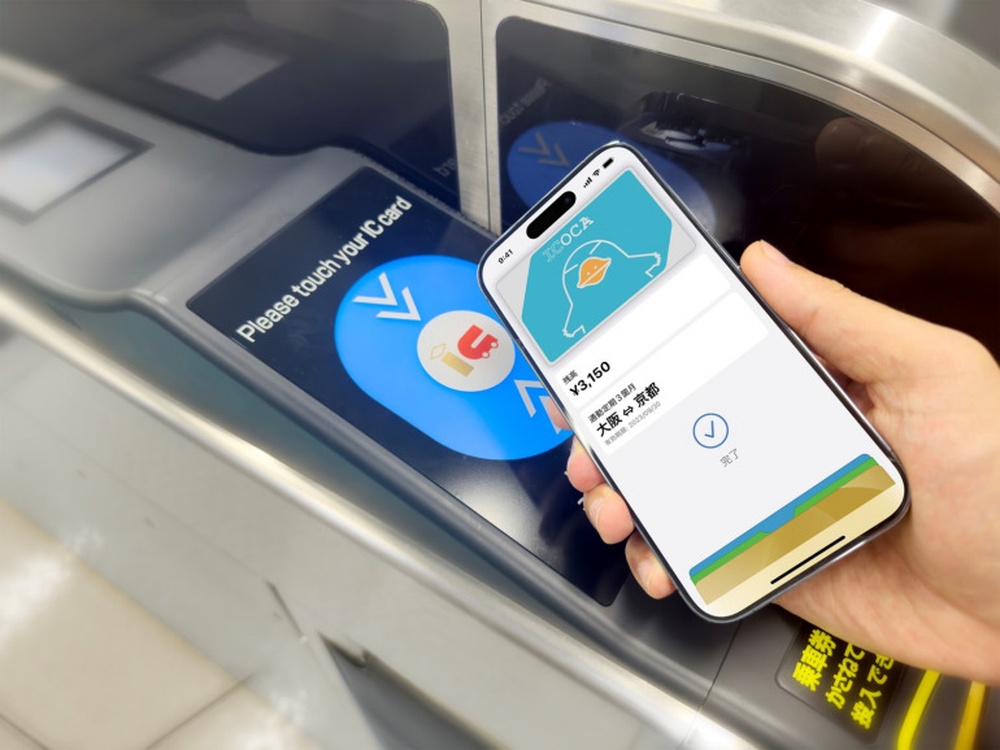
Using a mobile IC card at a train gate – Photo Credit: DIME
In Tokyo and the greater Kanto region, including Kanagawa, Chiba, and Saitama, Suica and PASMO are widely available at train stations and airports. In Osaka, Kyoto, and the Kansai region, the main option is ICOCA, which can be purchased at major JR stations. Travelers passing through Nagoya and central Japan will commonly encounter TOICA, while those visiting Hokkaido can buy Kitaca, especially in and around Sapporo.
In Kyushu, IC cards vary by area and include SUGOCA, nimoca, and Hayakaken. In Shikoku, ICOCA is used on major JR lines, though coverage is more limited than on Japan’s larger islands. Even in Okinawa, where there are no trains, travelers can use OKICA on buses and the monorail.
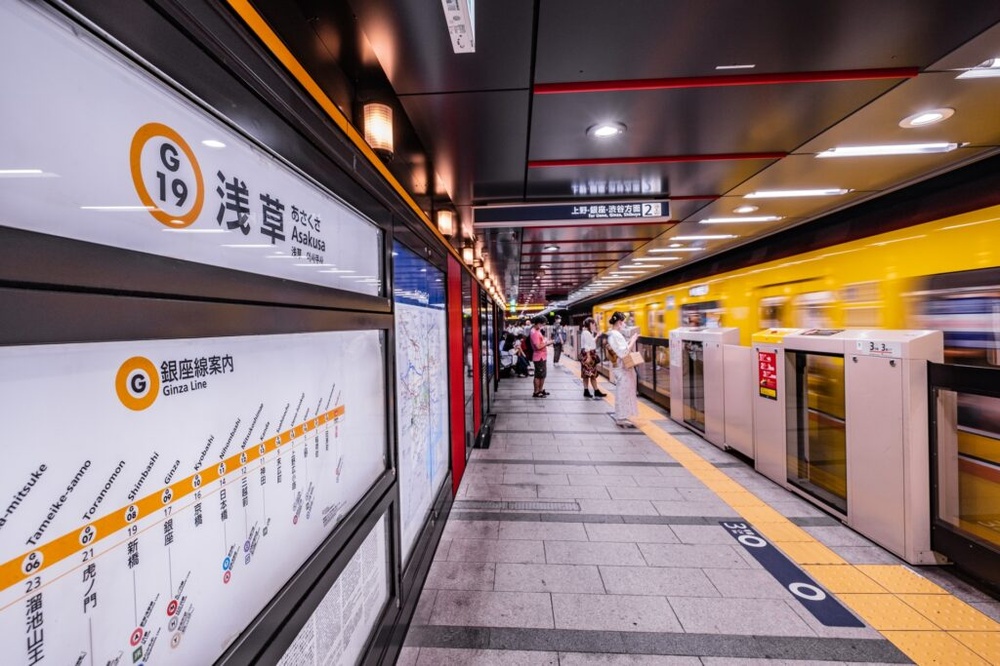
Tokyo’s metro Ginza line – Photo Credit: Tabidouraku
Subways: Your Everyday Transportation
In major cities like Tokyo, Osaka, and Kyoto, subways are the most efficient way to get around. Stations are clearly marked, routes are color-coded, and announcements are usually made in both Japanese and English. Platforms display exactly where each train will stop, and boarding is done in neat lines.
Getting around is simple: tap your IC card at the gate, follow the signs to your platform, ride the train, and tap out at your destination. If you accidentally travel farther than planned, fare adjustment machines inside the station make it easy to pay the difference, without the stress.
If you plan to use public transport a lot in one day, a day pass can be a great deal. Cities offer 24-hour, 48-hour, or 72-hour subway passes that allow unlimited rides within the metro system, usually costing around ¥800 to ¥1,500, depending on the duration and city. These are especially popular with visitors and easy to buy at ticket machines or service counters. Each city has its own system, such as Tokyo Metro, Osaka Metro, and Kyoto City Bus & Subway, so it’s worth checking which lines are covered before you buy. If you prefer to download an app to quickly check the way to your next destination, you can try this Tokyo one or this Osaka one.
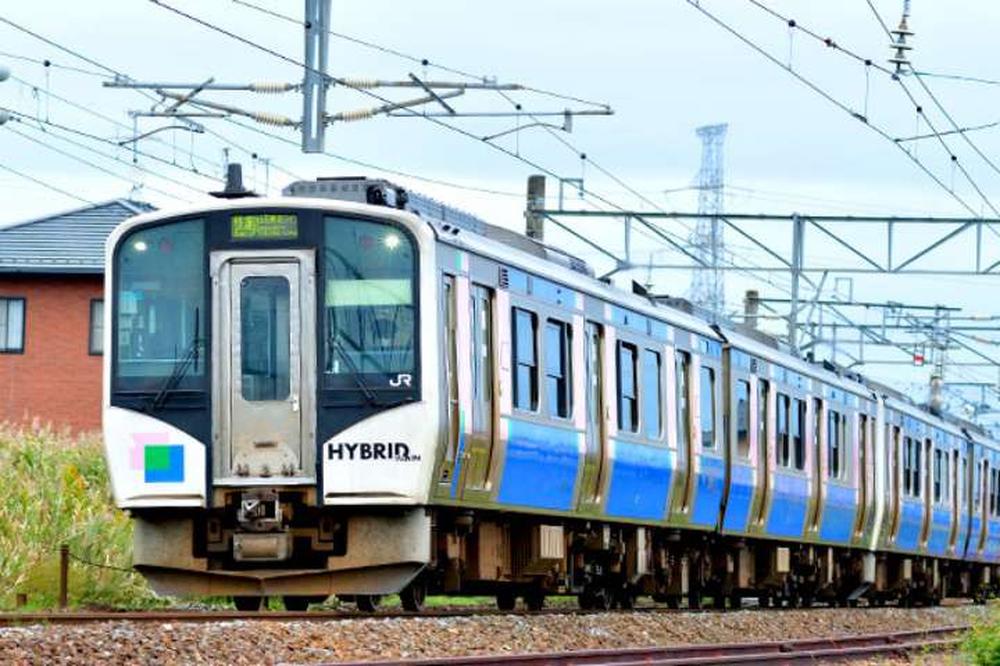
Japanese train – Photo Credit: JR East
Trains: Fast, Reliable, and Everywhere
Japan’s train network connects cities, suburbs, and even small towns, making it one of the most convenient ways to travel. In urban areas, trains are operated mainly by JR companies and private railways, running frequently and on time. Stations are well signed, platforms are clearly labeled, and announcements are often made in both Japanese and English. Tap your IC card at the gate, check the platform number, board the train, and tap out when you arrive. Just like the metro, fares are calculated automatically based on distance. Unlike subways, trains usually don’t have 24h, 48h, or 72h passes, so most travelers pay per ride using an IC card. For longer journeys between cities, JR trains (including shinkansen on some routes) are the go-to option, and frequent travelers may consider regional passes or the Japan Rail Pass, which offers unlimited JR travel for a set number of days.
Outside major cities, train and bus services can be much less frequent, sometimes running only once or twice per hour. Always check schedules in advance when traveling in rural areas or smaller towns.
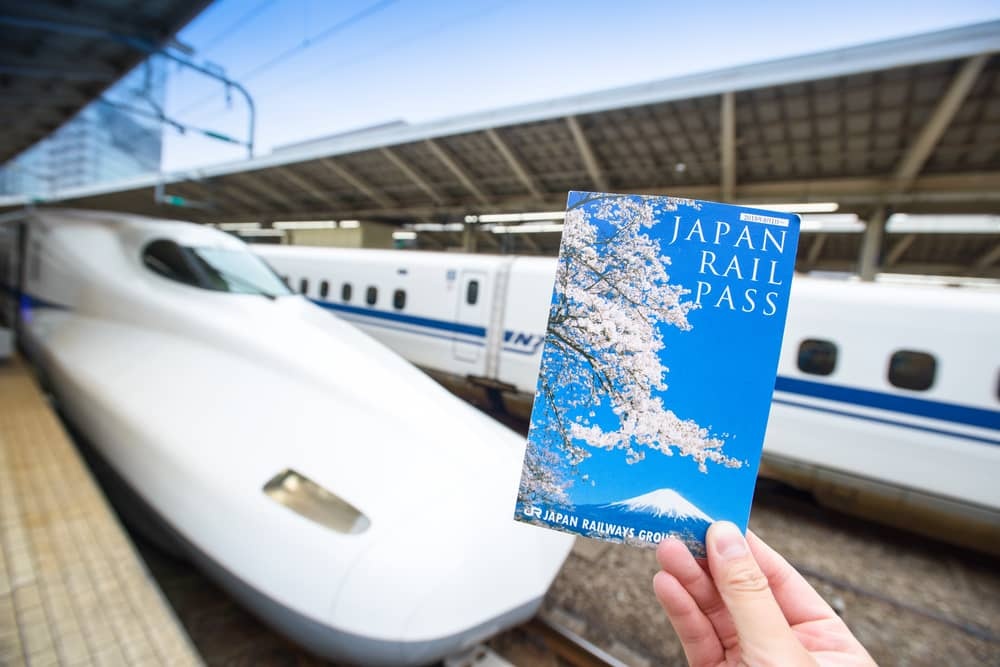
The Japan Rail Pass is a convenient way to travel by Shinkansen. – Photo Credit: Japan Rail Pass
Shinkansen: The Famous Bullet Train
The Shinkansen is Japan’s high-speed rail system and one of the most iconic ways to travel in the country. Operated by the Japan Railways Group, these trains connect major cities at incredible speeds while offering comfort, space, and reliability.
Shinkansen seats are spacious, luggage storage is generous, and the ride is so smooth you’ll barely feel the speed. Tickets can be purchased with either reserved or non-reserved seats. Reserved seats guarantee a specific spot and are recommended during busy travel seasons. If you plan to take several long-distance trips, the Japan Rail Pass (purchase it here) may offer significant savings, but it’s not always worth it for shorter stays or single-city travel.
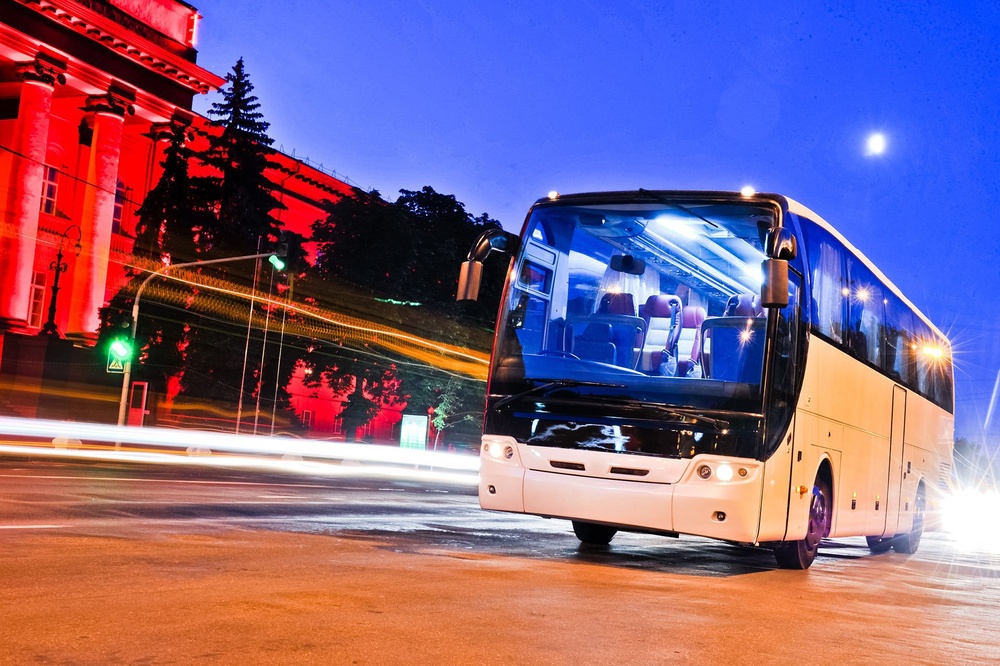
Japan Highway Bus – Photo Credit: Kosoku bus
Buses: Useful and Budget-Friendly
Buses are particularly useful in cities like Kyoto, where train coverage is limited, and many attractions are easier to reach by bus. City buses typically require passengers to enter from the back and exit from the front, paying with an IC card or cash when getting off. While they are slower than trains, they often stop closer to major sights. Many cities offer bus or bus and subway day passes, usually costing around ¥600 – ¥1,100, which can be a good deal if you plan to ride multiple times in one day. These passes can be purchased at subway stations, bus information centers, ticket counters, and sometimes directly on the bus. It’s worth mentioning that a one-day bus pass was available in the past, but it has now been discontinued.
For longer distances, highway buses are a popular budget option. They are significantly cheaper than the Shinkansen and often run overnight, helping save on accommodation costs. Tickets and reserved seats can be bought online in advance or at bus terminals and sales counters. The trade-off is longer travel time and less space, but for many travelers, the savings are worth it. You can check the route, price, and schedule here.
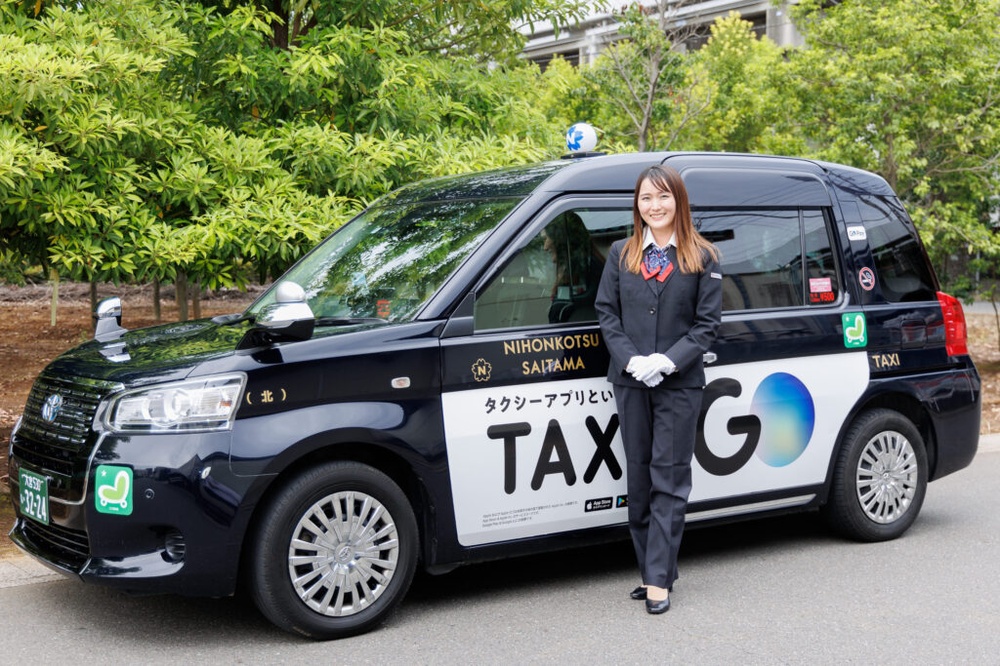
Taxi GO driver beside the cab – Photo Credit: Nihon Kotsu
Taxis in Japan: Clean, Safe, and Easy to Use
Taxis in Japan are known for their professionalism and cleanliness. The doors open automatically, drivers wear uniforms, and tipping is never expected. While taxis are more expensive than public transportation, they are extremely reliable, especially late at night or when carrying luggage.
Most trains and subways stop running around midnight, especially outside major hubs. If you’re out late for dinner, drinks, or arriving on a late flight, taxis often become the easiest, and sometimes the only way to get around.
Several ride-hailing apps make taxis easier for travelers to use. GO covers most cities and supports credit cards, electronic payments, and cash, all in English. Uber Japan operates in major cities, while S.RIDE is exclusive to the Tokyo metropolitan area and known for fast service.
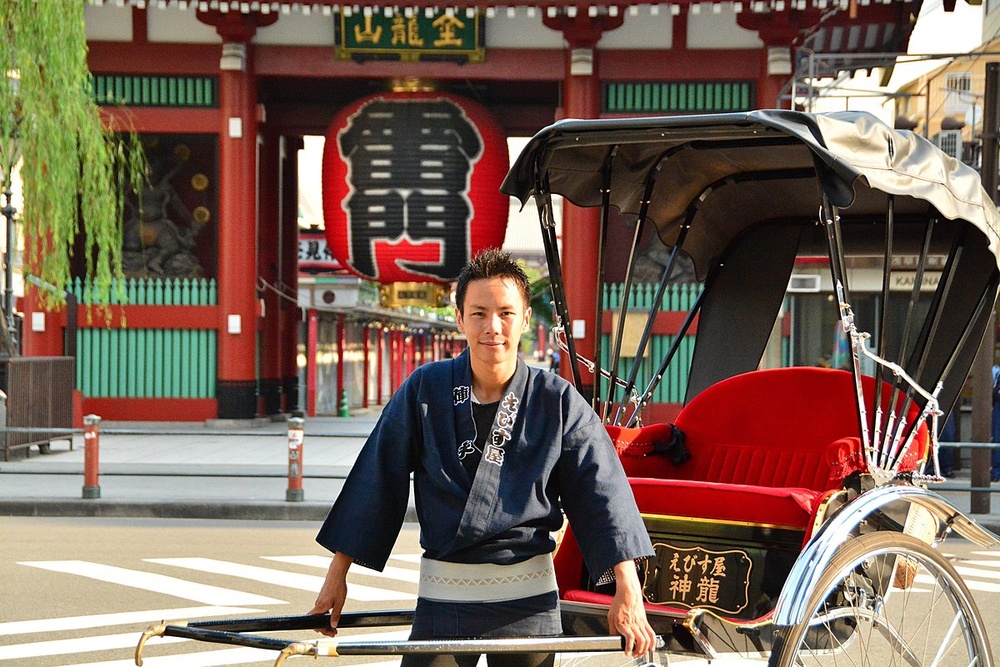
Rickshaw puller in traditional attire in front of Sensoji Temple – Photo Credit: Wamazing
Jinrikisha
For sure, you probably weren’t expecting this, but one of the best ways to avoid walking around touristic areas while also supporting a local business in Japan is hopping on a jinrikisha. These human-powered rickshaws date back to the late 1860s, when they first appeared after the Meiji Restoration as a quicker, more practical alternative to palanquins. Today, they’re less about daily transport and more about enjoying the journey. You’ll mostly find jinrikisha in historic, pedestrian-friendly areas like Kyoto (Arashiyama and Gion), Tokyo (especially Asakusa), Kamakura, and Nara. Drivers, usually dressed in traditional-style outfits, don’t just pull the cart; they also double as friendly guides, sharing local stories, hidden spots, and even helping you snap great photos. Prices typically start around ¥3,000 – ¥5,000 for a short 10-15 minute ride (for one or two people), with longer routes going up to ¥10,000- ¥30,000 or more. It’s not the cheapest way to get around, but it’s a relaxed, memorable experience that turns getting from A to B into part of the adventure.
Japan’s transportation system may look complex at first glance, but once you understand the basics, it becomes one of the easiest and most reliable ways to get around. From ultra-punctual trains and iconic Shinkansen rides to convenient buses, spotless taxis, and even traditional jinrikisha, every option is designed with efficiency and respect in mind. With a little preparation, the right apps, and an IC card in your pocket, moving through Japan quickly feels intuitive and stress-free. Mastering transportation doesn’t just get you from place to place; it opens the door to exploring the country with confidence and ease!
Featured Photo Credit: Jo Panuwat D
If you want more help planning your perfect trip around Japan, contact our Tailored Travel team, and we’ll help craft you a once-in-a-lifetime itinerary without all the stress!
PIN THIS FOR LATER
Book your pocket wifi now to stay connected through your entire Japan Journey!

Be sure to get the JR Pass to make navigating Japan during your trip that much easier!
YOU MIGHT ALSO LIKE