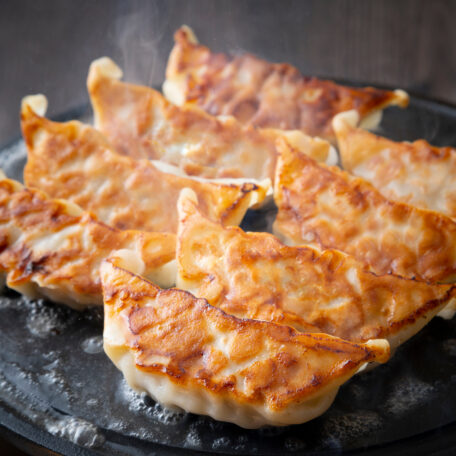
What is Kamaboko? All About Japan’s Traditional Fish Cake
Jan 27, 2026
BY Graydon Lavallee
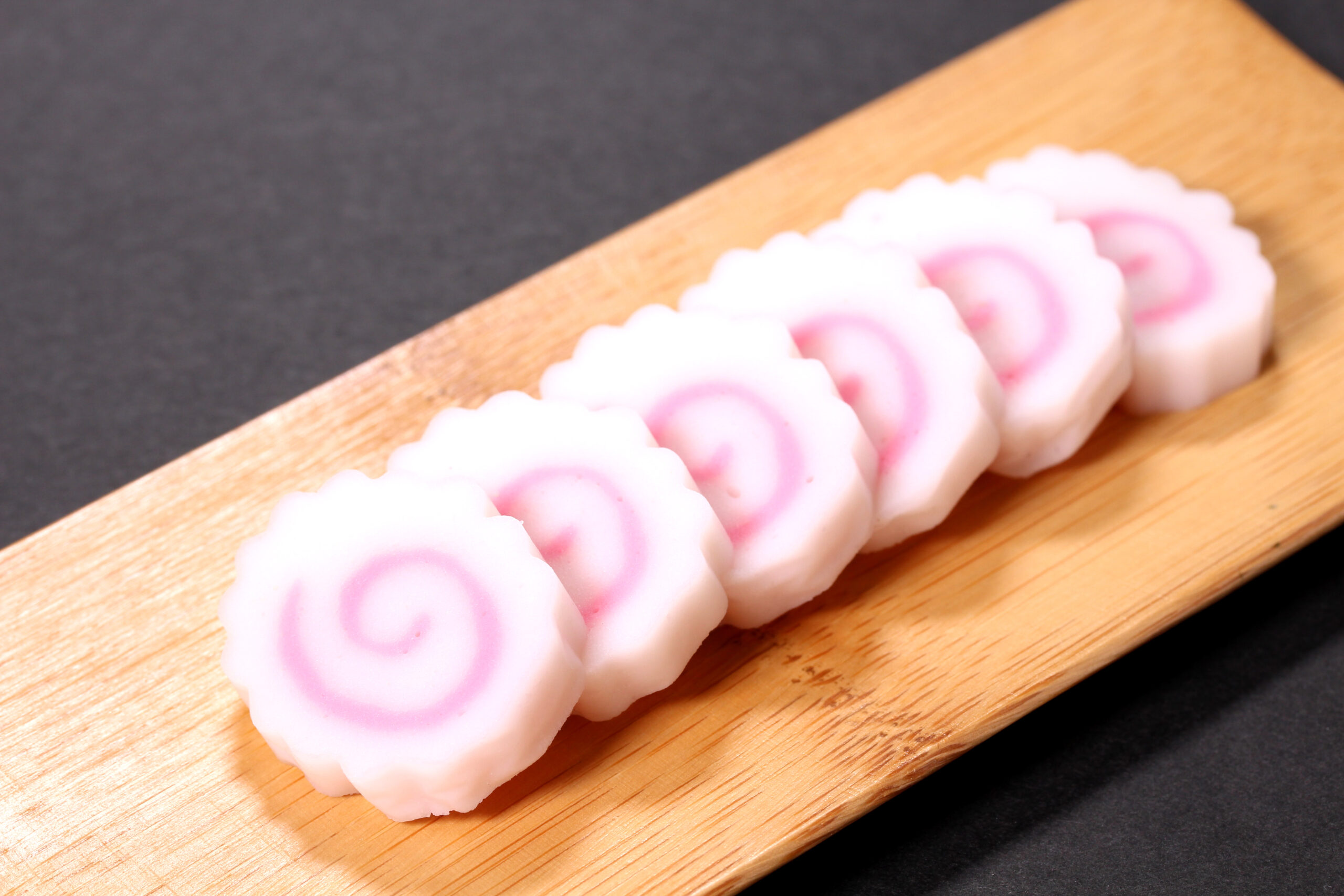
Have you ever enjoyed a traditional bowl of ramen and wondered about that little white slice with the pink swirl? These colorful garnishes are called kamaboko, a type of cured surimi made from pureed white fish formed into a loaf. They are typically seasoned and colored to create their signature look.
While perhaps not as globally famous as sushi, udon, or yakitori, these savory treats are a staple in Japan, appearing at both festive celebrations and everyday lunches. They are so beloved that in 1983, November 15th was officially designated as National Kamaboko Day.
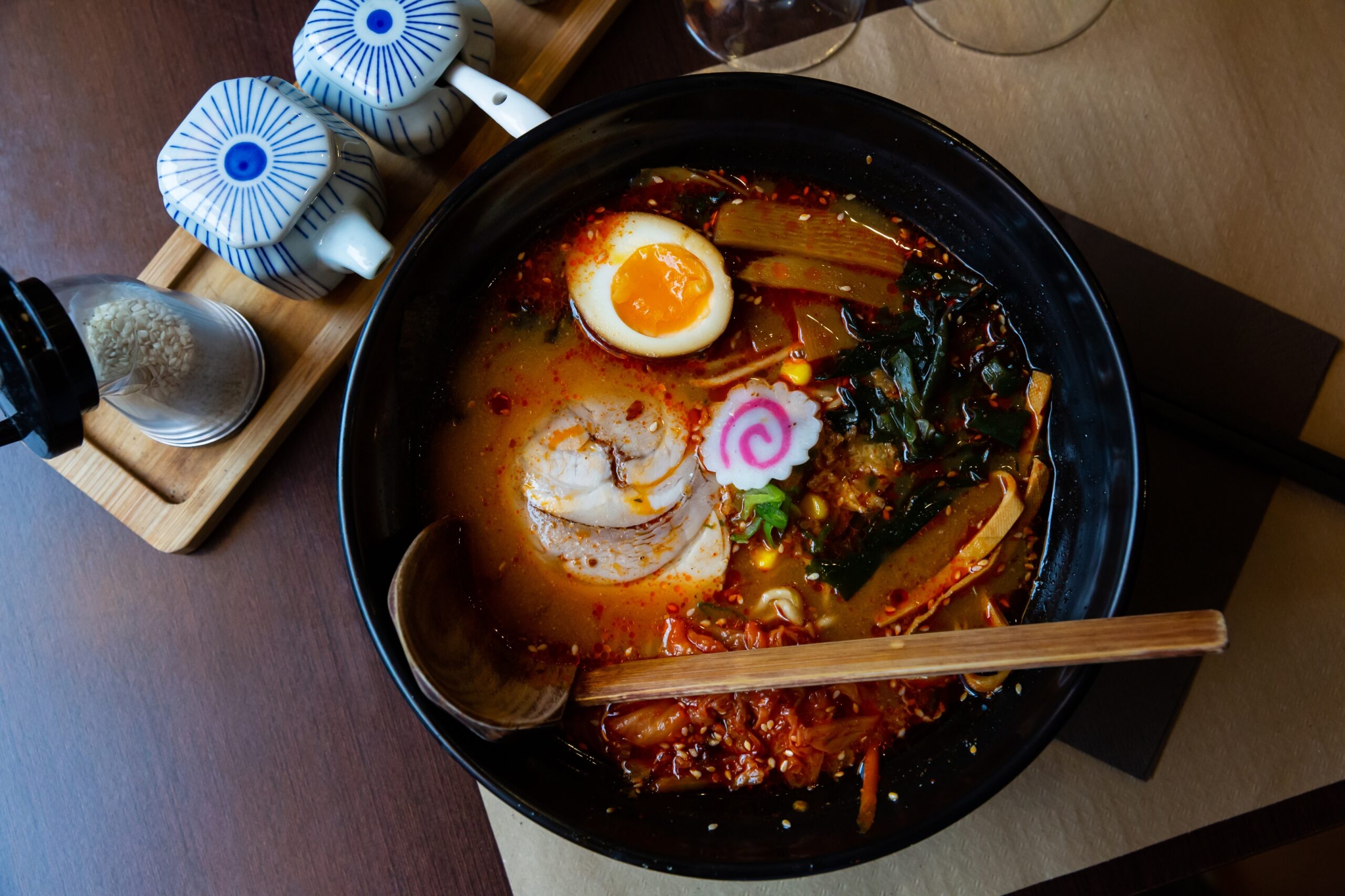
Ramen served traditionally with Chashu pork, boiled egg, and spinach garnished with narutomaki – Photo Credit: BearFotos
What is kamaboko?
As mentioned, kamaboko is a traditional Japanese food product made from white fish paste that is steamed until firm. It has a distinctive, slightly chewy texture and a mild flavor, making it a perfect addition to soups, noodle dishes, and various appetizers. It comes in several varieties, including Aka (red), Shiro (white), Chikuwa, and Narutomaki, each bringing its own unique aesthetic to the table.
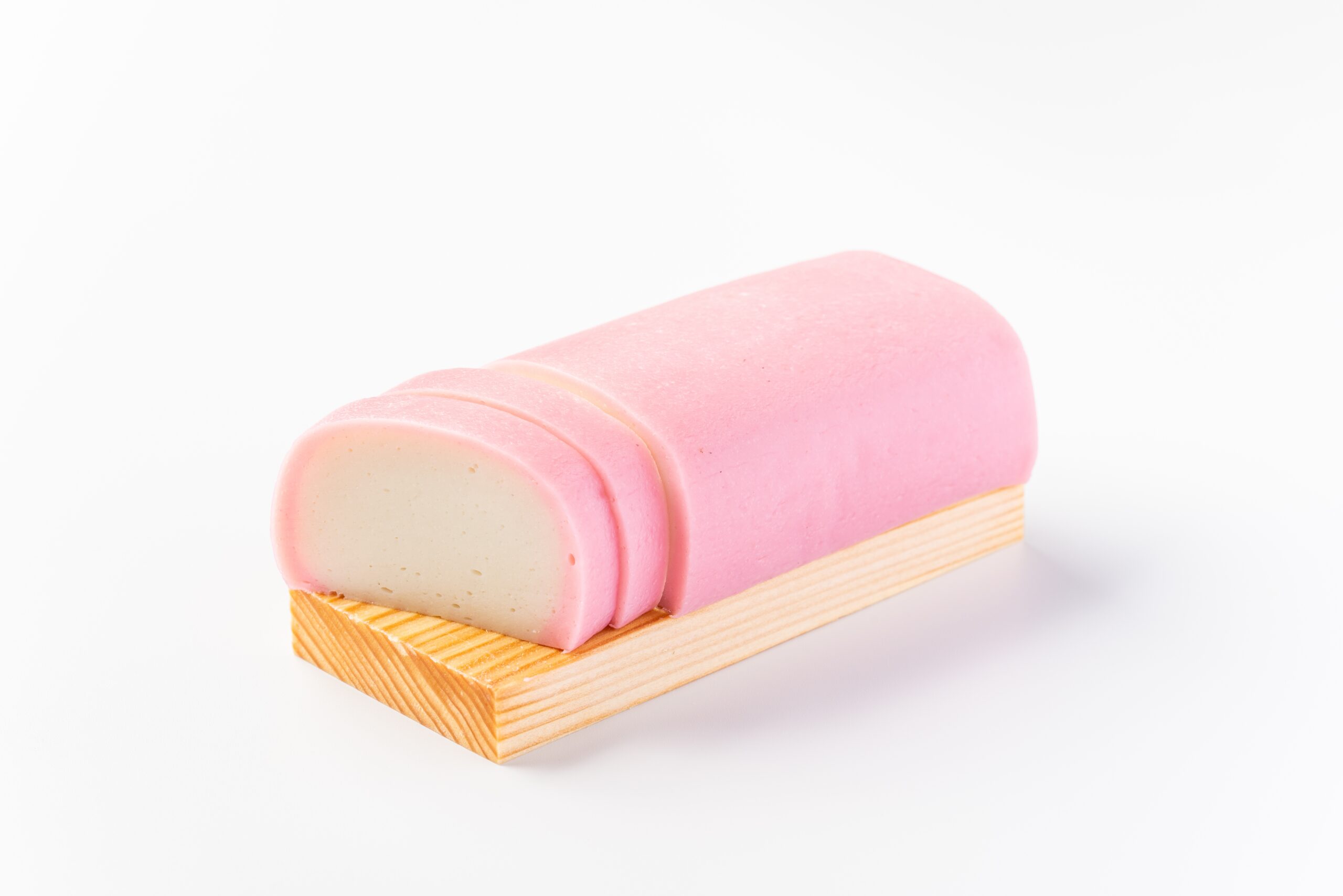
Pink and white kamaboko – Photo Credit: Hanasaki
How is it made?
Kamaboko is typically made from a mild-tasting white fish that has been cleaned, deboned, and pureed into a paste known as surimi. This base is mixed with seasonings such as salt, sugar, mirin, and occasionally MSG to enhance the umami. Food coloring is often added to create the vibrant swirls and patterns we recognize.
The paste is kneaded until it becomes sticky and smooth before being shaped into a cylindrical loaf. The most traditional cooking method involves steaming the loaf on a small wooden board for thirty to forty minutes, though some varieties are fried or grilled for a different finish.
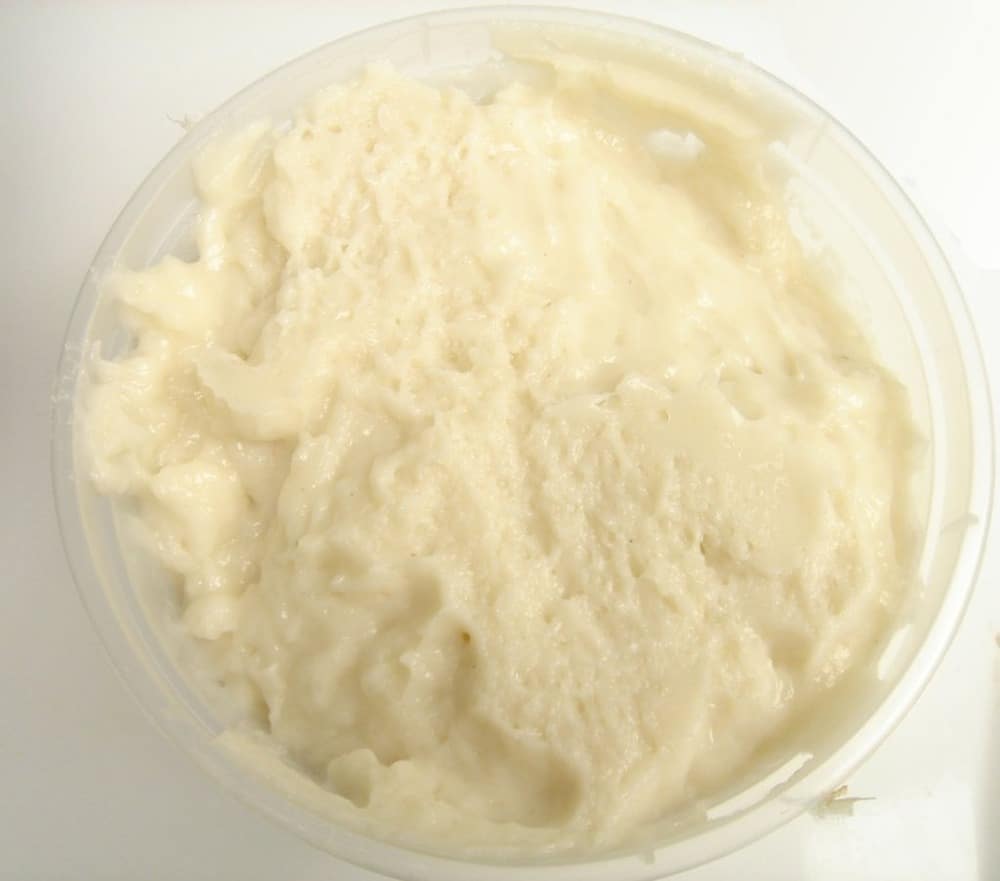
Tub of Surimi, ready to be turned into kamaboko – Photo Credit: Sjschen
Origins of kamaboko
As an island nation, Japan has always relied on the ocean for its diet. Kamaboko likely dates back to the Heian period in the 8th century, originally developed as a clever way to preserve fresh fish. Traditionally, the paste was molded into a sausage shape, skewered on bamboo sticks, and grilled over an open flame. Today, the methods of preparation have expanded significantly.
A few varieties
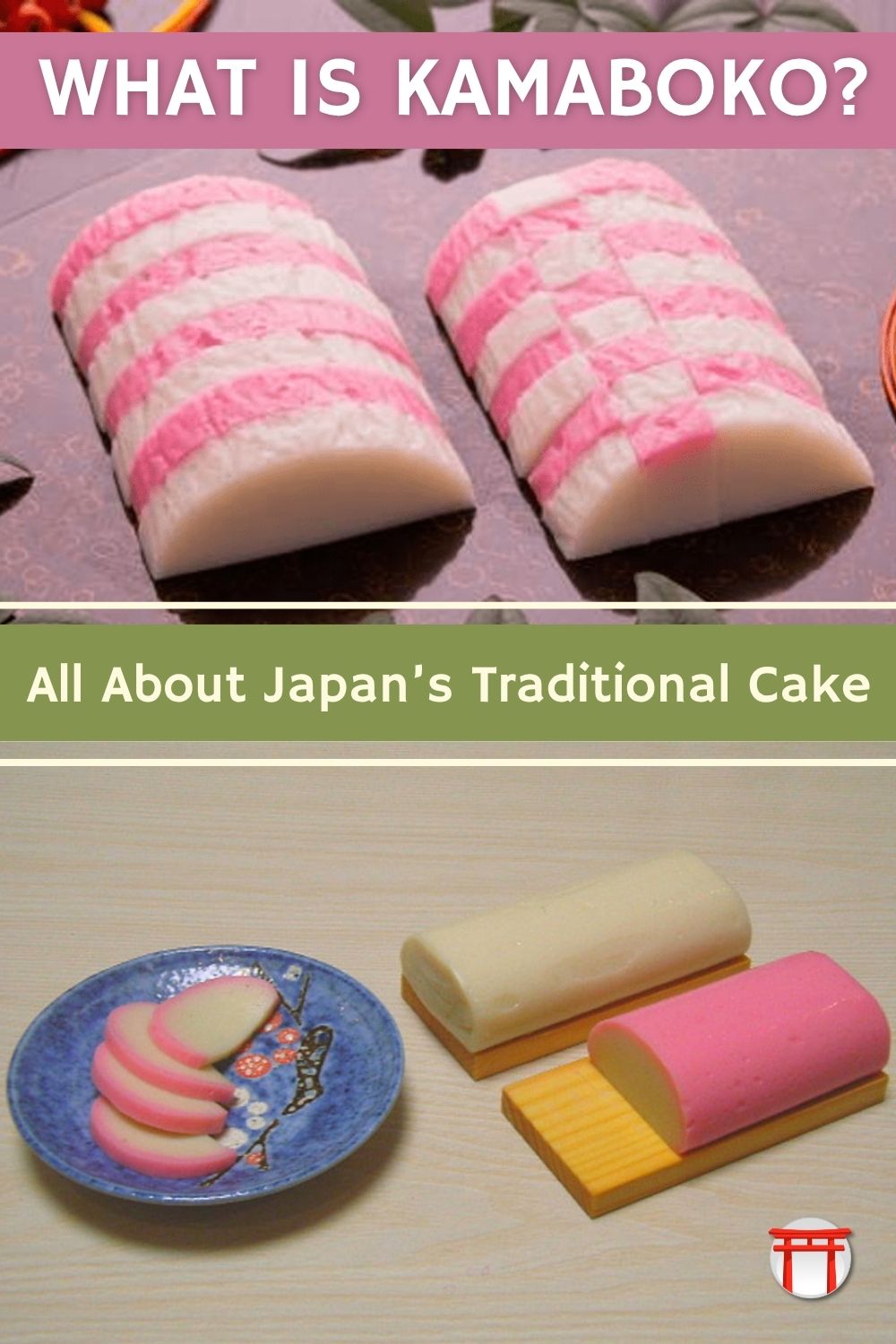
Red and white kamaboko: These are the most iconic versions. While the white cakes are plain, the “red” variety features a bright pink exterior. Because red and white are considered symbols of good fortune in Japan, these are frequently served during osechi ryori (New Year’s celebrations).
Narutomaki: Recognized by its ridged edges and iconic pink spiral, this variety is the classic topping for ramen and udon.
Chikuwa: This variety is shaped like a hollow tube. Like the earliest forms of kamaboko, it is grilled on skewers, though metal is now often used instead of bamboo. It is delicious on its own or fried as tempura.
Chikama: A modern favorite, this is kamaboko mixed with cheese. You’ll often find these sold as convenient snacks at Japanese konbini (convenience stores).
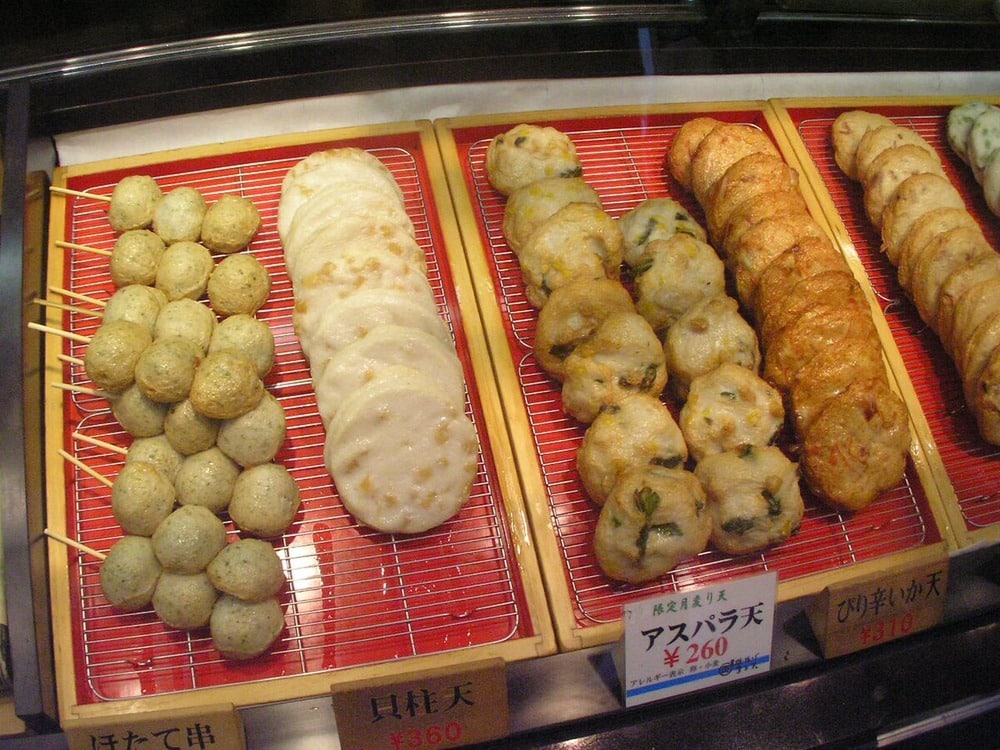
Satsuma-age, another type of way to prepare surimi sold at a shop – Photo Credit: 松岡明芳
A versatile staple
With its mild, slightly sweet profile, kamaboko can be everything from a celebratory delicacy to a humble afternoon snack. It is a common ingredient in hot pots (nabe), soups, and stir-fries, but it is equally delicious sliced thin and enjoyed with a touch of wasabi and soy sauce.
In the West, you may know a version of this as “imitation crab.” If you’ve ever enjoyed a California roll, you’ve likely already had a taste of kamaboko! Be sure to explore the many other varieties available, and don’t forget to celebrate with a slice on November 15th.
Featured Photo Credit: riphoto3
Let us introduce you to Kamaboko and other amazing Japanese cuisine on one of our locally guided food tours in Japan’s major cities!
PIN THIS FOR LATER
Book your pocket wifi now to stay connected through your entire Japan Journey!

Be sure to get the JR Pass to make navigating Japan during your trip that much easier!
YOU MIGHT ALSO LIKE