Shop Like a Local: Shotengai vs. Department Stores
Nov 9, 2026
BY Isis McDowell
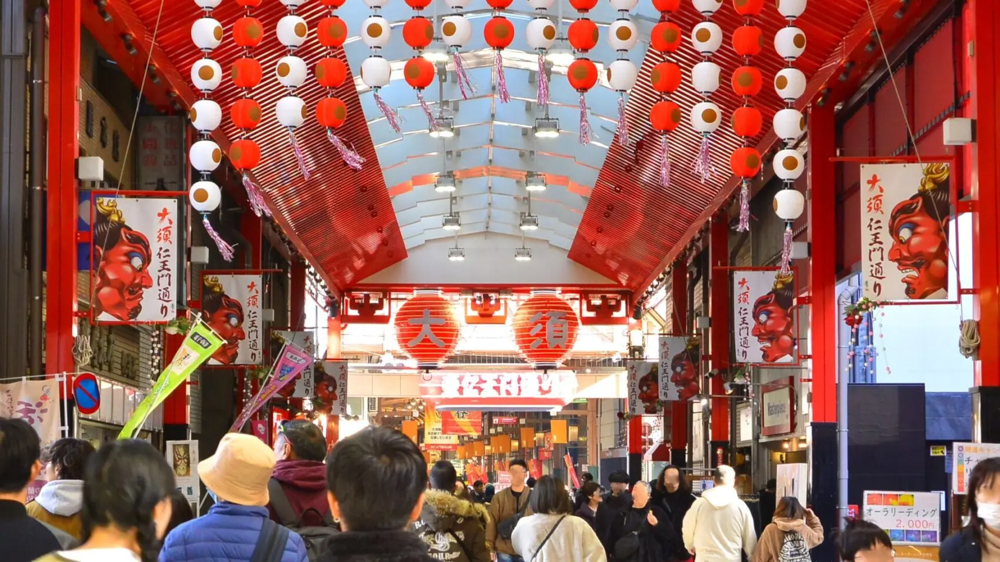
You might think that the spot to shop in Japan is at the department stores, and sure they are fantastic. From luxury cosmetics and designer fashion to beautifully packaged souvenirs, Japan’s department stores have earned a reputation as destinations in their own right. However, what many tourists don’t realize is that there is another thriving shopping culture in Japan in the shotengai.
Understanding the difference between these two shopping experiences offers practical knowledge as well as insight into how Japanese communities and consumer culture have evolved. While shotengai and department stores are both very important parts of everyday life in Japan, they offer very different experiences.
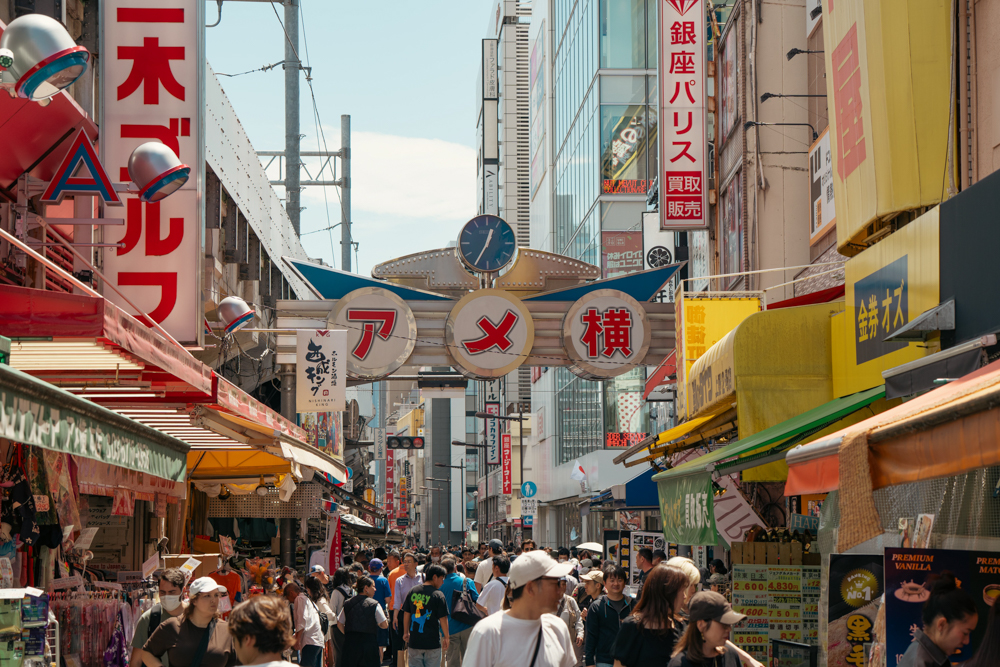
Ameyoko shopping mall in Tokyo – Photo Credit: Iban Lopez Luna
What Is a Shotengai?
A shotengai (shopping street) is a collection of independently owned shops and small businesses clustered along a pedestrian-friendly street. Many are covered by long arcades that protect visitors from rain and summer heat, creating lively corridors that can stretch for several blocks.
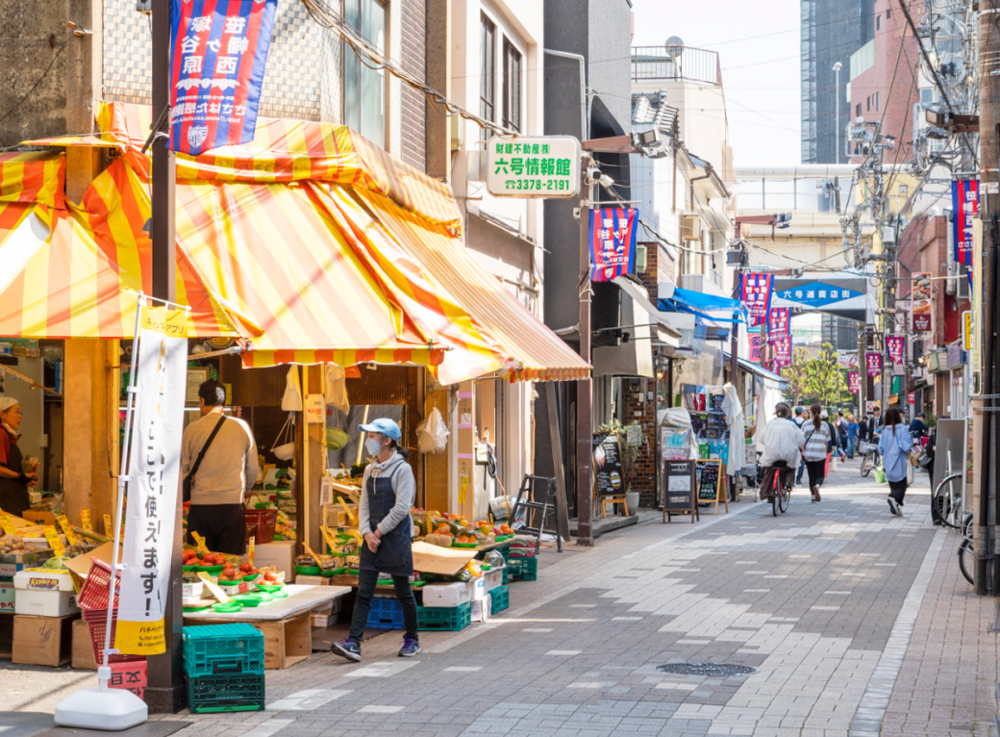
Grocery stalls in shotengai – Photo Credit: ささはたドッとこむ
Unlike shopping malls, shotengai typically develop organically over decades. They often serve as the commercial heart of a neighborhood, providing residents with everyday necessities such as groceries, produce, fish, household goods, clothing, pharmacies, and restaurants.
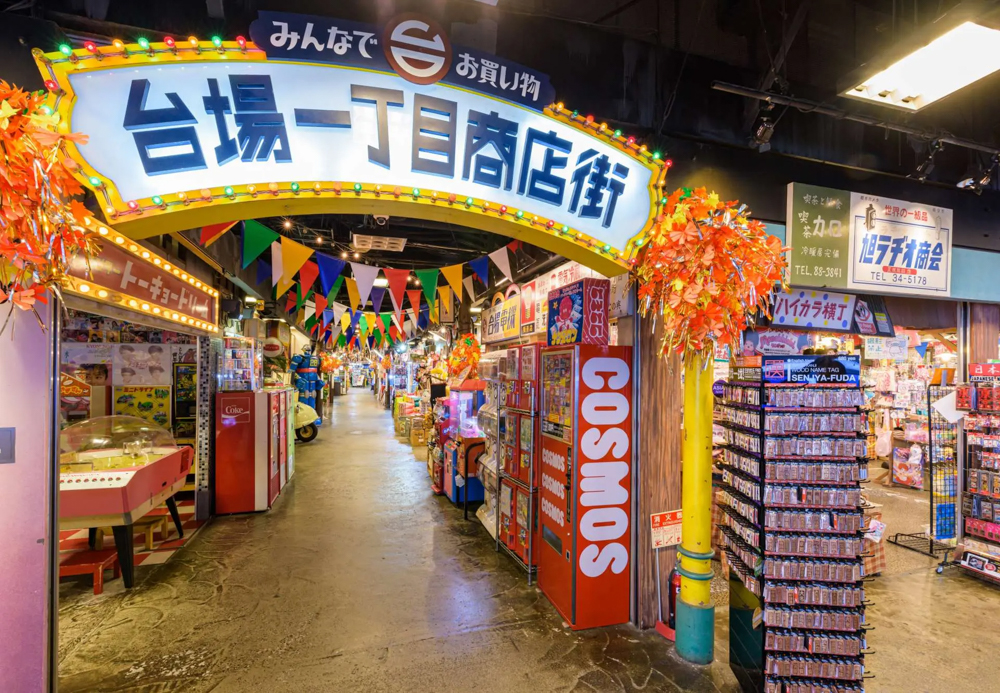
Showa-era-themed shotengai in Odaiba Japan – Photo Credit: gltjp
Walking through a shotengai can feel like stepping into a community living room. Shop owners greet regular customers by name, local residents stop to chat, and seasonal decorations mark holidays throughout the year. Some shopping streets have existed for generations, surviving economic booms, recessions, and changing consumer habits.
For travelers, shotengai offer something increasingly difficult to find in major cities: a glimpse into everyday local life.
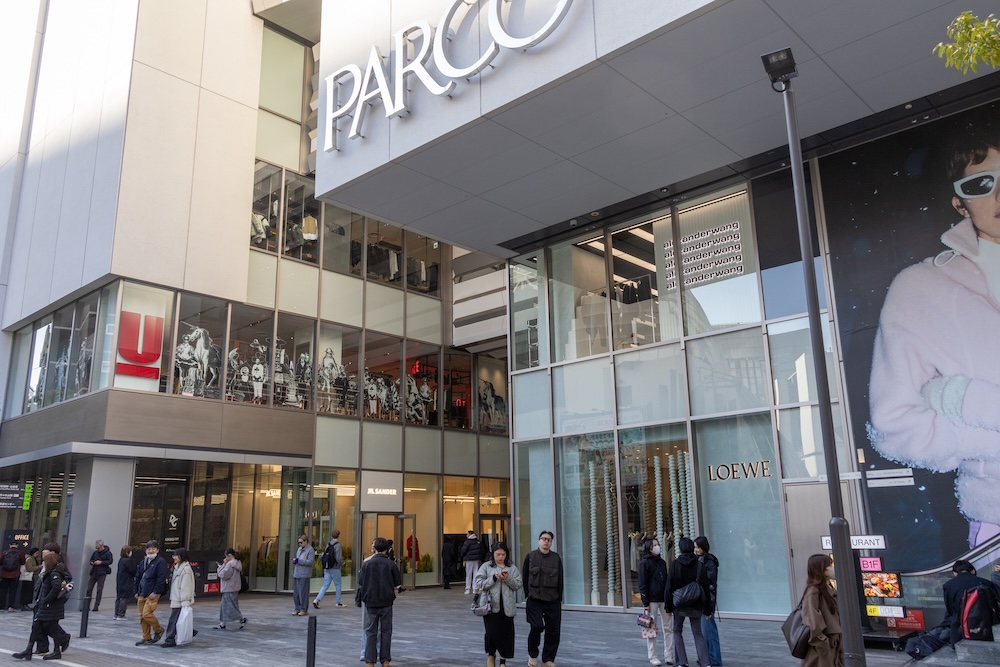
Shibuya Parco shopping mall in Shibuya, Tokyo – Photo Credit: Tang Yan Song
What Is a Japanese Department Store?
Department stores, known as depāto in Japanese, emerged during Japan’s modernization period and quickly became symbols of urban sophistication.
Today, these multi-story retail complexes are often connected directly to major train stations and feature carefully curated selections of fashion, cosmetics, home goods, gifts, and gourmet food. Many are destinations not only for shopping but also for dining, exhibitions, and seasonal events.
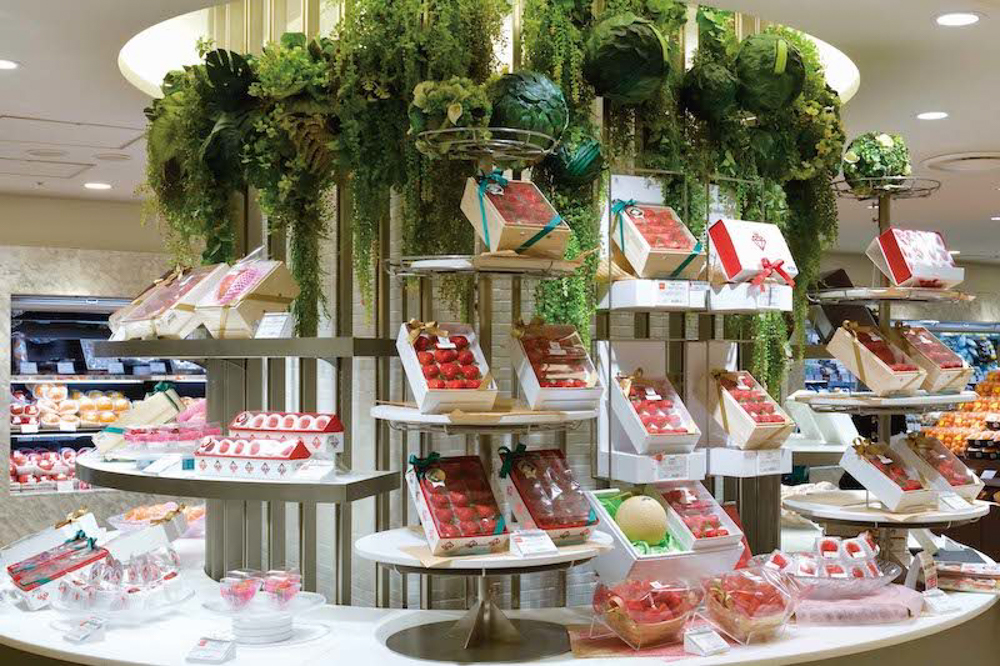
Isetan depachika in Shinjuku – Photo Credit: WAttention
One of the most famous features of Japanese department stores is the depachika—the expansive food hall typically located in the basement. Here, visitors can browse beautifully arranged sweets, regional specialties, premium bento boxes, and gourmet ingredients from across Japan.
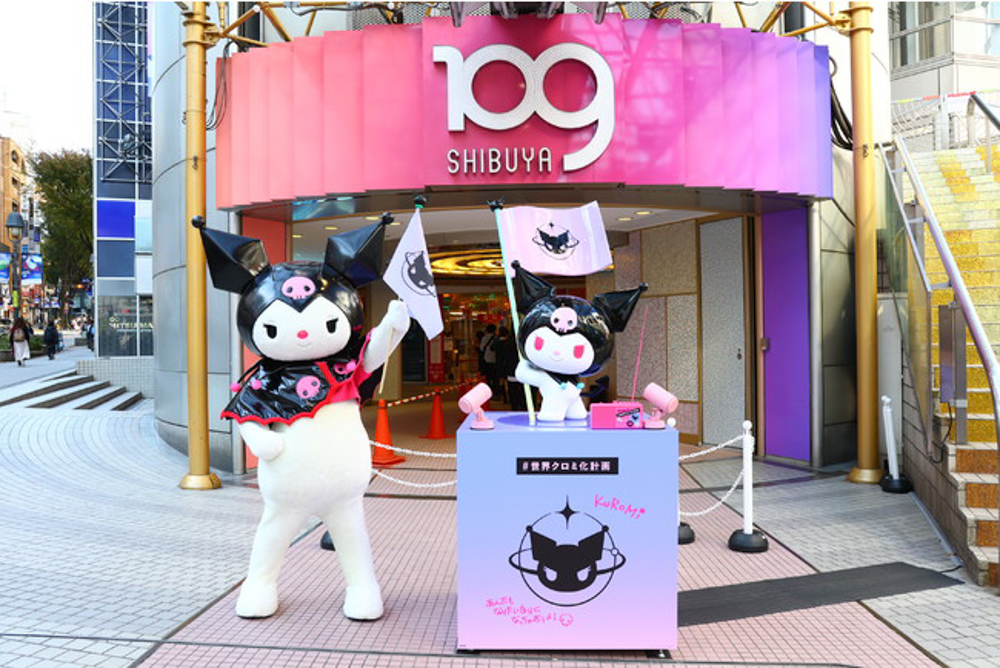
Kurumi pop up event in Shibuya 109 – Photo Credit: PR TIMES
While shotengai focus on neighborhood convenience, department stores emphasize selection, presentation, and service. Shopping in a department store often feels polished and aspirational, with meticulous displays and highly trained staff creating an elevated customer experience.
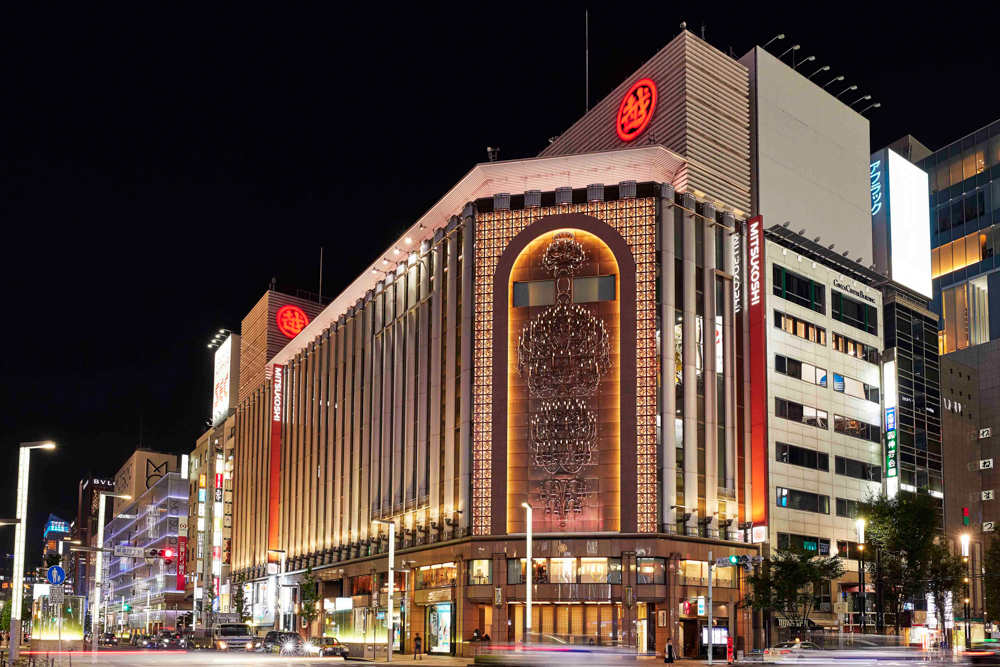
Ginza Mitsukoshi – Photo Credit: Japan Shopping Now
Guide to Popular Department Stores in Japan:
Isetan: The ultimate fashion powerhouse, particularly the iconic Isetan Shinjuku. It stocks cutting-edge designer brands and features one of the most elaborate food halls in Tokyo.
Mitsukoshi: Japan’s oldest department store, exuding classic elegance. It is renowned for luxury international brands, traditional Japanese crafts, and exceptional gift wrapping. Visit the historic Ginza Mitsukoshi location
Takashimaya: A venerable, family-friendly chain with a classic mall experience, premium boutiques, and international services.
Daimaru / Matsuzakaya: Often located near major train stations, offering excellent mid-to-high-end shopping and expansive, multi-floor selections.
Hankyu: A massive presence in the Kansai region (Osaka/Kyoto), heavily focused on high fashion, cosmetics, and trends.
How Are They Different?
At first glance, both shotengai and department stores exist to sell goods. However, the atmosphere and purpose of each are quite different.
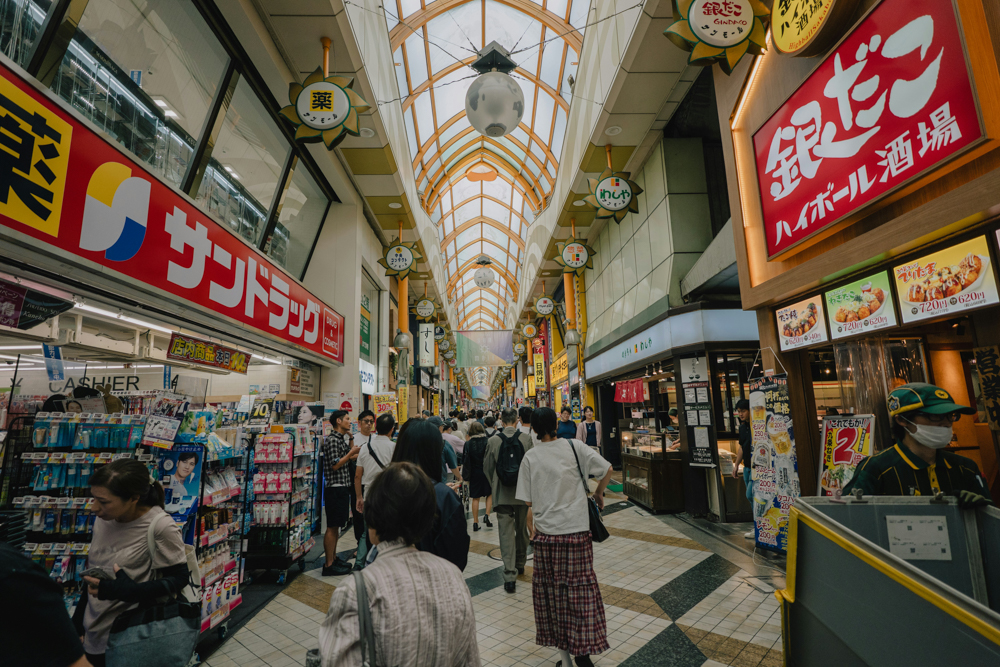
Shotengai in Tokyo – Photo Credit: vini brasil
Community vs. Convenience
Shotengai are deeply connected to the neighborhoods they serve. Many customers visit the same butcher, bakery, or vegetable vendor for years, building relationships that extend beyond simple transactions.
Department stores, meanwhile, attract a broader audience. Shoppers may travel across the city specifically to visit a particular brand, exhibition, or restaurant floor.
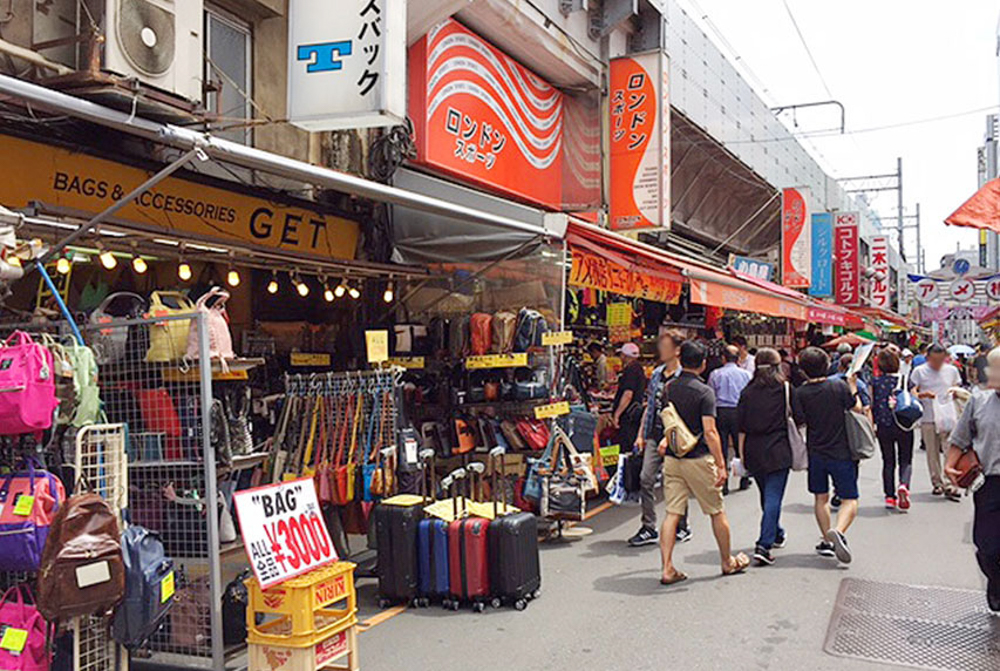
Ameyoko shops – Photo Credit: go tokyo
Independent Businesses vs. Major Brands
One of the defining characteristics of a shotengai is its concentration of small, independently operated businesses. Many are family-owned and reflect the personality of the people running them.
Department stores typically feature national and international brands alongside established Japanese retailers. The shopping experience is more standardized, making it easier to know what to expect.
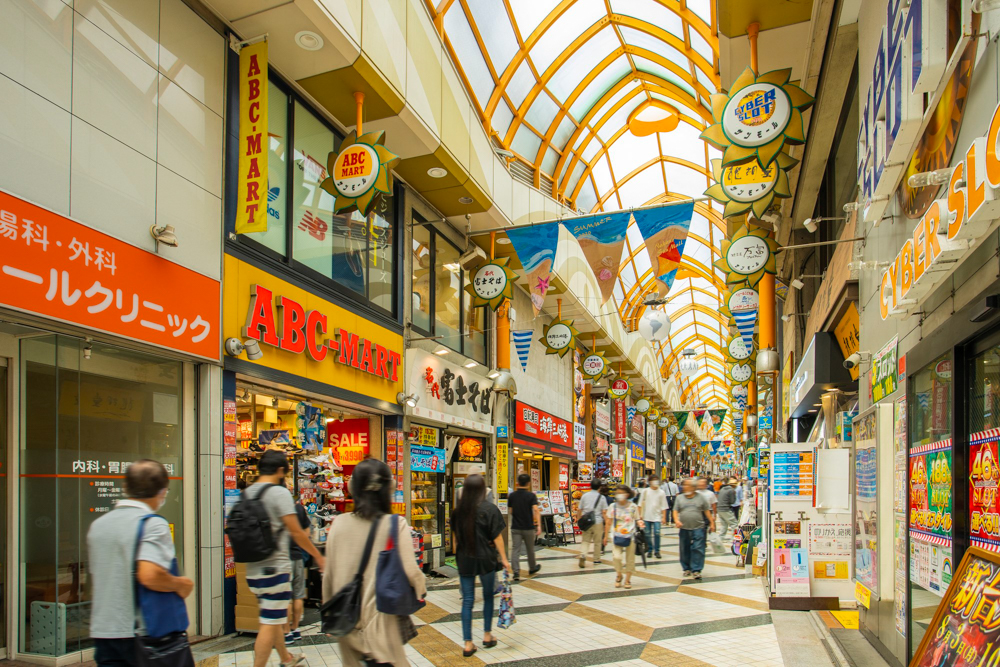
Nakano Sun Mall Shopping Street – Photo Credit: マンスリー48
Everyday Life vs. Special Occasions
Many Japanese residents visit shotengai for routine errands—buying vegetables for dinner, grabbing lunch, or picking up household essentials.
Department stores are often associated with gift-giving, seasonal shopping, luxury purchases, and special occasions. It is common for people to visit department stores when searching for a high-quality gift or celebrating an important event.
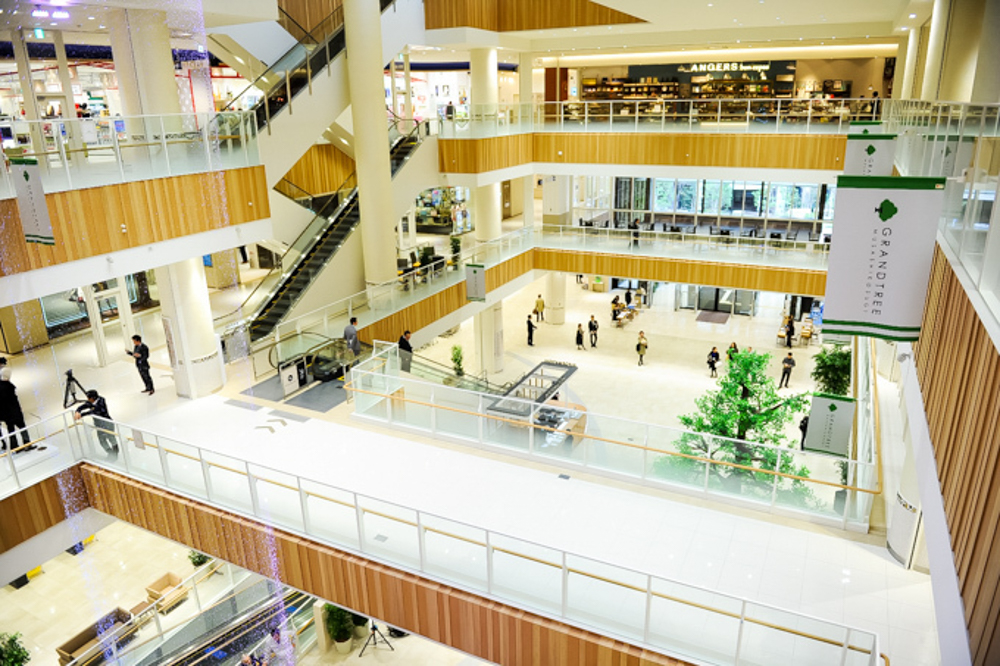
Grand Tree Musashi Kosugi – Photo Credit: ファッションプレス
Discovery vs. Curation
Part of the appeal of a shotengai is the unexpected. You might stumble upon a handmade snack shop or many tiny family-owned businesses.
Department stores offer a more curated experience. Products are carefully selected, displays are immaculate, and shoppers can browse with confidence knowing that quality standards are consistently high.
Why Japanese People Use Both
One common misconception among visitors is that department stores have replaced traditional shopping streets. In reality, both continue to play important roles in Japanese society.
A local resident might stop by their neighborhood shotengai to purchase fresh vegetables, enjoy lunch at a favorite family-run restaurant, and pick up daily necessities. Later that same week, they might visit a department store to buy a gift, browse seasonal fashion collections, or enjoy a special meal.
Rather than competing directly, these shopping environments often complement one another. Each fulfills different needs, and together they create a diverse retail landscape that reflects both tradition and modernity.
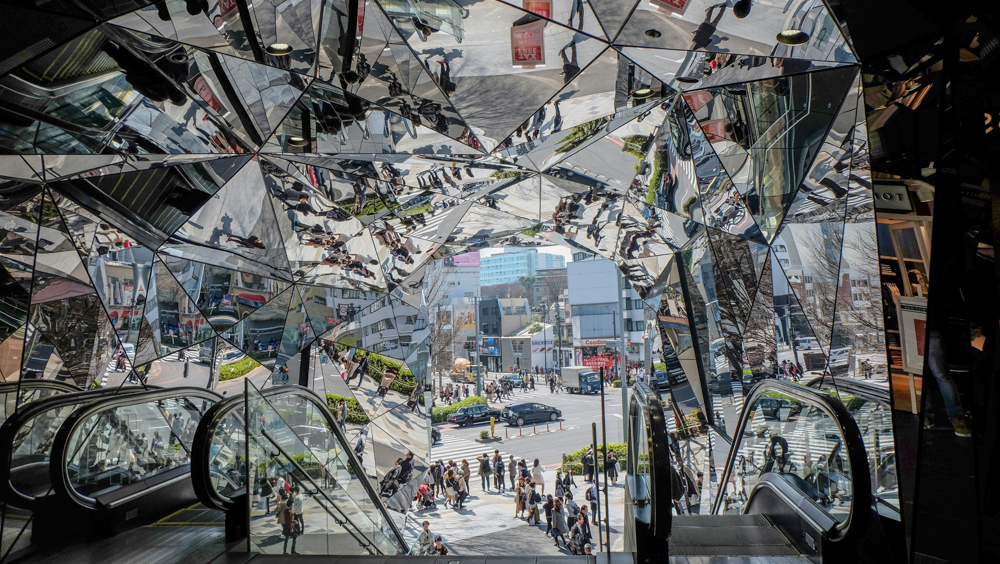
Omotesando Hills – Photo Credit: Daryan Shamkhali
Beyond Shopping
Ultimately, the difference between a shotengai and a department store isn’t simply about where you spend your money. It’s about the kind of experience you’re seeking.
One offers polished displays, renowned brands, and gourmet food halls that showcase Japan’s dedication to quality and service. The other reveals neighborhood traditions and local charms.
Together, they show a country that values both modern convenience and long-standing tradition. For travelers, shopping in both places becomes a way to better understand Japan itself.
If you’re looking to experience the unique character of a shotengai during your travels, these shopping streets in Tokyo, Kyoto, and Osaka are excellent places to start.
Tokyo
Yanaka Ginza
Located in Tokyo’s nostalgic Yanaka district, this charming shopping street offers a glimpse of old Tokyo. Visitors can browse traditional snack shops, small cafés, local craft stores, and family-run businesses while enjoying a slower pace than the city’s major commercial districts. It’s a great place to experience the atmosphere of a neighborhood shotengai.
Address: 3 Chome-13-1 Yanaka, Taito City, Tokyo 110-0001
Ameya-Yokochō
Often called “Ameyoko,” this bustling market street between Ueno and Okachimachi Stations is packed with food vendors, clothing shops, cosmetics stores, and discount retailers. The lively energy and bargain-hunting atmosphere make it one of Tokyo’s most famous shopping streets.
Address: Ueno, Taito City, Tokyo 110-0005
Kyoto
Demachi Masugata Shopping Arcade
A beloved local shopping arcade near Kyoto University, Demachi Masugata offers a more authentic neighborhood experience than many of Kyoto’s tourist-heavy areas. Visitors will find bakeries, traditional sweet shops, produce vendors, and family-run restaurants that have served the community for generations.
Address: 170 Nishincho, Kamigyo Ward, Kyoto, 602-0828
Sanjō Meitengai
Stretching west from central Kyoto, Sanjō Meitengai blends old and new Kyoto. The arcade features local boutiques, cafés, bookstores, and specialty shops, making it a wonderful place to wander while exploring a less-visited side of the city.
Address: Nakagyo Ward, Kyoto, 604-8036
Osaka
Tenjinbashisuji Shopping Street
The longest shopping street in Japan, stretching for roughly 2.6 kilometers, Tenjinbashisuji is a fantastic place to experience everyday Osaka. The arcade is lined with affordable eateries, traditional retailers, clothing stores, and specialty shops that attract both locals and visitors.
Address: 三丁目, 2 Chome-3 Tenjinbashi, Kita Ward, Osaka, 530-0041
Karahori Shotengai
Located in one of Osaka’s older neighborhoods, Karahori Shotengai combines historic charm with creative energy. Traditional businesses sit alongside artisan shops, cafés, and galleries, creating a shopping experience that feels distinctly local and less commercialized than the city’s major retail districts.
Address: 2F, 6 Chome-14-14 Tanimachi, Chuo Ward, Osaka, 542-0012
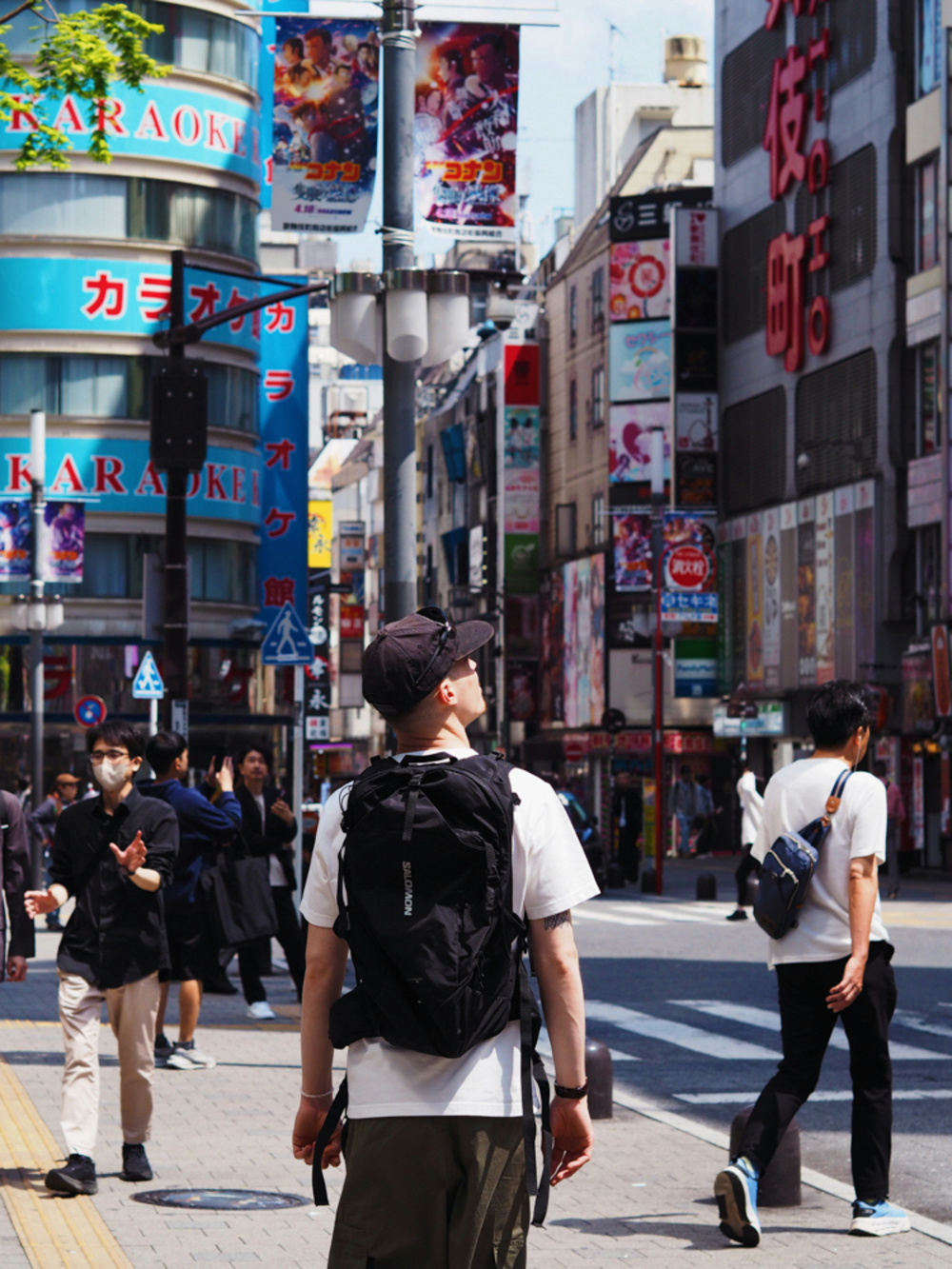
Shinjuku, Tokyo – Photo Credit: Chloe Lefleur
Why Choose Both?
Both of these types of shopping experiences are worth a visit and are very useful for learning more about Japanese shopping culture. Whether you are looking for luxury items or local foods and experiences, you can explore both on your trip to Japan!
Featured Photo Credit: tabemaro(たべまろ)
After checking out the city’s department stores, dive into the authentic community life and street food of Kyoto’s shotengai alongside a local on our Kyoto Like a Local Food Tour.
0
shares
Book your pocket wifi now to stay connected through your entire Japan Journey!

Be sure to get the JR Pass to make navigating Japan during your trip that much easier!
YOU MIGHT ALSO LIKE


