TASTE OF KITA-KU, KYOTO: WHERE COLORS CLASH
Oct 19, 2026
BY Maria Diaz
In the northern half of Kyoto, Kita-ku offers a world far removed from the bustling streets of Gion or the tourist crowds of Arashiyama. Here, life flows at a gentler pace: locals cycling past mossy temple gates, incense curling into the morning air, and seasonal festivals bringing neighbors together. Within this ward, Murasakino stands out as a cradle of Zen tradition and everyday charm, where history, spirituality, and food have intertwined for centuries.
A quick look back
While Kyoto’s southern districts grew around commerce and entertainment, Kita-ku evolved as a quieter retreat for aristocrats, monks, and artisans. Murasakino neighborhood became especially prominent in the Muromachi period, when Daitoku-ji temple rose as a center of Zen Buddhism and the tea ceremony. Over the centuries, the area flourished as a place where sacred spaces and community life overlapped, a rhythm still palpable today.
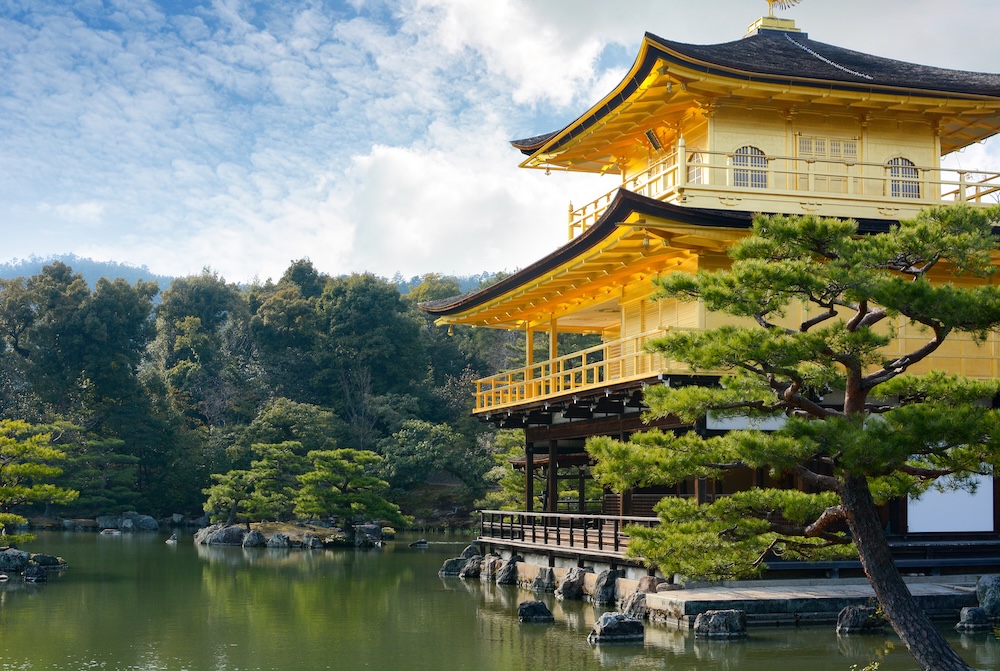
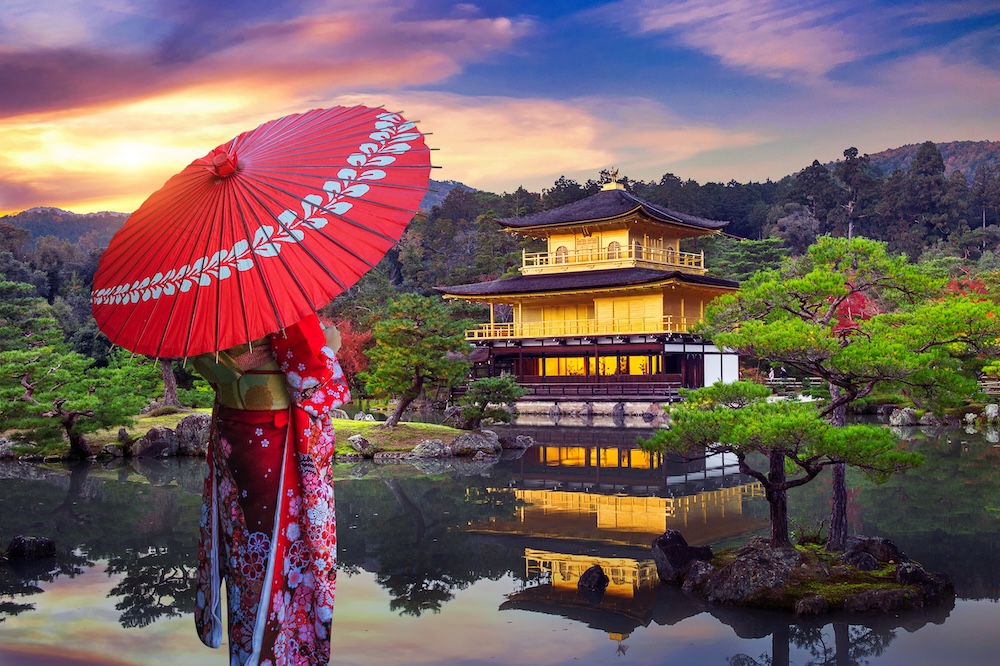
Famous Kinkaku-ji in Kyoto – Photo Credit: David Carillet
What to see and do
Kinkaku-ji
Perhaps the most famous sight in Kita-ku, Kinkaku-ji (Golden Pavilion) dazzles with its golden facade shimmering above a reflective pond. Officially named Rokuon-ji, this Zen temple was originally built in the 14th century as a retirement villa for shogun Ashikaga Yoshimitsu before being converted into a temple. Its top two stories are completely covered in gold leaf, a choice that reflected the shogun’s immense wealth and ambition, as well as the Buddhist belief in transcending worldly desires through radiant beauty. The shimmering pavilion changes character with the seasons, glowing against autumn maples, shining over snowy gardens in winter, and glistening beside fresh greenery in spring. The surrounding strolling garden is carefully designed to frame the pavilion from different angles, making each viewpoint resemble a painting. Kinkaku-ji is often paired in spirit with Ginkaku-ji (Silver Pavilion) on Kyoto’s eastern side, built by Yoshimitsu’s grandson Ashikaga Yoshimasa a century later.
Website: https://www.shokoku-ji.jp/en/kinkakuji/
Opening hours: 9:00 – 17:00
Admission: Adults ¥500, primary and middle school students ¥300
Location: 1 Kinkakujicho, Kita Ward, Kyoto 603-8361
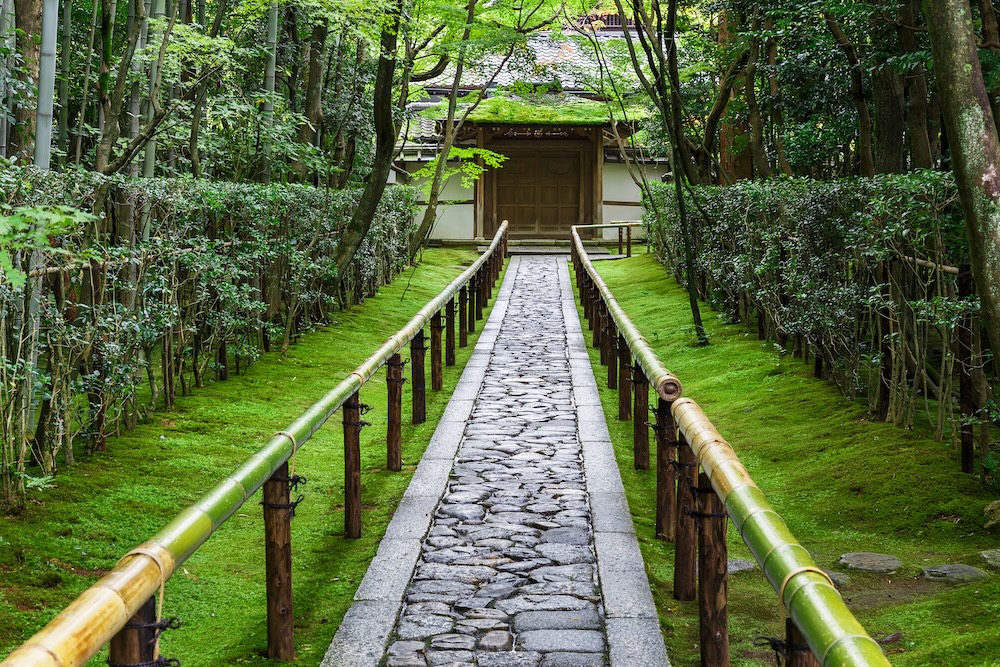
Kōtō-in sub-temple at Daitoku-ji Temple – Photo Credit: cowardlion
Daitoku-ji Temple
A sprawling collection of over 20 sub-temples, Daitoku-ji is a masterpiece of Zen architecture and garden design. Each sub-temple reveals its own character: raked gravel patterns, sliding fusuma doors painted with bold ink brushwork, and moss gardens that seem to suspend time. For tea enthusiasts, this is also the spiritual home of the Japanese tea ceremony, with many tea masters historically tied to its halls.
Among the many sub-temples of Daitoku-ji, Kōtō-in stands out as one of the most atmospheric. Founded in the early 17th century, it is especially famous for its maple-lined stone approach, which bursts into a tunnel of crimson every November and glows green in summer. Inside, visitors discover a serene moss garden enclosed by wooden verandas, a perfect setting for quiet meditation or unhurried contemplation of nature’s rhythms. The temple has long been associated with the tea ceremony, and its rustic tea rooms reflect the wabi-sabi philosophy of finding beauty in imperfection. Small and understated compared to Kyoto’s grand temples, Kōtō-in’s intimacy makes it a favorite for those seeking peace away from the crowds.
Website: https://www.daijiin.com/
Opening hours: 9:00 – 17:00
Admission: ¥350 – ¥500 (it depends on the sub-temple)
Location: 53 Murasakino Daitokujicho, Kita Ward, Kyoto 603-8231
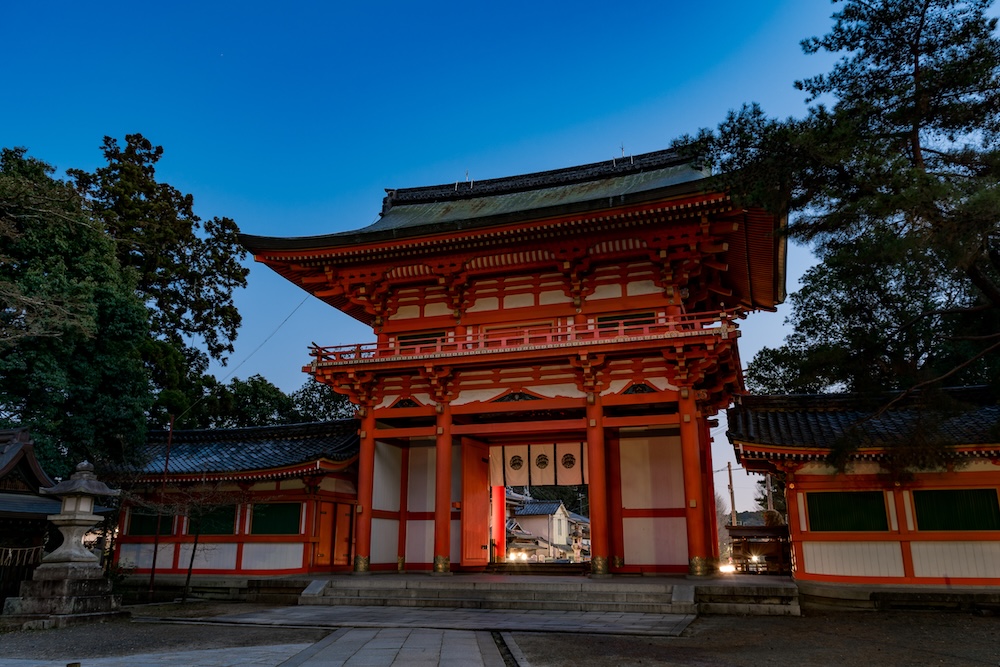
The entrance gate of Imamiya Shrine – Photo Credit: 8BitPixel
Imamiya Shrine
Just north of Daitoku-ji, Imamiya Jinja is one of Kyoto’s liveliest shrines. Dedicated to health and longevity, it hosts the colorful Yasurai Festival every April, when dancers in striking costumes parade through the streets to ward off illness. Beyond its rituals, the shrine grounds exude a cheerful energy, framed by lanterns, vermilion gates, and the laughter of children during local festivals.
Website: http://www.imamiyajinja.org/eng/imamiya_ENG/TOP.html
Opening hours: 9:00 – 17:00
Location: 21 Murasakino Imamiyacho, Kita Ward, Kyoto 603-8243
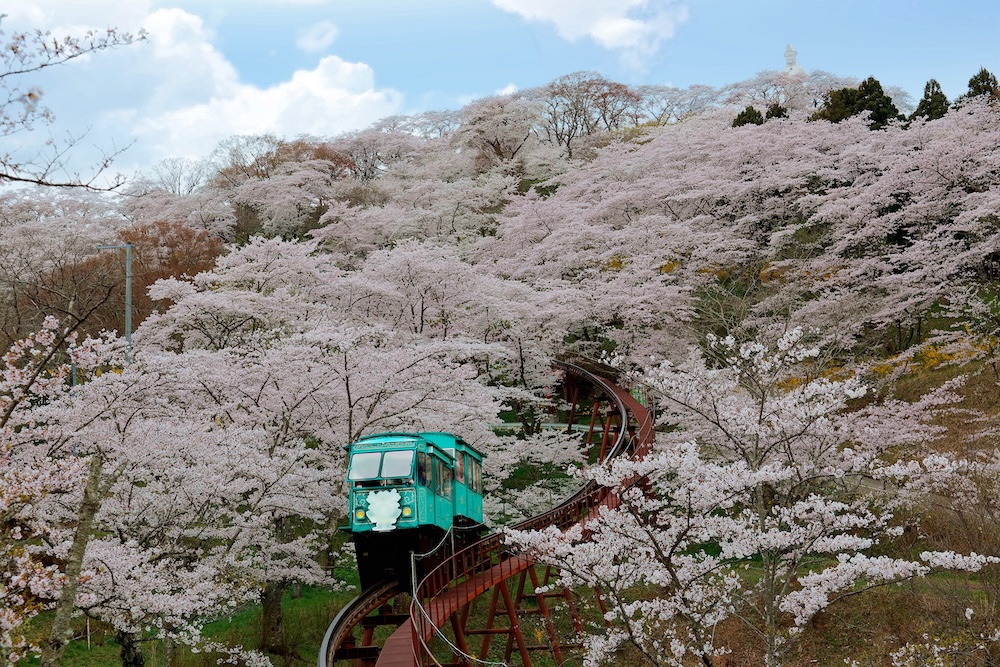
The slope car in Funaoka Park – Photo Credit: AaronChenPS2
Funaoka Hill
Though modest in size, Funaoka Hill (Funaokayama) carries deep historical and cultural significance in Kyoto. Once used as a strategic lookout, the hill has been tied to the city’s history since the Heian period. Today, it serves as a beloved green space for locals, offering winding trails, shady pines, and seasonal views across the city. In spring, cherry blossoms frame the paths with delicate petals, while autumn transforms the slopes into a tapestry of red and gold. At its summit lies Kenkun Shrine, adding spiritual meaning to the walk. Visiting Funaoka Hill is less about hiking and more about experiencing a slice of everyday Kyoto, where children play, elderly residents stroll, and visitors can pause to see the city from a different perspective.
Opening hours: Open 24 hours
Location: Murasakino Kitafunaokacho, Kita Ward, Kyoto 603-8227
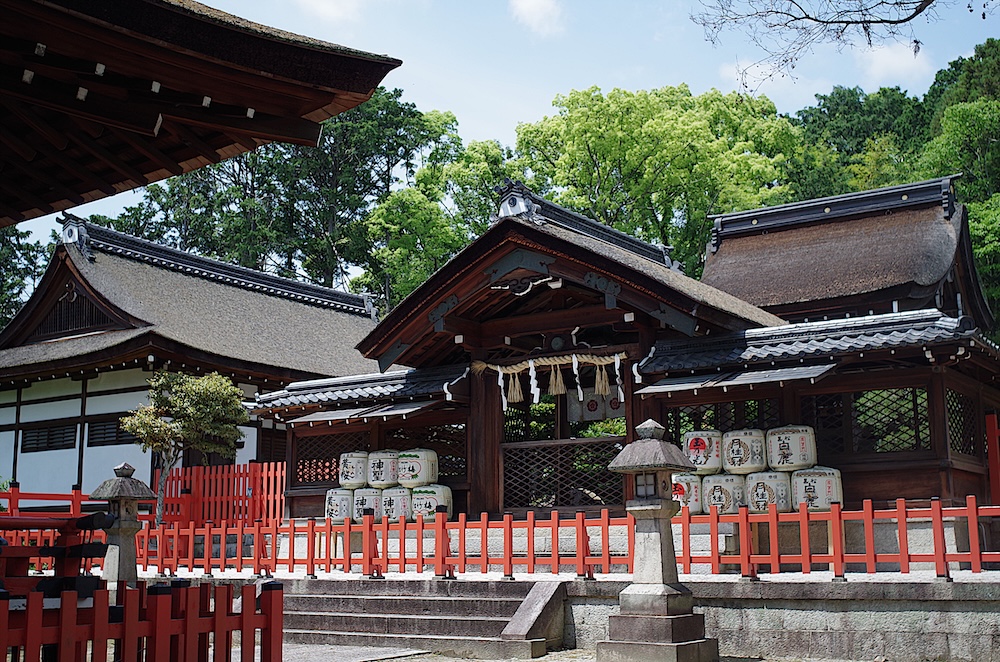
Kenkun Shrine – Photo Credit: russting
Kenkun Shrine
Perched atop Funaoka Hill, Kenkun Shrine is a quiet treasure dedicated to Oda Nobunaga, the bold warlord who sought to unify Japan in the 16th century. Unlike Kyoto’s more famous shrines, Kenkun is rarely crowded, offering an atmosphere of calm reflection and history. The approach winds gently uphill, rewarding visitors with expansive views across Kyoto’s northern rooftops and distant mountains once you reach the top. Seasonal changes transform the site: cherry blossoms line the paths in spring, summer brings cool shade beneath ancient pines, and autumn sets the surrounding forest ablaze with fiery reds and golds. Standing in its peaceful grounds, it’s easy to imagine Nobunaga’s enduring presence watching over the city he once sought to unify.
Website: https://kenkun-jinja.org/en/
Opening hours: Open 24 hours
Location: 49 Murasakino Kitafunaokacho, Kita Ward, Kyoto 603-8227
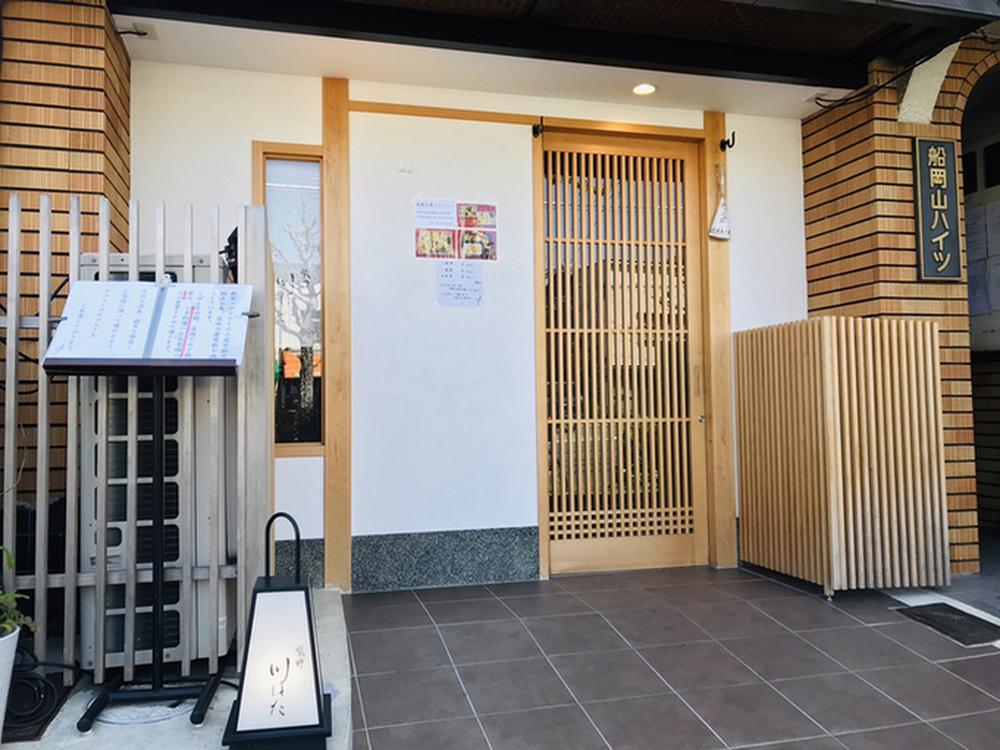
The front of Murasakino Kawahata – ほっこりまったり
What to eat
Murasakino Kawahata
Murasakino Kawahata offers Japanese cuisine with a focus on seasonal ingredients. Specializing in beautifully arranged kaiseki-inspired dishes, it balances tradition with subtle creativity. Lunch is more casual and affordable, while dinner provides a fuller experience of Kyoto’s refined cuisine. With its intimate atmosphere and careful presentation, Kawahata is a perfect place to taste the quiet sophistication of northern Kyoto.
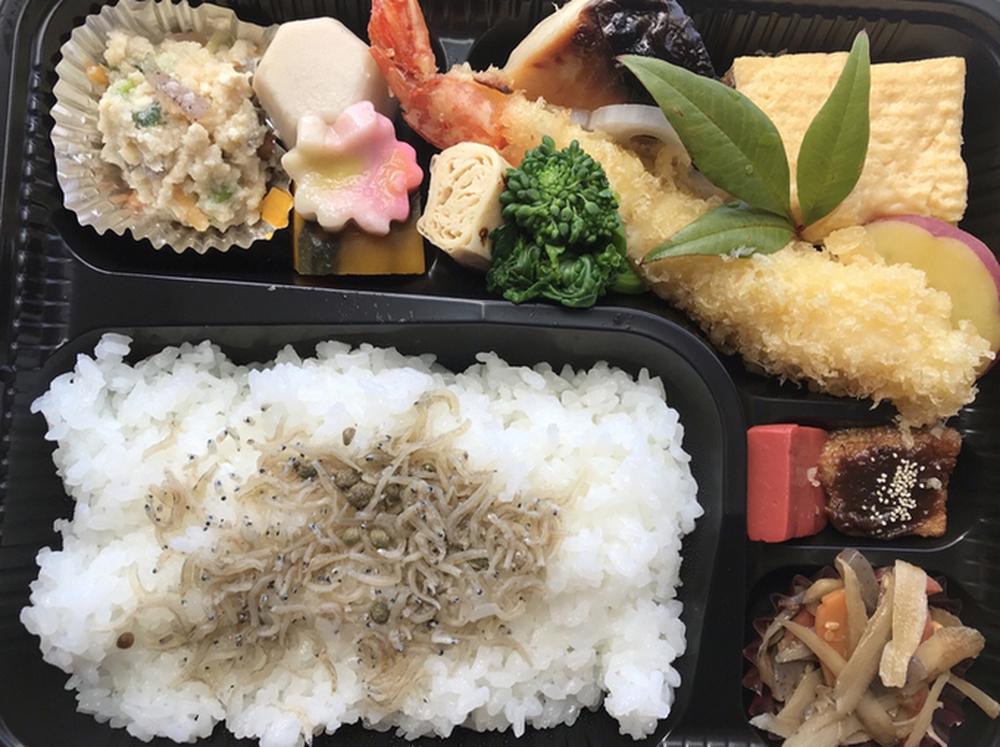
Bento at Murasakino Kawahata – Photo Credit: ほっこりまったり
Admission: ¥2,000 – ¥8,000
Opening hours: 12:00 – 14:00 / 17:30 – 22:30 (closed on Thursday and every third Wednesday)
Location: 8-1 Murasakino Higashinocho, Kita Ward, Kyoto 603-8232
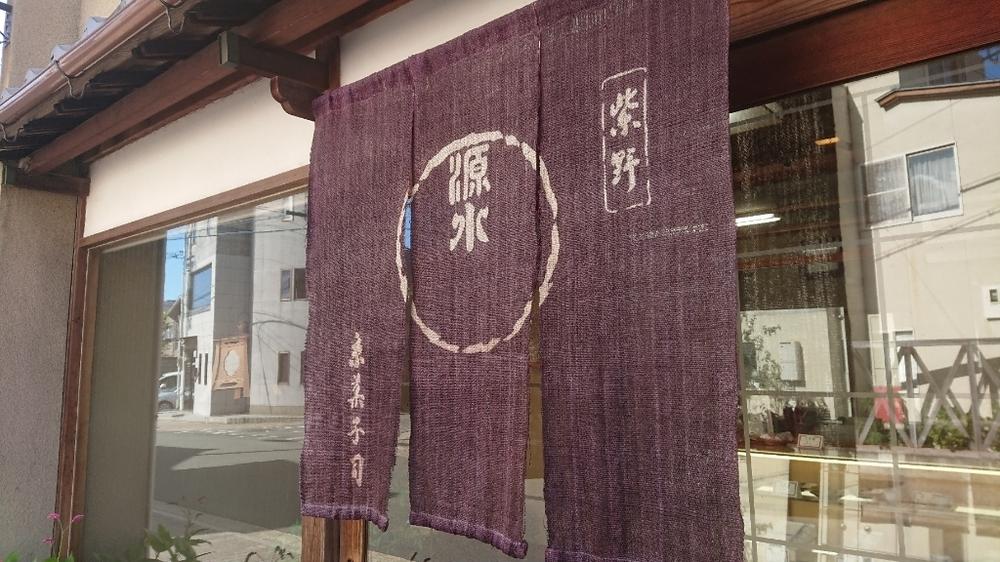
The front of Murasakino Gensui – Photo Credit: 白犬のしっぽ
A beloved neighborhood sweet shop, Murasakino Gensui is known for its traditional Japanese confections crafted with care and simplicity. Popular with locals, it offers affordable treats, most priced under ¥1,000, such as seasonal wagashi that pair perfectly with green tea.
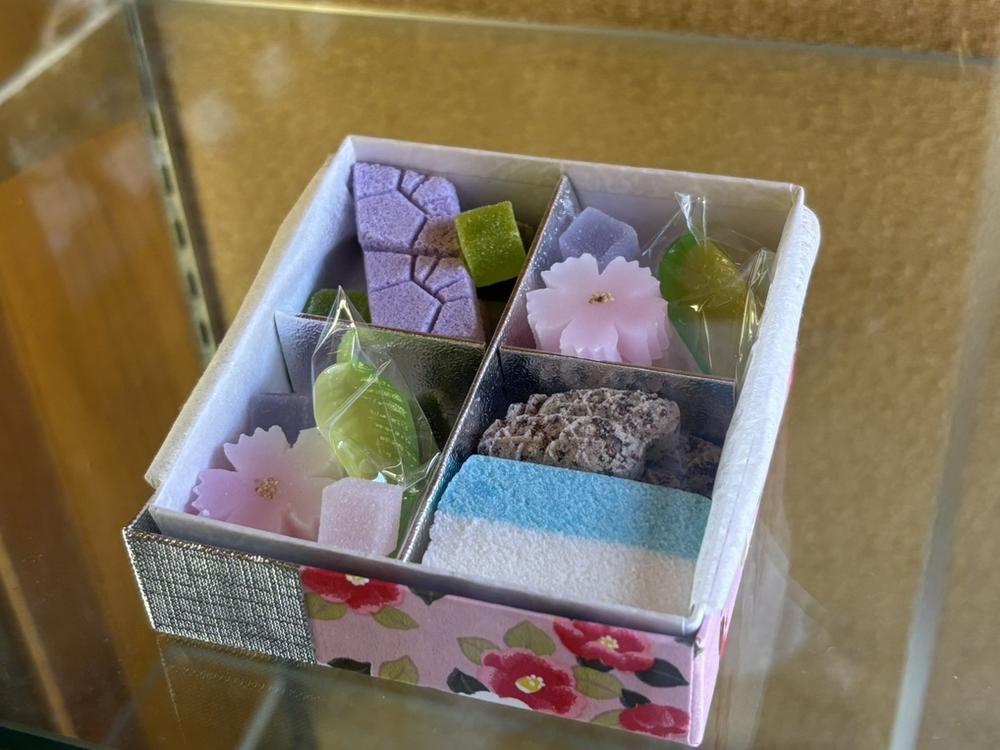
Murasakino Gensui – Photo Credit: cocochabell
Admission: ¥1,000
Opening hours: 10:00 – 17:00 (closed on Sundays, Mondays, and public holidays)
Location: 78-1 Murasakino Gensui, Koyamanishionocho, Kita Ward, Kyoto 603-8167
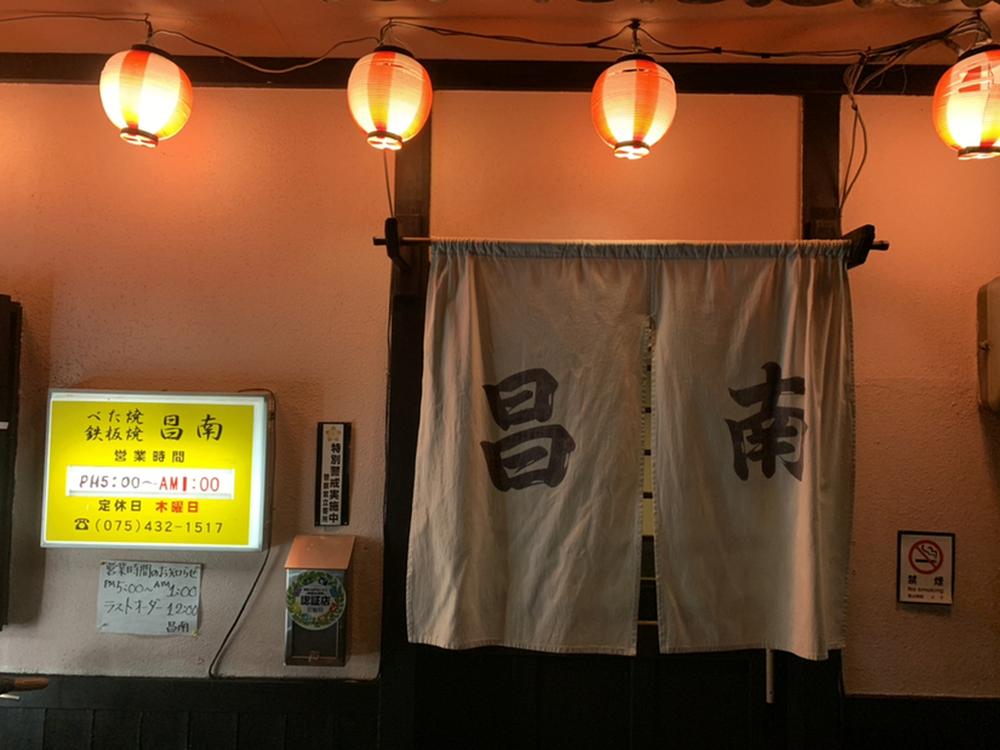
The entrance of Teppanyaki Shonan – Photo Credit: BLAKE
Teppanyaki Shonan
Shonan is a lively local favorite for okonomiyaki, yakisoba, and teppanyaki, especially after sunset. The restaurant, run by a parent-and-child team, sits near the intersection by Kenkun Shrine, making it a solid stop if you’re exploring Murasakino or Kita-ku in the evening. What sets Shonan apart are its bold flavors, especially the house spicy sauce that features in many of their dishes, and its cozy, informal atmosphere with counter seating and a small tatami area.
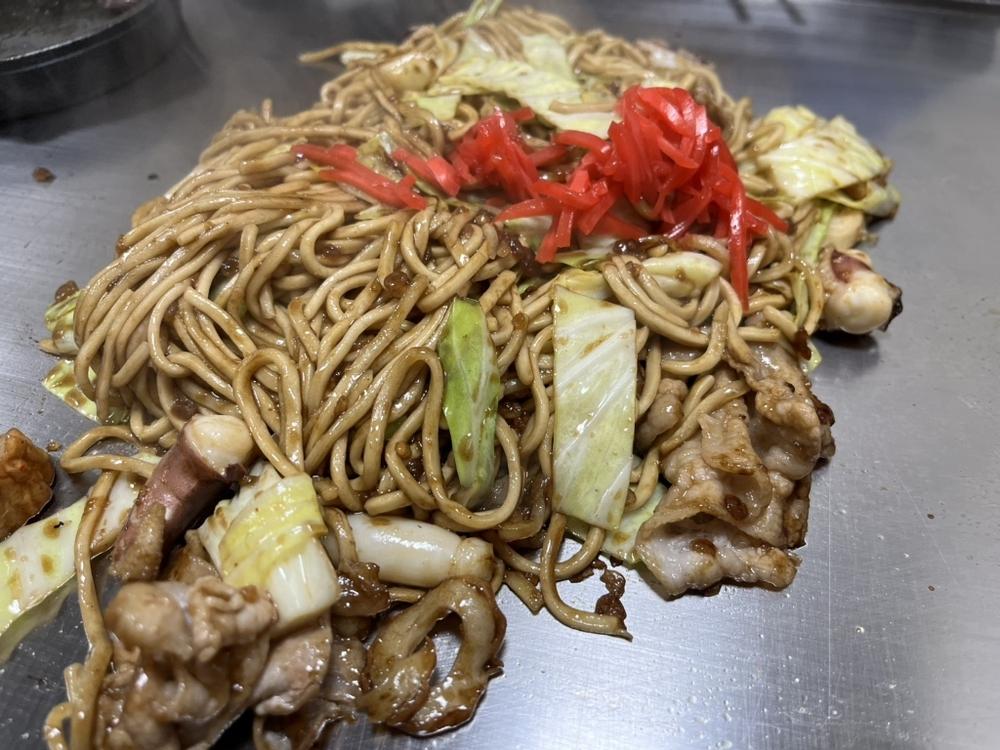
Yakisoba at Teppanyaki Shonan – Photo Credit: キチ・ジョージ
Admission: ¥3,000 – ¥4,000
Opening hours: 17:00 – 23:00 (closed on Thursday)
Location: 34 Murasakino Higashinocho, Kita Ward, Kyoto 603-8232
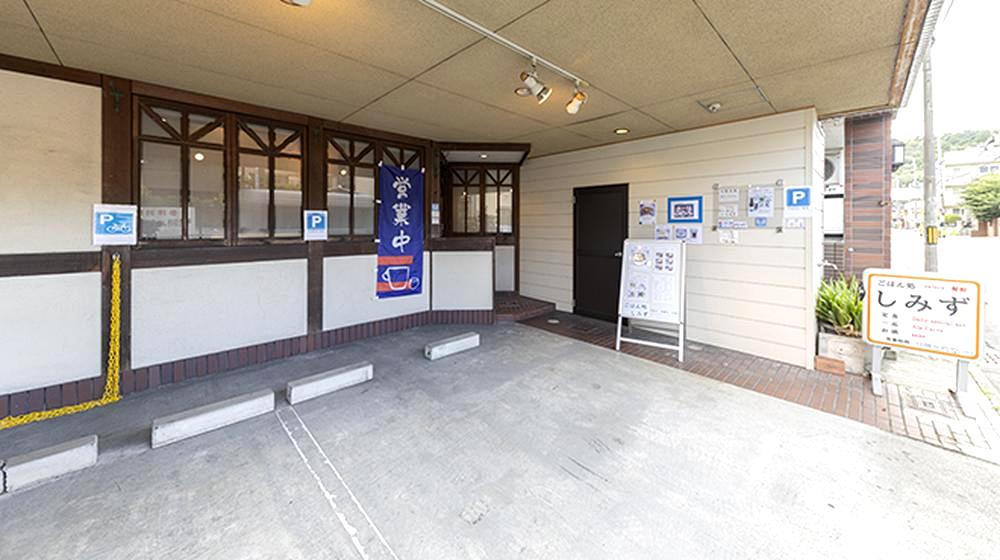
The front of Shimizu – Photo Credit: Gohan Dokoro Shimizu
Gohan Dokoro Shimizu
Shimizu serves comforting teishoku (set meals) that taste like home, such as ginger pork, crispy karaage, grilled mackerel, or a golden croquette, each paired with fluffy rice, miso soup, and pickles. Portions are generous, prices are friendly, and the service is warm, making it an easy choice for a relaxed lunch between temple visits in Kita-ku. With its cozy counter and a few small tables, it’s perfect for solo travelers or anyone craving simple, well-made everyday Japanese cooking.
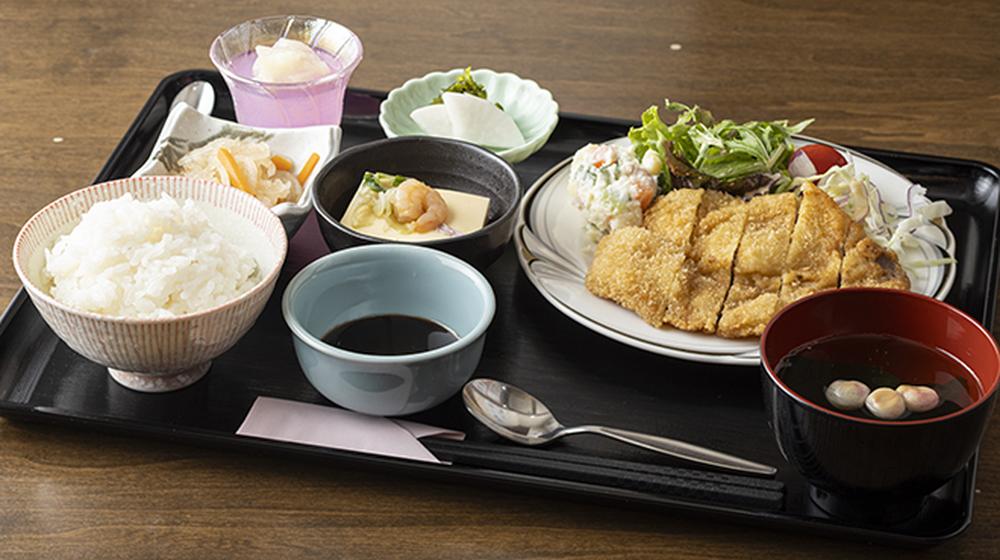
Tonkatsu set meal – Photo Credit: Gohan Dokoro Shimizu
Admission: ¥1,000 – ¥2,000
Opening hours: 11:00 – 14:30 / 17:30 – 20:00 (closed on Wednesday and Thursday)
Location: 1F Mansion Hinadori, 9 Kinugasa Somoncho, Kita Ward, Kyoto 603-8363
Exploring Kita-ku and Murasakino is about finding balance in Kyoto: between world-renowned landmarks like Kinkaku-ji and the quieter corners where locals gather for sweets, tea, or a simple set meal. It’s an area that reveals how tradition and daily life continue to overlap, where a stroll might take you from centuries-old Zen gardens to a cozy neighborhood eatery within minutes. For travelers looking to go beyond the well-trodden paths, Kita-ku offers not just sights to admire but experiences that invite you to pause, taste, and connect with the city’s enduring spirit.
Featured Photo Credit: Guitar photographer
Explore the peaceful Zen traditions and hidden culinary gems of Kyoto’s quiet Kita-ku area. Then, book one of our Kyoto Food Tours to deeply connect with the city’s authentic local flavors!
Book your pocket wifi now to stay connected through your entire Japan Journey!

Be sure to get the JR Pass to make navigating Japan during your trip that much easier!
YOU MIGHT ALSO LIKE