Japan 2026 National Holidays: Important Dates for the New Year
Jan 1, 2026
BY Chloe Hughes

In a land of culture and history, it’s no surprise that you can find, attend, and indulge in incredible celebrations all year long and all across Japan. 2026 is certainly no different; in fact, we are even welcoming back Silver Week, with a special extra holiday created just for this. But what are these amazing dates full of life, festivities, and fun, and how might you go about celebrating them yourself? To make things a little easier, we have compiled a list of all the holidays occurring in the next year, along with some helpful tips and tricks, so you can experience this amazing country and its culture to the fullest. So let’s jump in!
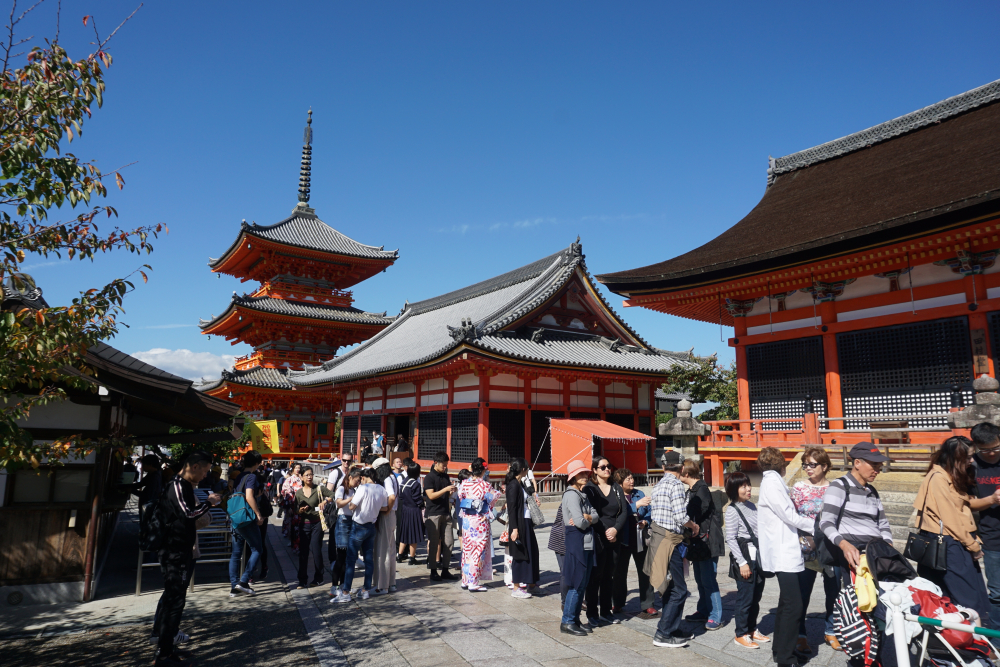
Visitors queued up at the entrance to the popular Kiyomizu-dera Temple – Credit: Yustika Muharastri
Things to Remember
With so many holidays taking place, there are some important things to note and remember so you can experience not only them but also your trip to Japan without getting overwhelmed or being offensive to the culture:
Crowds
Due to the popularity of a lot of these events, it’s not uncommon for towns and cities participating in the festivities to become incredibly crowded. This is especially true for any shrines or streets involved in parades and specific celebrations. Whilst we suggest you still try to get involved in these events, we also understand that large crowds and congestion may not be for everyone. If this is true for you, it’s essential to check the holiday schedules for the cities you plan to visit, so you can plan accordingly.
Increased Prices
As with a lot of places around the world, holiday periods often lead to an increase in prices for lodging and accommodation. This is not a guarantee, and if you wish to visit during these times, it certainly should not deter you, but it is important to keep in mind when traveling on a budget.
Closing for the Holidays
With the importance of these days and their celebrations, many shops and businesses across the country will close their doors for the holidays. This is especially true for Golden Week, as, since it lasts for the entire week, it is one of the most popular times for businesses, families, and friends to take a break and have some fun. If you are traveling during any of these periods, make sure to check what is open and what isn’t, so you don’t miss out on anything you were hoping to do on your trip.

Different colored Daruma Dolls, a symbol of the Japanese New Year – Credit: B Ledger
New Year’s Day (January 1st)
Considered to be the most important national holiday in Japan, New Year’s Day, or Shogatsu, takes place on the first day of the year, with celebrations often continuing until the third. Centered around the values of family, renewal, and good fortune, many people spend this time together to welcome the year ahead. If you’re in Japan during Shogatsu, you can join in by watching the first sunrise of the year, or by taking part in Hatsumode, the first shrine visit of the new year, which begins at midnight on the 1st and continues through till the 3rd. However, it’s important to remember that this may mean that popular shrines can be very crowded. Another common tradition is purchasing a Daruma doll to make a goal or wish for the year ahead. You color in one eye when you decide on a goal or make a wish, and the other once it comes true. Then, in the following year, the dolls are returned to the shrines for a ceremonial burning. To learn more about Darumas and the burning festival, check out our blog on the subject here.

Young women dressed in traditional kimonos celebrating Coming of Age Day – Credit: EvergreenPlanet
Coming of Age Day (January 12th)
Set to fall on January 12th in 2026, Coming of Age Day, or Seijin no Hi, is celebrated annually on the second Monday of January to honor those turning 20, marking their transition into adulthood. It is at this age that you can legally drink, smoke, and gamble in Japan. While it has formal and legal significance, the day is also full of festivities and prayers for prosperity. If you are turning 20 between April 2, 2025, and April 1, 2026, celebrate your birthday with culture by visiting shrines and taking part in celebrations, including the chance to wear traditional attire: with women wearing a furisode kimono and men wearing a montsuki haori hakama, though many men now prefer western suits. Visitors not celebrating a birthday are welcome to participate, too, but remember to ask permission before taking photos. If you want to learn more about the Coming of Age Day, make sure to check out our blog post here!

Getting ready for the parade celebrating National Foundation Day – Credit: Uino
National Foundation Day (February 11th)
National Foundation Day, or Kenkoku Kinen no Hi, is celebrated annually on February 11th to commemorate the founding of Japan as a nation. The origins of the holiday surround an entry in the Nihon Shoki, Japan’s oldest historical chronicle, where it states Emperor Jimmu ascended the throne on this date in 660 BC, marking the start of Japan’s imperial heritage. While the imperial significance has become less prominent, the day remains an important cultural observance. Many Japanese people spend it quietly at home with family, but there are also public ceremonies, parades, and flag-raising events. The Imperial Family also gets involved, extending official greetings to mark the occasion and providing a more reflective and symbolic tone to the day.
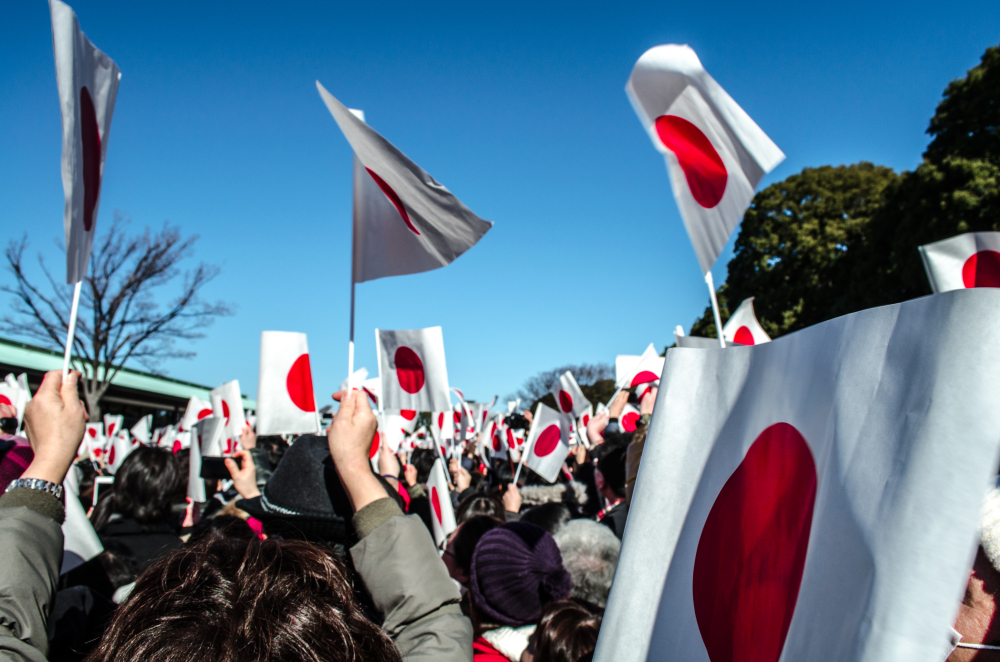
People waving the Japanese flag in celebration at the Imperial Palace on the Emperor’s Birthday – Credit: Exequiel Schvartz
Emperor’s Birthday (February 23rd)
Known as Tenno Tanjobi in Japanese, the Emperor’s Birthday is a public holiday that celebrates the birthday of the current reigning emperor, currently falling on February 23rd to mark Emperor Naruhito’s birthdate. The celebration originally began during the Meiji Restoration (1868-1912), when the emperor was regarded as a divine figure, but today, while the emperor’s role is more symbolic, he remains an important national figure, becoming an official holiday in 1948. Visitors can join celebrations at the Imperial Palace, which follow a strict schedule, with the gates opening at 9:30 am, followed by the Imperial Family appearing on a glass-protected balcony around 10:20 am to deliver a speech whilst thousands of people wave the Japanese flags. In the afternoon, guests can write messages for the emperor in a special book in the palace gardens, making a great end to a unique opportunity to experience an important national tradition.
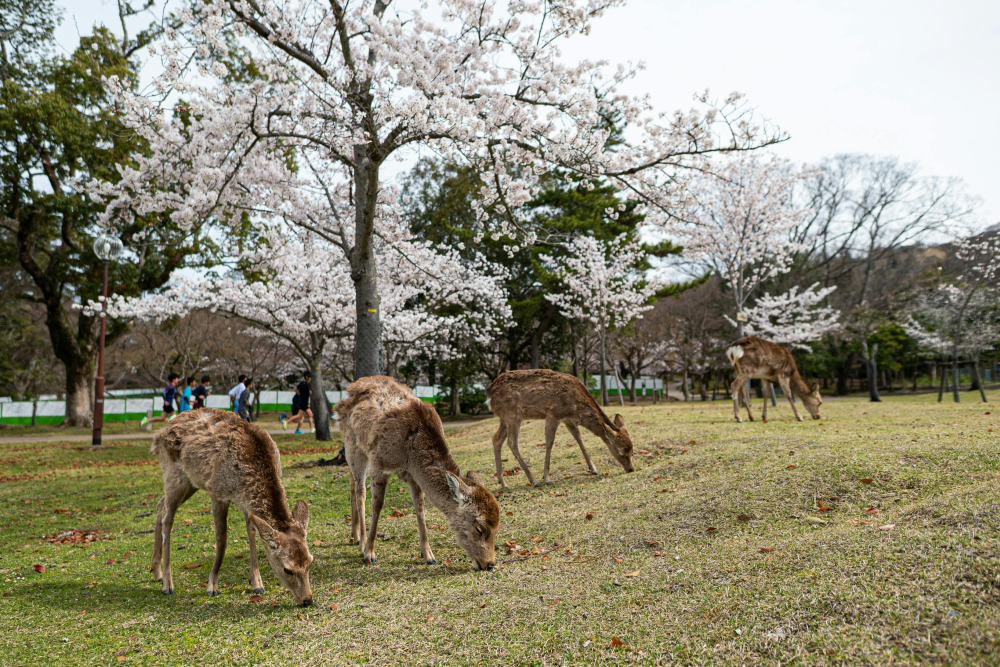
Japanese Nara deer in a park with Sakura trees in Spring – Credit: MacroLingo LLC
Vernal Equinox Day (March 20th)
Also known as Shunbun no Hi, the Vernal Equinox Day celebrates the arrival of spring and Japan’s love of Nature, including the start of sakura season. The Spring Equinox, which is another term for this day, is an interesting time of year where day and night are equal with the sun rising exactly east and setting exactly west. In Japan, the holiday replaced the pre-World War II Shinto celebration Shunki Koreisai as part of postwar efforts to separate church and state. Today, people typically enjoy the outdoors whilst admiring the blooming cherry blossom trees as a part of hanami celebrations. They also tend tovisit the burial sites of ancestors and lost loved ones, where they will clean the gravestones, replant old flowers, and leave offerings in the deceased’s honor.
Graphic depicting Showa Day in April – Credit: joeni91
Showa Day (April 29th)
Called Showa no Hi in Japanese, Showa Day, held on April 29th, marks the beginning of Golden Week and commemorates the birthday of Emperor Hirohito, later known as Emperor Showa. The name “Showa” is said to mean “enlightened peace” and reflects the emperor’s complex era of reign, which includes World War II and Japan’s postwar rebuilding efforts. Today, Showa Day is a time for reflection and remembrance rather than the typical festive celebrations that are common for other Japanese holidays. Many travel to the Musashino Imperial Mausoleum to pay their respects to the past Emperor, or visit the National Showa Museum to learn more about this pivotal time in Japanese history.
Banner of Japan’s Constitution Memorial Day on May 3rd – Credit: joeni91
Constitution Memorial Day (May 3rd – Observed on May 6th)
The second holiday in Golden Week, Constitution Memorial Day, or Kenpo Kinenbi in Japanese, commemorates the adoption of the Constitution of Japan following the end of World War II. Following the country’s defeat, a new constitution was drafted, aligning with Japan’s transformation into a democracy, officially coming into effect on May 3rd, 1947. This date would eventually be marked as a public holiday and a part of Golden Week, allowing for celebrations and commemorative events across the country. One particular way to get involved is by visiting the Japanese Parliament, which has an open day so that visitors can tour the chambers and observe the very building where all national decisions are made.
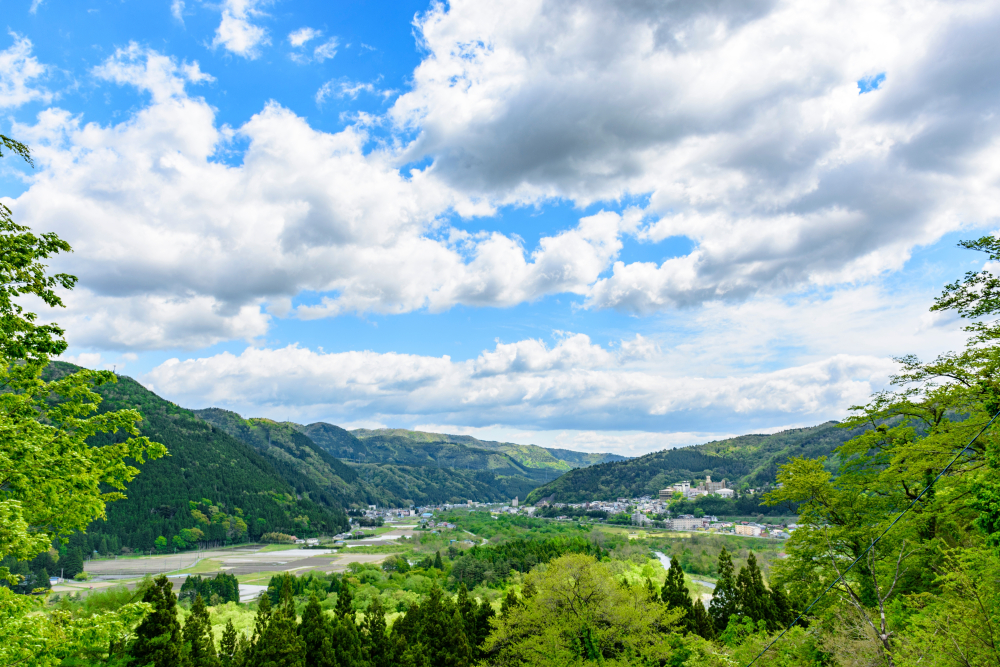
Fresh greenery spread across the Naruko Mountains – Credit: rujin
Greenery Day (May 4th)
Also known as Midori no Hi, Greenery Day, held on the 4th of May, honors Emperor Showa’s lifelong appreciation for nature and his efforts to protect the environment. Originally, the day fell on April 29th, the Emperor’s birthday, but was later moved to its current date after April 29th was transformed into Showa Day. To celebrate Japan’s natural beauty, people typically visit parks, nature reserves, or enjoy picnics under the nice spring sun, with a chance of the Sakura trees still being in bloom. No matter how you choose to get involved, it is a time to take in the breathtaking scenery and reflect on the importance of protecting it.
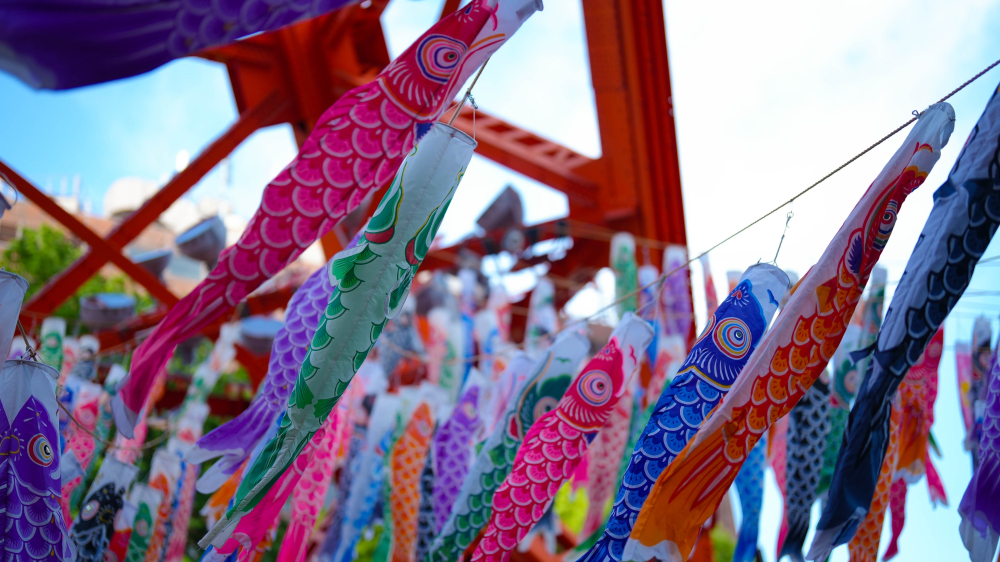
Colorful Carp Streamers displayed to celebrate Children’s Day – Credit: KOJI.M
Children’s Day (May 5th)
Marking the end of Golden Week, Children’s Day, Kodomo no Hi, falls on the fifth of May and is held as a way to wish for the health and happiness of young children and express gratitude towards their mothers. One of the most iconic symbols of this holiday is the colorful carp streamers that are hung throughout Japan on balconies, catching the wind and giving them the appearance of swimming in the sky. Being a highly family-oriented day, it should come as no surprise that all forms of celebration typically involve being done together with your closest relatives, even going on trips or returning to hometowns. It’s also not uncommon for many to take part in kid-friendly activities such as visiting the zoo, amusement parks, and even attending unique Japanese festivals created just for this day. To learn more about Kodomo no Hi and its celebration, make sure you check out our blog here!
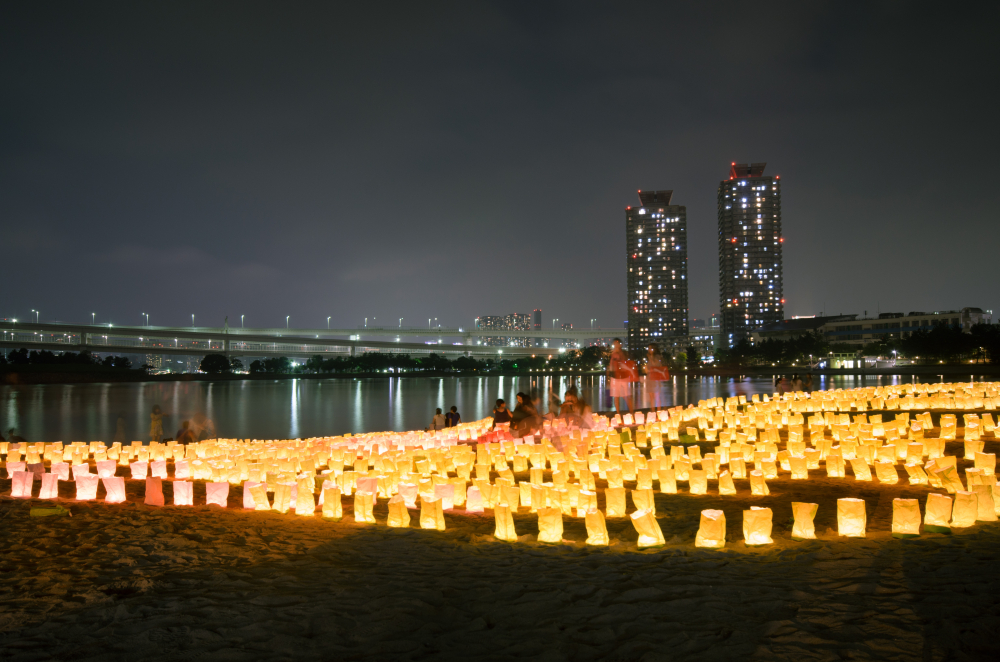
Lanterns blanketing the beach in celebration of Marine Day – Credit: Wiennat M
Marine Day (July 20th)
Also known as Ocean Day, Sea Day, or Umi no Hi, Marine Day is a unique public holiday in Japan that is solely focused on showing gratitude for the role the sea plays in the country’s culture and prosperity. Held annually on the third Monday of July, with 2026’s date falling on the 20th, this is a relatively new celebration, with it first becoming a public holiday in 1996, when it was renamed from Marine Memorial Day to Marine Day. In 2003, it also became part of what is called the “Happy Monday System,” which provides a long weekend for the country. Due to its short history, specific traditions and celebrations are constantly developing, but that doesn’t mean that some customs have emerged. Particularly, due to the day also marking the end of the rainy season, it’s common for many to start once again flocking to beaches and resorts.
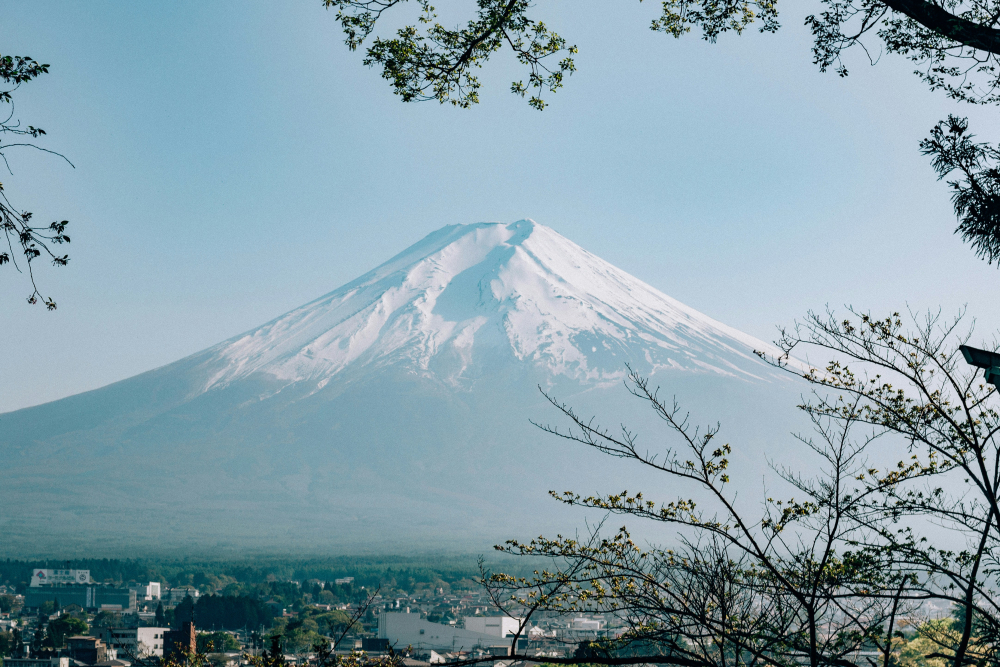
Japan’s most iconic mountain, Mount Fuji – Credit: Filiz Elaerts on Unsplash
Mountain Day (August 11th)
Mountain Day, Yama no Hi, is another more recent holiday, along with Marine Day, first celebrated in 2016. Taking place every August 11th, the day celebrates the country’s extensive and majestic mountain landscapes, encouraging people to appreciate the blessings brought by the mountains. The holiday was introduced by mountaineering groups, who advocated for the celebration for years to help give the people of Japan a chance to connect with Japan’s natural heritage, especially the iconic Mount Fuji and smaller local trails, whilst reflecting on the importance of nature in everyday life. With this in mind, and thanks to over 70% of the country covered by these majestic mountains, the best way to celebrate Yama no Hi is by going on a hike, trekking through local nature, going camping, or simply enjoying the great outdoors. It also often falls around Obon, making it part of the broader summer break for many.
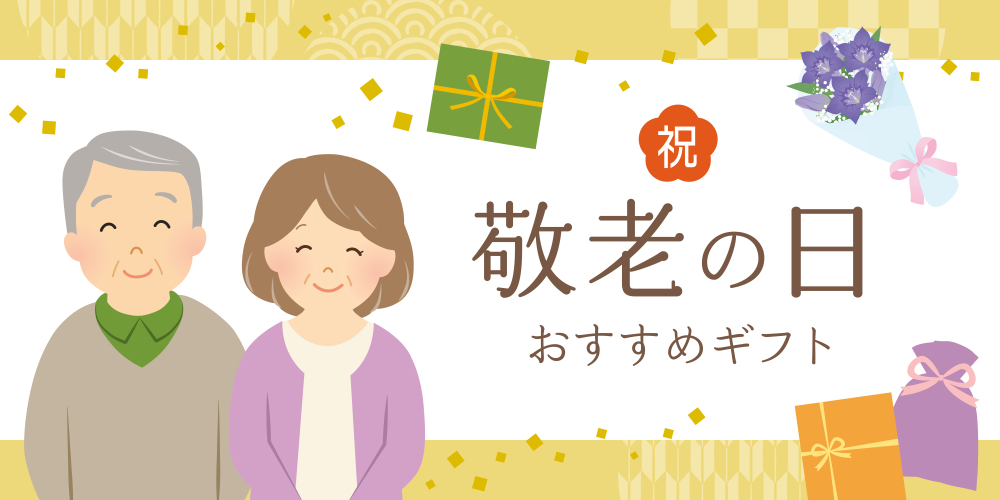
Respect for the Aged Day banner – Credit: A K O
Respect for the Aged Day (September 21st)
Known as Keiro no Hi, Respect for the Aged Day, is a national holiday that honors and celebrates the elderly, recognizing their many contributions to not only their families but also society. First established in 1966, it is held annually on the third Monday of September, falling on the 21st in 2026, and is a vital part of the country’s efforts to show appreciation to the senior citizens. Keiro no Hi is also a time for reflection on aging and showing gratitude for all that we have today, much of which we have thanks to what the older generations have provided. To celebrate, many towns and cities across Japan hold different ceremonies, with grandchildren giving handmade gifts to their grandparents, performing songs at school, and families gathering together to spend important quality time with their loved ones. A lot of people also take the time to visit care facilities, helping everyone who should be celebrated on this day experience the joy. You can learn more about this incredible day of love and respect thanks to our blog here.
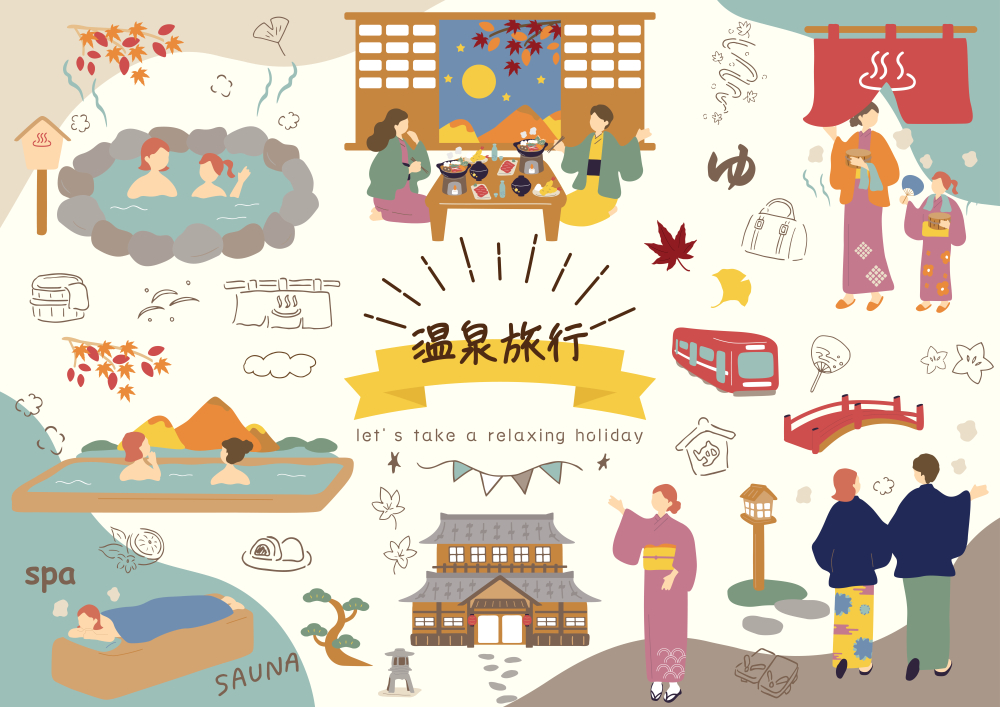
Take a relaxing holiday during Silver Week – Credit: KID_A
Extra Public Holiday for Silver Week (September 22nd)
In order to bring back Silver Week, Japan will be having an additional public holiday on the 22nd of September, giving people a longer break during the normally hectic autumn season. Unlike the other dates mentioned in this blog, this day does not have a specific tradition or celebration; instead providing a chance for people to relax, travel, or spend time with family and friends. As with Golden Week, many Japanese people will take the chance to enjoy the autumn foliage blanketing the landscape by visiting scenic spots, as well as using the time to take part in autumn activities and traditions.
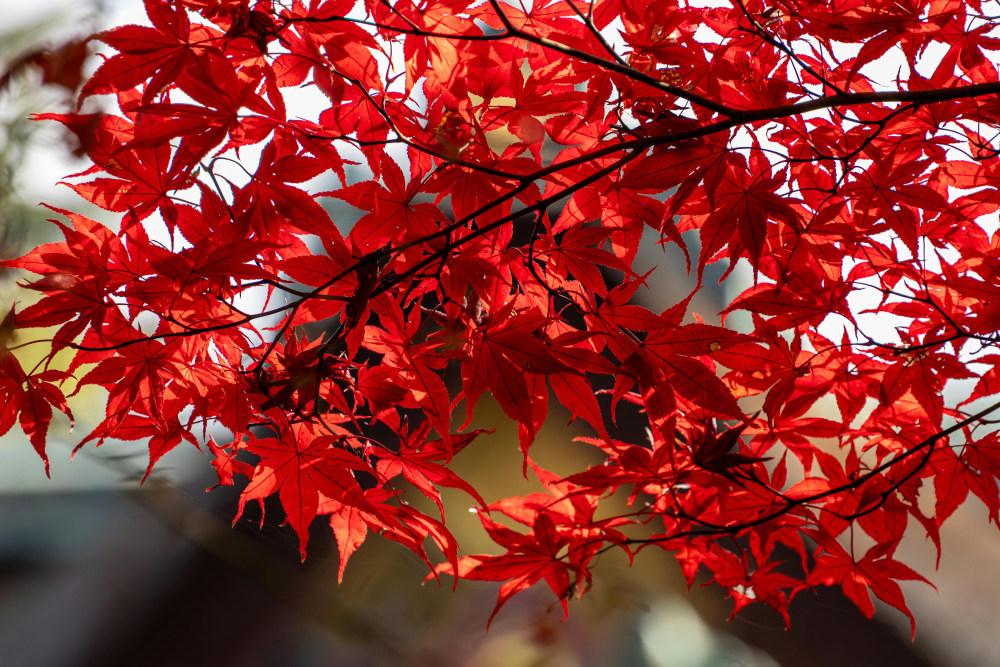
Japanese vibrant red maple leaves – Credit: Emiliano Lara
Autumnal Equinox Day (September 23rd)
Autumnal Equinox Day, or Shubun no Hi, marks the official arrival of autumn in Japan. A pair to the Vernal Equinox Day mentioned earlier, this date is a unique occurrence where day and night are equal and symbolizes the transition of the seasons. In Japan, it is a time of reflection and symbolizes the balance of nature and life, with many people taking the chance to visit family graves, clean their gravestones, and leave offerings for those departed, just like in March. However, it’s also a time to enjoy the great outdoors, taking in the surrounding scenery as it transforms with the reds, oranges, and golds of Japan’s autumn leaves. It is typical for people to enjoy seasonal foods, stroll through parks, and visit temples to pay their respects.

Soccer match in Saitama, Japan – Credit: Maulana Diki
Sports Day (October 12th)
Called Taiiku no Hi in Japanese, Sports Day is a national holiday on the 12th of October that promotes health, physical activity, and the spirit of sportsmanship. The day was first established to commemorate the opening of the 1964 Tokyo Olympics; it is now used as a way to encourage people of all ages and physical abilities to get outside, do some exercise, and be a part of local sporting events. The holiday is a reminder of the importance of staying active, the value of teamwork, and the chance to enjoy time outdoors in the crisp autumn air, the perfect weather for exercise. Schools and communities across the country commonly hold sports festivals, races, and other athletic activities for kids to get involved in. People also tend to meet up with family members and friends to spend the day enjoying outdoor recreational activities together.
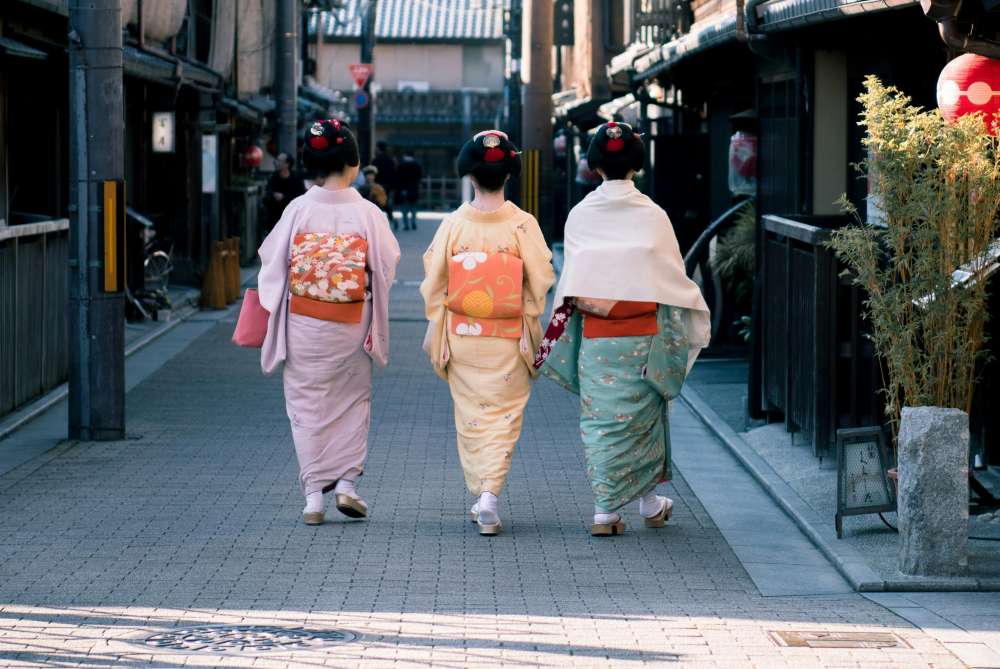
Women in traditional Japanese kimonos – Credit: Satoshi Hirayama
Culture Day (November 3rd)
Culture Day, Bunka no Hi in Japanese, is a national holiday that celebrates Japanese deep and beautiful culture, its arts, as well as academic achievements. Created in 1948, the day falls on the birthday of Emperor Meiji, who was fundamental in helping to not only modernize Japan but was also dedicated to fostering the arts and education. Travelers and locals alike use the day as an opportunity to explore museums, enjoy both traditional and contemporary art, emphasizing the holiday’s importance as a way to appreciate the country’s creativity, heritage, and various accomplishments. As part of the celebration, many schools, museums, and cultural institutions will host exhibitions, hold traditional performances, and offer award ceremonies, celebrating the many great creations of the people. One particular event we suggest you take a look at is the Order of Culture awards, which is a very prestigious title that is handed out by the Emperor himself!
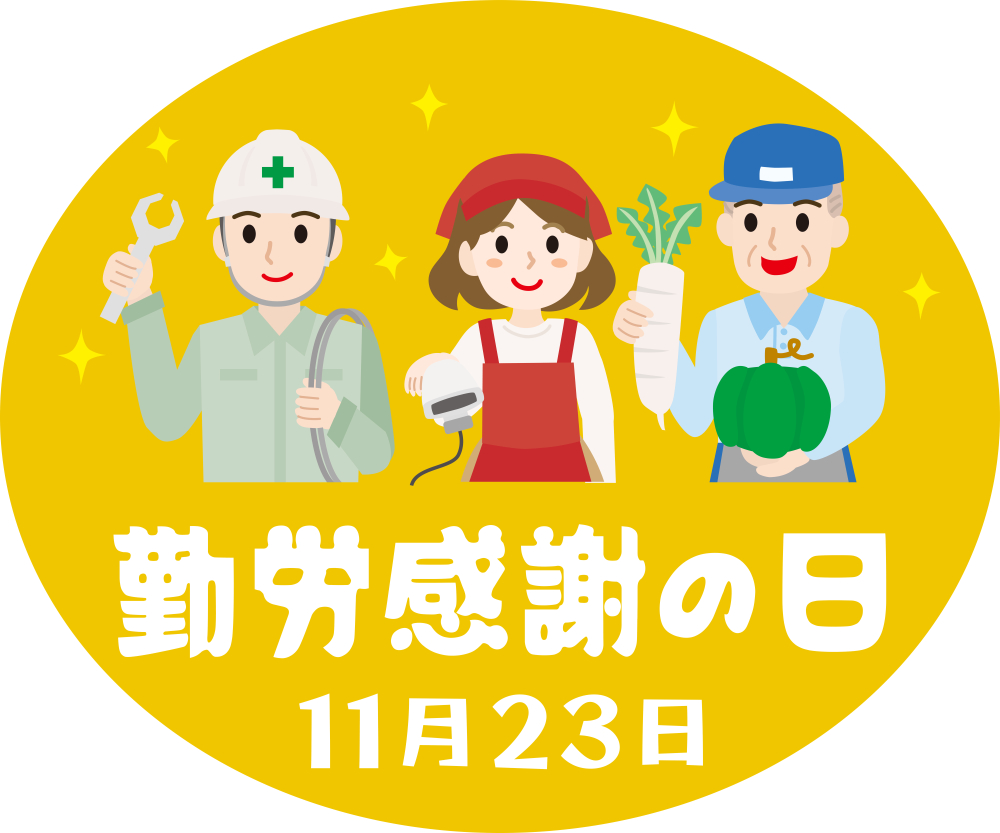
Illustration of Labor Thanksgiving Day in Japan – Credit: Zenmind
Labor Thanksgiving Day (November 23rd)
Known as Kinro Kansha no Hi, Labor Thanksgiving Day is a national holiday honoring the country’s employees and emphasizing Japan’s value for hard work and society’s contributions. Established in 1948 following the end of World War II, the holiday was inspired by the many harvest festivals held throughout the autumn months and hopes to encourage gratitude for not only labor but also the community. In order to celebrate this special day, the Japanese people typically take the time to thank their colleagues, teachers, and family members for their many efforts to make society a better place. Communities tend to host festivals and events that highlight local crafts and industries, making it the perfect opportunity to stop by a local market and help give back to the local area. Without a doubt, Kinro Kansha no Hi is a day for reflecting on the value of the workforce, appreciating those around us, and enjoying what we can achieve together, creating an important and meaningful day for the country and its culture.
With all this in mind, it’s not hard to see just how important the many and various national holidays in Japan are to the country’s rich history, vibrant culture, and longstanding traditions. Whether you are hoping to participate in the celebrations or simply looking to observe Japan’s unique traditions, traveling the country during these times provides you with what are truly once-in-a-lifetime experiences. Even with the crowds and unsure operating hours for businesses, we promise that you will be able to experience Japan to its absolute fullest, whilst also making memories that you won’t soon forget! So grab out your suitcase and plan a trip to Japan in 2026. We can’t wait to see you here!
Featured Photo Credit: Boontoom Sae-Kor
Ready to start planning your 2026 Japan adventure? Our Tailored Travel team is prepared to help craft an itinerary across Japan, perfectly tailored to you and your interests!
PIN THIS FOR LATER
Book your pocket wifi now to stay connected through your entire Japan Journey!

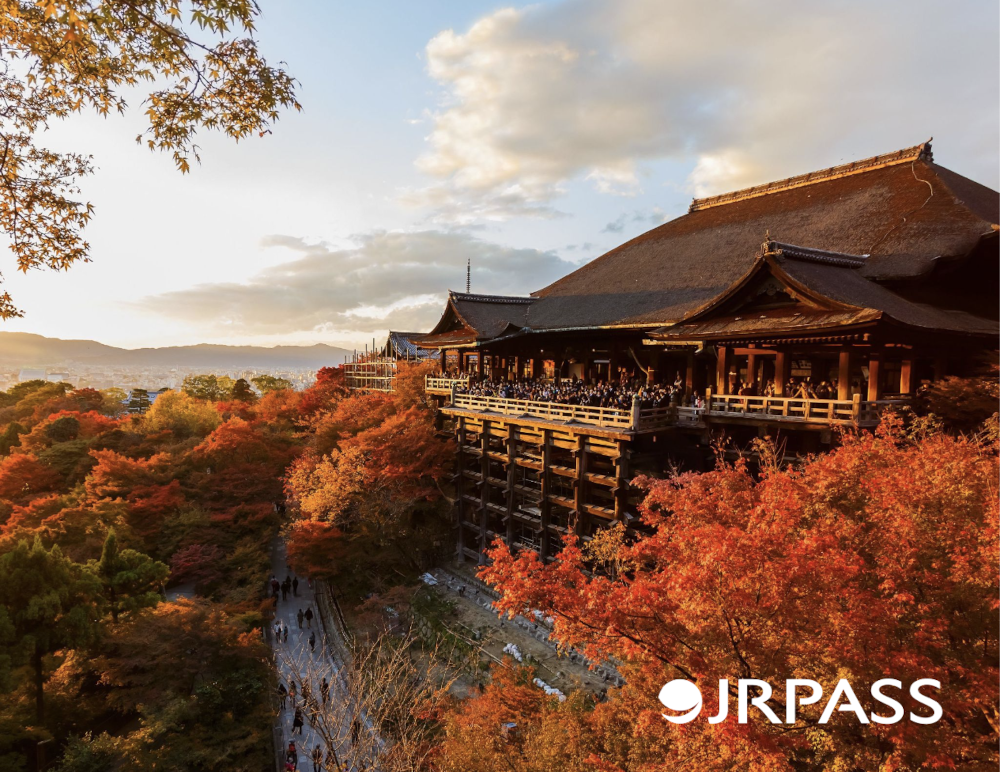
Be sure to get the JR Pass to make navigating Japan during your trip that much easier!
YOU MIGHT ALSO LIKE