Things to Do in Tokyo in June 2026
May 27, 2026
BY Brad Stephens
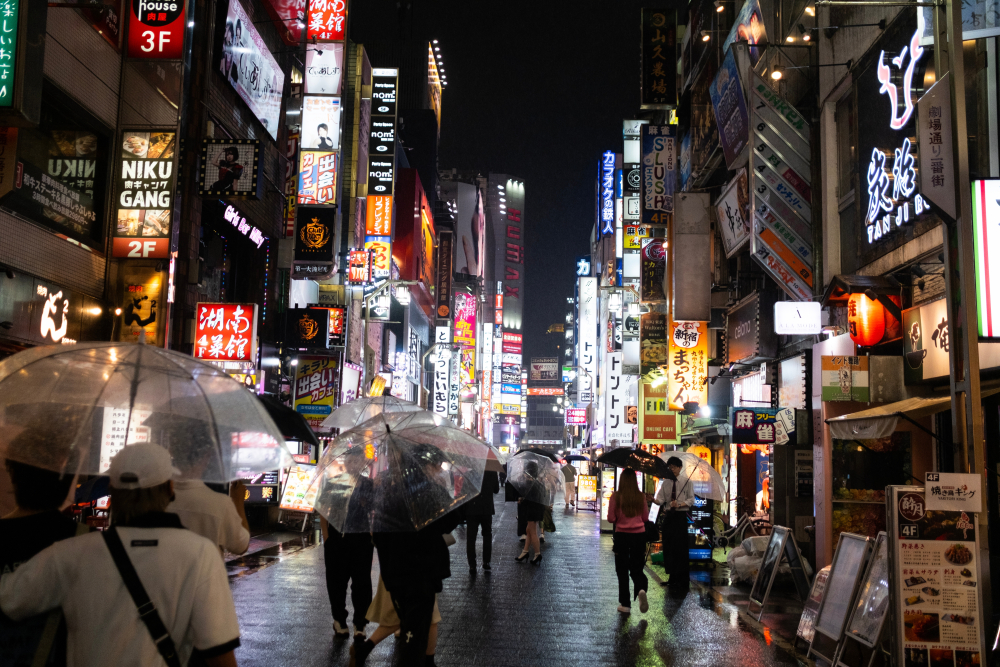
June in Tokyo is a transitional and atmospheric month. The city enters tsuyu (梅雨, rainy season), when soft rain brings out lush greenery, shimmering streets, and some of the most beautiful seasonal flowers in Japan. While it is wetter, June is also one of the most culturally rich times to explore festivals, hydrangea displays, and evening light-up events. This guide walks you through the best things to do in Tokyo in June 2026, in chronological order, with cultural context, practical details, and immersive recommendations.
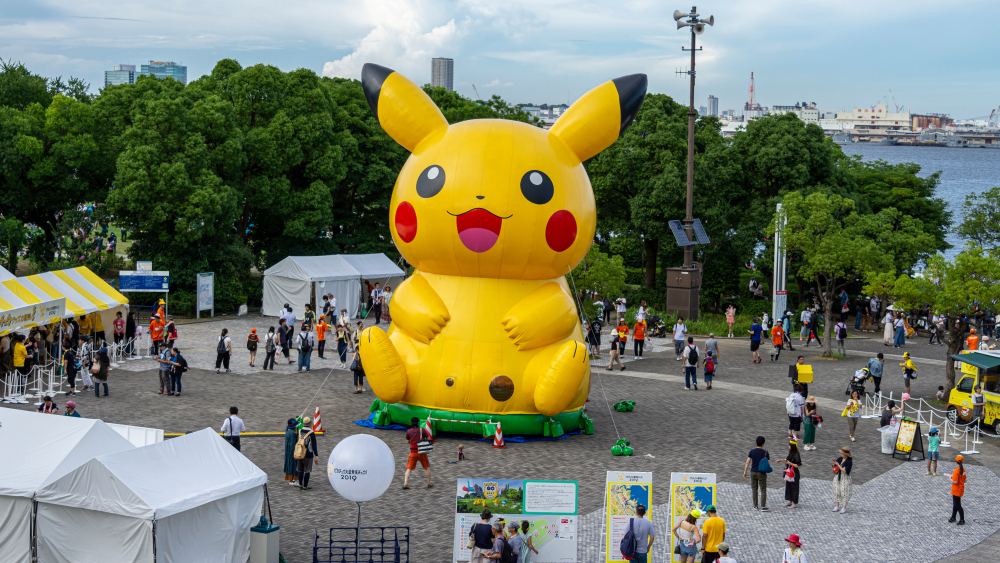
Inflatable Pikachu – Photo Credit: dekitateyo
Pokémon GO Fest
This Pokémon-themed event is expected to turn Tokyo into a large-scale augmented reality event that blends real-world sightseeing with interactive gameplay across the city. While the exact final program and map distribution may vary by year, the Tokyo edition is typically centered around major waterfront and urban areas such as Odaiba, with activity zones extending into nearby districts, including Minato, Koto, and Shinagawa wards, to encourage wide exploration across the city.
As part of its 10th anniversary year, the event emphasizes citywide participation and community engagement, bringing together both local players and international visitors. Participants can expect a mix of special in-game features such as rare Pokémon encounters, limited-time themed habitats inspired by Tokyo’s urban and coastal environments, and large-scale raid battles designed to encourage cooperative play in real time.
Overall, Pokémon GO Fest in Tokyo is structured to combine digital gameplay with physical exploration, allowing players to move through different neighborhoods while experiencing exclusive content that is only available during the event period.
Date: May 29 – June 1, 2026
Location: Odaiba Seaside Park (Main Hub)
Fee: Tickets start at ¥4,000
Website: https://pokemongo.com/en/gofest/tokyo
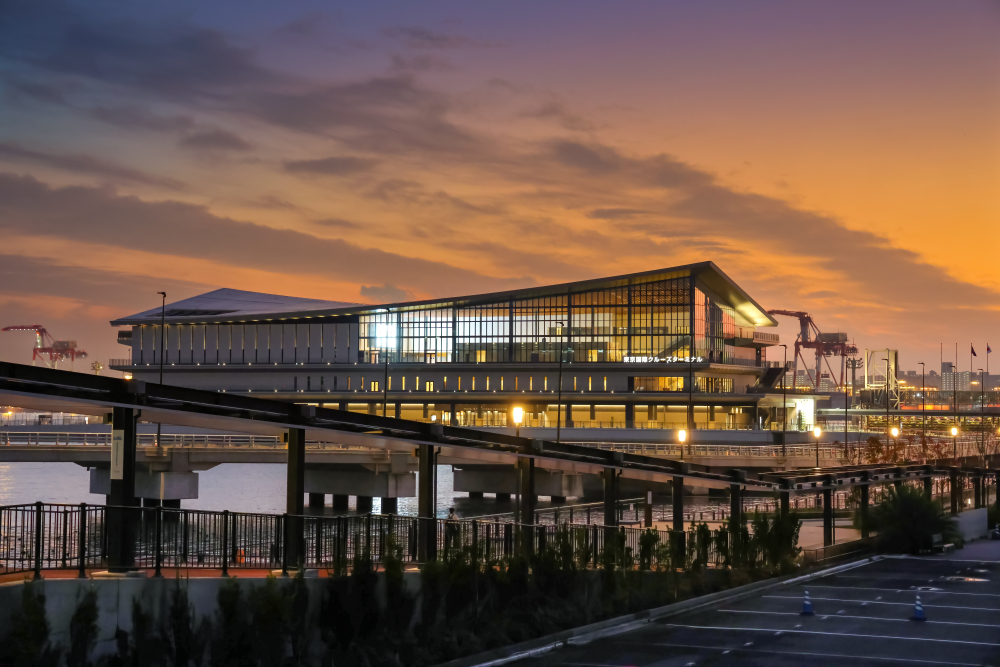
Tokyo International Cruise Terminal – Photo Credit: seaonweb
Tokyo Port Festival
The Tokyo Port Festival celebrates Tokyo’s long-standing maritime heritage and the city’s historical and modern connection to the sea. The festival is typically held in and around Tokyo’s waterfront districts, where it highlights the importance of Tokyo Bay as a major hub for transportation, trade, and cultural exchange. Visitors can expect a variety of programs that are generally centered on maritime themes, including ship-related exhibitions, harbor-focused educational displays, and public access to waterfront areas that are not always open to casual exploration.
The event also emphasizes the role of the port in connecting Tokyo to both domestic coastal routes and international shipping networks, helping visitors understand how the bay has shaped the city’s economic and cultural development over time. Depending on the year’s programming, activities may include guided harbor walks, special vessel showcases, or cruise opportunities that allow guests to experience the bay from the water.
In addition to its educational and historical focus, the festival often incorporates a lively waterfront atmosphere with seasonal food stalls, family-friendly entertainment, and small-scale live performances along the harbor area. In the evening, portions of the waterfront may feature illuminated ships or light-based displays reflecting on the water, creating a relaxed and scenic environment rather than a large-scale fireworks spectacle. Overall, the Tokyo Port Festival is designed as an accessible, community-oriented event that blends maritime culture with casual leisure along Tokyo Bay.
Date: May 31 – June 1, 2026
Location: Tokyo International Cruise Terminal
Website: https://www.minato76.com/
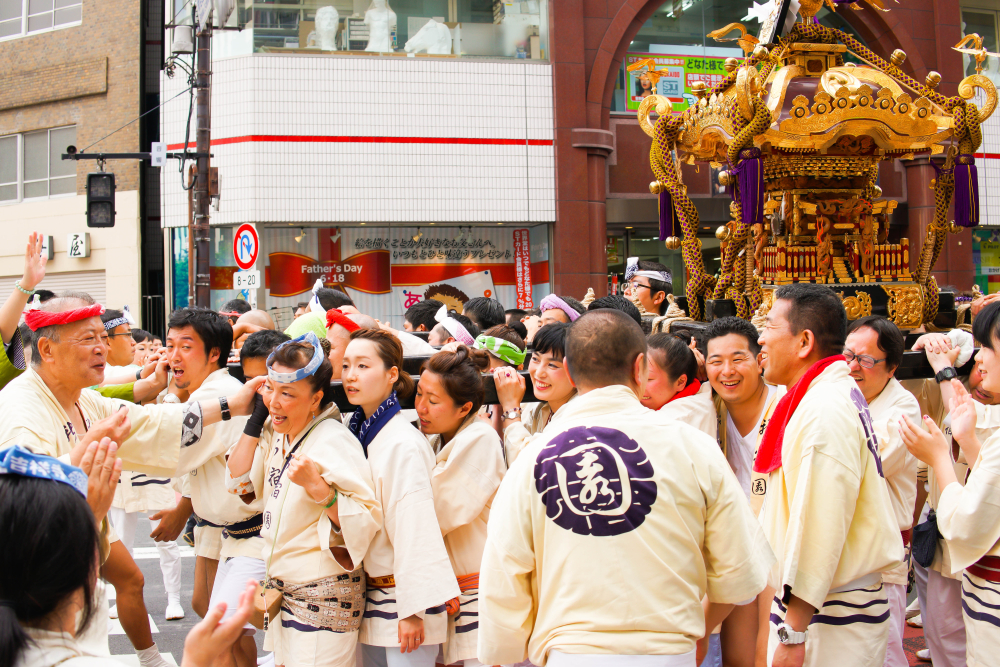
Torigoe Matsuri – Photo Credit: gaijin_photographer
Torigoe Matsuri
The Torigoe Matsuri (鳥越祭, Torigoe Festival) is one of Tokyo’s most dynamic and traditional local festivals, known for its strong ties to Edo-period (江戸時代) culture and its highly energetic community participation. The festival is centered around the Torigoe Shrine in the Taito area, a historic neighborhood that has preserved many of its old-town traditions.
One of the defining features of the Torigoe Matsuri is the procession of a mikoshi (神輿, portable shrine), which is widely regarded as one of the heaviest in Tokyo. During the festival, it is carried through the surrounding streets by hundreds of participants working together in coordinated teams, creating a powerful display of endurance, rhythm, and community spirit. The movement of the mikoshi through narrow urban streets is not only physically demanding but also deeply symbolic, representing the transfer of the shrine’s deity through the local community for blessings and protection.
The festival is especially known for its nighttime procession, when the atmosphere becomes more intense and visually striking. As the mikoshi is carried through illuminated streets filled with cheering participants and spectators, the energy builds into a highly spirited celebration that reflects the strong local identity of the neighborhood. Rooted in centuries-old traditions dating back to the Edo period, the Torigoe Matsuri continues to serve as both a religious observance and a vibrant expression of Tokyo’s living cultural heritage.
Date: June 6 – June 7, and June 9, 2026
Location: Torigoe Shrine
Website: https://www.city.taito.lg.jp/event/kanko/torikoematsuri.html
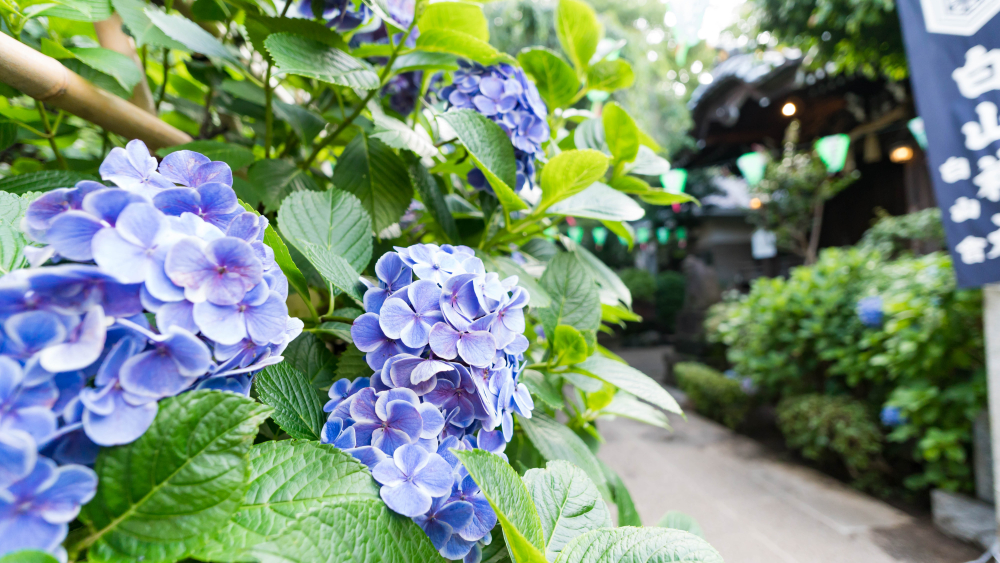
Ajisai – Photo Credit: aki_tk
Bunkyo Ajisai Matsuri
The Bunkyo Ajisai Matsuri (文京あじさい祭り, Bunkyo Hydrangea Festival) transforms the grounds of Hakusan Shrine into a seasonal landscape filled with hydrangeas during early summer, typically aligning with Japan’s rainy season. The shrine grounds and surrounding hillside paths become densely covered with ajisai (紫陽花, hydrangea), creating a layered natural display that contrasts with the surrounding urban environment.
The flowers bloom in a wide range of colors, including blue, pink, purple, and white, with subtle shifts in tone depending on soil conditions and rainfall. This festival is deeply tied to traditional appreciation of seasonal beauty, a core concept in Japanese aesthetics known as wabi-sabi (侘寂, appreciation of imperfection and impermanence).
Date: June 6 – June 14, 2026
Location: Hakusan Shrine
Website: https://hakusanshita.com/bunkyo-ajisaifes_no42/
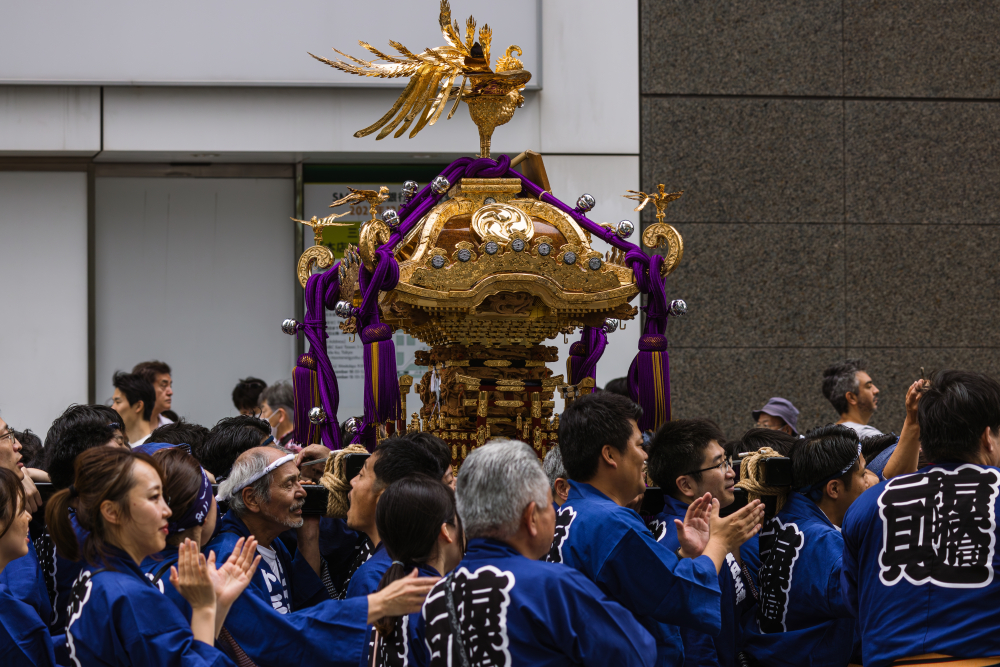
Sanno Matsuri – Photo Credit: Buzz_v2
Sanno Matsuri
The Sanno Matsuri (山王祭, Sanno Festival) is one of Tokyo’s most significant Shinto festivals, centered at Hie Shrine. It is traditionally regarded as one of the three great Edo festivals and has deep historical ties to the city’s role as the political and cultural center of Japan during the Edo period. The festival is closely associated with prayers for protection, stability, and prosperity for the city and its people.
In modern times, the Sanno Matsuri is held on a full scale in even-numbered years, such as 2026, featuring a large procession that moves through central Tokyo. This procession typically includes mikoshi, participants dressed in traditional attire, and ceremonial groups that represent different aspects of the festival’s heritage. The route historically passes through important areas of the city, reflecting the festival’s connection to both civic space and Shinto ritual tradition.
The festival also carries strong historical symbolism, as it was once considered a guardian celebration for Edo when the city served as the seat of the Tokugawa shogunate. Alongside other major festivals such as Kanda Matsuri, it played a central role in defining the ritual calendar of old Tokyo and was known for its scale and prestige, at times rivaling major festivals in Kyoto. Today, the Sanno Matsuri continues to function as both a religious observance and a cultural event that connects modern Tokyo with its historical identity.
Date: June 7 – June 17, 2026
Location: Hie Shrine
Website: https://www.tenkamatsuri.jp/about/

Heart-shaped hydrangea at Mt. Takao – Photo Credit: SILENTVISION
Mt. Takao Hydrangea Walk
Mt. Takao is one of the most accessible natural retreats from central Tokyo, offering a quick transition from dense urban life to forested mountain trails. Located in western Tokyo, it is a popular day-trip destination known for its well-maintained hiking paths, temple sites, and seasonal scenery that changes noticeably throughout the year.
In June, the mountain is especially known for its hydrangea blooms, with ajisai lining sections of the trails and temple approaches. The combination of rainfall, mist, and dense vegetation creates a cool, humid atmosphere that enhances the feeling of walking through a living forest environment. The shaded paths, filtered light, and moisture-rich air contribute to a quiet and immersive setting that feels significantly removed from the city below.
Many visitors also come to experience forest-based relaxation practices associated with Shinrin-yoku (森林浴), which focuses on slow, mindful walking in natural environments. Rather than emphasizing physical exertion, this approach encourages attention to sensory details such as sound, scent, and texture within the forest. On Mount Takao, this is often experienced through gradual hiking, pauses along scenic viewpoints, and time spent in the quieter wooded areas away from the main routes. Overall, Mount Takao in early summer combines seasonal floral displays with accessible hiking and a calm forest atmosphere, making it one of Tokyo’s most straightforward ways to engage with nature without traveling far from the metropolitan area.
Location: Mt. Takao
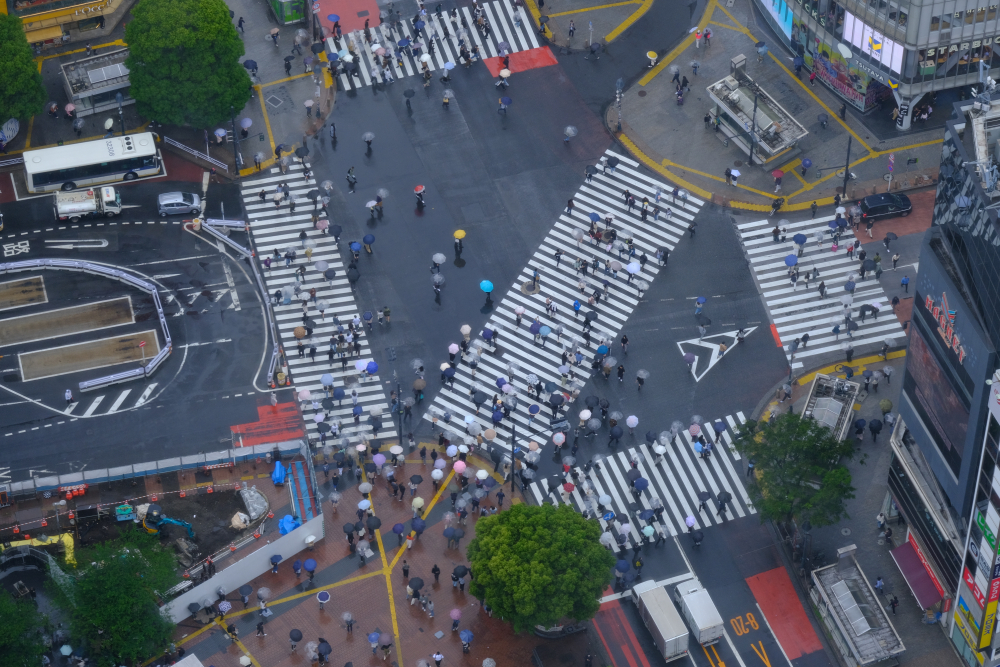
Aerial view of Shibuya on a rainy day – Photo Credit: pink stockers
Rainy Season Scenery & Garden Walks
Late June is the heart of tsuyu, when Tokyo’s gardens become especially atmospheric. Rain enhances moss, ponds, and traditional landscaping, making places like Rikugien Garden and Shinjuku Gyoen National Garden ideal for slow travel. Many locals embrace this season as a time for quiet reflection and indoor cultural activities such as tea ceremonies.
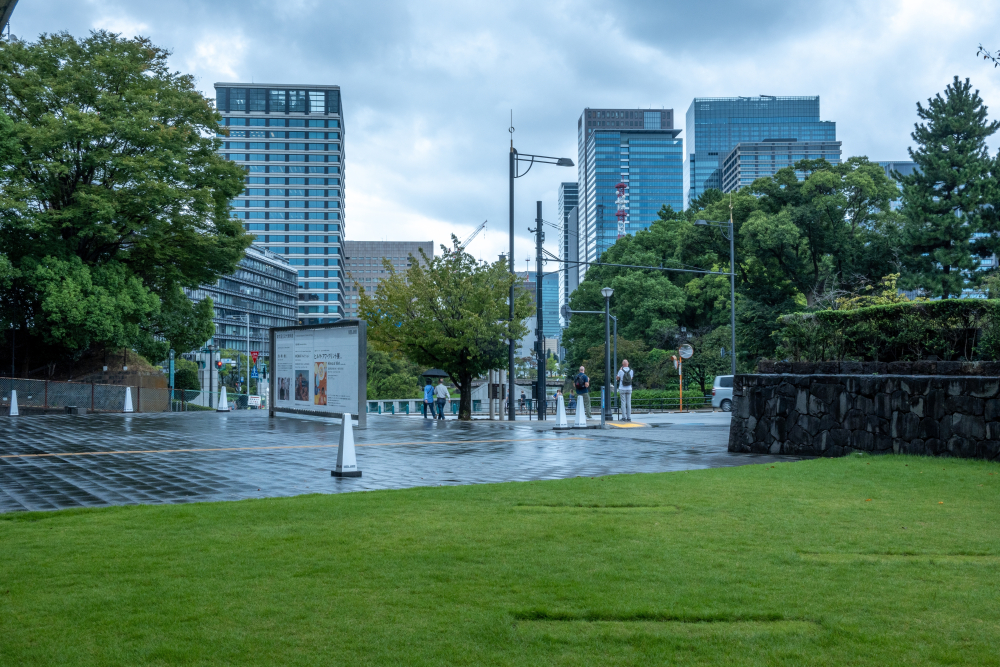
Rainy day at Imperial Palace East Gardens – Photo Credit: agustin.photo
Tokyo in June 2026 is a layered experience shaped by rain, tradition, and large-scale modern events. From global phenomena like Pokémon GO Fest to deeply local traditions such as Torigoe Matsuri, the city offers both futuristic energy and centuries-old culture. If you embrace the rain, June becomes one of the most atmospheric and culturally rich times to explore Tokyo.
Please note: Event dates, times, and details are subject to change, sometimes with little or no notice. We recommend checking the official websites or social media channels of each venue or event organizer for the most up-to-date information before you visit.
Featured Photo Credit: Hiroshi-Mori-Stock
Ready for an insider’s look into Japan’s Capital City? Check out our list of Tokyo Tours and book the next tour that takes you away from the norm and introduces you to all the hidden gems locals love!
PIN THIS FOR LATER
Book your pocket wifi now to stay connected through your entire Japan Journey!

Be sure to get the JR Pass to make navigating Japan during your trip that much easier!
YOU MIGHT ALSO LIKE