6 TOP TRAVEL TRENDS FOR JAPAN IN 2026 from ARIGATO TRAVEL
Jan 2, 2026
BY Maria Diaz

Tourism in Japan has been reaching new heights with record-breaking momentum. But, after the excitement of the Osaka World Expo 2025, many are wondering what 2026 will bring. Experts say it will be a turning point, shifting from simply attracting visitors to helping them connect more deeply with Japan’s culture, nature, and everyday life. Japan’s new administration, led by Prime Minister Sanae Takaichi, is reinforcing this shift. Her government is prioritizing issues related to overtourism and visitor management, introducing changes that aim to better organize travel and protect local communities. In 2026, these efforts will come together. Smarter crowd control, improved transportation, and support for travel to quieter regions will create a smoother, more balanced, and more meaningful experience for travelers. So what does this mean for you? Today, we’ll have a look at some of the top travel trends you can expect to find next year!
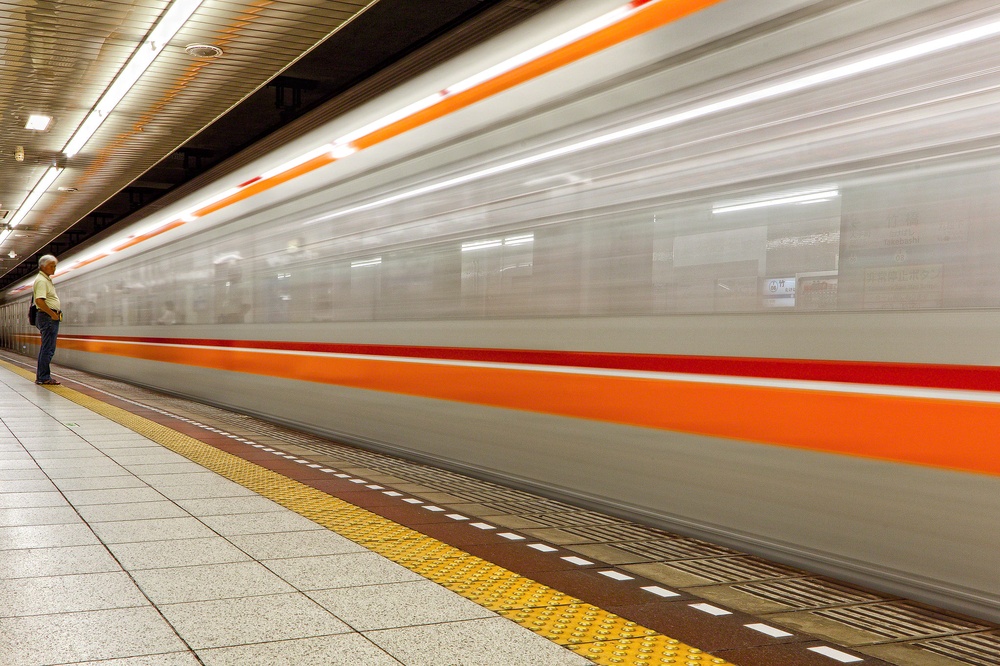
Train passing at high speed – Photo Credit: Shawn Clover on Flickr
1. Kansai After the Expo
In 2026, Japan’s big improvements will start to come together, with many of these linking back to the highly successful World Expo. Better crowd control, upgraded trains and services, and support for travel to quieter areas will give visitors a smoother, more comfortable, and more memorable trip.
Osaka as a Key Base: Try looking beyond the usual tourist spots. Osaka and the whole Kansai region will feel even more lively, with updated venues, new art displays, and a mix of modern and traditional experiences.
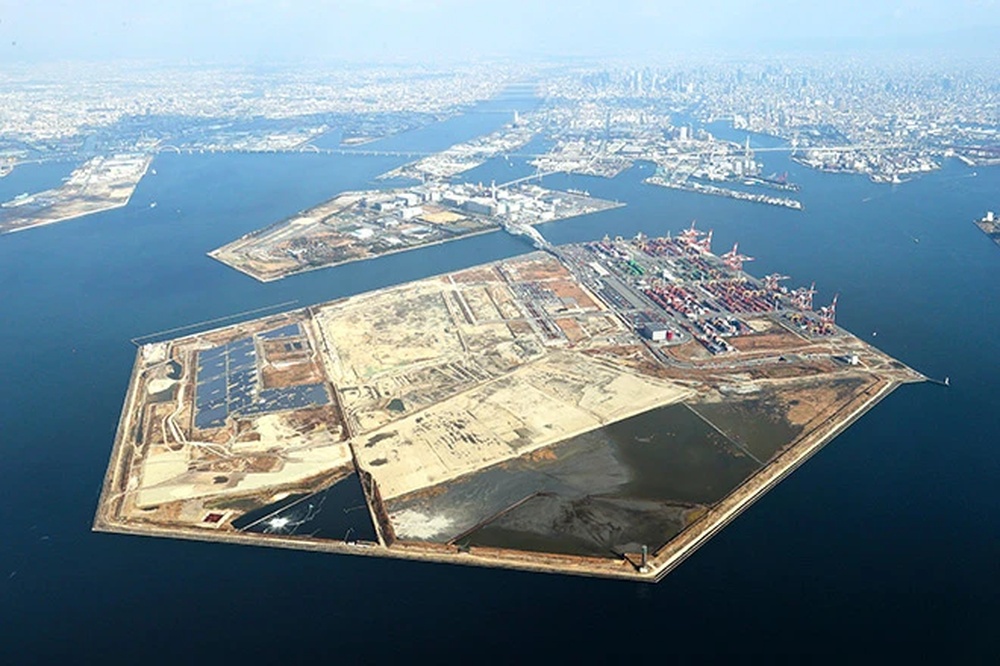
Yumeshima Island – Photo Credit: Asahi
What’s Next for Yumeshima: All temporary buildings will be removed in 2026, yet the artificial island will not stay empty. It will begin turning into a major new destination for Osaka. Plans include a large entertainment complex with casinos, luxury hotels, and convention centers. A preserved part of the Grand Ring will stay as a public memorial park.
Better Connections: The new train and road upgrades built for the Expo will make travel around the region easier than ever. The permanent extension of the Osaka Metro Chuo Line to Yumeshima Station will help a lot. This improvement will make the area fully connected and make trips between cities across Kansai much simpler.
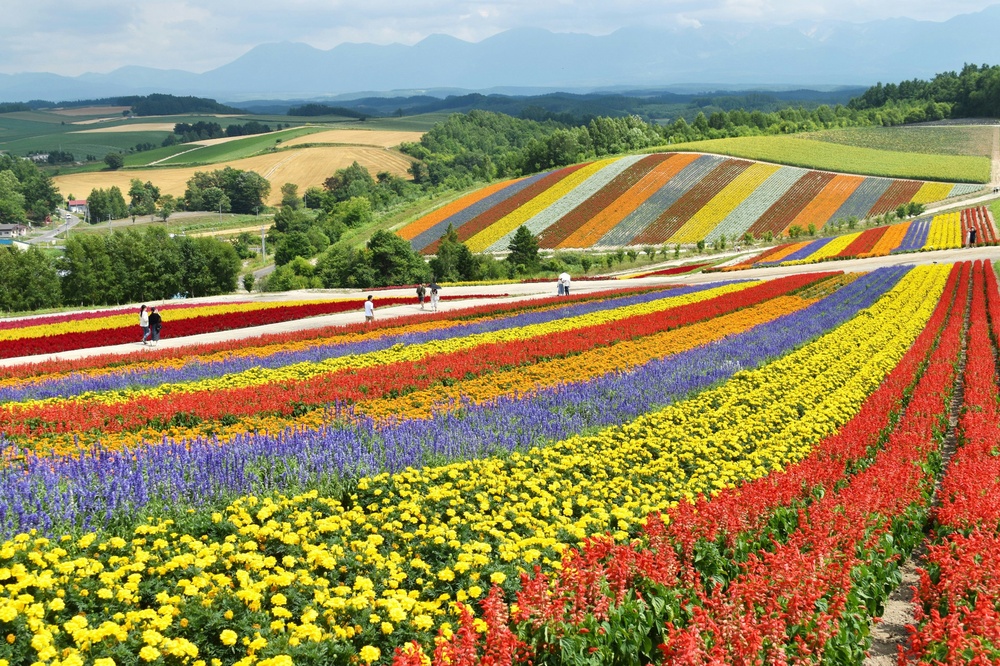
Panoramic Flower Gardens Shikisai-no-oka in Hokkaido – Photo Credit: Ken Shono on Unsplash
2. Escaping the Crowds
Although major cities like Tokyo, Kyoto, and Osaka remain iconic, the 2025 conversation about overtourism continues and is driving a huge shift toward regional and slow travel. The goal for many travelers is to find the authentic Japanese experience before it becomes saturated, and the only way to do that is to get off the beaten track.
Underexplored Gems Moving into the Spotlight: Travelers are turning toward lesser-known regions of Japan for a slower, more unique experience. Hokkaido is becoming a popular summer escape thanks to its cooler weather, flower fields, and natural parks. Tohoku attracts visitors who want a more traditional atmosphere, with hot spring towns, deep history, and lively festivals. The coastal areas of Kyushu and Shikoku are gaining attention for their great food, volcanic hot springs, and scenic routes that offer peaceful, remote exploration.
Quiet Escapes in the Countryside: Many travelers are looking for quiet getaways where they can unplug and slow down. They choose peaceful places in the Japanese countryside, staying in eco-friendly lodges, farm stays, or small community-run accommodations. These calm settings, including mountain ryokan and relaxing hot spring towns, give visitors space to disconnect from screens, enjoy nature, take part in local activities, and settle into a slower, more restful pace.
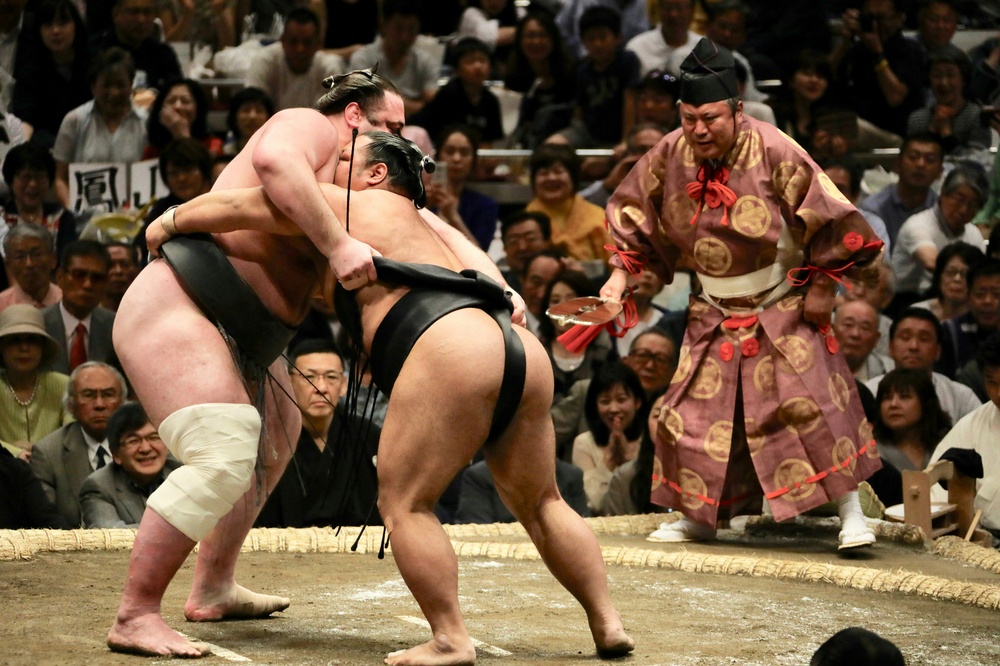
Sumo wrestling – Photo Credit: Bob Fisher on Unsplash
3. From Sightseeing to Special Interests
Forget just looking at famous sites. The new trend is all about doing and experiencing Japan deeply whilst discovering its soul. Travelers in 2026 are designing entire trips around very specific hobbies, leading to the rise of specialized adventures.
Sports Tourism: Travelers are increasingly beginning to build trips themed around local sports culture. This means seeking out smaller regional matches or immersive experiences like watching a sumo wrestling bout, not just as a spectator, but as an experience that connects them with the local community. The 2026 Asian Games in Aichi-Nagoya will also draw more visitors into sports-focused travel, encouraging people to explore local stadiums, fan events, and regional teams beyond the main host cities.
Salvaged Stays: Travelers are moving away from standard hotel chains and choosing places that have a real story. Many of these stays are old buildings that have been brought back to life, like a former school turned into a comfortable hotel (like Sarusho in Gunma), an old merchant house (like Noboriya in Gifu), or even a retired sleeper train (like the Blue Train Taragi in Kyushu), where you can spend the night. It gives travelers a closer connection to local history and makes the stay itself part of the adventure.
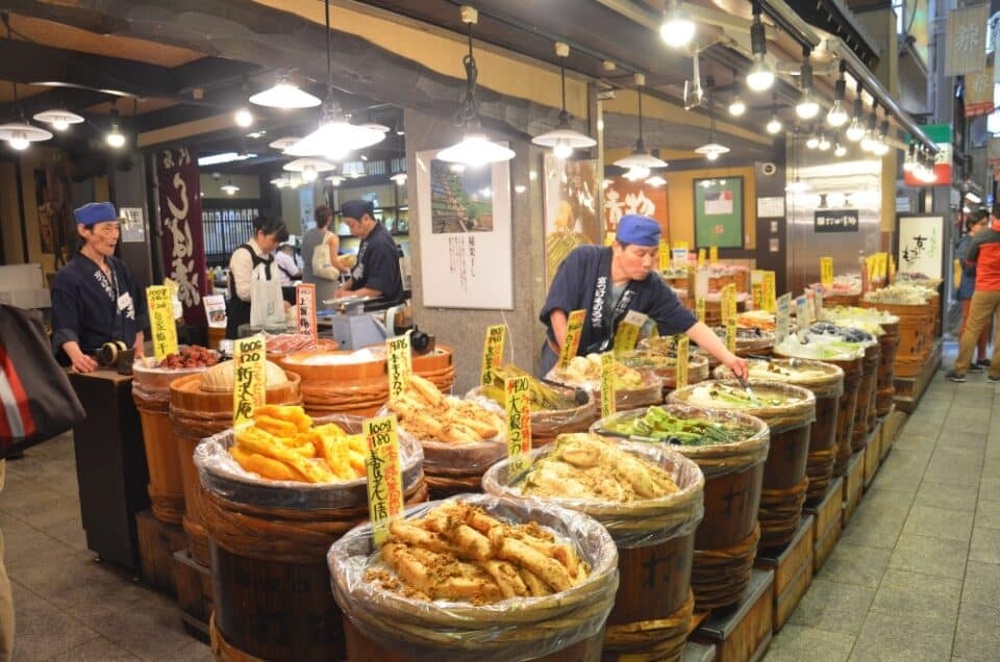
Kyoto Nishiki Market Food Tour – Photo Credit: Arigato Travel
4. Culinary Adventures Go Local
Japan’s food scene has always been a top draw, but the focus is broadening beyond Michelin-starred restaurants. The new food trend is about immersion, accessibility, and local discovery.
Convenience Store and Supermarket Flavors: Instead of dining reservations, travelers are embracing the authentic, budget-friendly experience of exploring convenience store (konbini) snack corners and purchasing local ingredients at neighborhood supermarkets. This is seen as a way to taste local life and cuisine while saving money.
Hands-on Foodie Tours: There is a strong rise in demand for immersive activities such as expert-led market tours or authentic classes where travelers learn to prepare Japanese dishes like ramen, among many others. It’s also a great way to explore Japan’s food culture with an expert who can provide you with all the insider information on the dining experience.

TeamLab Biovortex Kyoto – Photo Credit: teamLab
5. Digital Heritage
In response to overtourism, Japan is using its strong tech skills not only to improve transportation, but also to help manage how visitors experience the country.
Smart Traffic & Crowd Alerts: Look for the expansion of real-time data systems in 2026. These systems use AI and sensor data to monitor visitor density at popular attractions and push alerts to tourists, encouraging them to visit during off-peak times or explore nearby alternative sites.
Digital Art as a New Attraction: Japan is opening more permanent digital art museums and high-tech installations to give travelers new places to explore. Major exhibitors, such as TeamLab Biovortex Kyoto, are leading this shift. New openings in 2026, including the Moving Ukiyo-e immersive show in Osaka and the MoN Takanawa museum in Tokyo, add even more modern options. These digital spaces help pull visitors away from crowded temples and toward creative, interactive experiences.
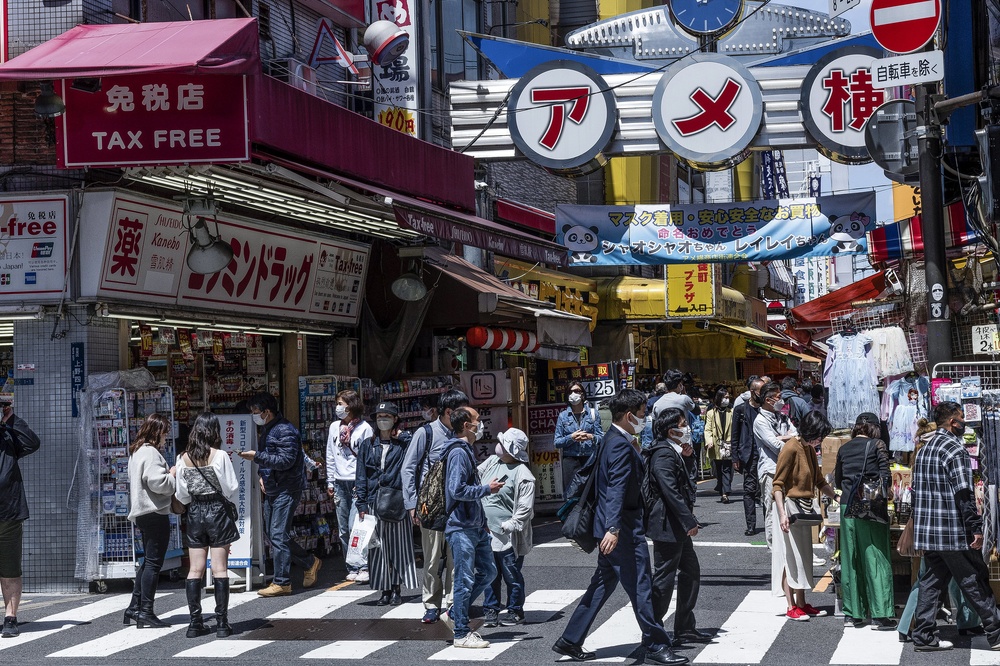
Tax-Free Shop in Ame-Yoko – Photo Credit: DanÅke Carlsson on Flickr
6. Changes to Travel Logistics and Costs
Travelers should be aware that Japan is preparing several changes that will affect the way visits are planned and paid for. This is important to keep an eye on, as it may lead to certain additional charges you will need to be prepared for when traveling throughout the country.
The End of In-Store Tax-Free Shopping: A major logistical change is expected around the tax-free system. Starting as early as November 2026, the immediate 10% tax-free discount at the point of purchase is stated to end. Instead, travelers will likely need to claim their tax refund at the airport with proof of purchase.
Potential Tourism Tax Increase: The government is considering an increase in taxes linked to international tourism. While not yet implemented, this signals an intent to make foreign tourism contribute more substantially to managing local infrastructure and services.
Japan in 2026 is moving toward smarter, calmer, and more meaningful travel, placing a stronger emphasis on community and regional travel. Visitors will find new experiences, better crowd management, and more ways to connect with local culture than ever before. It is a great moment to explore the country with fresh eyes and enjoy a trip that feels personal, balanced, and memorable. So if you’re planning a trip to the land of the rising sun, there is no better time than the coming year!
Feature photo credit: Sinseeho
Ready to plan you’re next Japanese adventure in 2026? Our Tailored Travel team is more than prepared to craft you a perfect itinerary tailor-made just to you, and without all the stress and mess!
PIN THIS FOR LATER
Book your pocket wifi now to stay connected through your entire Japan Journey!

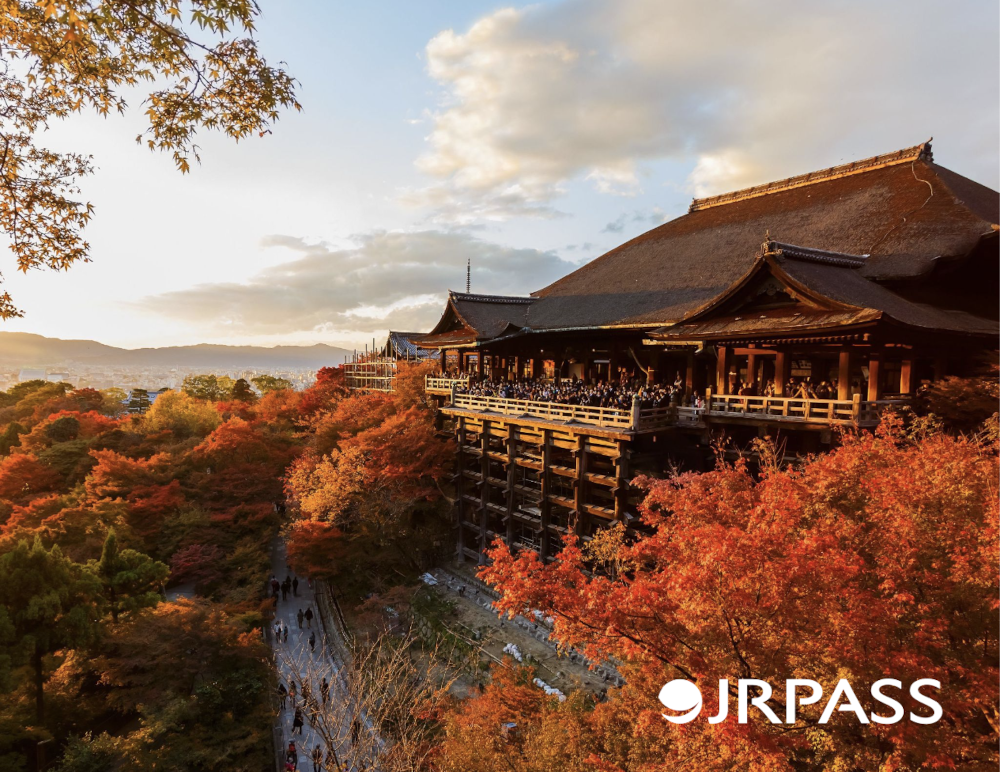
Be sure to get the JR Pass to make navigating Japan during your trip that much easier!
YOU MIGHT ALSO LIKE