Black Eggs in Japan: The History of Owakudani
Nov 16, 2026
BY Stella Masson
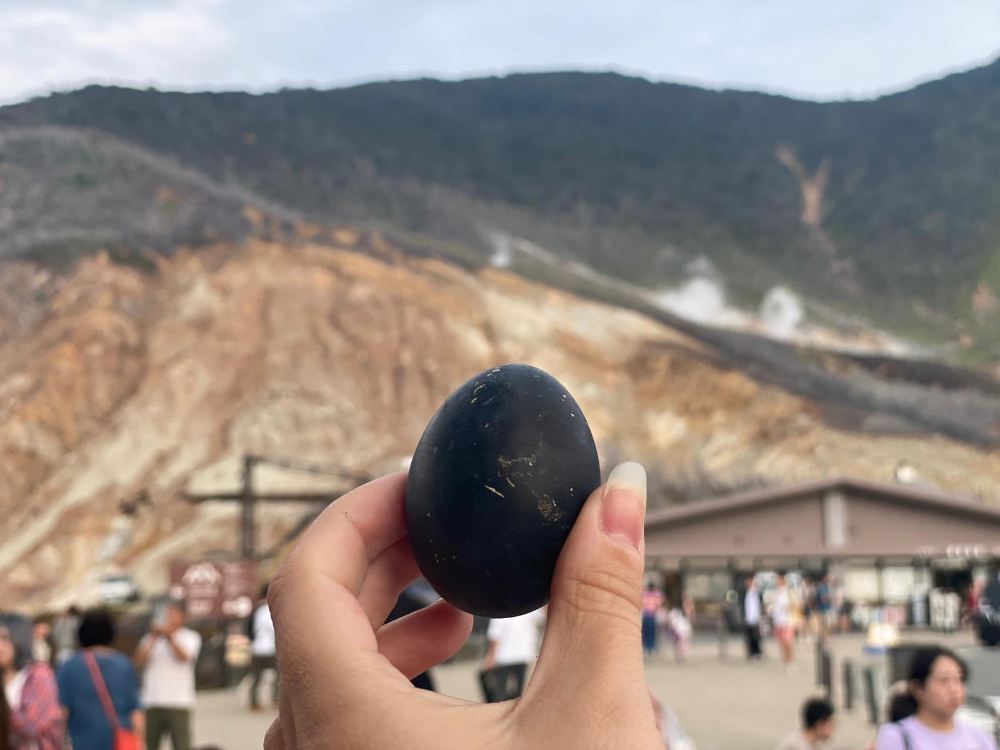
Jigokudani (“Valley of Hell”) is the name of the mountainous areas in Japan where the smell is sulfuric. Truth is, those areas are still subject to volcanic activity. There are several of them all around the country–Hokkaido, Tohoku, Kyûshû–and they are famous tourist destinations! However, out of all of those valleys, Owakudani (“Great Boiling Valley”) in Hakone has a particularly interesting feature. Not only does the area smell like rotten eggs, but eggs are actually boiled in this mountain, and guess what? They turn completely black during the cooking process! Because of this, locals commonly refer to this snack as 黒玉子 (Kuro tamago, “Black eggs”).
3000 years ago, Mount Hakone erupted for the last time, creating an area full of steam vents and hot streams, a hell-like valley whose smell isn’t really to everyone’s taste. Years later, it became part of Hakone’s identity, famous as a great hot springs resort. What is today a famous visiting spot took its roots more than a thousand years ago, during the Heian era. Legends say that a monk, Kûkai Kobo Daishi, founder of one of the two emerging schools of Buddhism at that time, the Shingon (“true word”), sculpted a statue in what was named Daijigoku (“Great Hell”) to grant residents’ health and protection of children in the region. The Enmei Jizo statue later became a symbol of longevity, encouraging people to eat eggs cooked in boiling water to extend one’s lifespan.
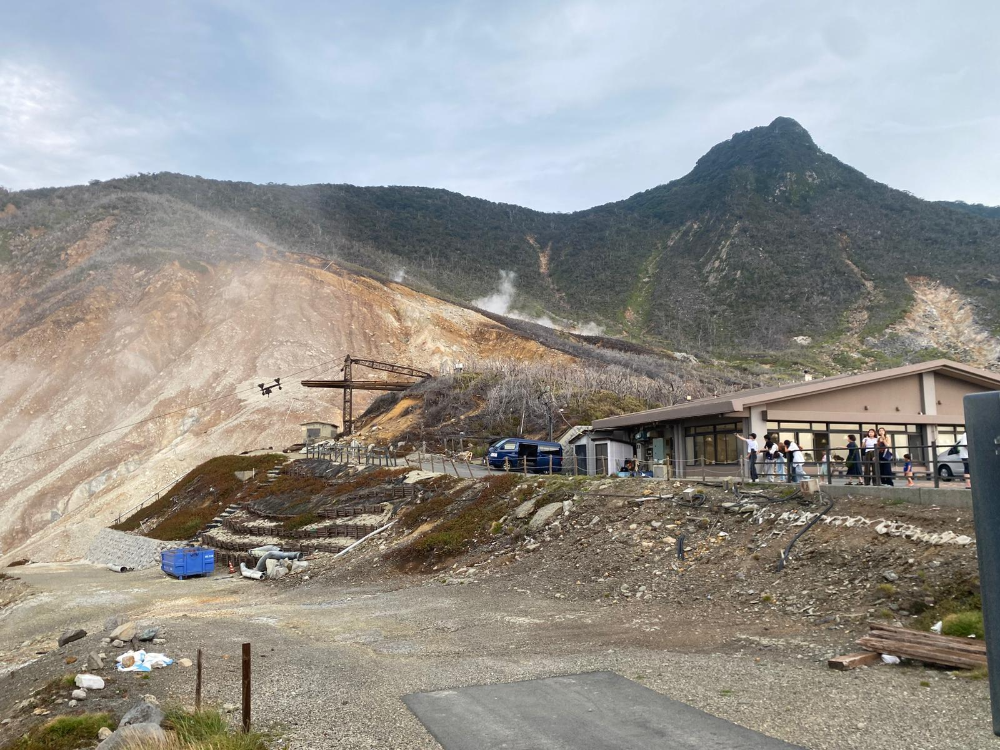
Owakudani smoking hot springs area – Credits: Stella
Years later, in the 19th century, the imperial couple visited the “Great Hell”, a frightening name for what is said to grant longevity and good fortune! The area became the “Boiling Valley”, making it less scary and more attractive for visitors and locals. It was only a hundred years later, in 1955, that Oku-Hakone Kanko Corporation started to produce and distribute the famous “Black Eggs” of Owakudani. Those mysterious eggs became an essential part of a new traditional ritual: extending one’s life by 7 years by praying to the shrine (Enmei Jizo Bosatsu) and eating one egg, a tradition that has integrated the region’s folklore, passed down for generations.
The black color of the egg is also known among believers to keep away bad spirits in one’s life. But be careful and stay reasonable! Eating more than 2 of those Black eggs is not recommended; you might reverse their granted powers. This legend is part of what makes this valley unique among its peers! However, sorry to end up spoiling your dreams of purposely being able to add years to your lifespan, but there is no scientific proof authenticating this myth. The essential part of the trip to Owakudani is to enjoy the stories, landscapes, and the unique way of cooking eggs, giving them their unnatural-looking color.
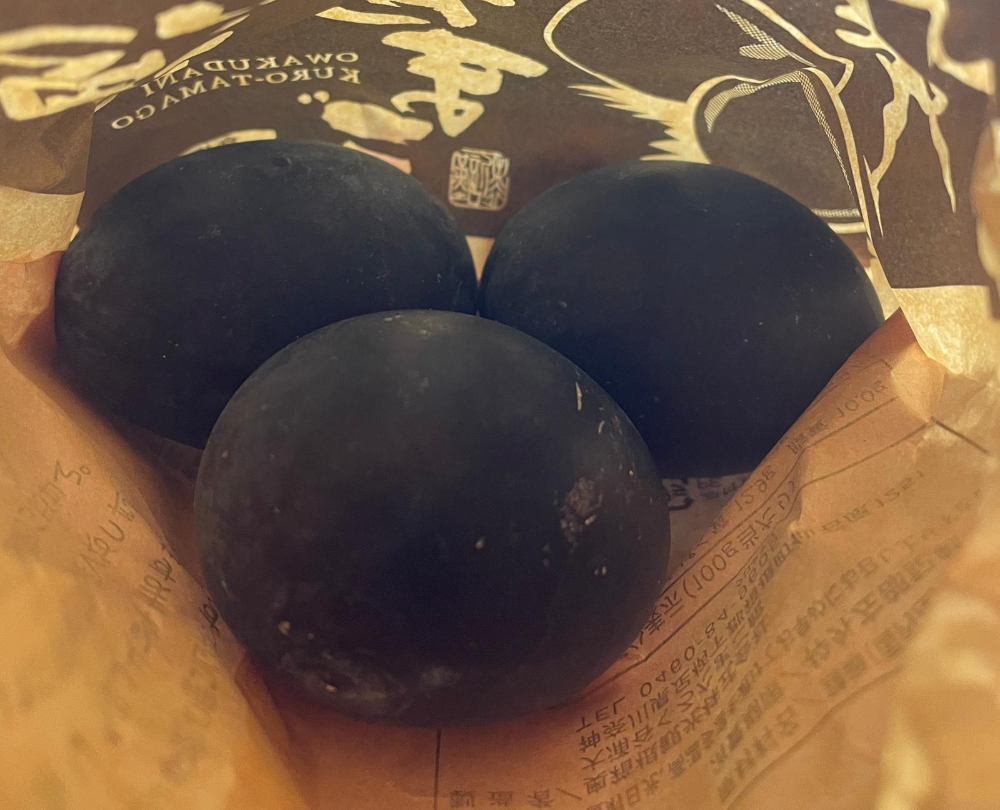
Black eggs in the package – Credits: Stella
But the question is, why are those eggs black in the first place? Unlike everything one could think of, this color is 100% natural and is the result of a special boiling method that has nothing to do with the particular environment of the site! Soaking in sulfur and iron through 80 degrees Celsius natural spring waters for an hour before being steamed at 100 degrees for 15 minutes in steel wire baskets is what gives their shells this peculiar color. Yes, only the egg’s shell.
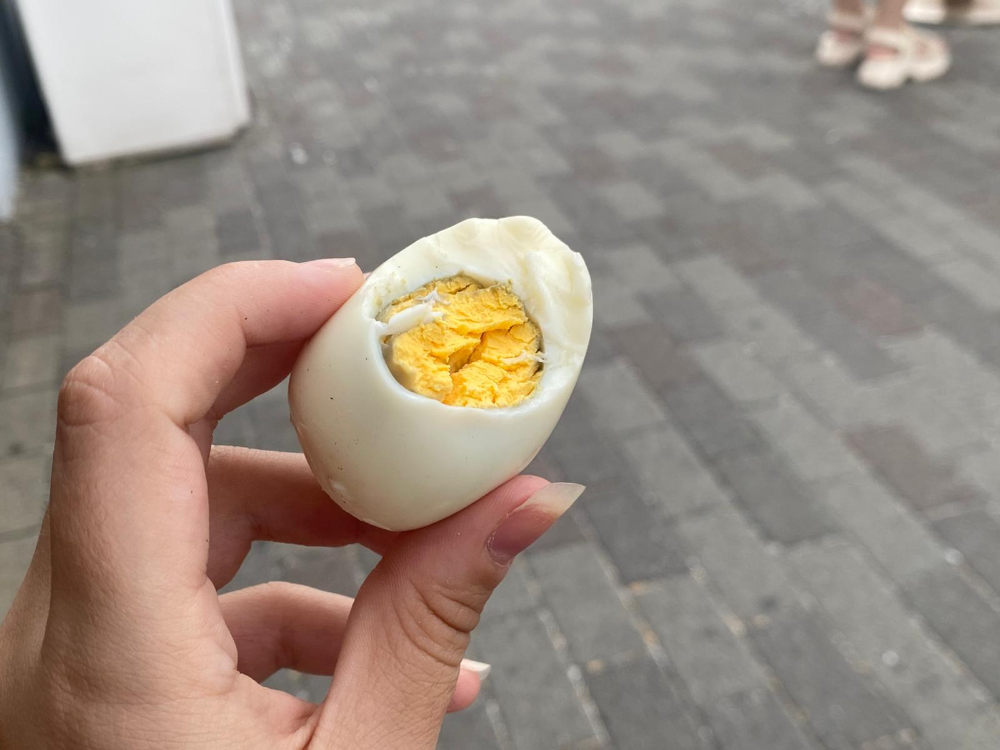
Black egg without the shell – Credits: Stella
Actually, those eggs are like any other boiled eggs inside, white and yellow. Regular eggs with tender hearts, and only small hints of sulfur blended with the eggy flavor, a bit richer in meat, salt, and minerals. The fun part of the tour is to peel their black shell away to discover a creamy and delicious chicken egg. To have the chance to experience this, you first have to reach this dangerous valley! Rocky terrain, volcanic activity, steaming pools, clinging fog, a naturally hell-looking spot, a truly mystical place in the middle of mountains that you can reach with the Hakone Ropeway from Sounzan Station! While on your way to Owakudani station, you can enjoy a stunning view of the surrounding mountains and Lake Ashi. But keep in mind that it closes at 16:30 every day. You can also go there by car, of course, but aim to arrive early; there’s a queue for parking!
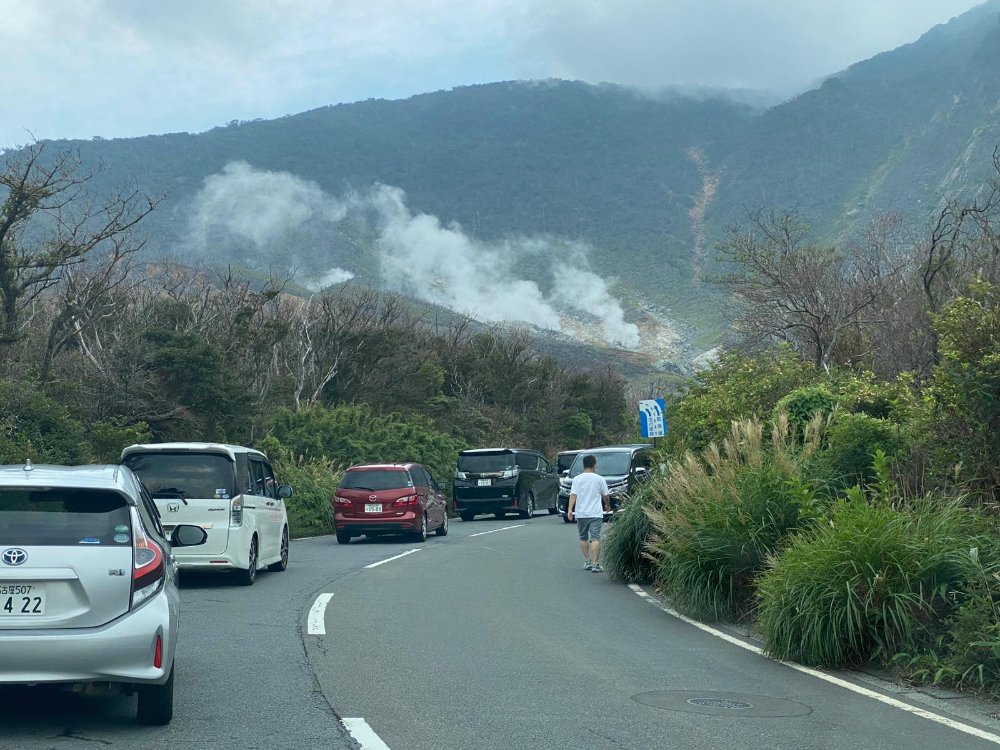
Queue for parking – Credits: Stella
If you want to visit the exact site where the black eggs are boiled and see the process, you will have to join a guided tour through the Owakudani Nature Study Path (You can contact our Tailored Travel team for help!). Visits run 4 times a day and require a reservation. However, you can explore the main station and shops freely, and admire the magnificent view of Mount Fuji on clear days, contrasting with the smoking valley behind.
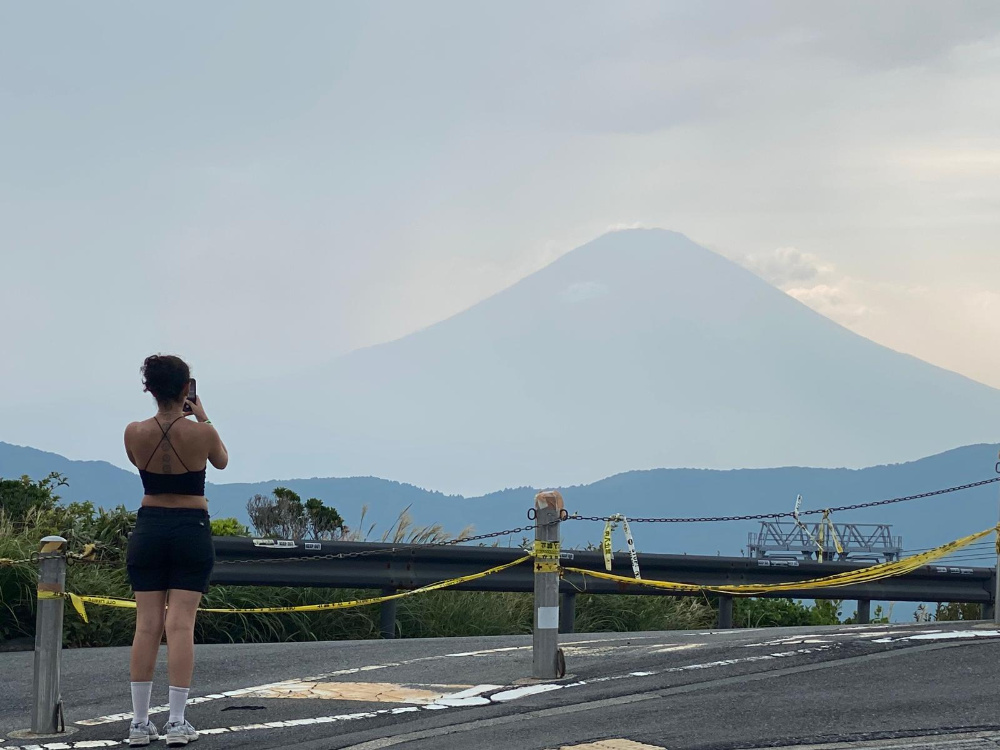
Blurred view of Mount Fuji – Credits: Stella
The shop (Kurotamagokan) is open until 4:15 pm and sells a pack of 4 eggs for 500JPY per person only. They are still warm when you buy them, as they have just been cooked down in the valley, before being transported up to the shop via the ropeway. You can also get souvenirs, tools to peel eggs, black egg-inspired merchandise, and even black-colored ice cream! And if you want to know more about this valley and its history, visit Hakone Geomuseum, near the shop!
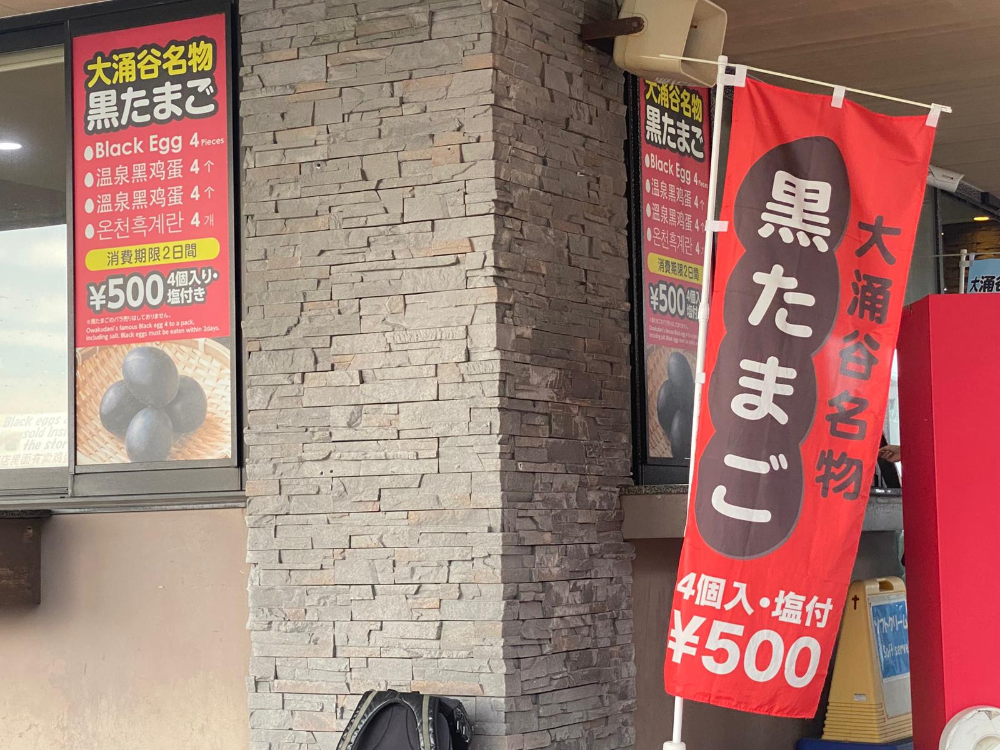
Kurotamagokan – Credits: Stella
Overall, what was once called the “Great Hell” is today a famous spot to visit, full of history, legends, and interesting chemical reactions and facts in an area host to active volcanic activities! The particular egg-boiling process is a door to scientific knowledge, blended with magical and religious beliefs that make this valley a not-to-miss spot to add to your to-do list of things to visit in Japan! You don’t want to miss the opportunity to add some extra years to your lifespan, right? For any additional information, check the Owakudani official website, which provides current news about events and the shop’s exclusive items as well as a historical overview of the area!
Featured Photo Credit: Stella
If you’d like to try these unique black eggs and experience Owakudani for yourself, don’t hesitate to reach out to our Tailored Travel team, and we’ll help you plan a perfectly curated trip throughout the area with all these wonders included!
Book your pocket wifi now to stay connected through your entire Japan Journey!

Be sure to get the JR Pass to make navigating Japan during your trip that much easier!
YOU MIGHT ALSO LIKE