IZU PENINSULA: A FAVORITE HONEYMOON DESTINATION FOR JAPANESE COUPLES
Nov 26, 2026
BY Maria Diaz
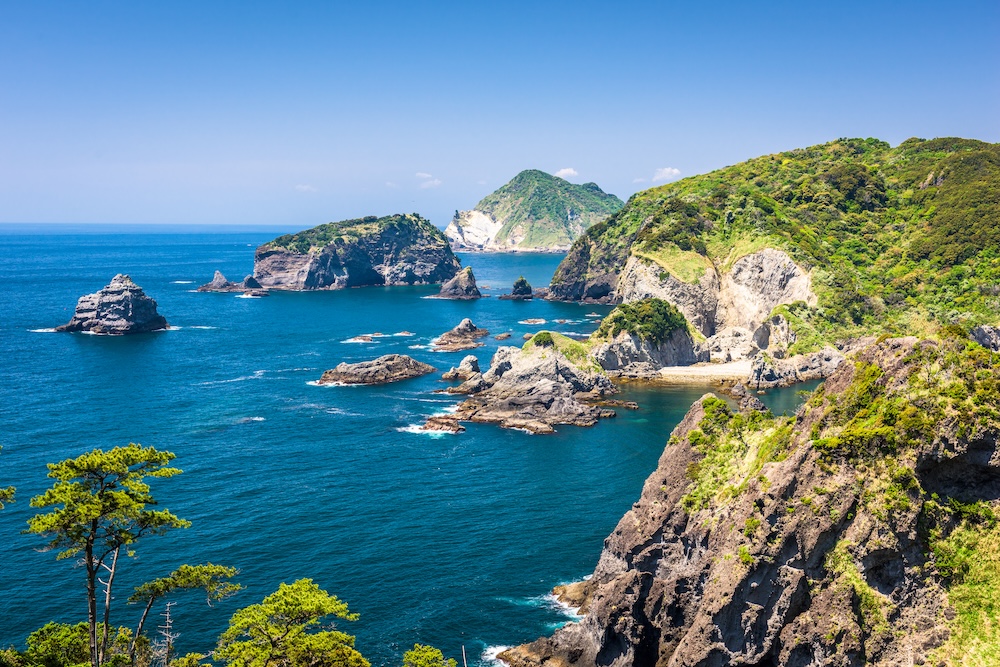
Okay, let’s be real. Planning a wedding is chaotic. You’ve dealt with seating charts, cake tastings, and your distant relative’s opinion on the flower arrangements. By the time the “I do’s” are over, what you really need is to take some holidays that feel like a reset. That’s why so many Japanese couples are choosing the Izu Peninsula. It’s not just another beach destination, It’s like Japan’s secret love letter to honeymooners. Picture this: steaming hot spring baths overlooking the Pacific Ocean, fresh seafood that melts in your mouth, and sunsets so pink they look fake. Sounds dreamy, right? Let’s dig into why Izu is the spot for newlyweds and how you can plan the perfect getaway.
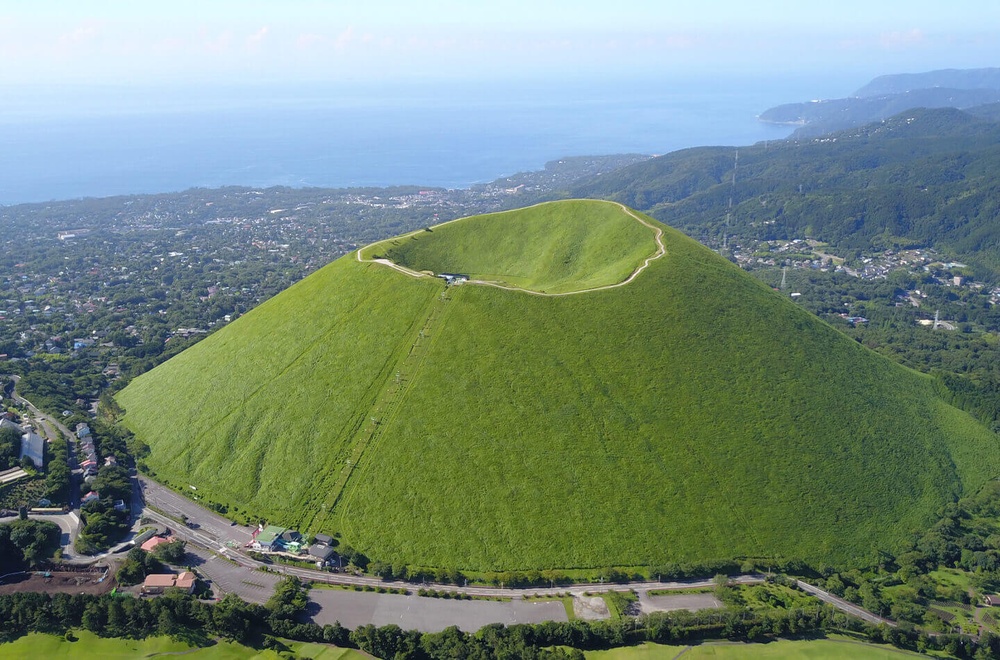
Mt. Omuro’s grass-covered volcanic crater – Photo Credit: Omuroyama
First off, Izu is really close to Tokyo. We’re talking about a 2-3 hour train ride. You don’t want to spend your first day as a married couple stuck on a 6-hour bullet train. You want to get there fast, drop your bags, and pop open some bubbly. But the real reason couples choose Izu is the variety. One morning you can be hiking through misty, mossy forests and by the afternoon, you’re dipping your toes in the sandy beaches. It delivers that ultimate “escape from reality” vibe, letting you completely forget about all the stress you’ve just been through.
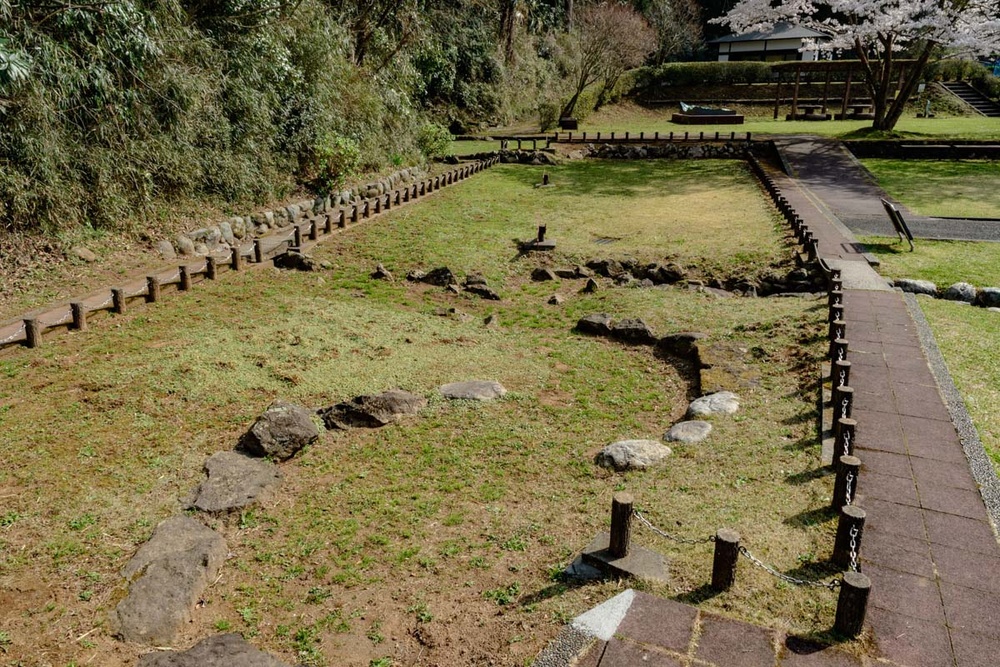
Tanna fault – Photo Credit: Izugeo
The Geology and Nature of Izu
As a land forged by fire and shaped over time, the Izu Peninsula offers a truly unique and romantic setting for a honeymoon. What makes this area unique is its dramatic origin story. About 20 million years ago, Izu was just a collection of underwater volcanoes far south in the Pacific Ocean, near where the Iwo Jima islands are today. The Philippine Sea Plate gradually pushed these volcanic islands north over millions of years. Around a million years ago, they collided with the main island of Honshu, and by 600,000 years ago, the collision had created the peninsula we know today. This epic event, known as the Izu Collision Zone, is a rare tectonic convergence that continues to shape the landscape, creating hot springs, scenic coastlines and majestic mountains. The legacy of this geological drama is everywhere. A UNESCO Global Geopark since 2018, the peninsula’s history is etched into its very stones. You can see evidence of this past at geosites like the Tanna Fault, a reminder of the area’s powerful earthquakes, and the perfectly conical Omuro Volcano, an extinct giant that last erupted around 4,000 years ago.
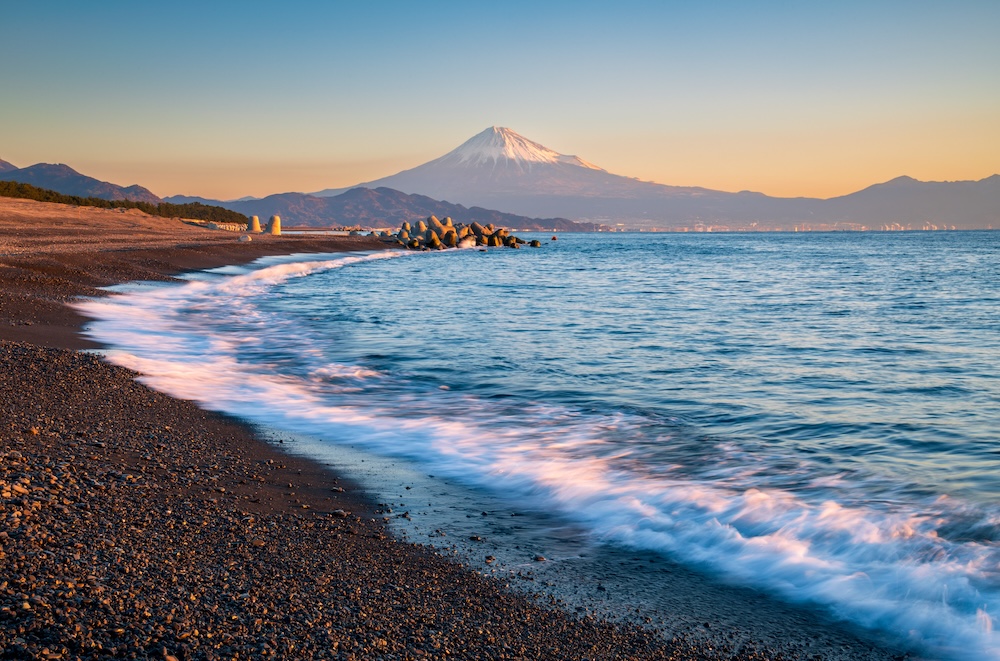
Mount Fuji with waves crashing on the beach at sunrise in Suruga Bay – Photo Credit: lkunl
The geographical diversity of Izu is a major part of its charm. The scenic coastline stretches for over 300 kilometers, alternating between steep, dramatic cliffs, and serene sand bars, featuring Suruga Bay to the west, which drops down to depths of 2,500 meters. Inland, the Izu Highlands and the central mountains, crowned by Mt. Banzaburo at 1,405 meters, offers a lush, green retreat. This varied landscape is easily accessible, being less than an hour away from Tokyo by bullet train, making it the perfect escape from the city. The region’s 13 unique cities and towns each have their own flavor, from historic Atami and Ito in the east to the white-sand beaches of Shimoda in the south and the scenic western coast facing Suruga Bay. The climate is also a blessing, with winters that are significantly milder than Tokyo’s, making it a year-round destination for relaxation and adventure.
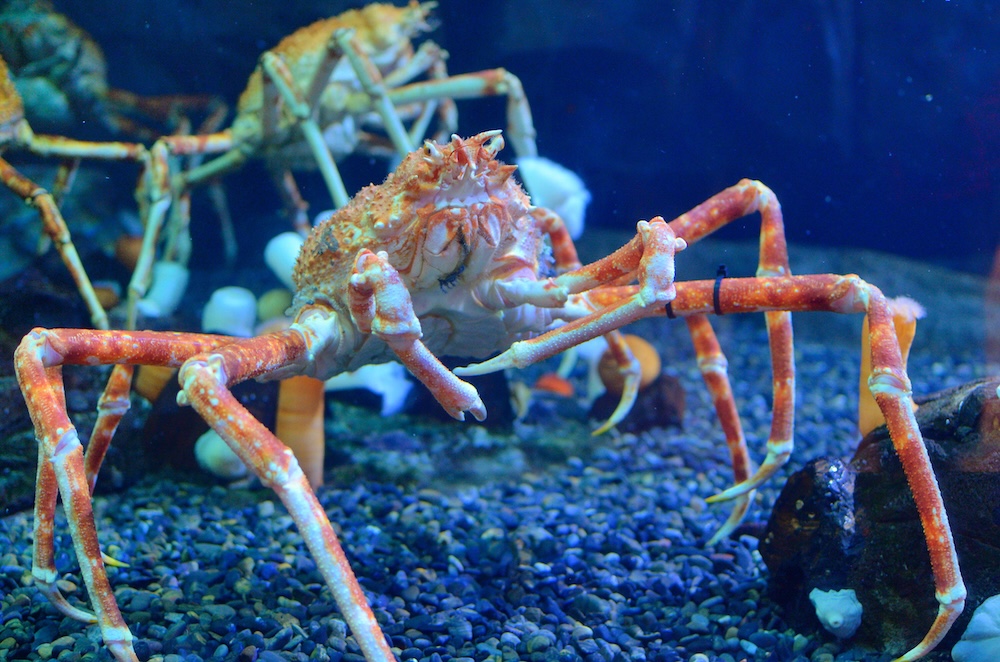
The Japanese spider crab has the largest leg span of any arthropod – Photo Credit: Sean Pavone
The peninsula’s volcanic past has also blessed it with three incredible gifts: abundant hot springs, delicious food, and breathtaking scenery. Izu is said to be dotted with some 2,300 hot springs, with the oldest bath at Shuzenji Onsen dating back to the year 807. This has created a deep-rooted onsen culture, beloved by generations, including literary figures like Yasunari Kawabata who wrote extensively about the area. The pure streams flowing from Mount Amagi provide the perfect environment for cultivating some of Japan’s highest quality wasabi, a tradition passed down for over 130 years. And the seas, particularly the deep waters of Suruga Bay, are a treasure trove of seafood. This is where you’ll find the world’s largest crustacean, the Japanese spider crab, as well as the famous and delicate sakura shrimp. The abundance of fresh seafood and mountain produce makes a kaiseki dinner in Izu a special experience for honeymooners.
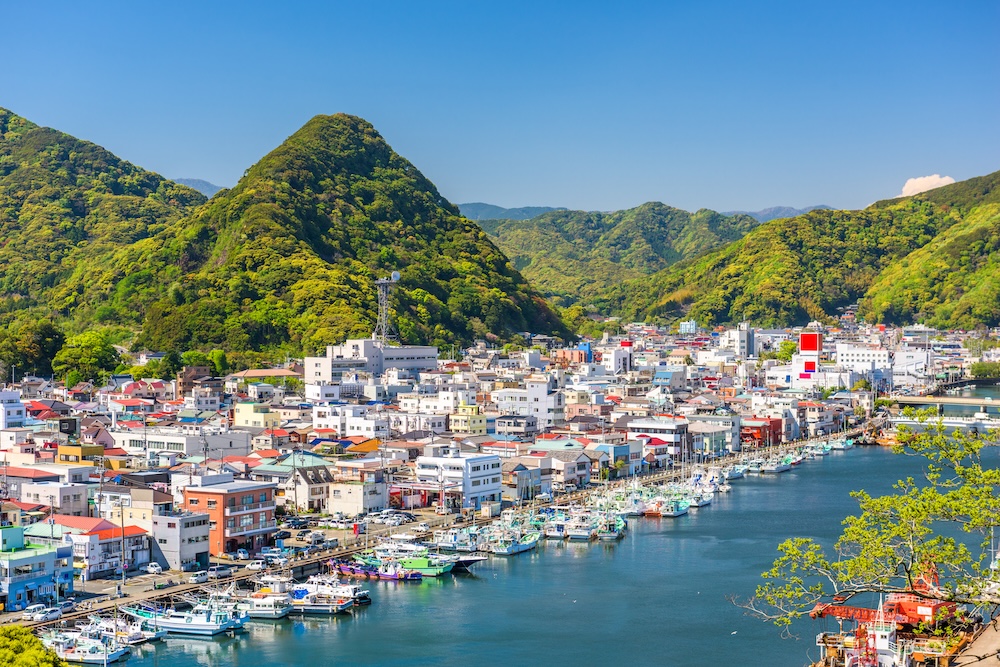
Shimoda’s town skyline – Photo Credit: Sean Pavone
A Journey Through History and Culture
Beyond the natural wonders, the Izu Peninsula is steeped in history and culture. It was from here that Minamoto Yoritomo launched the rebellion that would establish the Kamakura shogunate in the 12th century. The region also played a role in Japan’s modernization, with the Nirayama Reverberatory Furnaces, a UNESCO World Heritage site, standing as a testament to its industrial past. The peninsula is also where Commodore Matthew Perry’s “black ships” landed in Shimoda, leading to the first US consulate and ending Japan’s period of isolation. For a romantic stroll, the area offers places like the Jogasaki Coast with its ancient shrines, or Koibito Misaki (Lover’s Cape), a clifftop observation deck with panoramic views of the bay and Mount Fuji. With so much depth and history, a honeymoon in Izu becomes a journey through time itself, offering a rich tapestry of experiences that go far beyond a simple beach getaway.
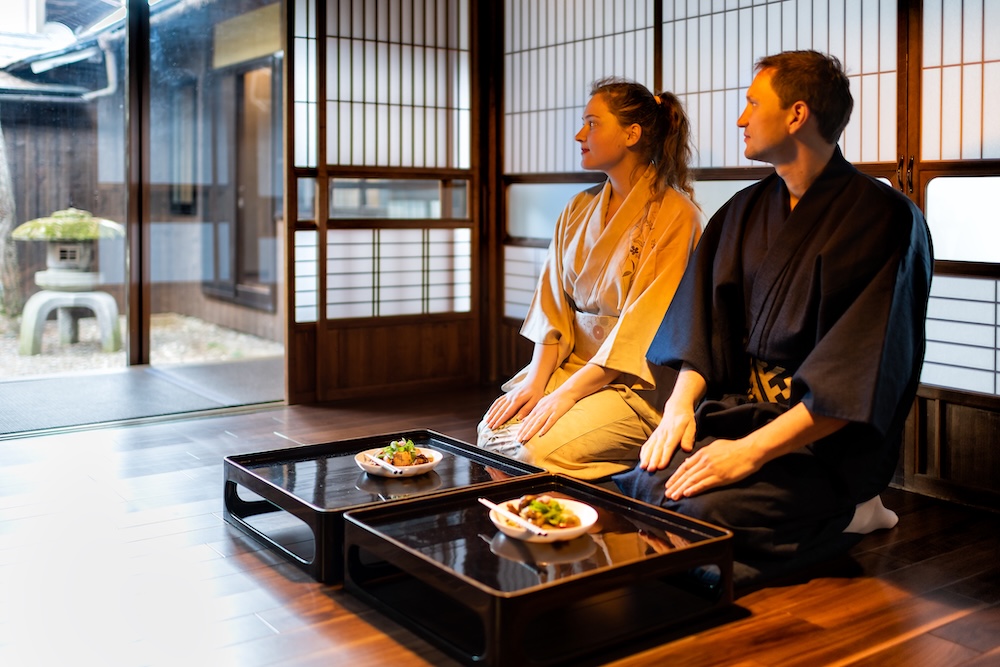
Couple sitting at the ryokan room – Photo Credit: Andriy Blokhin
Ryokan or Hotel, Where Should I Stay?
Okay, let’s talk about where you’ll sleep. On your honeymoon, the room matters a lot. A regular hotel room with a stiff bed? Hard pass. I’m sure that’s not what you’re looking for. In Izu, you stay in a Ryokan, a traditional Japanese inn. But don’t let the word “traditional” scare you. Modern ryokans are insanely luxurious.
First, the Private Onsen (hot spring). This is non-negotiable. Many ryokans have “open-air baths” attached to your room. Imagine soaking in naturally heated mineral water while listening to the waves crash below. It’s romantic, it’s relaxing, and yes, it’s clothing-optional (just the two of you!). Second, the “Omotenashi” Service is the Japanese art of heartfelt hospitality. You’ll be greeted with a warm towel and a cup of tea the moment you walk in. The staff will remember your name. They aren’t just staff; they are your hosts for the trip. Third, go for an ocean vs. mountain view. Watching the sunrise over the Pacific from your futon is pure magic. If you want forest vibes, Shuzenji is the mountain spot, but for that dramatic coastline, stick to the east coast or down near Shimoda. Finally, the Futon experience: at night, the staff will roll out super fluffy futons on the tatami floor. It’s way more comfier than it sounds, and provides really good support for a deep and restful sleep.
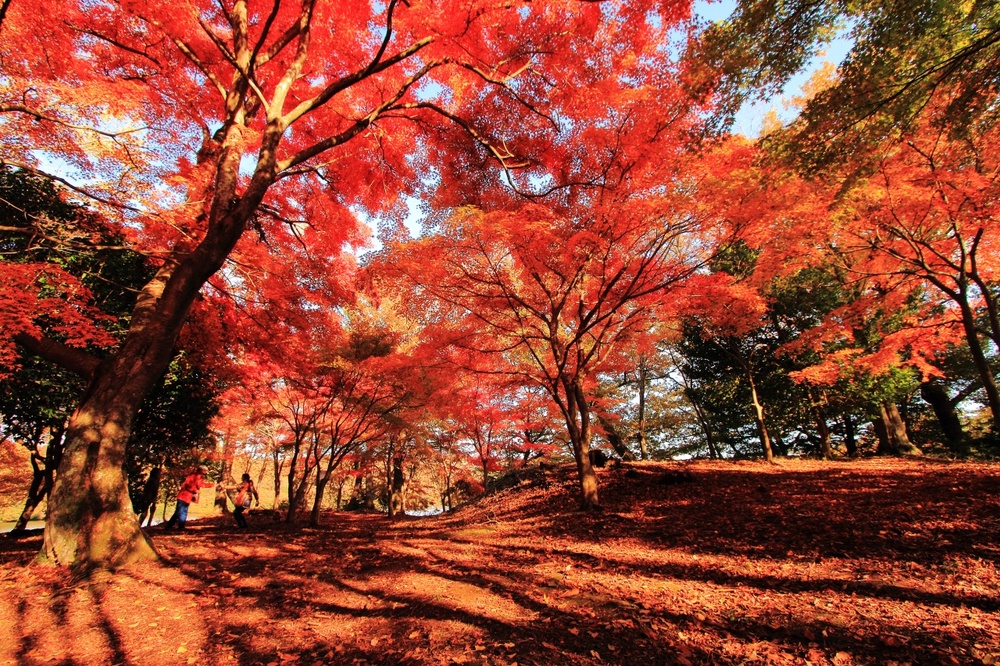
Forested hills around Lake Ippeki – Photo Credit: Ito Marinetown
When to Go?
Timing is everything. In Spring (March – May) , you get cherry blossoms, but it’s also busy. If you go in late April, you get the beautiful Mikawa Cherry Blossoms. Summer (June – August) is great for swimming, but it’s hot and humid, and you might get a rainy day or two in June. Autumn (October – November) is the golden season for honeymooners. The sky is clear, the air is crisp, and the leaves turn red and orange, perfect for scenic drives. Winter (December – February) holds a secret: it’s the BEST for onsen. Nothing beats sitting in a steaming hot bath while snowflakes fall on your head. It’s super romantic and less crowded.
Our advice: go for late Autumn (November) or early Winter (December). You get the stunning scenery and the cozy vibes without the tourist rush.
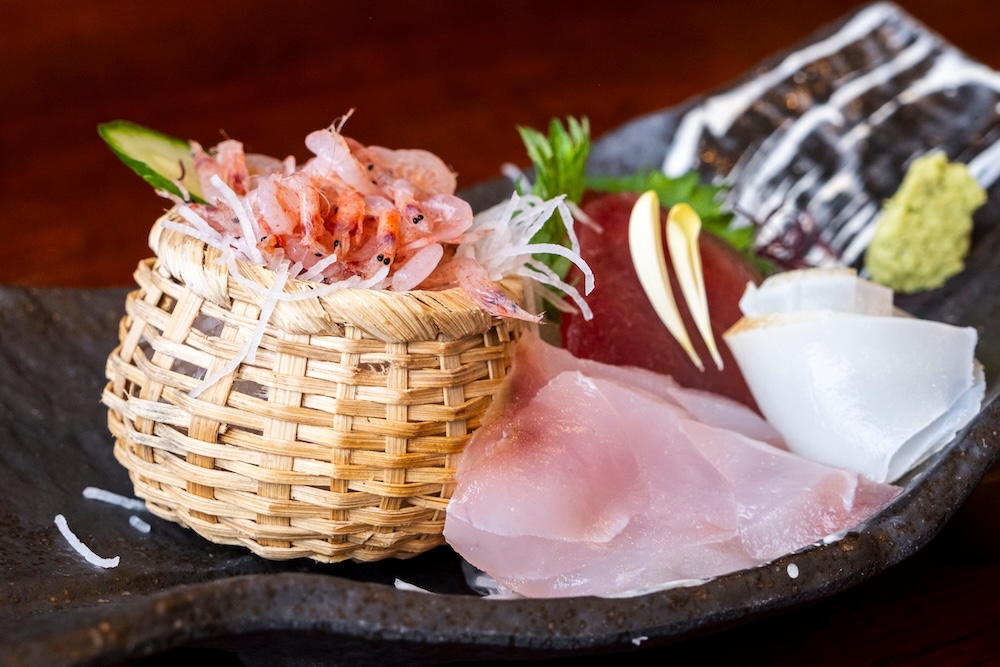
Sakura ebi (shrimp) sashimi served in a small basket – Photo Credit: Dani R.M
Kaiseki for Honeymooners
Alright, foodies, this is your moment. Dinner at a ryokan is not just “dinner.” It’s kaiseki, a multi-course feast that is basically edible art. Since the Izu Peninsula is in Shizuoka Prefecture, you are sitting on some of the best fishing waters in Japan. Look out for these dishes on your honeymoon menu: Sakura Shrimp, these tiny, pink shrimp are caught only in Suruga Bay. They are sweet, crunchy, and usually served raw or as crispy tempura. They are the “caviar” of Shizuoka. Kinmedai (golden eye snapper) is a bright red fish famous in Izu. They usually grill it with salt until the skin is crispy. The fat is so rich it tastes like butter. If you want to splurge, look for a ryokan that serves grilled abalone. It’s tender, rich, and buttery. A quick romance tip: ask the ryokan if they can serve dinner in your room instead of the dining hall. Eating this incredible food in your pajamas, just the two of you? That’s a core memory for sure.
Izu is a beautiful destination, but getting around can be a little challenging. Trains do not reach every area, and some of the best restaurants and ryokan are tucked away in places that are hard to find. That’s where Arigato Travel can help. We create personalized, stress-free trips based on what you enjoy most. Whether you’re looking for adventure, relaxation, or a romantic getaway, we’ll plan everything for you. From choosing the perfect ryokan to recommending the best local food and arranging your transportation, we take care of all the details. That means you can spend less time planning and more time enjoying your honeymoon together. Ready to plan your dream trip? Click here.
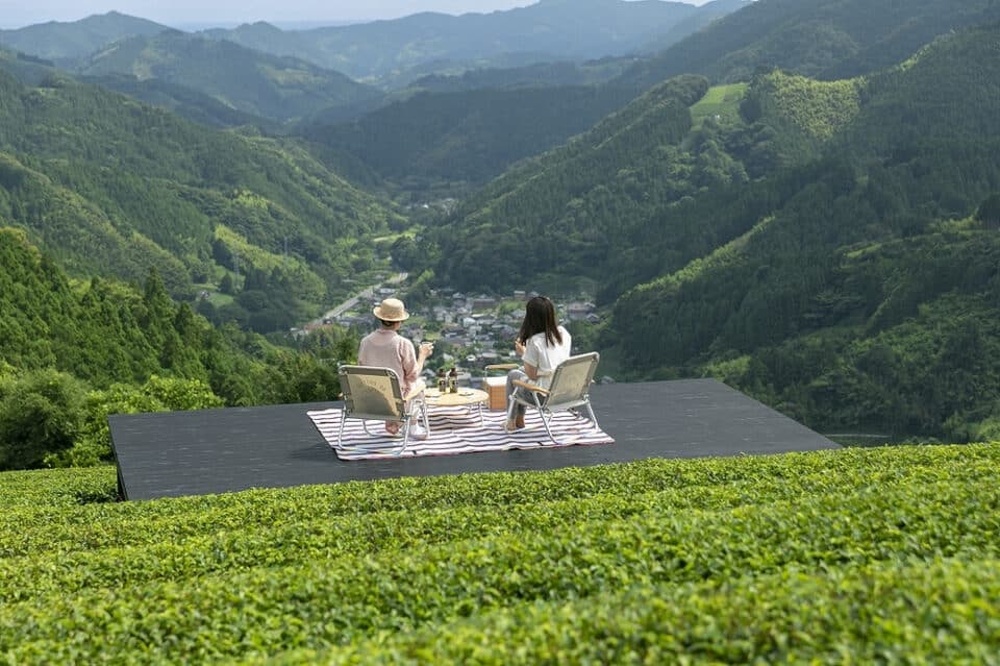
A couple enjoying the views from a tea farm – Photo Credit: Arigato Travel
The Crown Jewel: The Suruga Experience
I already mentioned Suruga Bay, the deepest in Japan, setting the backdrop right along the edge of the Izu Peninsula. Its waters are an incredible deep blue, offering postcard-perfect views of Mount Fuji. But there is so much more to Suruga than just its coastline!
Our Unique Suruga Itinerary is perfect for couples who want a bit of everything. Rather than staying put in one hotel, you’ll embark on a journey through the heart of the region. Expect hands-on experiences like wandering local tea farms, visiting the Tea Museum, trying beginner-friendly pottery crafting at Shitoro-yaki pottery, and taking a matcha calligraphy workshop exclusive to the area. Along the way, you’ll dine at local favorite spots, enjoy an artisan dinner paired with a cultural tea experience, and even have the option for a retro teppanyaki dinner.
The Luxurious Suruga Itinerary is tailored for travelers seeking the absolute best. Unwind with a private tea ceremony, pamper yourself at the tea-themed Ocha Spa, or get creative with the exclusive Matcha Calligraphy workshop. Your days end with fine dining highlighting Shizuoka’s finest local ingredients, high-end cocktail or tea pairings, and an unforgettable stay at the exquisite Waraku, complete with VIP treatment and total privacy from start to finish.
Your honeymoon is the first big adventure of your marriage journey. It’s a time to breathe, to laugh, and to eat way too much good food. The Izu Peninsula offers the perfect blend of nature, luxury, and Japanese culture. So, leave the planning and spreadsheets behind and enjoy your moment. Let Arigato Travel handle the details. You just bring your partner and an empty stomach!
Featured Photo Credit: Sean Pavone
Want to experience the ultimate romantic getaway in Japan without worrying about transit or booking logistics? Visit our Tailored Travel Page to let our team handpick luxury ryokans, private onsens, and exclusive culinary experiences for your unforgettable Izu escape.
Book your pocket wifi now to stay connected through your entire Japan Journey!

Be sure to get the JR Pass to make navigating Japan during your trip that much easier!
YOU MIGHT ALSO LIKE