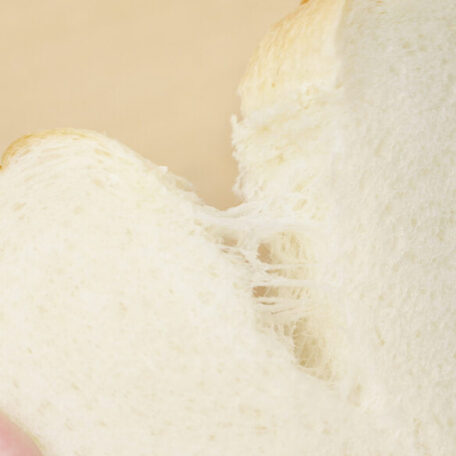
The Fascinating World of Japanese Rusk: A Crispy Adventure
Mar 12, 2026
BY Daniel Louis Jean
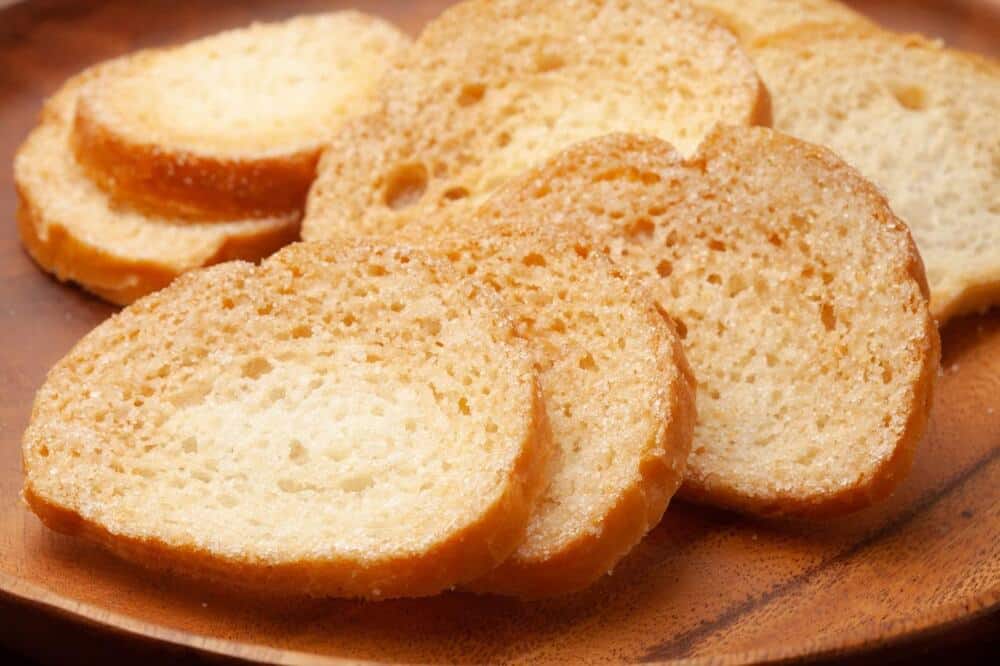
If you are a curious explorer of Japanese cuisine, you will soon find yourself immersed in the unique world of local snacks and treats. Among the many delights, there is one snack you absolutely must try: rusk.
Hold on; I know what you’re thinking. Rusk? What’s that, and why should I care? Trust me, you’ve likely already seen these crunchy morsels calling your name at airports, food courts, and malls. With packaging that ranges from elegantly minimalist to boldly extravagant, they are hard to miss and even harder to resist. So, without further ado, let’s take a deep dive into the fascinating world of Japanese rusk.
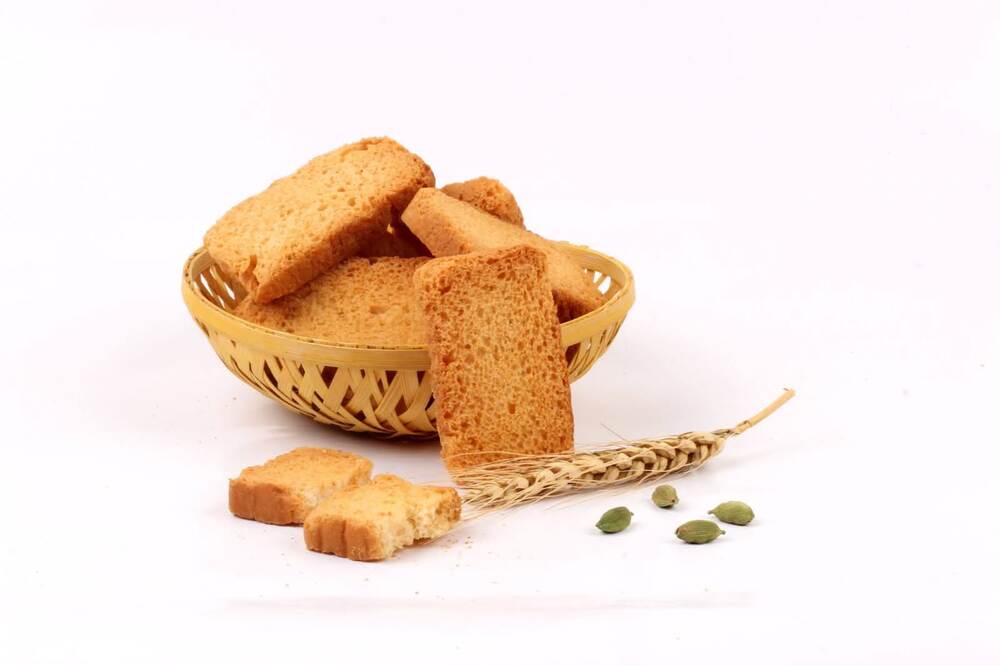
Rusk – Photo Credit: rishi07
What exactly is rusk
At its core, a rusk is a hard, dry biscuit or a piece of twice-baked bread. Historically, it has served many roles: a teething aid for babies, a filler for sausages, or the perfect crunchy companion for coffee and tea.
Because it can stand the test of time, rusk has a reputation for durability. Before modern preservation methods existed, these dry biscuits were essential rations for soldiers, sailors, and travelers, as they could withstand long journeys without spoiling.
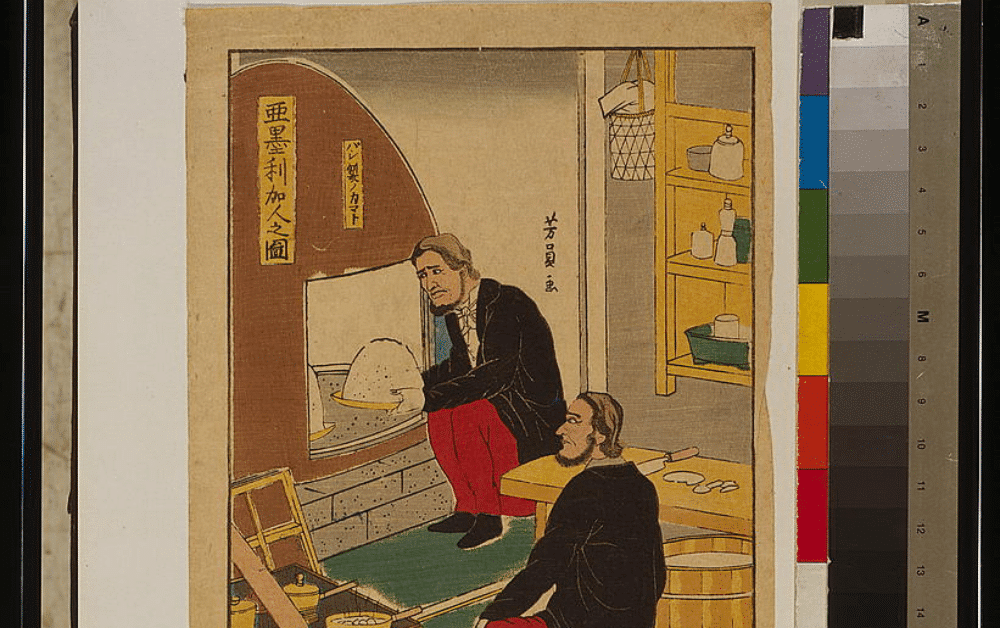
Early Japanese bakery art – Amerikajin no zu – pansei nokamato color film copy transparency – Utagawa, Yoshikazu, Active 1848-1863 – Photo Credit: artist
The journey to Japan
The origins of rusk are somewhat hazy, as many cultures have their own version. You might recognize Italy’s biscotti, Greece’s paximadi, or Germany’s zwieback. Most preparations can be traced back to Europe, where twice-baked bread created a long-lasting provision for those needing a shelf-stable snack.
But how did it make its way to Japan? While conclusive records are rare, the history of bread in Japan provides a clue. Portuguese missionaries first introduced bread during the Meiji era; in fact, the Japanese word for bread, pan, is derived from the Portuguese pão. However, during the feudal era, bread and many other European foods were largely restricted.
It wasn’t until after World War II, when the U.S. provided wheat as food aid, that bread became a staple in school lunches. By the 1980s and 90s, bread was a regular part of the Japanese diet, and major bakery chains began producing rusk, making this crispy treat widely available across the country.
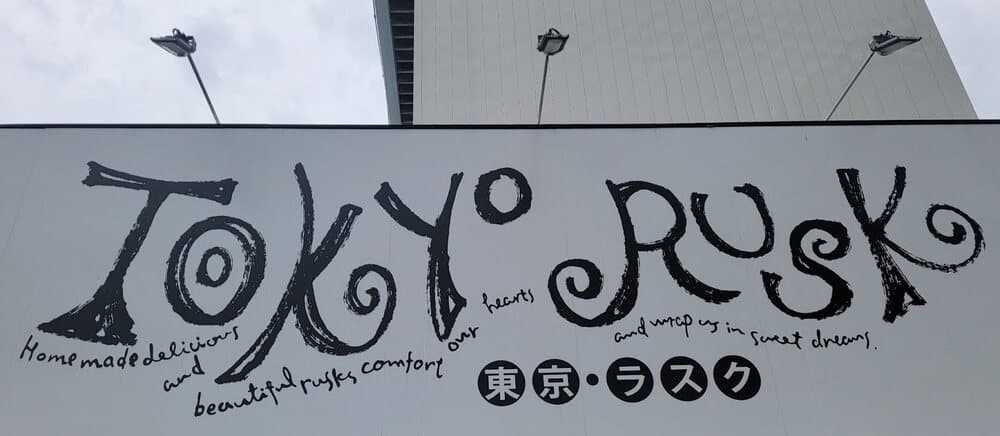
Tokyo Rusk Izu – Photo Credit: Daniel Louis Jean
Rusk in Japanese culture
Today, rusk holds a special place in Japan’s snack culture. Many local bakeries take immense pride in crafting unique versions, often offering signature textures and flavors found nowhere else. You’ll frequently find it served in cafés as a standalone treat or as a side to a hot cup of tea or coffee.
Rusk also plays a significant role in Japan’s gift-giving traditions. Known for the spirit of omotenashi (hospitality), beautifully packaged rusk sets are popular choices for omiyage (souvenirs). They add a touch of elegance to seasonal gifts and corporate exchanges alike.
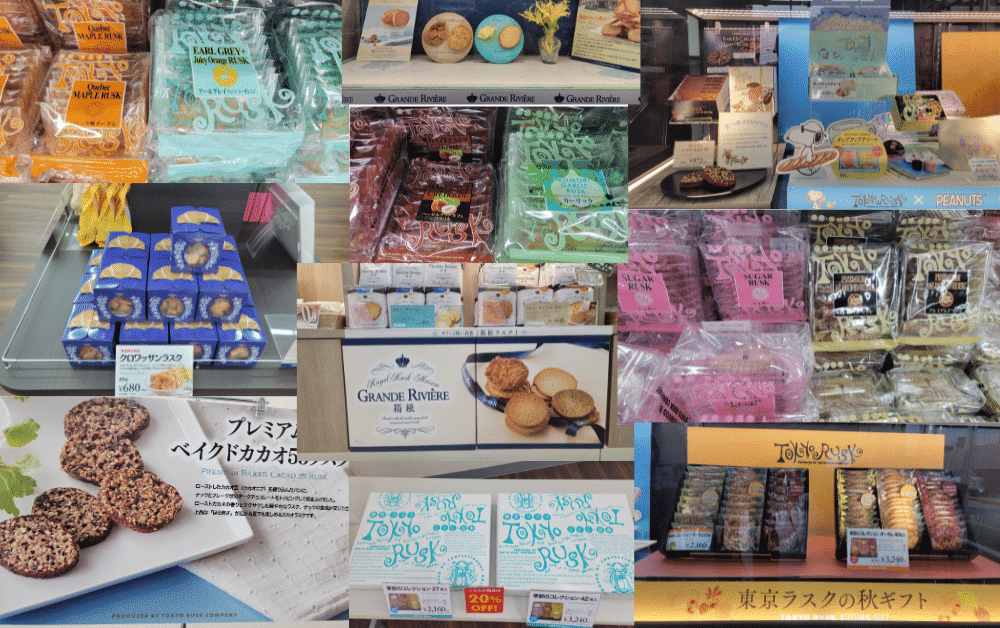
Variety of rusk flavors – Photo Credit: Daniel Louis Jean
Flavors and varieties
One of the most exciting aspects of Japanese rusk is the sheer variety. While the traditional version is usually plain or lightly dusted with sugar, Japan has expanded the palette to include almost every flavor imaginable.
- The classics: Sugar, butter, and honey.
- Fruit-inspired: Strawberry, banana, cinnamon apple, and more.
- Savory selections: Cheese, basil, garlic, black pepper, or savory consommé.
- Uniquely Japanese: Matcha, sakura (cherry blossom), and yuzu.
- Seasonal & experimental: Pumpkin spice in autumn, chestnut in winter, and even daring options like wasabi, curry, or rich chocolate-coated varieties.
If you can imagine a flavor, there is likely a rusk for it!
Popular rusk brands
While Tokyo Rusk (formerly Swiss Tei) was my personal gateway into this world, I’ve since explored fantastic offerings from brands like Ginza West, Glaciel, Berne, and LeTAO. Each brand offers a unique take on rusk, offering many flavor profiles, making it a fun experience to compare and contrast them.
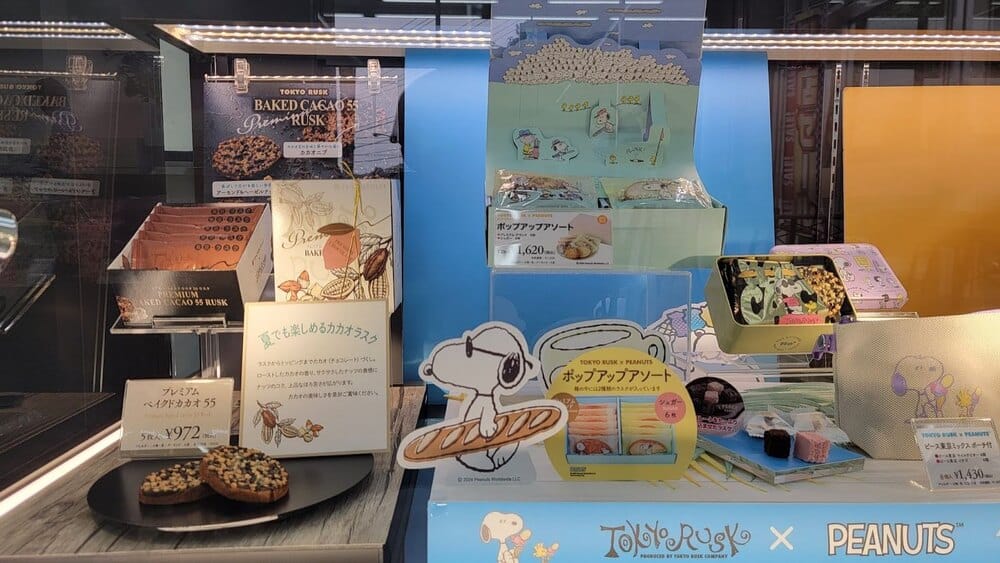
Baked cacao rusk and peanut and Tokyo rusk collaboration – Photo Credit: Daniel Louis Jean
As with much of Japanese cuisine, rusk continues to evolve. Recent trends include collaborations with famous chefs and the use of premium local ingredients. For the health-conscious, some bakeries now offer low-sugar or whole-grain versions, making it a relatively light alternative to other sweets.
A simple snack with a rich history
From its humble beginnings as a way to use up dry bread to its current status as a beloved delicacy, rusk exemplifies how Japan transforms foreign concepts into something uniquely its own. It is a testament to the nation’s innovative culinary spirit, taking a durable, functional ration and turning it into a cultural phenomenon.
As I sit here munching on a matcha rusk, I can’t help but smile. Whether you’re a seasoned snack aficionado or a curious newcomer, rusk offers a delightful, crispy adventure. The next time you’re in Japan, keep an eye out for these enticing treats. Will you choose a classic butter rusk or dare to try a wasabi-infused variety? Whatever you pick, you’re in for a treat. Happy snacking!
Featured Photo Credit: sasazawa
Planning a trip to Tokyo? Check out our full list of Tokyo Tours to discover incredible food and hidden gems across the city!
PIN THIS FOR LATER
Book your pocket wifi now to stay connected through your entire Japan Journey!

Be sure to get the JR Pass to make navigating Japan during your trip that much easier!

YOU MIGHT ALSO LIKE