The Showa Aesthetic: Why “Old Japan” Is Trending Again
Jul 13, 2026
BY Brad Stephens
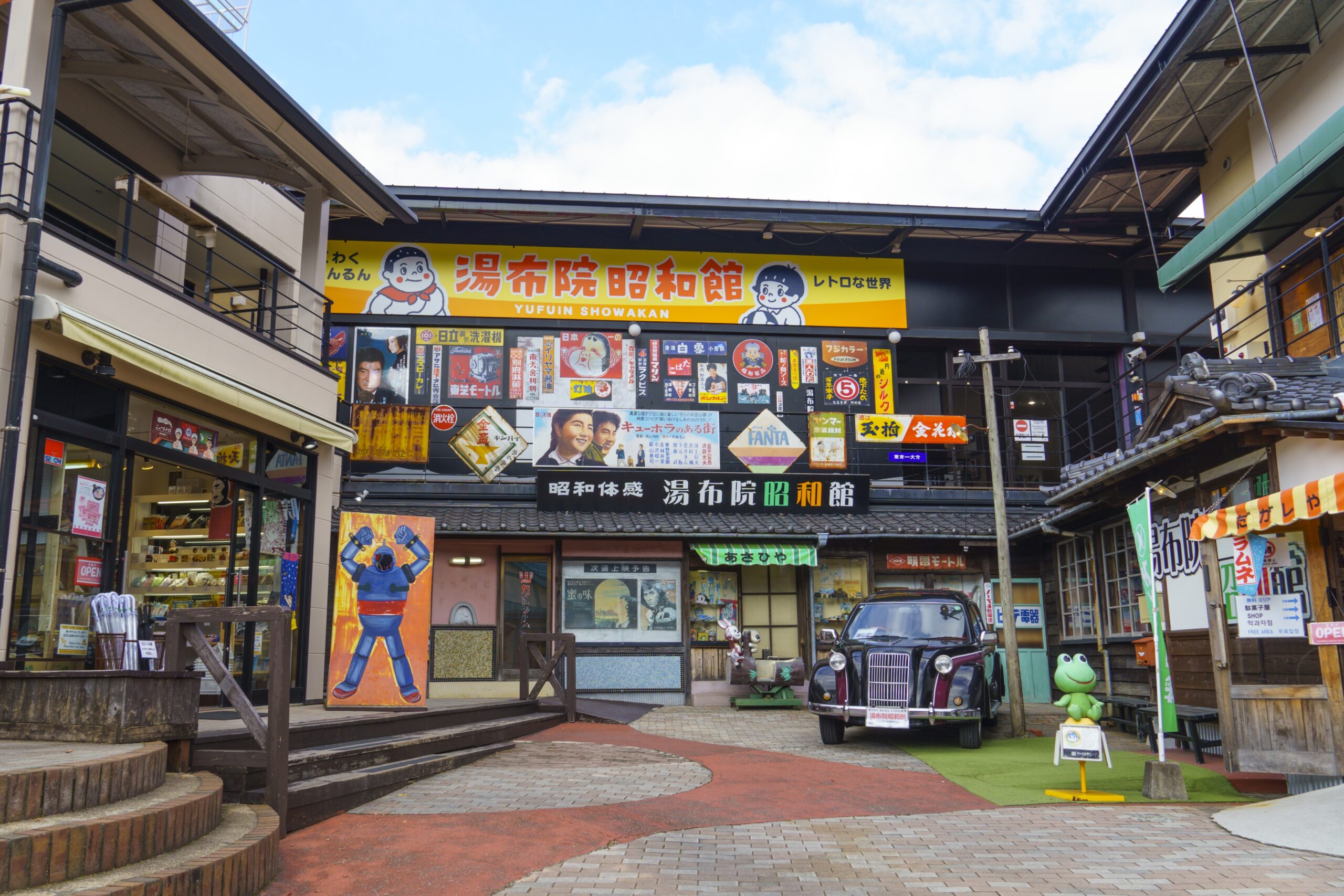
Step into a quiet shopping street at dusk. A flickering neon sign hums above a coffee shop window. The air smells faintly of tobacco, soy sauce, and rain on concrete. This is the Showa aesthetic, a visual and emotional time capsule that has quietly captured global attention. What was once seen as outdated or ordinary is now deeply nostalgic, stylish, and meaningful.
But why now? And what exactly are people responding to when they say they love “old Japan”?
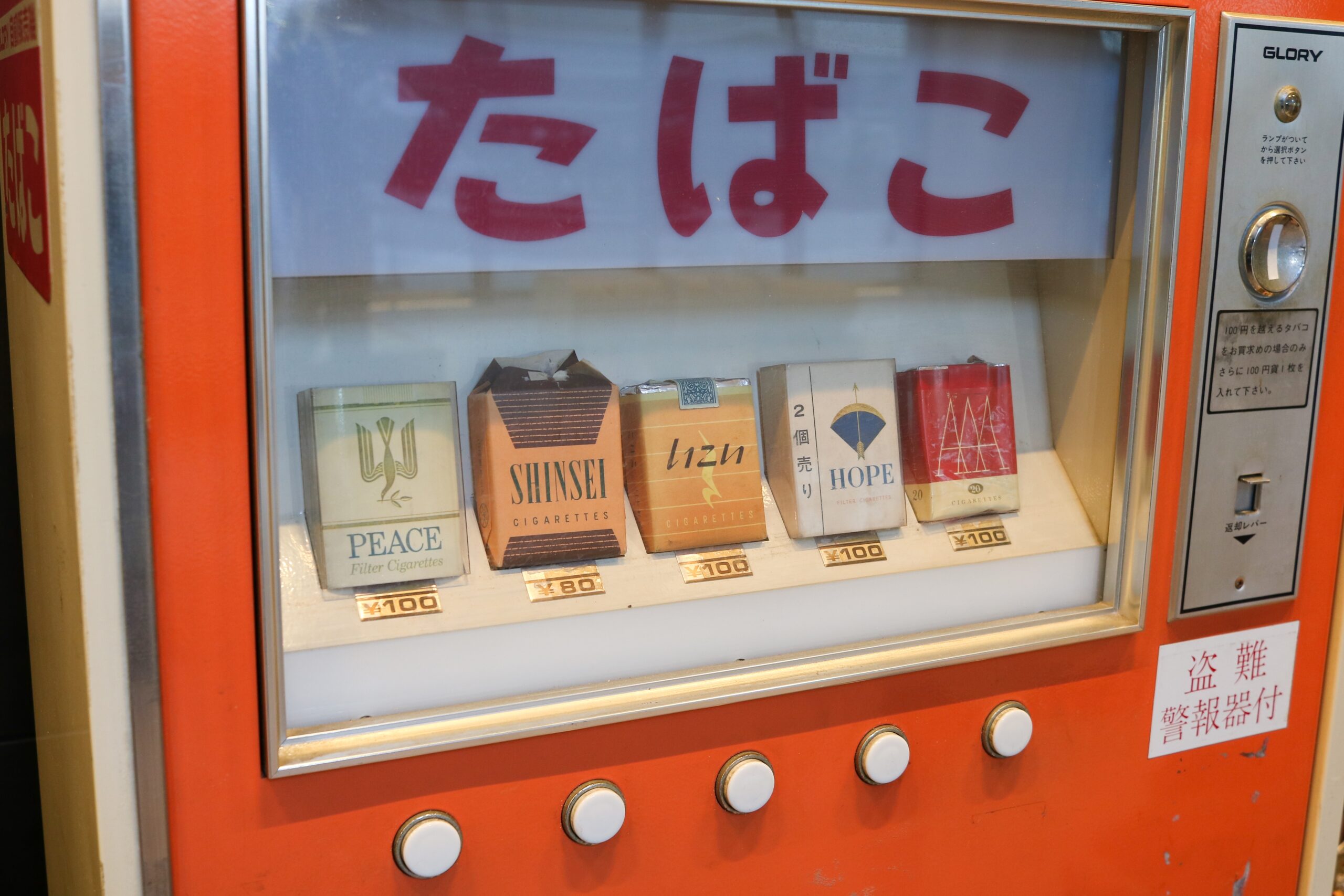
A vintage tobacco vending machine – Photo Credit: Ned Snowman
What Is the Showa Era?
The Showa era, known as Showa (昭和, era name meaning enlightened peace), spans from 1926 to 1989. It covers one of the most dramatic periods in Japanese history. The era includes prewar militarization, the devastation of World War II, postwar recovery, and the rapid economic growth that transformed Japan into a global powerhouse.
When people talk about the Showa aesthetic today, they are usually referring to the mid to late Showa period, roughly the 1950s through the early 1980s. This was a time when daily life felt grounded, analog, and communal. Technology existed, but it did not dominate attention. Neighborhoods were tight-knit, and routines mattered.
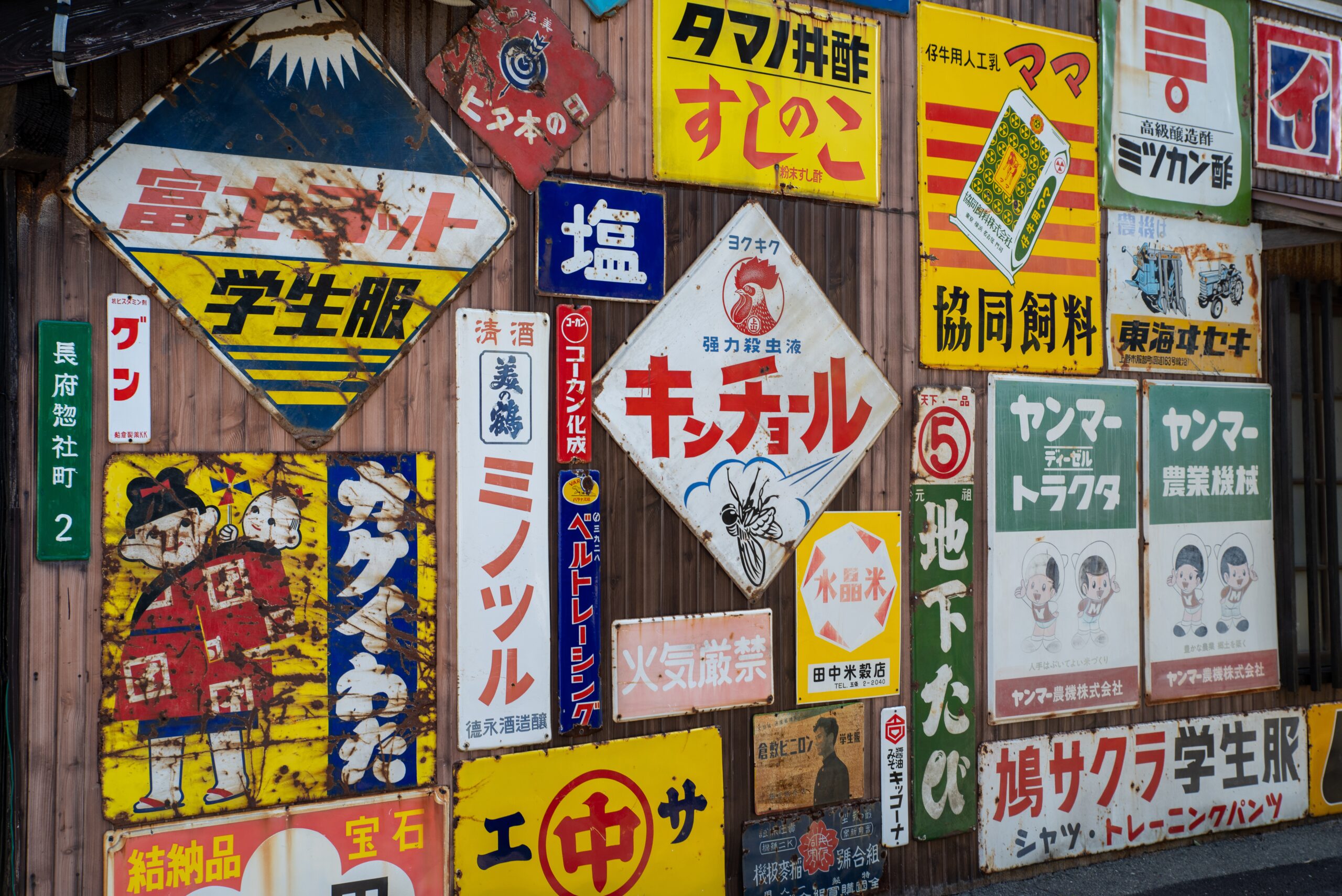
Signs from the Showa era – Photo Credit: TETSU Snowdrop
The Visual Language of Showa Nostalgia
The Showa aesthetic is instantly recognizable once you know what to look for.
Streets and Architecture
Low-rise buildings with weathered facades, hand-painted signs, and narrow alleyways define the look. Areas like Yanaka in Tokyo or parts of Osaka’s Shinsekai still preserve this atmosphere. These neighborhoods were built for walking, conversation, and local business rather than speed or spectacle.
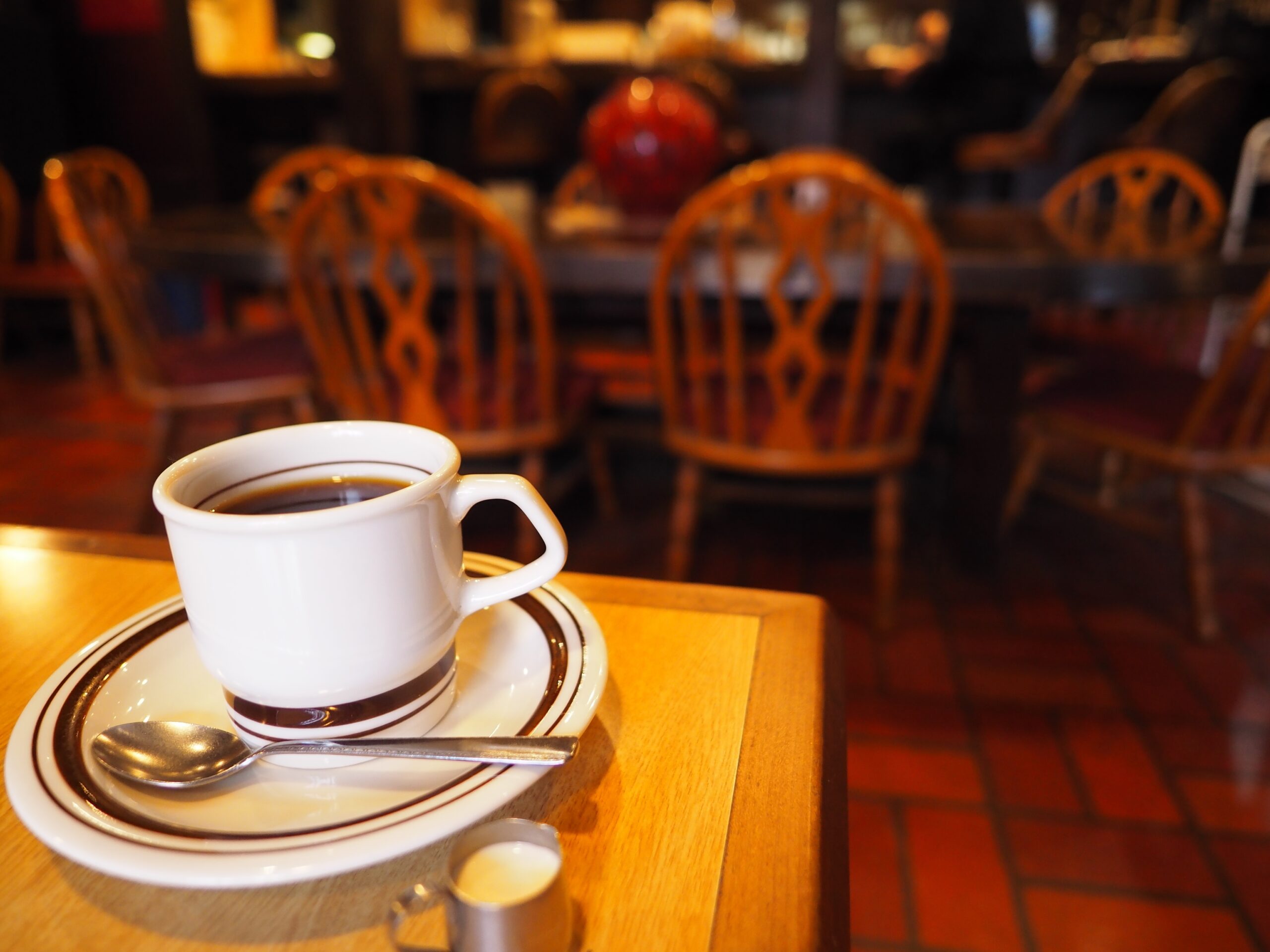
Coffee at a kissaten – Photo Credit: Kurombo
Cafes and Kissaten Culture
Traditional coffee shops called kissaten (喫茶店, traditional Japanese coffee shop) are central to the Showa mood. Dark wood interiors, lace curtains, and vinyl booths create a space that feels suspended in time. Menu staples include thick toast, siphon-brewed coffee, and simple desserts. These cafes were not designed for quick turnover. They were places to linger, read the newspaper, and talk.
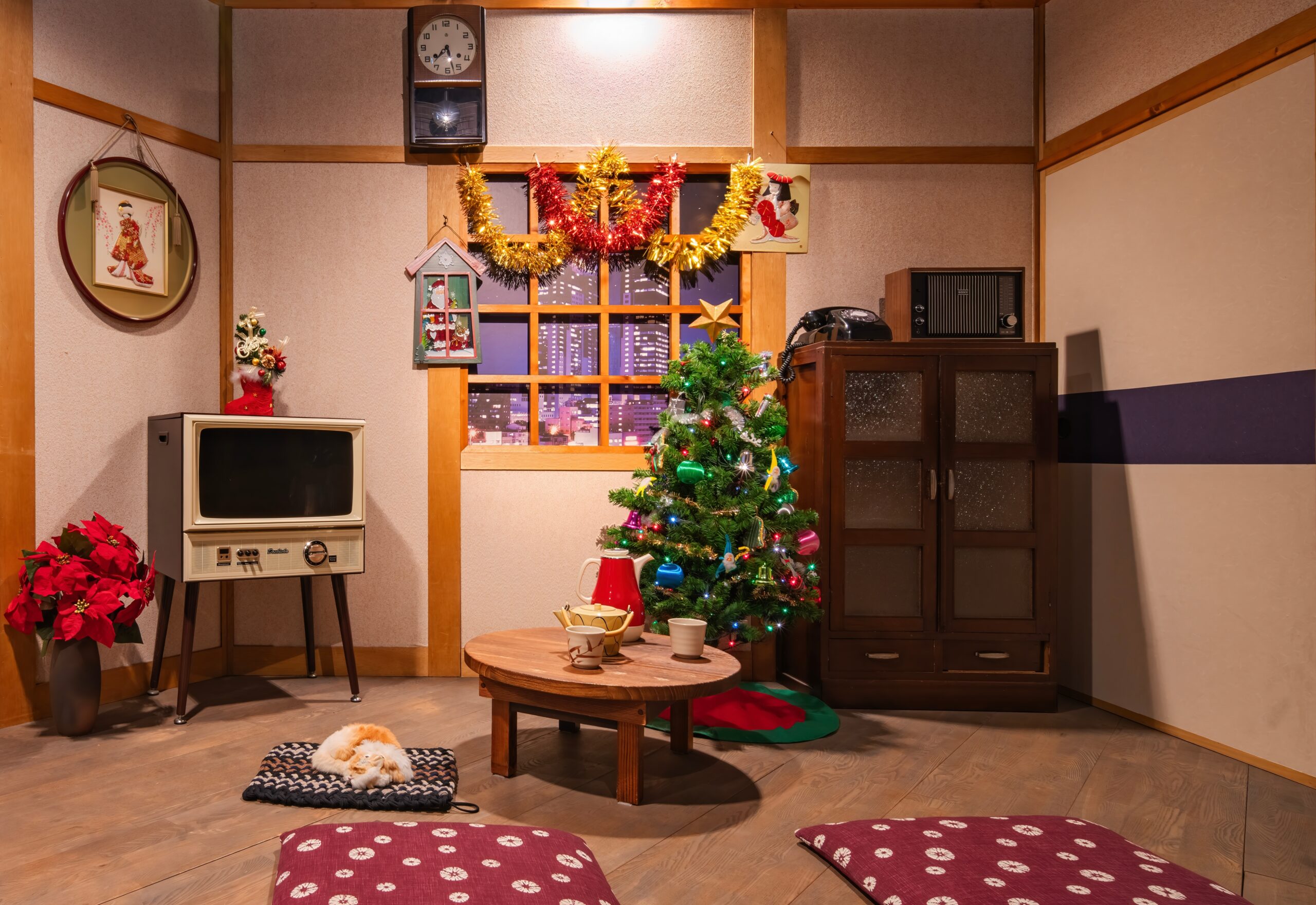
Showa themed living room – Photo Credit: kuremo
Color, Texture, and Light
Muted browns, faded greens, and warm yellows dominate Showa interiors. Neon signs glow softly rather than blindingly. Everything feels slightly worn, but not neglected. The passage of time is visible, and that is part of the charm.
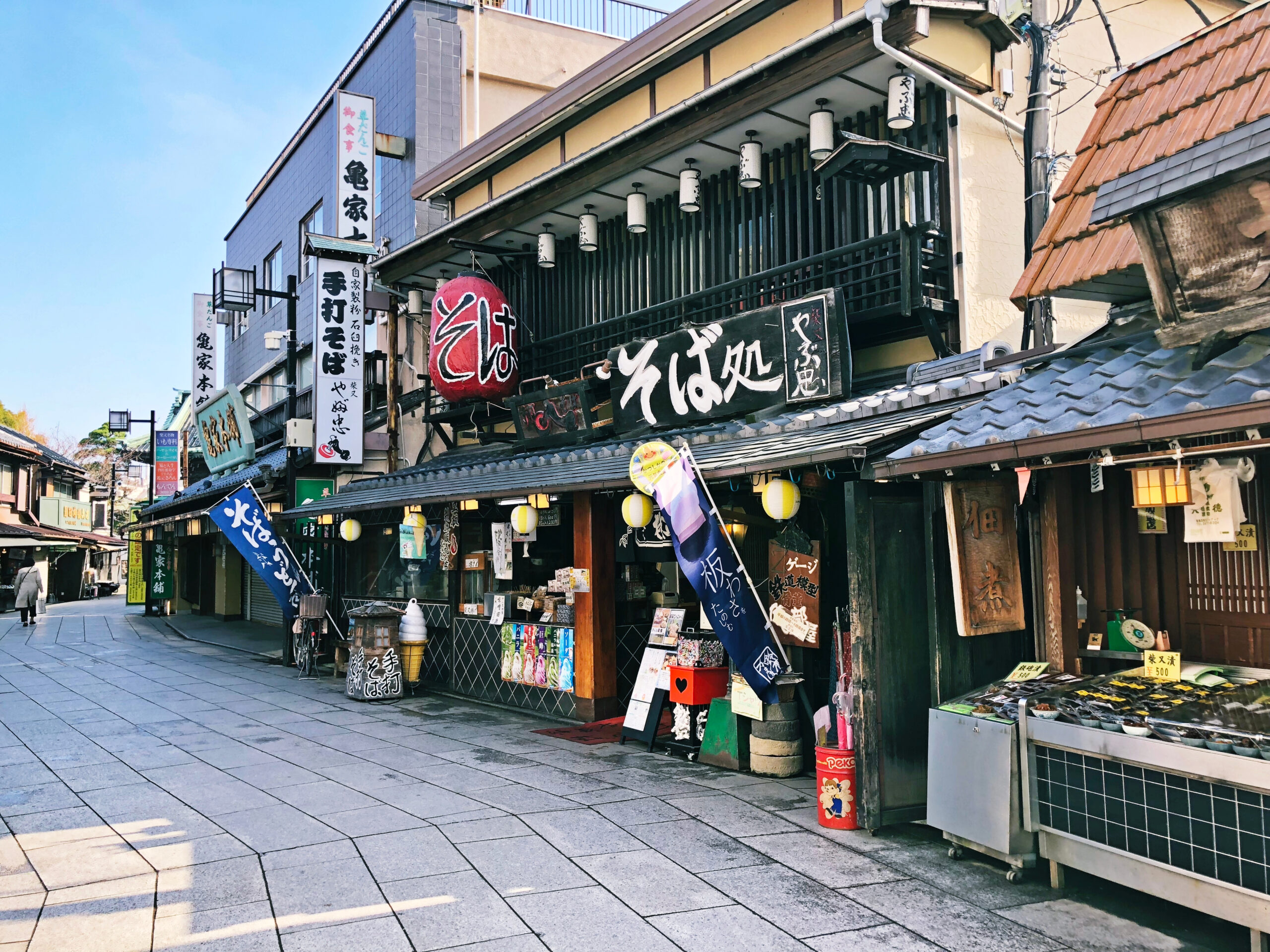
Traditional shopping street in Tokyo – Photo Credit: Opasbbb
Cultural Values Behind the Aesthetic
The appeal of Showa goes far beyond visuals.
Community Over Convenience
During the Showa era, daily life revolved around local relationships. Shopping streets known as shotengai (商店街, neighborhood shopping street) were social hubs where shopkeepers knew customers by name. This sense of belonging feels increasingly rare in a world of online orders and self-checkout.
Imperfection and Warmth
Showa spaces often feel imperfect, but human. Scratches on tables, uneven signage, and handwritten menus signal care rather than carelessness. This aligns closely with a broader appreciation for wabi-sabi (侘寂, beauty in imperfection), even if people do not consciously name it.
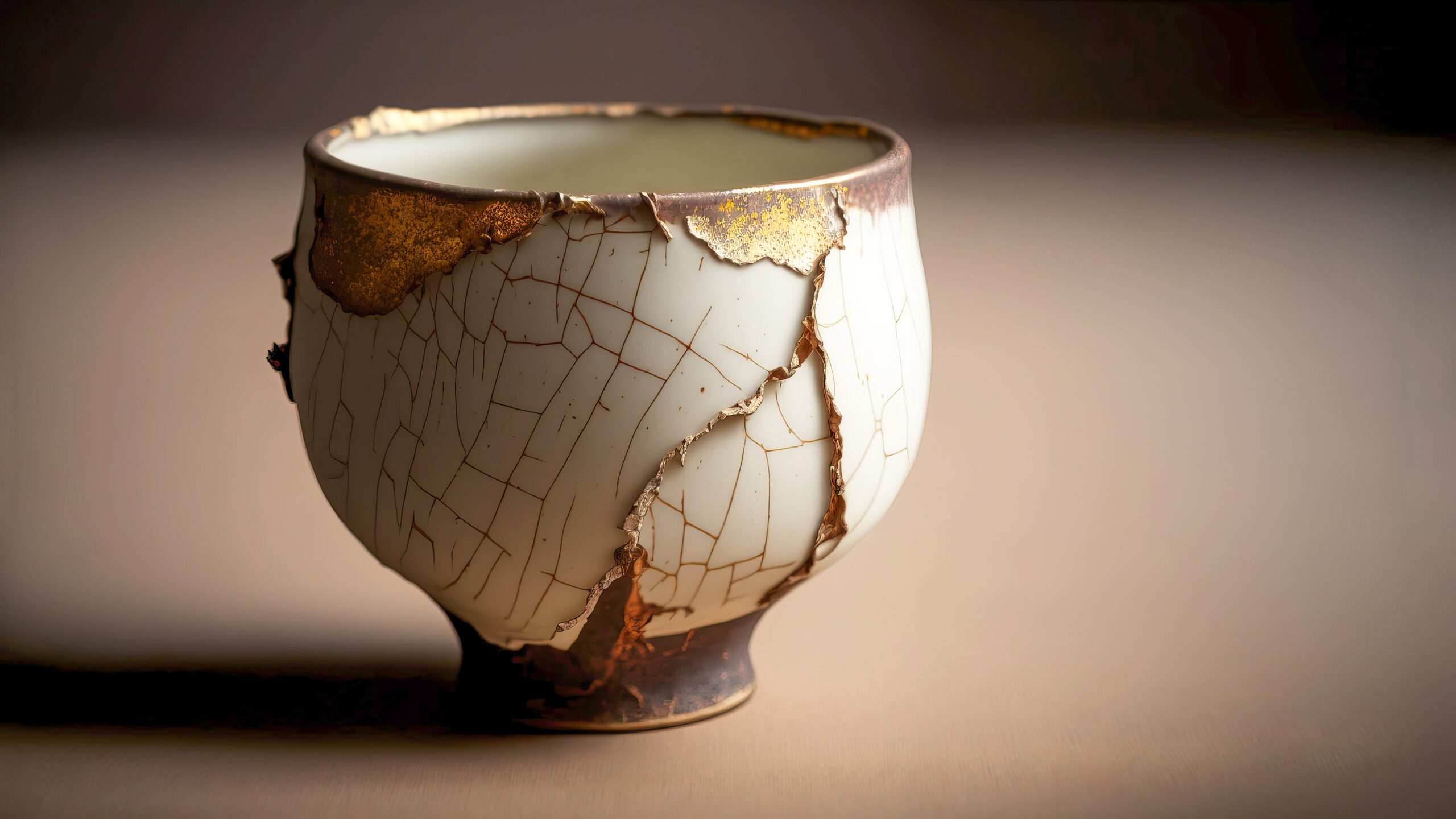
The beauty of imperfection – Photo Credit: Axel Bueckert
Slower Time
The Showa aesthetic reflects a rhythm of life that feels slower and more intentional. In contrast to algorithm-driven feeds and constant notifications, Showa imagery offers mental rest. It invites you to pause.
Why the Showa Aesthetic Is Trending Now
A Response to Digital Fatigue
As life becomes more screen-centered, analog visuals feel refreshing. Film photography, cassette tapes, and retro interiors provide a tactile experience that modern design often lacks. Showa imagery reminds people of a time when attention was not constantly fragmented.
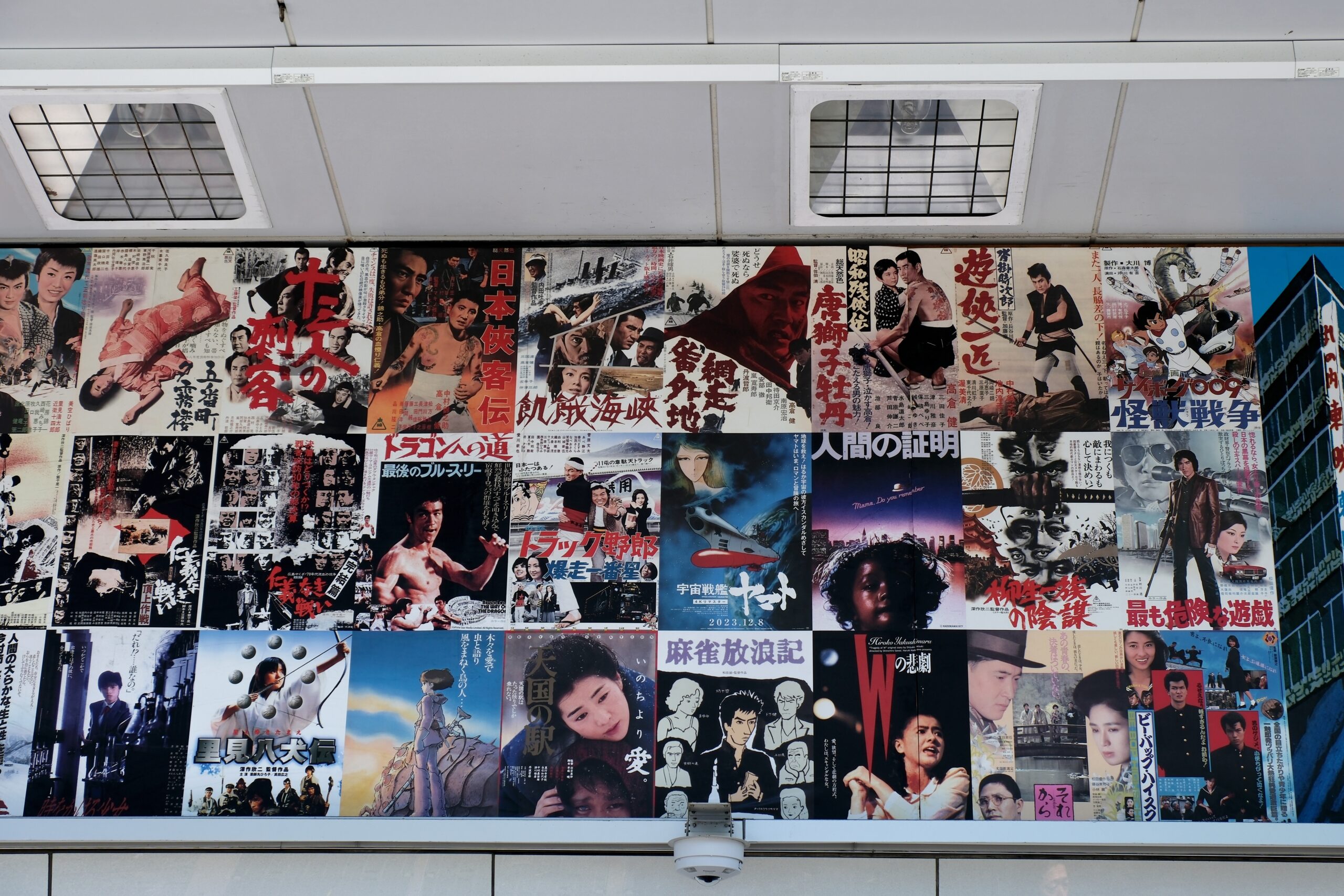
Old Japanese movie posters – Photo Credit: Hiroshi-Mori-Stock
Influence of Media and Pop Culture
Japanese films, anime, and photography frequently romanticize everyday Showa life. Works by Studio Ghibli often draw from mid-Showa settings, even when the stories are fictional. While titles vary, the recurring themes are familiar. Quiet towns, simple meals, and emotional depth rooted in ordinary moments.
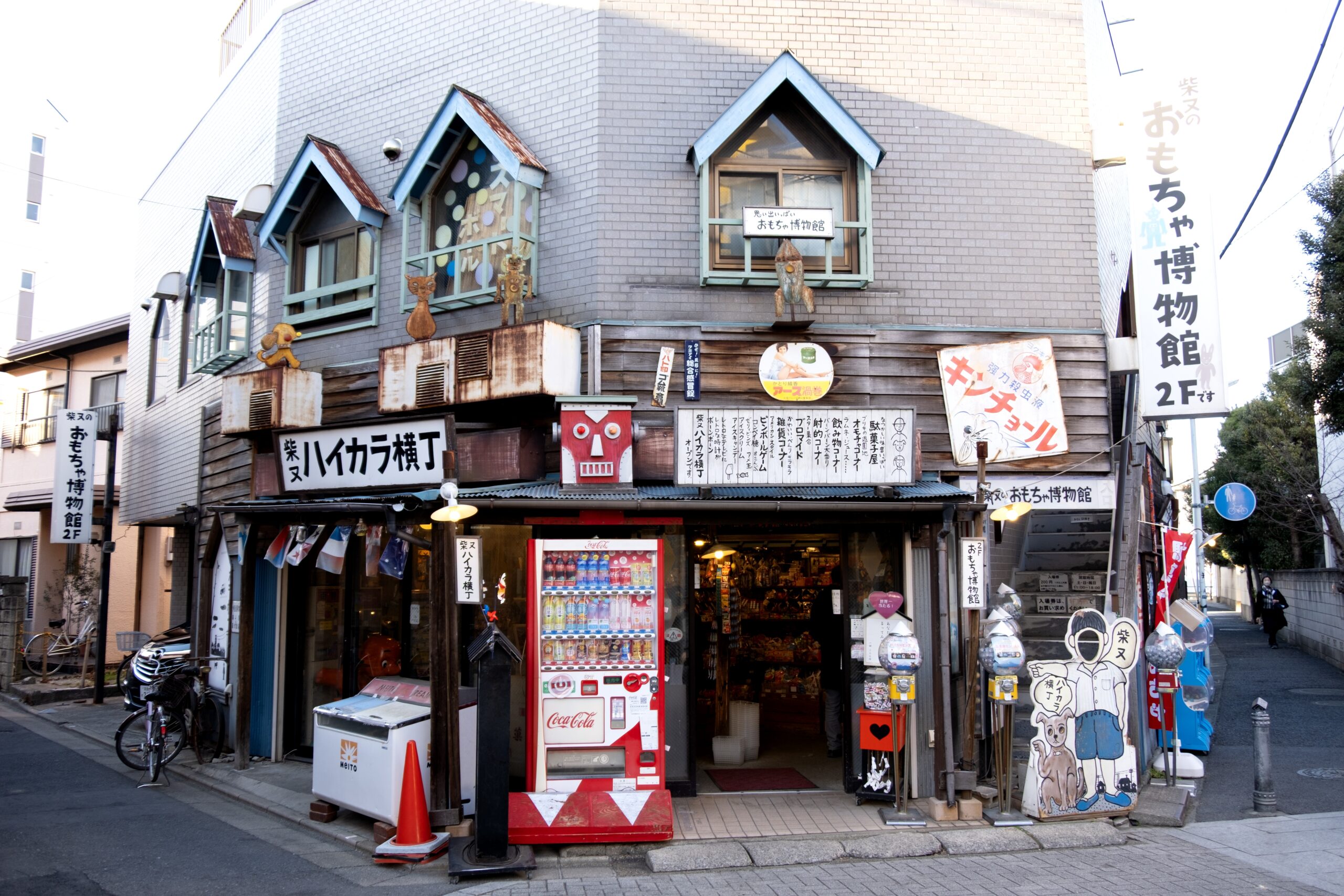
Showa themed shop in Shibamata – Photo Credit: Hiroshi-Mori-Stock
Tourism Beyond the Big Cities
Travelers are increasingly interested in rural towns and older urban districts rather than only modern city centers. Visiting preserved Showa-era neighborhoods offers a deeper cultural experience. It feels personal, lived-in, and authentic.
Seasonal Nostalgia and the Showa Mood
The Showa aesthetic is especially powerful when tied to the seasons.
In summer, cicada sounds echo through quiet streets, and fans spin lazily in old cafes. In autumn, soft light filters through wooden windows, and the smell of coffee feels richer. Winter brings steamed buns, kotatsu tables, and glowing street lamps. Spring adds faded pastel tones and neighborhood cherry trees rather than grand parks.
These small, seasonal details reinforce the emotional pull of Showa life. They make time feel cyclical instead of rushed.
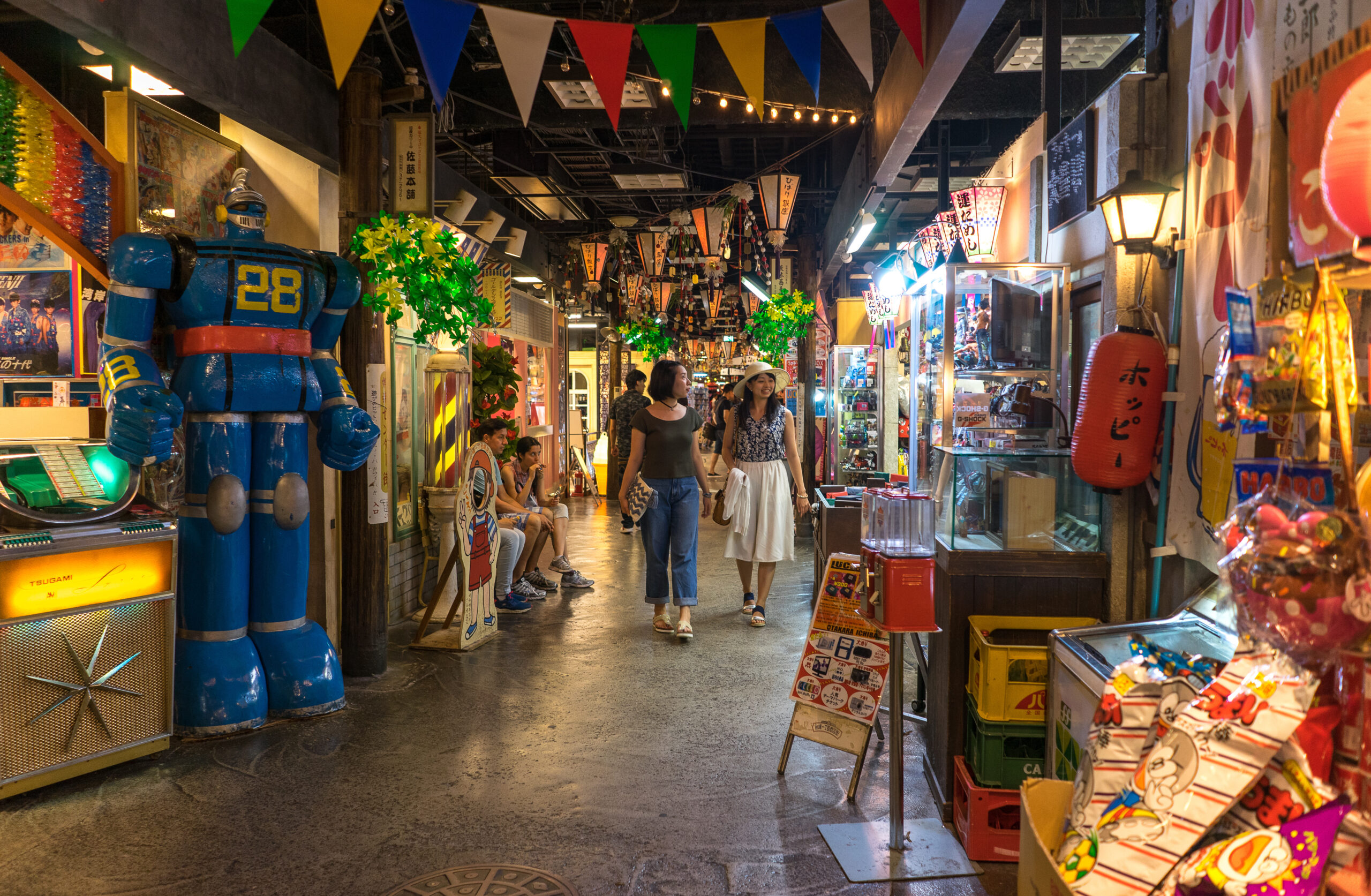
Vintage shopping street featuring merchandise from the Showa era in Odaiba – Photo Credit: Derek Yamashita
Experiencing Showa Japan Today
You do not need a time machine to experience the Showa aesthetic.
Seek out local kissaten instead of chain cafes. Walk through older residential neighborhoods rather than major commercial districts. Visit small museums, retro arcades, or preserved bathhouses. Even staying in a traditional inn in a lesser-known town can evoke the feeling.
The key is not perfection. It is presence.
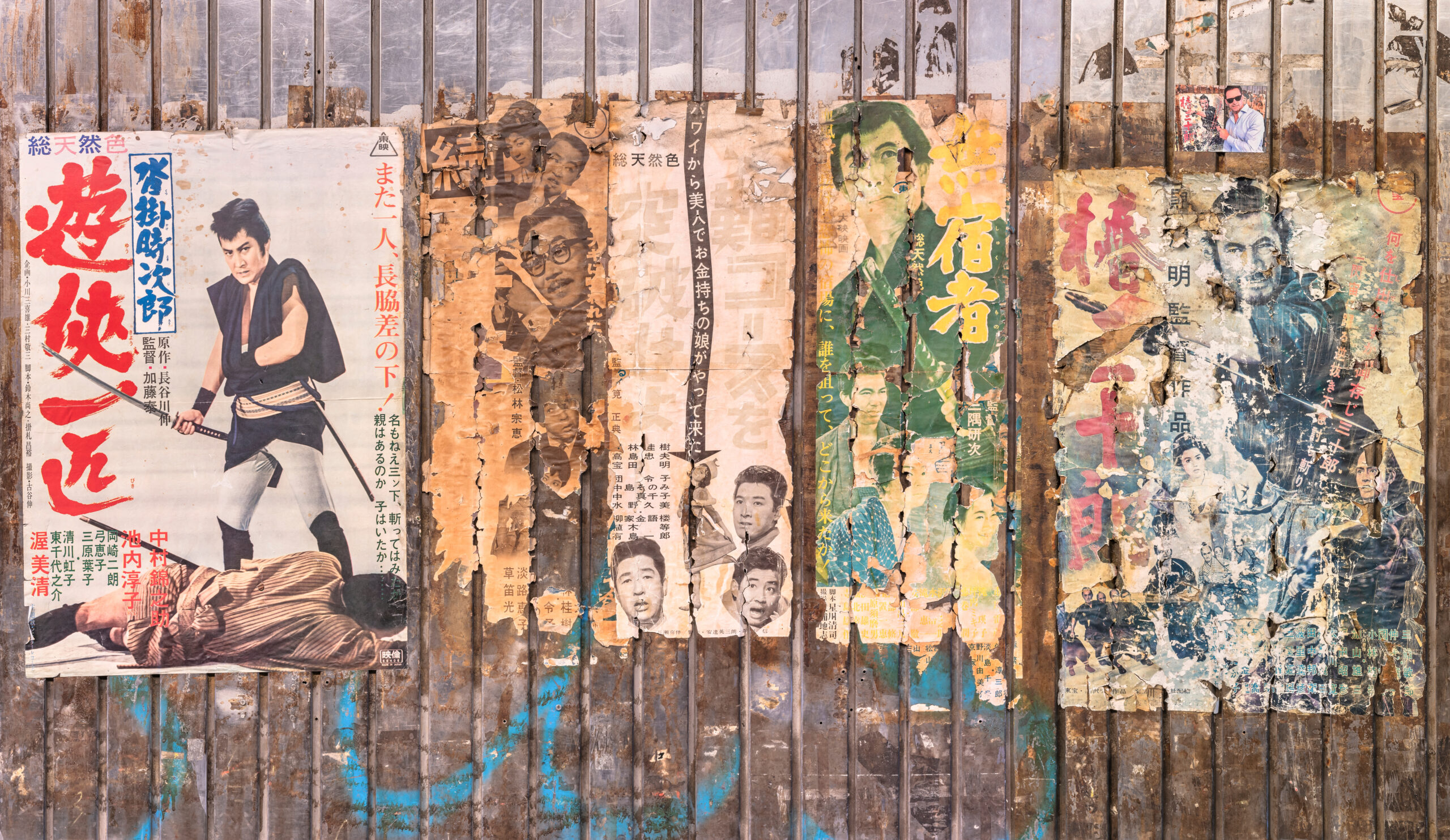
Vintage and torn old Japanese posters – Photo Credit: kuremo
More Than a Trend
The Showa aesthetic resonates because it offers something many people feel they have lost. A sense of continuity, community, and quiet joy in everyday life. It is not about rejecting modernity. It is about remembering that progress does not have to erase warmth.
In a fast-moving world, old Japan feels like an invitation. Slow down. Sit for a while. Let time pass naturally.
Featured Photo Credit: Pixel Professional
Experience the nostalgia of Japan’s Showa Era with our Retro Shibuya food tour! Dive deep into the charming past of the Showa Era!
PIN THIS FOR LATER
Book your pocket wifi now to stay connected through your entire Japan Journey!

Be sure to get the JR Pass to make navigating Japan during your trip that much easier!
YOU MIGHT ALSO LIKE