Wasanbon: Japan’s special hand-made sugar
Mar 20, 2026
BY Amit Manjaramkar
Today, crystallized white sugar is the universally accepted way to sweeten a recipe or to make desserts. While there are other forms of sweetening agents like jaggery used around the world, Japan has almost 70 different types of sugars commonly available in supermarkets. What’s more amazing is that each type of sugar has a particular utility and function and is typically used to prepare some specific recipes.
One unique to Japan is wasanbon sugar, a special delight that has long been a highlight of wagashi, or traditional Japanese confectionery cuisine. Let’s learn a bit more about the unending appeal of this hand-crafted delight produced in the Tokushima and Kagawa prefectures of Shikoku.
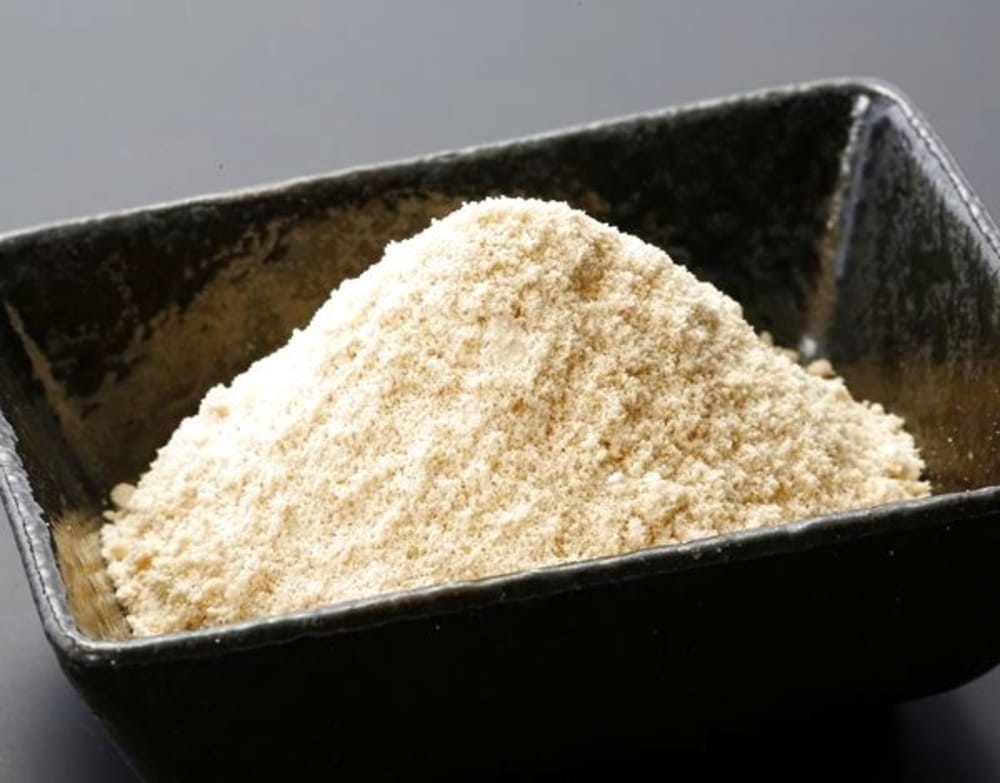
Fine wasanbon sugar that melts in your mouth – Photo Credit: 岡田製糖所, CC BY-SA 4.0, via Wikimedia Commons
A Sweet History
Sugar production in Japan began around the 16th century, during the Edo period. Imported white crystal sugar was not easily available, and the Edo Shogunate encouraged the local production of sugarcane to meet the demand for sugar. Today, Japan produces almost 15 – 20 different types of local sugar, made typically from either sugar cane or the sugar beet plant. Thanks to its distinct taste and texture, wasanbon is one of the most prized types of sugar and is mainly used in making traditional Japanese confectioneries. It may be expensive, but the flavour it adds to the sweets definitely makes it worth the hype (and money)!
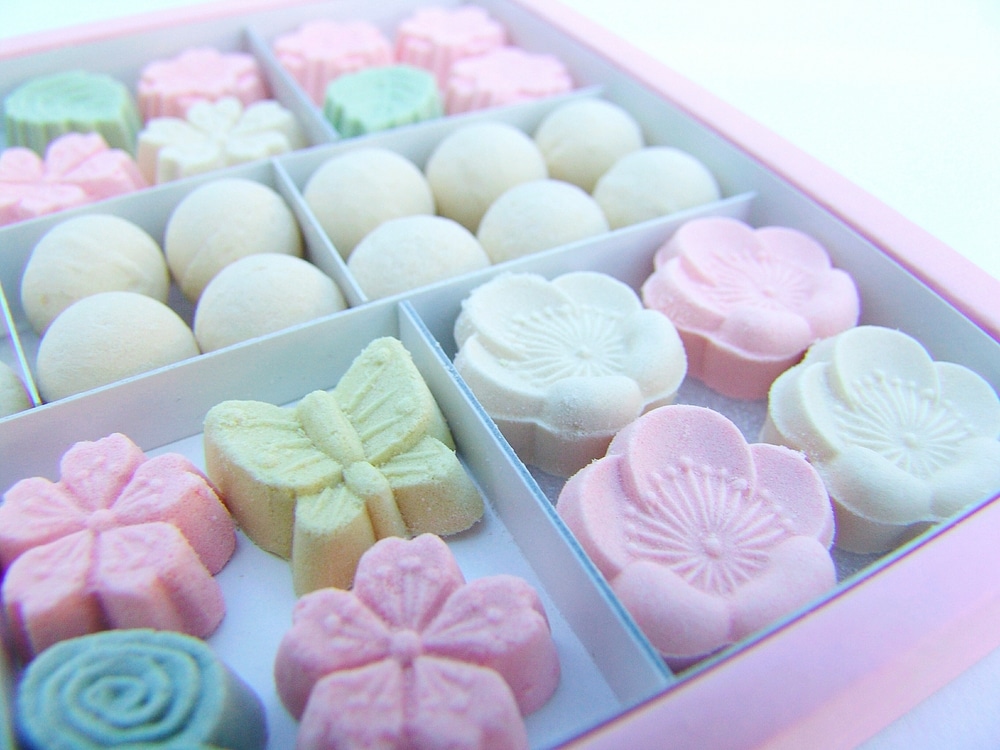
A box of sweet candy – Photo Credit: Yoyochow23
How Wasanbon Got Its Name
Wasanbon has been a significant part of Shikoku’s culinary heritage for over 300 years. Although there are a few theories about how the sugar got its name, one popular theory is that the word wasanbon is a combination of two words: wa, which was a former name for Japan, and sanbon, which quite literally means ‘three trays’ which refers to the three (or more) times when the sugar is processed in a tray (or bon) to produce the resulting refined granuals. Another theory is that it got its name from the Sanbonmatsu Port in Kagawa, from where the sugar was sent out to all parts of Japan. Whatever the origin of the name, wasanbon never fails to tickle your taste buds with its refreshing, yet not too overpowering, sweetness!
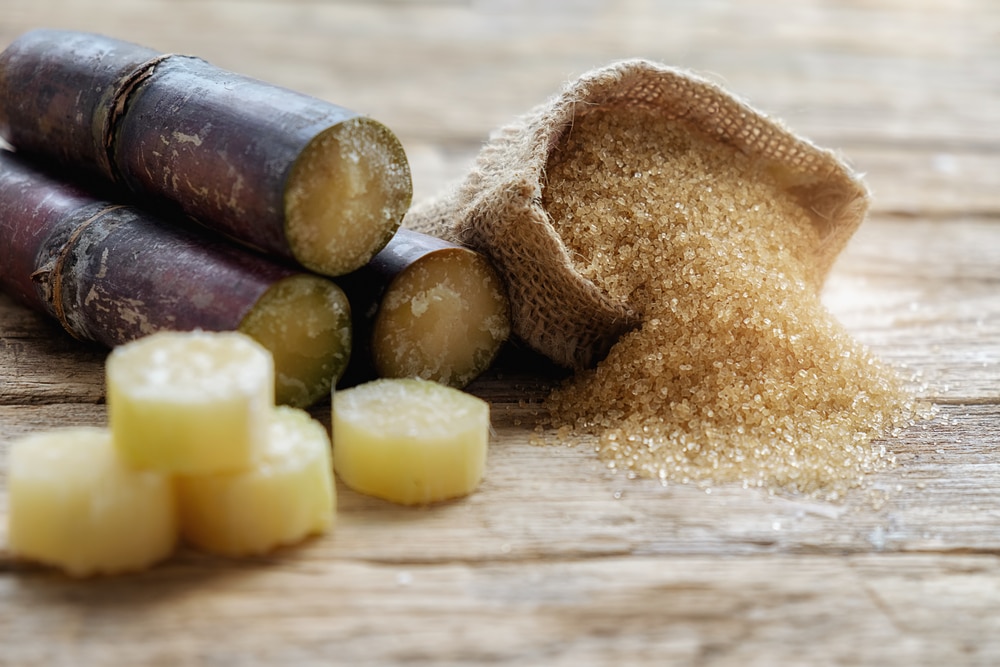
Wasanbon is prepared from chikuto sugarcane – Photo Credit: Mind and i
Hand-made Artisanal Sugar
Wasanbon is traditionally made entirely by hand and can take up to three weeks, or sometimes more, to prepare. It is made from chikuto, a particular form of sugarcane with a thin stem. The manufacturing process is quite labour-intensive and generally consists of the following steps:
The chikuto sugarcane is harvested in December, when the cane is the sweetest, and is soon passed through a shredding machine. All the liquid and sugarcane juice are extracted from the fibre, and the juice is boiled down and then cooled until the sediment settles.
Once the sediment is cool enough, it is spread out in a tray and then kneaded to release more juices, which are also cleared out. Then, the sediment is boiled all over again. This process of boiling down the sediment, cooling, kneading, and boiling once again is carried out multiple times.
During this process, the sediment is placed into a bag made from hemp and cotton, and weights are placed on it to apply pressure and squeeze more liquid out of the sediment. Finally, when all the liquid is cleared out of the sugarcane, the sediment that remains in the bag is dried and sifted through a sieve, resulting in a refined powdered substance, known as wasanbon. The grains of wasanbon powdered sugar are so fine that they literally melt in your mouth in less than a second.
Today, the process has been modified slightly, but generally, the existing wasanbon refineries follow the same principles.
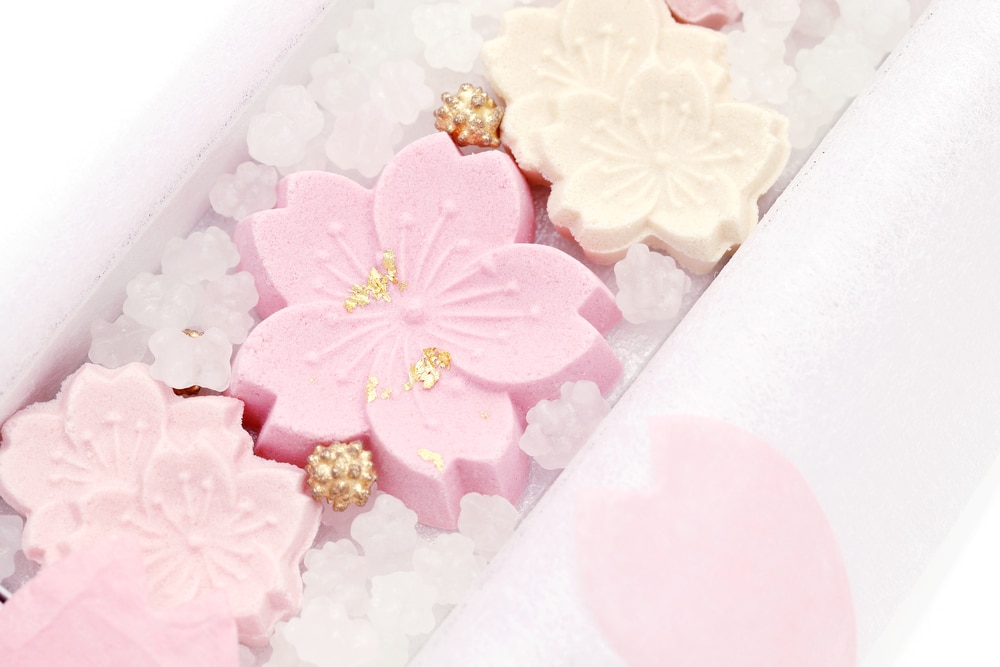
Sakura-shaped wagashi sweets – Photo Credit: akiyoko
Little Drops of Heaven
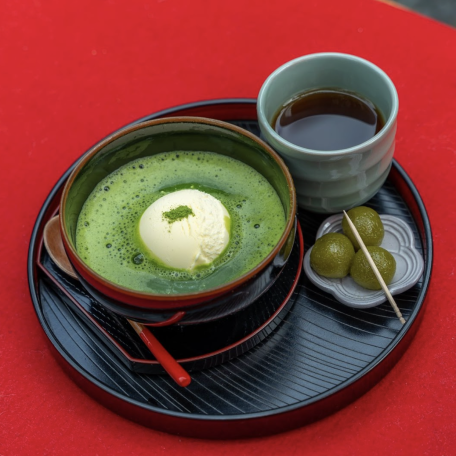
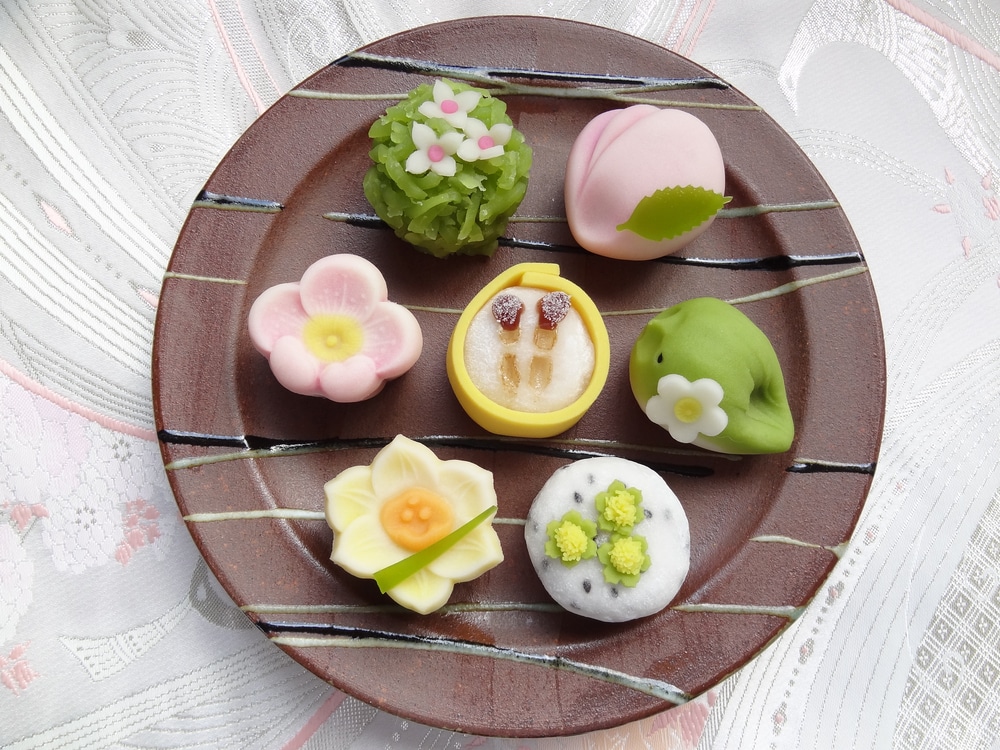
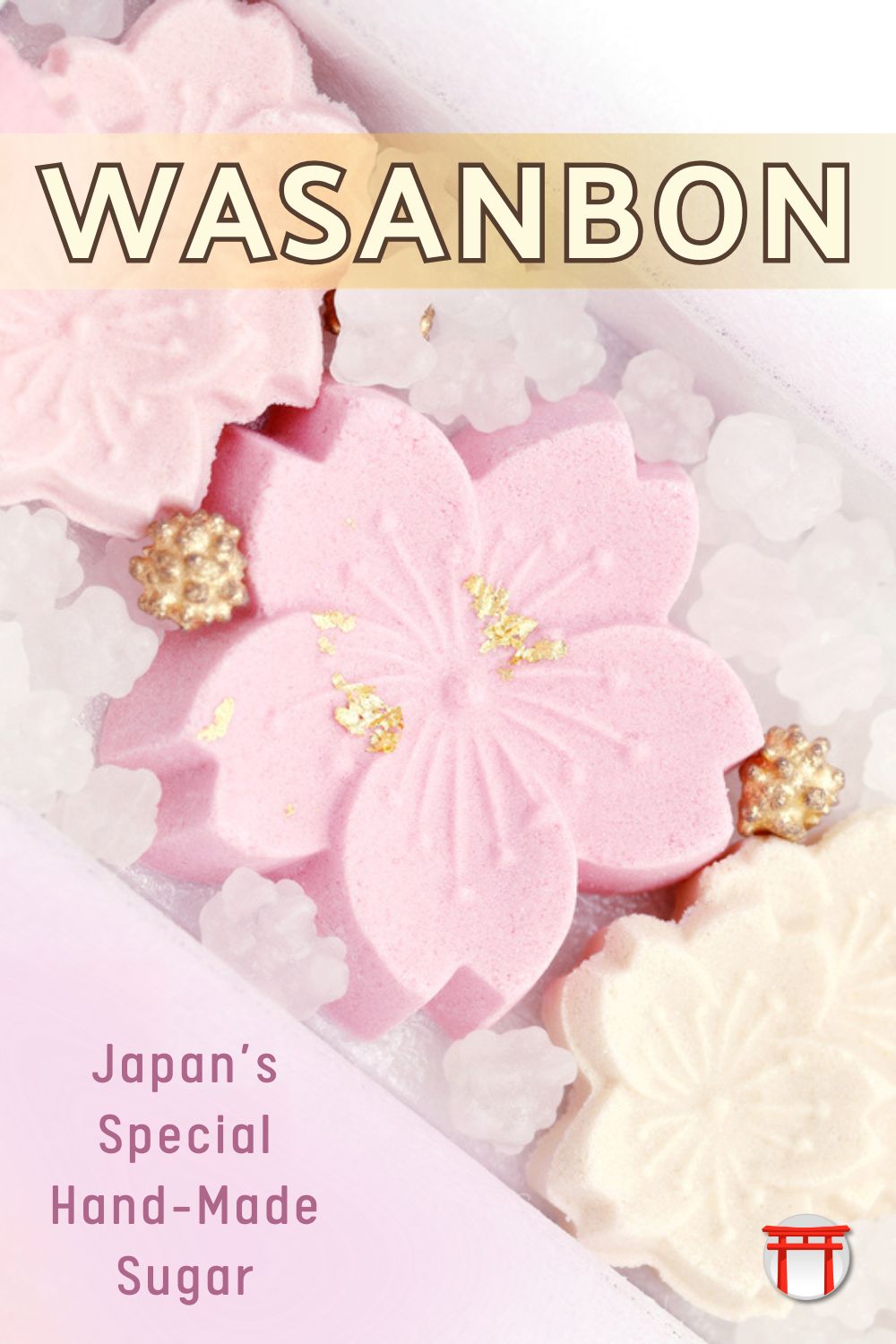
Once done, the wasanbon has a light pastel shade and is ready for making into wagashi candy. Making the candy is a relatively simple process. The finely powdered sugar is taken into a bowl, and some light liquid food colour is added to it. Once mixed thoroughly, the wasanbon is kneaded and made into a soft, smooth dough that is put into different-shaped moulds to set. This allows the wagashi sweets to get their unique look. Traditionally, the shape of the mould would vary according to the seasons and special occasions. Popular shapes include sakura flowers in spring, momiji leaves in the autumn, cranes, and even in the shape of the Seven Lucky Gods. In recent times, wasanbon sweets are available in a wide range of shapes, including Santa Claus-shaped ones around Christmas time, and of course, Japan’s favourite animal, the lucky cat, to give it a much wider appeal. In fact, the sweetness of wasanbon is no longer limited only to Japanese candy. Many bakeries and patisseries in Japan are using wasanbon to prepare Western-style desserts and sweets as well, including sponge cakes, madeleines, and other delicacies. Whatever the shape and form, wasanbon sweets make a perfect accompaniment to matcha tea or coffee.
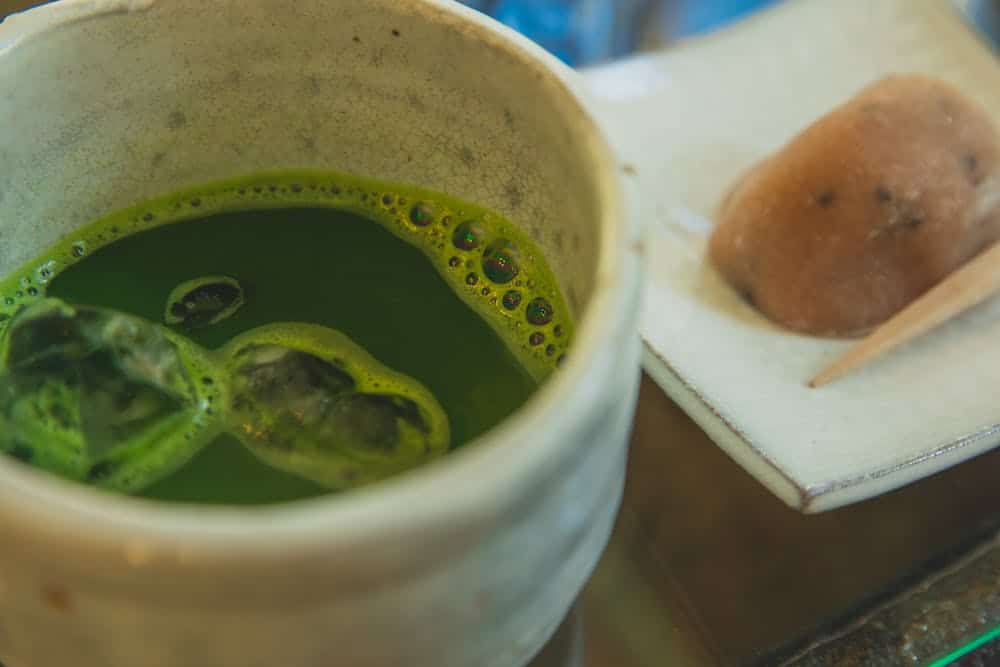
Matcha with sweets – Photo by ROMAN ODINTSOV on Pexels
Rising to popularity as a high-quality sugar during the Edo period, Wasanbon’s light and delicate taste makes it one of the most popular natural sweeteners and candy treats for Japanese locals and visitors alike. They make the perfect souvenirs for your friends and family after a trip to Japan, so don’t forget to carry a couple of packets of wagashi sweets back with you!
Featured Photo Credit: jypumi
If you’re traveling to one of Japan’s three major cities, consider booking one of our authentic Japanese cuisine food tours in Tokyo, Kyoto, or Osaka to experience the country like a local!
PIN THIS FOR LATER
Book your pocket wifi now to stay connected through your entire Japan Journey!

Be sure to get the JR Pass to make navigating Japan during your trip that much easier!
YOU MIGHT ALSO LIKE