Sakura Shrimp: A Taste of Suruga’s Coastal Bounty
Feb 10, 2026
BY Vijayalakshmi R.

As fall foliage makes an appearance, the sakura shrimp makes its way into culinary delights in Japan. If you’re foodies like us and look for an opportunity to try local food every time you travel, here’s a little secret. On your next trip to Japan, try sakura shrimp. You’ll be surprised by how much you’ll enjoy it!
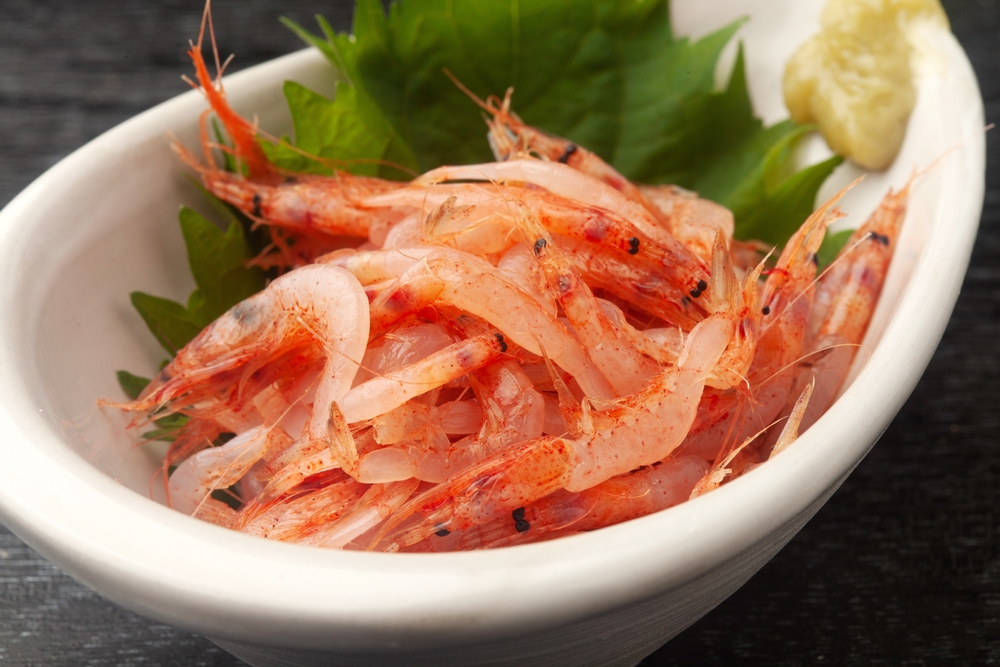
Fresh raw sakura shrimp – Photo Credit: sasazawa
What is Sakura Shrimp, and Why is it Special?
Sakura shrimp is caught in only two places across the world: Japan’s Suruga Bay in Shizuoka Prefecture and Taiwan. And it’s delectable! A seasonal delicacy that the Japanese love and cherish, sakura shrimp is a “hidden food gem” of Japanese cuisine that every traveler to Japan should try.
A tiny crustacean that grows to a mere 4-5 cm in length, this little critter packs a punch on the nutrient front. Translucent underwater, it turns a beautiful “cherry pink” on shrimping due to the numerous light-sensitive phosphorescent spots on its body (over 160 of them counted on the ones caught in Suruga Bay!). Hence, the name “sakura shrimp.”
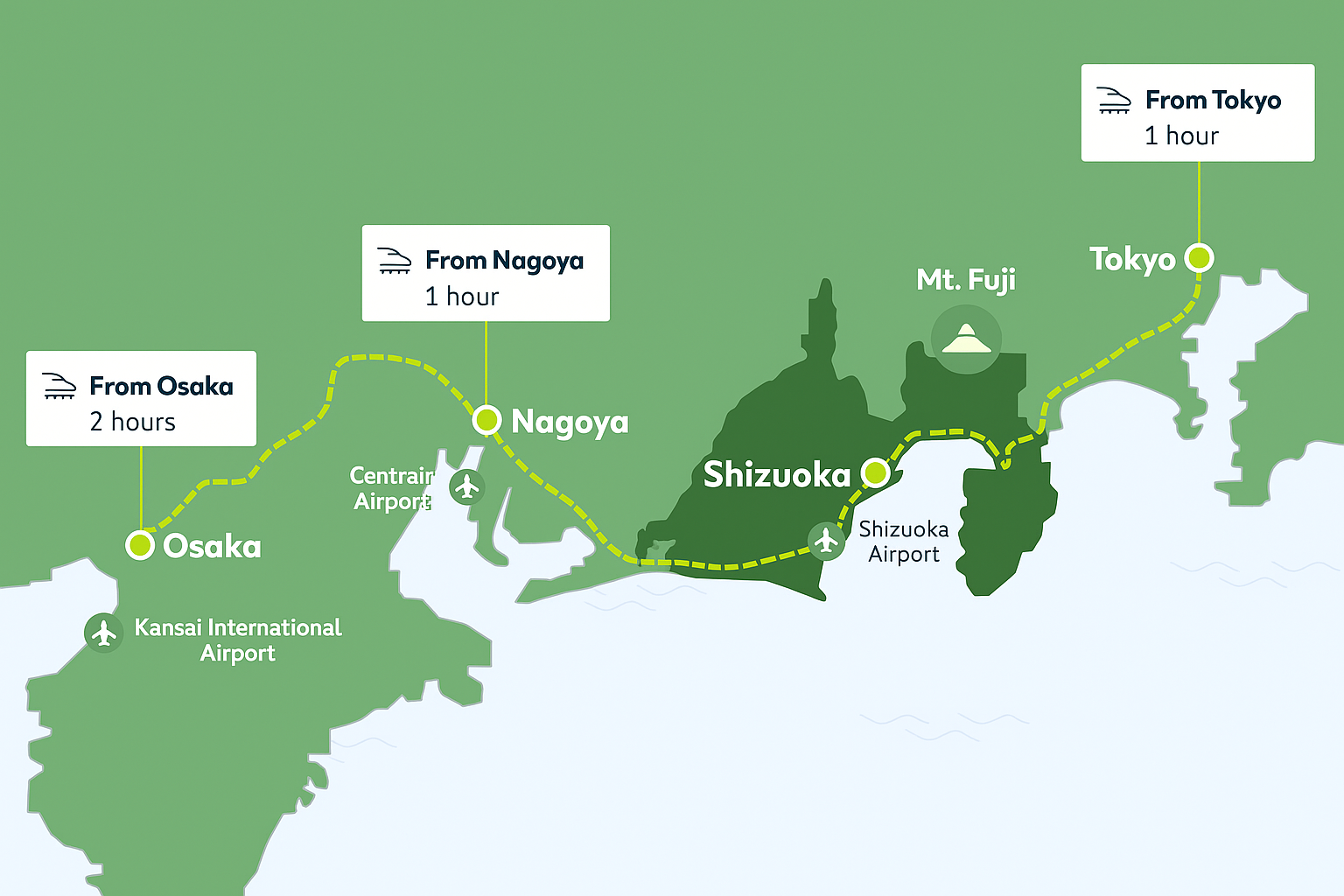
Google map of Suruga Bay – Photo Credit: Suruga Marketing & Tourism Bureau
Sakura shrimp is also known as the “Jewel of Suruga Bay” because Suruga Bay (one of Japan’s deepest bays, located in Shizuoka Prefecture) is the only place in the world where it is fished in significant amounts. Though sakura shrimp clusters are also found in Tokyo Bay and Sagami Bay, they are too small for commercial fishing to be viable. This shrimp is in season only between late March through May and late October through December, as fishermen leave the fish alone during the summer spawning season from June to September for conservation purposes. So, sakura shrimp in Suruga Bay is truly rare and worth a try!
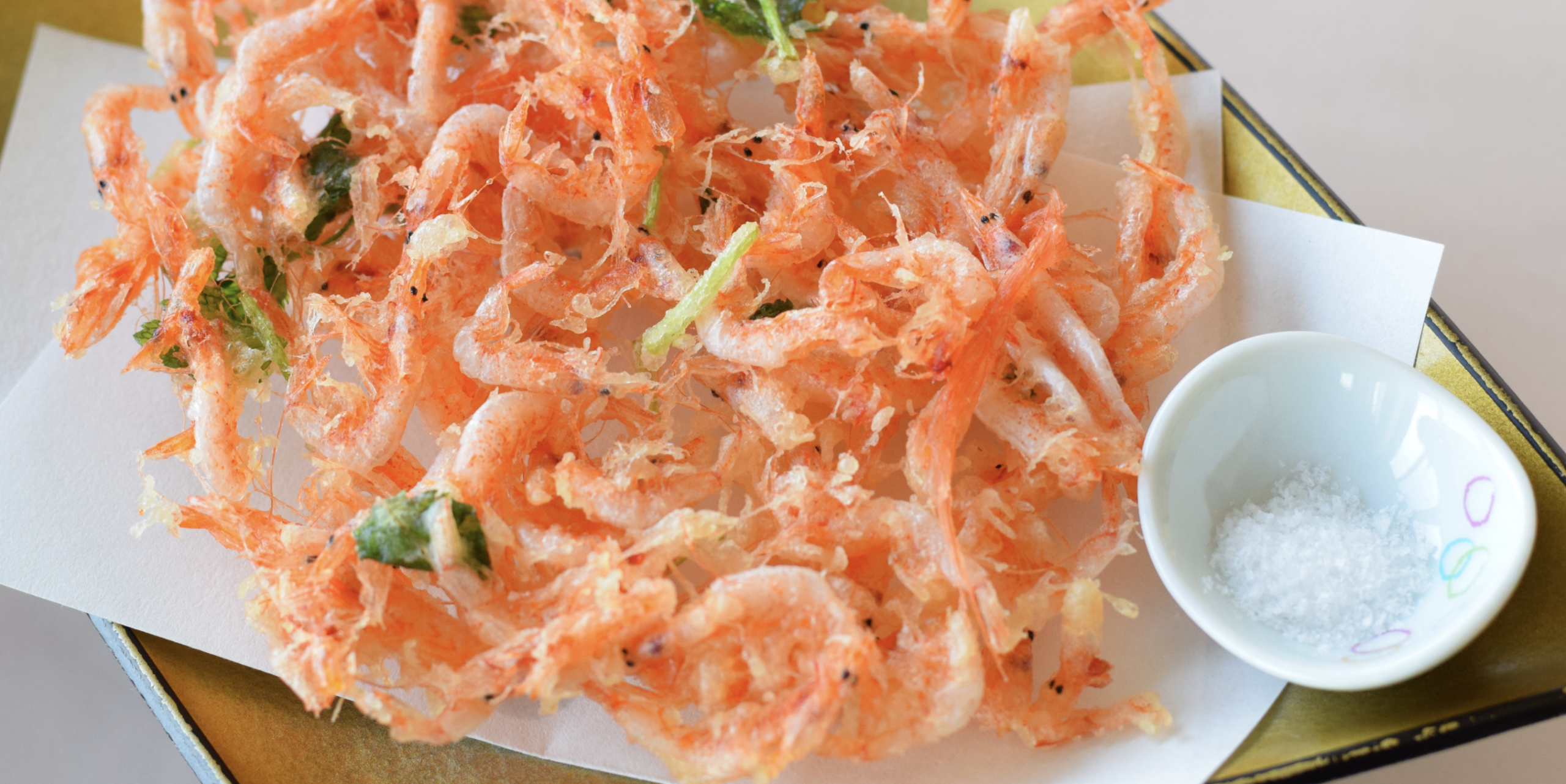
An enticing plate of sakura shrimp – Photo Credit: Kurasawaya
Why Sakura Shrimp is a Must-Try
Well, first up, it’s incredibly tasty, whether you eat it raw or cooked. Sakura shrimp has a slightly sweet flavor when eaten raw, a briny flavor when boiled, and an umami flavor when dried. It is also one of those rare foods that is naturally crispy and retains its crispness and texture through processing turns.
It pairs remarkably well with both Japanese foods and Western dishes, making it extremely versatile. And sun-dried sakuraebi (Japanese for sakura shrimp) makes for an irresistible souvenir to take back home as a taste of Japan for friends and family to savor. Most importantly, since it is rich in calcium, proteins, zinc, and vitamins because of the mineral-rich rivers that originate on Mt. Fuji and drain into the Suruga Bay, it ticks all the boxes on the health list, too.
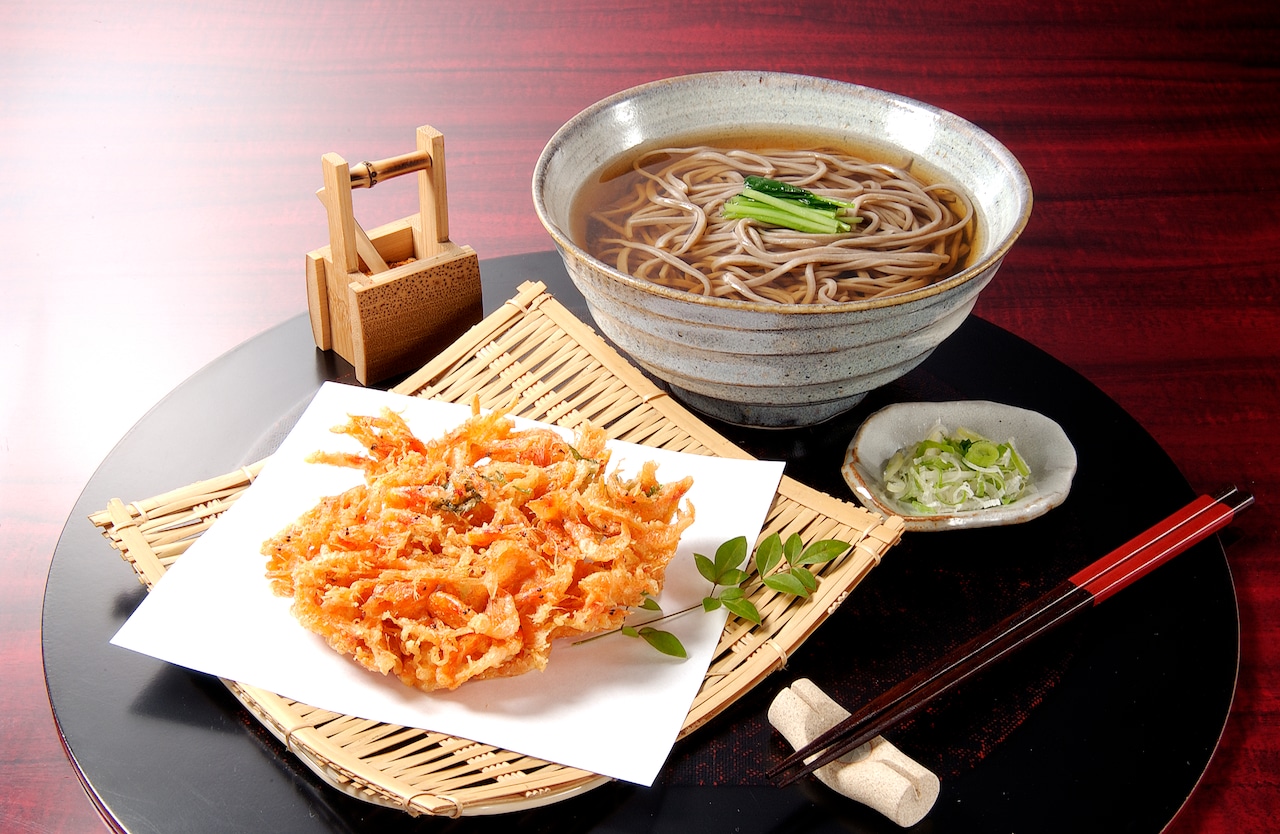
Sakura shrimp with soba set meal – Photo Credit: Kurasawaya
Six Ways to Eat Sakura Shrimp
Well, if you’re convinced by now and are wondering how to eat sakura shrimp, we’ve got you covered! Whether you prefer eating like a local or prefer to stick to the familiar, the culinary possibilities with sakura shrimp are immense. Read on for six ways to eat sakura shrimp.
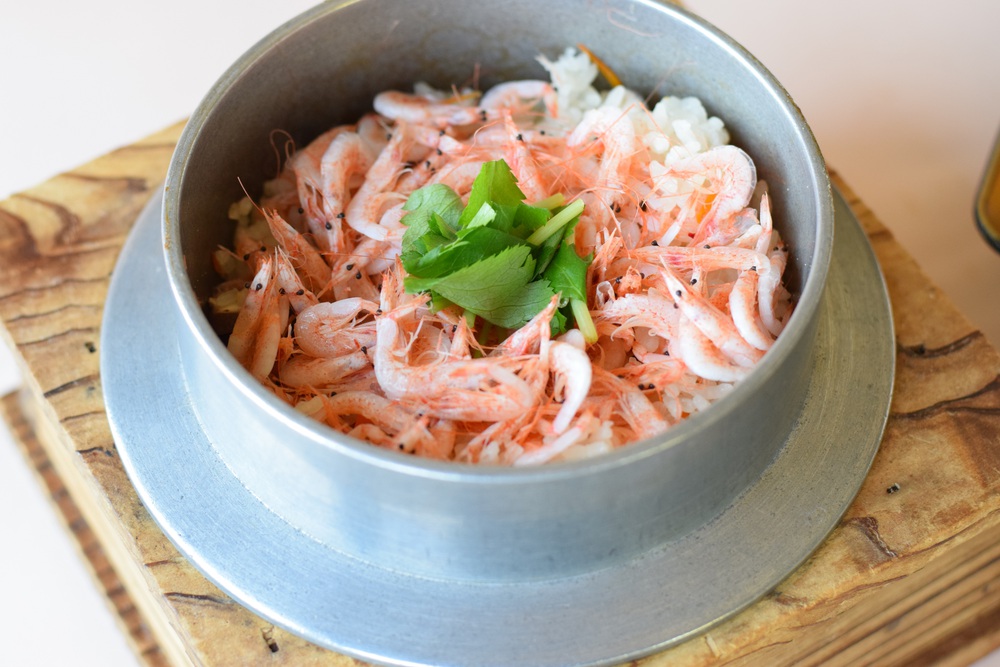
Sakura shrimp and greens – Photo Credit: Kurasawaya
Raw Sakura Shrimp with Greens:
Pairs well with almonds for a healthy, crunchy snack that goes well with beer. It also goes well with greens, like leeks, fresh spinach, kale, and tender blanched fruit like cucumber or zucchini. Sakura shrimp also goes well with asparagus, green beans, cabbage, kale, and broccoli. If you’re experimental in your food and ingredient choices, you can also try pairing fresh sakura shrimp with green peppers, pea pods, potatoes, or bok choy. Sakura shrimp with natto is another healthy variant you could try if you’re trying hard to fall in love with natto.
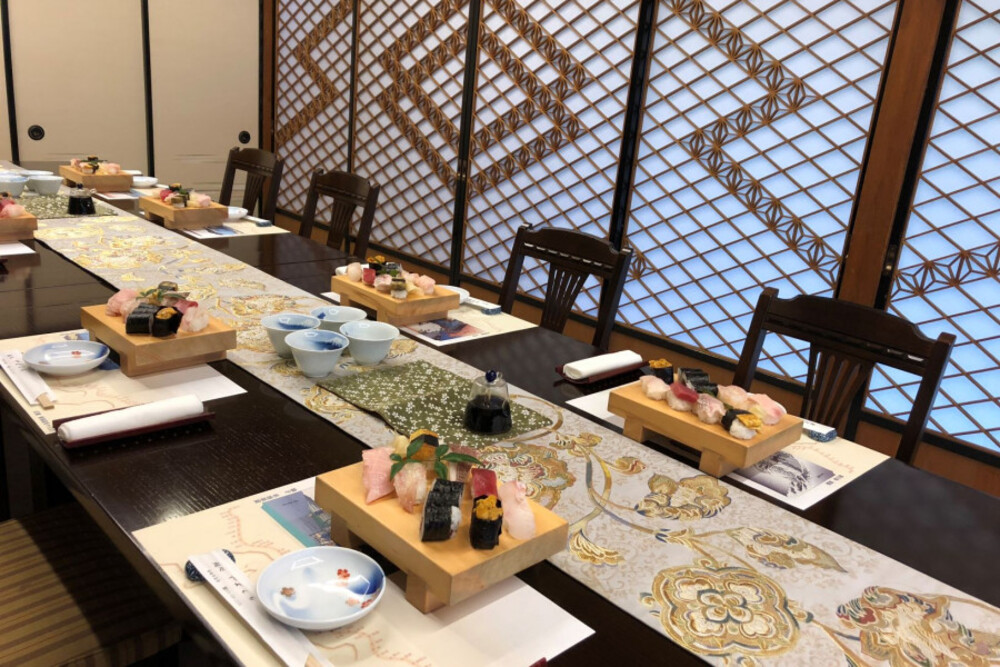
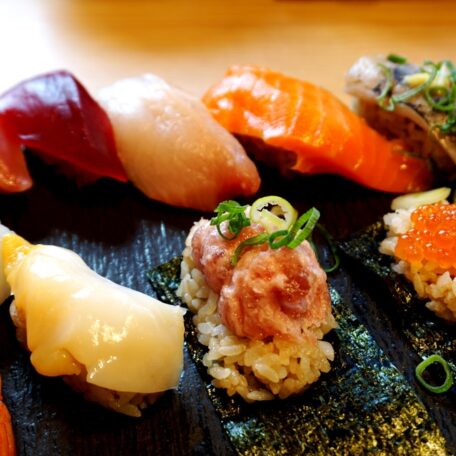
Sushi set served at Sushi Yamashichi – Photo Credit: Suruga Marketing & Tourism Bureau
Gunkan-maki Sakura Shrimp (Sushi Roll):
If those dishes sound too vegetable-heavy for your liking or you are a big sushi fan, try the gunkan-maki sushi roll with sakura shrimp. Every time you pop a gunkan-maki in your mouth, the contrasting textures of the crisp nori and sakura shrimp and the soft, fluffy rice make for a delightful experience. You are likely to recall the flavors and textures long after you return home.
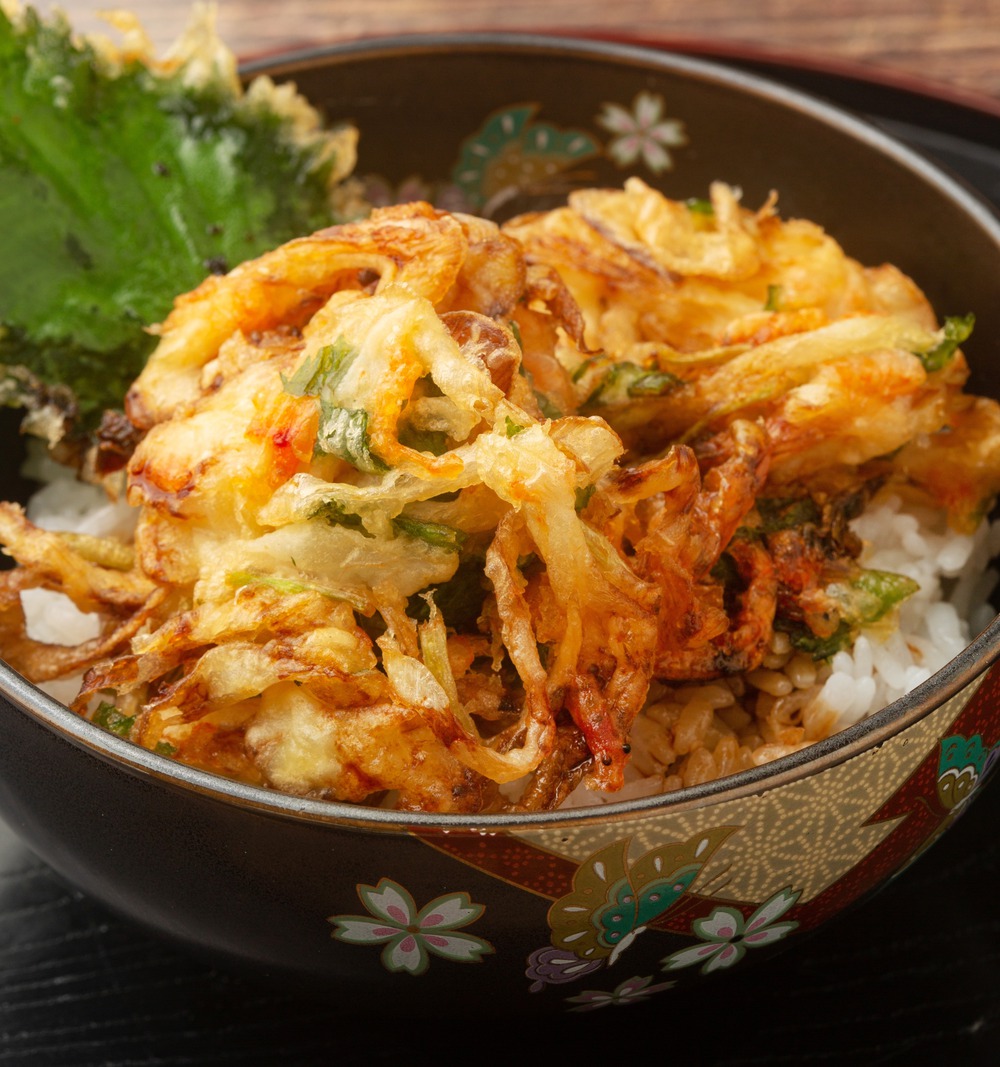
Kakiage rice bowl with sakura shrimp and vegetables – Photo Credit: sasazawa
Sakura Shrimp Kakiage (Tempura):
A traditional way to eat sakura shrimp that is super popular with the Japanese is to dip sakura shrimp, either fresh in season or dried, in corn batter, deep-fry until golden brown and crispy, and serve as tempura. The kaki-age can be eaten hot off the pan on a rainy day, either plain or paired with a dipping sauce like ponzu or tentsuyu. Local diners will also serve kakiage with rice or noodles for a more textured and filling meal.
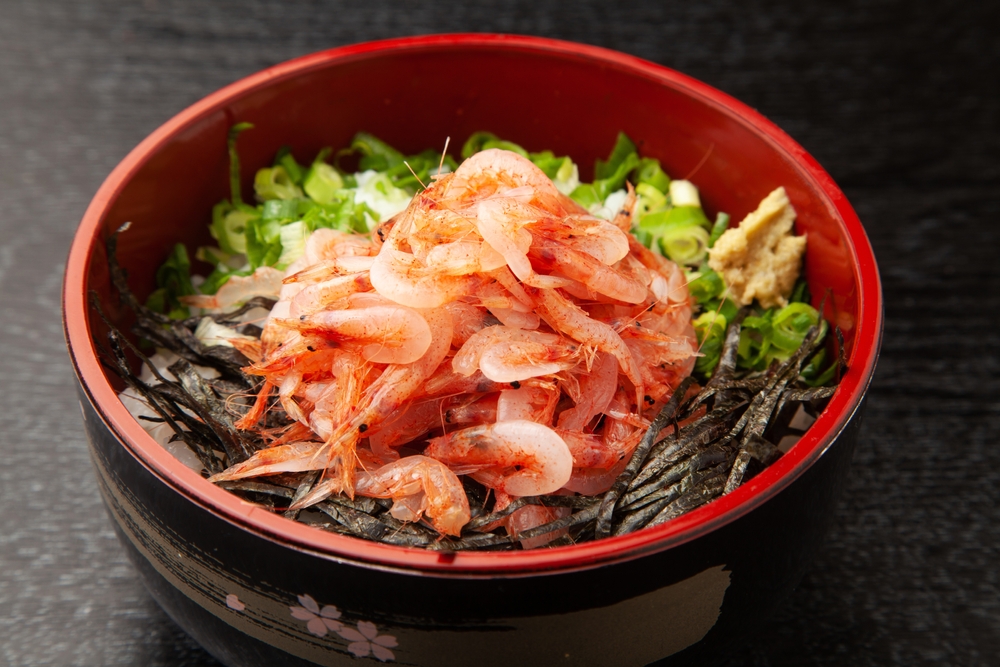
Fresh raw sakura shrimp bowl – Photo Credit: sasazawa
Sakura Shrimp Donburi:
If you long for a home-cooked style meal or something simple, like a chicken soup, the donburi is a nutritious, filling meal. Pairing it with the delicate sakura shrimp, either as sashimi or kakiage, takes this simple dish to another level, both in terms of taste and nutrition.
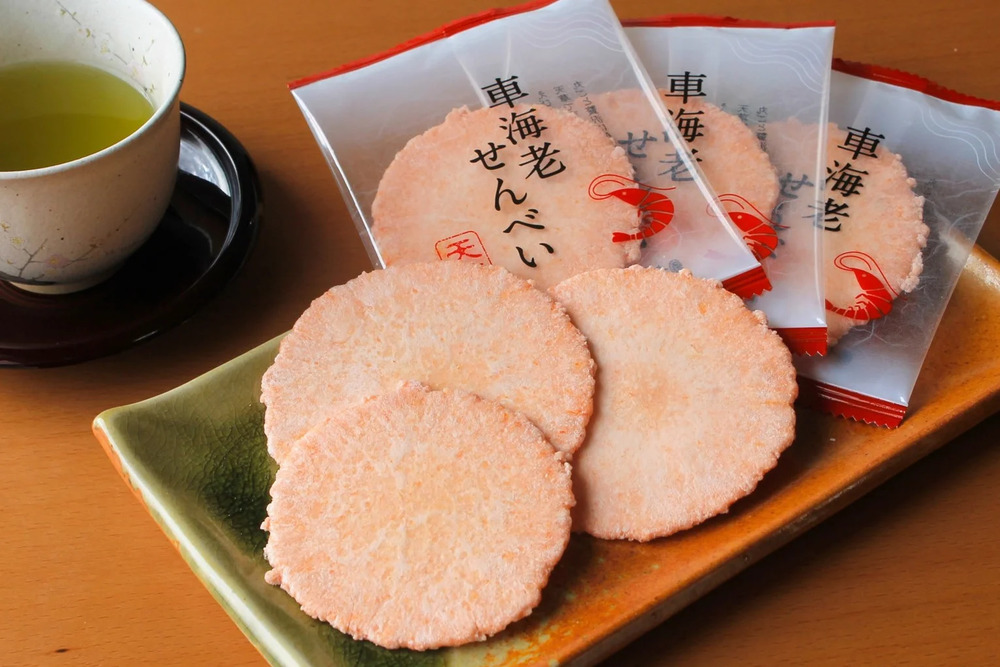
Shrimp crackers served with green tea – Photo Credit: Omotenashi Nippon
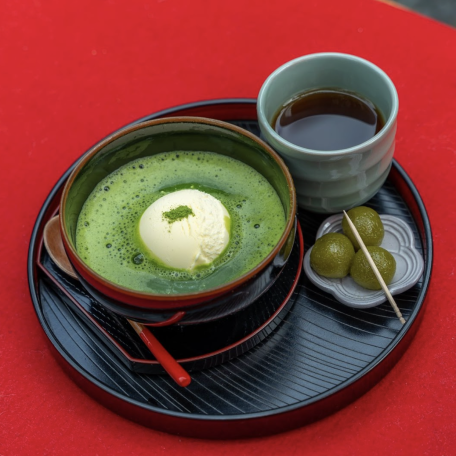
Rice Crackers with Sakura Shrimp (Ebisenbei):
If you’re looking for a mildly sweet snack with a crunchy taste, this may just be “it.” With a distinctive shrimp flavor, ebisenbei are loved by the Japanese and can remind you of your favorite shrimp flavor long after shrimping season is over. They also make for flavorful, lightweight souvenirs to carry home.
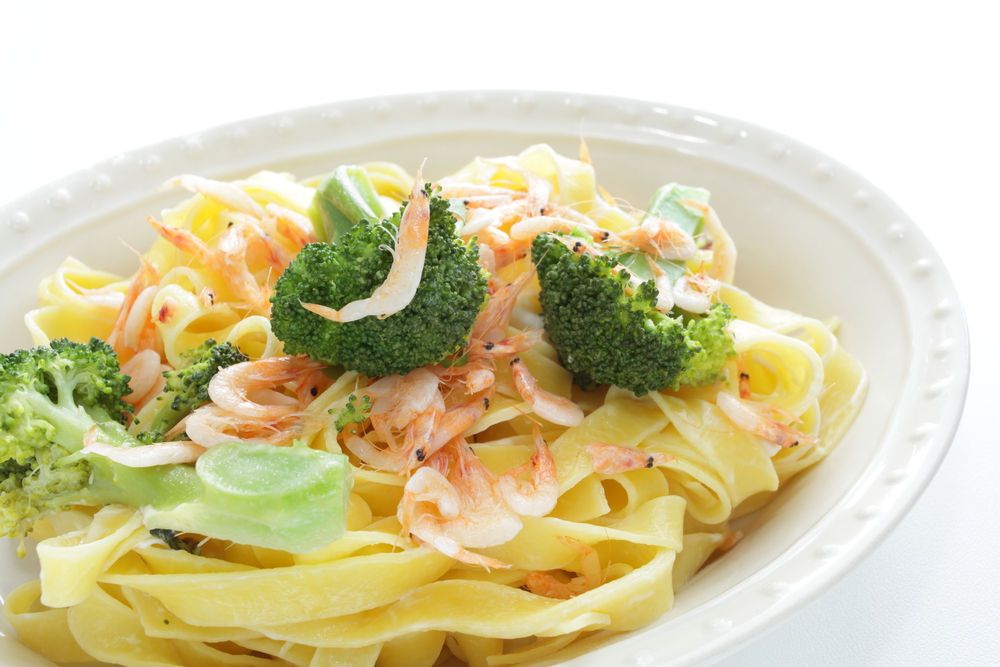
Japanese boiled sakura shrimp and broccoli fettuccine – Photo Credit: jreika
Western Dishes with Sakura Shrimp:
But if you are a diehard Western cuisine fan, worry not. Because sakura shrimp pairs well with angel hair pasta, linguine, and spaghetti, too, it is served at Italian restaurants in Suruga Bay. And the French restaurants, not to be left behind, serve the pink shrimp in quiches! Regardless of how you choose to eat it, sakura shrimp is a must-try on your next trip to Japan.

Shimizu Fish Market with Mount Fuji – Photo Credit: Shimizu Fish Market
Where to Eat Sakura Shrimp
Now that you know what to eat, here’s where to find sakura shrimp in Japan. At fish markets in Suruga, such as Yaizu Fish Center and Shimizu Fish Market, you can get fresh produce in the morning immediately after the catch is landed. You’ll also find sakura shrimp featured in many culinary delights served at restaurants in the coastal towns on the nearly 60-km-long Suruga Bay (Yui, Oigawa, and Kanbara) as well as the larger cities of Shizuoka (Fujieda, Shizuoka, and Shimizu). You may also find sakura shrimp delicacies served at some upmarket restaurants in Tokyo and Kyoto. If you are still reticent, here’s a little list of restaurants in Shizuoka to get you started. Please check their website and call ahead to ensure that sakura shrimp is in season.
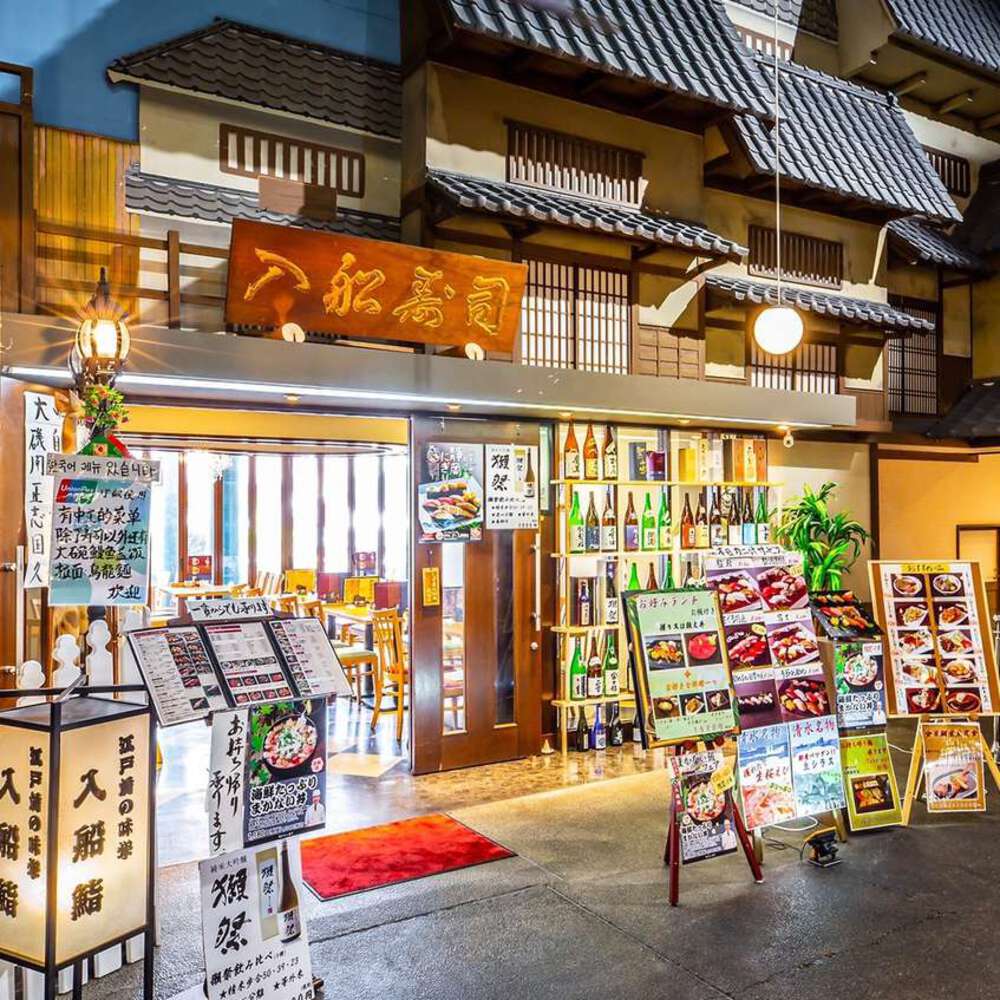
Irifune Sushi storefront – Photo Credit: Irifune Sushi
Restaurants in Suruga Bay:
Website: http://yamashiti.com/
Opening hours: 11:00 – 20:30 (closed on Tuesdays)
Phone: +81 54-388-2339
Steak and European Cuisine Le Monde Fujigaya*
Website: http://lemondefujigaya.com/
Opening hours: 11:30-14:00 (lunch), 17:30-22:00 (dinner) (closed on Mondays and some Sundays)
Phone: +81 54-251-0066
* European & Teppanyaki restaurant that serves seasonal dishes with sakura shrimp and other local produce
Irifune Sushi S-Pulse Dream Plaza Doripura Branch
Website: https://irifunesushi.net/shop-list/dream-plaza/
Opening hours: 11:00-21:00 (closed on Wednesdays)
Phone: +81 54-395-8551
Website: http://sakuraebi.org/
Opening hours: 11:00-15:00 (lunch), 17:00-20:00 (dinner) (closed on Mondays)
Phone: +81 54-375-2454
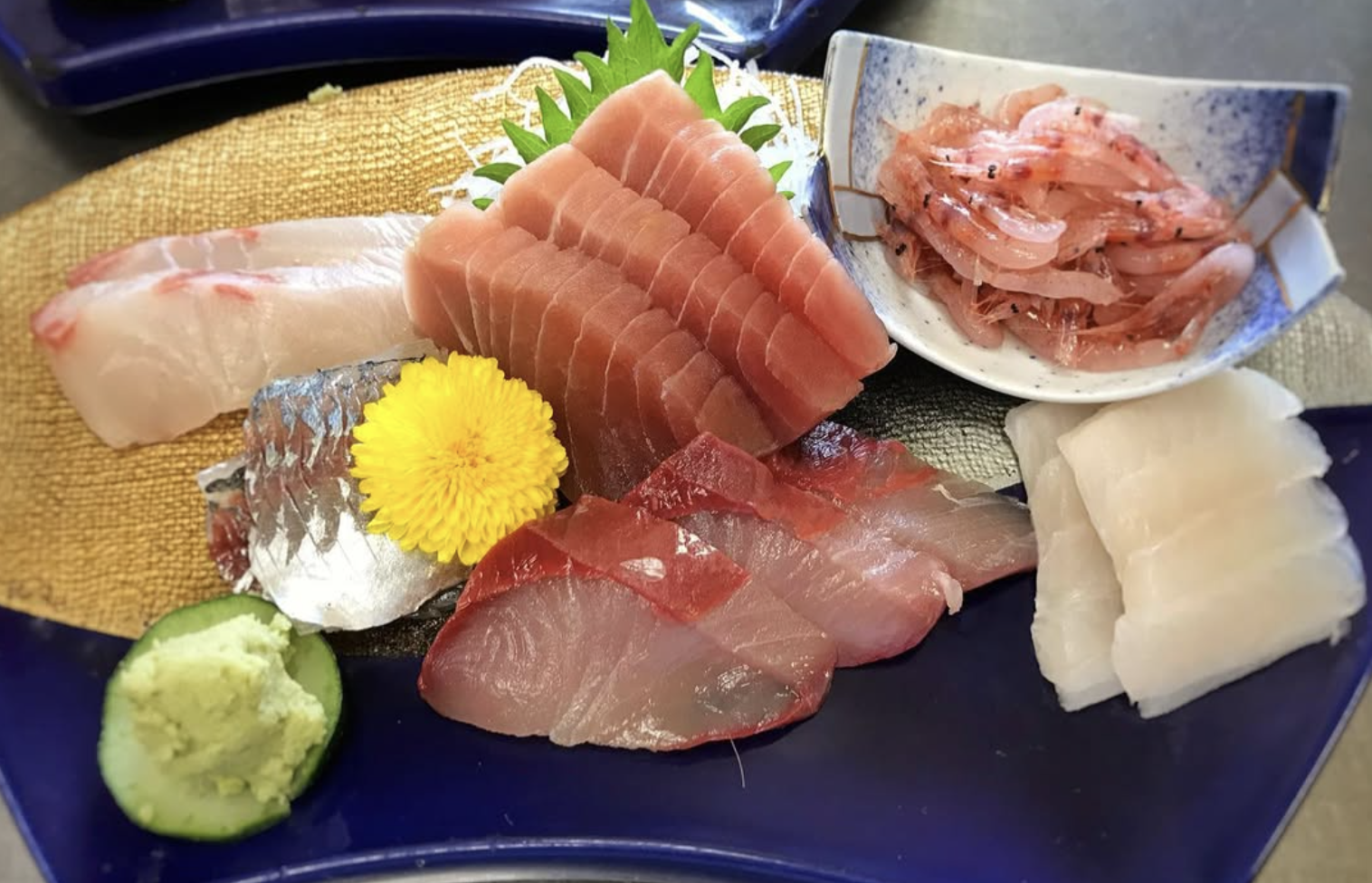
Sakura shrimp sashimi – Photo Credit: Kurasawaya
A Must-Try Local Favorite
A tiny crustacean that is exclusively fished in Suruga Bay in Japan, the sakura shrimp is popular among the Japanese for its crisp texture and the sweet, salty, and umami flavors it renders. Packed with nutrients, sakura shrimp is flavorful, whether raw or cooked. Plus, there are so many yummy ways to pair sakura shrimp with Japanese and Western dishes. So, go ahead and add it to your food bucket list for your next trip to Japan.
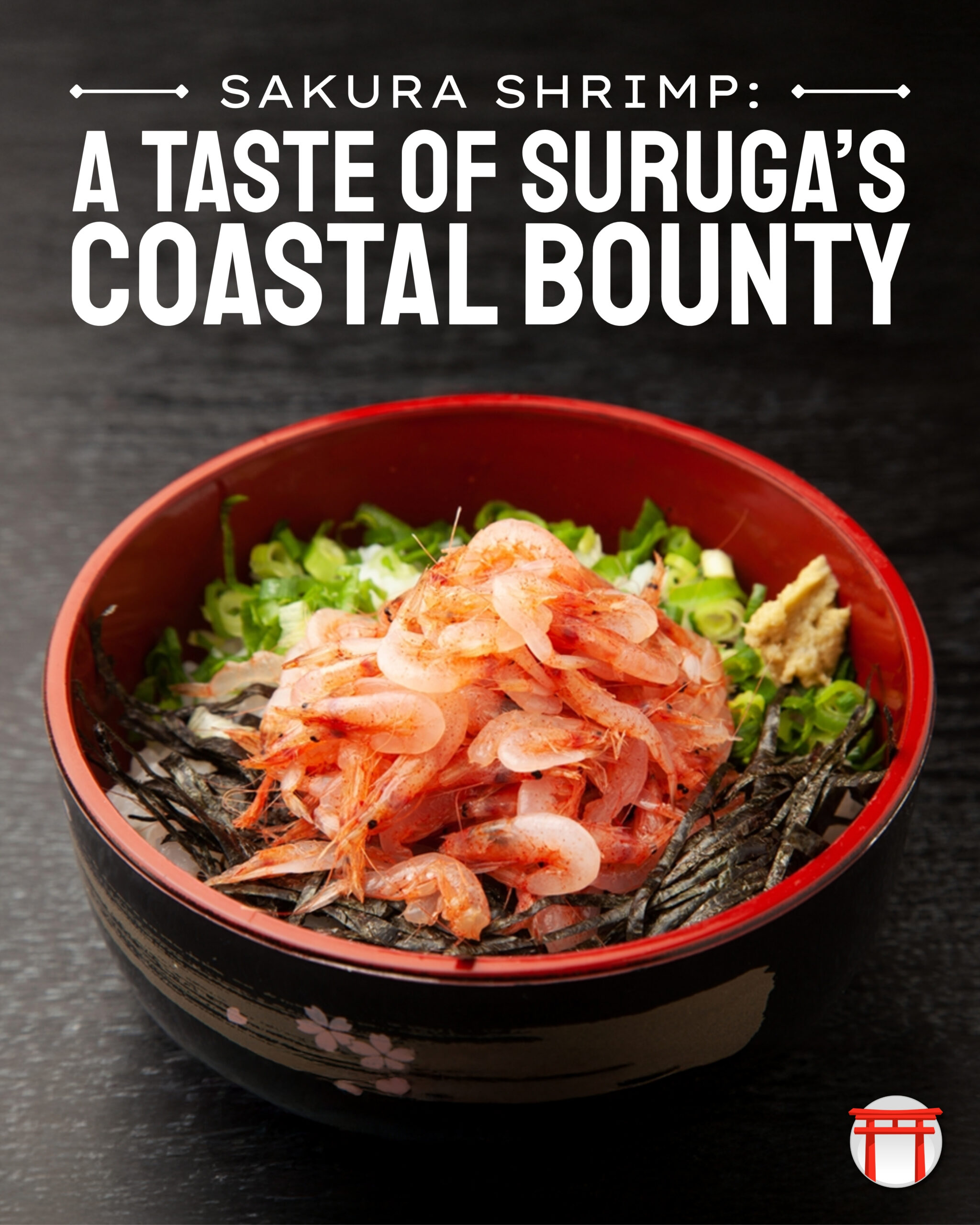
Featured Photo Credit: Suruga Marketing & Tourism Bureau
Discover the wonders of Suruga with our expertly crafted custom itinerary—your adventure awaits!
PIN THIS FOR LATER
Book your pocket wifi now to stay connected through your entire Japan Journey!

Be sure to get the JR Pass to make navigating Japan during your trip that much easier!
YOU MIGHT ALSO LIKE